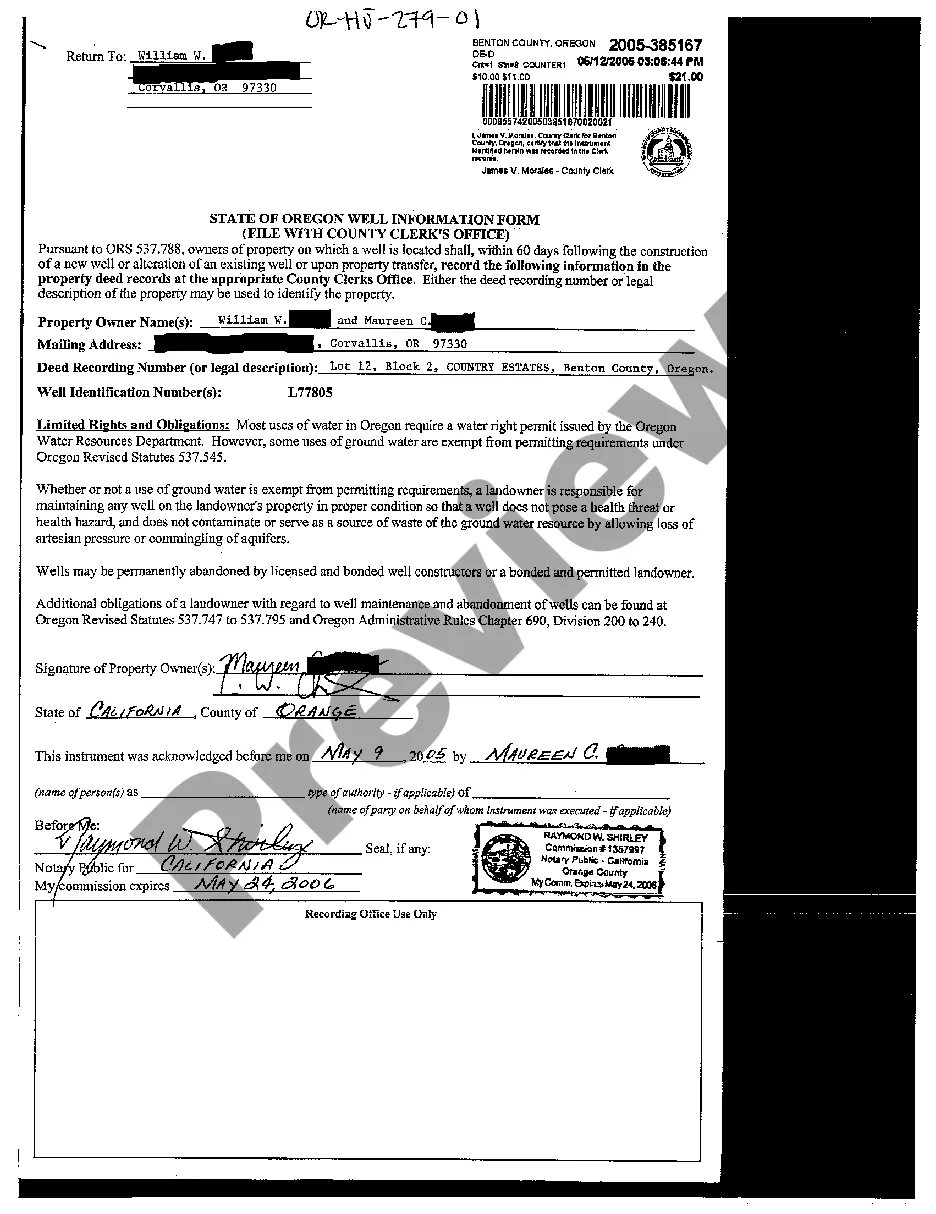
Partial Release of Judgment Lien
Overview of this form
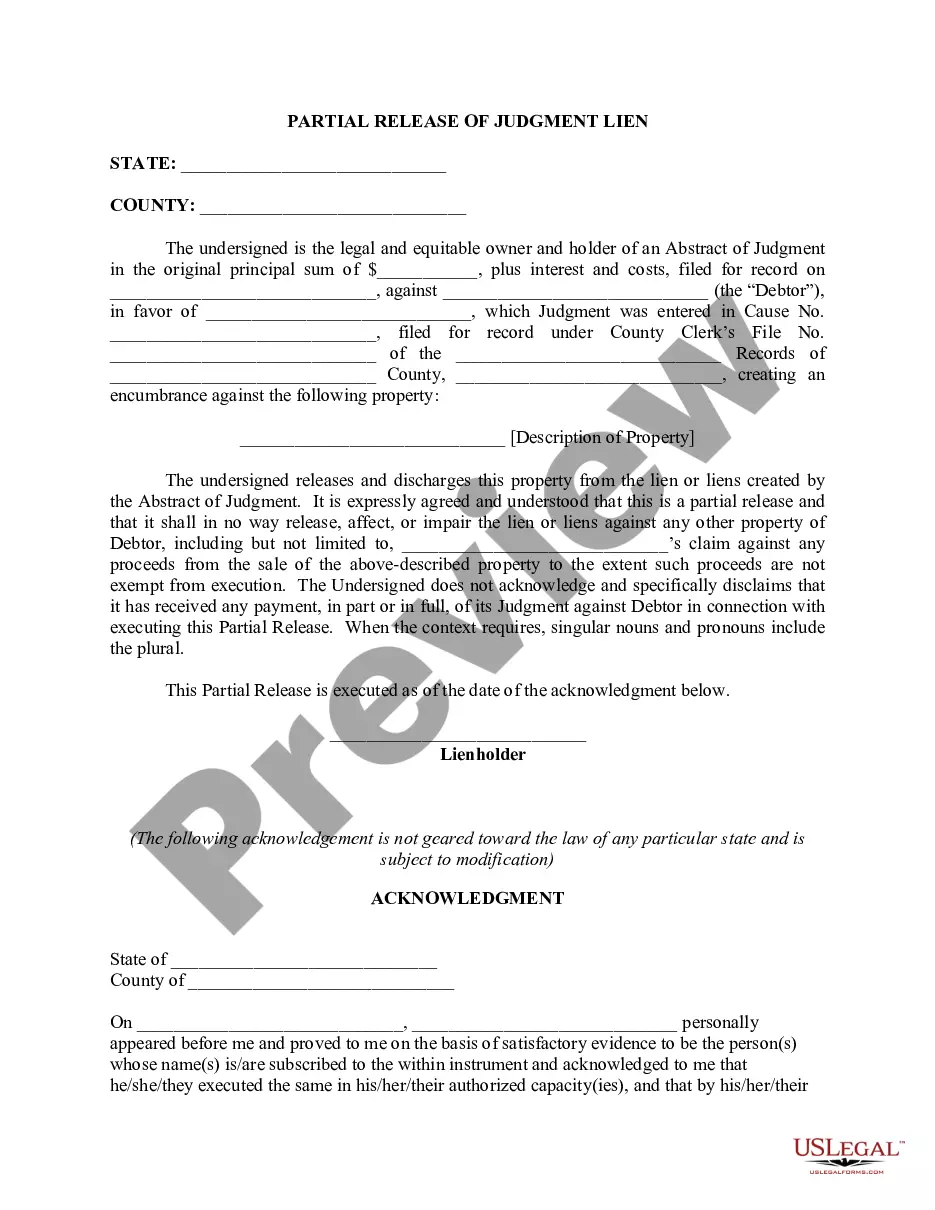
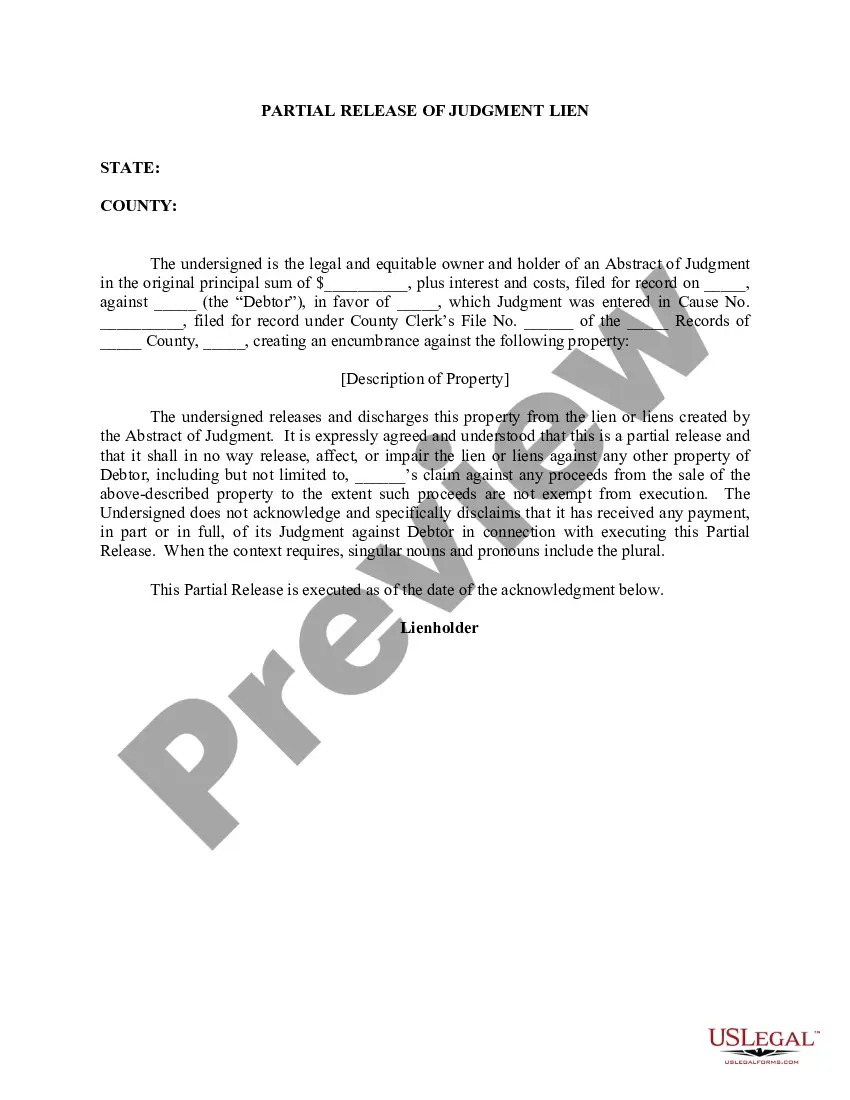
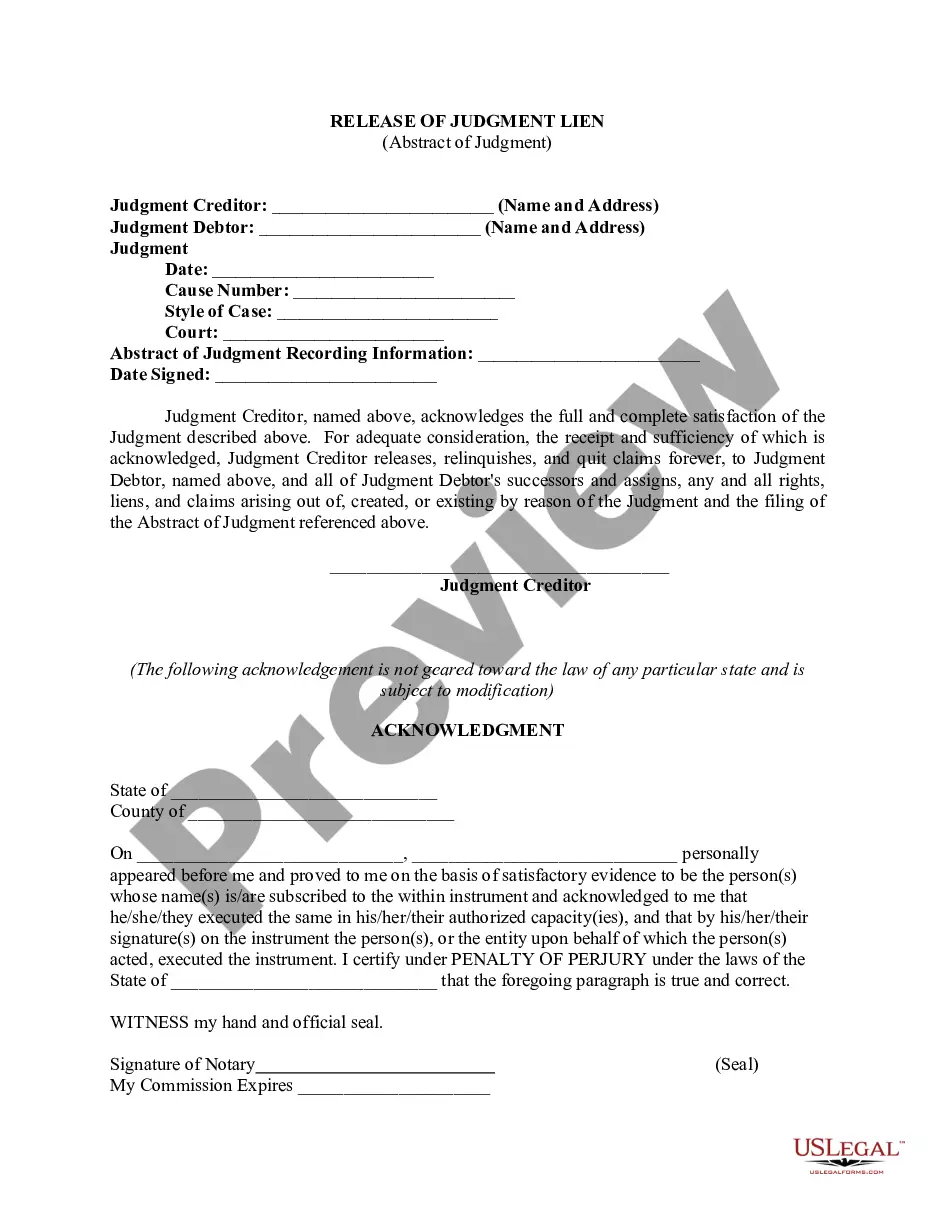
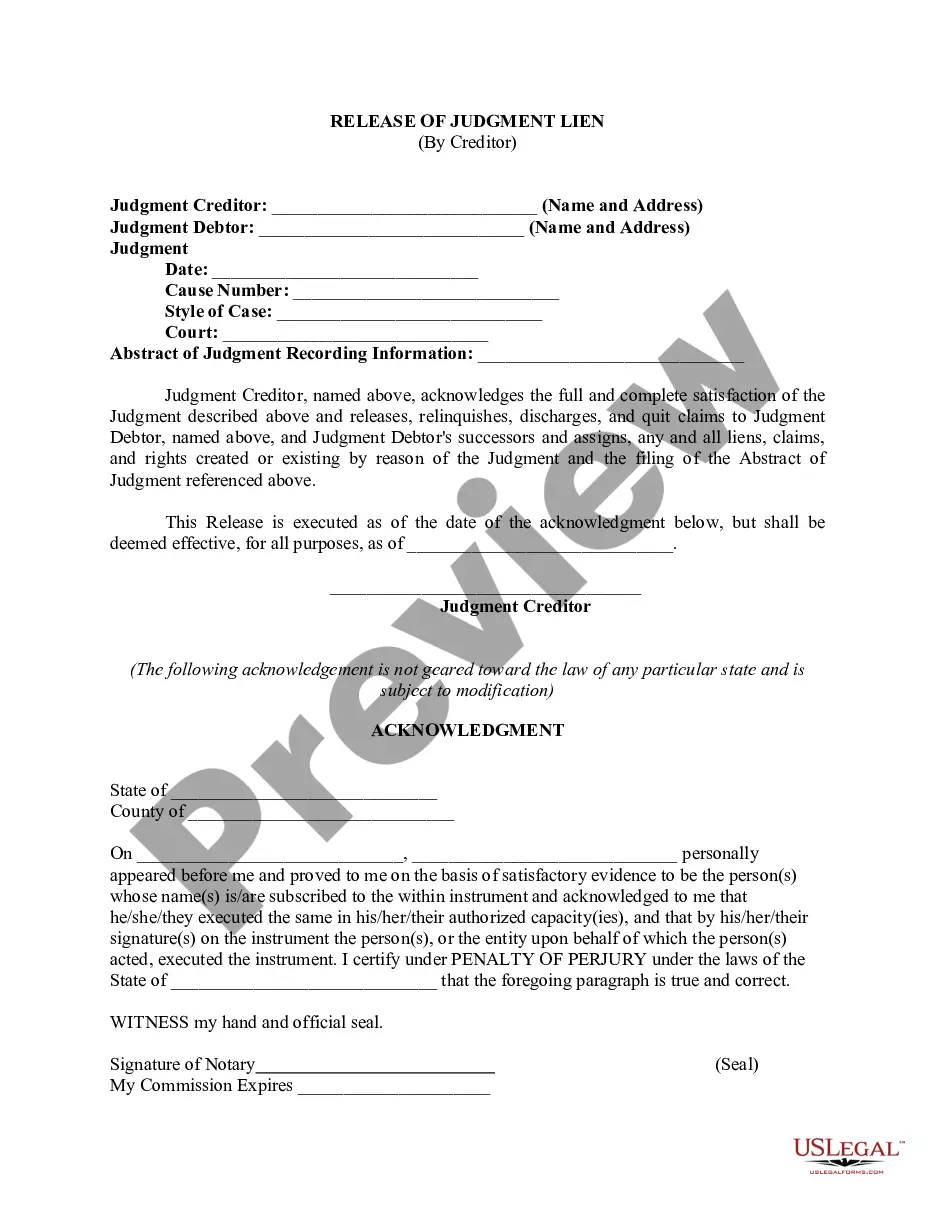
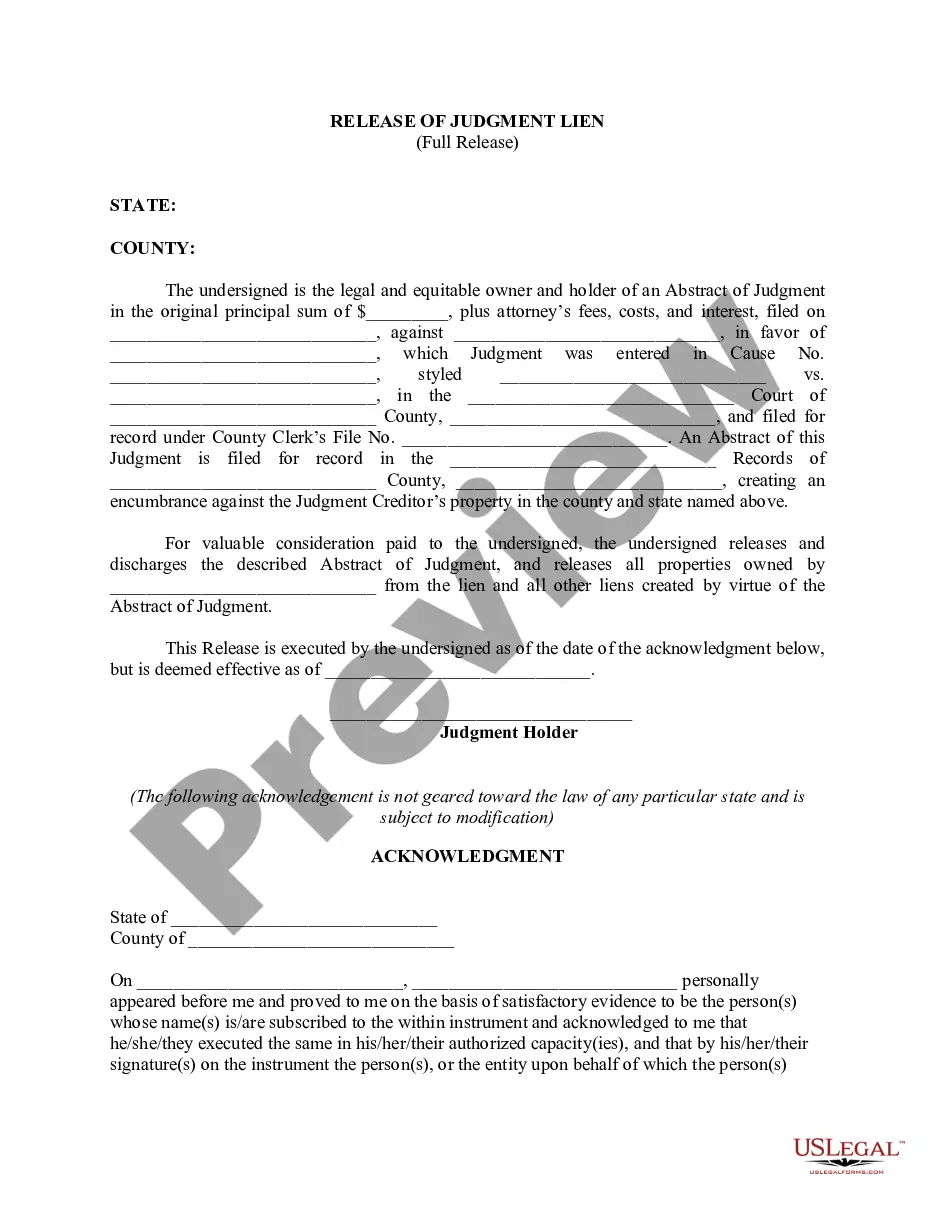
The Partial Release of Judgment Lien is a legal document that allows a lienholder to release a specific property from a judgment lien while maintaining the lien on other properties owned by the debtor. This form provides clarity on the ownership and liability of the debtor and ensures that the lien remains enforceable on any other assets, effectively reducing the burden on the individual property released.
Form components explained
- Identification of the lienholder and debtor involved in the judgment.
- Details regarding the original judgment amount, including interest and costs.
- Specific description of the property being released from the lien.
- Clear statement that this is a partial release, preserving the lien on other properties.
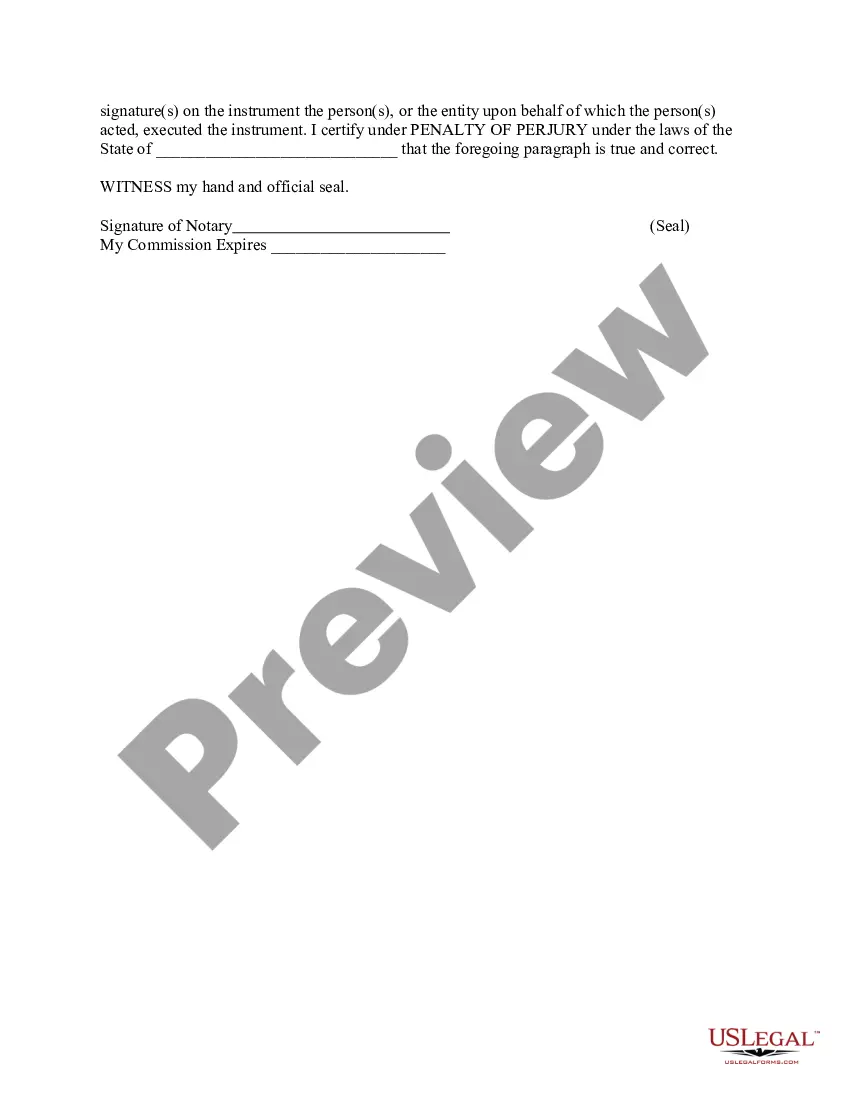
- Acknowledgment section for notarization, ensuring the validity of the document.
Common use cases
This form is used when a lienholder wants to release a specific piece of property from a judgment lien. This may happen during the sale of the property, when the lienholder seeks to allow the owner to sell or refinance without the full encumbrance of the lien, while still ensuring that other properties remain secured. It's essential in transactions where partial releases are necessary to facilitate a sale or transfer in a manner that respects existing legal claims.
Who needs this form
This form is applicable for:
- Lienholders who hold a valid judgment lien against a debtor.
- Debtors seeking to release a specific property from an encumbering judgment lien.
- Attorneys or legal representatives facilitating property transactions involving judgment liens.
How to complete this form
- Identify the parties involved by filling in the names of the lienholder and the debtor.
- Specify the amount of the original judgment, including any accrued interest and costs.
- Provide the date the judgment was filed and the specific county for record-keeping.
- Describe the property that is being partially released from the lien.
- Complete the acknowledgment section for notarization to ensure its legal validity.
Does this form need to be notarized?
To make this form legally binding, it must be notarized. Our online notarization service, powered by Notarize, lets you verify and sign documents remotely through an encrypted video session.
Get your form ready online
Our built-in tools help you complete, sign, share, and store your documents in one place.
Make edits, fill in missing information, and update formatting in US Legal Forms—just like you would in MS Word.
Download a copy, print it, send it by email, or mail it via USPS—whatever works best for your next step.
Sign and collect signatures with our SignNow integration. Send to multiple recipients, set reminders, and more. Go Premium to unlock E-Sign.
If this form requires notarization, complete it online through a secure video call—no need to meet a notary in person or wait for an appointment.
We protect your documents and personal data by following strict security and privacy standards.

Make edits, fill in missing information, and update formatting in US Legal Forms—just like you would in MS Word.

Download a copy, print it, send it by email, or mail it via USPS—whatever works best for your next step.

Sign and collect signatures with our SignNow integration. Send to multiple recipients, set reminders, and more. Go Premium to unlock E-Sign.

If this form requires notarization, complete it online through a secure video call—no need to meet a notary in person or wait for an appointment.

We protect your documents and personal data by following strict security and privacy standards.
Common mistakes
- Failing to sign the form where required, making it legally invalid.
- Not providing complete and accurate property descriptions.
- Overlooking the acknowledgment section, which can affect enforceability.
- Confusing partial release terms with full release, potentially leading to misunderstandings about lien status.
Advantages of online completion
- Convenience of downloading the form directly and filling it out anytime.
- Editable fields make it easy to customize the form to specific needs.
- Access to expertly drafted content ensures legal reliability.
Summary of main points
- The Partial Release of Judgment Lien creates a legal pathway for releasing specific property from a lien while maintaining the lien on other assets.
- Ensure accurate identification and description to avoid legal disputes.
- Fulfill all notarization requirements to validate the document properly.
Looking for another form?
Form popularity
FAQ
If you are approved for the partial mortgage release, you will receive notification within two to six weeks.
The debtor must get a discharge or release of the abstract of judgment to remove the lien from the home. Contact the judgment creditor shown on the abstract. Arrange to pay the debt in full or negotiate payments. Ask the creditor for a discharge if paying in full.
Key Takeaways. A partial release is a mortgage provision that allows some of the collateral to be released from a mortgage after the borrower pays a certain amount of the loan. Lenders require proof of payment, a survey map, appraisal, and a letter outlining the reason for the partial release.
There are a few ways you can satisfy or avoid a lien altogether. The firstand most obviousoption is to repay the debt. If you pay off your obligation, the creditor will remove the lien. This is done by filing a release through the same place the lien was recordedthe county or state.