Release of Judgment Lien - Abstract of Judgment
Understanding this form
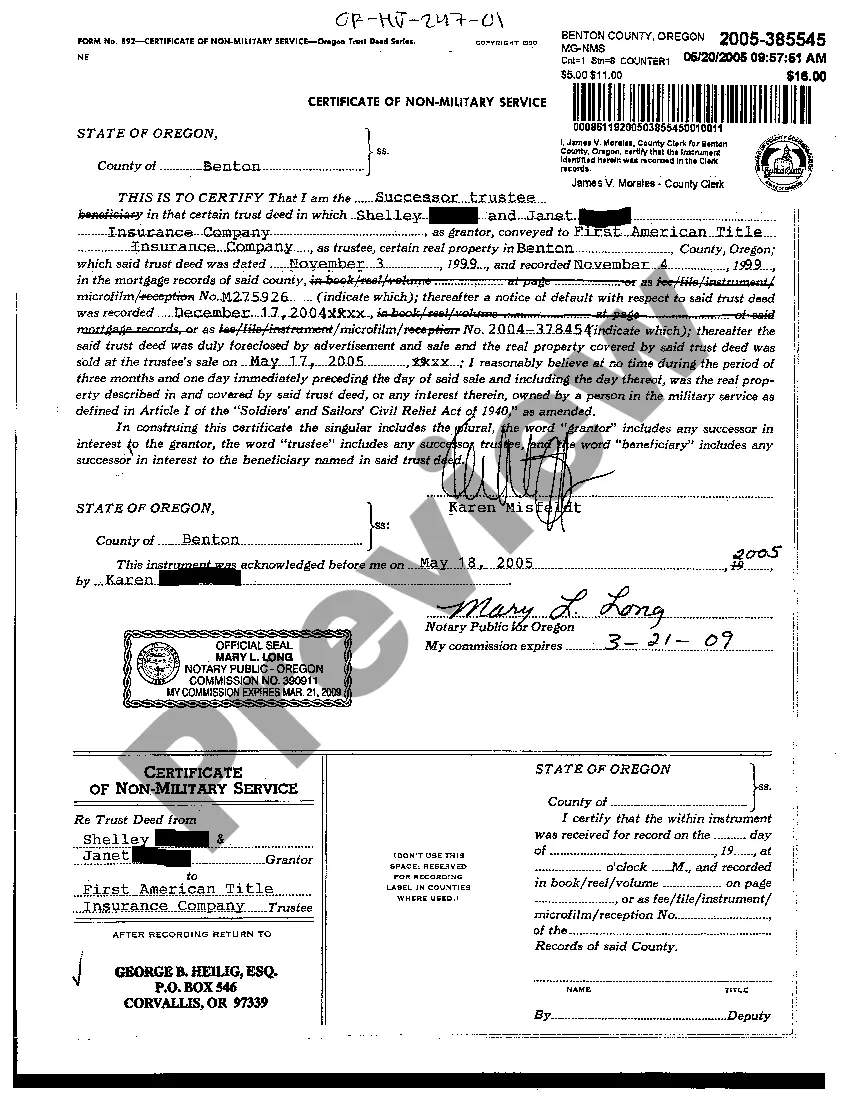
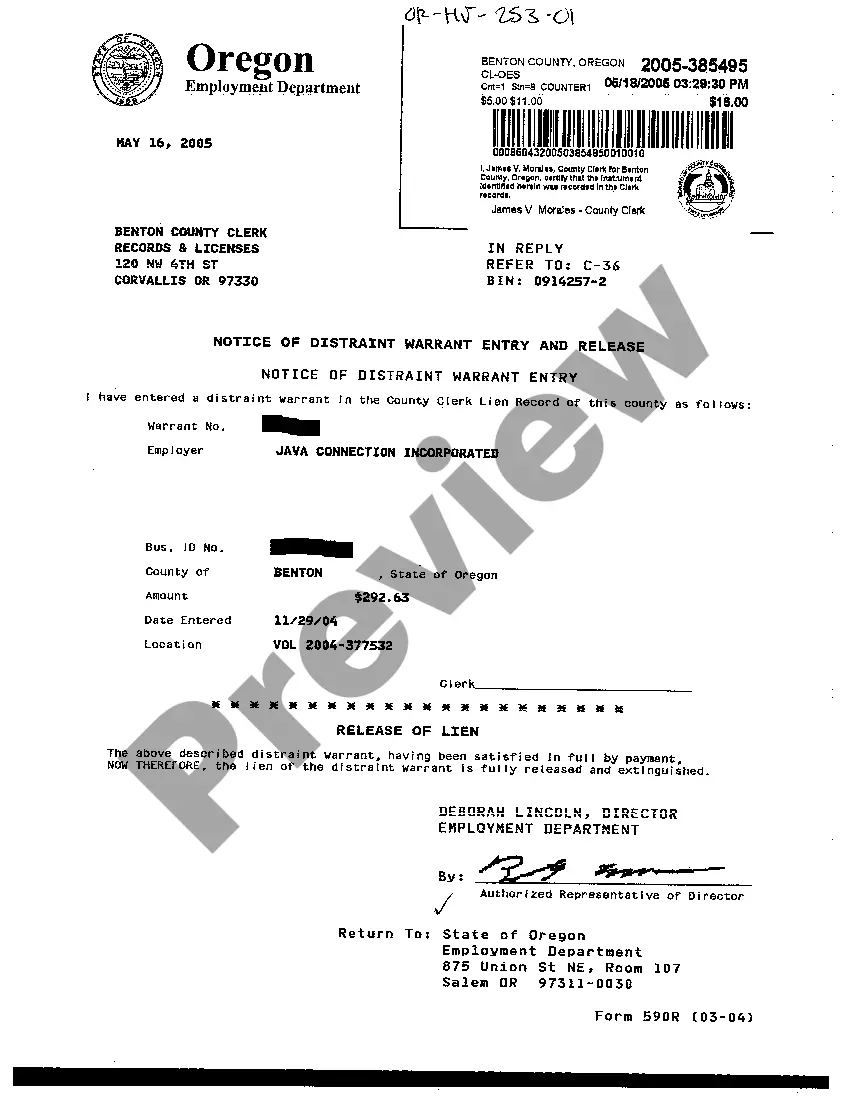
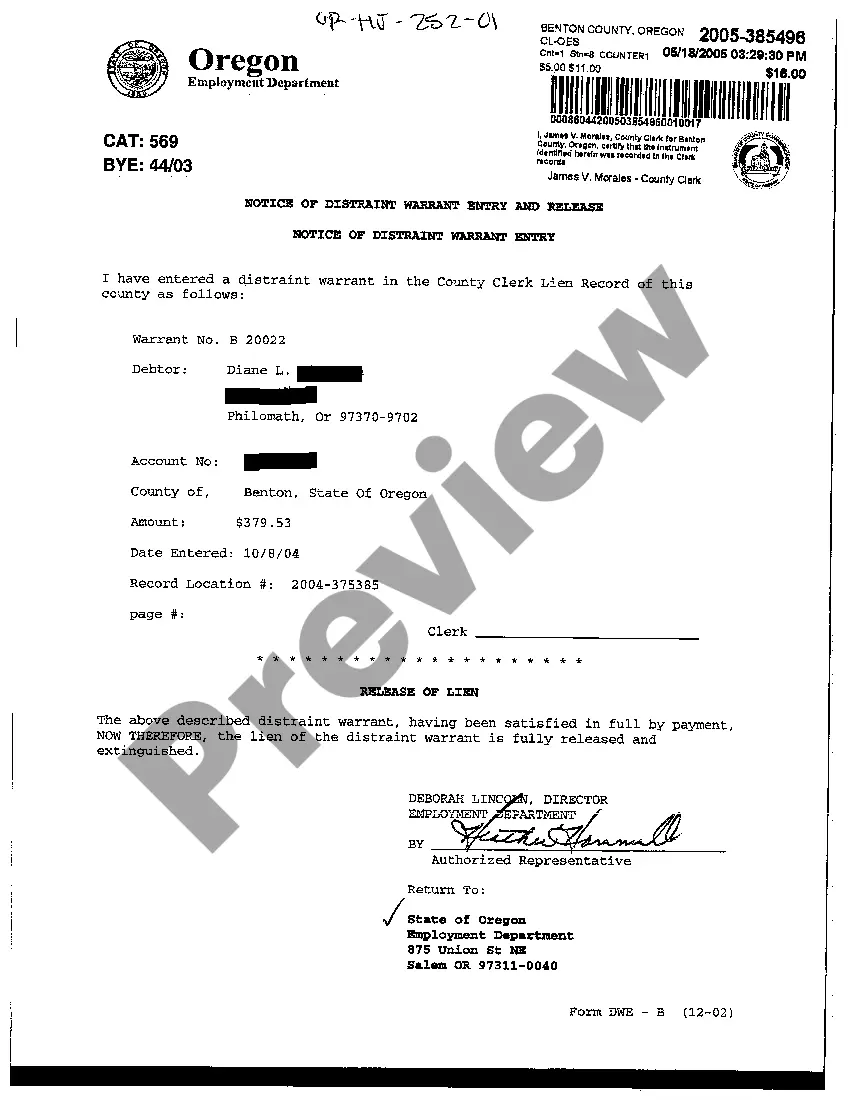
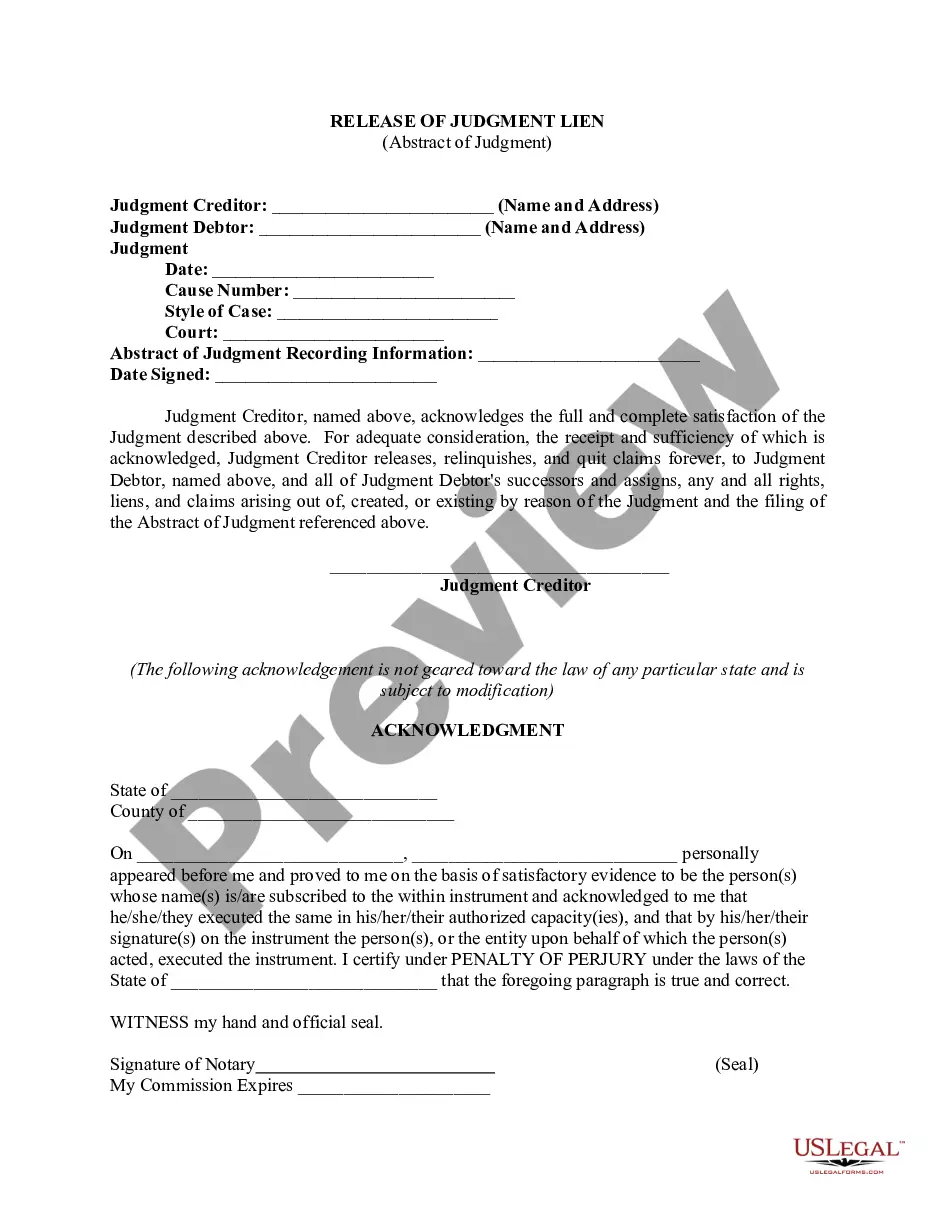
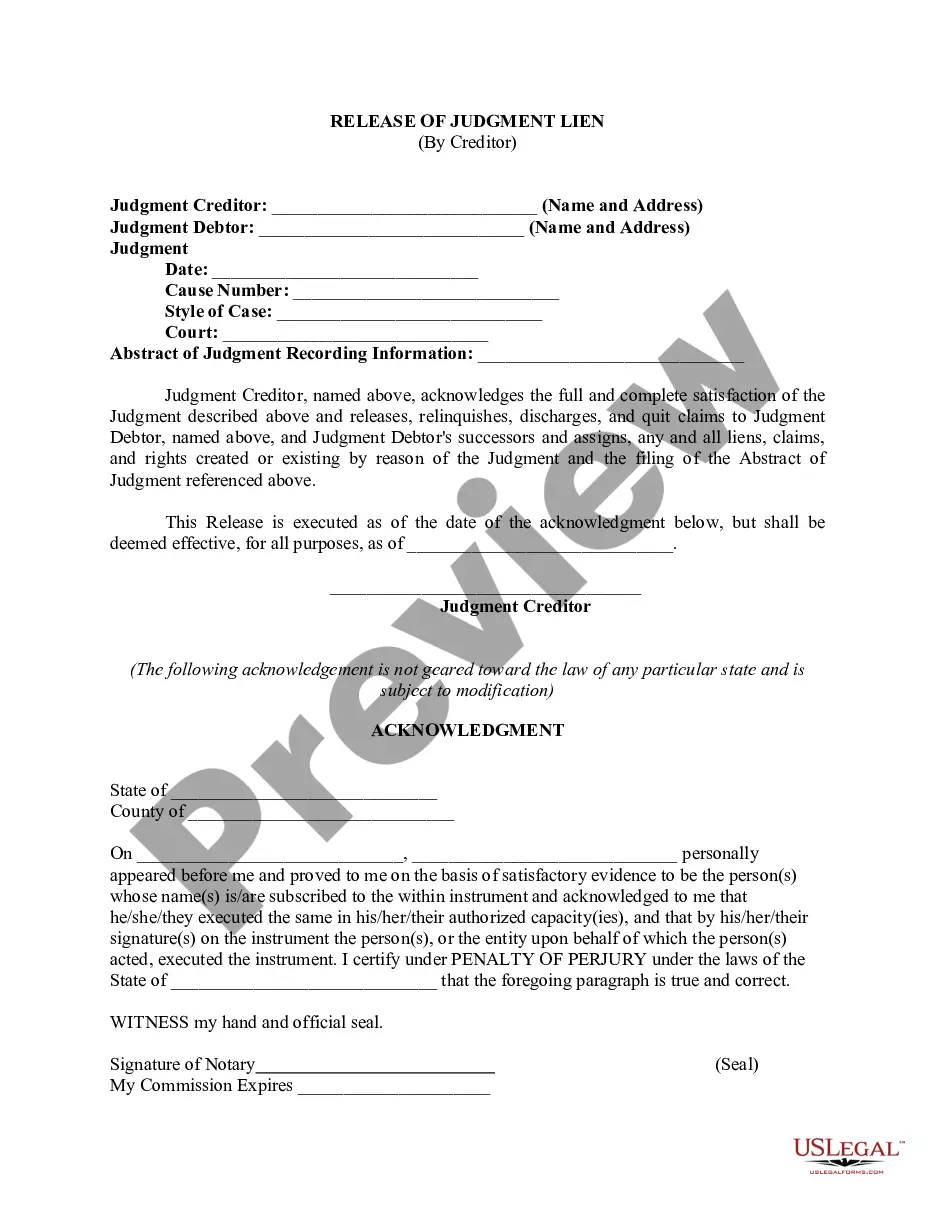
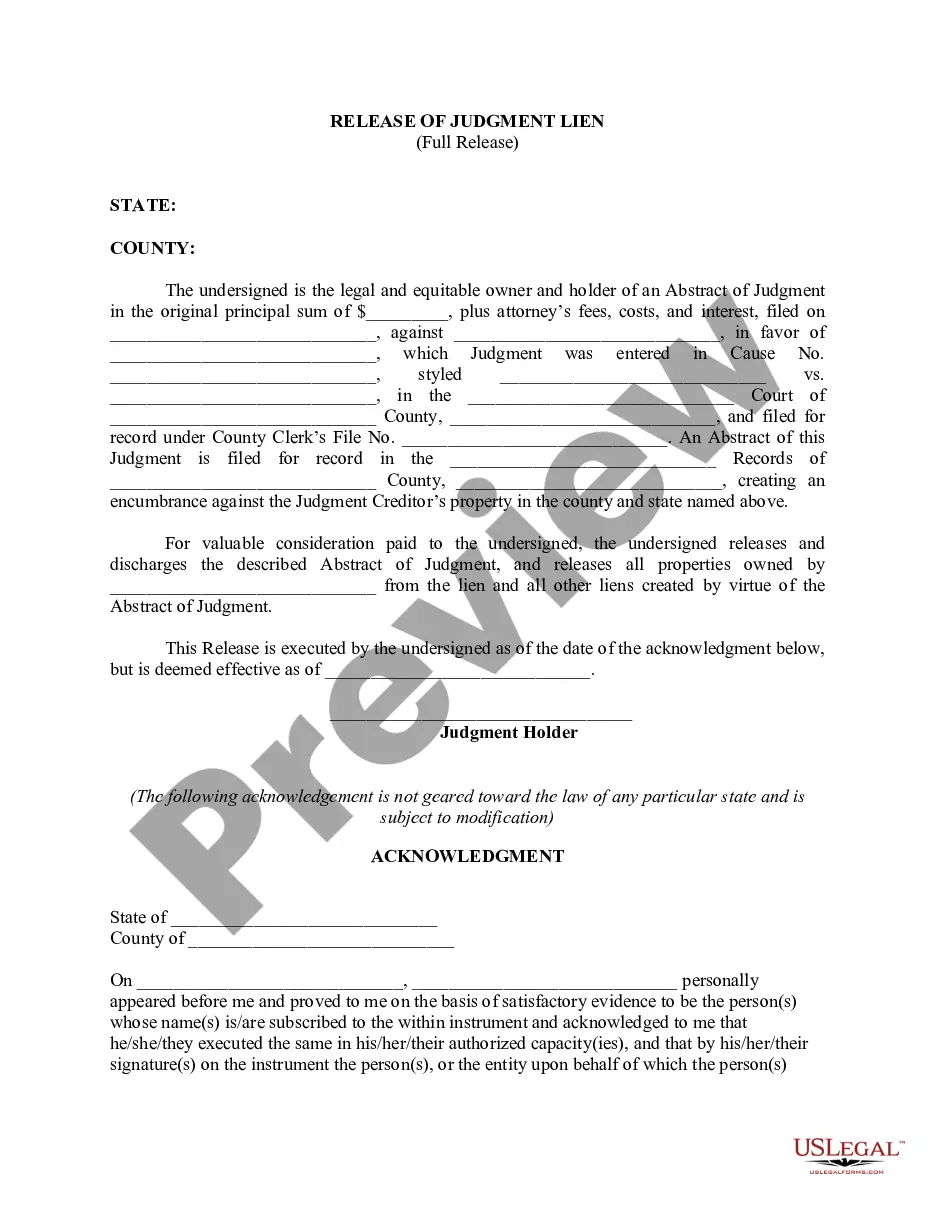
The Release of Judgment Lien - Abstract of Judgment is a legal document used to formally release a lien on real property that was created due to a judgment. This form serves as a recognition that the debt has been satisfied, differentiating it from a judgment lien, which is a legal claim on the property until the debt is resolved. By using this form, the judgment creditor relinquishes their rights related to the judgment, offering a clear path to clear the property's title.
Form components explained
- Judgment creditor details: Contains the name and address of the creditor.
- Judgment debtor information: Includes the name and address of the debtor.
- Judgment specifics: Lists the date of the judgment, cause number, and style of the case.
- Release clause: Acknowledgment of satisfaction of the judgment and release of claims.
- Notary acknowledgment: Provides a space for notary verification of signatures.
When this form is needed
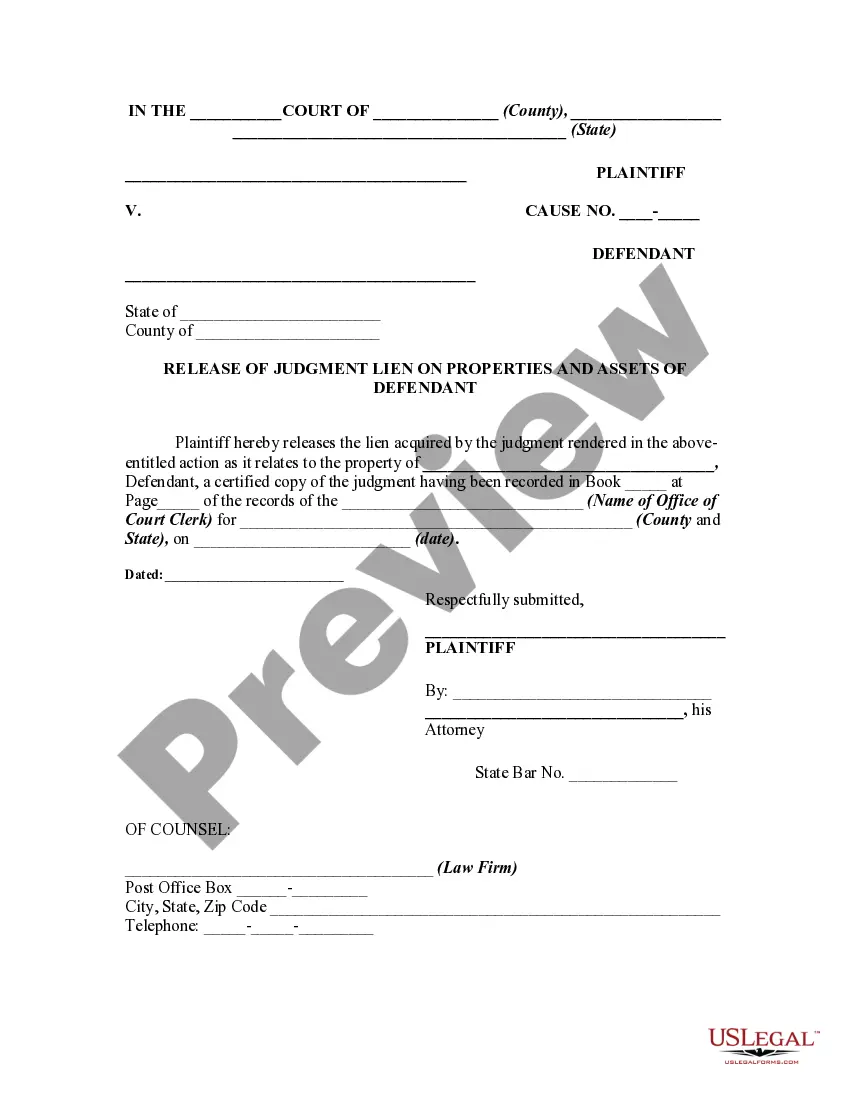
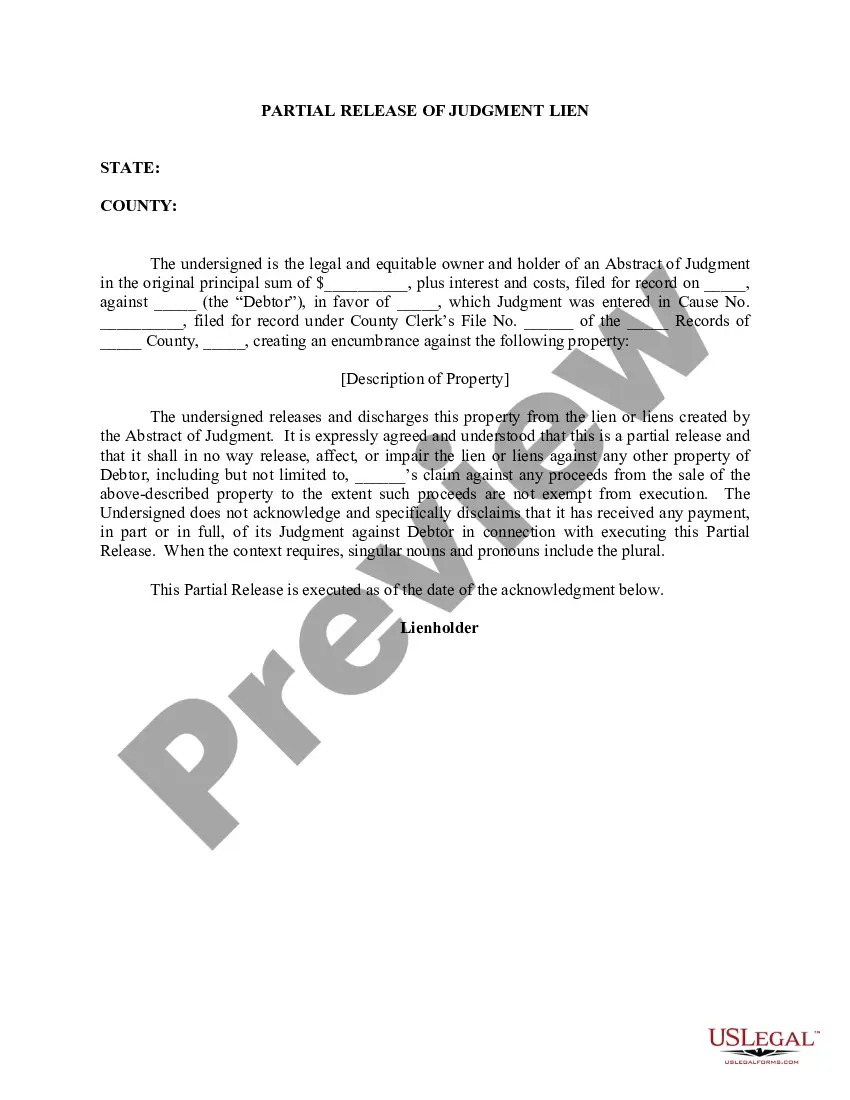
This form should be used when a judgment creditor has received full payment for a debt secured by a judgment lien. It is crucial to file this form to officially remove the lien from the property records, which is important for the debtor when selling or refinancing their property. It can also be used in situations where the judgment is deemed satisfied through other means, such as a settlement agreement.
Intended users of this form
- Judgment creditors who wish to release a lien on a debtor's property.
- Judgment debtors seeking to clear their title once the judgment has been paid or settled.
- Real estate professionals assisting clients who need to confirm the satisfaction of a lien.
- Attorneys representing either party in the resolution of judgment-related issues.
How to prepare this document
- Identify the judgment creditor and judgment debtor by filling in their names and addresses.
- Enter specific details about the judgment, including the date and cause number.
- Complete the acknowledgment section, including the state's name and county.
- Sign the document as the judgment creditor and have it notarized.
- File the completed form with the appropriate county office to officially release the lien.
Does this form need to be notarized?
Yes, this form must be notarized to be legally valid. The notarization process confirms the authenticity of the signatures and the execution of the document, which is critical for its enforceability.
Get your form ready online
Our built-in tools help you complete, sign, share, and store your documents in one place.
Make edits, fill in missing information, and update formatting in US Legal Forms—just like you would in MS Word.
Download a copy, print it, send it by email, or mail it via USPS—whatever works best for your next step.
Sign and collect signatures with our SignNow integration. Send to multiple recipients, set reminders, and more. Go Premium to unlock E-Sign.
If this form requires notarization, complete it online through a secure video call—no need to meet a notary in person or wait for an appointment.
We protect your documents and personal data by following strict security and privacy standards.

Make edits, fill in missing information, and update formatting in US Legal Forms—just like you would in MS Word.

Download a copy, print it, send it by email, or mail it via USPS—whatever works best for your next step.

Sign and collect signatures with our SignNow integration. Send to multiple recipients, set reminders, and more. Go Premium to unlock E-Sign.

If this form requires notarization, complete it online through a secure video call—no need to meet a notary in person or wait for an appointment.

We protect your documents and personal data by following strict security and privacy standards.
Mistakes to watch out for
- Failing to include accurate creditor or debtor information.
- Not providing the correct date or cause number related to the judgment.
- Neglecting to have the document notarized properly.
- Not filing the form with the correct county office.
Benefits of using this form online
- Convenient access to legal forms that can be completed from home.
- Edit and customize the form to fit specific needs.
- Reliable templates drafted by licensed attorneys ensure legal compliance.
Summary of main points
Key Takeaways
- The Release of Judgment Lien - Abstract of Judgment is essential for clearing liens from property after satisfying a judgment.
- Accurate completion and notarization are crucial for the validity of the form.
- Ensure compliance with specific state laws when using this form.
Looking for another form?
Form popularity
FAQ
How long does a judgment lien last in California? A judgment lien in California will remain attached to the debtor's property (even if the property changes hands) for ten years.
The defendant should ask for a letter confirming that the entire amount of the judgment has been paid. He or she may do so by sending a demand letter to the plaintiff. The release and satisfaction form is filed with the court clerk and entered into the case record.
In order to vacate a judgment in California, You must file a motion with the court asking the judge to vacate or set aside the judgment. Among other things, you must tell the judge why you did not respond to the lawsuit (this can be done by written declaration).
Contact the creditor that filed the lien. Make payment arrangements if you cannot pay in full. Pay the lien amount in full or as agreed. Request a satisfaction of lien. File the satisfaction of lien if mailed to you. Consult a bankruptcy attorney.
The debtor must get a discharge or release of the abstract of judgment to remove the lien from the home. Contact the judgment creditor shown on the abstract. Arrange to pay the debt in full or negotiate payments. Ask the creditor for a discharge if paying in full.