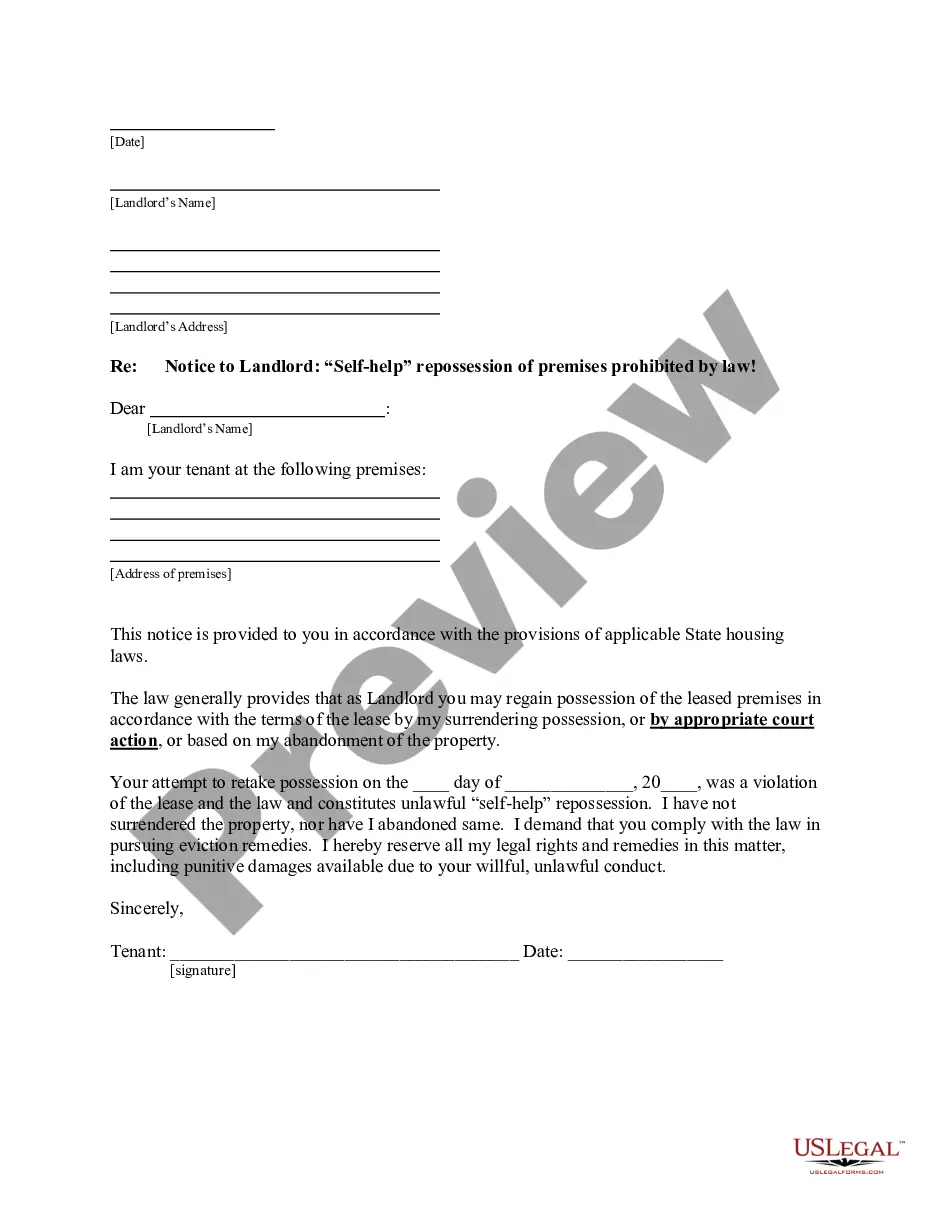
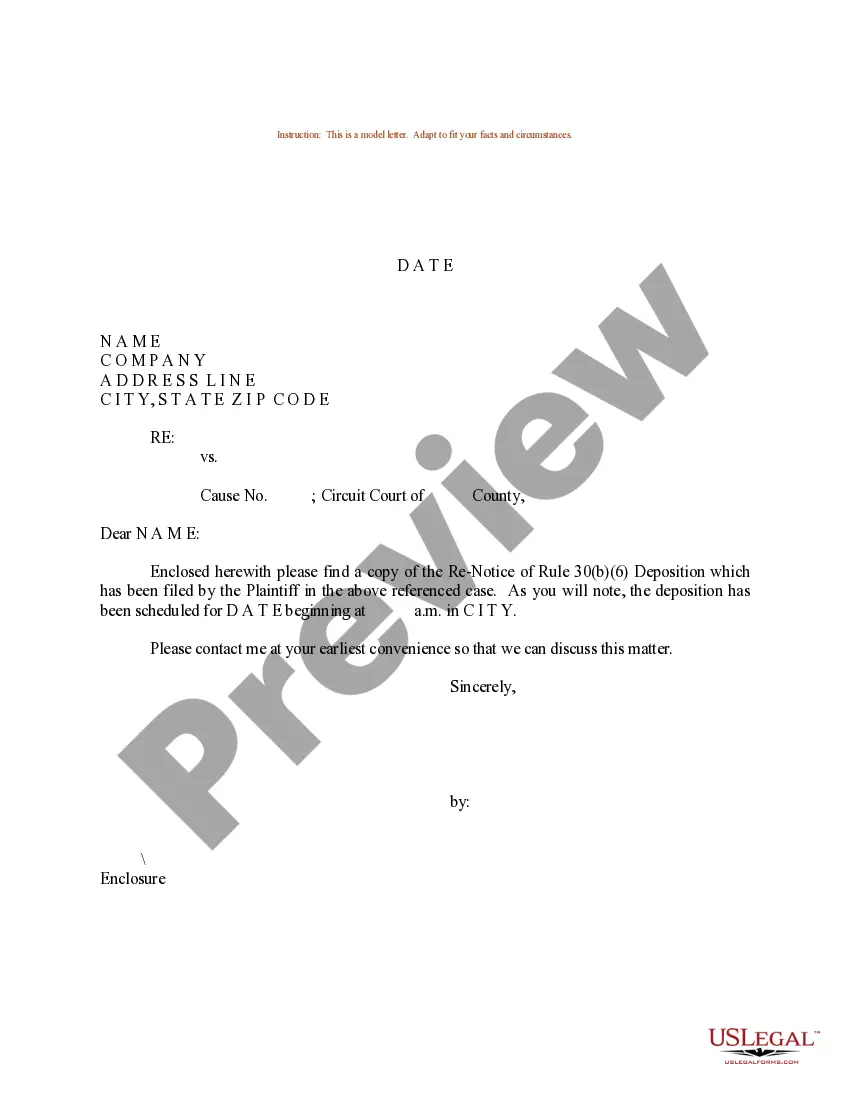
Sample Letter regarding Notice of Deposition - Discovery
About this form
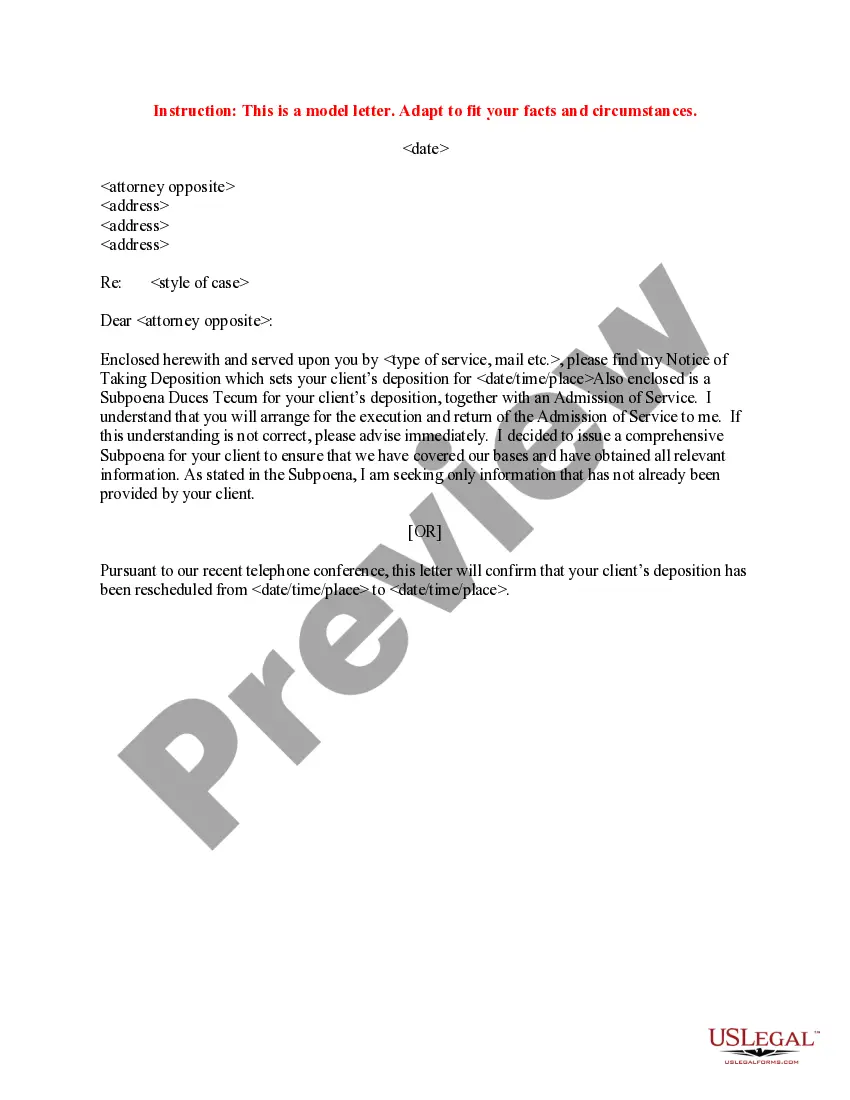
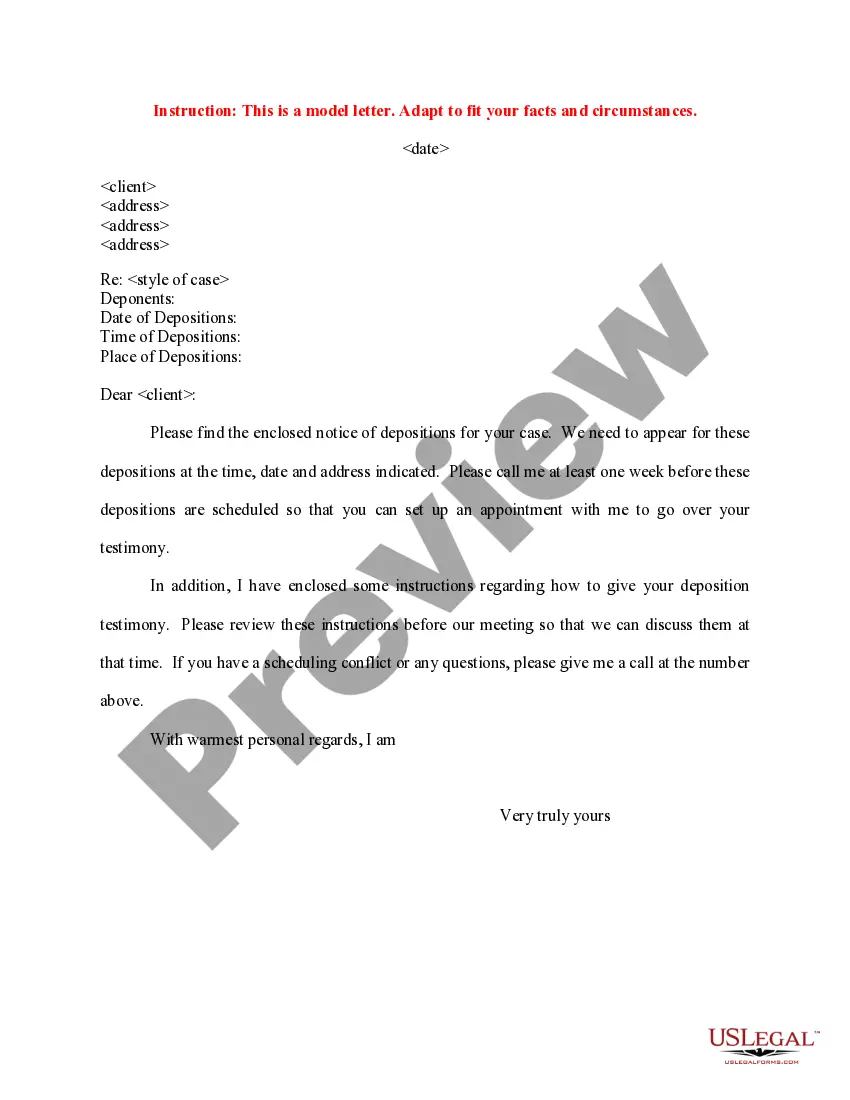
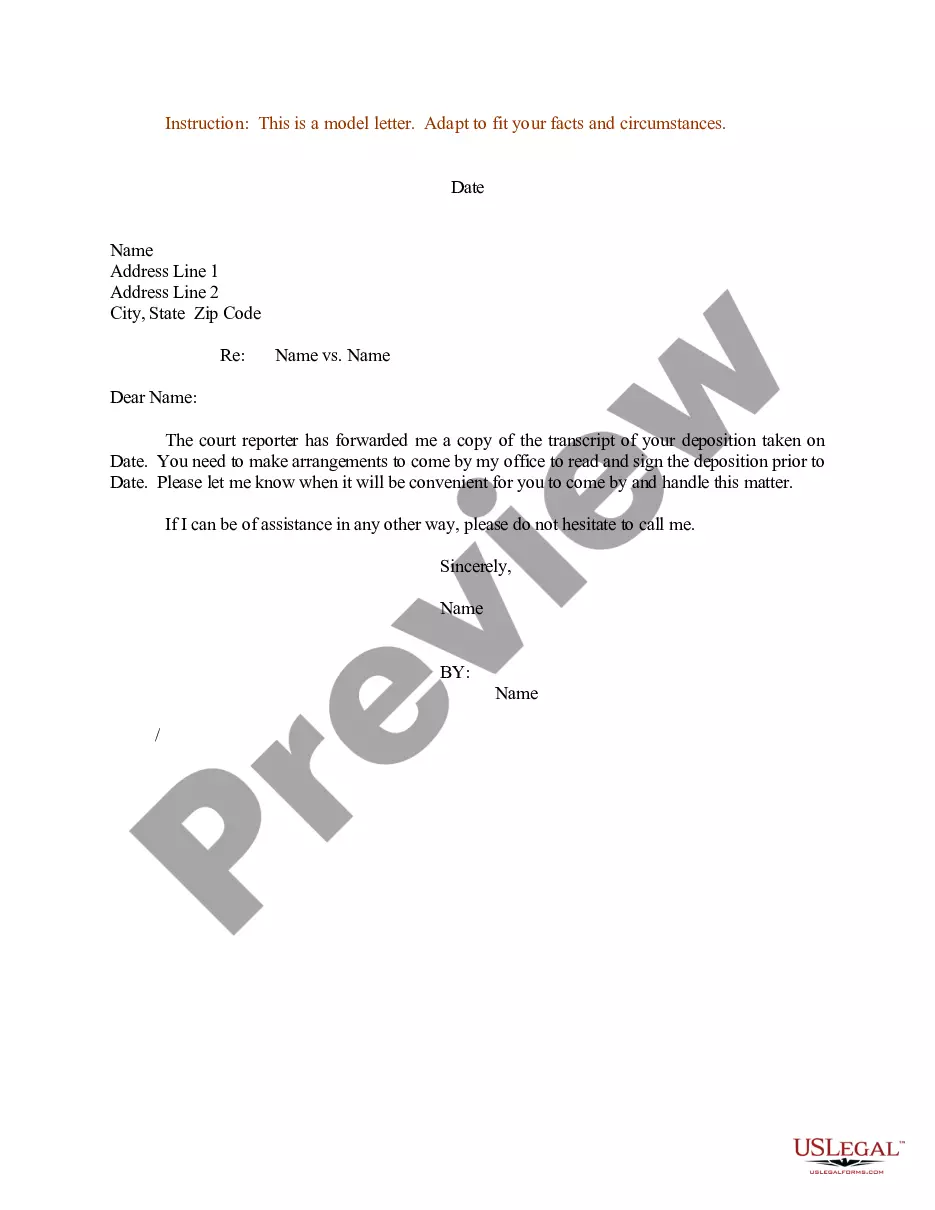
This Sample Letter regarding Notice of Deposition - Discovery is a template designed to notify parties about a scheduled deposition as part of the discovery process in legal proceedings. It serves to communicate essential details, such as the date, time, and location of the deposition. Unlike other forms, this template aims specifically at providing a clear format for sending deposition notices, which is crucial in ensuring all parties are adequately informed and prepared.
Key parts of this document
- Date of the letter
- Name and address of the recipient
- Specific details regarding the deposition, such as date and time
- Signature of the sender and their contact information
Situations where this form applies
This form is used when a party to a legal proceeding needs to formally notify another party of a scheduled deposition. It is commonly used in civil litigation cases, where depositions are a critical step in the discovery phase to gather testimony and evidence. This letter can help prevent misunderstandings and ensure compliance with legal deadlines.
Intended users of this form
This form is suitable for:
- Attorneys representing clients in legal proceedings
- Individuals involved in civil litigation
- Legal professionals responsible for managing discovery processes
How to prepare this document
- Identify the date of the letter and write it at the top.
- Enter the recipient's name and address accurately.
- Specify the date and time of the deposition.
- Include the location of the deposition.
- Sign the letter and provide your contact information.
Does this document require notarization?
Notarization is not commonly needed for this form. However, certain documents or local rules may make it necessary. Our notarization service, powered by Notarize, allows you to finalize it securely online anytime, day or night.
Get your form ready online
Our built-in tools help you complete, sign, share, and store your documents in one place.
Make edits, fill in missing information, and update formatting in US Legal Forms—just like you would in MS Word.
Download a copy, print it, send it by email, or mail it via USPS—whatever works best for your next step.
Sign and collect signatures with our SignNow integration. Send to multiple recipients, set reminders, and more. Go Premium to unlock E-Sign.
If this form requires notarization, complete it online through a secure video call—no need to meet a notary in person or wait for an appointment.
We protect your documents and personal data by following strict security and privacy standards.

Make edits, fill in missing information, and update formatting in US Legal Forms—just like you would in MS Word.

Download a copy, print it, send it by email, or mail it via USPS—whatever works best for your next step.

Sign and collect signatures with our SignNow integration. Send to multiple recipients, set reminders, and more. Go Premium to unlock E-Sign.

If this form requires notarization, complete it online through a secure video call—no need to meet a notary in person or wait for an appointment.

We protect your documents and personal data by following strict security and privacy standards.
Common mistakes
- Failing to include the date of the deposition.
- Omitting the recipient's contact information.
- Not allowing sufficient notice before the deposition.
Why complete this form online
- Easy to edit and customize according to specific case needs.
- Accessible for immediate download and use.
- Provides a reliable starting point drafted by licensed attorneys.
What to keep in mind
- Aimed at providing a clear notice for depositions in discovery.
- Essential for avoiding misunderstandings in legal proceedings.
- Readily customizable for specific legal scenarios.
Looking for another form?
Form popularity
FAQ
Here are some of the things lawyers often ask for in discovery: anything a witness or party saw, heard, or did in connection with the dispute. anything anyone said at a particular time and place (for example, in a business meeting related to the dispute or after a car accident that turned into a lawsuit)
Discovery is conducted by sending written requests in a proscribed form to the opposing party specifically listing the type of discovery sought, the manner in which it will be obtained, and the time for complying with the request. Check your state and local rules for the required form of these requests.
Requests for Admissions involves one party asking the opposing to admit, deny, or prove the validity of certain facts or documents. This portion of the discovery saves time during the trial and allows the party to trust the facts or documents in question.
It is a document/pleading that the rules of criminal procedure require the parties to file with the court notifying the court and parties of certain things, like, for example, what defenses the defendant might present at trial etc.
Have a strategy. Adjust the scope of your requests to the questions at issue. Send clear requests. Always consider how your client would be prepared to respond to similar requests. Make your objections clear and specific.
Discovery is the process through which defendants find out about the prosecution's case. For example, through standard discovery procedure, they can: get copies of the arresting officers' reports and statements made by prosecution witnesses, and. examine evidence that the prosecution proposes to introduce at trial.
Discovery between parties. 1. Service of a Notice for Discovery. 2022 Per r 29.02(1), after pleadings have closed, Party 1 may serve a Notice for Discovery in Form 29A on Party 2, requiring them to make discovery of all documents that: o Are, or have been, in their possession; and o Are required to be discovered.
Objecting to Notice of Deposition The written objection must be served on the party seeking to take the deposition as well as any other party or attorney on whom the deposition notice was served. If three (3) calendar days before, the objecting party must serve the objection by way of personal service.
That disclosure is accomplished through a methodical process called "discovery." Discovery takes three basic forms: written discovery, document production and depositions. See 's Stages of a Personal Injury Case section for related articles and resources.