Personal Residence Real Estate With Granny Flat
Description
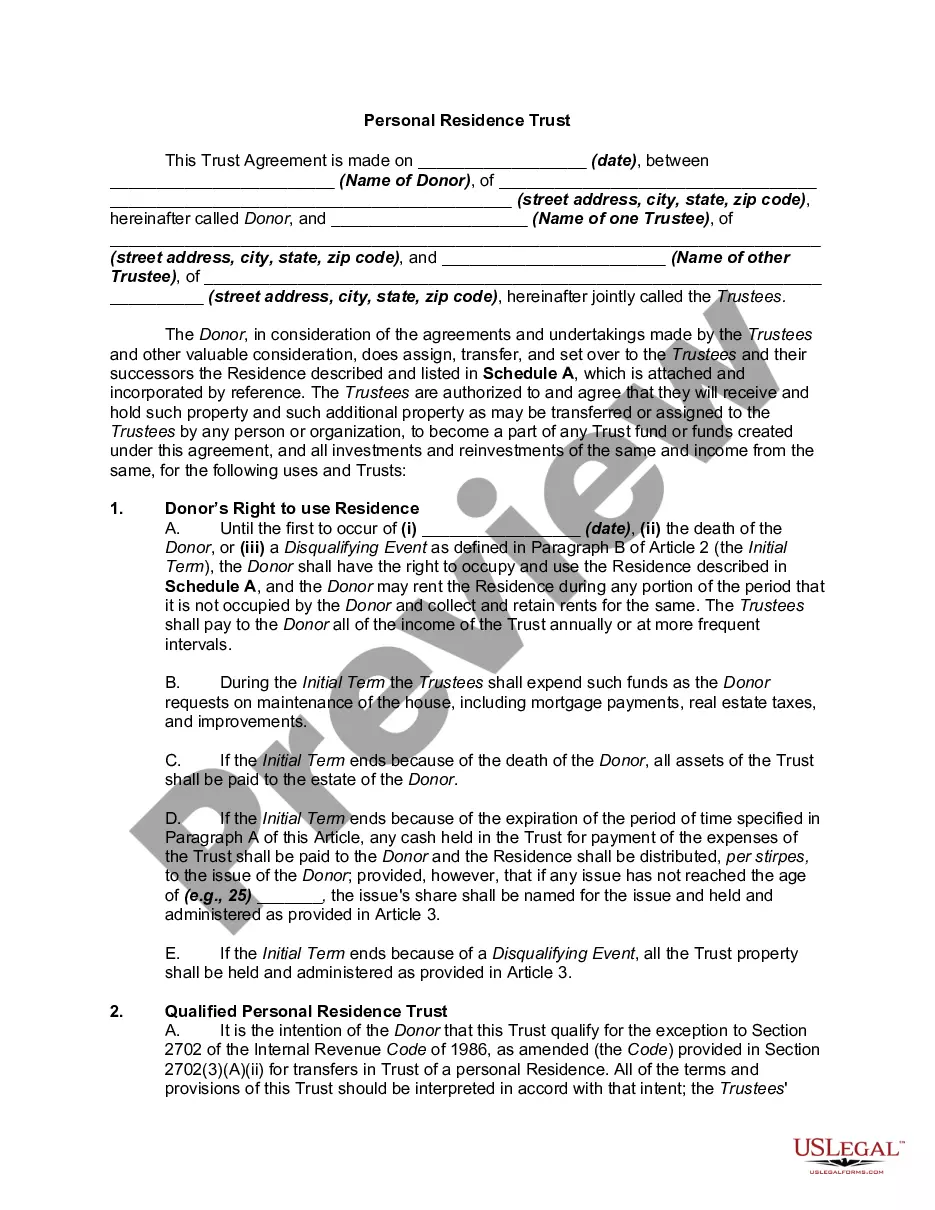
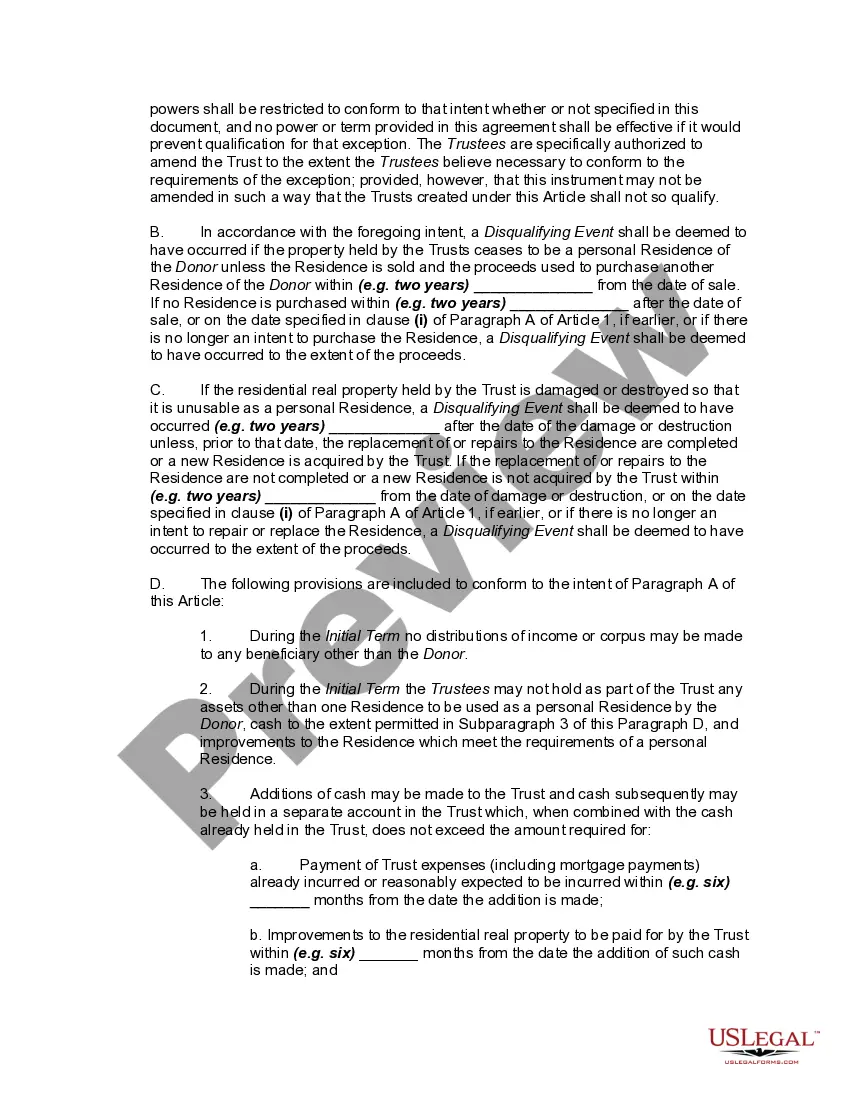
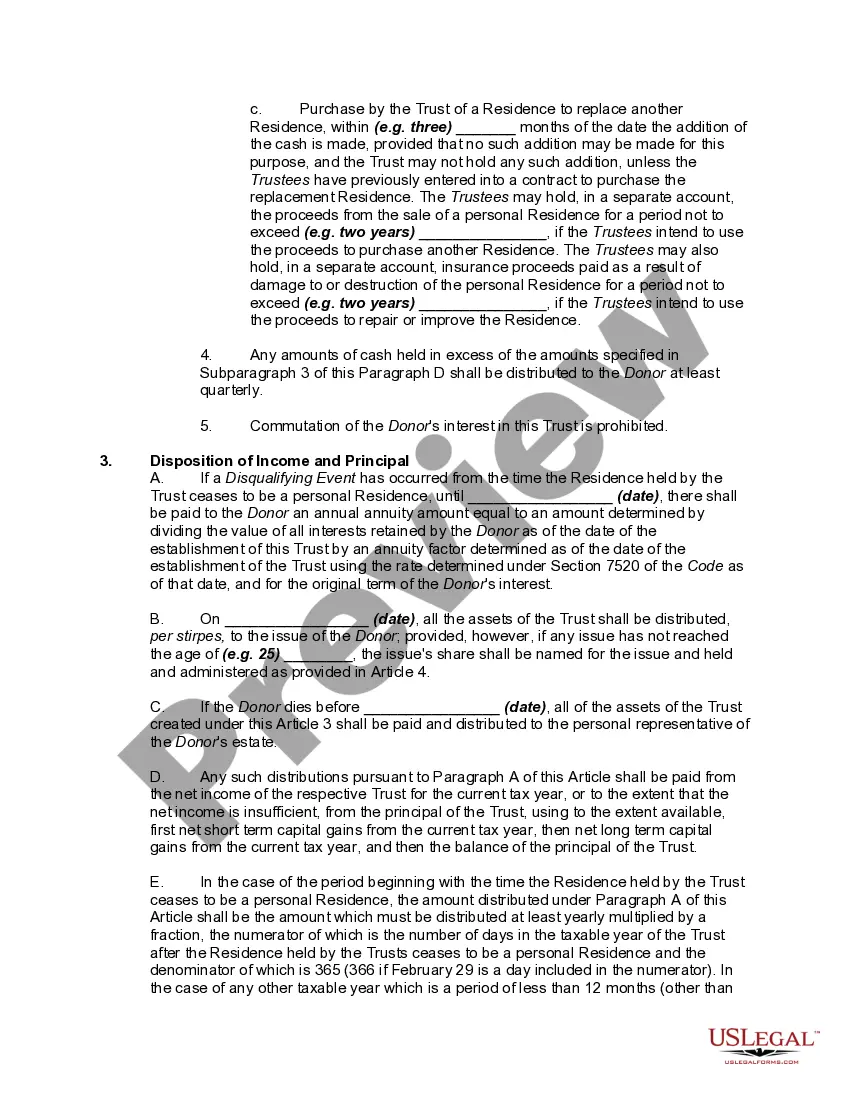
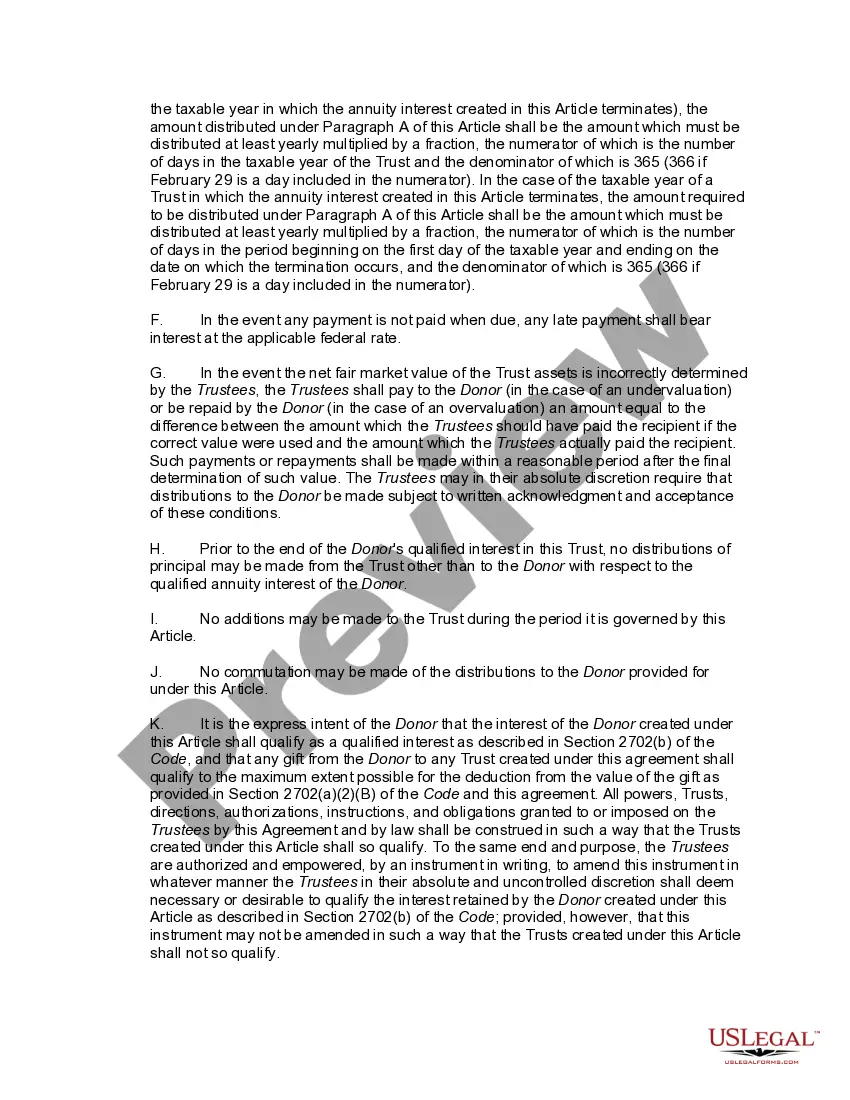

Get your form ready online
Our built-in tools help you complete, sign, share, and store your documents in one place.
Make edits, fill in missing information, and update formatting in US Legal Forms—just like you would in MS Word.
Download a copy, print it, send it by email, or mail it via USPS—whatever works best for your next step.
Sign and collect signatures with our SignNow integration. Send to multiple recipients, set reminders, and more. Go Premium to unlock E-Sign.
If this form requires notarization, complete it online through a secure video call—no need to meet a notary in person or wait for an appointment.
We protect your documents and personal data by following strict security and privacy standards.

Make edits, fill in missing information, and update formatting in US Legal Forms—just like you would in MS Word.

Download a copy, print it, send it by email, or mail it via USPS—whatever works best for your next step.

Sign and collect signatures with our SignNow integration. Send to multiple recipients, set reminders, and more. Go Premium to unlock E-Sign.

If this form requires notarization, complete it online through a secure video call—no need to meet a notary in person or wait for an appointment.

We protect your documents and personal data by following strict security and privacy standards.
Looking for another form?


How to fill out Personal Residence Trust?
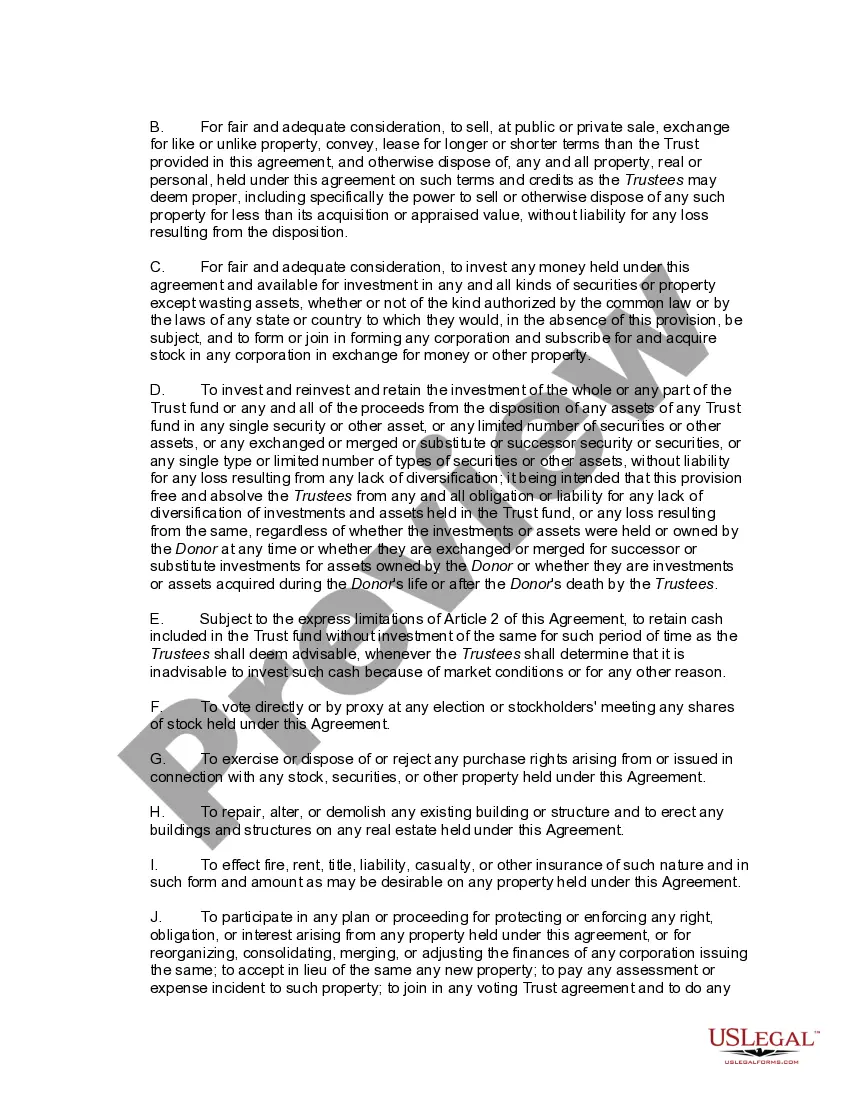
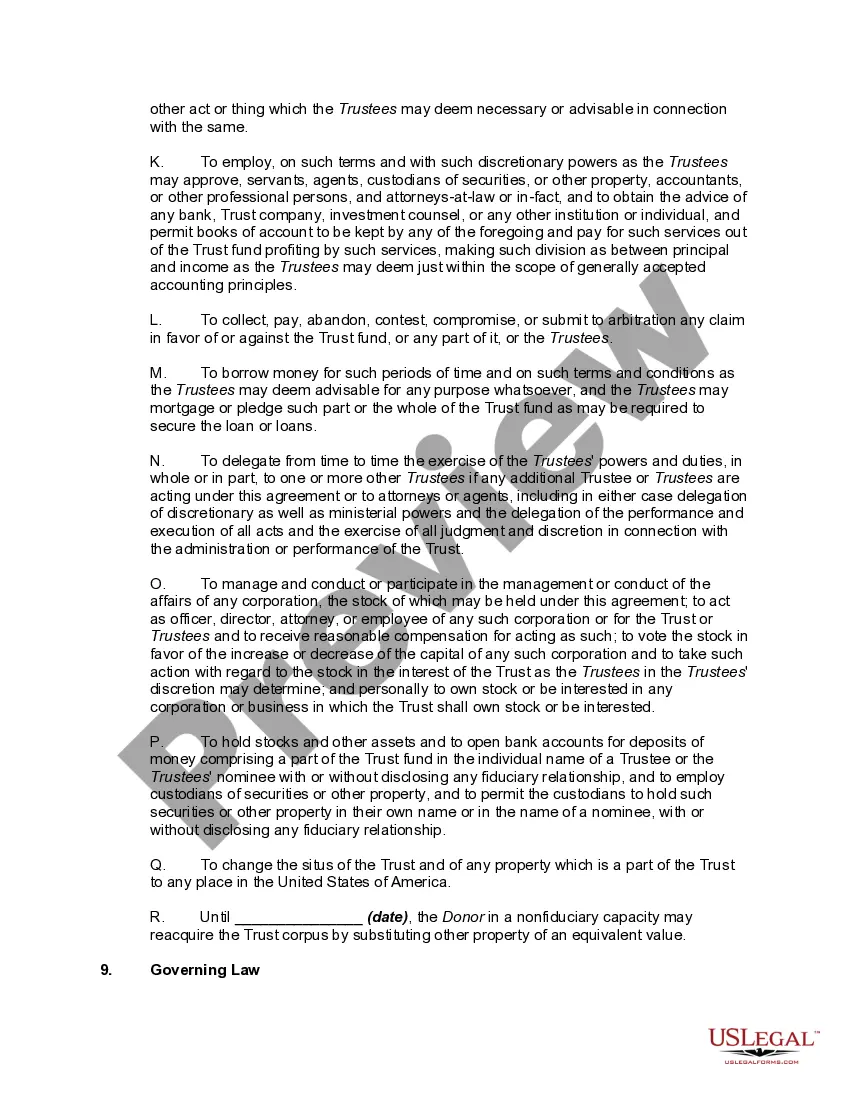
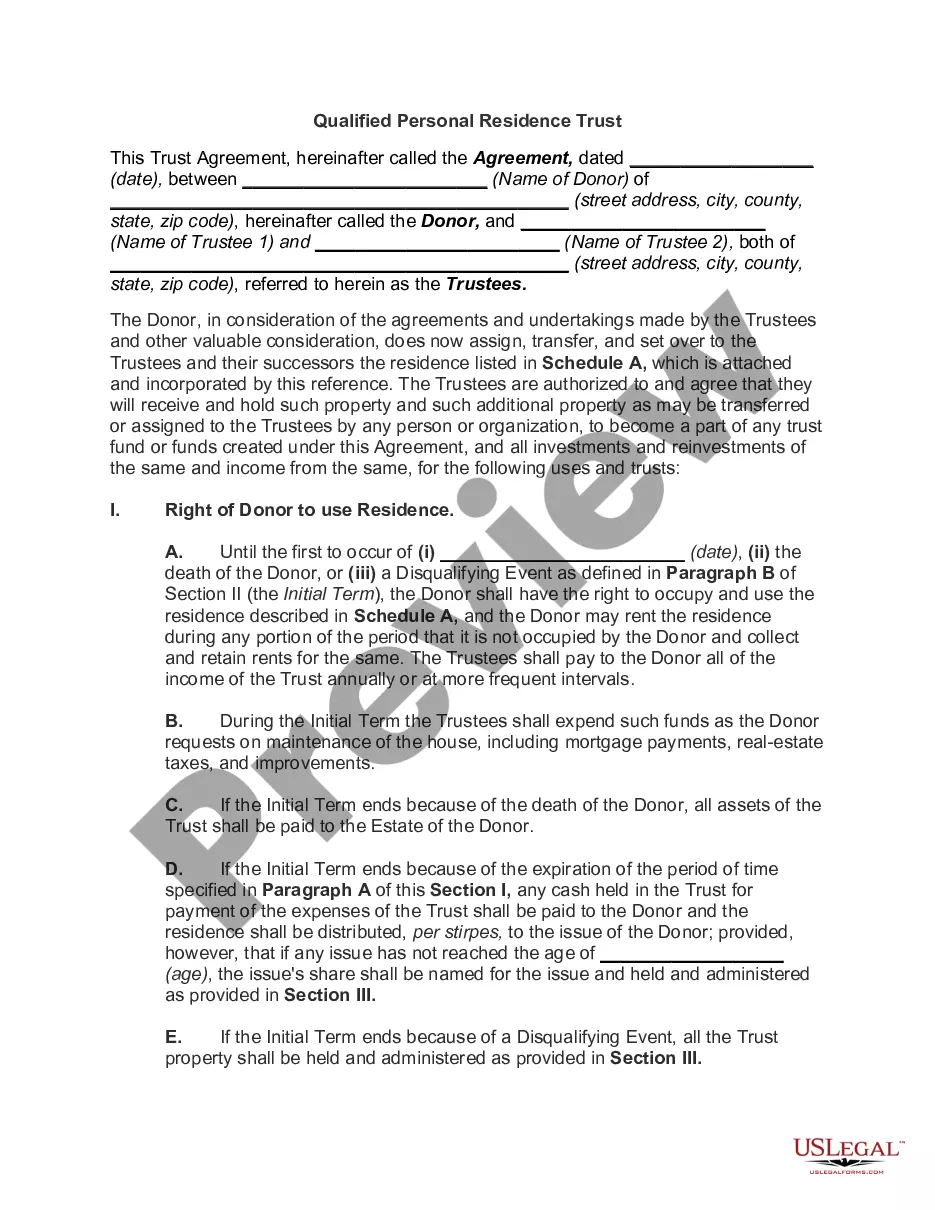
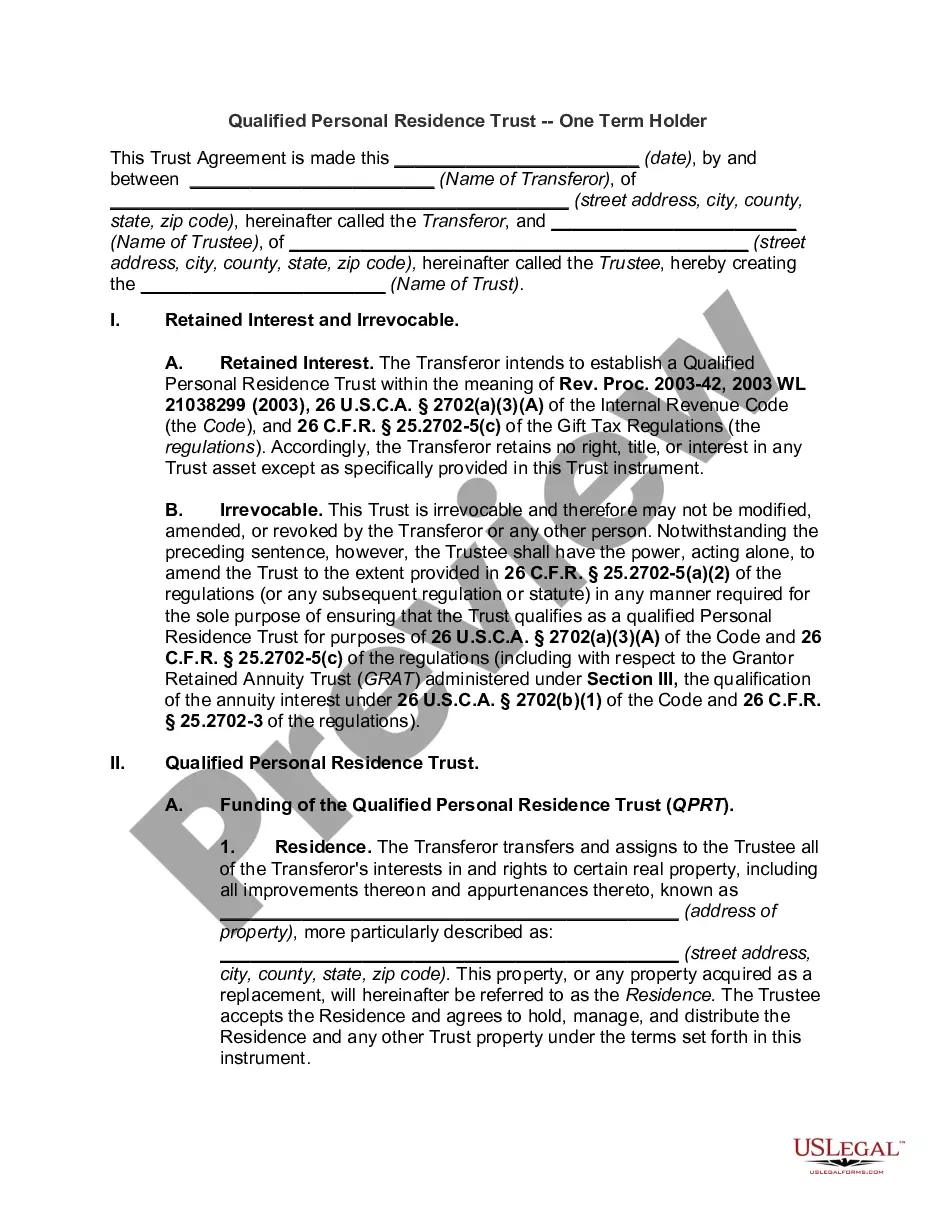
Getting a go-to place to take the most recent and appropriate legal samples is half the struggle of handling bureaucracy. Choosing the right legal papers demands precision and attention to detail, which is the reason it is vital to take samples of Personal Residence Real Estate With Granny Flat only from reputable sources, like US Legal Forms. A wrong template will waste your time and delay the situation you are in. With US Legal Forms, you have little to worry about. You may access and view all the details regarding the document’s use and relevance for your circumstances and in your state or region.
Consider the listed steps to complete your Personal Residence Real Estate With Granny Flat:
- Use the catalog navigation or search field to find your sample.
- View the form’s description to see if it fits the requirements of your state and county.
- View the form preview, if available, to ensure the form is the one you are interested in.
- Resume the search and look for the correct document if the Personal Residence Real Estate With Granny Flat does not suit your requirements.
- If you are positive about the form’s relevance, download it.
- If you are an authorized user, click Log in to authenticate and gain access to your picked forms in My Forms.
- If you do not have a profile yet, click Buy now to obtain the form.
- Choose the pricing plan that fits your needs.
- Go on to the registration to finalize your purchase.
- Finalize your purchase by selecting a payment method (credit card or PayPal).
- Choose the file format for downloading Personal Residence Real Estate With Granny Flat.
- When you have the form on your gadget, you can alter it using the editor or print it and finish it manually.
Remove the headache that accompanies your legal paperwork. Discover the extensive US Legal Forms collection to find legal samples, check their relevance to your circumstances, and download them on the spot.
Form popularity
FAQ
This means that once you complete an ADU project, your property taxes will only increase based on the additional value created by your ADU. The taxes you pay on the primary home will not change. So to go back to our previous example: let's say that you just completed an ADU project, and the ADU cost $200,000 to build.
The difference fundamentally is that a granny flat is a separate building to the house, while an extension adds to it. Even if you build an attached granny flat where the flat shares a wall with the main house, a granny flat cannot have an adjoining door and is essentially its own entity.
Adding an ADU to your lot will raise your property tax bill. Your house won't be reassessed, tax officials say, but the value of the ADU will be added to the value of the improvements on your lot.
Granny Units/Accessory Dwelling Units (ADUs) The short answer is yes, but only on the marginal value of the ADU. Assessors throughout California treat ADU's like a home addition. The existing home will not be reassessed. The most recent changes in laws, as of 2019, do not change the way ADU's are assessed.
A granny flat can be attached or detached. In other words, it can be attached to the house. It can be below or above. Or it can be detached and be behind or to the side of the principal dwelling.