Living Trust With Beneficiary
Description

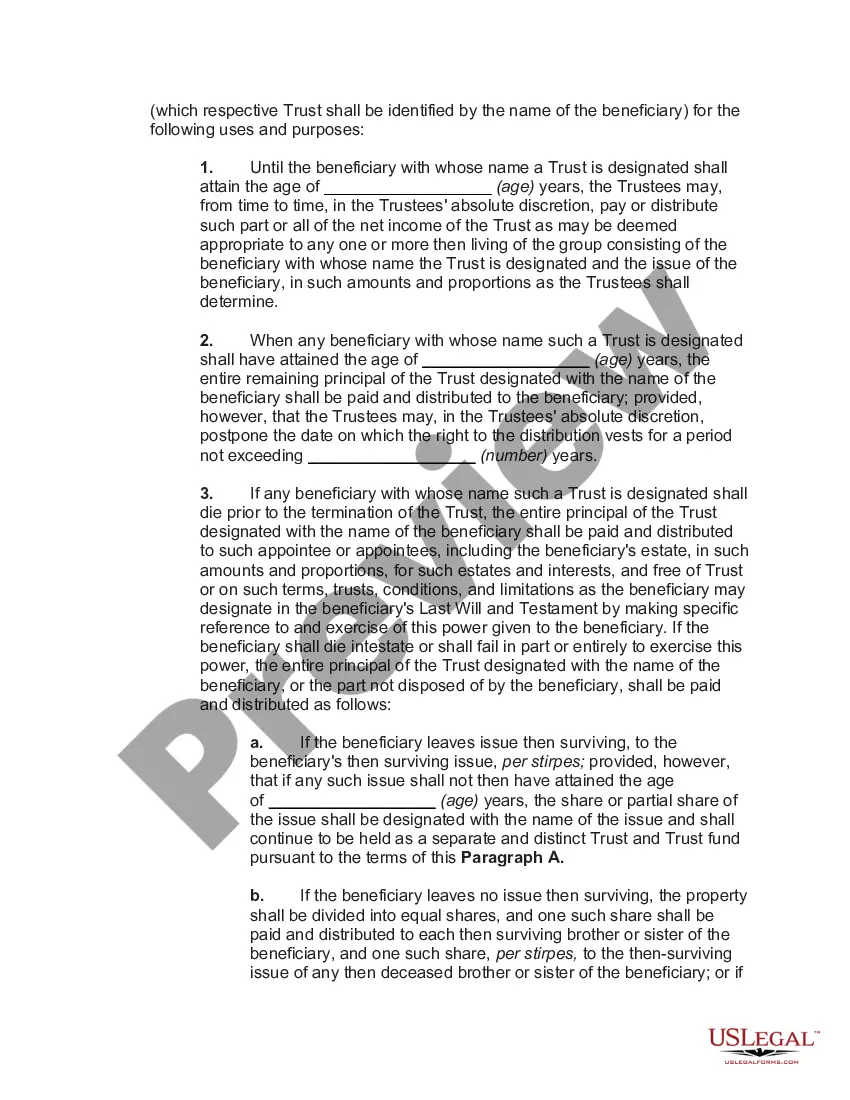
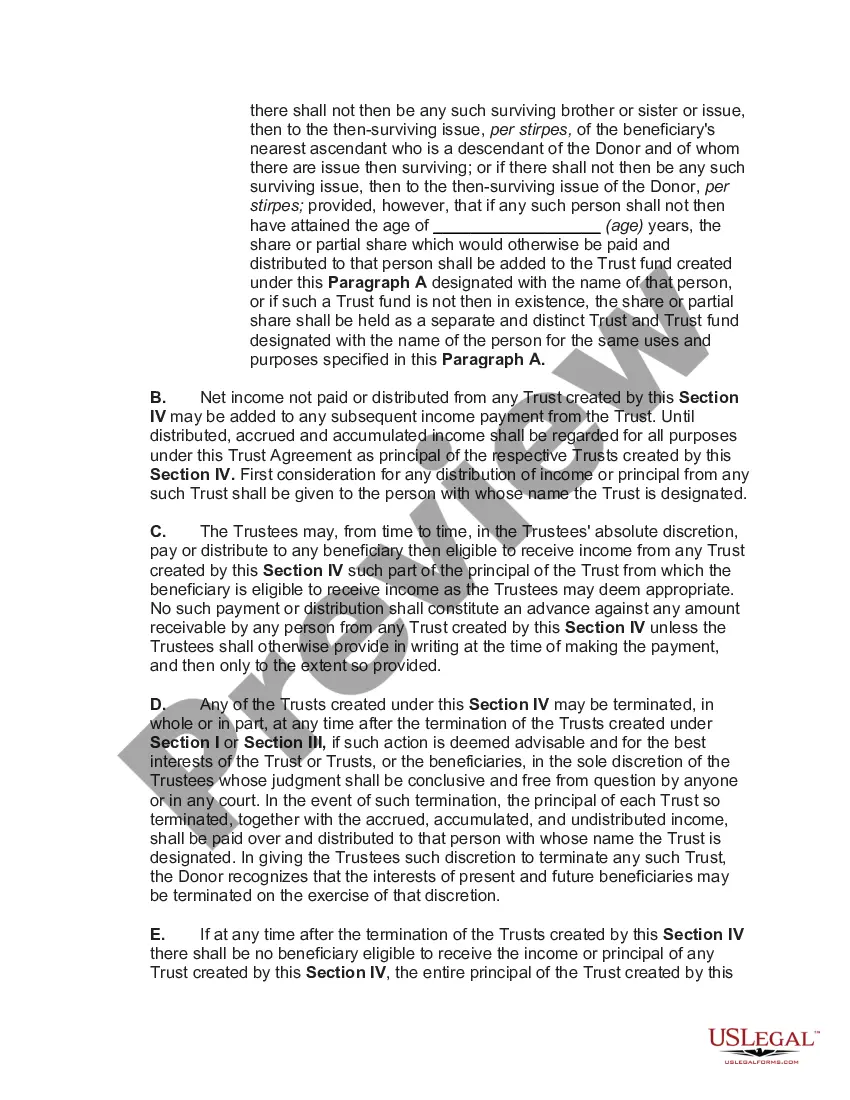
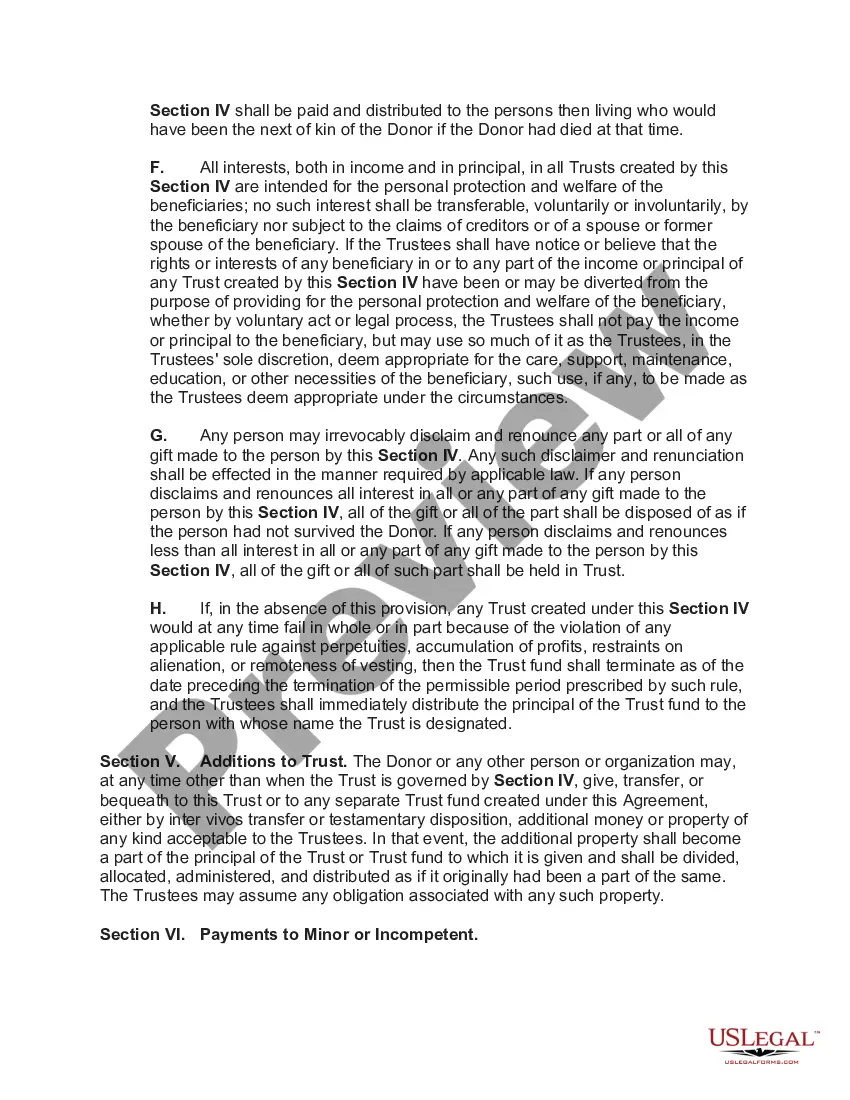
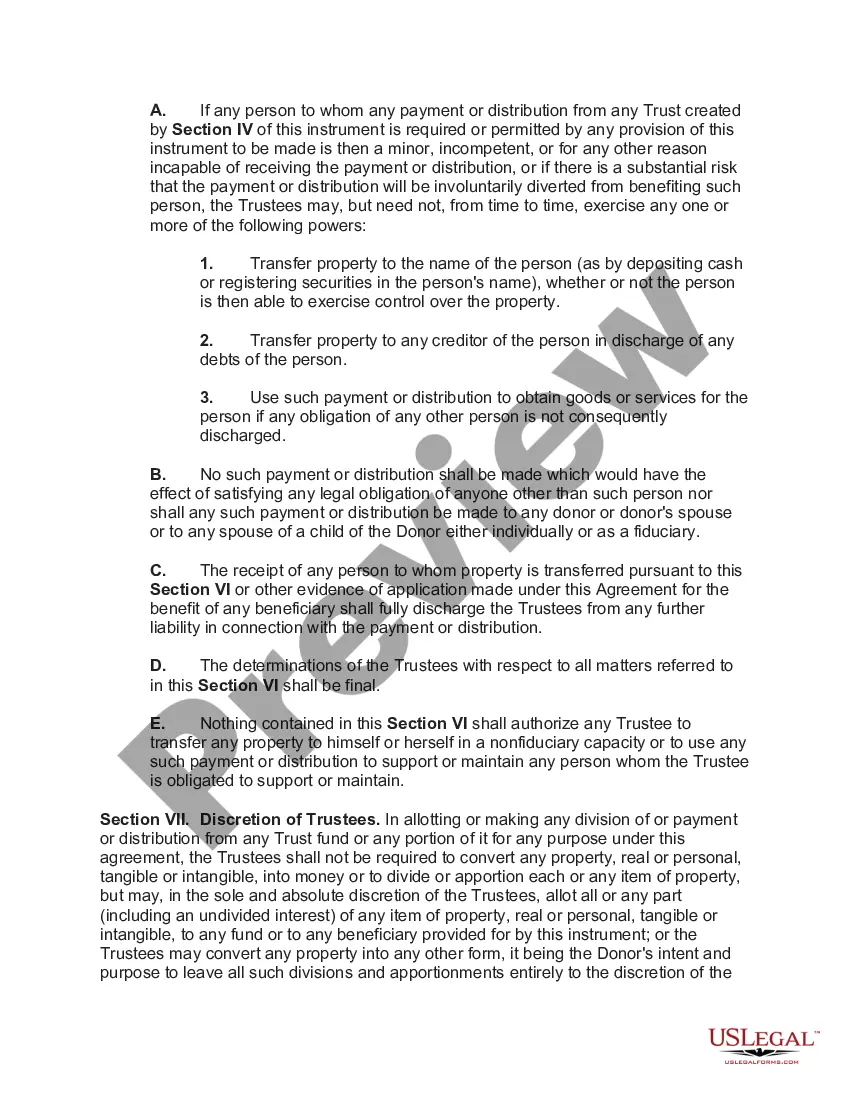

Get your form ready online
Our built-in tools help you complete, sign, share, and store your documents in one place.
Make edits, fill in missing information, and update formatting in US Legal Forms—just like you would in MS Word.
Download a copy, print it, send it by email, or mail it via USPS—whatever works best for your next step.
Sign and collect signatures with our SignNow integration. Send to multiple recipients, set reminders, and more. Go Premium to unlock E-Sign.
If this form requires notarization, complete it online through a secure video call—no need to meet a notary in person or wait for an appointment.
We protect your documents and personal data by following strict security and privacy standards.

Make edits, fill in missing information, and update formatting in US Legal Forms—just like you would in MS Word.

Download a copy, print it, send it by email, or mail it via USPS—whatever works best for your next step.

Sign and collect signatures with our SignNow integration. Send to multiple recipients, set reminders, and more. Go Premium to unlock E-Sign.

If this form requires notarization, complete it online through a secure video call—no need to meet a notary in person or wait for an appointment.

We protect your documents and personal data by following strict security and privacy standards.
Looking for another form?
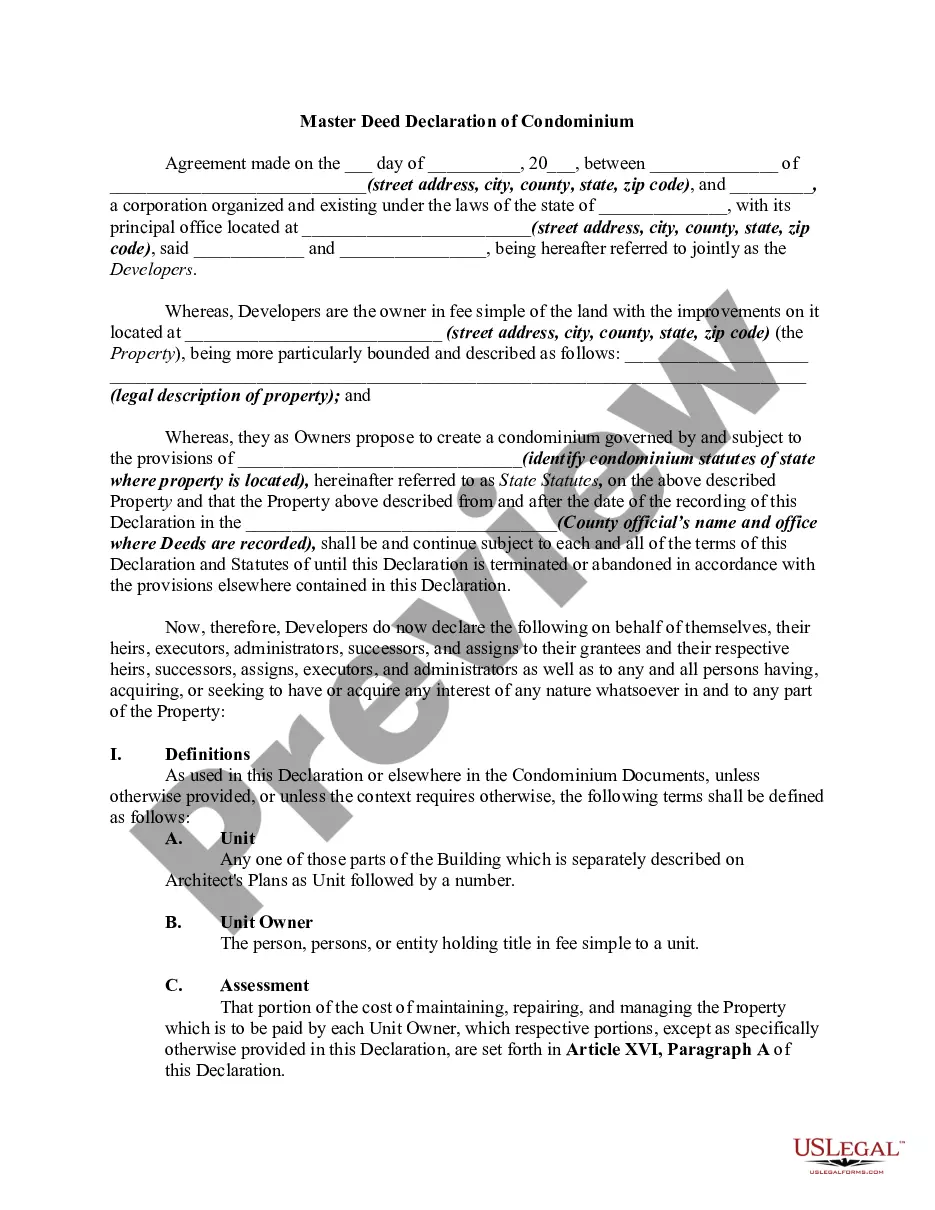







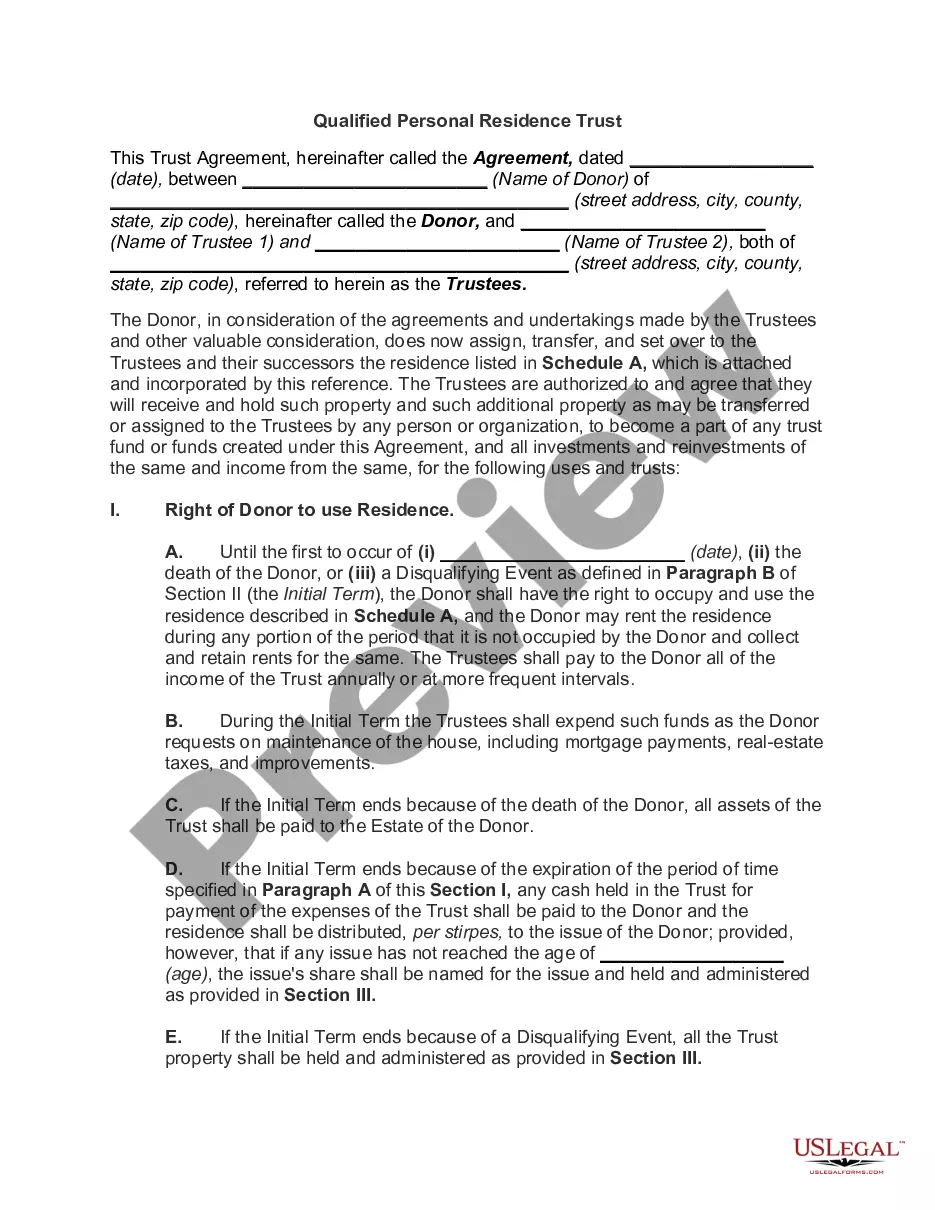
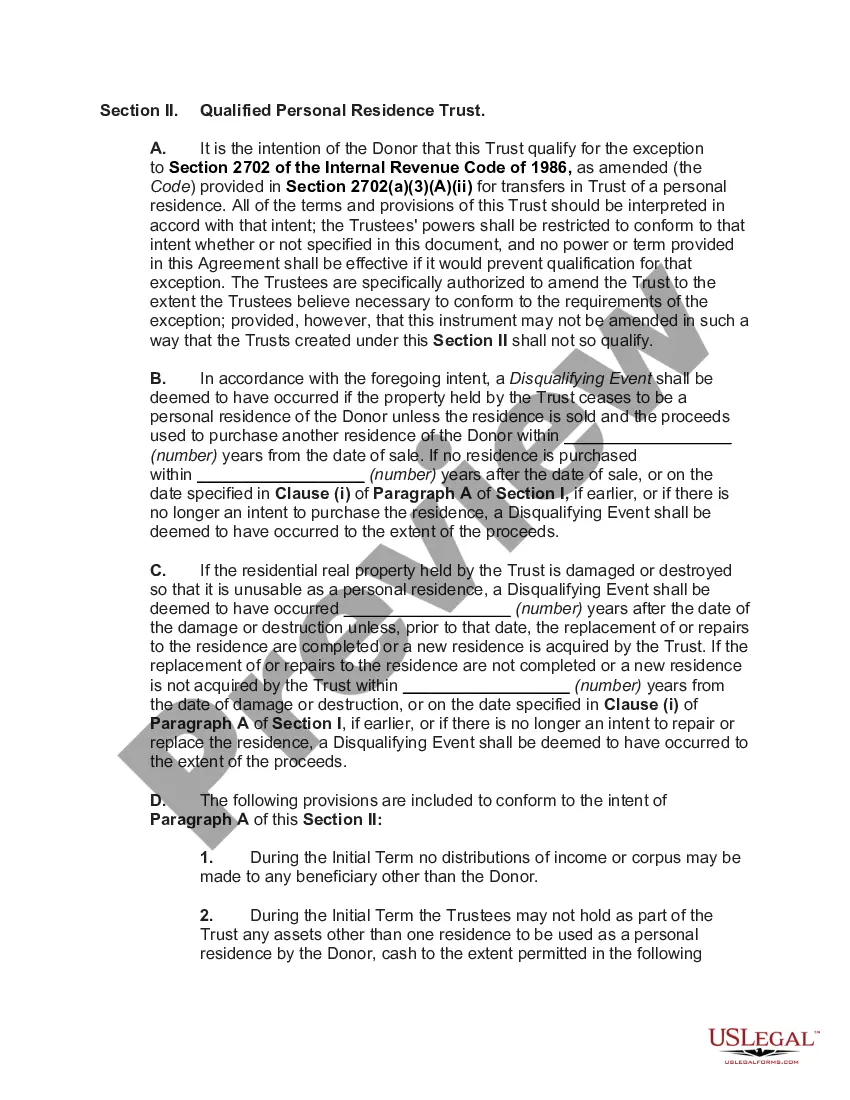
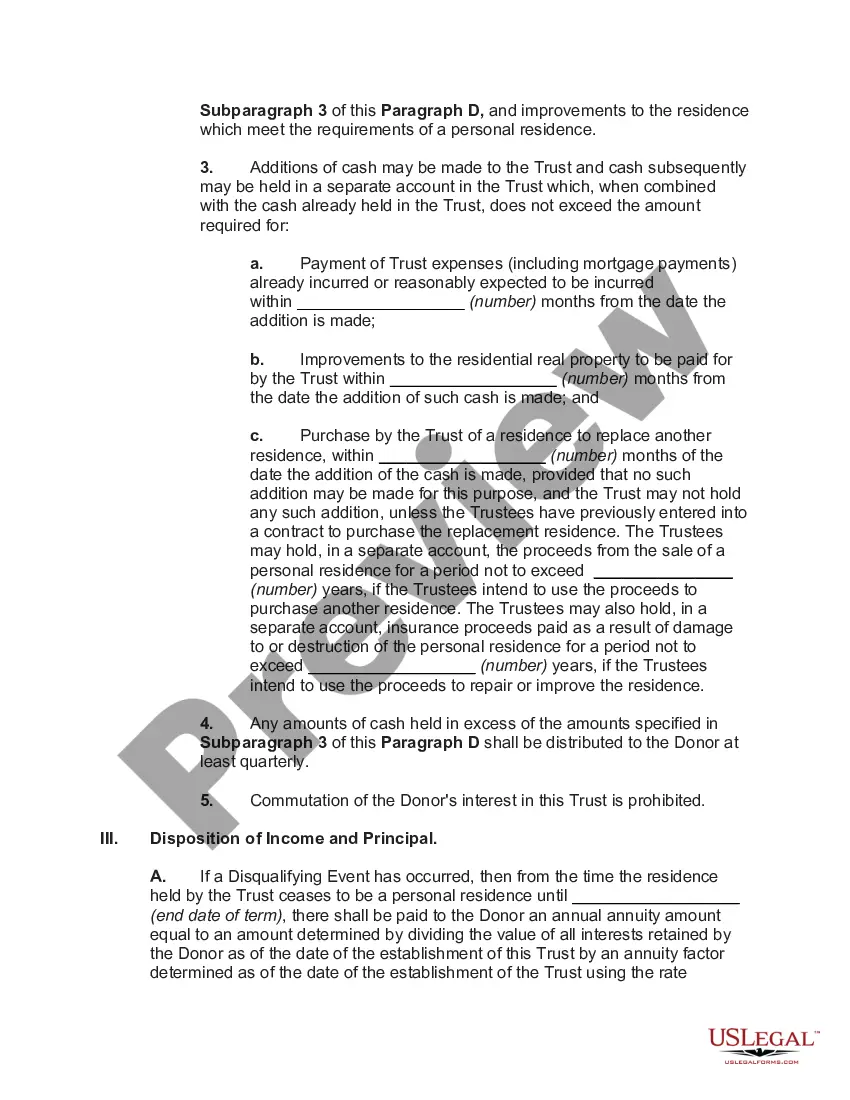
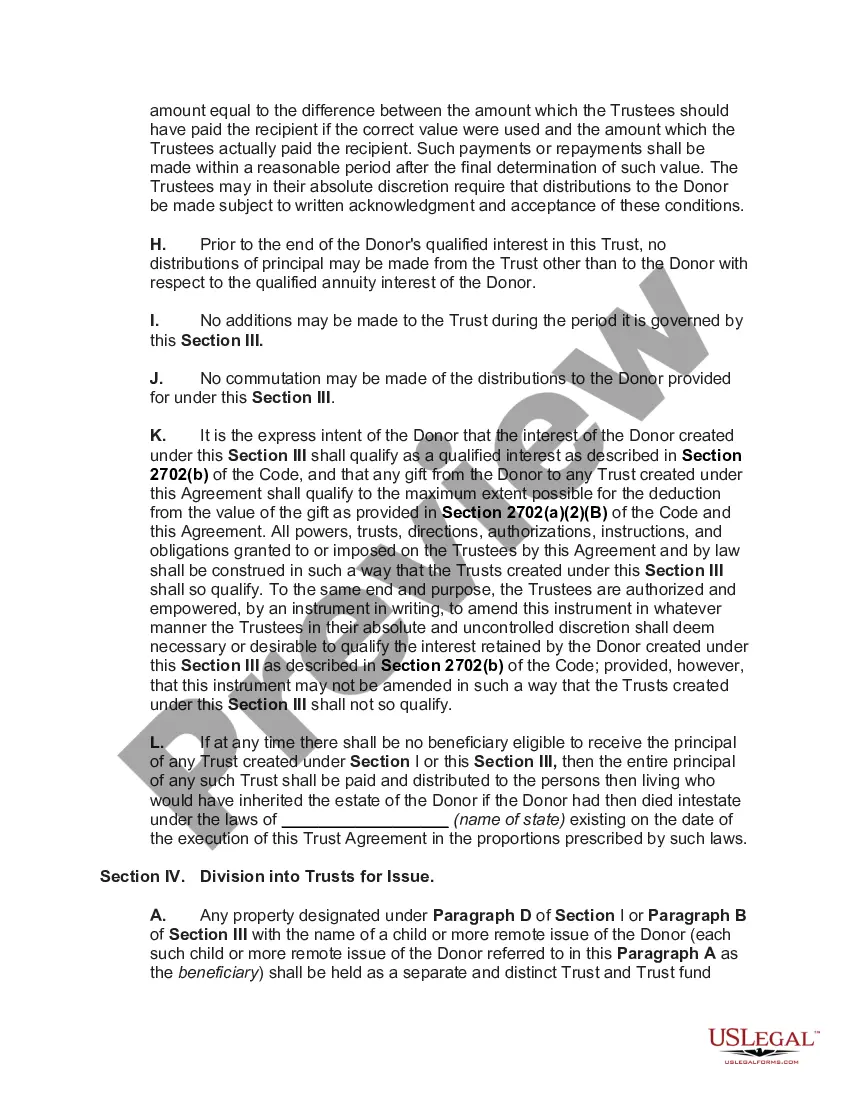
How to fill out Qualified Personal Residence Trust?
- Log in to your US Legal Forms account. If you’re a new user, create an account to begin.
- Search for 'Living trust with beneficiary' in the comprehensive form library to find the appropriate template.
- Preview the form to ensure it meets your specific requirements and complies with your local jurisdiction.
- Select the correct form. If it doesn’t suit your needs, use the search functionality to find a more suitable option.
- Choose your subscription plan and click the 'Buy Now' button to proceed with the purchase.
- Enter your payment details, either via credit card or PayPal, to finalize your transaction.
- Download the completed template to your device and access it for completion under 'My Forms' in your account.
By using US Legal Forms, you gain access to a vast collection of over 85,000 legal documents and the expert support necessary for accurate form completion.
Ensure your estate planning is straightforward and legally robust. Start your journey with US Legal Forms today!
Form popularity
FAQ
To fill a living trust with beneficiary information, start by gathering necessary documents, including property titles and financial statements. Then, clearly outline your assets, specifying which ones to place in the trust and who the beneficiaries will be. You can easily access user-friendly resources on USLegalForms to guide you through this process, ensuring you create a well-structured living trust with beneficiary designations for a smooth estate transfer.
The best way to set up a living trust with beneficiary is to first determine your goals for the trust. You should identify the assets you want to include and decide who will benefit from them. Next, consider consulting with a legal professional to ensure your trust complies with state laws and meets your needs. Finally, using platforms like USLegalForms can streamline the process, providing templates and guidance to help you create a tailored living trust that reflects your wishes.
One potential disadvantage of a living trust with beneficiary status is that the trust must be managed according to the specified terms. This can limit the beneficiary's access to the assets if the trust imposes restrictions or conditions. Additionally, establishing a living trust requires initial setup costs, which may deter some individuals. However, the long-term benefits often outweigh these initial concerns, especially when considering the advantages of avoiding probate.
Absolutely, you can list a living trust as a beneficiary of various assets. This includes life insurance policies, retirement accounts, and bank accounts. When you set up your living trust with beneficiary status, the assets transfer directly to the trust without going through probate. This ensures that your heirs receive their inheritances in a timely manner, as per your instructions outlined in the trust.
Yes, you can name a living trust as a beneficiary. This allows the trust to receive assets directly upon your passing, making the distribution process simpler and more efficient. By naming a living trust with beneficiary status, you ensure that your chosen assets are managed according to your wishes, as outlined in the trust document. This method also helps avoid probate, which is often a lengthy and costly process.
Putting your house in a living trust with beneficiary has its disadvantages. One potential issue is that it may limit your ability to refinance the property, as lenders often prefer traditional ownership. Additionally, transferring the house into the trust could incur transfer taxes or affect certain tax benefits. It is advisable to explore all options and seek expert advice, such as those offered by US Legal Forms, to make informed decisions.
A notable downside of a living trust with beneficiary is that it doesn't provide the same asset protection as a will. While it helps avoid probate, it doesn't shield assets from creditors or lawsuits, which can be a concern for some. Furthermore, setting up a living trust involves initial costs and requires ongoing maintenance, which some may find burdensome. Thus, it's important to assess your specific situation and consult with professionals if needed.
One of the biggest mistakes parents often make when establishing a living trust with beneficiary is failing to clearly identify and communicate their intentions. Sometimes, they assume that their beneficiaries understand their wishes, which can lead to confusion and disputes later on. Additionally, neglecting to fund the trust properly can render it ineffective. To avoid these pitfalls, consider using resources from US Legal Forms, which provide clear guidance and templates for setting up a trust efficiently.