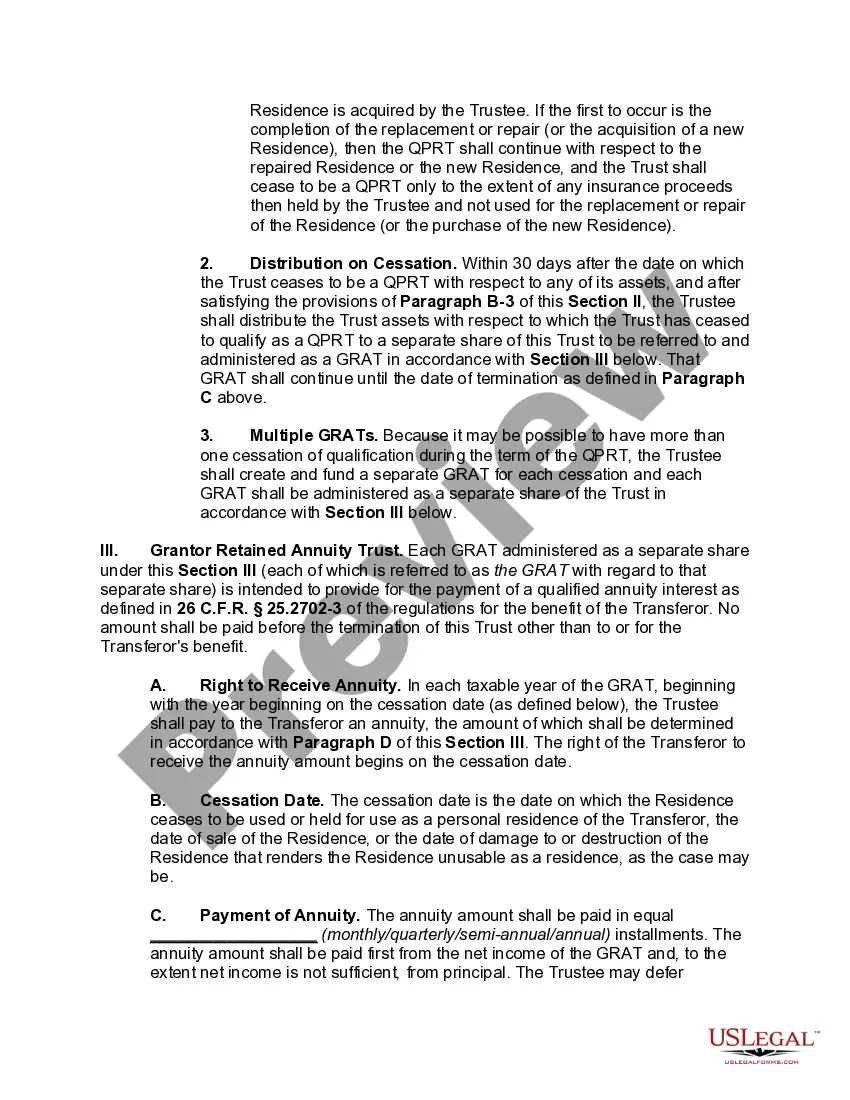
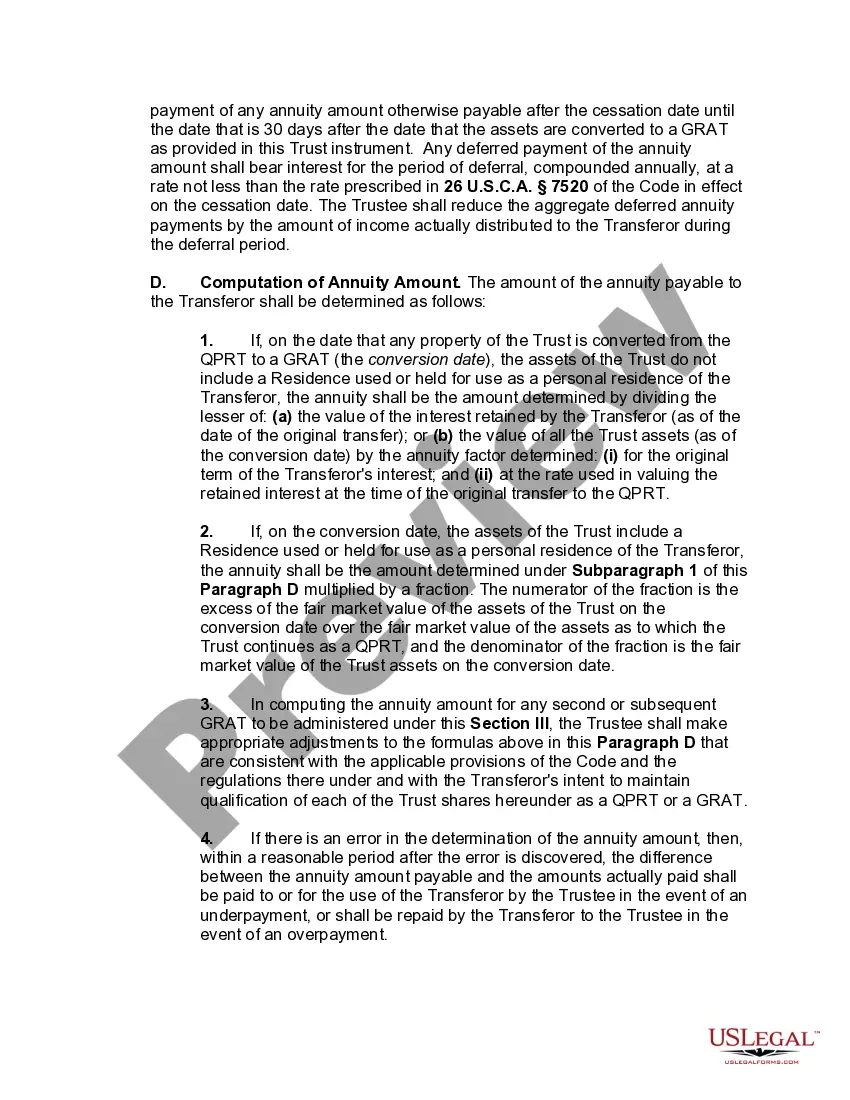
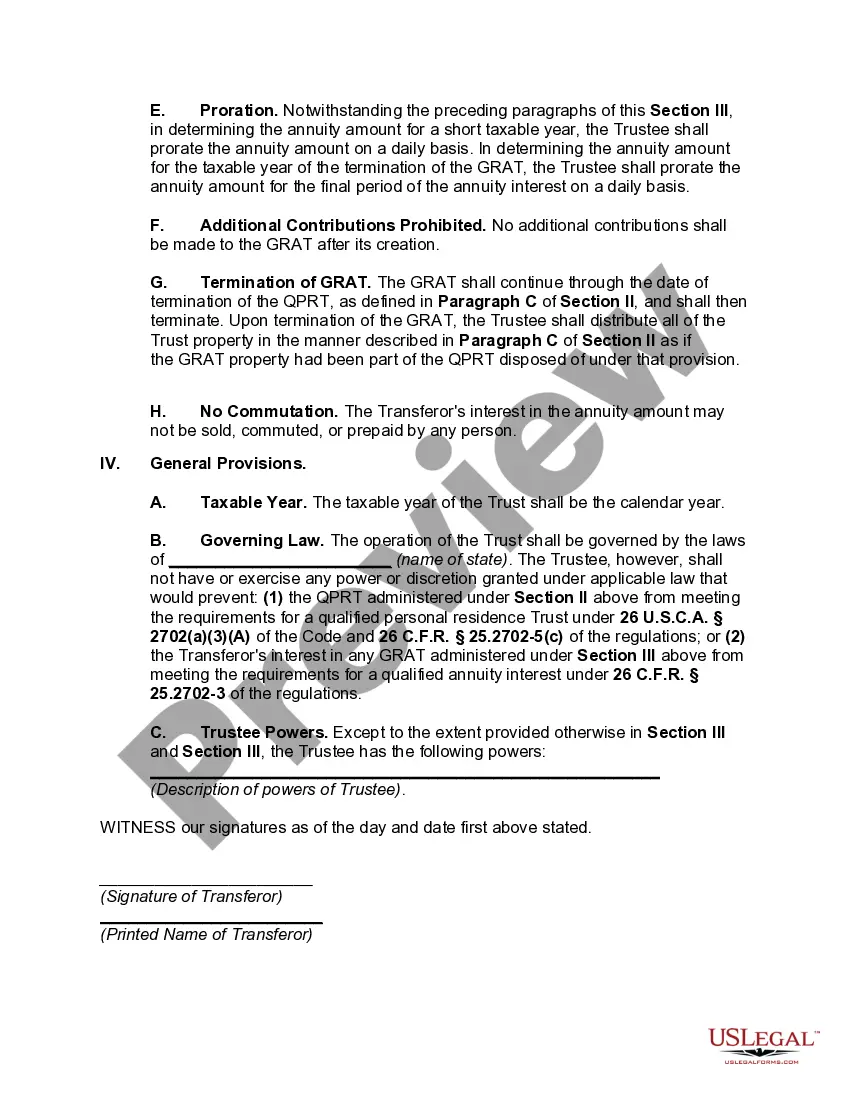
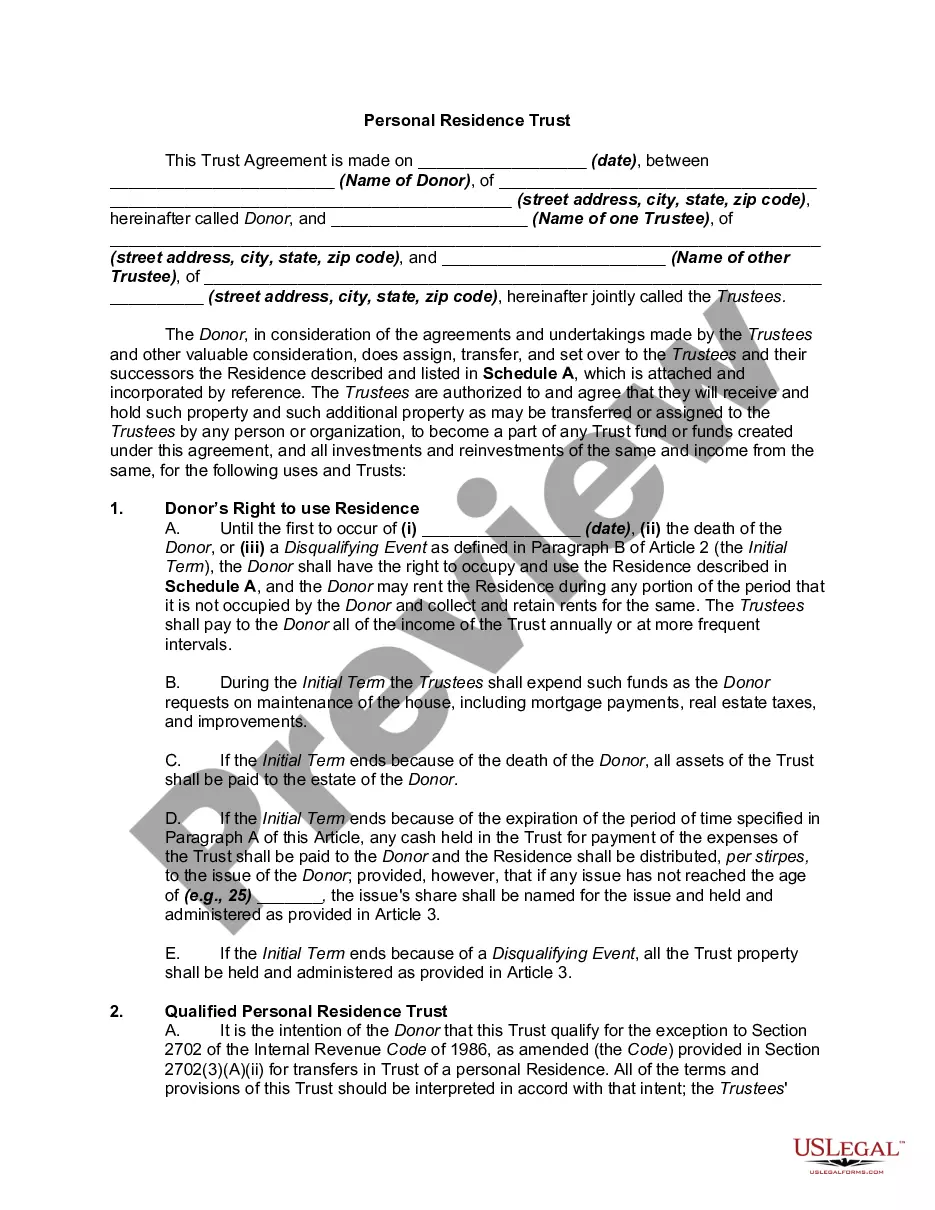
Personal Residence In Trust
Description
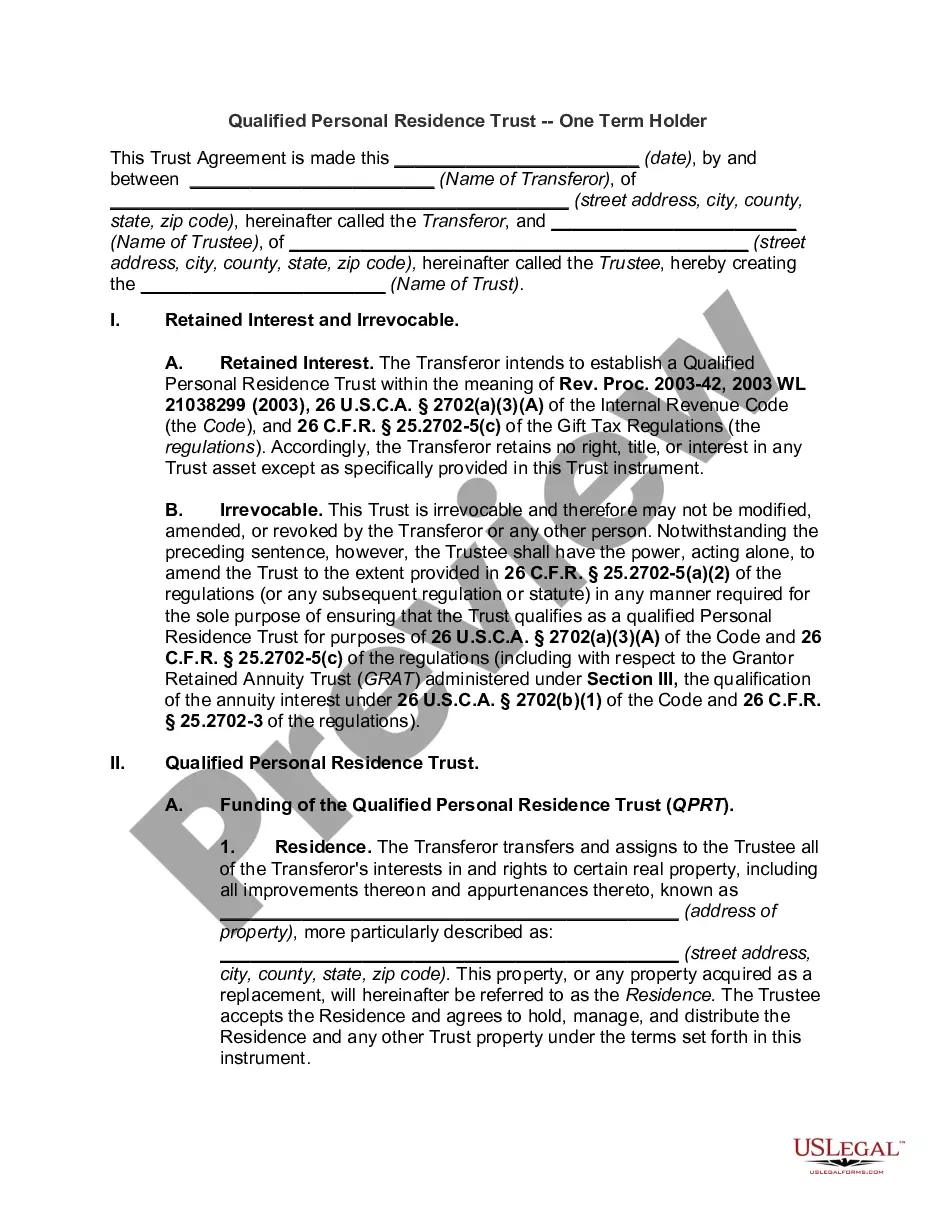
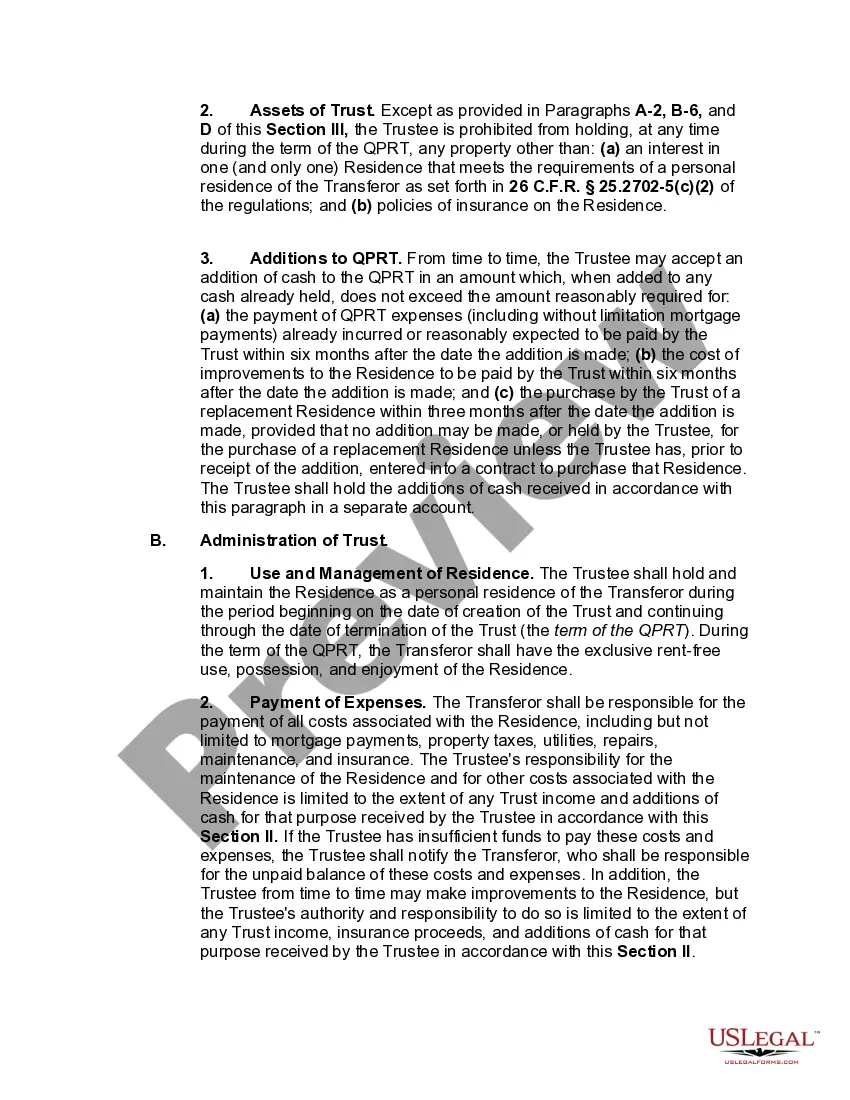
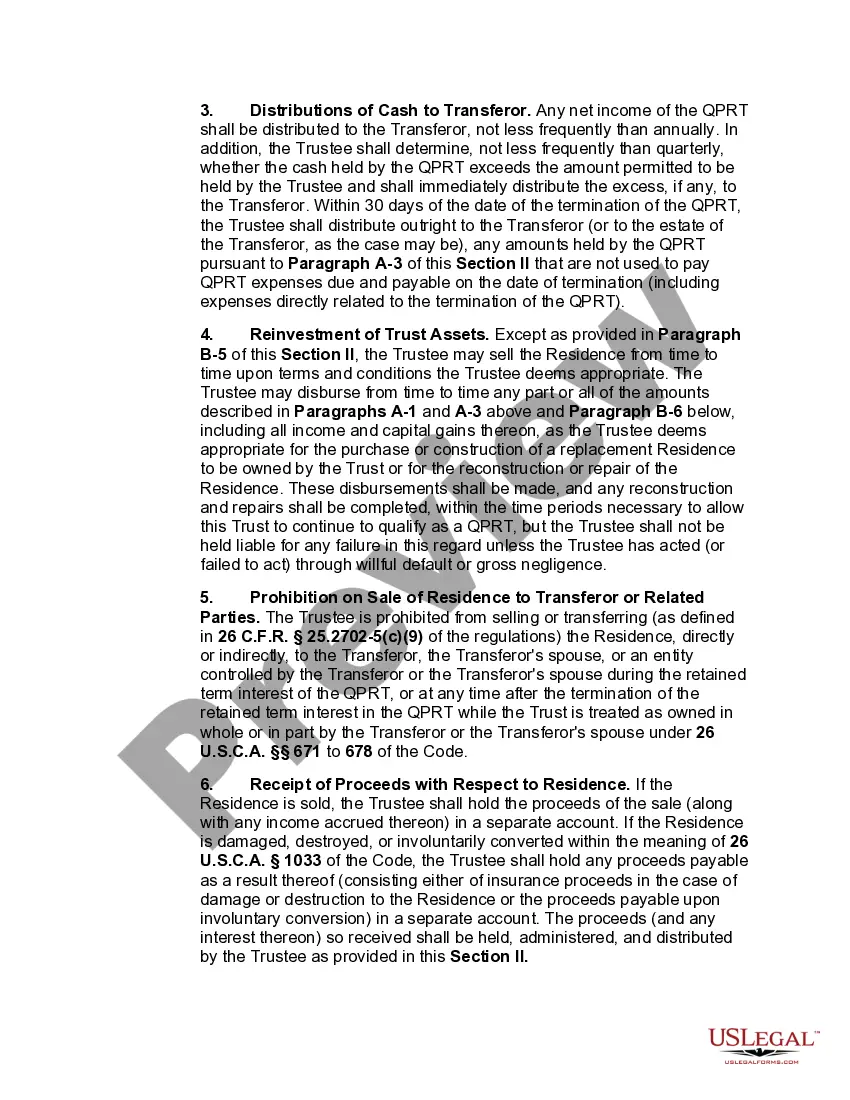
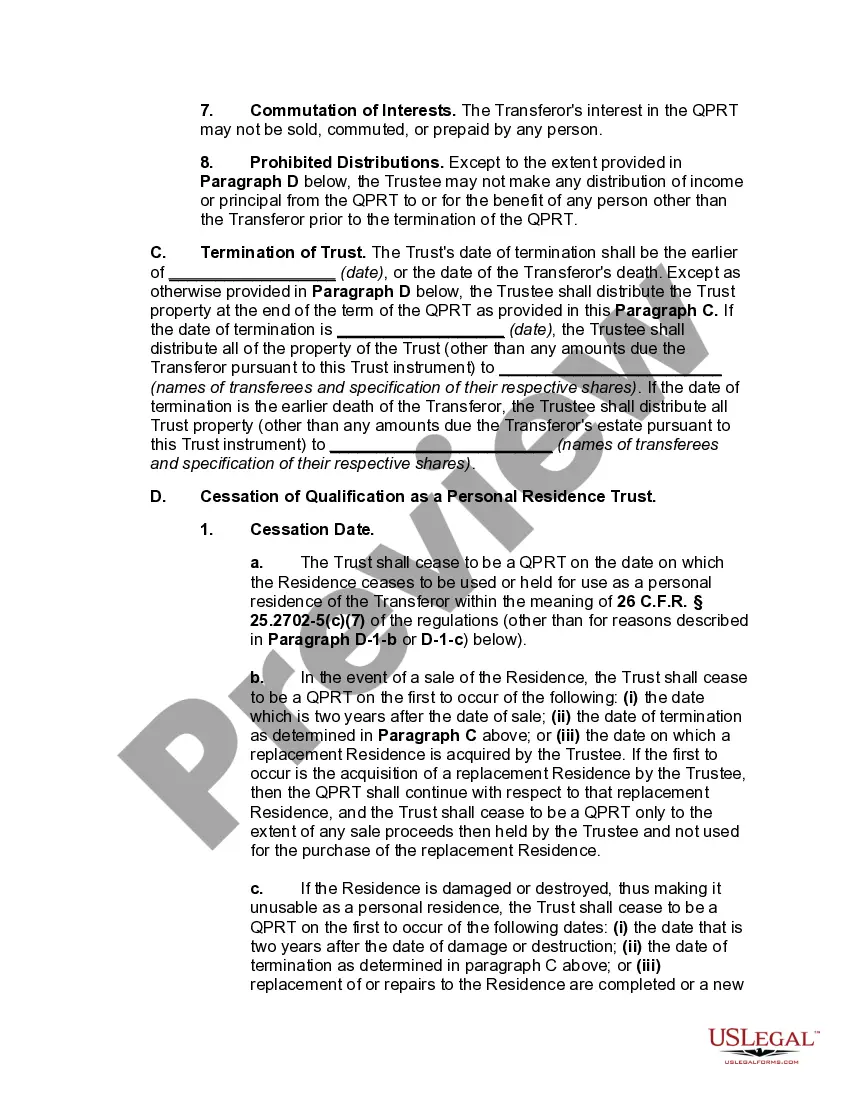

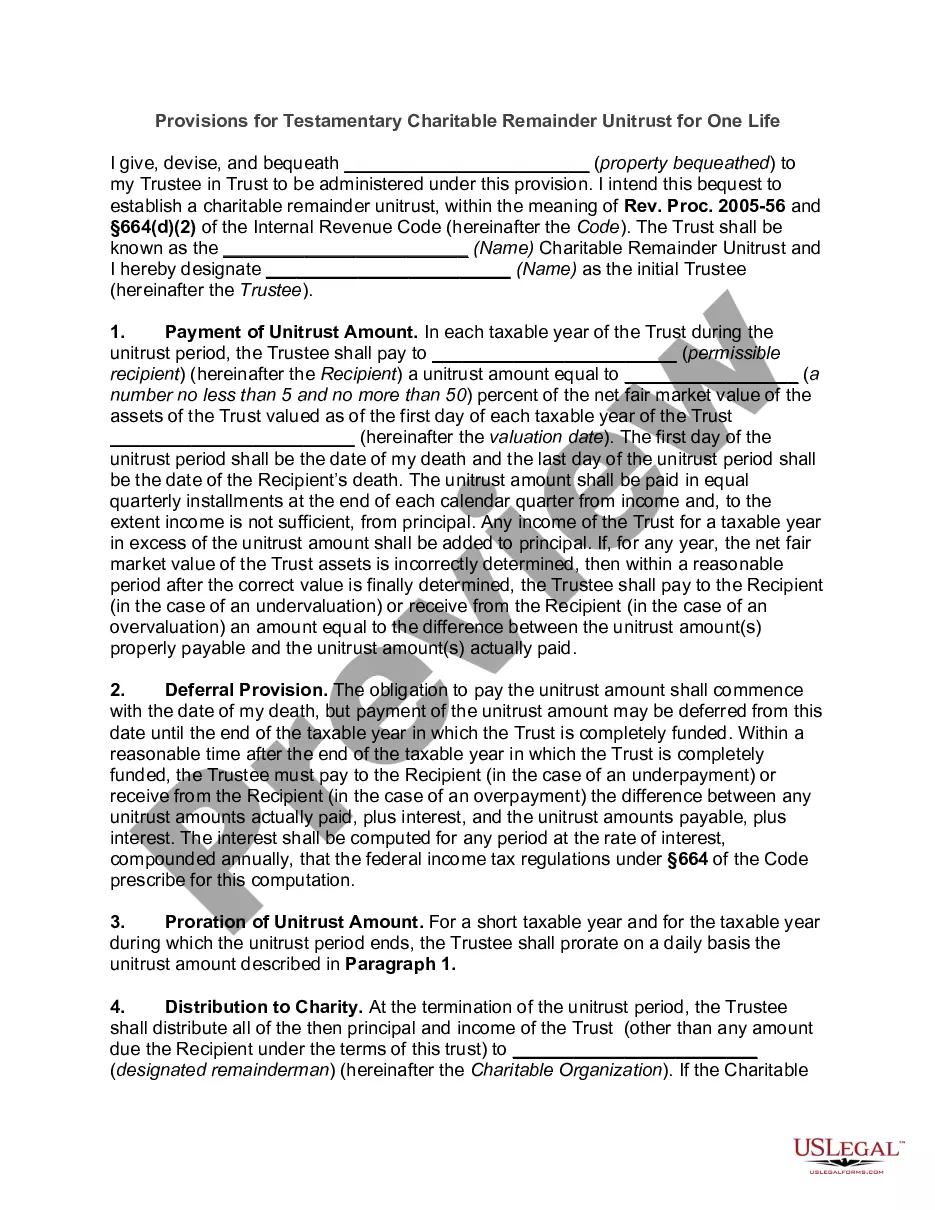
Get your form ready online
Our built-in tools help you complete, sign, share, and store your documents in one place.
Make edits, fill in missing information, and update formatting in US Legal Forms—just like you would in MS Word.
Download a copy, print it, send it by email, or mail it via USPS—whatever works best for your next step.
Sign and collect signatures with our SignNow integration. Send to multiple recipients, set reminders, and more. Go Premium to unlock E-Sign.
If this form requires notarization, complete it online through a secure video call—no need to meet a notary in person or wait for an appointment.
We protect your documents and personal data by following strict security and privacy standards.

Make edits, fill in missing information, and update formatting in US Legal Forms—just like you would in MS Word.

Download a copy, print it, send it by email, or mail it via USPS—whatever works best for your next step.

Sign and collect signatures with our SignNow integration. Send to multiple recipients, set reminders, and more. Go Premium to unlock E-Sign.

If this form requires notarization, complete it online through a secure video call—no need to meet a notary in person or wait for an appointment.

We protect your documents and personal data by following strict security and privacy standards.
Looking for another form?

Form popularity
FAQ
One notable disadvantage of putting your home in a trust is the potential for loss of control over its management. Additionally, if you need to access or sell your home quickly, having it held in a personal residence in trust may slow down the process. Be aware of both the advantages and the drawbacks before making this decision.
Deciding whether to include personal property in a trust depends on your circumstances. If you have significant personal assets, placing them in a personal residence in trust can streamline the inheritance process for your heirs. However, it is essential to weigh the benefits against the complexities of management and potential costs.
While there are benefits to placing your property in trust, some disadvantages exist as well. You may face initial costs related to setting up and maintaining the trust. Furthermore, transferring a personal residence in trust might complicate your tax situation or affect your eligibility for certain government benefits.
Certain assets are not ideal for inclusion in a trust, such as retirement accounts and health savings accounts. These assets often have specific tax implications that may be better managed outside of a personal residence in trust. Additionally, personal vehicles and other depreciating items may not provide the benefits that typically follow trust ownership.
One significant mistake parents make when setting up a trust fund is failing to clearly define the beneficiaries and their needs. Not specifying how the assets, including a personal residence in trust, should be distributed can lead to confusion or disputes among family members. Additionally, neglecting to regularly review and update the trust as family circumstances change can leave beneficiaries without essential support. Using platforms like uslegalforms can simplify this process, helping parents create a well-structured trust that meets their family's needs.
Determining the residence of a trust involves identifying where the trust administration takes place and where its trustees reside. Typically, if a trust's trustee lives in a certain state, that state may consider the trust a resident trust. This classification is crucial, especially when discussing tax implications for a personal residence in trust. Understanding these details helps ensure proper legal compliance and maximize the benefits of establishing a personal residence in trust.
While putting your house in trust has advantages, there are disadvantages to consider. Creating the trust typically involves legal fees, and there may be taxes associated with the transfer. Additionally, complications can arise if the trust is not carefully drafted or managed. It is wise to consult with a professional to navigate potential pitfalls with your personal residence in trust.
Yes, a trust can hold various types of personal property, including vehicles, art, and financial assets. This arrangement helps organize your assets and can provide smoother transitions for your heirs. By placing these items in trust, you maintain control over their distribution after your passing. Thus, utilizing a personal residence in trust can be part of a broader strategy to safeguard your estate.
Placing personal property in a trust can be beneficial, especially for preventing probate. By including items like jewelry or artwork, you ensure they are distributed according to your wishes. Furthermore, having personal goods in a trust can streamline your estate planning. Consider using uslegalforms to simplify this process and protect your personal residence in trust.
The personal residence exclusion for a trust allows certain tax benefits when transferring your home into a trust. This exclusion can shield some or all of the capital gains tax when selling the property. Additionally, it helps ensure that the home passes directly to beneficiaries without incurring tax burdens. Exploring this exclusion with the right guidance can enhance your strategy for a personal residence in trust.
