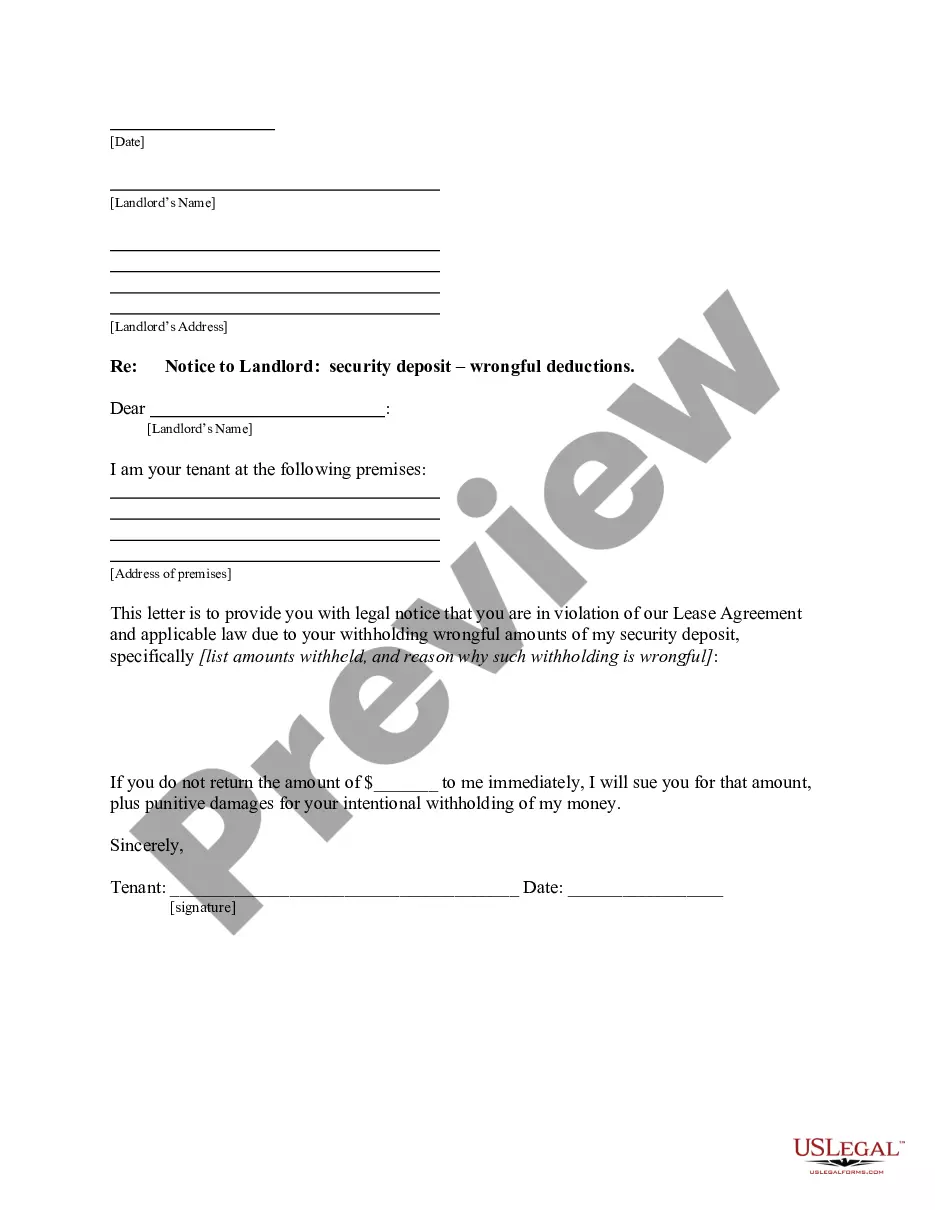
Vermont Letter from Landlord to Tenant Returning security deposit less deductions
About this form
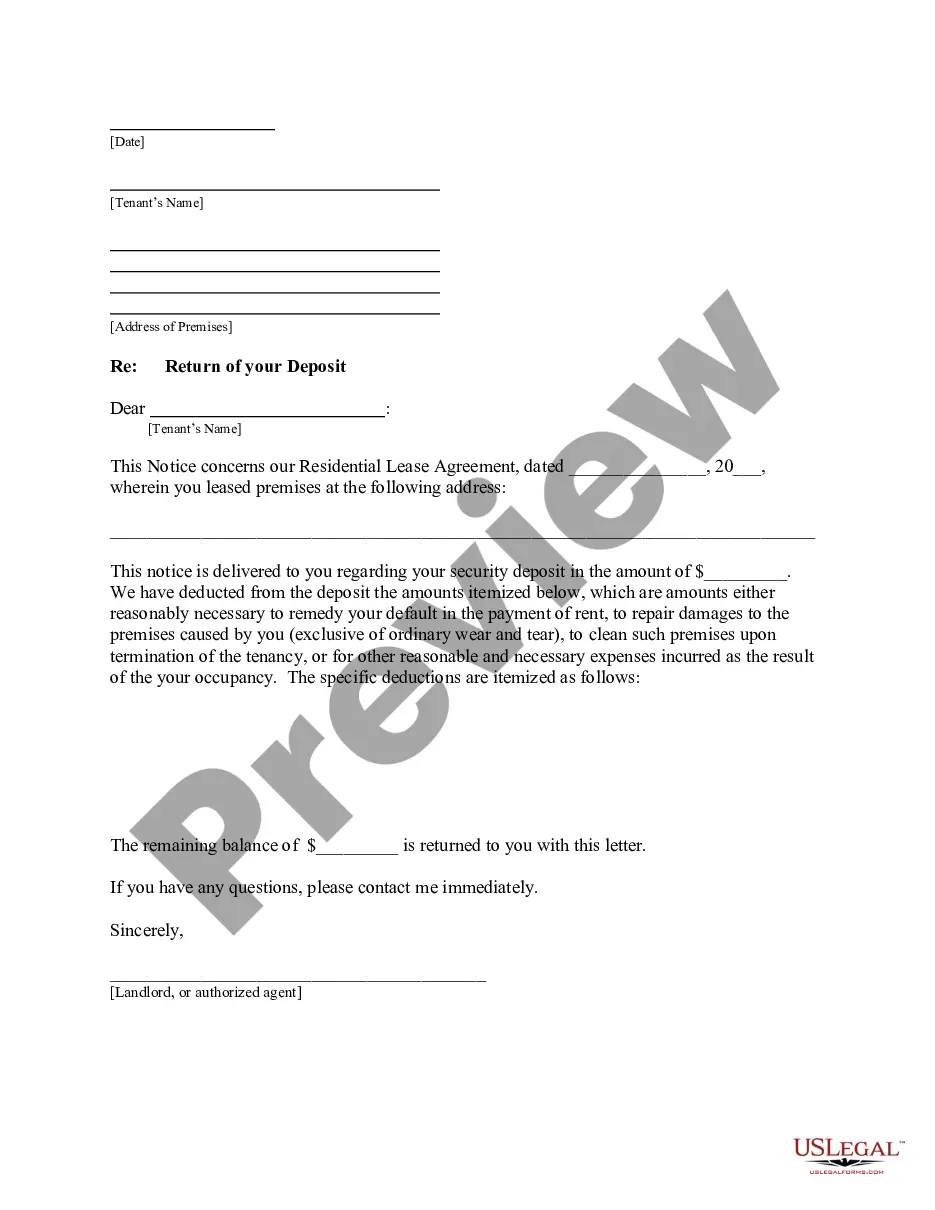
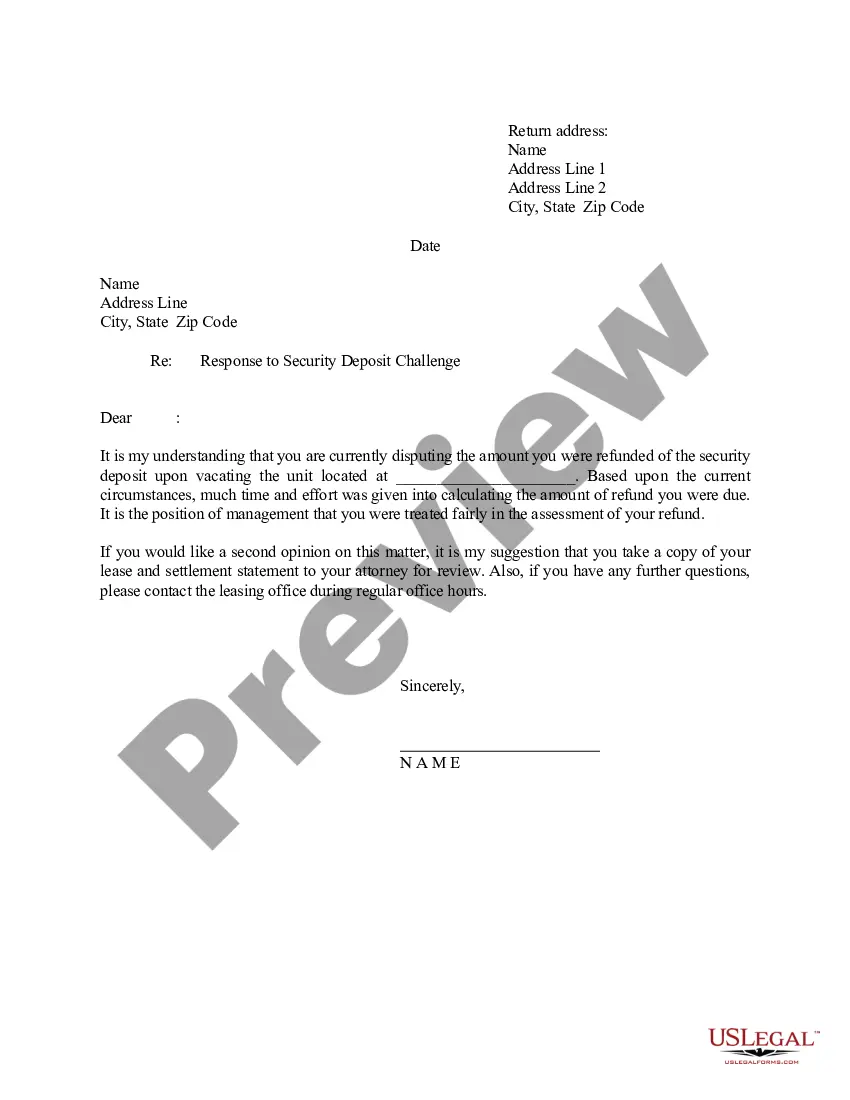
This letter from landlord to tenant concerning the return of a security deposit outlines the specific deductions taken from the deposit amount. It informs the tenant of any charges for unpaid rent, damages beyond normal wear and tear, cleaning costs, or other reasonable expenses incurred due to their occupancy. Unlike a rental receipt, this form serves as a formal record of the deductions made from the security deposit, ensuring transparency and compliance with legal standards in managing security deposits.
Main sections of this form
- Date of the lease agreement.
- Address of the leased premises.
- Amount of the security deposit.
- Itemized deductions from the deposit.
- Statement regarding the reasonableness of deductions.
When this form is needed
This form is needed when a landlord is returning a security deposit to a tenant after the lease has ended. It should be used when deductions need to be itemized for reasons such as unpaid rent, repairs for damages beyond ordinary wear and tear, or cleaning costs. This formal notice provides clarity and protects both parties by establishing a record of the condition of the rental property and any related financial implications.
Intended users of this form
- Landlords looking to return a security deposit while specifying any deductions.
- Property managers responsible for handling tenant security deposits.
- Tenants wanting transparency regarding deductions from their security deposit.
Instructions for completing this form
- Identify the date when the residential lease was signed.
- Specify the address of the leased property.
- Enter the total amount of the security deposit held.
- List the itemized deductions with clear explanations for each cost.
- Sign and date the letter before sending it to the tenant.
Notarization requirements for this form
This form does not typically require notarization unless specified by local law. It is a straightforward letter notifying the tenant about the status of their security deposit and deductions.
Get your form ready online
Our built-in tools help you complete, sign, share, and store your documents in one place.
Make edits, fill in missing information, and update formatting in US Legal Forms—just like you would in MS Word.
Download a copy, print it, send it by email, or mail it via USPS—whatever works best for your next step.
Sign and collect signatures with our SignNow integration. Send to multiple recipients, set reminders, and more. Go Premium to unlock E-Sign.
If this form requires notarization, complete it online through a secure video call—no need to meet a notary in person or wait for an appointment.
We protect your documents and personal data by following strict security and privacy standards.

Make edits, fill in missing information, and update formatting in US Legal Forms—just like you would in MS Word.

Download a copy, print it, send it by email, or mail it via USPS—whatever works best for your next step.

Sign and collect signatures with our SignNow integration. Send to multiple recipients, set reminders, and more. Go Premium to unlock E-Sign.

If this form requires notarization, complete it online through a secure video call—no need to meet a notary in person or wait for an appointment.

We protect your documents and personal data by following strict security and privacy standards.
Avoid these common issues
- Failing to itemize deductions clearly.
- Not providing an explanation for each deduction.
- Overstating reasonable repair costs.
- Missing the statutory deadline for returning the deposit.
Why use this form online
- Access to professionally drafted legal templates ensures compliance with state laws.
- Quick download and easy customization to suit specific situations.
- Reduces the risk of errors with a straightforward fillable format.
Legal use & context
- This notice serves as a formal communication to protect the landlord and establish a legal record of expenses related to the security deposit.
- Clear documentation of deductions minimizes disputes regarding the return of security deposits.
- Understanding local laws is crucial to ensure that the form is used effectively and legally.
Summary of main points
- The letter from landlord to tenant returning the security deposit provides transparency regarding deductions.
- It is essential for landlords to comply with state regulations regarding security deposits.
- Clearly itemize deductions to prevent misunderstandings and disputes with tenants.
Looking for another form?

Form popularity
FAQ
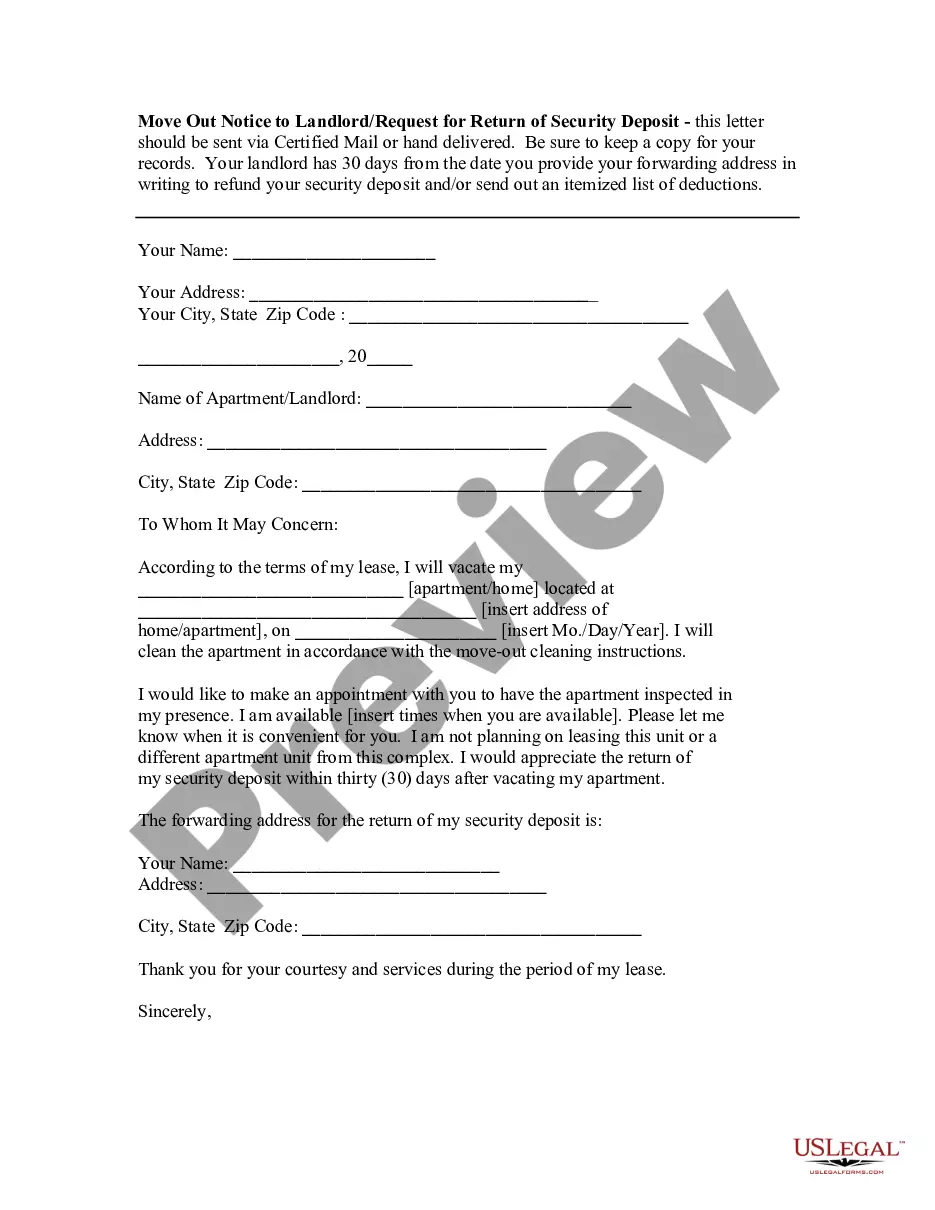
Fill out the Request for Return of Security Deposit form (not interactive; you must print, then fill out the form). Send the form to your former landlord. Keep a photo-copy of the form for yourself. Hold on to the Return Receipt when it comes back in the mail.
Ask for a refund in a polite and formal language. Include details about the productwhat was purchased, when, and what the price was. Explain why you want to return the item. Mention relevant aspects of the transaction such as dates and place of delivery.
Mail your landlord a letter requesting that she return your deposit. Be polite and simply inform the landlord that you have vacated the property and would appreciate the return of your deposit once she has had a chance to complete any checks and paperwork.
Concisely review the main facts and lay out the reasons your landlord owes you money. Include copies of relevant letters and agreements, such as your notice to move out. Ask for exactly what you want, such as the full amount of your deposit within ten days. Cite state security deposit law.
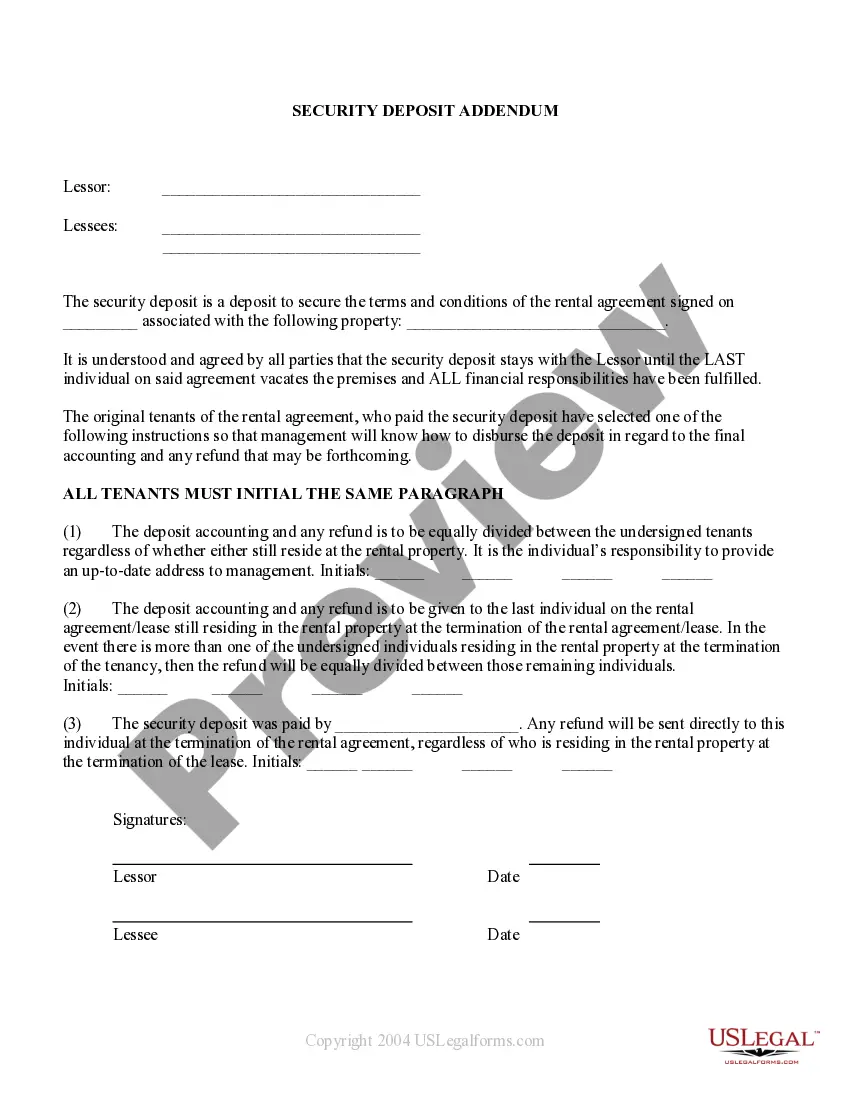
When a tenant moves into a rental property, he or she will pay the landlord a security deposit in addition to first month's rent. This deposit will typically be returned to the tenant at the end of the lease term, as long as the tenant follows all the terms of the lease agreement.
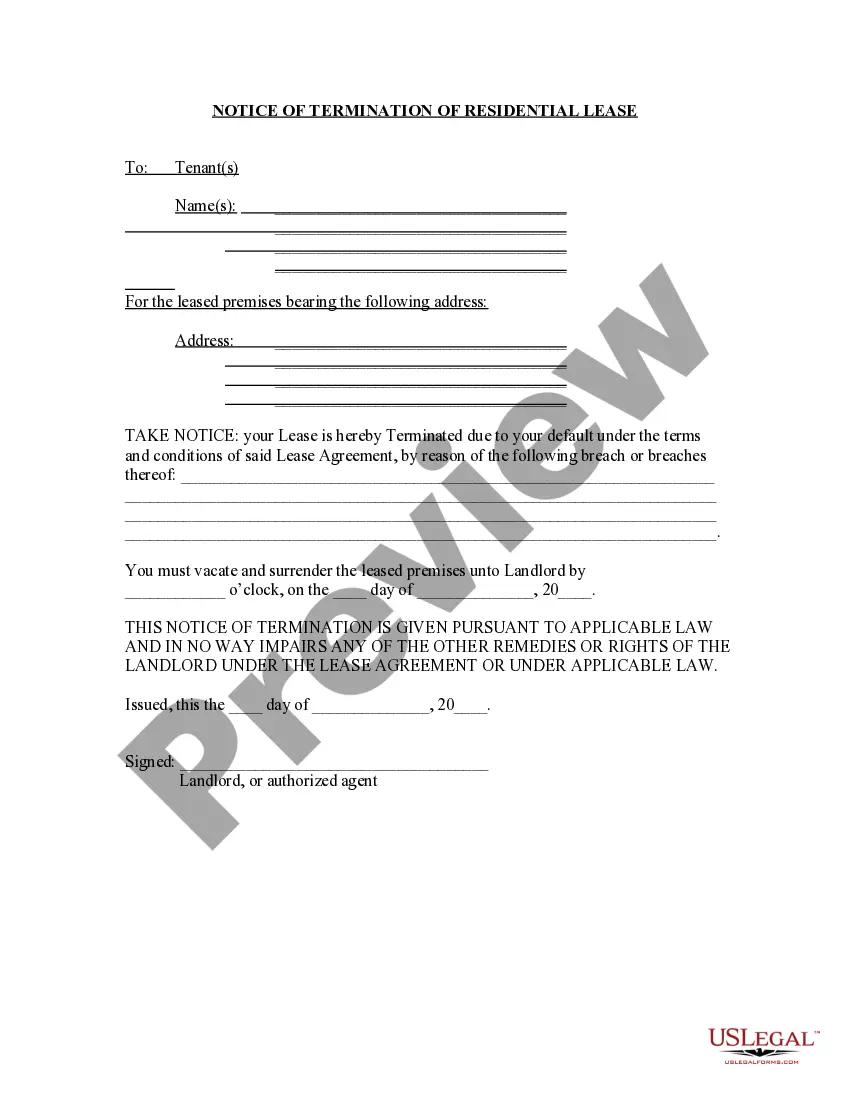
5 Times a Landlord Does Not Have to Return a Tenant's Security Deposit. Breaking or Terminating a Lease Early. Nonpayment of Rent. Damage to the Property. Cleaning Costs. Unpaid Utilities.
You can use your scheme's 'alternative dispute resolution' (ADR) service to help you get your deposit back. You should use the ADR service if you can - it's free and easy to make a claim. You'll usually have to make your claim within 3 months of moving out of the property.
If you didn't get your deposit back that way, ask your landlord to return it. If they refuse, you can you can call the Ontario government's Rental Housing Enforcement Unit (RHEU) at 1-888-772-9277 (toll-free) or 416-585-7214.
The date of the letter and the landlord's full name and address. The address of the residence you rented and the date you moved in. A statement that you've been paying your rent timely and that you are current with your payments.