Virginia Name Affidavit of Buyer
About this form
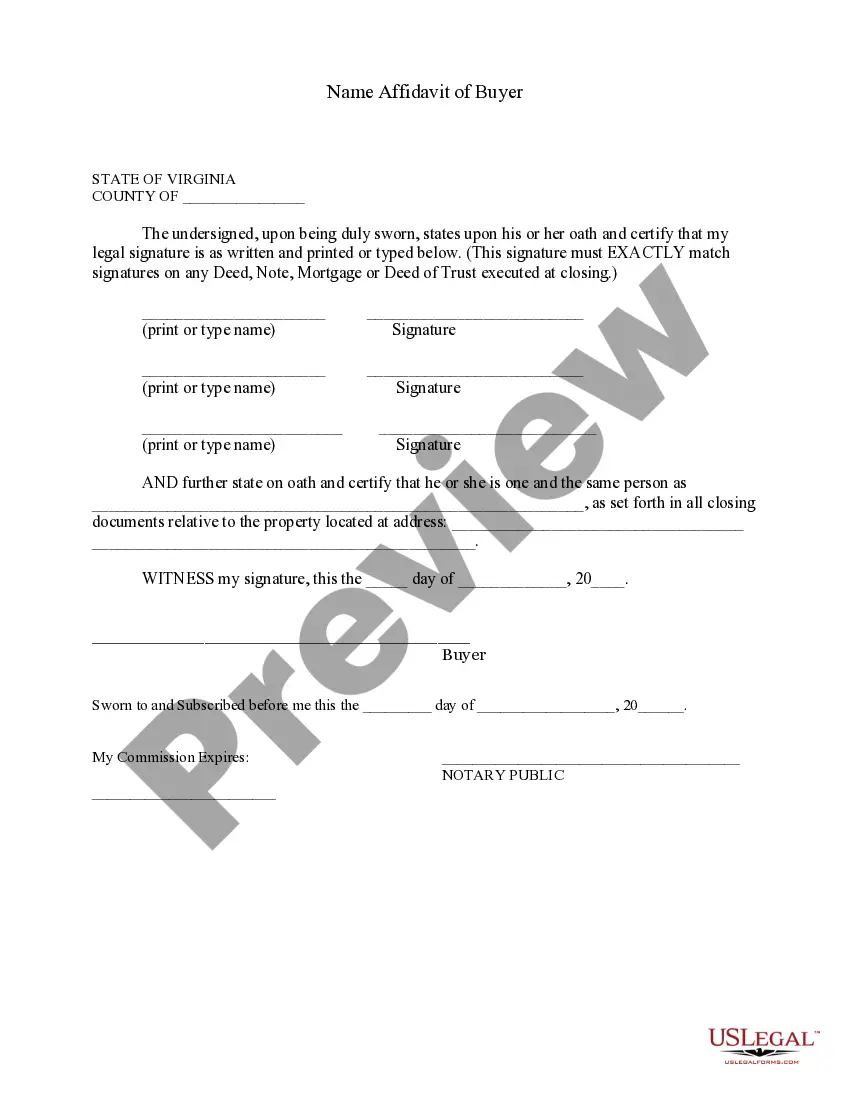
The Name Affidavit of Buyer is a legal document that allows a buyer to declare their legal name and any aliases they may use. This affidavit is essential when the buyer has signed documents under different names, such as when John Jones, John T. Jones, and J.T. Jones all refer to the same individual. The purpose of this affidavit is to clarify identity and ensure consistency across all legal documents executed at closing.
Key components of this form
- Section for the buyer's legal name and signature
- Declaration of aliases or "known as" names
- Certification of identity as one and the same person
- Signature and printed name fields for authenticity
- Notary acknowledgment to validate the affidavit

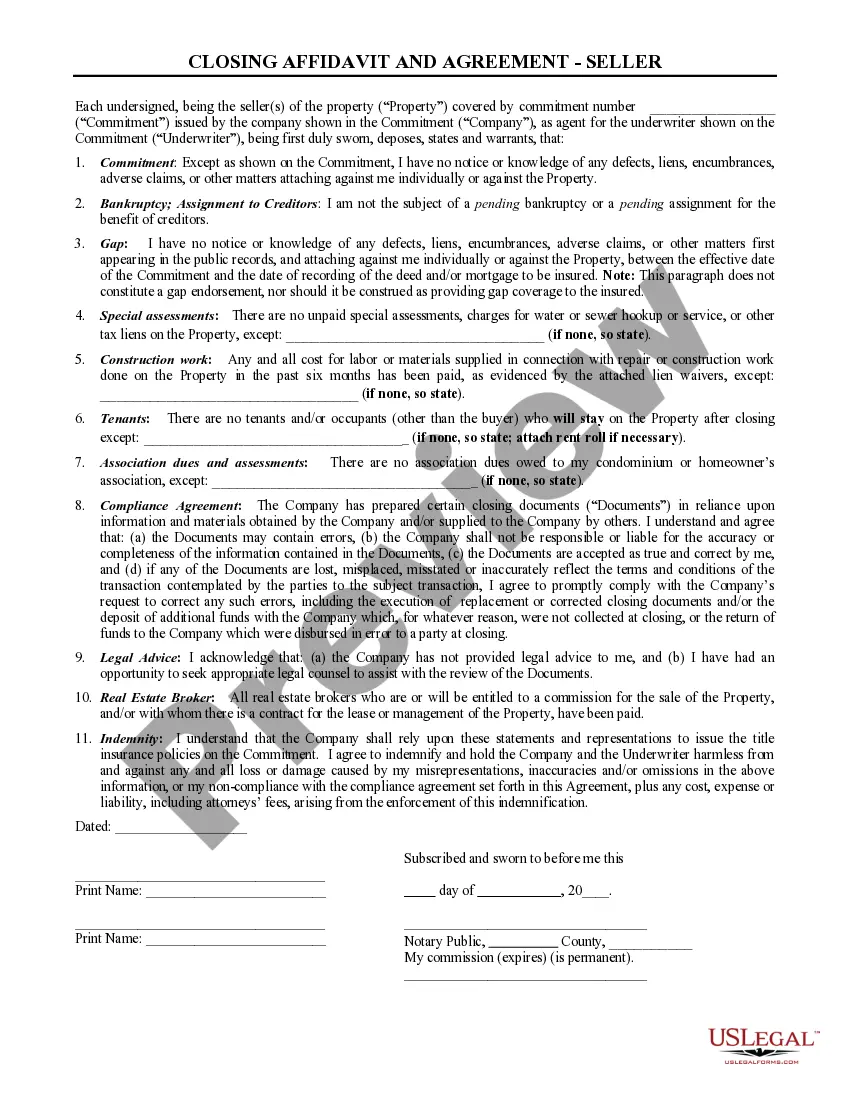
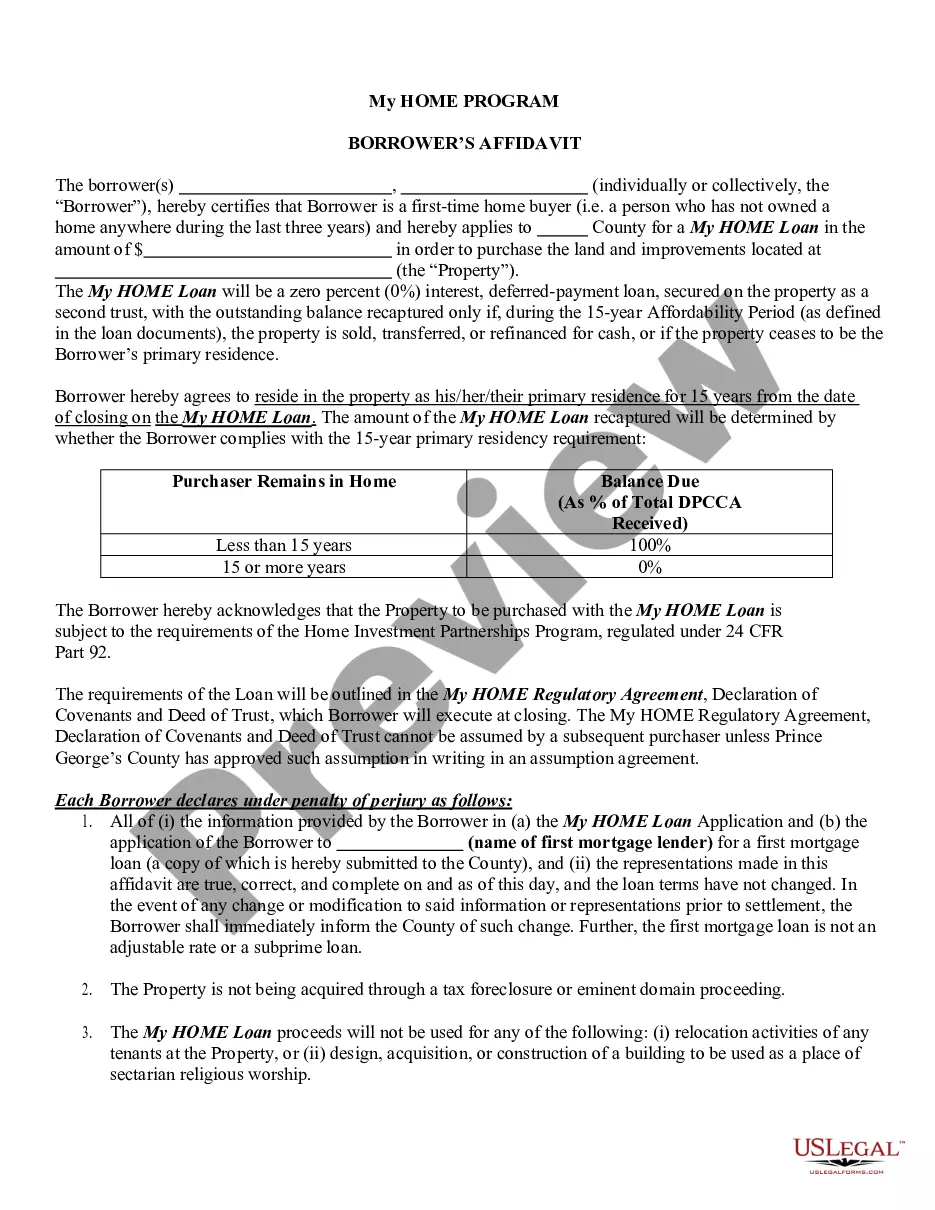
Situations where this form applies
This form is typically used when a buyer is purchasing real estate and needs to clarify their identity for legal documents. It is particularly useful in cases where the buyer has signed prior documents using variations of their name, ensuring that all records are aligned and legally binding.
Who can use this document
- Individuals buying property who have different names on various legal documents
- Buyers needing to certify their identity for real estate transactions
- Anyone involved in mortgage or closing processes requiring name clarification
How to prepare this document
- Identify the buyer's legal name and enter it in the designated field.
- List any known aliases or "known as" names under the correct section.
- Have the buyer sign the affidavit, ensuring the signature matches other documents.
- Complete the witness section by signing and dating it appropriately.
- Visit a notary public to have the affidavit notarized, confirming the buyer's identity.
Notarization requirements for this form
Yes, this form must be notarized to be legally valid. US Legal Forms offers integrated online notarization, which is available 24/7 through a secure video call. This ensures that your affidavit can be completed from the comfort of your home without any need for travel.
Get your form ready online
Our built-in tools help you complete, sign, share, and store your documents in one place.
Make edits, fill in missing information, and update formatting in US Legal Forms—just like you would in MS Word.
Download a copy, print it, send it by email, or mail it via USPS—whatever works best for your next step.
Sign and collect signatures with our SignNow integration. Send to multiple recipients, set reminders, and more. Go Premium to unlock E-Sign.
If this form requires notarization, complete it online through a secure video call—no need to meet a notary in person or wait for an appointment.
We protect your documents and personal data by following strict security and privacy standards.

Make edits, fill in missing information, and update formatting in US Legal Forms—just like you would in MS Word.

Download a copy, print it, send it by email, or mail it via USPS—whatever works best for your next step.

Sign and collect signatures with our SignNow integration. Send to multiple recipients, set reminders, and more. Go Premium to unlock E-Sign.

If this form requires notarization, complete it online through a secure video call—no need to meet a notary in person or wait for an appointment.

We protect your documents and personal data by following strict security and privacy standards.
Common mistakes
- Failing to ensure the signature matches previous documents.
- Omitting known aliases that may be crucial for identification.
- Not having the affidavit notarized if required by law.
Benefits of completing this form online
- Convenient access to legally vetted templates at any time.
- Easy customization to ensure accuracy and completeness.
- Secure and straightforward process for obtaining notarization through integrated services.
Key takeaways
- The Name Affidavit of Buyer clarifies identity for legal purposes in real estate transactions.
- Completing this form accurately is crucial for avoiding legal issues at closing.
- Notarization is required for the affidavit to be valid.
Looking for another form?

Form popularity
FAQ
You will only receive a Virginia registration card. You will not receive a Virginia title until you submit the out-of-state title to the Virginia DMV.The proof of purchase may be a buyer's order, bill of sale, or the seller's declared sale price on the title.
Va doesn't require the title to be notarized. VA titles do not need to be notarized, even if coming to NC.
Where Do I Sign a Virginia Vehicle Title? Sign on the front of the title where it is marked "Signature(s) of Seller(s)." Print your name on the front of the title where it reads "Printed Name of Seller(s)."
You will only receive a Virginia registration card. You will not receive a Virginia title until you submit the out-of-state title to the Virginia DMV.The proof of purchase may be a buyer's order, bill of sale, or the seller's declared sale price on the title.
In the state of Virginia, there is a $10 fee to transfer a car title.
On the front of the title, near the middle, the seller must write in the current odometer reading on the vehicle. Near the bottom, the seller must fill in the following information on the appropriate lines: Date the vehicle was sold, and their printed name and signed name (which should be written on the same line).
Bills of sale in Virginia, which can be drafted by hand if necessary, do not need to be notarized. However, each document should feature the following information in order to serve its purpose: The names, contact information, and signatures of the buyer and seller.
Can a Bill of Sale Be Handwritten? A bill of sale is a legal document that verifies you have sold your car and provides basic information about the vehicle or any other item and the terms of the sale.As, with any legal written document a bill of sale can be handwritten.
A California Bill of Sale must include both a buyer's and a seller's disclosure. They must be read. If the parties agree to the sale, the document must be signed, witnessed, and notarized. The date of the signatures should also be listed.