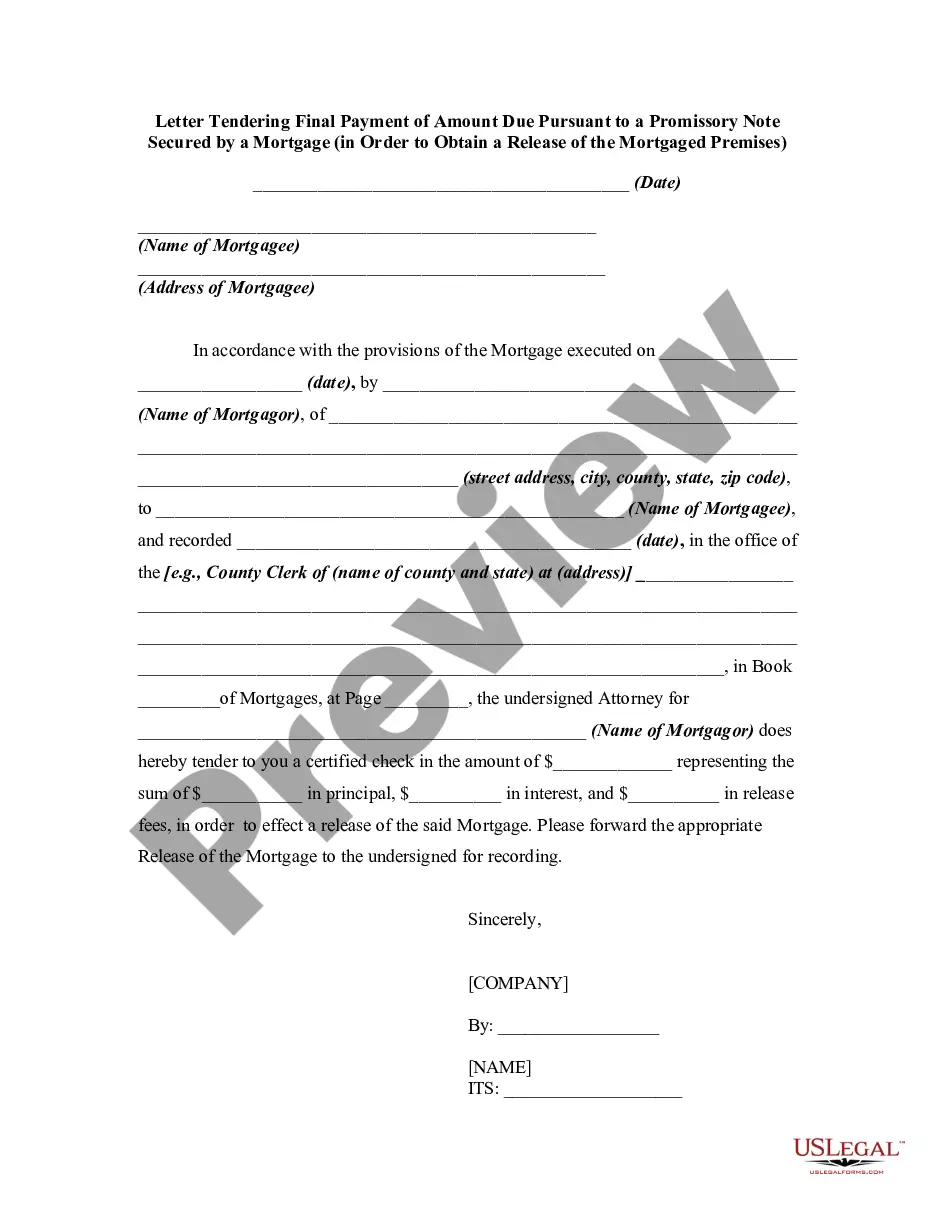
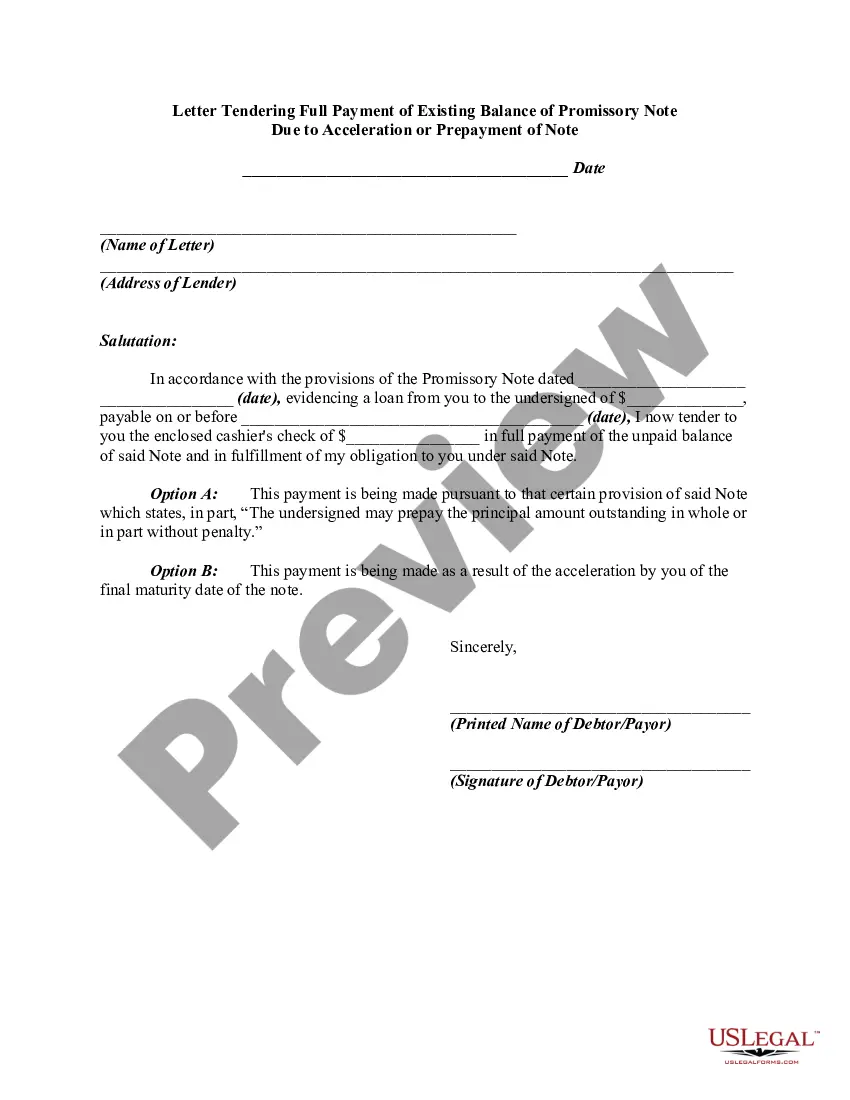
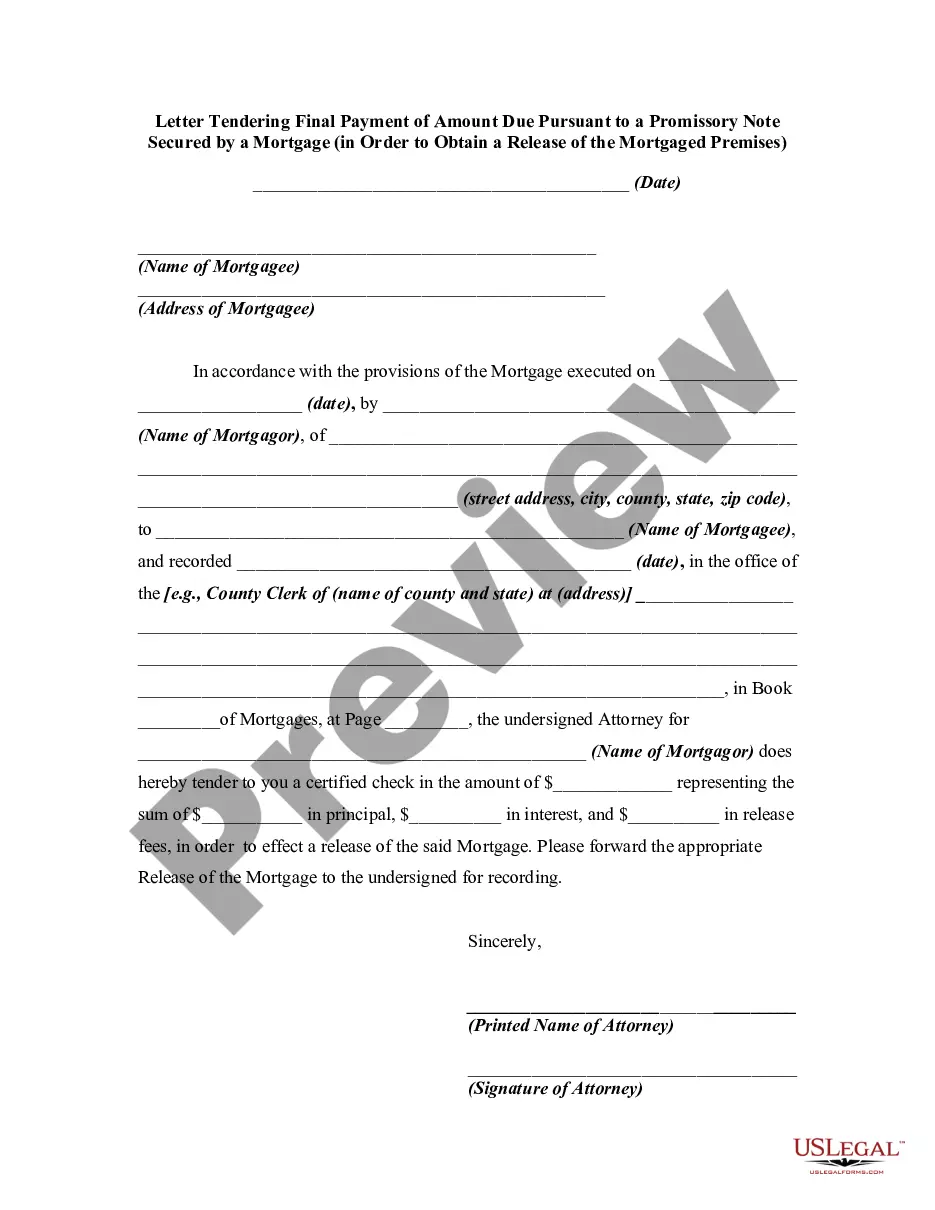
Letter Tendering Final Payment of Amount Due Pursuant to a Promissory Note Secured by a Mortgage (in Order to Obtain a Release of the Mortgaged Premises)
Understanding this form
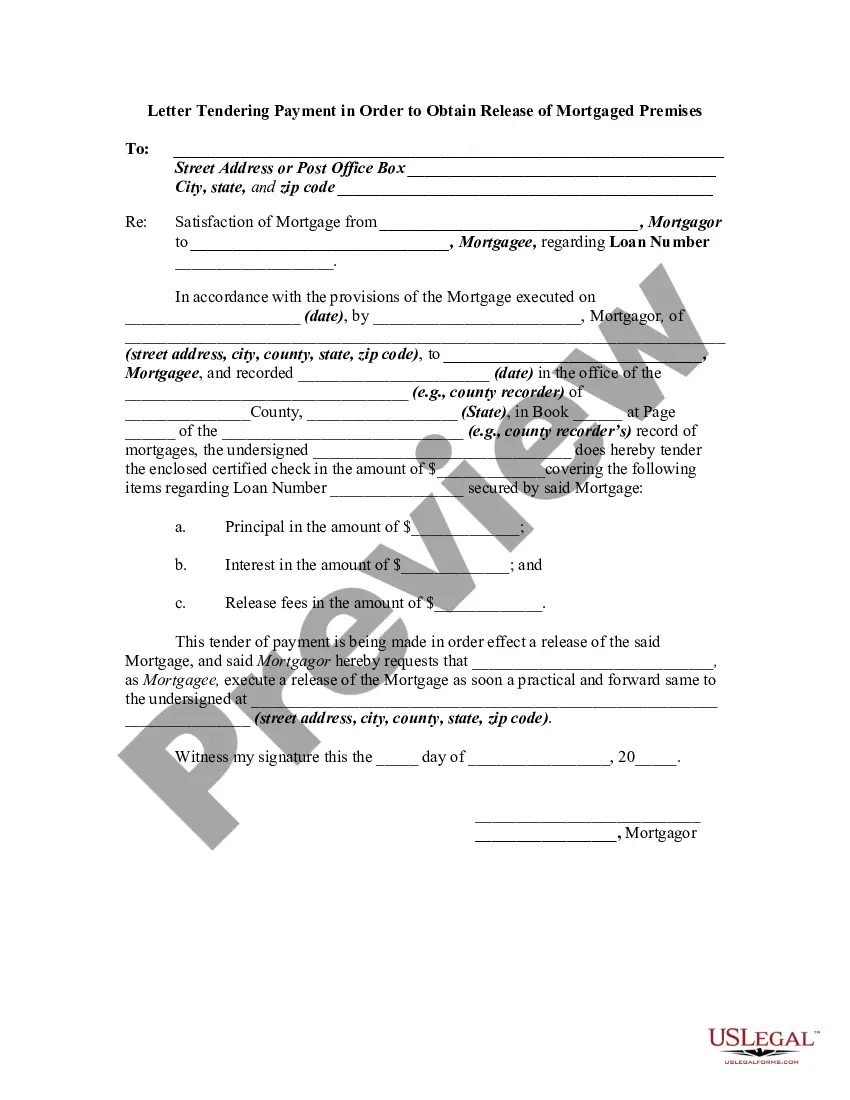
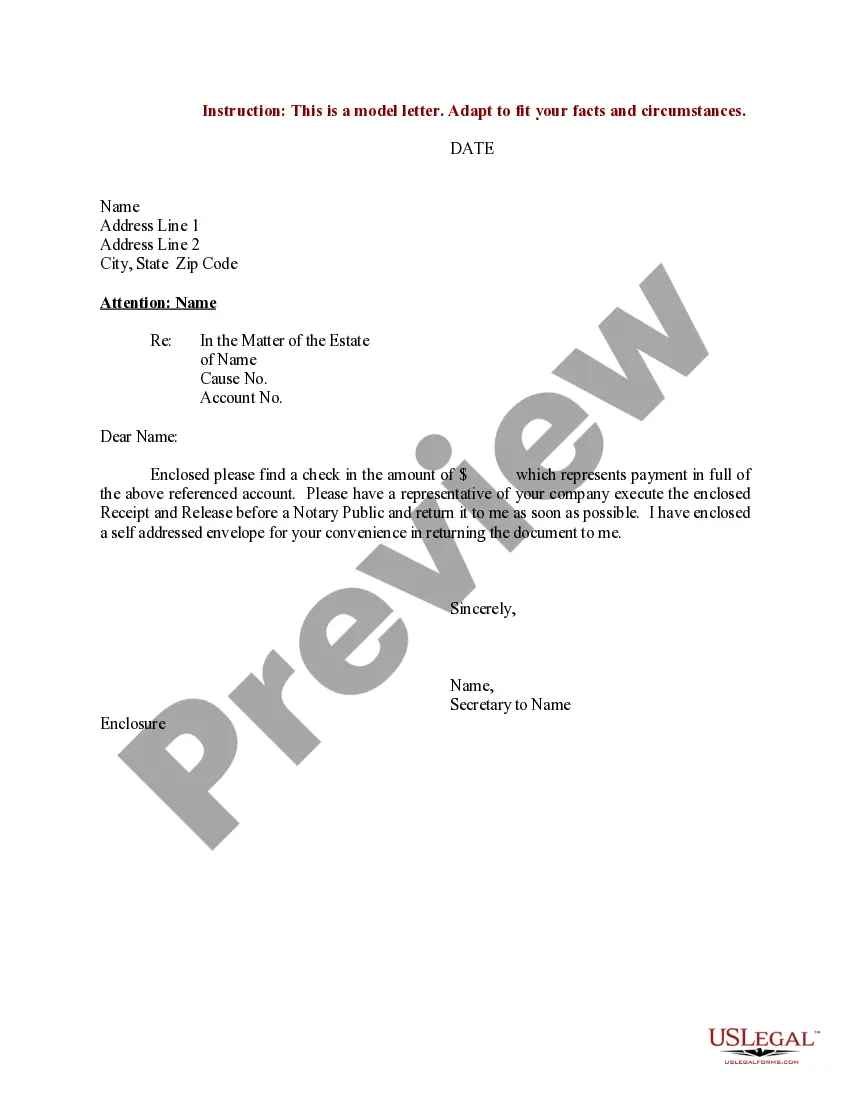
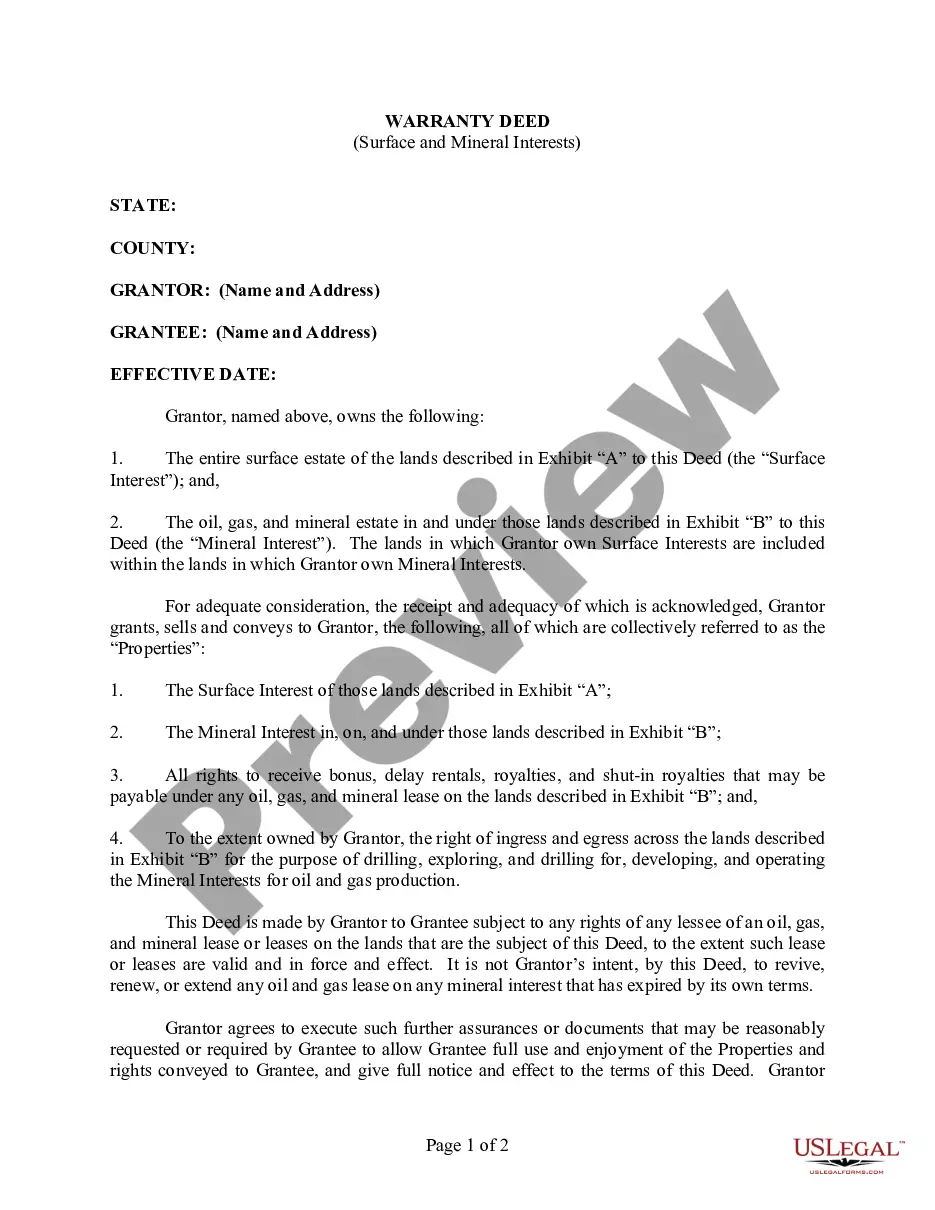
The Letter Tendering Final Payment of Amount Due Pursuant to a Promissory Note Secured by a Mortgage is a formal document used by a mortgagor to notify the mortgagee that the final payment on a loan secured by a mortgage is ready to be made. This form serves the specific purpose of ensuring that the mortgage is released following the completion of the payment obligation, differentiating it from other financial or mortgage-related documents. It is essential for legal clarity in property transactions when a mortgage is paid in full.
Key parts of this document
- Date of the mortgage agreement
- Name and address of the mortgagee
- Name and address of the mortgagor
- Details of the payment (principal, interest, release fees)
- Request for Mortgage Release documentation

When to use this document
This form is needed when a borrower (mortgagor) has fulfilled all obligations under a promissory note secured by a mortgage, and wishes to formally inform the lender (mortgagee) that the final payment has been made. It is commonly used during the closing stages of a real estate transaction to ensure the mortgage is properly released from the property title, preventing potential future claims or misunderstandings.
Who can use this document
This form is primarily intended for:
- Homeowners who have completed payments on their mortgage
- Attorneys acting on behalf of mortgagors
- Financial professionals assisting clients with mortgage releases
How to complete this form
- Identify the date of the original mortgage agreement.
- Enter the name and address of the mortgagee and mortgagor.
- Detail the amounts of principal, interest, and release fees in the designated fields.
- Include the date and location of the mortgage recording.
- Sign and date the letter to finalize the tendering process.
Does this form need to be notarized?
Notarization is required for this form to take effect. Our online notarization service, powered by Notarize, lets you verify and sign documents remotely through an encrypted video session, available 24/7.
Get your form ready online
Our built-in tools help you complete, sign, share, and store your documents in one place.
Make edits, fill in missing information, and update formatting in US Legal Forms—just like you would in MS Word.
Download a copy, print it, send it by email, or mail it via USPS—whatever works best for your next step.
Sign and collect signatures with our SignNow integration. Send to multiple recipients, set reminders, and more. Go Premium to unlock E-Sign.
If this form requires notarization, complete it online through a secure video call—no need to meet a notary in person or wait for an appointment.
We protect your documents and personal data by following strict security and privacy standards.

Make edits, fill in missing information, and update formatting in US Legal Forms—just like you would in MS Word.

Download a copy, print it, send it by email, or mail it via USPS—whatever works best for your next step.

Sign and collect signatures with our SignNow integration. Send to multiple recipients, set reminders, and more. Go Premium to unlock E-Sign.

If this form requires notarization, complete it online through a secure video call—no need to meet a notary in person or wait for an appointment.

We protect your documents and personal data by following strict security and privacy standards.
Common mistakes
- Omitting the correct dates related to the mortgage or payment.
- Failing to include all required payment details (principal, interest, fees).
- Not specifying the appropriate address for the mortgagee.
- Neglecting to sign the letter or provide sufficient documentation for payment.
Benefits of using this form online
- Convenience of downloading and completing the form at your own pace.
- Editability allows users to easily input their specific information.
- Reliability, knowing that forms are drafted with legal precision by licensed attorneys.
Legal use & context
- This form helps ensure the release of a mortgage in accordance with state law.
- Using this document correctly can help prevent future disputes over property ownership.
- It provides a formal record of the payment and release of obligations.
Quick recap
- The form is essential for formally concluding mortgage obligations.
- It is designed for use by mortgagors ready to complete their payment terms.
- Accurate completion ensures proper legal documentation and release from the mortgage.
Looking for another form?

Form popularity
FAQ
If the borrower does not repay you, your legal recourse could include repossessing any collateral the borrower put up against the note, sending the debt to a collection agency, selling the promissory note (so someone else can try to collect it), or filing a lawsuit against the borrower.
Once the debt of a promissory note has been satisfied, a release of promissory note should be executed by the holder of the note. Such a document serves as the borrower's proof that the debt has been paid. This is sometimes called a release and satisfaction of promissory note.
With a mortgage, the promissory note ? or mortgage note ? is secured by the property named in the mortgage. If you don't pay, you forfeit the property to the lender. An unsecured promissory note is a legal obligation to repay a loan, but without property to secure that obligation.
Promissory Note Vs. Mortgage. A promissory note is a document between the lender and the borrower in which the borrower promises to pay back the lender, it is a separate contract from the mortgage. The mortgage is a legal document that ties or "secures" a piece of real estate to an obligation to repay money.
Even if you have the original note, it may be void if it was not written correctly. If the person you're trying to collect from didn't sign it ? and yes, this happens ? the note is void. It may also become void if it failed some other law, for example, if it was charging an illegally high rate of interest.
Enforcing a promissory note is fairly simple. Under the Uniform Commercial Code (UCC), a promissory note is proof that a debt exists. If the debtor fails to pay the debt specified in the promissory note, no other evidence of a breach of contract is necessary to enforce that debt.
When a loan changes hands, the promissory note is endorsed (signed over) to the new owner of the loan. In some cases, the note is endorsed in blank, which makes it a bearer instrument under Article 3 of the Uniform Commercial Code. So, any party that possesses the note has the legal authority to enforce it.
Depending on which state you live in, the statute of limitations with regard to promissory notes can vary from three to 15 years. Once the statute of limitations has ended, a creditor can no longer file a lawsuit related to the unpaid promissory note.