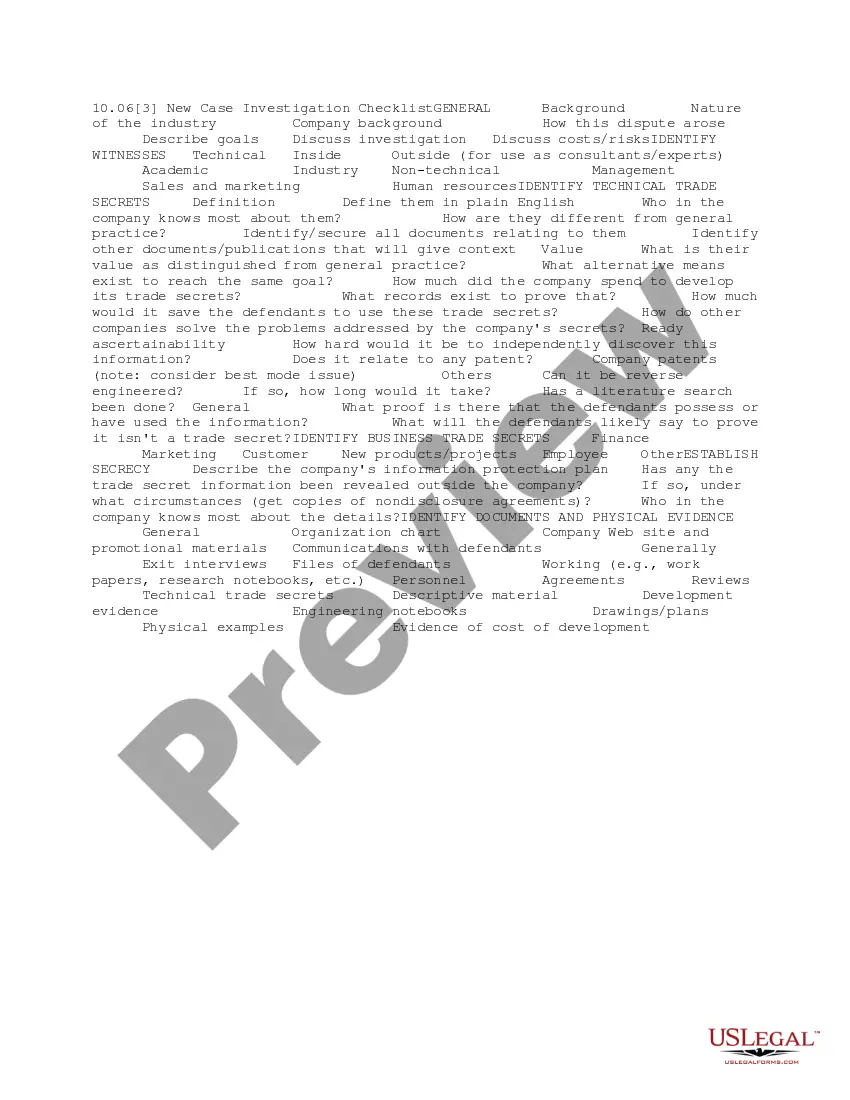
New Case Investigation Checklist
What this document covers
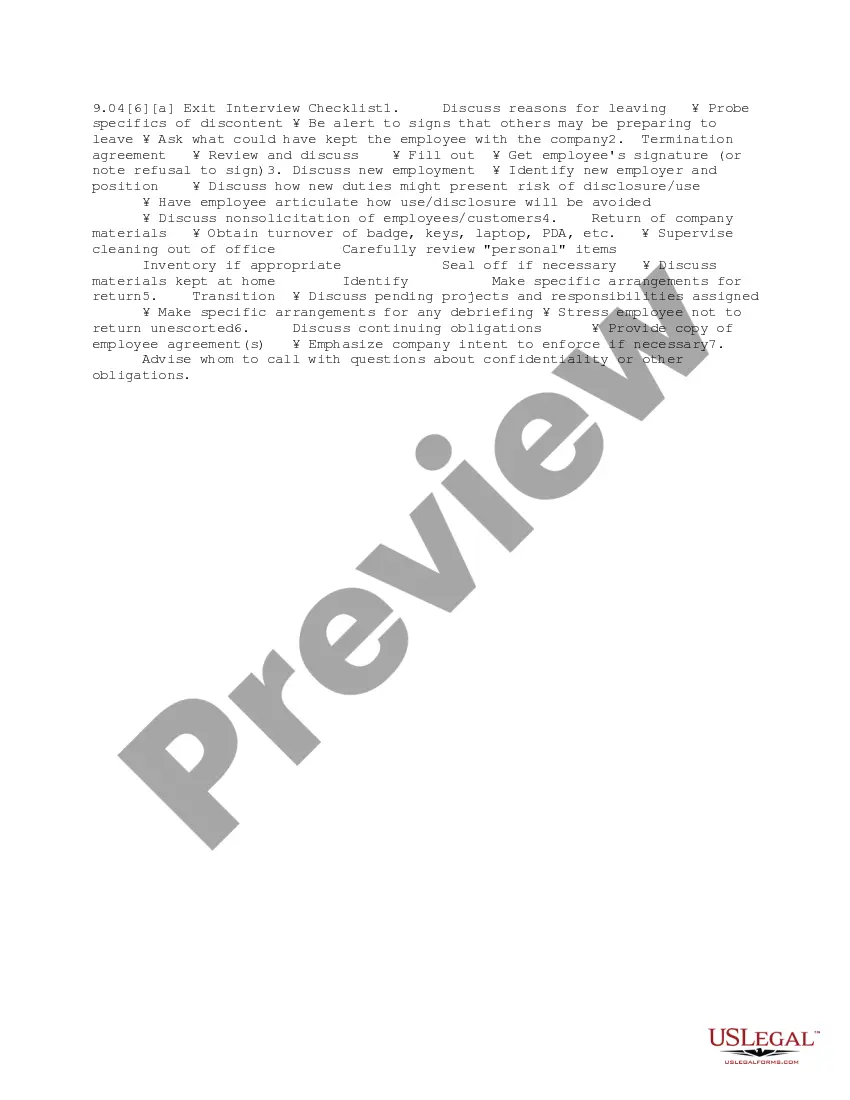
The New Case Investigation Checklist is a vital legal form designed to aid in the investigation phase of cases involving licensing, patents, or commercial trade secrets. This form provides a structured approach for gathering essential information that can impact the outcome of legal disputes. Unlike other forms, it focuses specifically on the nuances of trade secrets and business information protection, making it an indispensable tool for legal professionals and businesses alike.
Key components of this form
- General background information about the dispute and company.
- List of potential witnesses categorized by technical and non-technical expertise.
- Identification of technical trade secrets and related documentation.
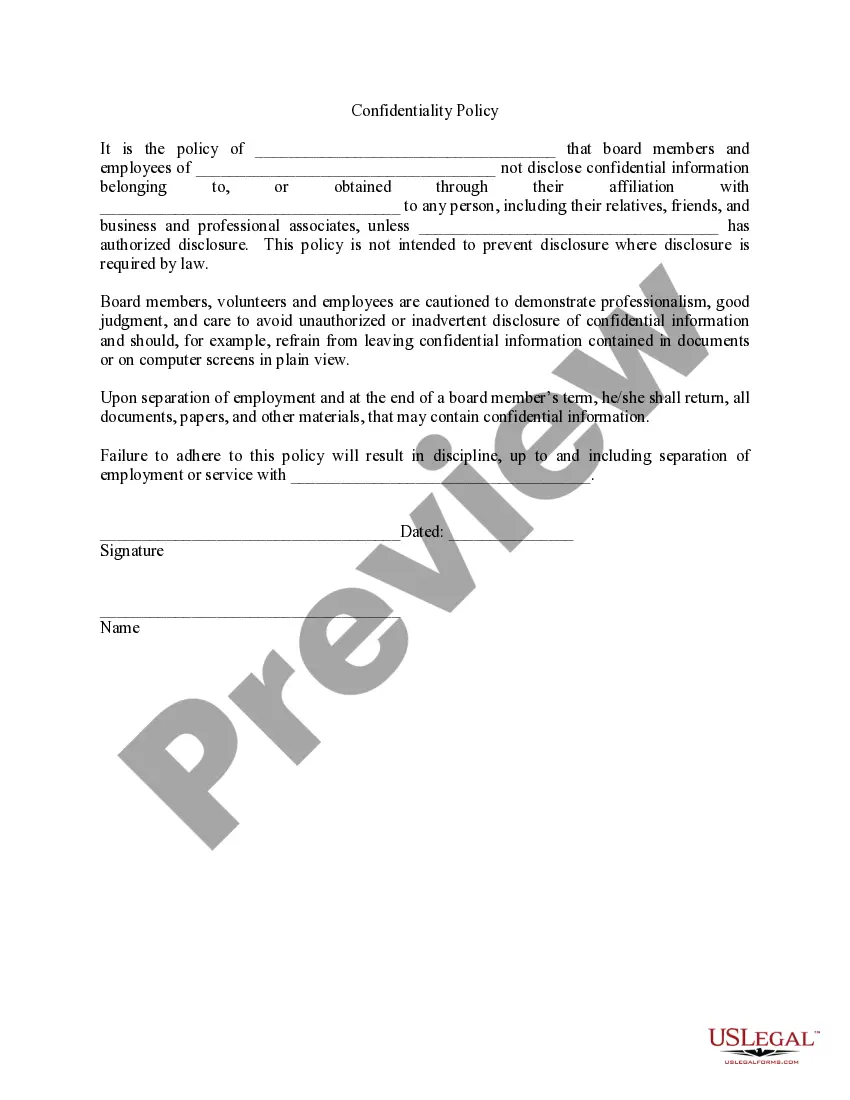
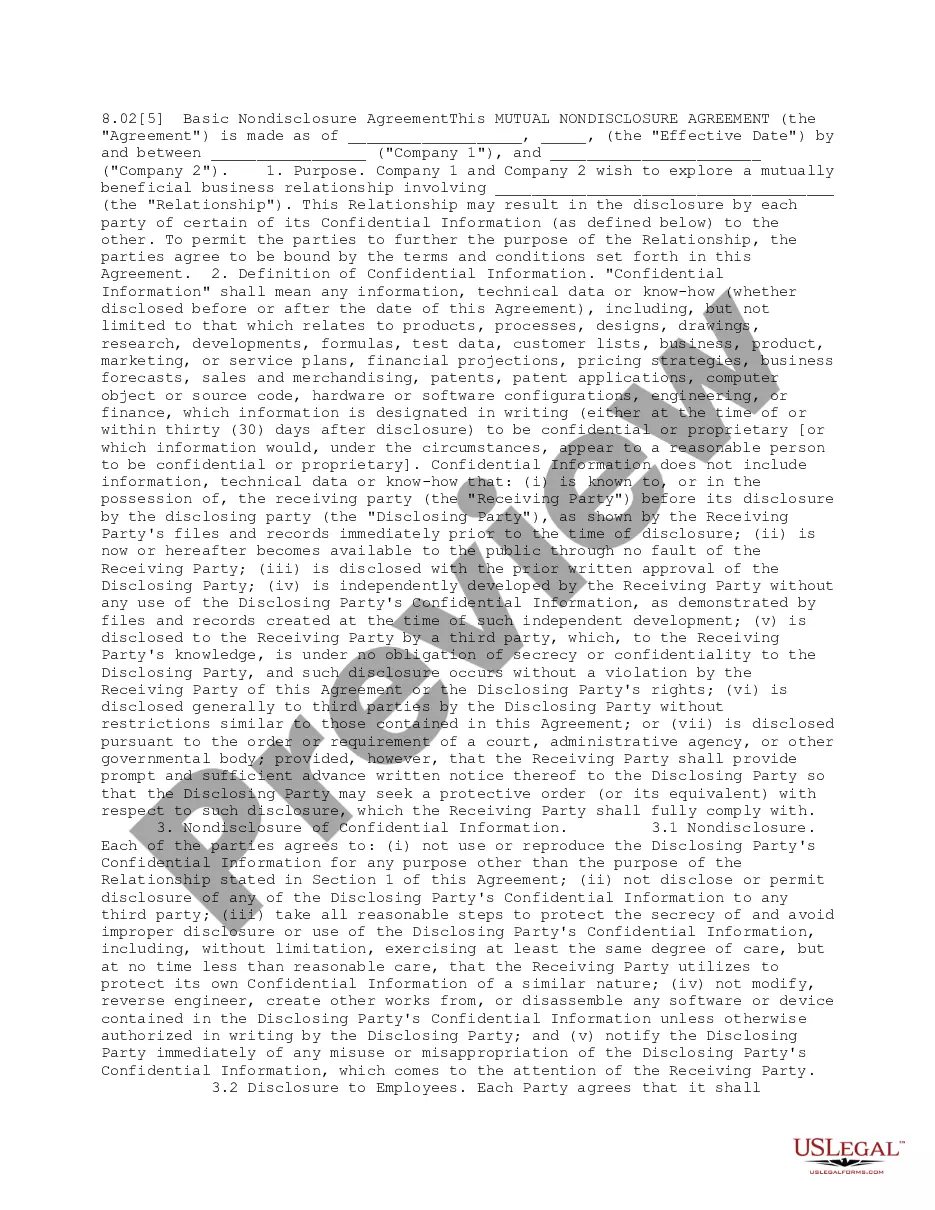
- Evaluation of business trade secrets relevant to finance, marketing, and customer relations.
- Establishment of secrecy plans and information protection measures.
- Cataloging documents and physical evidence supporting the case.

When to use this form
This form is essential when an organization needs to prepare for legal action concerning trade secrets, patents, or licensing issues. It assists in gathering insights necessary for legal investigations, especially when there is a dispute regarding proprietary information or technology. Use this checklist to streamline the collection of pertinent evidence and witness information before legal proceedings commence.
Who this form is for
This form should be utilized by:
- Legal professionals representing clients in patent and trade secret cases.
- Business owners and managers involved in legal disputes regarding proprietary information.
- Corporate compliance officers tasked with protecting intellectual property.
- Investigators gathering information for potential litigation.
How to prepare this document
To complete the New Case Investigation Checklist, follow these steps:
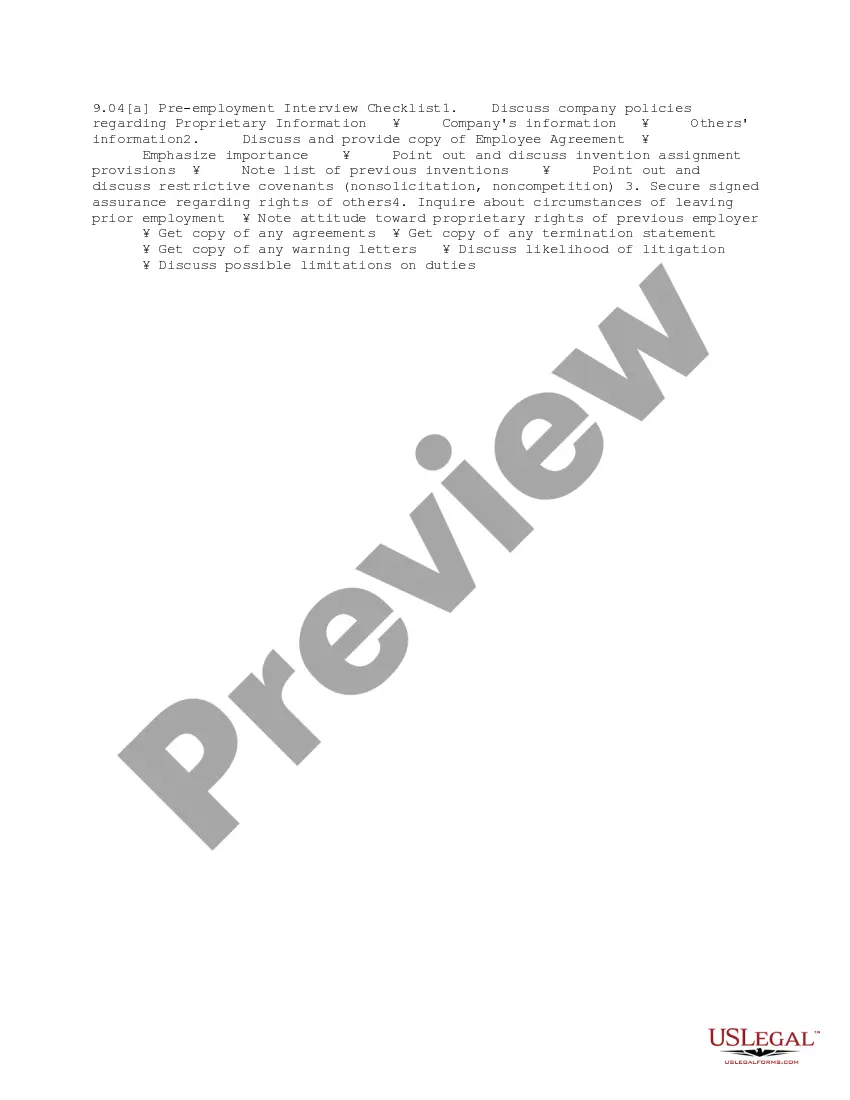
- Identify the background of the case, including the nature of the industry and company history.
- List potential witnesses and categorize them based on their relation to the case.
- Identify technical and business trade secrets along with the necessary documentation.
- Outline the company's information protection plan to establish secrecy.
- Compile all documents and physical evidence that relate to the trade secrets and the dispute.
Is notarization required?
In most cases, this form does not require notarization. However, some jurisdictions or signing circumstances might. US Legal Forms offers online notarization powered by Notarize, accessible 24/7 for a quick, remote process.
Get your form ready online
Our built-in tools help you complete, sign, share, and store your documents in one place.
Make edits, fill in missing information, and update formatting in US Legal Forms—just like you would in MS Word.
Download a copy, print it, send it by email, or mail it via USPS—whatever works best for your next step.
Sign and collect signatures with our SignNow integration. Send to multiple recipients, set reminders, and more. Go Premium to unlock E-Sign.
If this form requires notarization, complete it online through a secure video call—no need to meet a notary in person or wait for an appointment.
We protect your documents and personal data by following strict security and privacy standards.

Make edits, fill in missing information, and update formatting in US Legal Forms—just like you would in MS Word.

Download a copy, print it, send it by email, or mail it via USPS—whatever works best for your next step.

Sign and collect signatures with our SignNow integration. Send to multiple recipients, set reminders, and more. Go Premium to unlock E-Sign.

If this form requires notarization, complete it online through a secure video call—no need to meet a notary in person or wait for an appointment.

We protect your documents and personal data by following strict security and privacy standards.
Typical mistakes to avoid
- Failing to identify all relevant witnesses, particularly those outside the company.
- Neglecting to secure documentation related to trade secrets.
- Overlooking the importance of clearly defining what constitutes a trade secret.
- Not keeping the companyâs information protection plan updated.
Advantages of online completion
- Convenient access to a comprehensive checklist streamlines the investigation process.
- Editability allows users to customize the form to fit their specific needs.
- Downloadable format ensures reliable access to the checklist at any time.
- Guidance from industry experts enhances the quality of information gathered.
- This form helps establish a foundation for legal arguments regarding trade secrets.
- It aids in gathering evidence necessary for proving claims in court.
- Proper usage can enhance the enforceability of trade secrets under applicable laws.
What to keep in mind
- The New Case Investigation Checklist is vital for organizing information in trade secret and patent-related cases.
- Properly documenting potential witnesses, trade secrets, and protection measures is essential for a strong legal strategy.
- Using this form can help prevent common pitfalls in case preparation.
Looking for another form?
Form popularity
FAQ
Self-quarantine, preferably at home, until 14 days after the last potential exposure, maintain social distance (at least 6 feet) from others at all times, and follow all CDC guidance on self-quarantine.
Specifically, researchers have reported that people with mild to moderate COVID-19 remain infectious no longer than 10 days after their symptoms began, and those with more severe illness or those who are severely immunocompromised remain infectious no longer than 20 days after their symptoms began.
About 33% of COVID-19 patients who were never sick enough to require hospitalization continue to complain months later of symptoms like fatigue, loss of smell or taste and "brain fog," University of Washington (UW) researchers found.
A CDC survey found that about one-third of adults with mild symptoms still had not returned to normal health after three weeks of testing positive for COVID-19. About one in five young adults (age 18 to 34) who had COVID-19 but did not require hospitalization did not return to normal health after three weeks.
Recovered persons can continue to shed detectable SARS-CoV-2 RNA in upper respiratory specimens for up to 3 months after illness onset, albeit at concentrations considerably lower than during illness, in ranges where replication-competent virus has not been reliably recovered and infectiousness is unlikely.
Someone who was within 6 feet of an infected person for a cumulative total of 15 minutes or more over a 24-hour period starting from 2 days before illness onset (or, for asymptomatic patients, 2 days prior to test specimen collection) until the time the patient is isolated.
Most people feel better within two or three weeks of COVID-19 infection. Once it's been 10 days since coronavirus symptoms first appeared and you don't have symptoms anymore, the CDC suggests most people are no longer able to infect others and may end isolation.
Anyone who has had close contact with someone with COVID-19 should stay home for 14 days after their last exposure to that person.
The CDC survey found that one-third of these adults had not returned to normal health within two to three weeks of testing positive for COVID-19.