Tenant Letter of Credit in Lieu of a Security Deposit
What is this form?
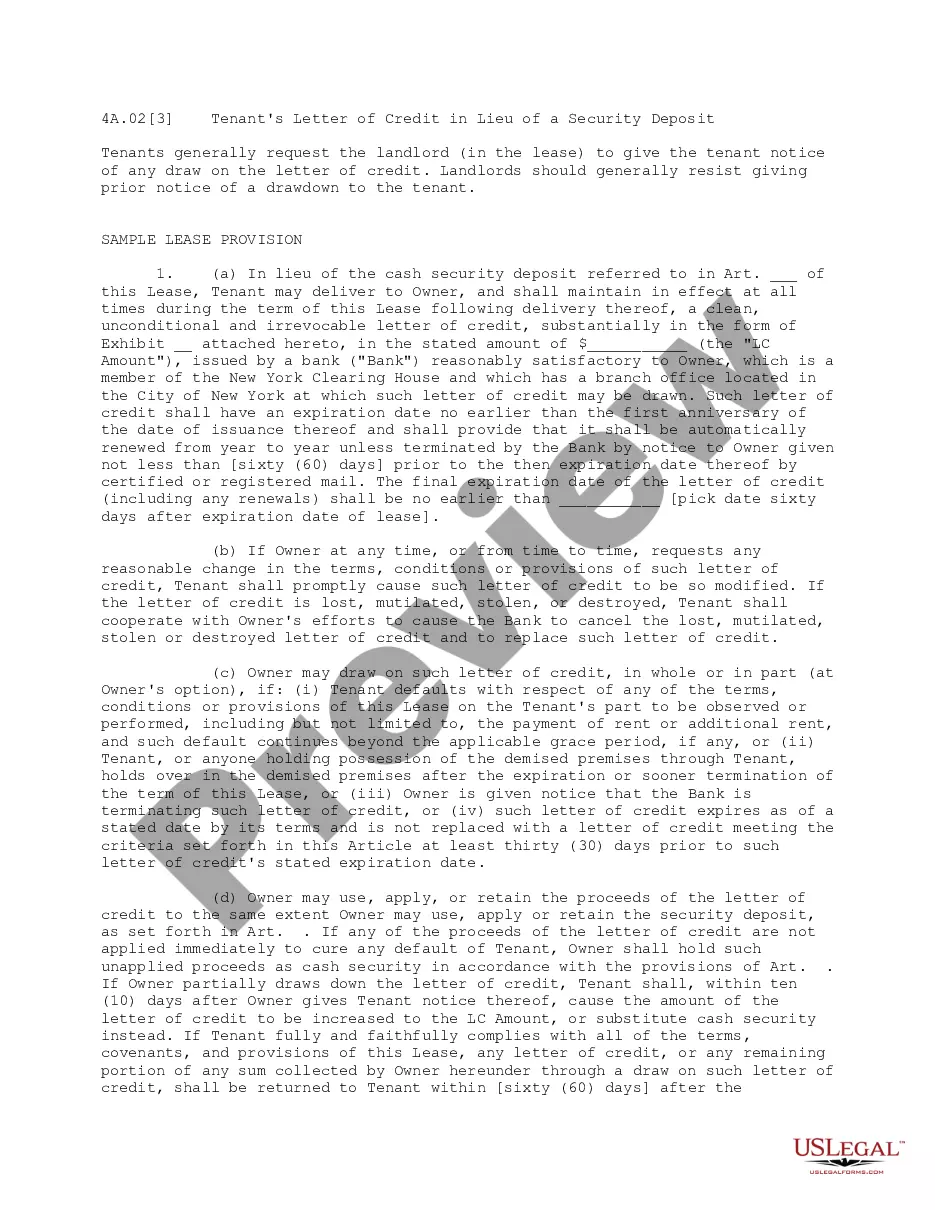
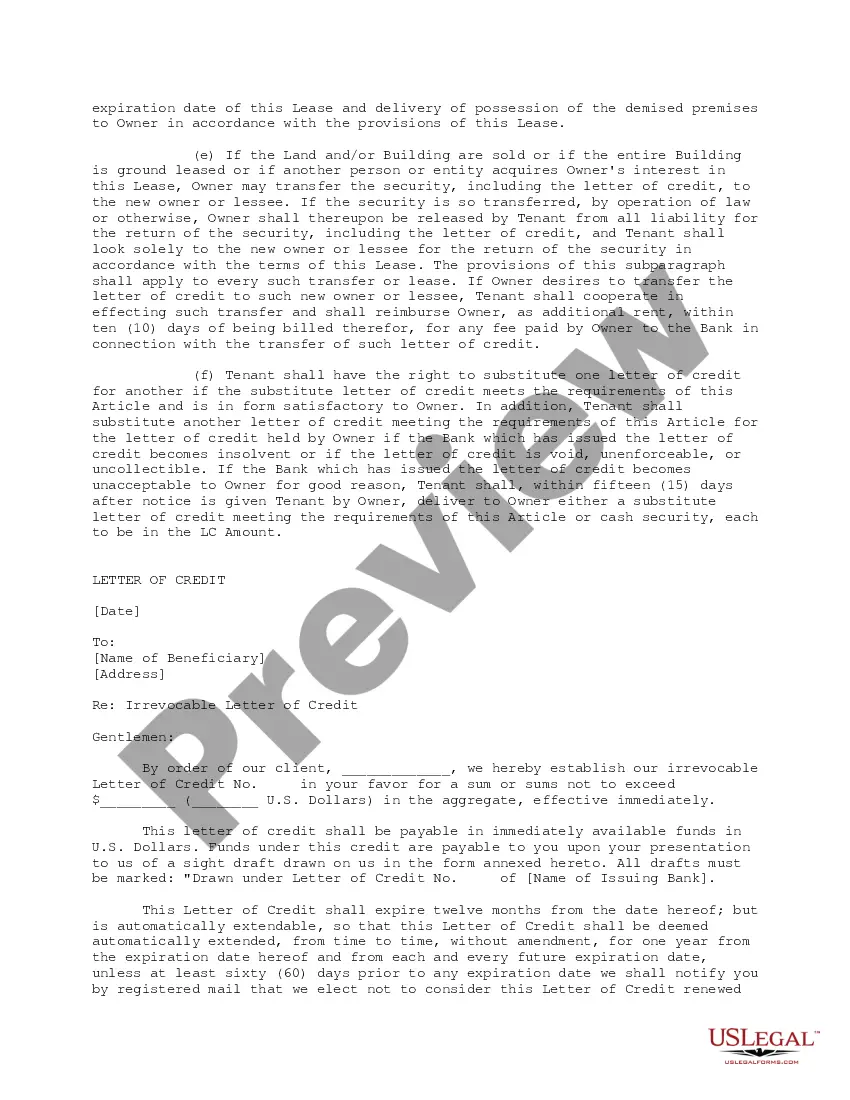
The Tenant Letter of Credit in Lieu of a Security Deposit is a legal document that allows a tenant to provide a letter of credit to the landlord as a substitute for a traditional cash security deposit. This form outlines the terms under which the letter of credit operates, ensuring it remains in effect throughout the lease term. This is distinct from a standard security deposit as it provides a more flexible financial arrangement for tenants while still securing the landlord's interests.
What’s included in this form
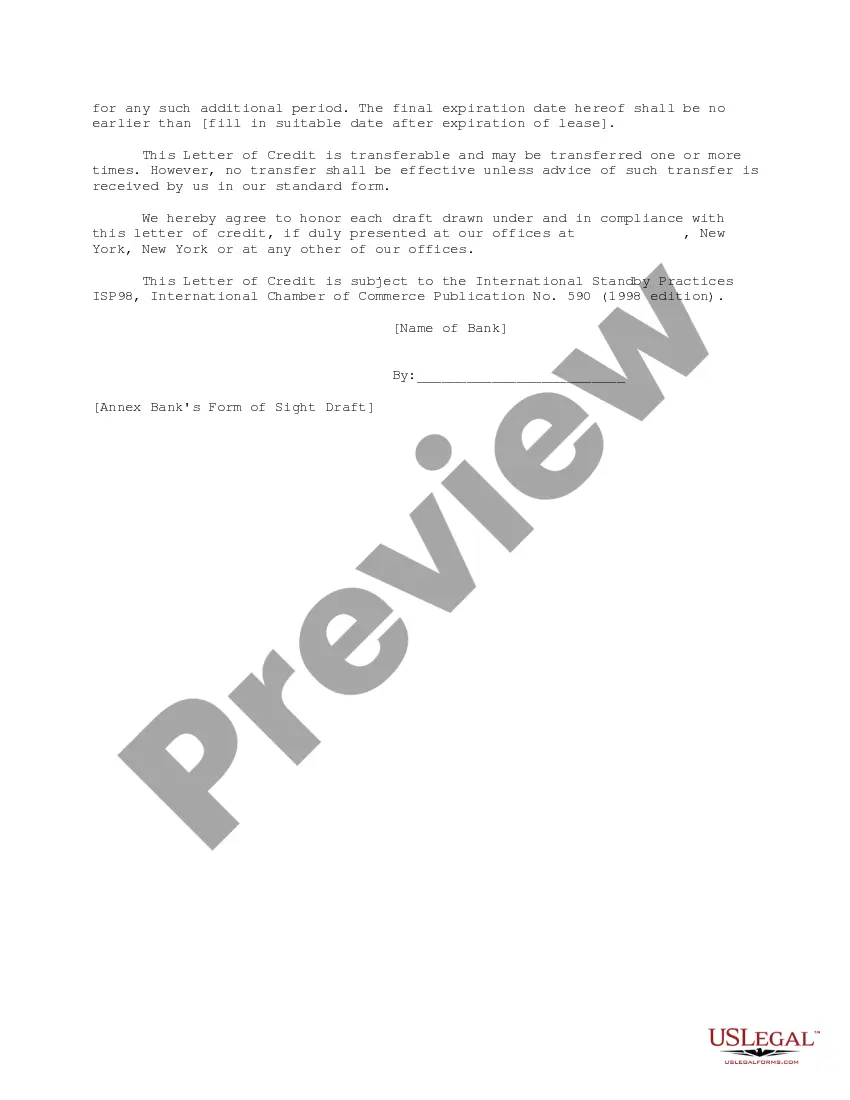
- Unconditional and irrevocable letter of credit requirements.
- Expiration and renewal terms for the letter of credit.
- Conditions under which the landlord can draw on the letter of credit.
- Provisions for replacement or modification of the letter of credit.
- Transfer rights if the property ownership changes.
- Return conditions of the letter of credit to the tenant after the lease ends.
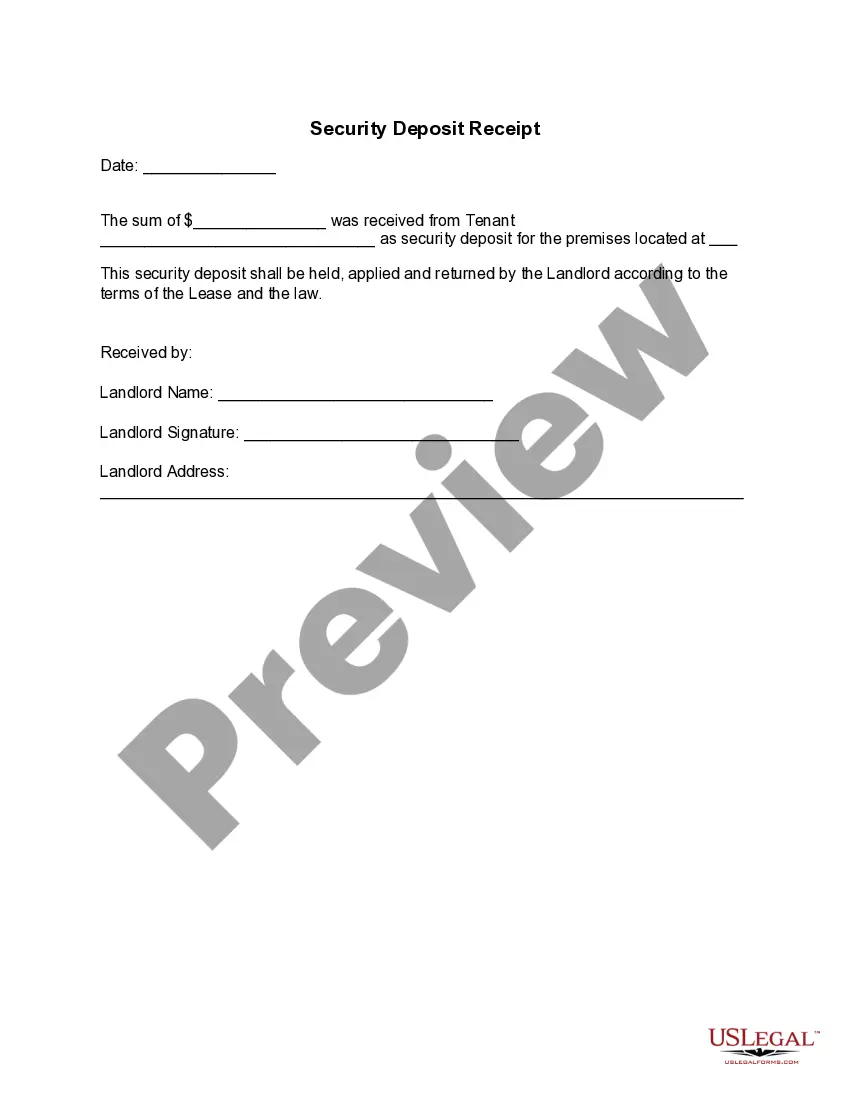
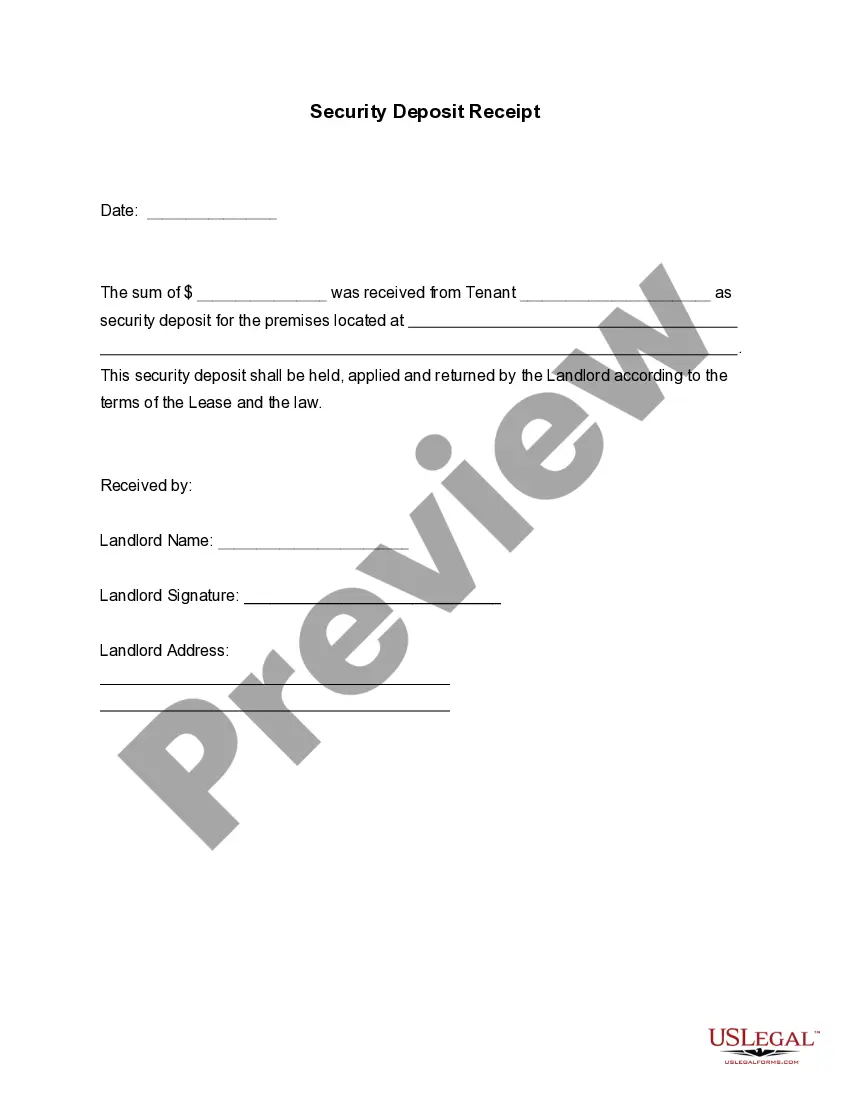
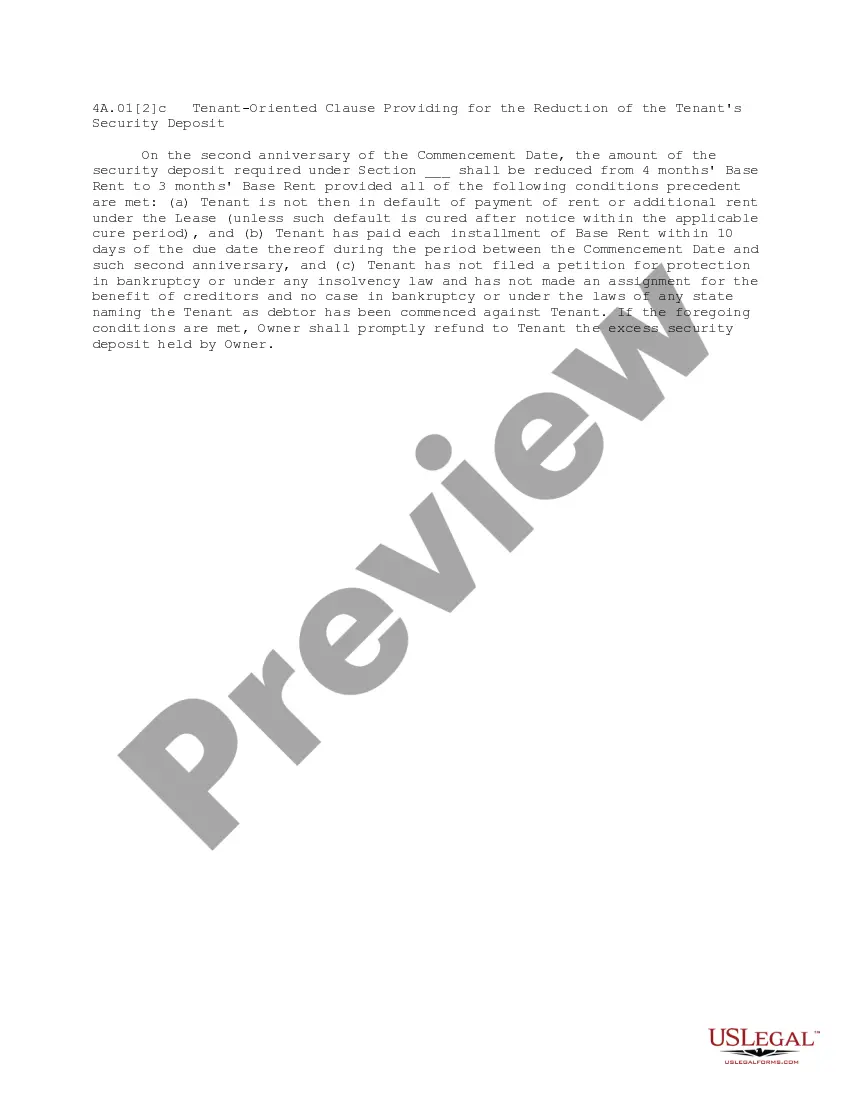
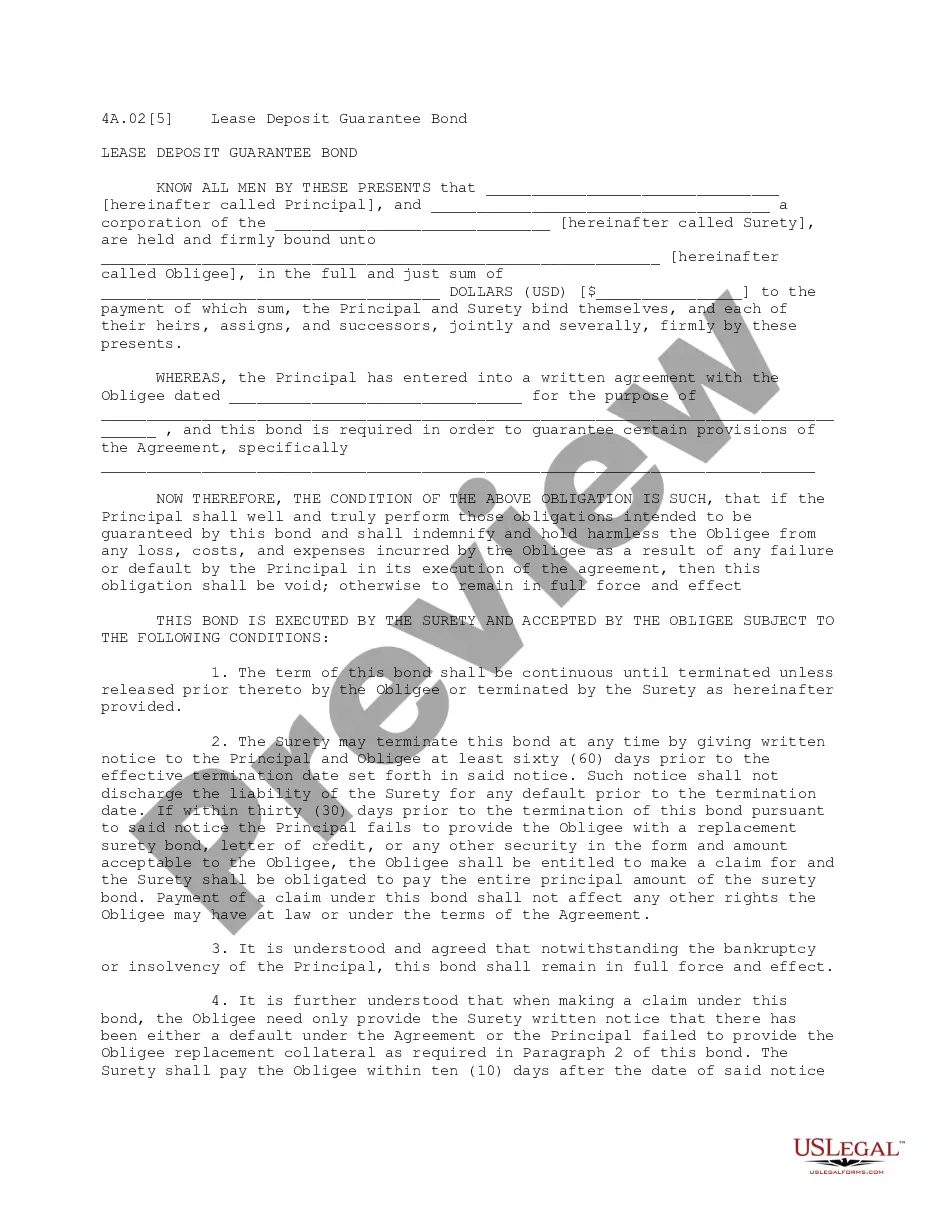
Common use cases
This form is ideal when a tenant prefers to provide a letter of credit instead of a cash security deposit as part of a lease agreement. It is commonly used in commercial leases where flexibility and cash flow are prioritized, allowing landlords protection in case of tenant defaults without requiring an upfront deposit.
Intended users of this form
- Tenants seeking to lease commercial property who wish to use a letter of credit instead of a cash deposit.
- Landlords who accept letters of credit as security in place of traditional security deposits.
- Legal professionals drafting or reviewing lease agreements containing such provisions.
Completing this form step by step
- Identify the tenant and landlord parties involved in the lease.
- Specify the amount of the letter of credit as it pertains to the lease agreement.
- Ensure the letter of credit meets the issuer requirements specified by the landlord.
- Include terms related to expiration and renewal of the letter of credit.
- Clearly state the conditions under which the landlord may draw on the letter of credit.
Notarization requirements for this form
This form does not typically require notarization unless specified by local law. It is advisable to check state regulations to confirm notarization is not required for enforceability.
Get your form ready online
Our built-in tools help you complete, sign, share, and store your documents in one place.
Make edits, fill in missing information, and update formatting in US Legal Forms—just like you would in MS Word.
Download a copy, print it, send it by email, or mail it via USPS—whatever works best for your next step.
Sign and collect signatures with our SignNow integration. Send to multiple recipients, set reminders, and more. Go Premium to unlock E-Sign.
If this form requires notarization, complete it online through a secure video call—no need to meet a notary in person or wait for an appointment.
We protect your documents and personal data by following strict security and privacy standards.

Make edits, fill in missing information, and update formatting in US Legal Forms—just like you would in MS Word.

Download a copy, print it, send it by email, or mail it via USPS—whatever works best for your next step.

Sign and collect signatures with our SignNow integration. Send to multiple recipients, set reminders, and more. Go Premium to unlock E-Sign.

If this form requires notarization, complete it online through a secure video call—no need to meet a notary in person or wait for an appointment.

We protect your documents and personal data by following strict security and privacy standards.
Avoid these common issues
- Failing to ensure the letter of credit meets bank and landlord requirements.
- Not understanding the implications of automatic renewals and expirations.
- Neglecting to include specific terms regarding drawing on the letter of credit.
Why complete this form online
- Convenient access to legally compliant templates anytime.
- Editable forms that can be customized to specific needs.
- Reliable legal language drafted by licensed attorneys.
Legal use & context
- The letter of credit can serve as a legally binding assurance for the landlord in case of tenant default.
- It is important for landlords to understand the conditions under which they can draw on the letter of credit to avoid disputes.
- Tenants must ensure the letter of credit issuer is acceptable to the landlord to comply with lease terms.
Summary of main points
- The Tenant Letter of Credit provides a flexible alternative to cash security deposits.
- It requires careful attention to the details outlined in lease agreements.
- Understanding the conditions for drawing on the letter of credit is crucial for both parties.
Looking for another form?
Form popularity
FAQ
A security deposit is any money a landlord takes from a tenant other than the advance payment of rent. The security deposit serves to protect the landlord if the tenant breaks or violates the terms of the lease or rental agreement. It may be used to cover damage to the property, cleaning, key replacement, or back rent.
Safely Expand Business Internationally. Highly Customizable. Seller Receives Money on Fulfilling Terms. Works as a Credit Certificate for Buyer. Seller is Free of Credit Risk. Quick to Execute for Creditworthy Parties. Payment Assured in Disputable Transactions.
The issuing bank will issue the LOC to the confirming bank, stipulating the documentation needed to approve payment of money to the seller.So, an LOC can be used as collateral by the seller on a loan or purchase, as well as represent a collateralized ability to pay on the part of the buyer.
All states allow landlords to collect a security deposit when a tenant moves in and hold it until the tenant leaves. The general purpose of a security deposit is to assure that a tenant pays rent when due and keeps the rental unit in good condition.
When dealing with a rental agreement, a security deposit is a lump sum of money paid upfront by your tenant before their move-in date. This deposit ensures that the cost of any damage that has been discovered at the end of the lease agreement will be paid for.
From a banker's perspective, letters of credit are very strong collateral as the recovery rate is almost 100%. Therefore banks lend generously against a letter of credit. One can get a bank loan of up to 80% of the value of the letter of credit. The bank would check your credit score, payment history, etc.
3. Nonpayment of rent: A landlord may keep all or part of a tenant security deposit to cover unpaid rent. 4. Tenant breaks the lease: If a tenant breaks his or her lease, the landlord can keep all or part of the security deposit, depending on the terms of the lease and the applicable state laws.
In Alberta, most landlords require a tenant to pay a security deposit or damage deposit before moving in. A security deposit is a one-time only payment and cannot be more than one month's rent.Landlords must pay tenants interest on security deposits. The rate of interest is determined by a government regulation.
A letter of credit (LOC) is a document that guarantees rent payments up to a negotiated amount to a landlord in the event you (tenant) do not pay your commercial lease payments. It's typically used in lieu of cash for the security deposit required when renting commercial real estate.