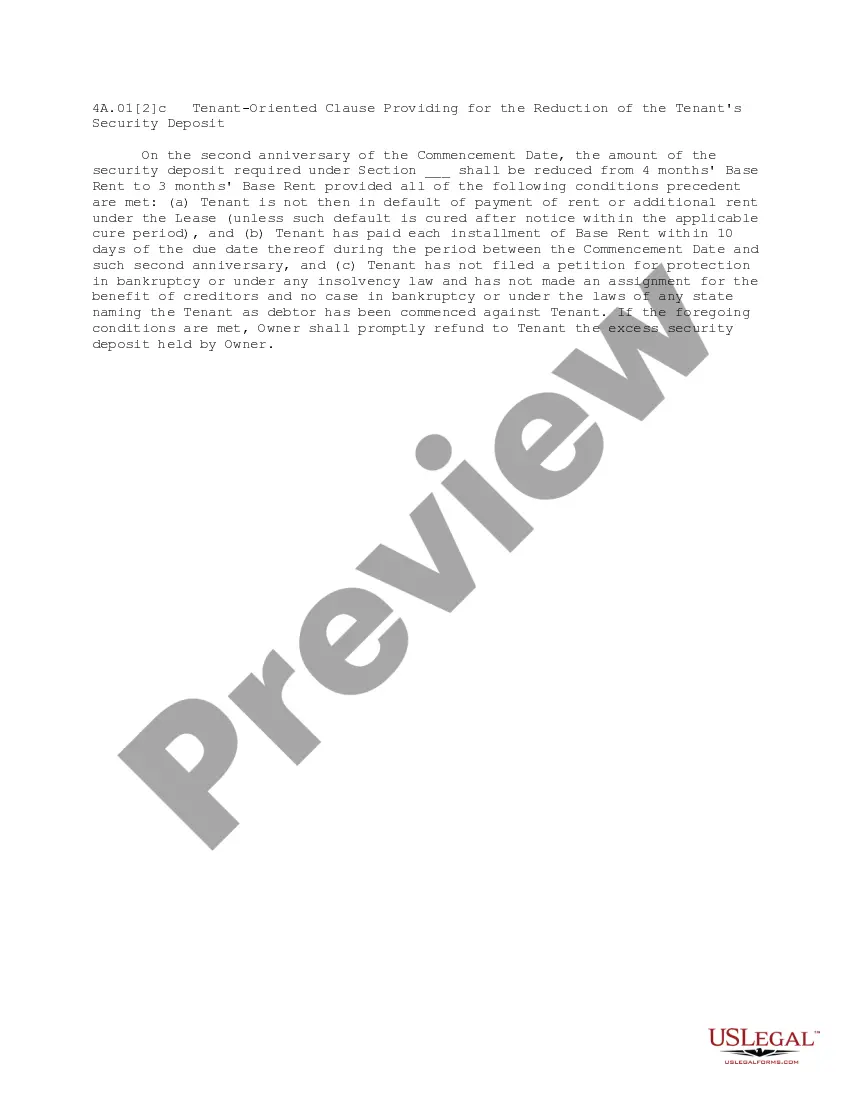
Tenant Oriented Clause Providing for the Reduction of the Tenant Security Deposit
Overview of this form
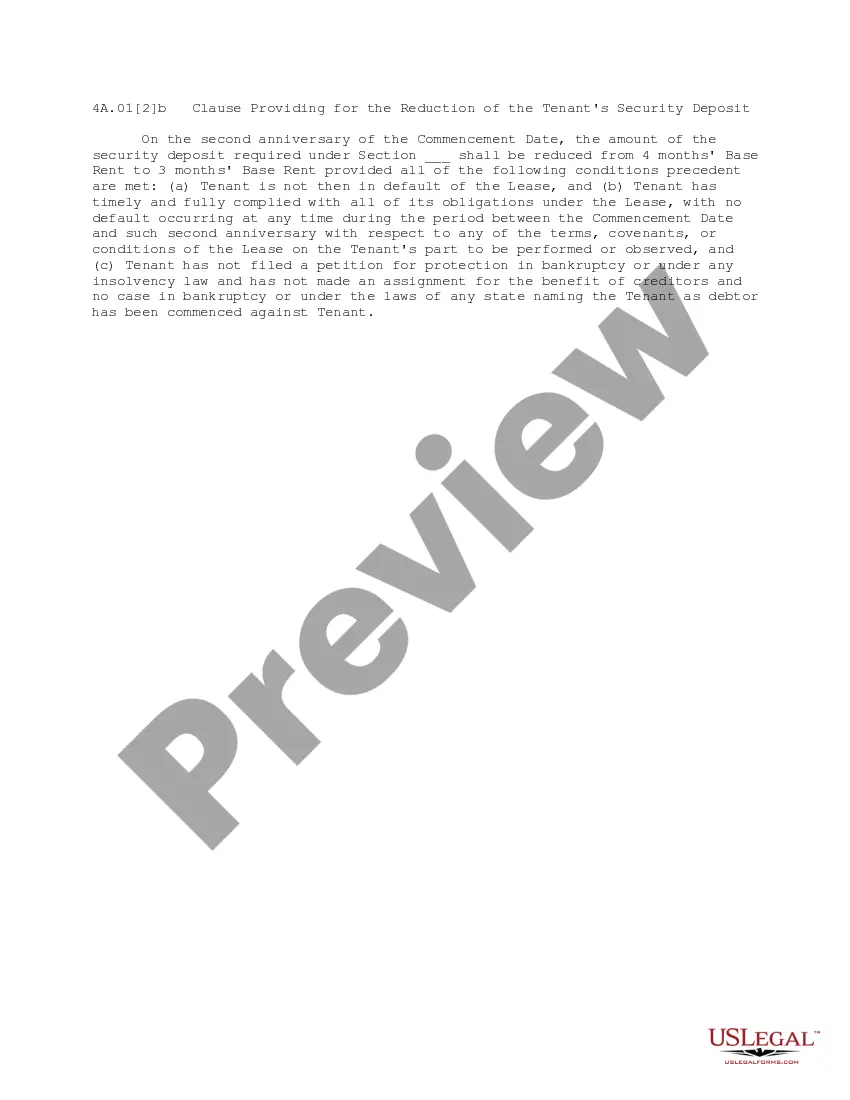
This form is a tenant-oriented clause in an office lease agreement that allows for a reduction in the security deposit from four months' base rent to three months' base rent, provided specific conditions are met. This clause is beneficial for tenants who meet their lease obligations, offering them financial relief while ensuring compliance with their lease terms.
Main sections of this form
- Reduction of security deposit clause from four months to three months' base rent.
- Conditions precedent for the reduction, including timely rent payment and absence of bankruptcy filings.
- Provision for the owner to promptly refund the excess security deposit if conditions are met.
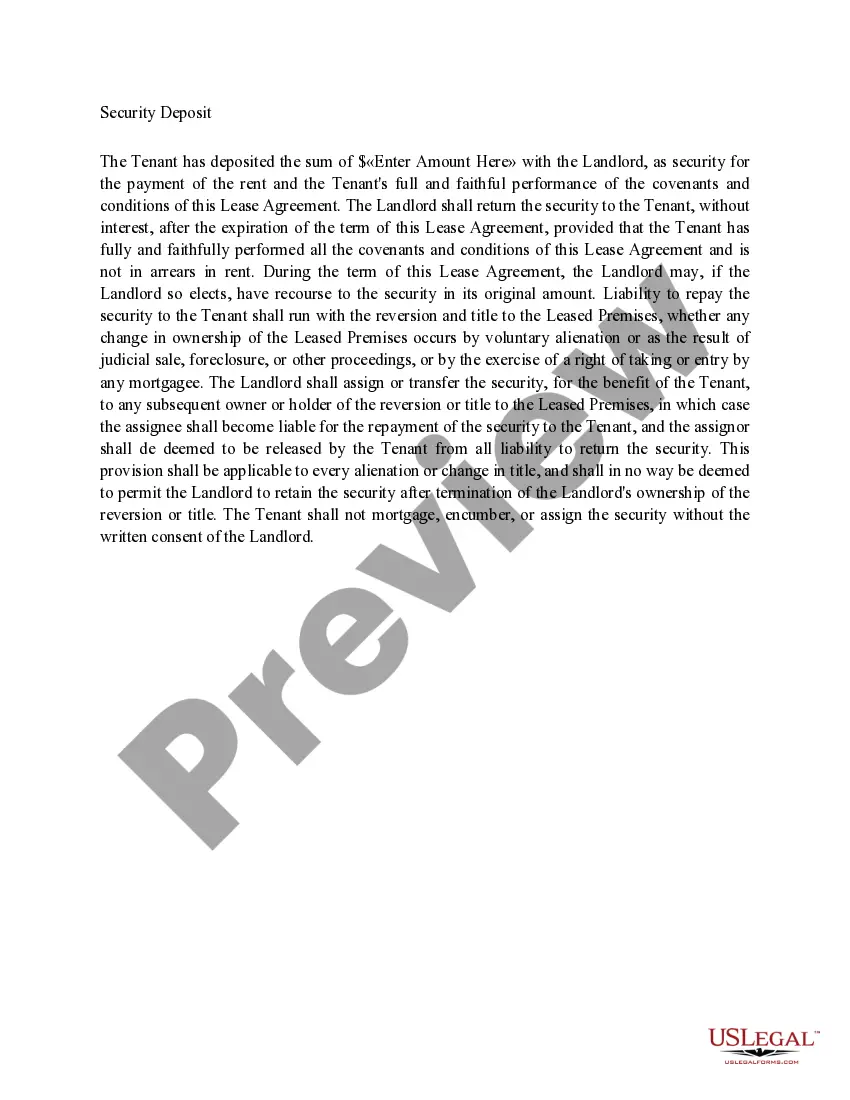
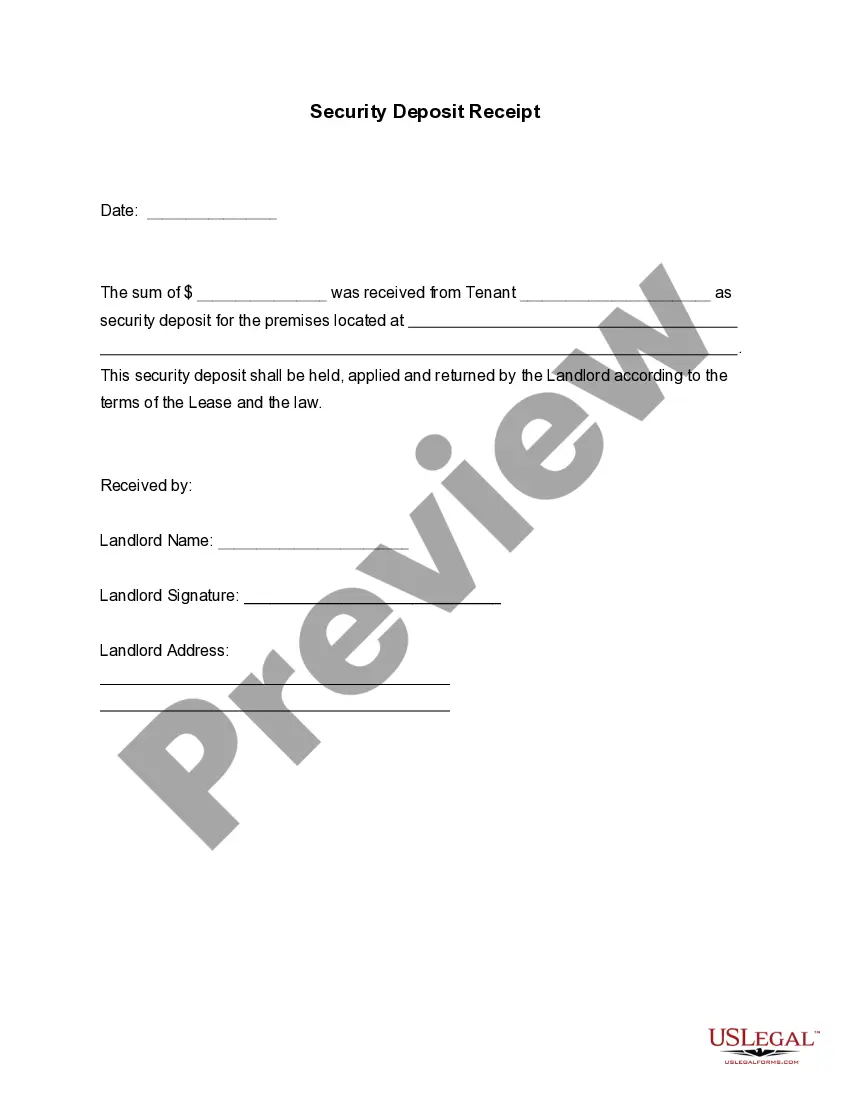
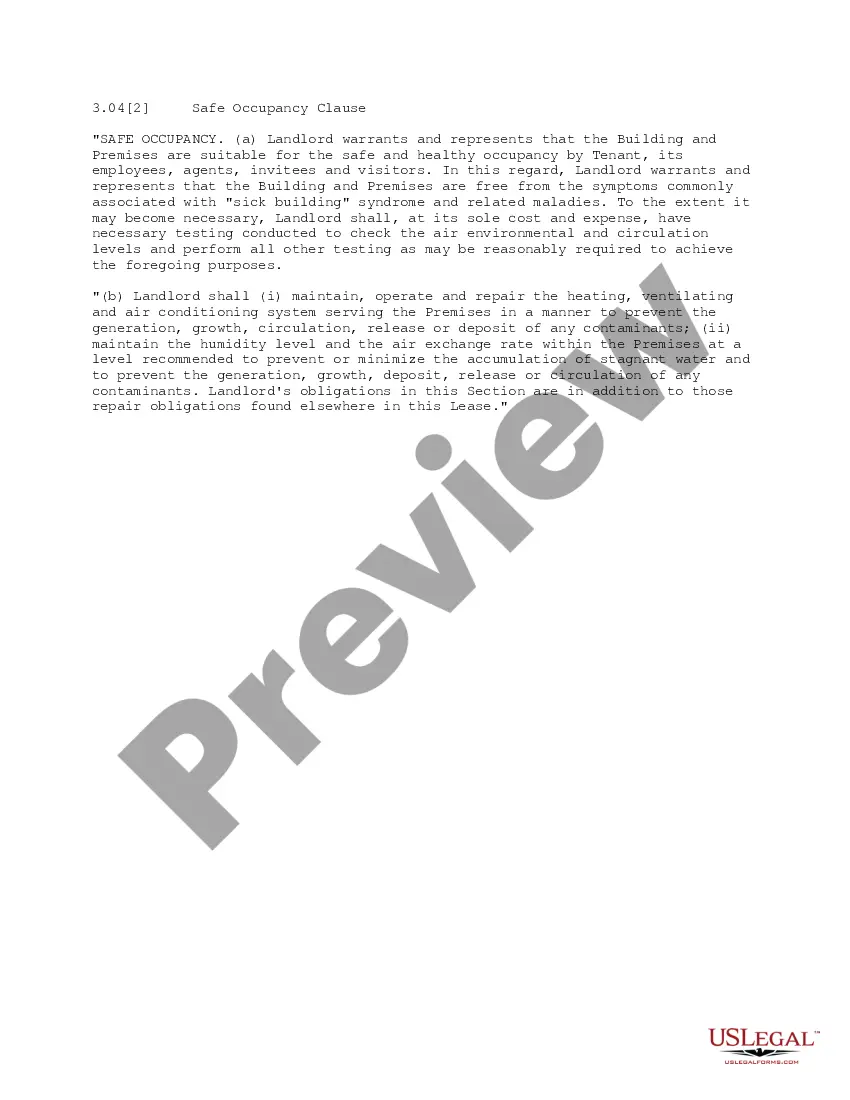
When to use this form
This form should be used when a tenant wishes to adjust the terms of their security deposit in an office lease agreement. It is particularly relevant after the second anniversary of the lease's commencement date, provided the tenant has complied with the lease requirements related to rental payments and has not encountered any bankruptcy issues.
Who this form is for
This form is intended for:
- Tenants in an office lease who are looking to reduce their security deposit.
- Landlords who want to provide a clear process for deposit adjustments based on tenant performance.
- Property managers managing lease agreements that include this type of clause.
How to complete this form
- Identify the parties involved in the lease agreement.
- Specify the property being leased.
- Enter the commencement date of the lease.
- List the conditions that must be met for the reduction of the security deposit.
- Include the necessary signatures from both the tenant and the landlord.
Does this document require notarization?
This form does not typically require notarization unless specified by local law. It is advisable to check specific regulations in your jurisdiction to ensure compliance.
Get your form ready online
Our built-in tools help you complete, sign, share, and store your documents in one place.
Make edits, fill in missing information, and update formatting in US Legal Forms—just like you would in MS Word.
Download a copy, print it, send it by email, or mail it via USPS—whatever works best for your next step.
Sign and collect signatures with our SignNow integration. Send to multiple recipients, set reminders, and more. Go Premium to unlock E-Sign.
If this form requires notarization, complete it online through a secure video call—no need to meet a notary in person or wait for an appointment.
We protect your documents and personal data by following strict security and privacy standards.

Make edits, fill in missing information, and update formatting in US Legal Forms—just like you would in MS Word.

Download a copy, print it, send it by email, or mail it via USPS—whatever works best for your next step.

Sign and collect signatures with our SignNow integration. Send to multiple recipients, set reminders, and more. Go Premium to unlock E-Sign.

If this form requires notarization, complete it online through a secure video call—no need to meet a notary in person or wait for an appointment.

We protect your documents and personal data by following strict security and privacy standards.
Mistakes to watch out for
- Failing to meet the conditions required for the reduction.
- Not properly documenting timely rent payments.
- Overlooking the need to review state-specific regulations regarding security deposits.
Why complete this form online
- Convenience of downloading and completing the form at your own pace.
- Editability to customize the form based on specific lease terms.
- Access to forms drafted by licensed attorneys, ensuring legal compliance.
Main things to remember
- This form allows tenants to potentially lower their security deposit after two years if they meet certain conditions.
- It is crucial for both tenants and landlords to understand the terms to ensure compliance.
- Ensure all terms are clearly outlined and agreed upon by both parties.
Looking for another form?
Form popularity
FAQ
Unpaid rent at the end of the tenancy. Unpaid bills at the end of the tenancy. Stolen or missing belongings that are property of the landlord. Direct damage to the property and it's contents (owned by the landlord) Indirect damage due to negligence and lack of maintenance.
In California, a landlord can deduct from your deposit for a limited number of things. The three most common are (1) unpaid rent, (2) the cost of cleaning the rental unit, and (3) damage to the rental unit above and beyond normal wear and tear.
The cost of fixing any damages to the property caused by the tenant or the tenant's guests. The cost of cleaning the unit when the tenant moves out, but only to make the unit as clean as it was when the tenant first moved in (less reasonable wear and tear).
Your landlord can still deduct from your deposit to cover the cleaning bill if the property is not cleaned to the level it was at and can prove it, though. So, it's still important to clean the property thoroughly before you move out.
The landlord is entitled to deduct from the rental deposit any expenses incurred repairing any damage to the property which occurred during the tenancy. The remainder of the money must then be refunded to the tenant no later than 14 days after the restoration of the property as dictated by the Act.
5 Times a Landlord Does Not Have to Return a Tenant's Security Deposit. Breaking or Terminating a Lease Early. Nonpayment of Rent. Damage to the Property. Cleaning Costs. Unpaid Utilities.
(Write your actual problems and situations). I hardly manage in this amount and I have loans as well to be paid. I am also in a miserable condition otherwise I would love to help you but I am sorry I request you not to expect any further reduction from the rent. I hope you will understand my concern.
Security Deposit Received: $1,000. Interest on Deposit (if required by lease or law): $N/A. TOTAL CREDIT (sum of lines 1 and 2): $1,000. Itemized Repairs and Related Losses: Necessary Cleaning: Total Cleaning & Repair (sum of lines 4 and 5) $400. Amount Owed (line 3 minus the sum of line 6)
I feel very sorry to inform you that your request for reducing the rent has been rejected. The company is already facing a financial crisis and in such situation, we cannot afford to give you any leniency in the monthly rent. The prices are final and non-negotiable. (Write your actual problems and situations).