Author - Publisher Nondisclosure Agreement
What this document covers
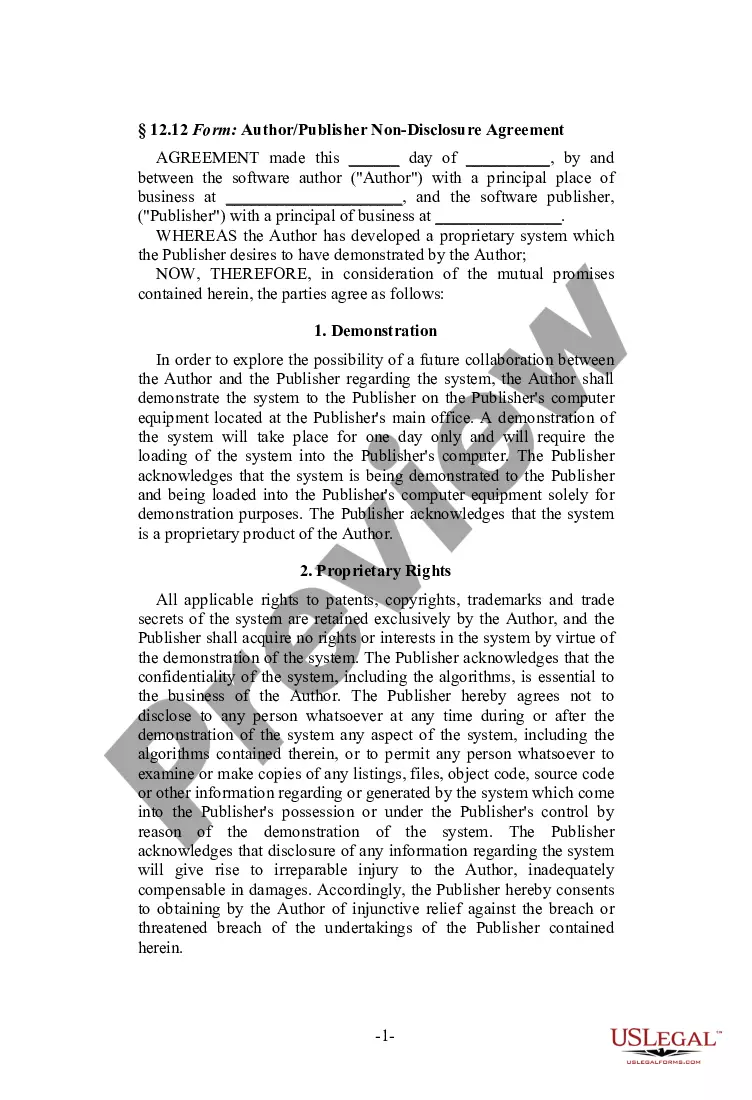
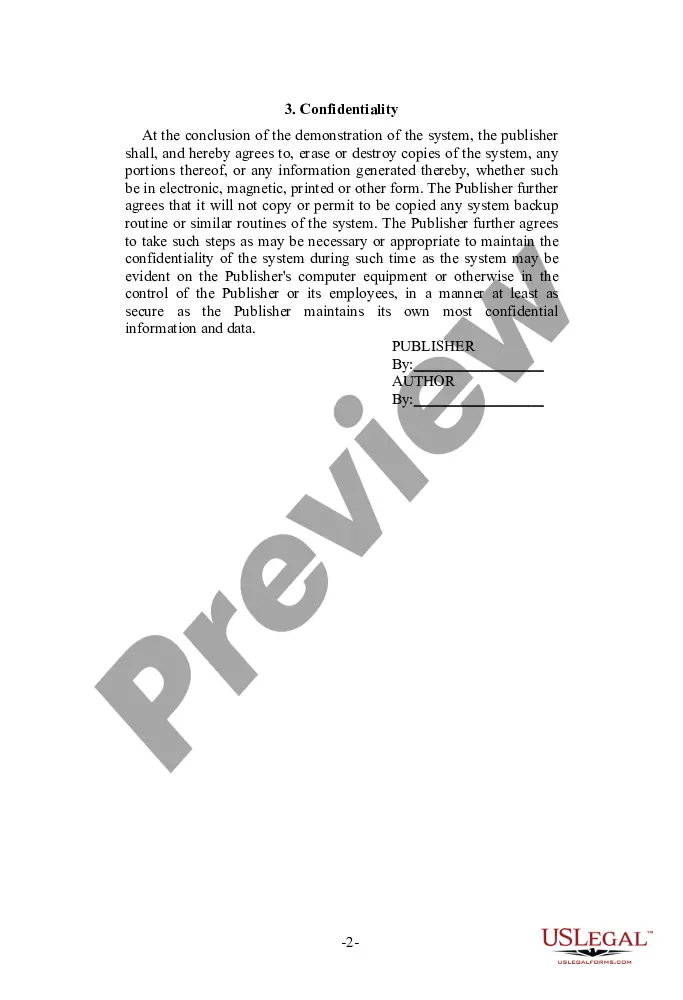
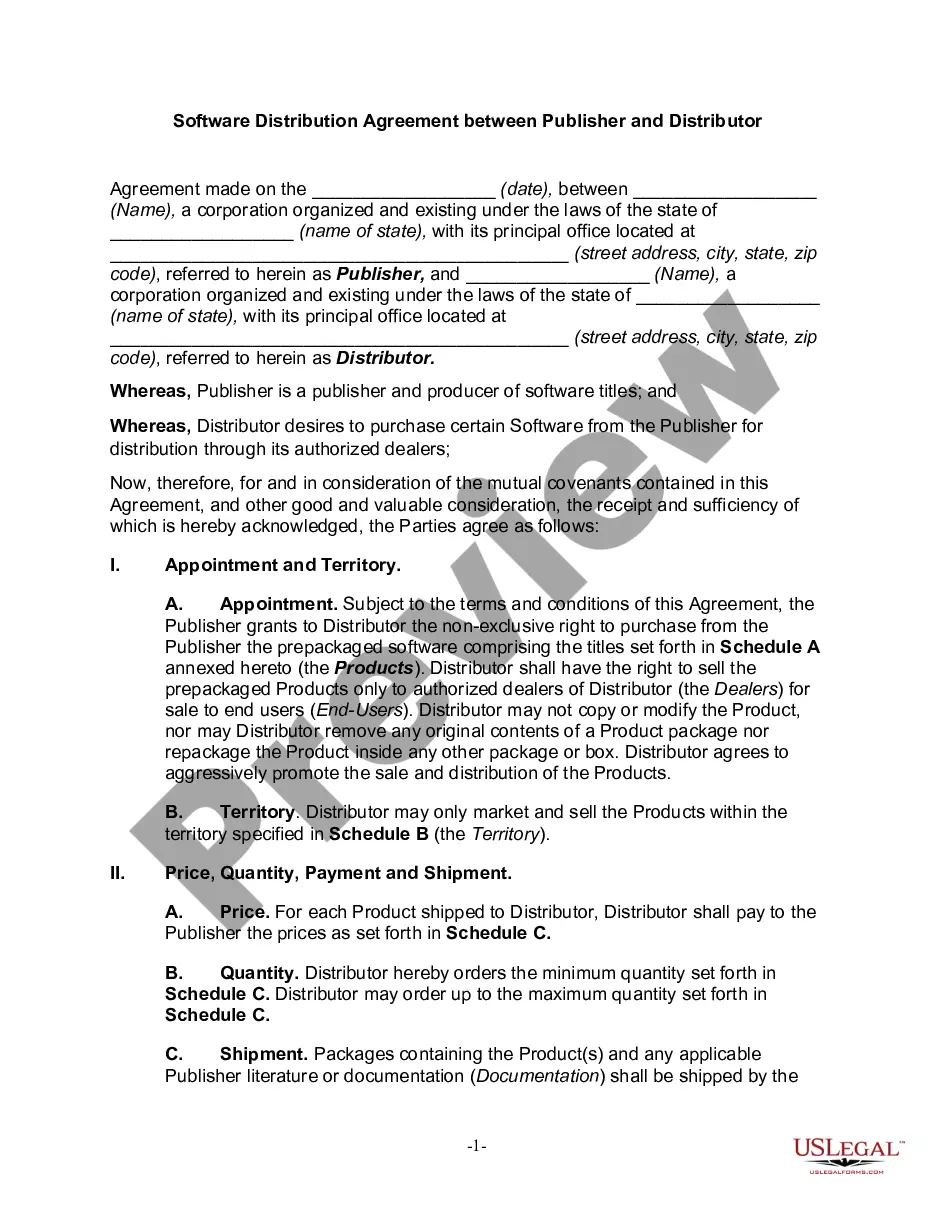
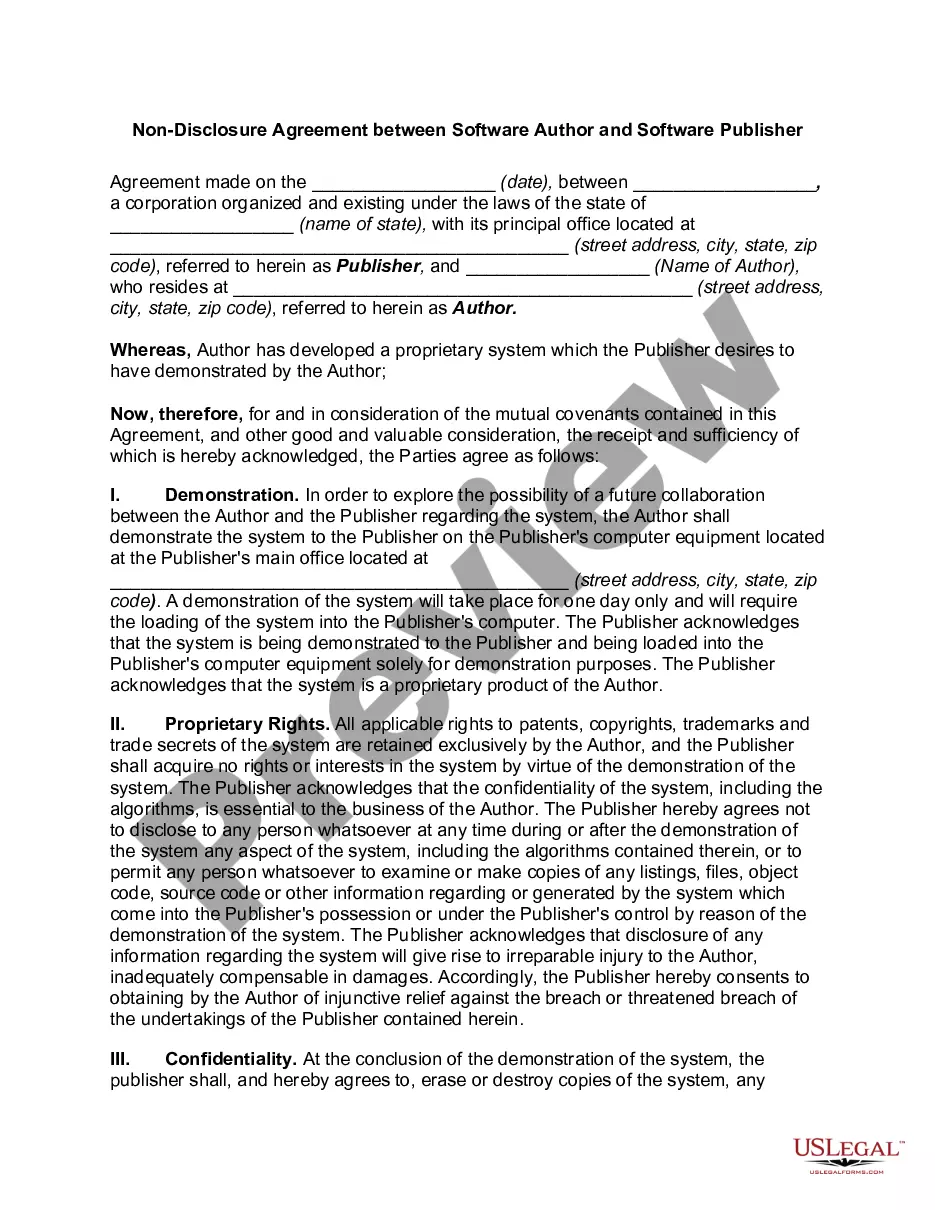
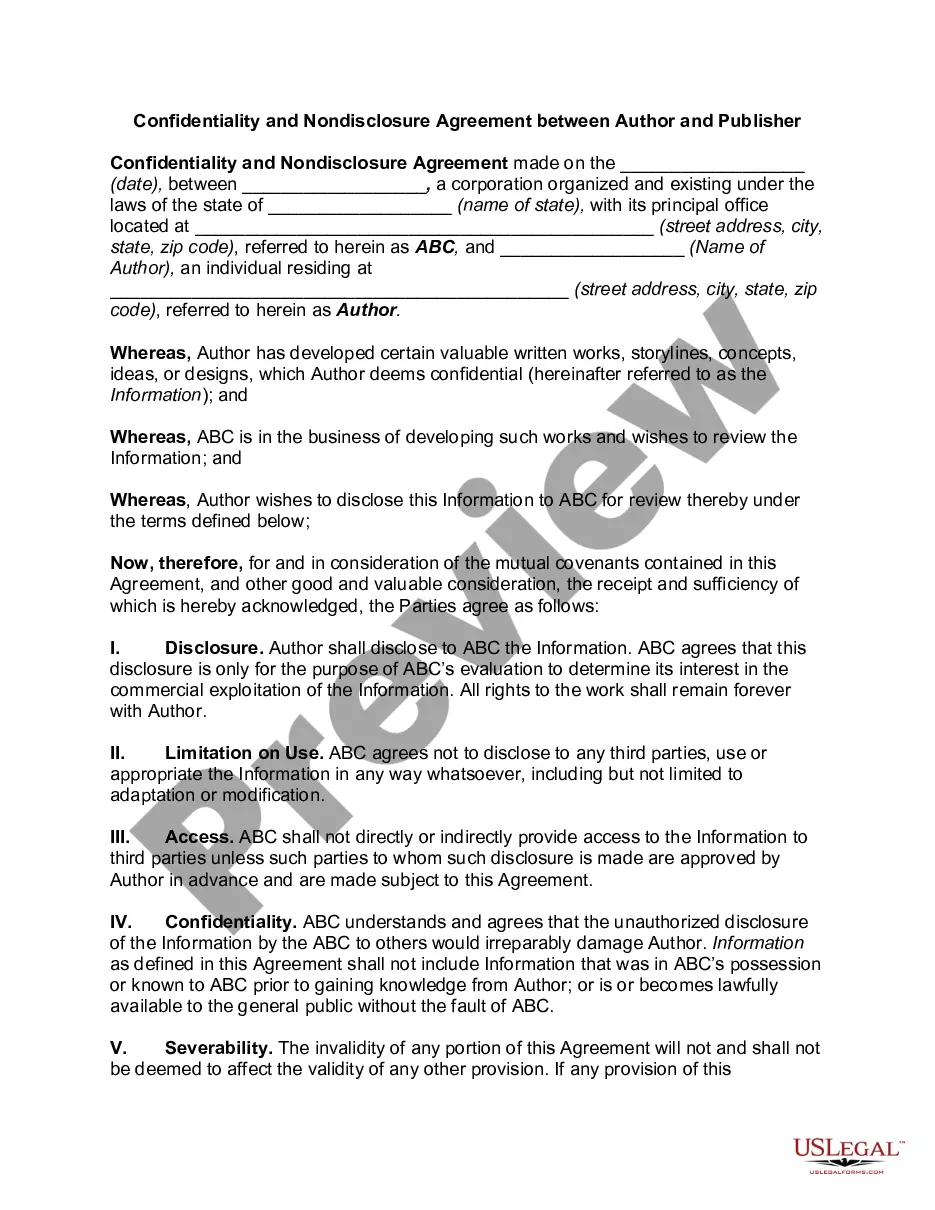
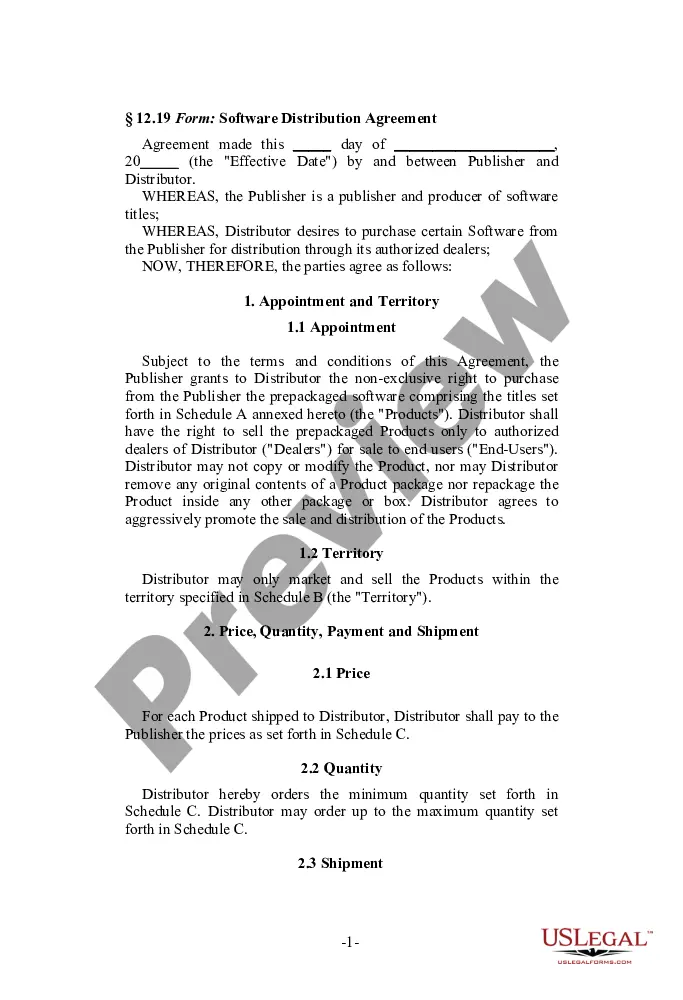
The Author - Publisher Nondisclosure Agreement is a legal document designed to protect the proprietary information of authors in the software and internet industry. This agreement ensures that the publisher does not disclose any confidential information shared during a demonstration of the author's proprietary system. Unlike other nondisclosure agreements, this form specifically addresses the unique needs of software authors and publishers in a collaborative environment.
Key components of this form
- Introduction of parties involved: identifies the Author and Publisher along with their business addresses.
- Demonstration clause: outlines the terms under which the Author will demonstrate their system to the Publisher.
- Proprietary rights: clarifies that all rights to the system remain with the Author, ensuring no ownership transfer to the Publisher.
- Confidentiality obligations: details the Publisher's responsibility to maintain the confidentiality of the system and to destroy copies after the demonstration.
- Injunctive relief clause: allows the Author to seek legal remedies if the Publisher breaches the agreement.
Common use cases
This nondisclosure agreement should be used when an author is demonstrating their proprietary software system to a publisher. It is essential for situations where sensitive information, such as source code or algorithms, needs to be shared under strict confidentiality to prevent unauthorized disclosure.
Who this form is for
- Software authors who are seeking to collaborate with publishers and want to protect their proprietary information.
- Publishers who require access to an author's software system for review purposes while ensuring confidentiality.
- Individuals or companies involved in software development and publishing that deal with sensitive proprietary information.
Instructions for completing this form
- Identify and enter the date of the agreement at the top of the document.
- Fill in the principal places of business for both the Author and Publisher.
- Provide a detailed description of the proprietary system to be demonstrated.
- Ensure all confidentiality obligations are acknowledged and accepted by the Publisher.
- Both parties should sign and date the agreement where indicated.
Is notarization required?
This form does not typically require notarization unless specified by local law. It is advisable to check state regulations to confirm if notarization is needed to enhance the enforceability of the agreement.
Get your form ready online
Our built-in tools help you complete, sign, share, and store your documents in one place.
Make edits, fill in missing information, and update formatting in US Legal Forms—just like you would in MS Word.
Download a copy, print it, send it by email, or mail it via USPS—whatever works best for your next step.
Sign and collect signatures with our SignNow integration. Send to multiple recipients, set reminders, and more. Go Premium to unlock E-Sign.
If this form requires notarization, complete it online through a secure video call—no need to meet a notary in person or wait for an appointment.
We protect your documents and personal data by following strict security and privacy standards.

Make edits, fill in missing information, and update formatting in US Legal Forms—just like you would in MS Word.

Download a copy, print it, send it by email, or mail it via USPS—whatever works best for your next step.

Sign and collect signatures with our SignNow integration. Send to multiple recipients, set reminders, and more. Go Premium to unlock E-Sign.

If this form requires notarization, complete it online through a secure video call—no need to meet a notary in person or wait for an appointment.

We protect your documents and personal data by following strict security and privacy standards.
Typical mistakes to avoid
- Failing to clearly define the proprietary information that needs protection.
- Not including a termination clause or conditions under which the agreement is no longer valid.
- Allowing unauthorized individuals to be present during the system demonstration.
- Neglecting to have both parties sign and date the agreement.
Why complete this form online
- Convenience of downloading and customizing the form to meet specific needs.
- Access to templates drafted by licensed attorneys ensures legal compliance.
- Ability to easily edit and save changes as required before finalizing the agreement.
Legal use & context
- This Nondisclosure Agreement is legally enforceable and protects intellectual property rights.
- The agreement outlines mutual confidentiality obligations, reinforcing legal protections for both parties involved.
- Failure to comply with the agreement can result in legal consequences, including potential injunctions or damages.
Quick recap
- The Author - Publisher Non-Disclosure Agreement protects proprietary information shared during potential collaborations.
- Key components include clauses on confidentiality, proprietary rights, and the terms of demonstration.
- Using this form can help mitigate legal risks associated with sharing sensitive information.
Looking for another form?






Form popularity
FAQ
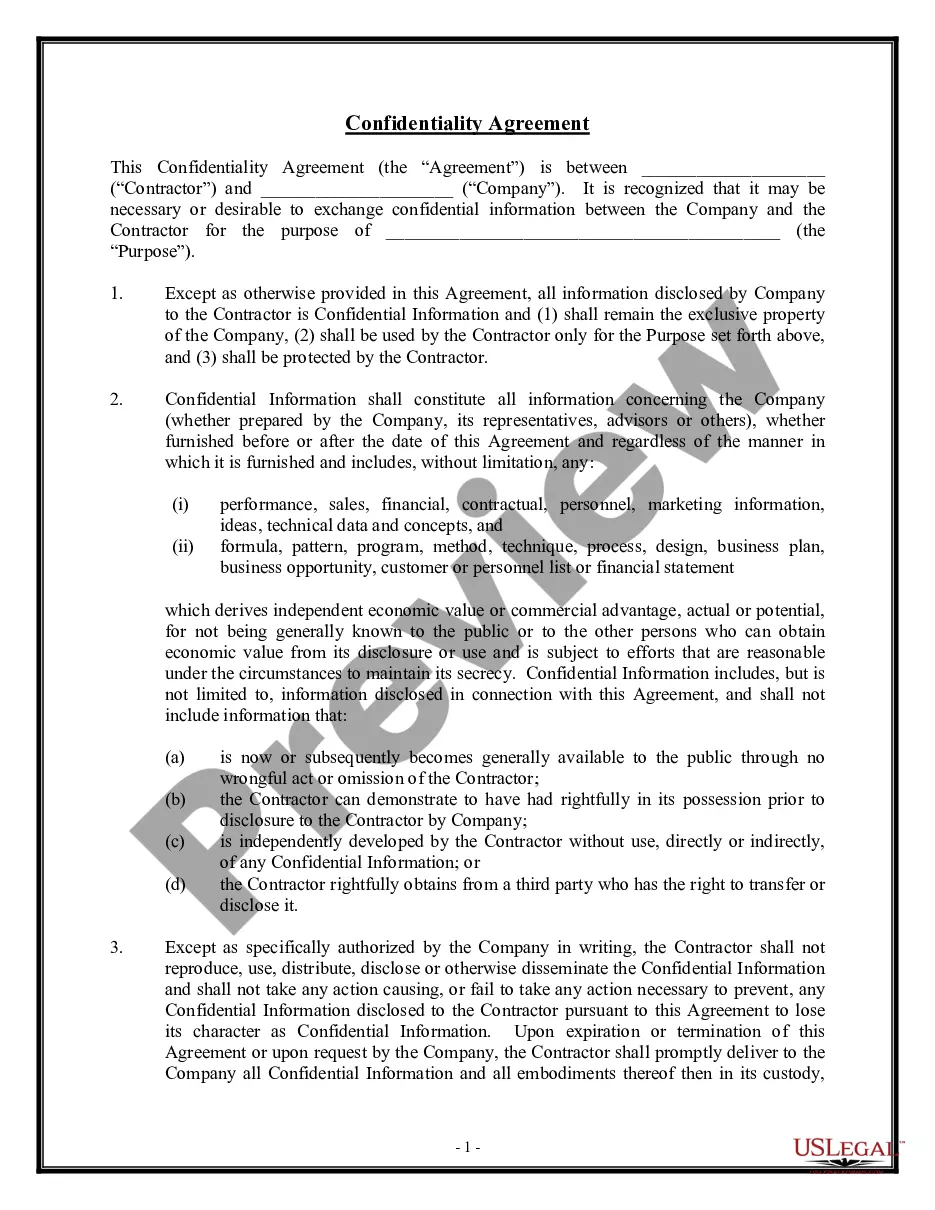
An NDA is a legally binding contract that requires parties to keep confidentiality for a defined period of time. It's up to the parties to decide what would be considered confidential and what is not.
For an NDA to be enforceable in California, it must not be too generic or too open-ended (no time limit established), or the courts will likely throw it out.An enforceable NDA in California must include: A statement of the purpose of the NDA and the parties involved.
Employers must be prepared to terminate any employee who refuses to sign the agreement. If an employer allows even one employee to refuse and remain employed, the agreements signed by the other employees will not be legally binding.
NDAs are legally enforceable contracts, but they're now coming under increased scrutiny from lawmakers, attorneys and legal experts.Companies often use them as part of an employment contract or settlement agreement to protect sensitive information like trade secrets.
In summary, there's no reason why an NDA cannot be terminated if things are no longer working out between the parties. However, this doesn't mean that confidentiality obligations are automatically cancelled upon termination.
If an NDA lists extreme punishments for breaking the confidentiality agreement, you shouldn't sign it. A common consequence for breach of contract under an NDA is termination of employment. Be aware of what is considered a breach of contract.
The cold hard truth is that most NDAs do not hold up in court. Non-Disclosure Agreements are most effective in establishing a paper trail of confidential information as it relates to partnerships, and discouraging partners from misappropriating proprietary information.
"Recipient" means a party to this agreement that receives or obtains directly or indirectly Confidential Information. "Representative" means, in relation to a party, that party's employees, agents, accountants and lawyers.