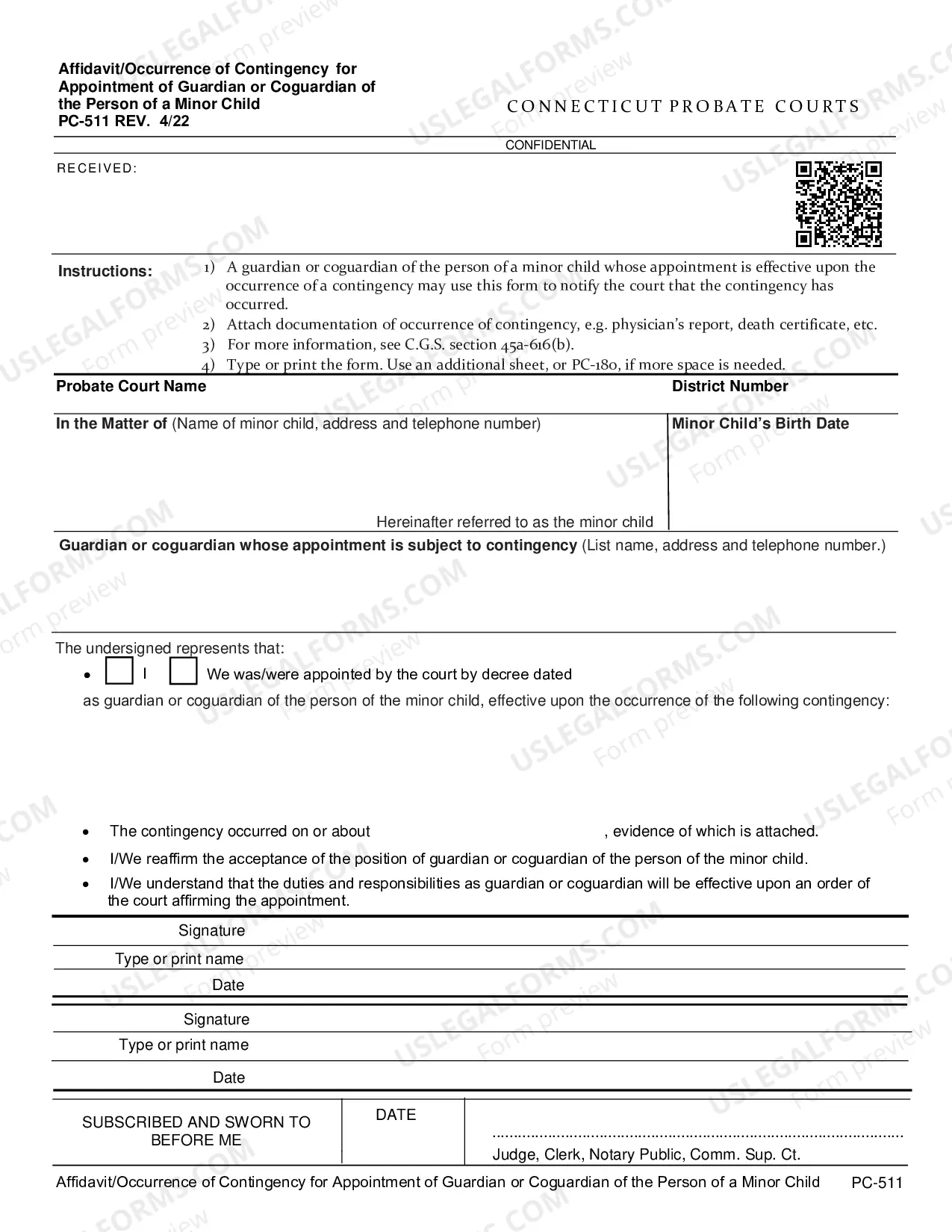
Waiver of Final Accounting by Sole Beneficiary
What this document covers
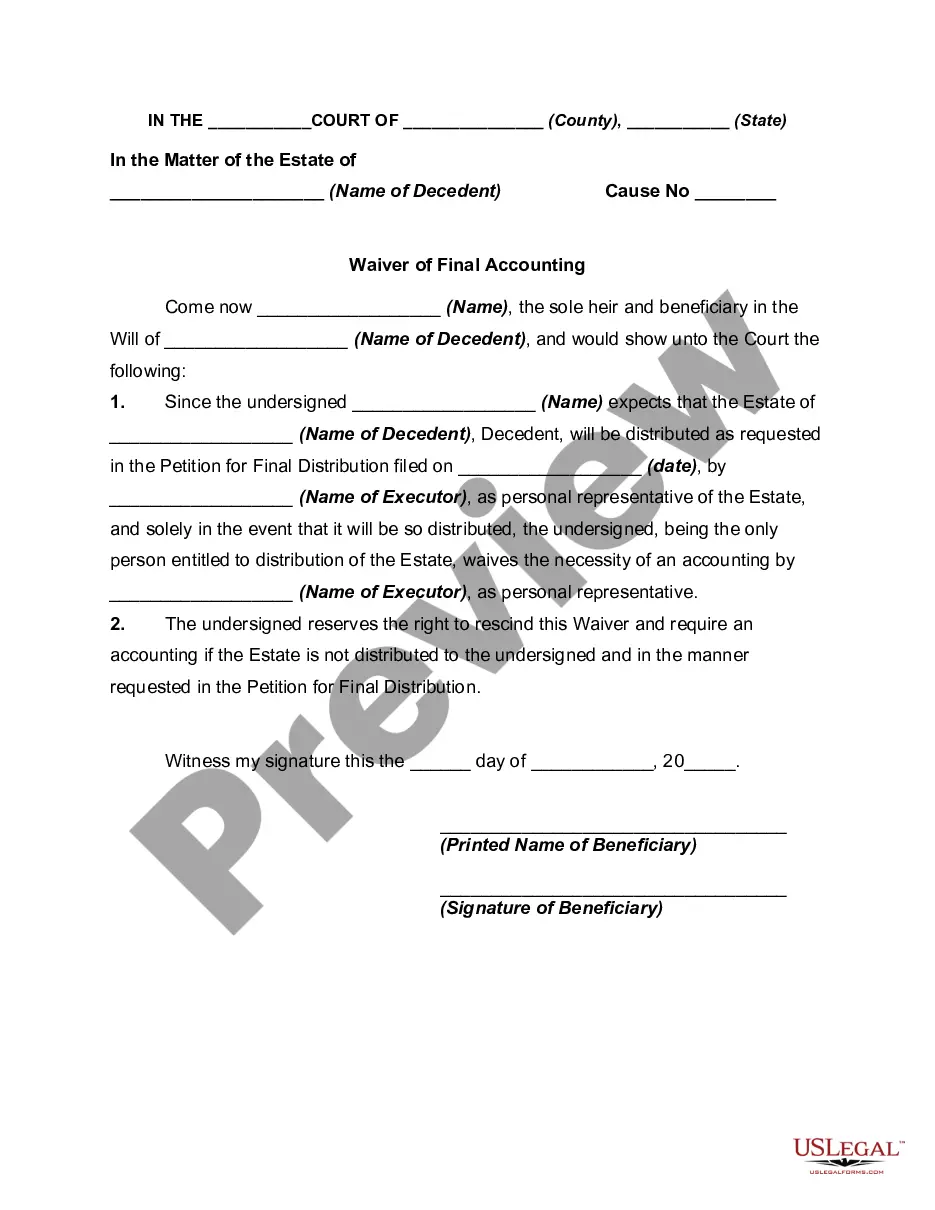
The Waiver of Final Accounting by Sole Beneficiary is a legal document that allows an heir to waive the detailed accounting typically required in estate distribution. This form simplifies the estate closing process when there is a sole beneficiary, thus enabling quicker distribution without unnecessary court delays. It is particularly useful in scenarios where all parties agree on the distribution, making the process more efficient than filing for a full accounting.
Form components explained
- Name and details of the estate
- Identification of the sole beneficiary
- References to the Petition for Final Distribution
- Clause waiving the requirement for accounting
- Right to rescind the waiver under specific conditions
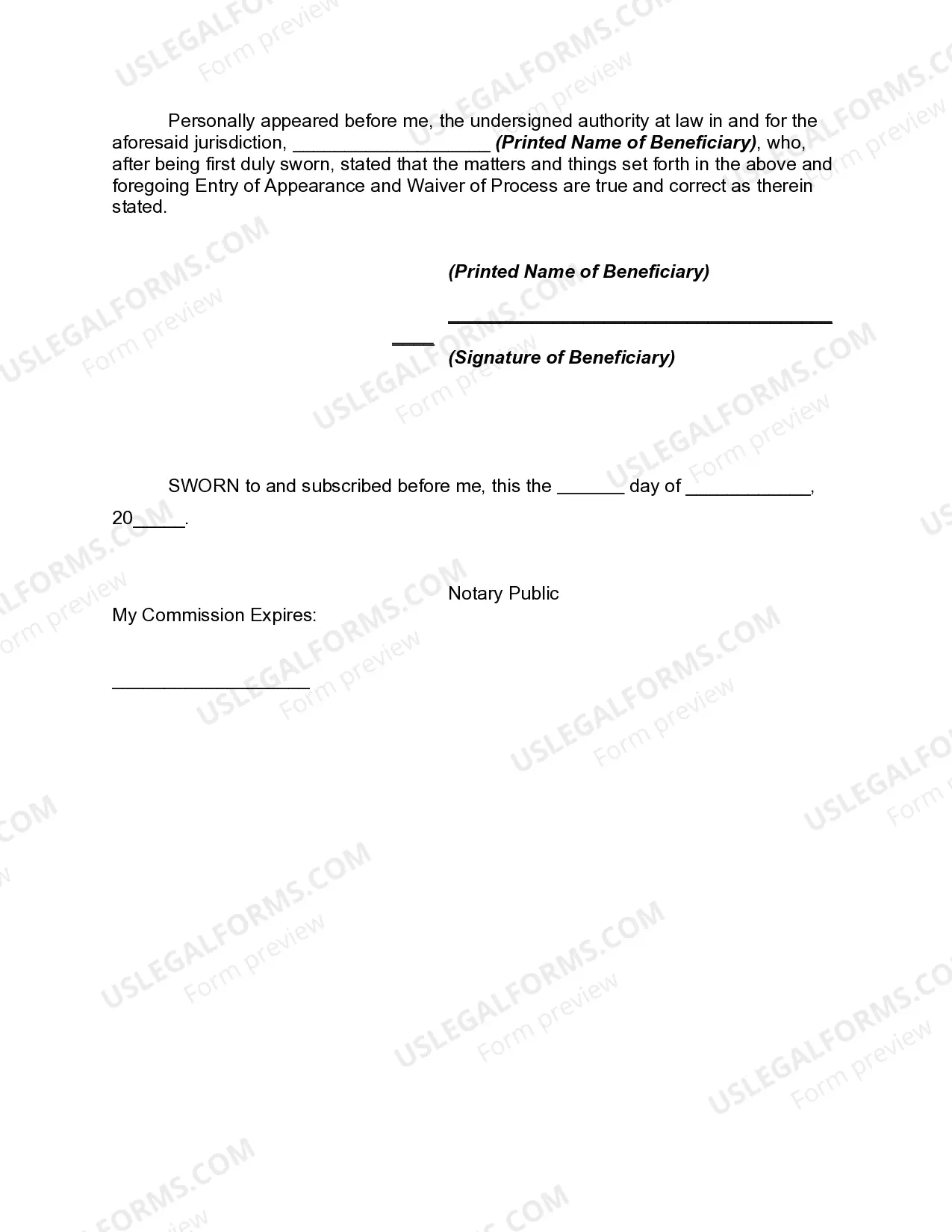
- Signature and notarization sections

Common use cases
This form should be used when a sole beneficiary expects the estate distribution to be carried out as requested in the Petition for Final Distribution. It is relevant when all beneficiaries are in agreement and a complete accounting is not necessary. Utilizing this waiver can streamline the estate closure process, making it quicker and less cumbersome.
Who can use this document
- Sole beneficiaries of an estate
- Heirs who agree on the distribution terms
- Executors seeking to expedite the estate closing process
- Individuals wanting to simplify estate administrative procedures
Completing this form step by step
- Identify the decedent's name and details related to the estate.
- Enter the name of the sole beneficiary and their relationship to the decedent.
- Provide the date of the Petition for Final Distribution as filed.
- Sign the form in the designated section and ensure it is witnessed appropriately.
- Obtain notarization to validate the document.
Does this document require notarization?
Yes, this form must be notarized to be legally valid. Proper notarization requires the sole beneficiary to sign the document in the presence of a licensed notary public, ensuring the authenticity of the signature. US Legal Forms offers integrated online notarization with 24/7 availability, allowing for secure video calls and convenience without the need for travel.
Get your form ready online
Our built-in tools help you complete, sign, share, and store your documents in one place.
Make edits, fill in missing information, and update formatting in US Legal Forms—just like you would in MS Word.
Download a copy, print it, send it by email, or mail it via USPS—whatever works best for your next step.
Sign and collect signatures with our SignNow integration. Send to multiple recipients, set reminders, and more. Go Premium to unlock E-Sign.
If this form requires notarization, complete it online through a secure video call—no need to meet a notary in person or wait for an appointment.
We protect your documents and personal data by following strict security and privacy standards.

Make edits, fill in missing information, and update formatting in US Legal Forms—just like you would in MS Word.

Download a copy, print it, send it by email, or mail it via USPS—whatever works best for your next step.

Sign and collect signatures with our SignNow integration. Send to multiple recipients, set reminders, and more. Go Premium to unlock E-Sign.

If this form requires notarization, complete it online through a secure video call—no need to meet a notary in person or wait for an appointment.

We protect your documents and personal data by following strict security and privacy standards.
Avoid these common issues
- Failing to include the correct details of the estate and decedent.
- Not obtaining notarization when required.
- Leaving out signatures or dates on the form.
- Assuming all beneficiaries are in agreement without confirming.
Why use this form online
- Convenient downloadable format for personal use.
- Editable templates that allow customization as needed.
- Time-saving, as it eliminates the need for lengthy court hearings in certain circumstances.
- Drafted by licensed attorneys, ensuring legal compliance.
Looking for another form?

Form popularity
FAQ
You could request the court approve final account and the share for the beneficiary that will not sign can be deposited with the County Treasurer. Once this is done and all other disbursements and receipts are tendered to the court you can close estate. You should seek legal advice.
Before distributing assets to beneficiaries, the executor must pay valid debts and expenses, subject to any exclusions provided under state probate laws.The executor must maintain receipts and related documents and provide a detailed accounting to estate beneficiaries.
If there is a refusal to sign the final release, then the executor should seek a court order to approve the final accounting without release.
Beneficiaries often must sign off on the inheritance they receive to acknowledge receipt of the distribution. For example, if you inherit a portion of real estate from the decedent, you must sign a deed accepting that real estate.
In order to close an estate a petition for final distribution should be filed before the court showing that the estate can be closed and requesting distribution to be made to the beneficiaries. Waiver simplifies the closing of the estate.
Where a person is a Residuary Beneficiary, they are entitled to receive a full account of the Estate assets and how they have been distributed in order to see how their share has been calculated. The Estate Accounts do not have to be provided until the Estate administration has been finalised.
The lawyer who represents the Executor typically asks the beneficiaries to waive their right to an accounting to save the estate the cost of paying for an accounting and report by the Executor of what s/he did while in that position.
Under Probate Code section 16004.5, a Trustee cannot require a beneficiary to sign a release in exchange for making a distribution of Trust assets, provided that the Trust distribution is required to be made as stated in the Trust document.