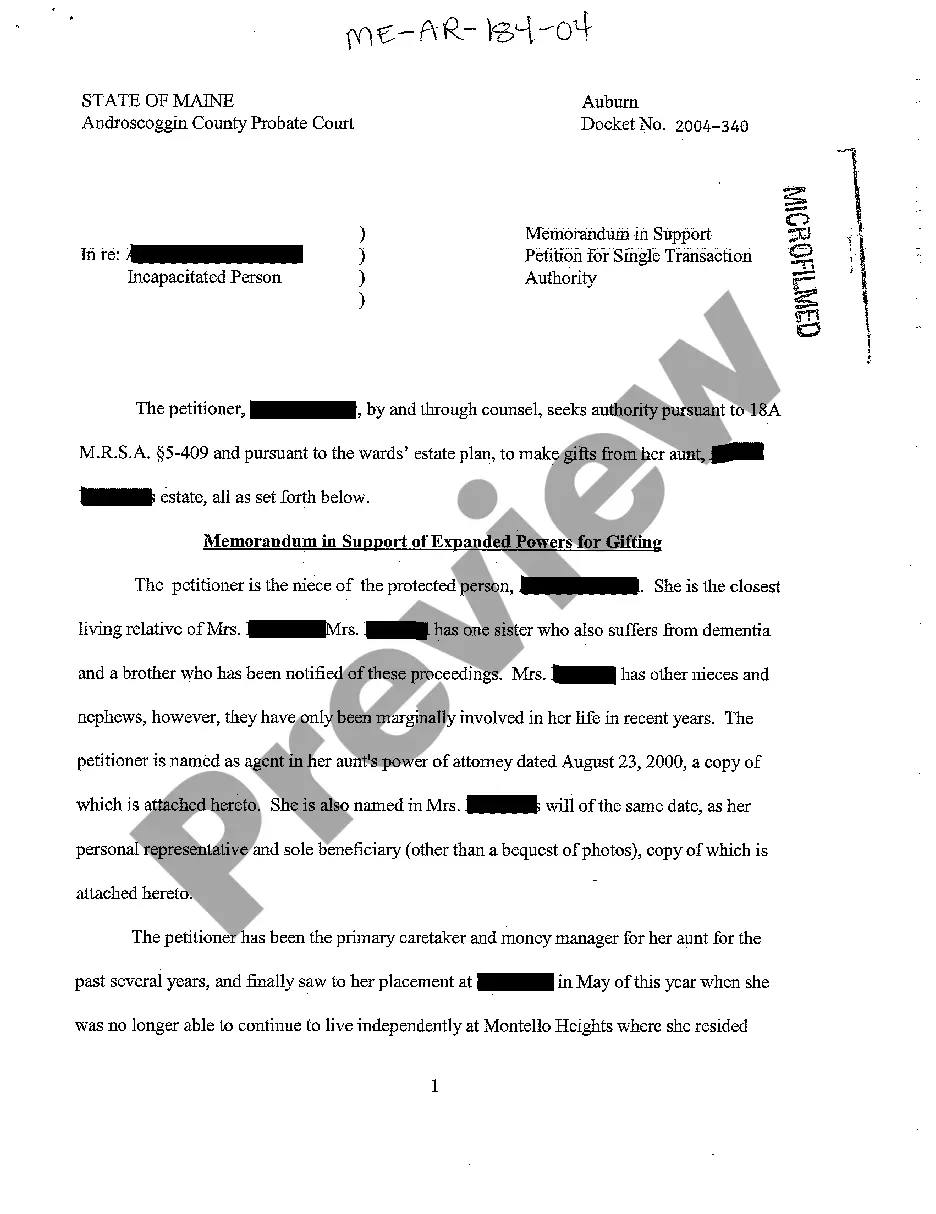
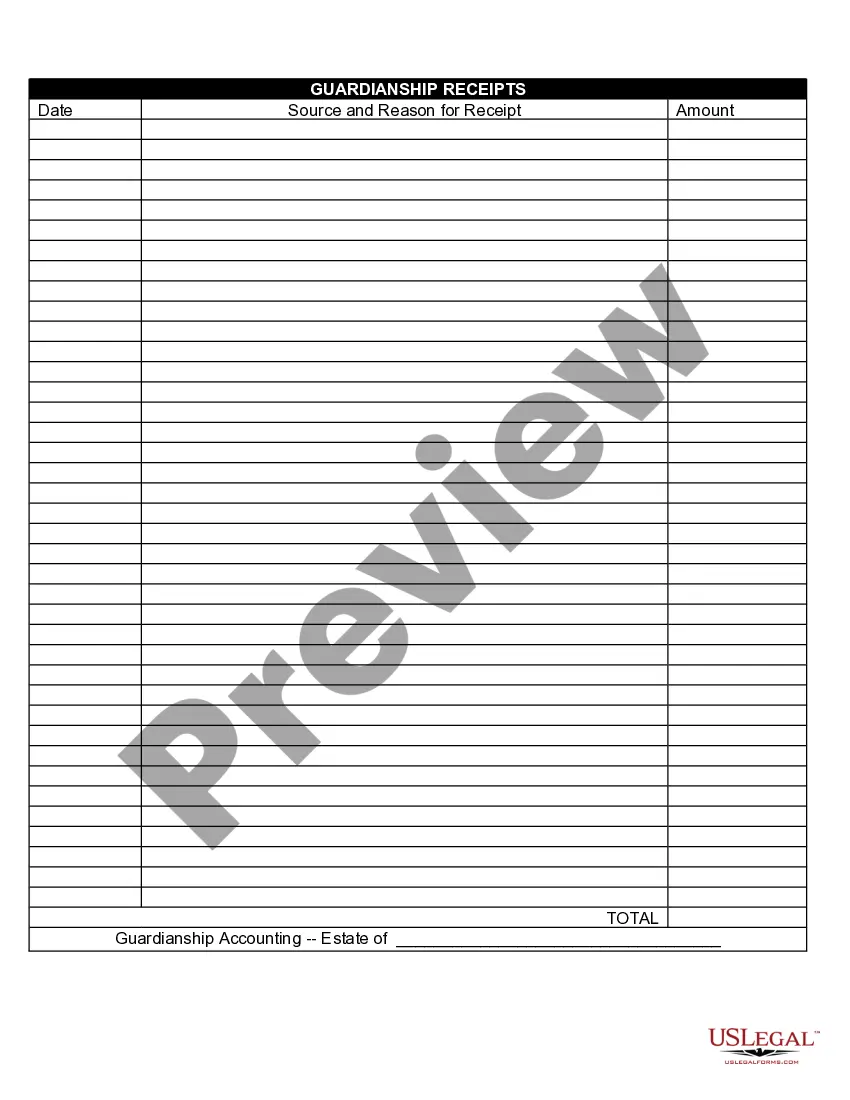
Guardianship Receipts
About this form
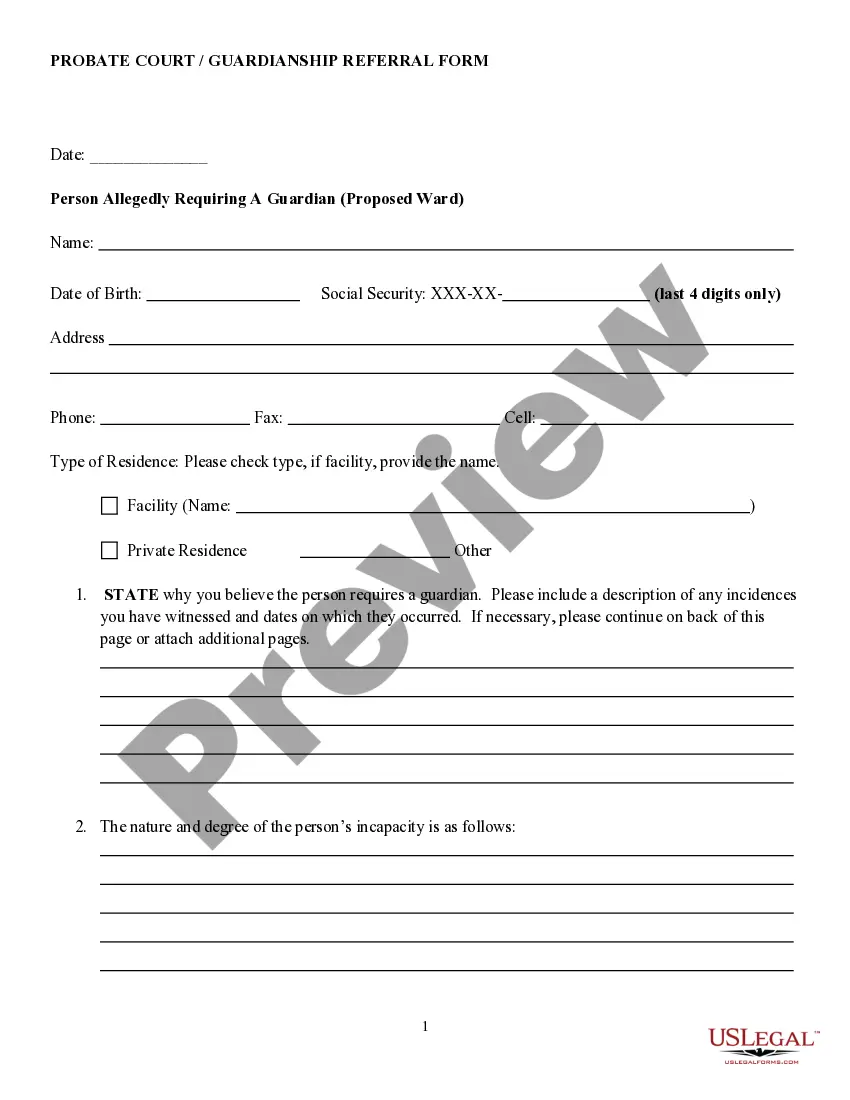
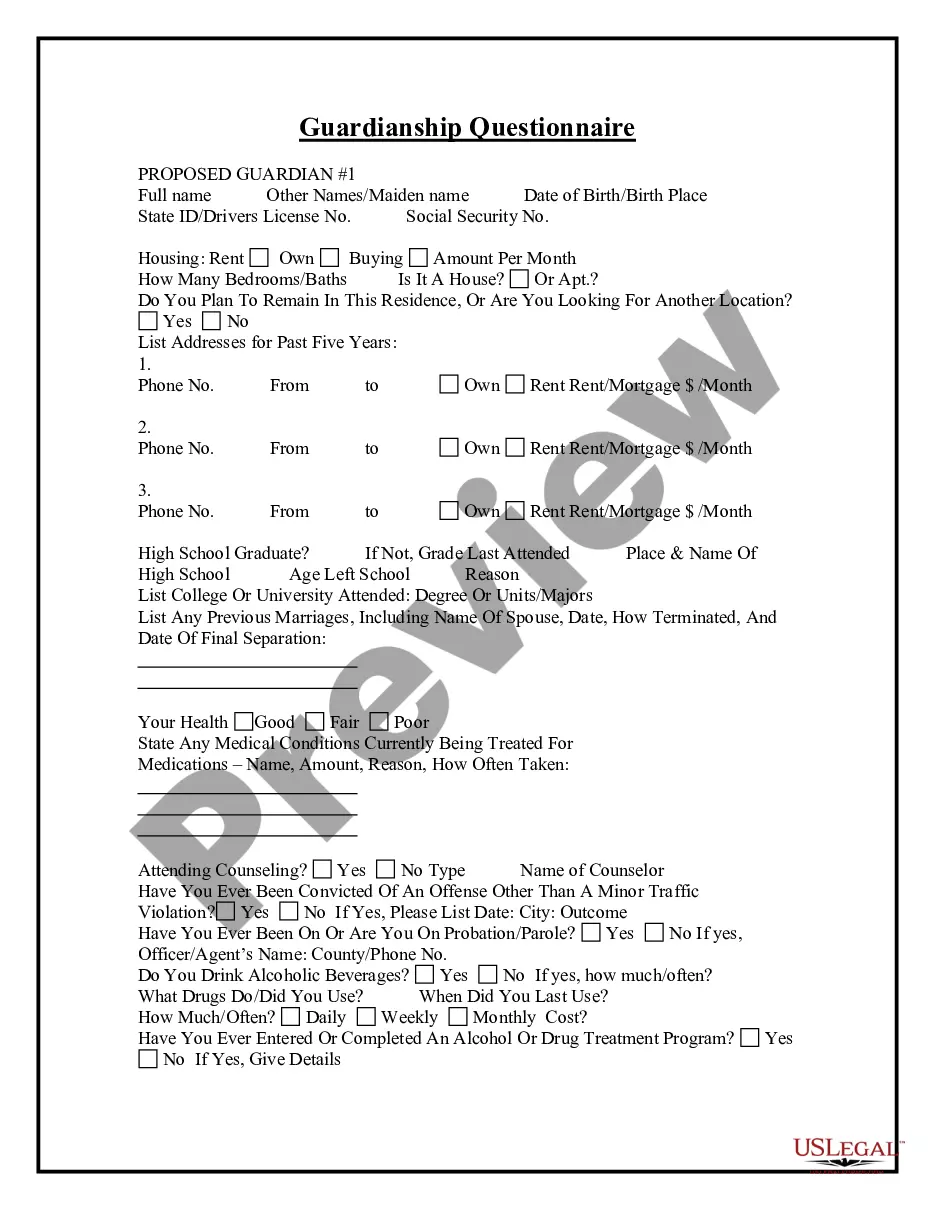
The Guardianship Receipts form is a legal document used by guardians to account for the funds or property received on behalf of a minor or an incapacitated adult. This form serves to create an official record, helping to ensure transparency and proper management of the wardâs assets, distinguishing it from other financial accounting documents by its specific focus on guardianship matters.
Form components explained
- Identification of the guardian and the ward.
- Details of the assets or funds received.
- Date of each transaction or receipt.
- Signature of the guardian confirming the accuracy of the report.
- Statement of how the funds will be used for the ward's benefit.
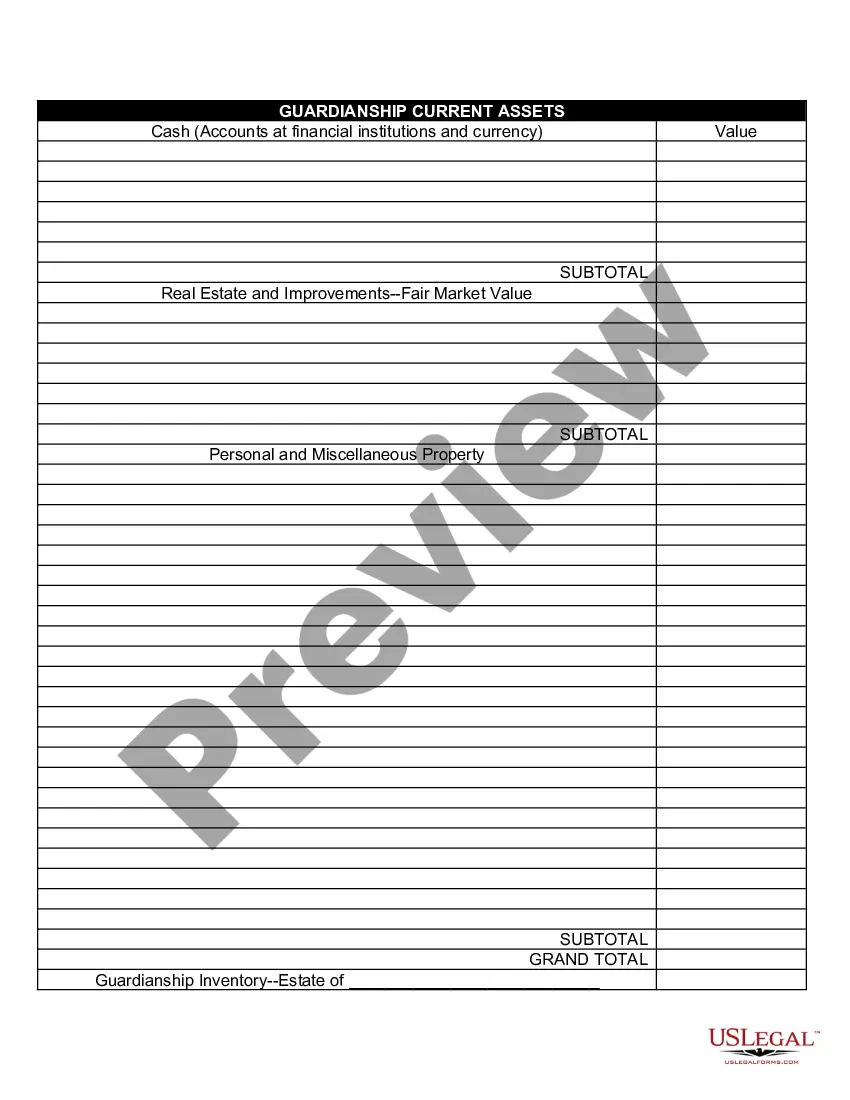
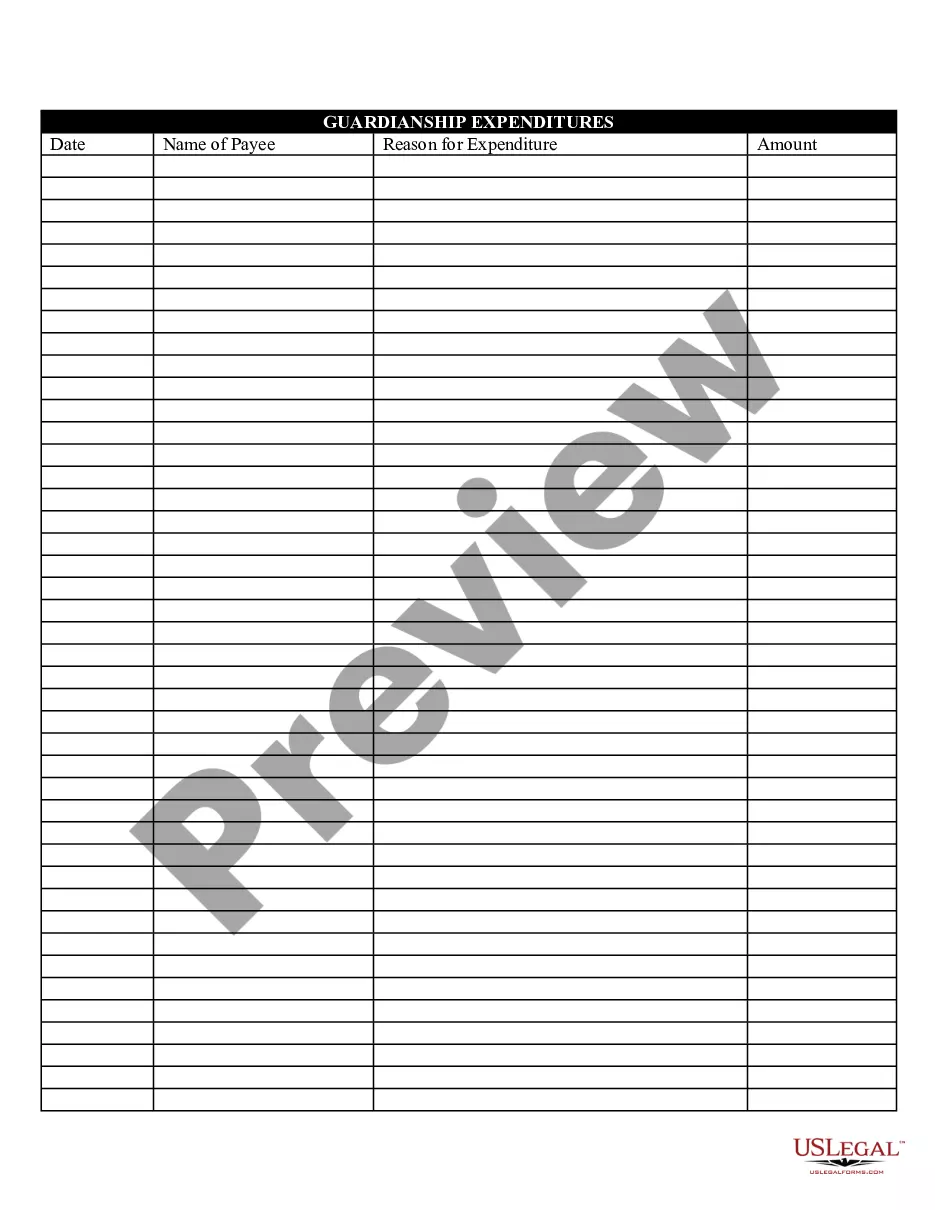

Situations where this form applies
This form should be used whenever a guardian receives funds or property for their ward. Examples include funds from social security, inheritance, or other sources intended for the wardâs support. It is essential for proper record-keeping, especially when reporting to the court or at the end of a guardianship period.
Who this form is for
- Guardians appointed by the court for minors or incapacitated adults.
- Legal representatives of wards managing financial or property matters.
- Individuals responsible for maintaining accurate financial records on behalf of another.
Completing this form step by step
- Identify the guardian's name and the name of the ward.
- List each asset or fund received, along with relevant dates.
- Include a description of how each fund or asset will benefit the ward.
- Sign and date the form to affirm accuracy.
- Ensure you retain a copy of the completed receipt for personal records and court submissions.
Does this document require notarization?
This form does not typically require notarization unless specified by local law. However, having it notarized can add an additional layer of legal validity and protection.
Get your form ready online
Our built-in tools help you complete, sign, share, and store your documents in one place.
Make edits, fill in missing information, and update formatting in US Legal Forms—just like you would in MS Word.
Download a copy, print it, send it by email, or mail it via USPS—whatever works best for your next step.
Sign and collect signatures with our SignNow integration. Send to multiple recipients, set reminders, and more. Go Premium to unlock E-Sign.
If this form requires notarization, complete it online through a secure video call—no need to meet a notary in person or wait for an appointment.
We protect your documents and personal data by following strict security and privacy standards.

Make edits, fill in missing information, and update formatting in US Legal Forms—just like you would in MS Word.

Download a copy, print it, send it by email, or mail it via USPS—whatever works best for your next step.

Sign and collect signatures with our SignNow integration. Send to multiple recipients, set reminders, and more. Go Premium to unlock E-Sign.

If this form requires notarization, complete it online through a secure video call—no need to meet a notary in person or wait for an appointment.

We protect your documents and personal data by following strict security and privacy standards.
Avoid these common issues
- Failing to include all transactions, which can lead to incomplete records.
- Not signing or dating the form, making it invalid.
- Neglecting to clearly describe the use of funds, which can result in misunderstandings later.
Benefits of using this form online
- Convenience of downloading and filling out the form at your own pace.
- Editability allows guardians to update information as needed.
- Access to legally vetted templates ensures reliability and compliance.
Legal use & context
- This form is a critical component in maintaining accurate financial management within guardianship arrangements.
- Failure to keep proper receipts can lead to legal disputes or challenges from interested parties.
- It may be used in court proceedings to demonstrate compliance with guardianship responsibilities.
Summary of main points
- The Guardianship Receipts form is essential for documenting financial transactions for minors or incapacitated individuals.
- Accurate completion and record-keeping help maintain transparency and fulfill legal obligations.
- Ensure to understand state-specific requirements to remain compliant with local laws.
Looking for another form?
Form popularity
FAQ
Guardianship is a legal process used to protect individuals who are unable to care for their own well-being due to infancy, incapacity or disability.Legal guardians have the legal authority to make decisions for their ward and represent their ward's personal and financial interests.
Guardianship means obtaining the legal authority to make decisions for another person. A guardian is the person appointed by the court to make decisions on behalf of someone else. The person over whom the guardianship is granted (the child or the adult) is referred to as the protected person.
A guardian is generally paid an amount which is not more than five percent of the ward's yearly income. The amount may vary slightly, but in no case should the guardian's compensation be fixed at less than fifty dollars for a year.
The endorsement of the check should reflect the mother's name as parent and natural guardian of the child - and should say "Jane Doe, parent and natual guardian of John Doe", and then she should endorse it again, "Jane Doe"(good idea to include the account number too) underneath where she signed is as parent.
A guardian is responsible for an elder or minor ward's personal care, providing them with a place to live, and with ensuring their medical needs are met. Guardians make sure that their ward has a place to live, such as the guardian's home, with a caretaker, or in an assisted living or full care facility.
As of Apr 9, 2021, the average annual pay for a Public Guardian in California is $46,816 an year. Just in case you need a simple salary calculator, that works out to be approximately $22.51 an hour.
The names of the forms are usually: Petition for Appointment of Guardian (or Petition for Appointment of Guardian of Minor) Petition for Conservatorship (when dealing with an incompetent adult) Order Appointing Guardian.
There are two types of guardianships, a full guardianship and a limited guardianship.
Every year, a Guardian of an adult, and a guardian who is not related to his or her minor ward, must file an Annual Report stating the condition of the ward, whether the Guardianship should continue, how he or she cared for the ward during the last year, and what the plans are to care for the ward for the next year.