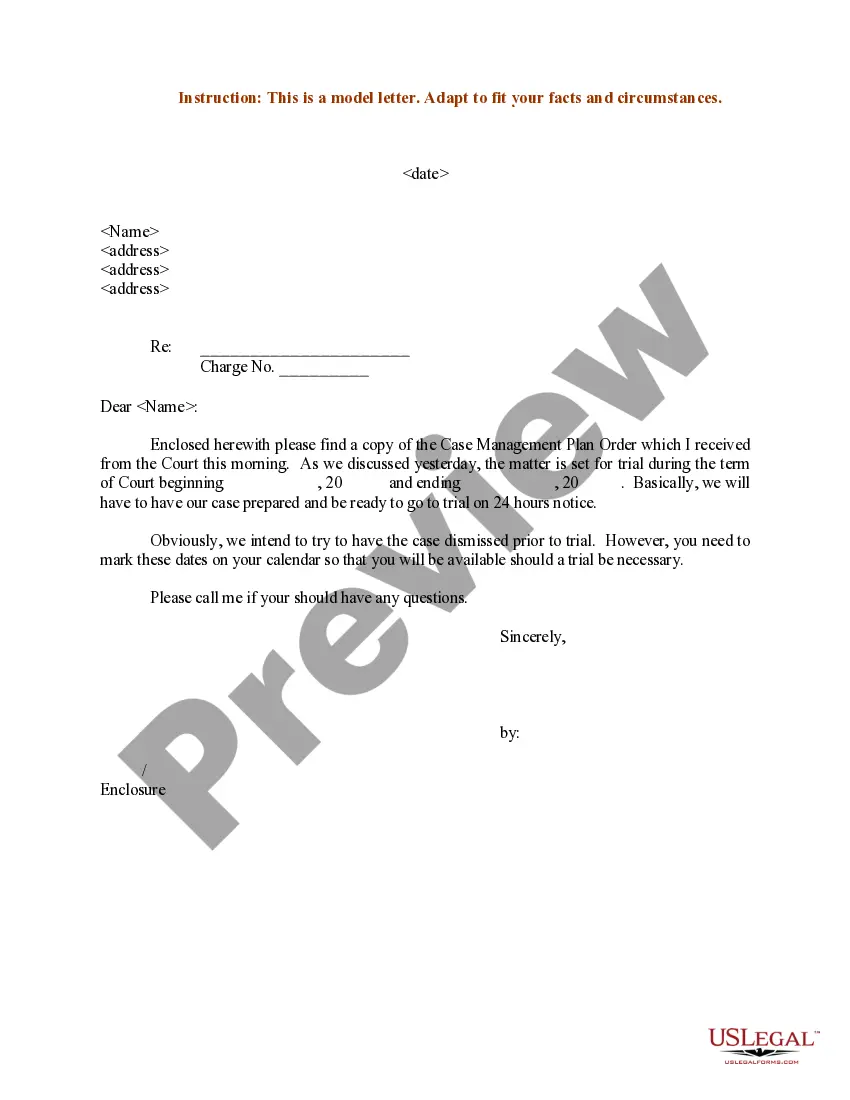
Sample Letter for Case Management Plan Order
Overview of this form
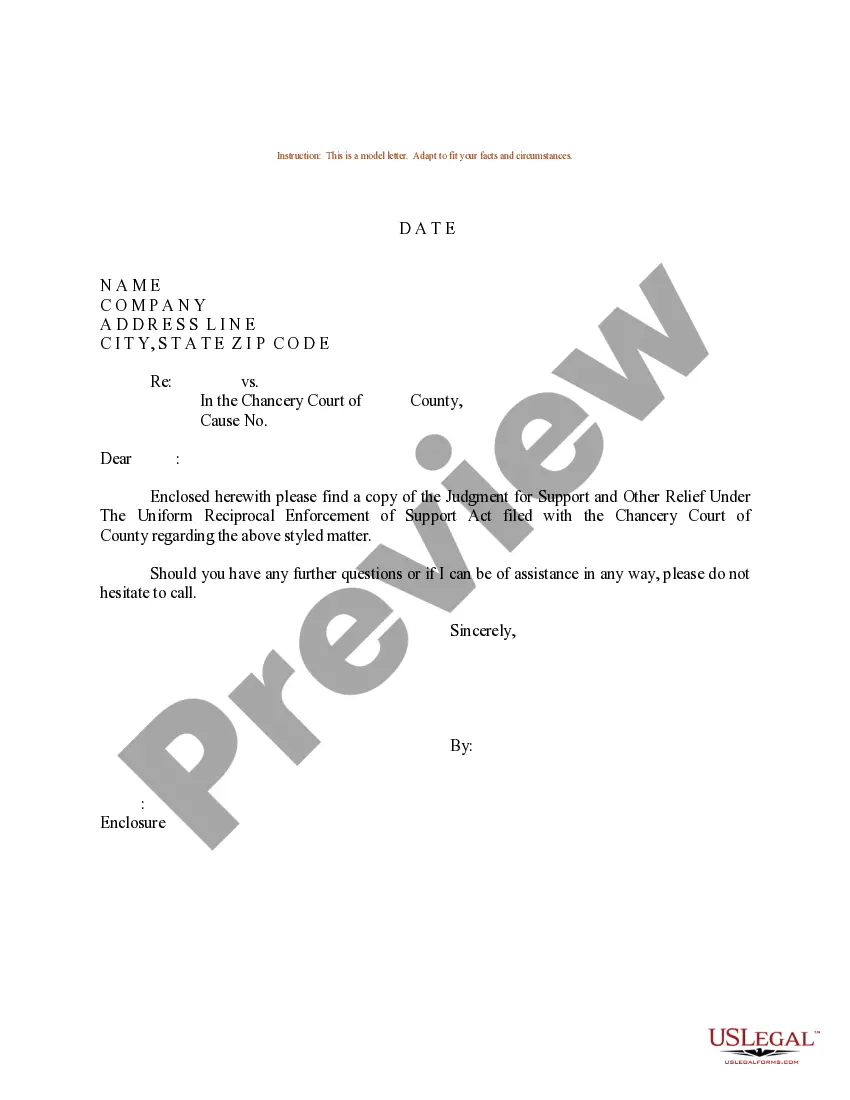
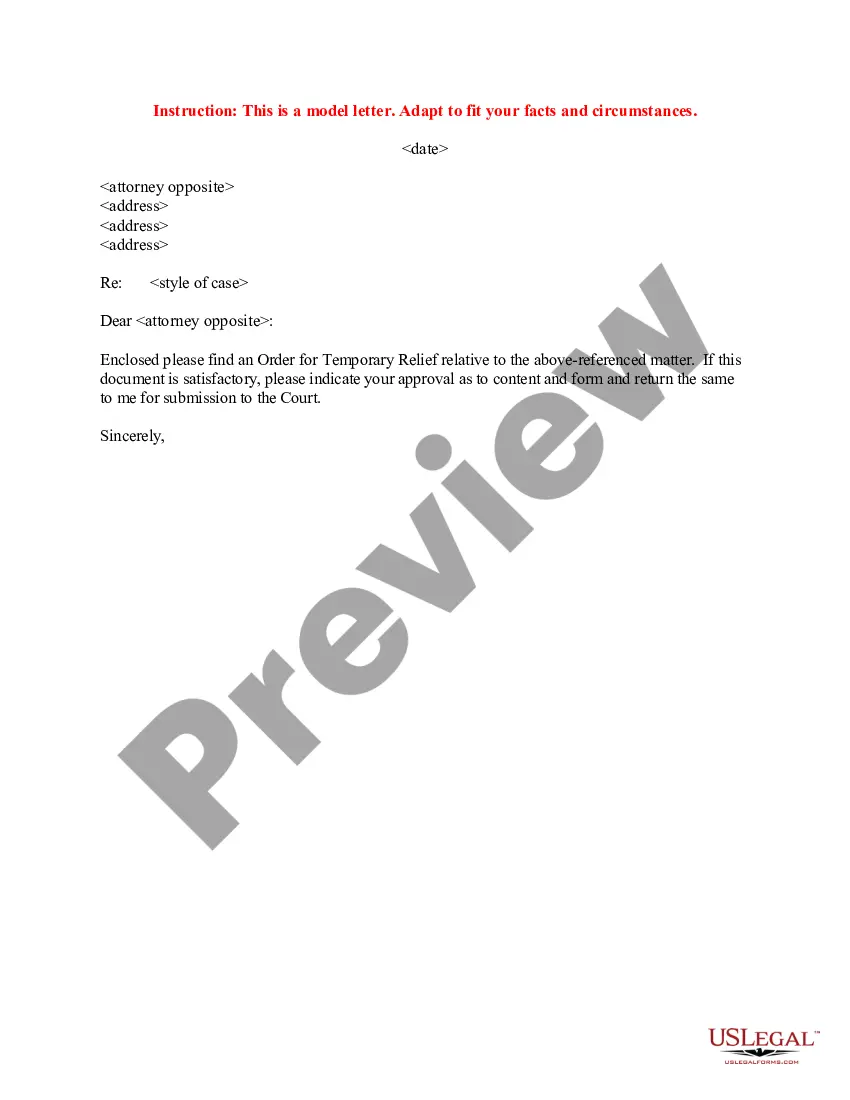
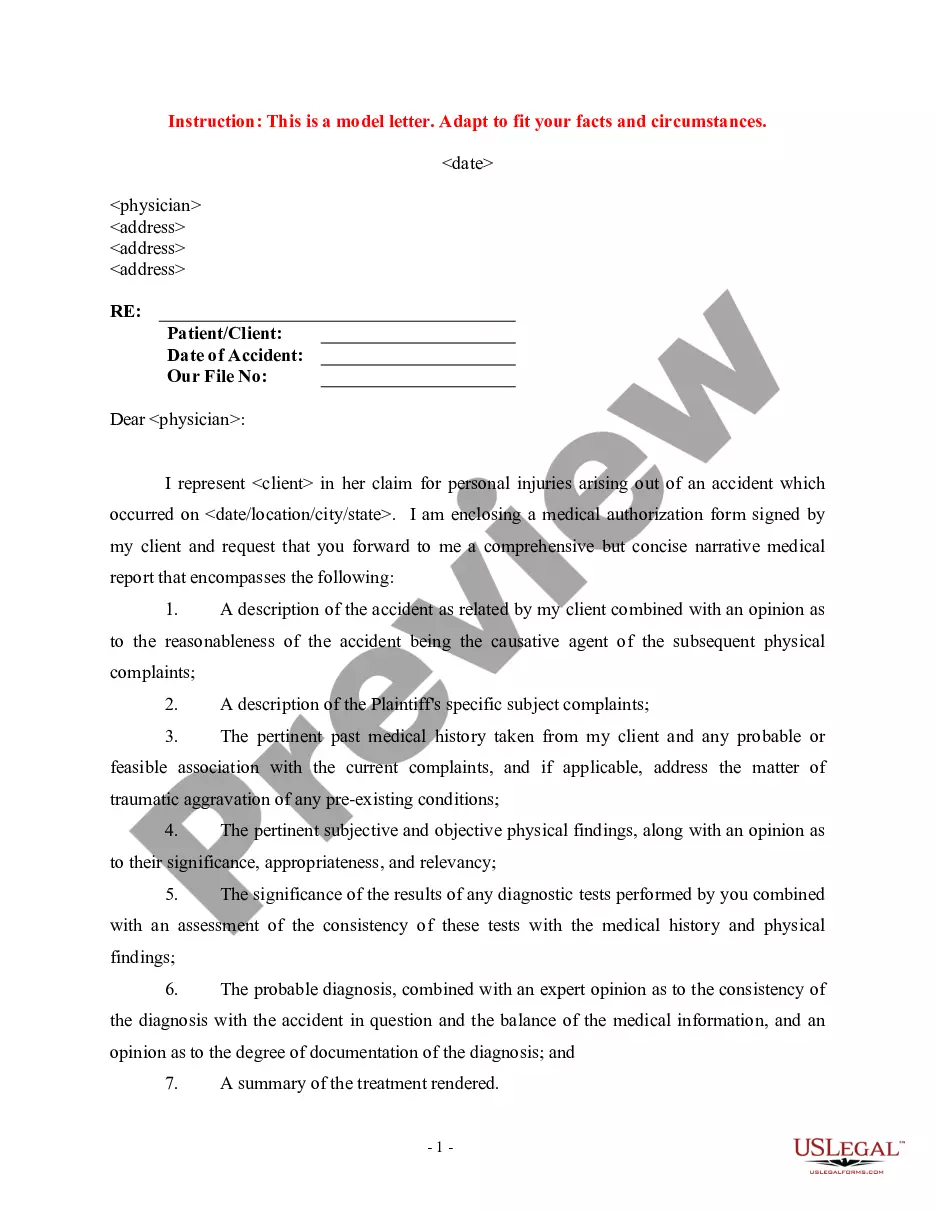
The Sample Letter for Case Management Plan Order is a template that provides a structured format for communicating case management plans in a legal context. It serves as a helpful sample for drafting letters to address case management orders, ensuring that your communication is organized and professional. Unlike general correspondence, this letter is specifically tailored for legal purposes, reflecting the requirements and formalities necessary in case management scenarios.
Form components explained
- Date: The date on which the letter is being sent.
- Addressee Information: Space for the recipient's name and address.
- Subject Line: A brief, clear subject line regarding the case management plan.
- Charge Number: A designated section to enter the associated charge number for the case.
- Closing Remarks: A polite invitation for the recipient to reach out with questions.
- Signatory: A space for the sender's signature and printed name.
Situations where this form applies
This form should be used whenever you need to create a formal letter regarding a case management plan order. It is particularly useful in situations where specific details about the case need to be communicated to involved parties or where compliance with court procedures is required. For instance, if a judge requests a case management plan or if attorneys are coordinating steps in a legal proceeding, this letter serves as a practical tool to facilitate those communications.
Who needs this form
- Attorneys or legal representatives involved in a case.
- Parties engaged in legal proceedings who need to communicate case management information.
- Individuals preparing to represent themselves in court and requiring a structured format for correspondence.
Instructions for completing this form
- Start by entering the date at the top of the letter.
- Fill in the recipient's name and complete address in the designated area.
- Clearly state the subject matter in the subject line.
- Include the relevant charge number associated with the case.
- Close the letter with a polite invitation for questions.
- Sign the letter and print your name below your signature.
Is notarization required?
This form usually doesn’t need to be notarized. However, local laws or specific transactions may require it. Our online notarization service, powered by Notarize, lets you complete it remotely through a secure video session, available 24/7.
Get your form ready online
Our built-in tools help you complete, sign, share, and store your documents in one place.
Make edits, fill in missing information, and update formatting in US Legal Forms—just like you would in MS Word.
Download a copy, print it, send it by email, or mail it via USPS—whatever works best for your next step.
Sign and collect signatures with our SignNow integration. Send to multiple recipients, set reminders, and more. Go Premium to unlock E-Sign.
If this form requires notarization, complete it online through a secure video call—no need to meet a notary in person or wait for an appointment.
We protect your documents and personal data by following strict security and privacy standards.

Make edits, fill in missing information, and update formatting in US Legal Forms—just like you would in MS Word.

Download a copy, print it, send it by email, or mail it via USPS—whatever works best for your next step.

Sign and collect signatures with our SignNow integration. Send to multiple recipients, set reminders, and more. Go Premium to unlock E-Sign.

If this form requires notarization, complete it online through a secure video call—no need to meet a notary in person or wait for an appointment.

We protect your documents and personal data by following strict security and privacy standards.
Typical mistakes to avoid
- Failing to include the charge number can lead to confusion.
- Leaving out the recipient's address can result in misdelivery.
- Using informal language instead of professional tone can undermine the letter's effectiveness.
- Not signing the letter can make it appear incomplete or unofficial.
Why use this form online
- Convenience: Easily download the template in Word format for quick access.
- Editability: Customize the form to suit your specific case details.
- Reliability: The template is drafted by licensed attorneys, ensuring it meets legal standards.
What to keep in mind
- The Sample Letter for Case Management Plan Order is essential for clear legal communication regarding case management.
- Always include key components like date, recipient details, and charge number to maintain clarity.
- Adapting the template to fit your specific state or jurisdiction's requirements will ensure compliance.
Looking for another form?


Form popularity
FAQ
The Case Management Process consists of nine phases through which case managers provide care to their clients: Screening, Assessing, Stratifying Risk, Planning, Implementing (Care Coordination), Following-Up, Transitioning (Transitional Care), Communicating Post Transition, and Evaluating .
1) Screening. The first step of the process is determining if the case in question requires the case management services in the first place. 2) Assessing. 3) Risk evaluation. 4) Planning. 5) Implementation. 6) Outcome evaluation.
Case management planning is a process focused on identifying client needs, clarifying goals and hopes, setting priorities and identifying steps/actions necessary to achieve this. It is client driven and empowers the client. Goals may be very small and concrete as well as longer-term and broad.
The case management process consists of five parts: assessment, treatment planning, linking, advocacy, and monitoring.
Case management planning is a process focused on identifying client needs, clarifying goals and hopes, setting priorities and identifying steps/actions necessary to achieve this. It is client driven and empowers the client. Goals may be very small and concrete as well as longer-term and broad.
Case management is a collaborative process that assesses, plans, implements, coordinates, monitors, and evaluates the options and services required to meet the client's health and human service needs.
Some examples of case management services might be: assistance with health needs. assistance with transportation. assistance with child care.
There are 4 levels of medical case management: Intake/ Referral, Needs Assessment, Service Planning, Monitoring and Evaluation.