Contracting and Construction Law Handbook
Overview of this form
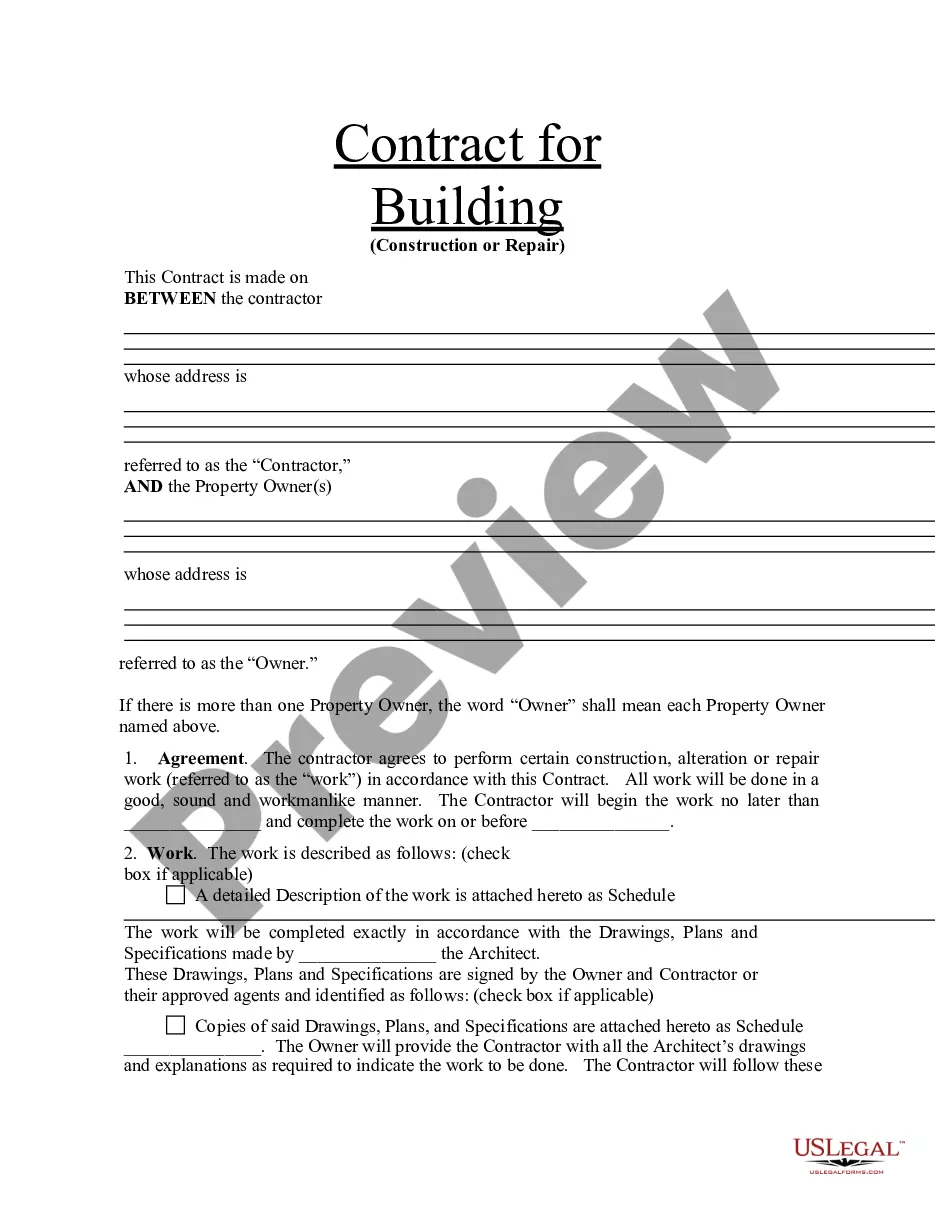
The Contracting and Construction Law Handbook is a comprehensive guide that provides an in-depth analysis of laws governing construction contracts. It covers essential topics such as offer and acceptance, written agreements, obligations of parties, breach and enforcement, and various remedies related to building and construction contracts. This handbook serves as a vital resource for both contractors and homeowners looking to navigate the complexities of contracting and construction law effectively.
Form components explained
- Analysis of offer and acceptance in construction contracts
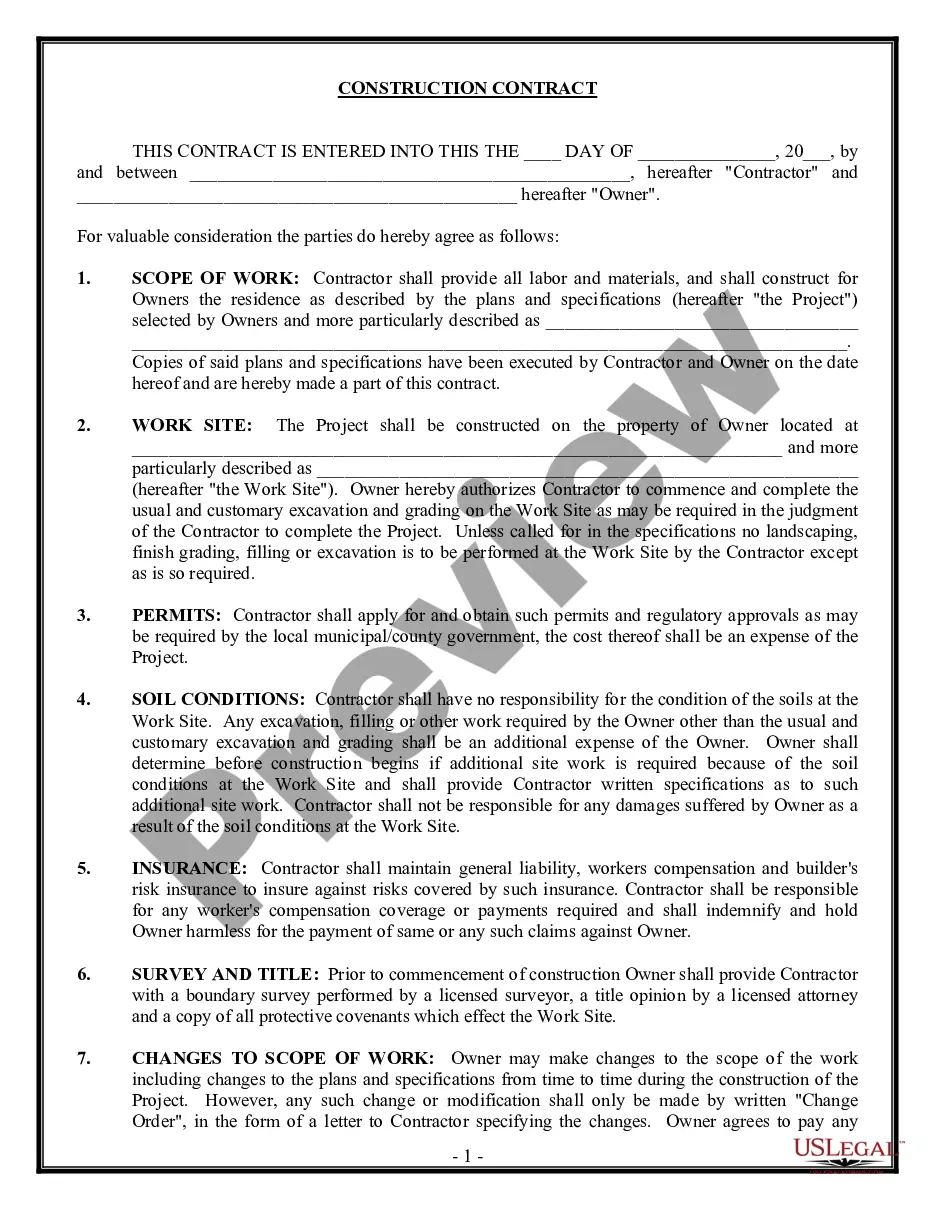
- Details on written agreements, including integration and merger clauses
- Information on the obligations of both partiesâexpress and implied
- Guidelines on breach of contract and available remedies
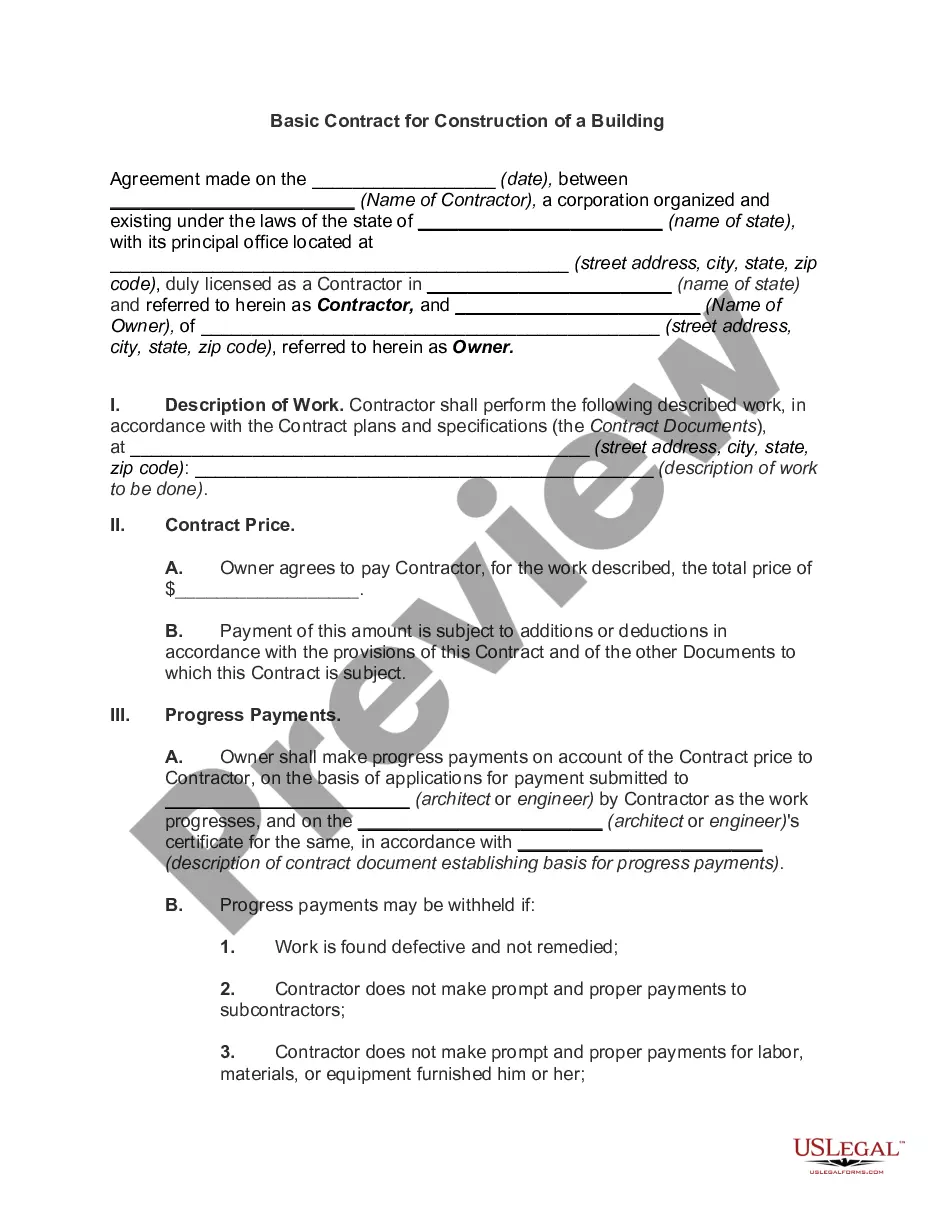
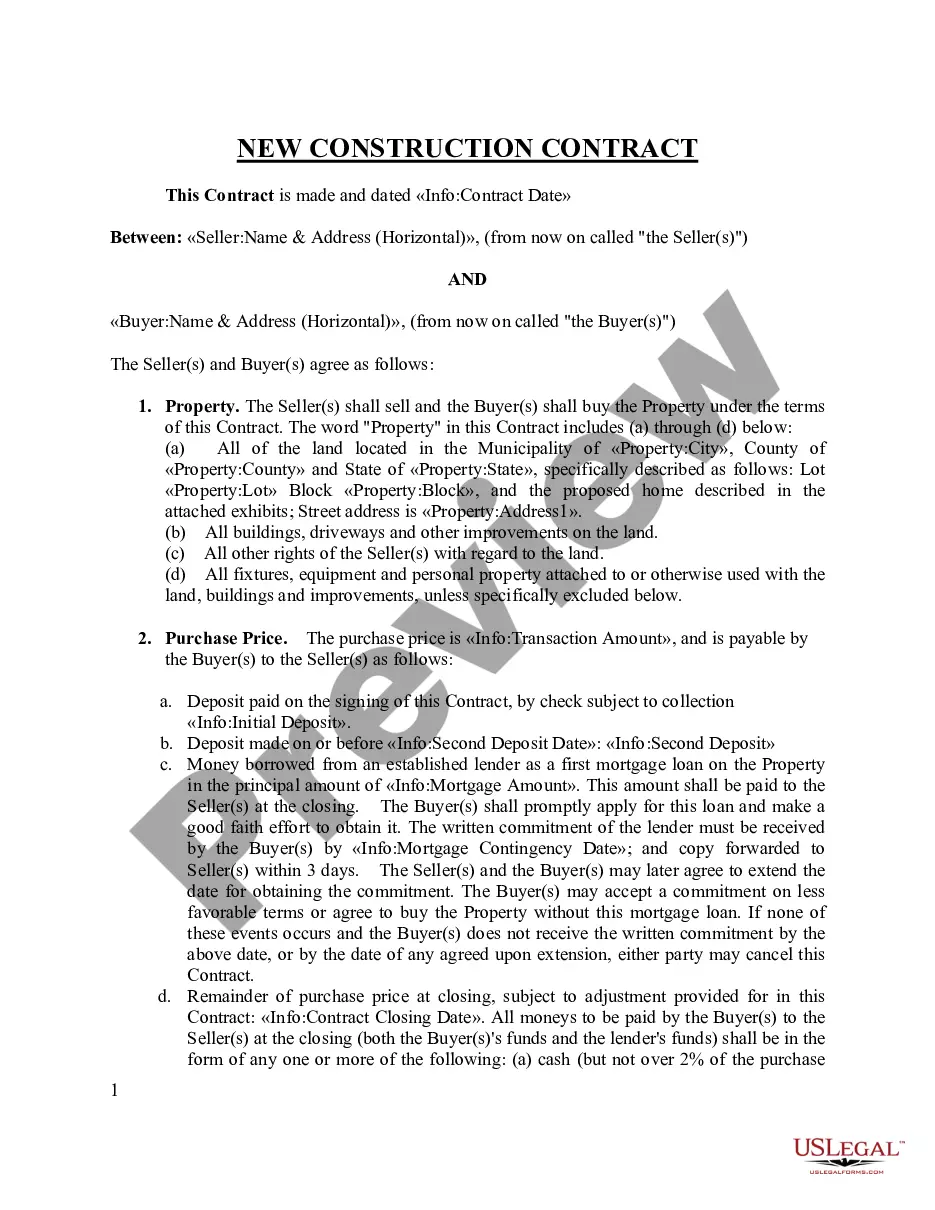
- Sample contract clauses for various scenarios and disputes












When to use this form
This handbook is essential when entering into construction agreements, resolving disputes between contractors and homeowners, and understanding the legal framework surrounding construction projects. Use it to clarify expectations before signing contracts, to address potential breaches, or to explore remedies in the event of disputes or contract performance issues.
Who this form is for
- Contractors seeking to understand their rights and obligations
- Homeowners looking for clarity on construction laws and contractor responsibilities
- Legal professionals specializing in construction law
- Project managers involved in overseeing construction projects
Completing this form step by step
- Review the key components and sections relevant to your situation.
- Identify all parties involved and ensure they are accurately represented in any agreements.
- Enter specific project details, including deadlines and payment terms.
- Incorporate any necessary sample clauses or modifications based on your unique circumstances.
- Have all parties sign the contract and retain copies for records.
Does this document require notarization?
This form does not typically require notarization unless specified by local law.
Get your form ready online
Our built-in tools help you complete, sign, share, and store your documents in one place.
Make edits, fill in missing information, and update formatting in US Legal Forms—just like you would in MS Word.
Download a copy, print it, send it by email, or mail it via USPS—whatever works best for your next step.
Sign and collect signatures with our SignNow integration. Send to multiple recipients, set reminders, and more. Go Premium to unlock E-Sign.
If this form requires notarization, complete it online through a secure video call—no need to meet a notary in person or wait for an appointment.
We protect your documents and personal data by following strict security and privacy standards.

Make edits, fill in missing information, and update formatting in US Legal Forms—just like you would in MS Word.

Download a copy, print it, send it by email, or mail it via USPS—whatever works best for your next step.

Sign and collect signatures with our SignNow integration. Send to multiple recipients, set reminders, and more. Go Premium to unlock E-Sign.

If this form requires notarization, complete it online through a secure video call—no need to meet a notary in person or wait for an appointment.

We protect your documents and personal data by following strict security and privacy standards.
Mistakes to watch out for
- Failing to specify payment terms and deadlines in the contract.
- Not recognizing the importance of mutual obligations and warranties.
- Incomplete understanding of breach and remedies available.
- Ignoring state-specific construction laws that may affect the agreement.
Benefits of using this form online
- Convenient access to legal resources in one comprehensive document.
- Editable templates that can be customized for individual projects.
- Reliability in using professionally drafted legal language.
Legal use & context
- The handbook guides users through the legal aspects of construction contracts, ensuring enforceability of agreements.
- It outlines the procedures for taking legal actions in the event of a breach of contract.
- Users can utilize the sample clauses for various disputes, enhancing legal preparedness.
What to keep in mind
- The handbook is essential for understanding construction contracts and related laws.
- It offers practical guidance and sample clauses for real-world application.
- Users should be aware of specific state requirements that may impact their contracts.
Definitions you should know
- Breach of Contract: Failure to perform any term of a contract without a legitimate legal excuse.
- Remedies: Legal means of enforcing a right or redressing a wrong.
- Contract Clause: Specific provisions or sections within a contract that define the terms of the agreement.
Looking for another form?

Form popularity
FAQ
Name of contractor and contact information. Name of homeowner and contact information. Describe property in legal terms. List attachments to the contract. The cost. Failure of homeowner to obtain financing. Description of the work and the completion date. Right to stop the project.
Identifying/Contact Information. Title and Description of the Project. Projected Timeline and Completion Date. Cost Estimate and Payment Schedule. Stop Work Clause and Stop Payment Clause. Act of God Clause. Change Order Agreement. Warranty.
The Agreement. The agreement is the most fundamental document in a construction contract bundle. General Conditions. Special Conditions. Scope of Work. Drawings. Specifications. Bill of Quantities. Construction Schedule.
A contract is formed when one party makes an offer which is unconditionally accepted by the other.A purported acceptance which contains terms different to the offer is not acceptance. This is called a counter offer which may be accepted by the other party or subject to a further counter offer.
Obligations of parties to the agreement (the private party, the contract awarding agency and the government) Tenure of contract and access rights to the project site. Ownership of land and facility. Sector specific special issues.
Construction contracts do not necessarily have to be in writing.If contracts listed in the statute of frauds are not in writing, they cannot be enforced. Construction contracts sometimes fall within the terms of a state's statute of frauds and therefore must be in writing in some instances.
Identifying/Contact Information. Title and Description of the Project. Projected Timeline and Completion Date. Cost Estimate and Payment Schedule. Stop Work Clause and Stop Payment Clause. Act of God Clause. Change Order Agreement. Warranty.
#1: Review Your Bid. #2: Review Complete Plans. #3: Review All Specifications. #4: Visit the Job Site. #5: Review the Job Schedule. #6: Complete a Project Checklist. #7: Verify Project Funding. #8: Read Complete Contract.