Headhunter Agreement - Self-Employed Independent Contractor
What is this form?
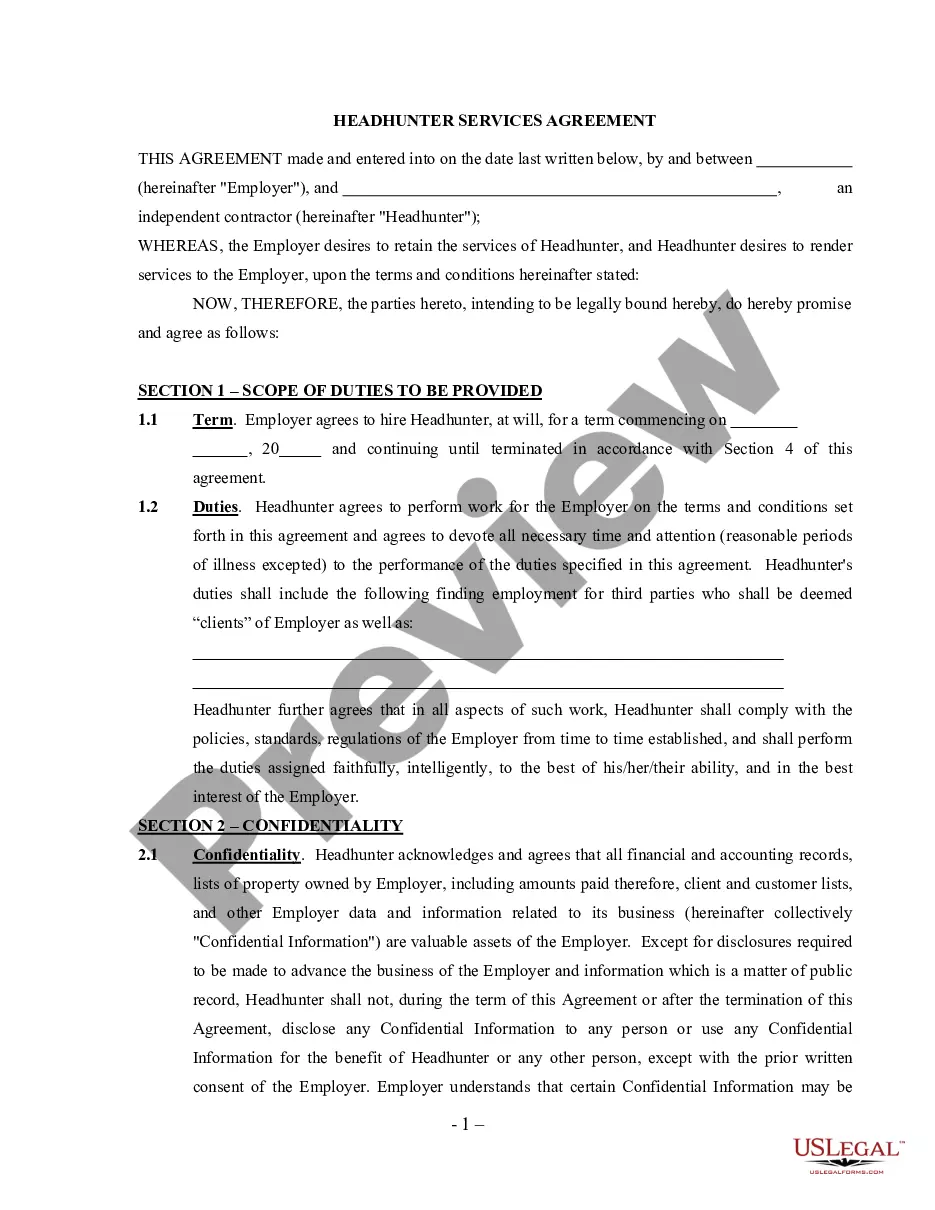
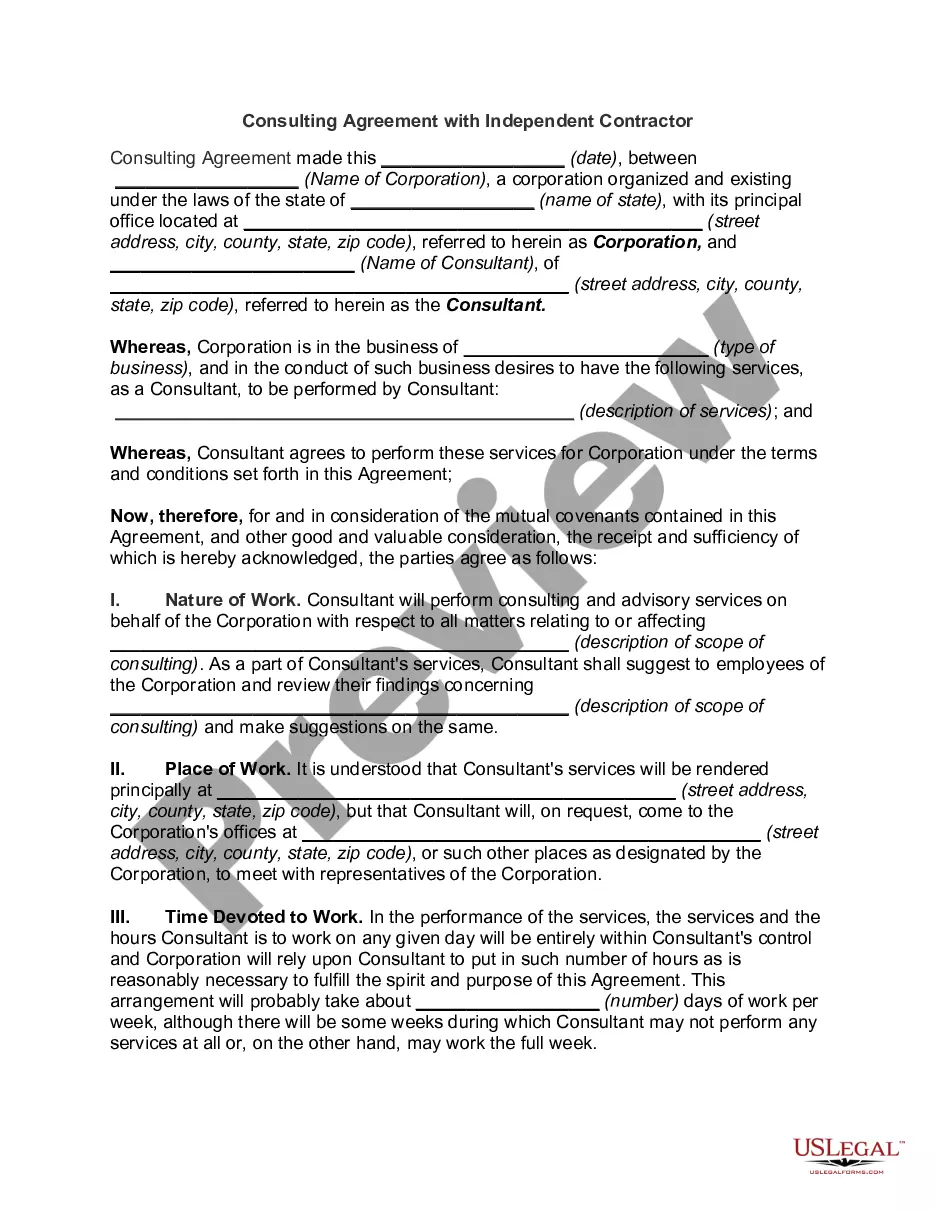
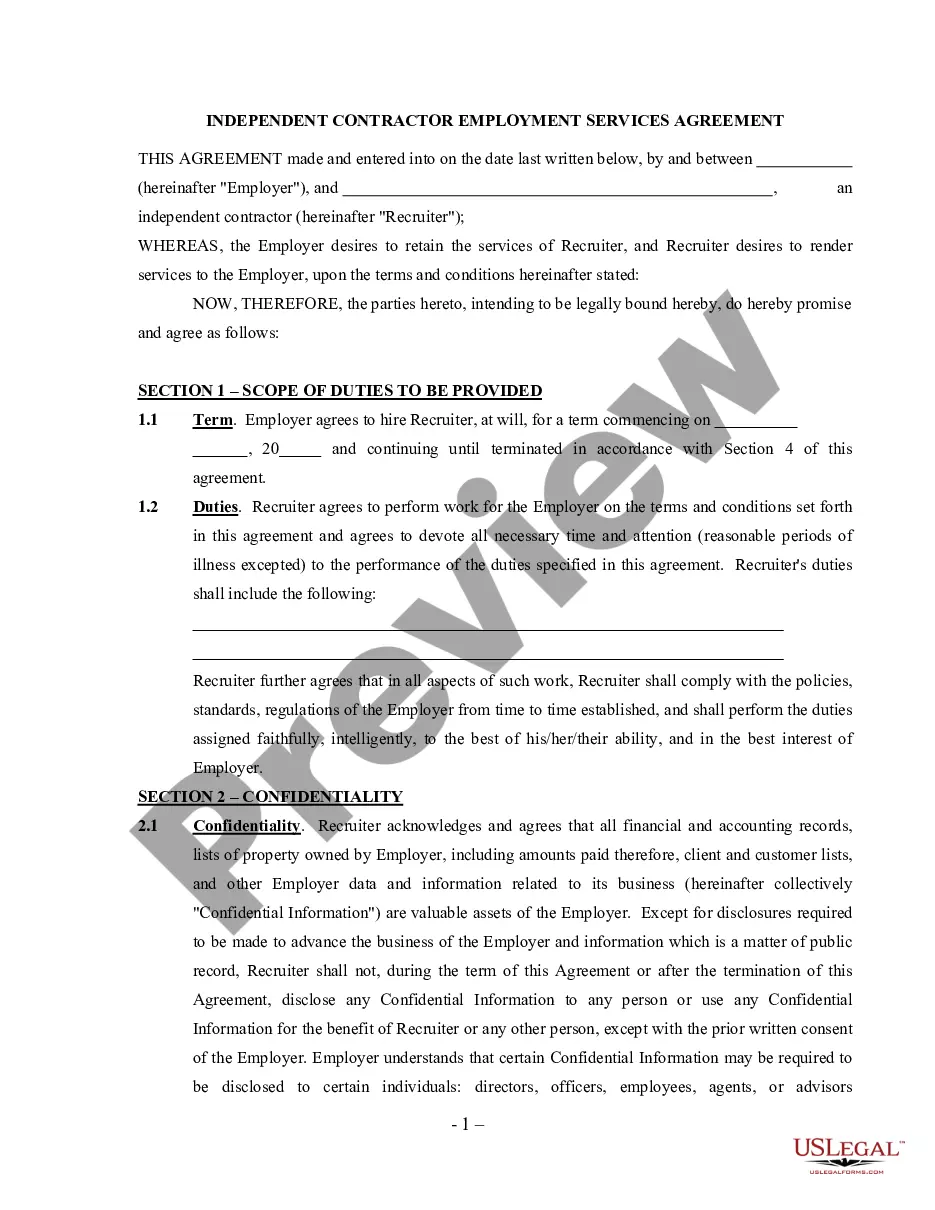
The Headhunter Agreement - Self-Employed Independent Contractor is a legal document outlining the terms between a recruiting agency and a headhunter. This form establishes the headhunter's responsibilities to find employment for third parties or assist clients in seeking job opportunities. Unlike other employment contracts, this agreement focuses specifically on the relationship between the headhunter and the employer or client, thereby clarifying the independent contractor status.
Form components explained
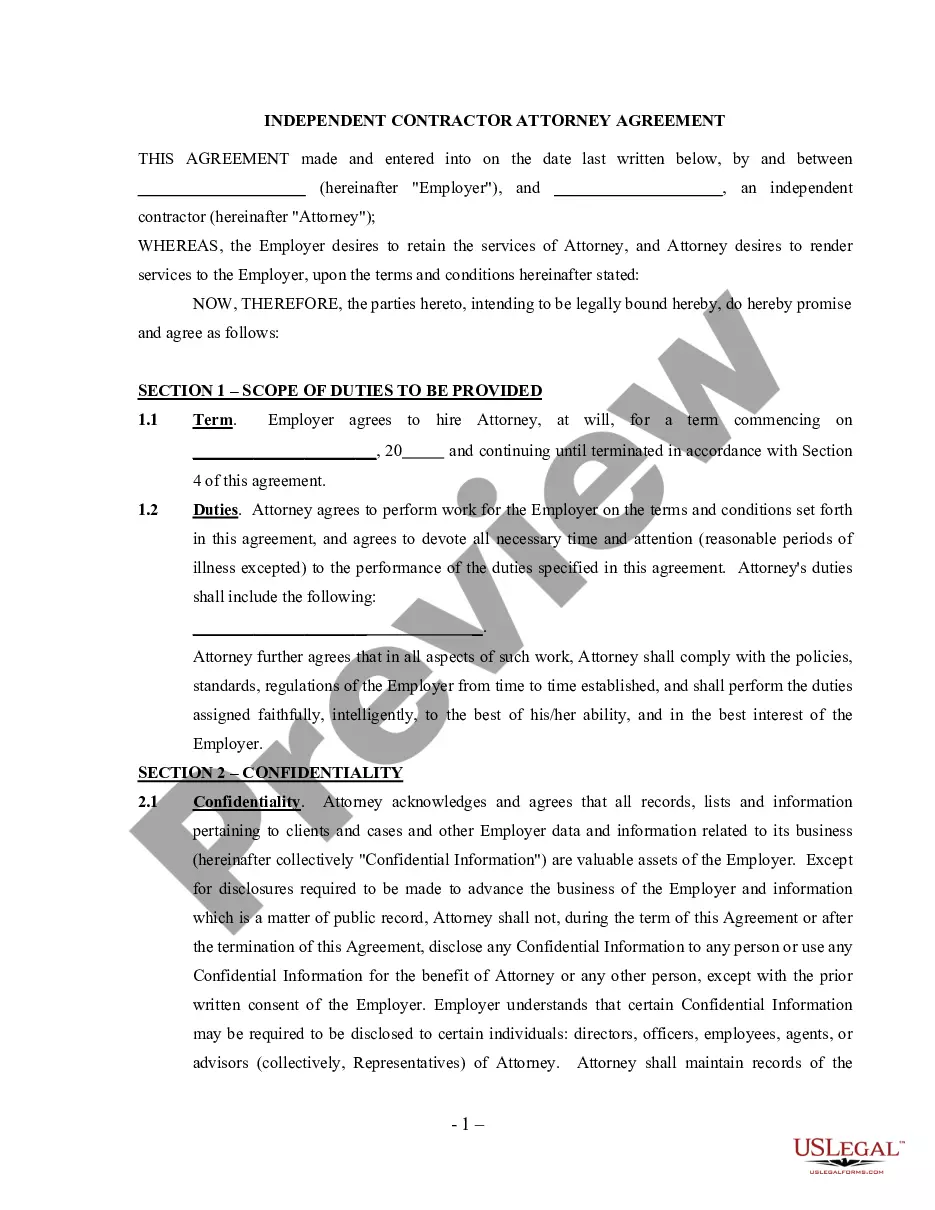
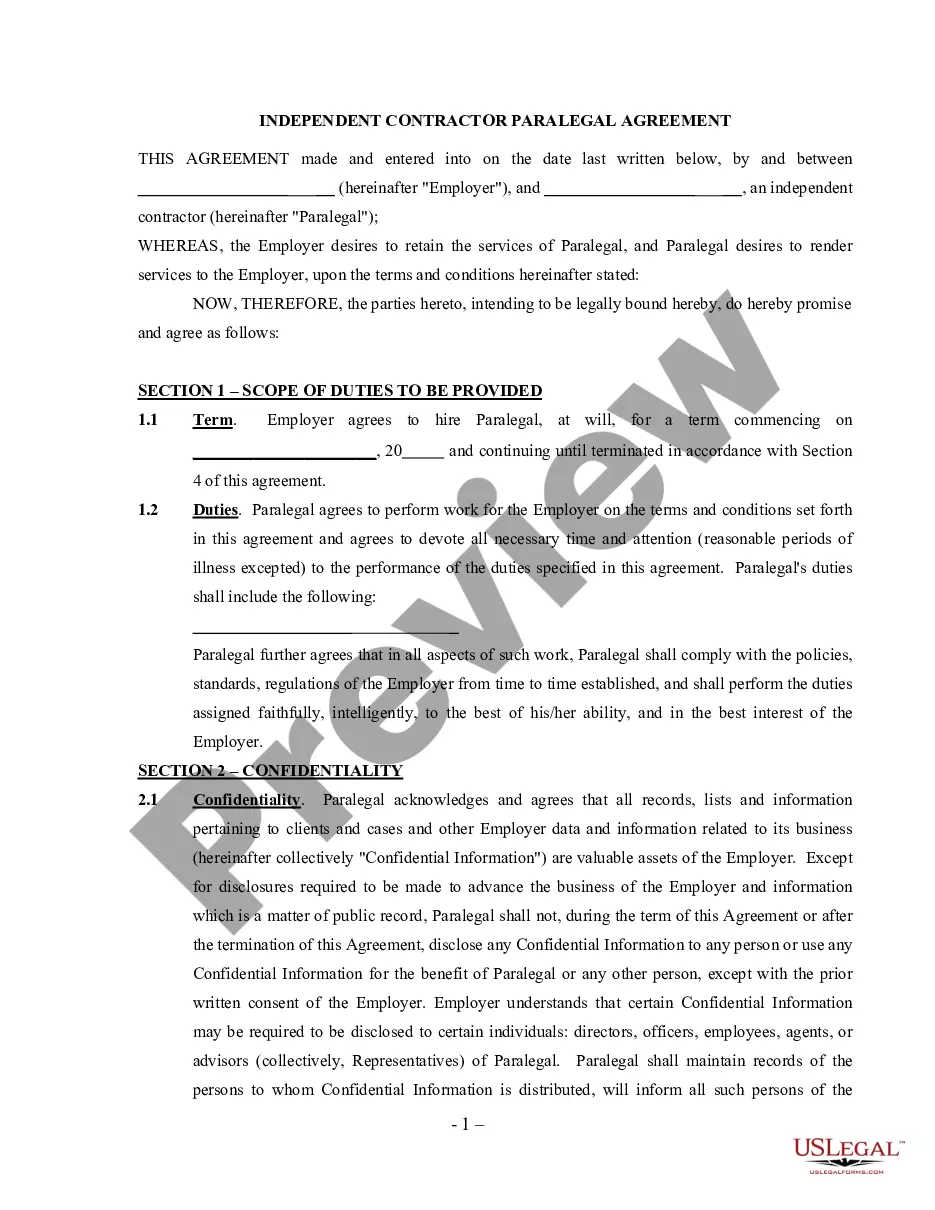
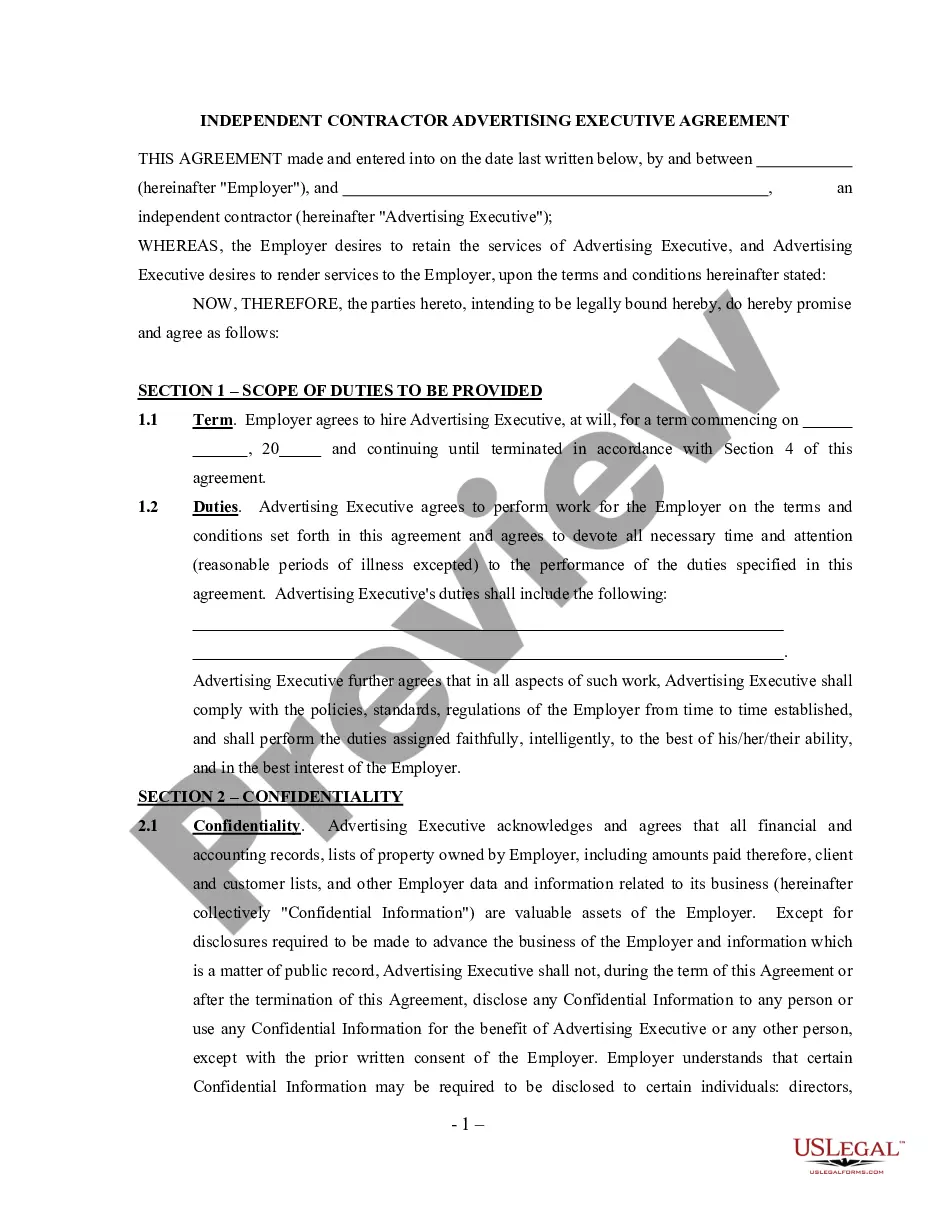
- SCOPE OF DUTIES: Details the services the headhunter agrees to provide.
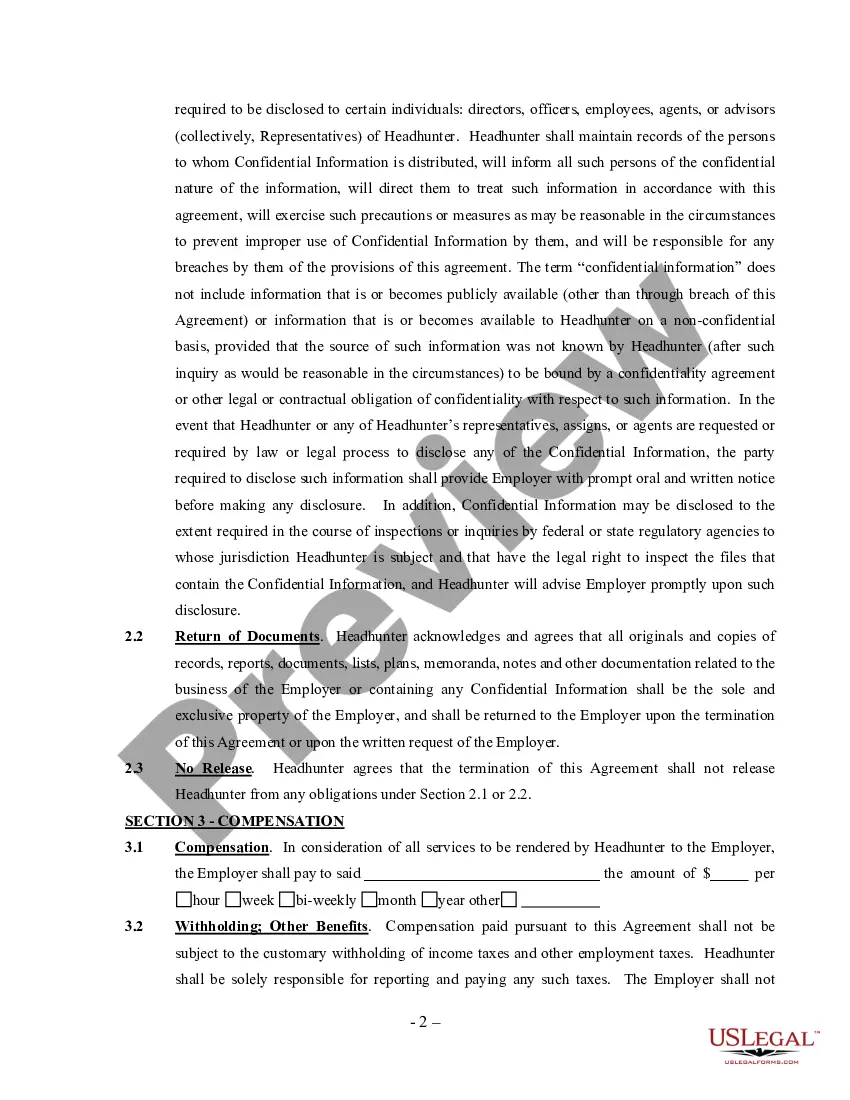
- CONFIDENTIALITY: Outlines how sensitive information must be handled and protected.
- COMPENSATION: Specifies how and when the headhunter will be paid.
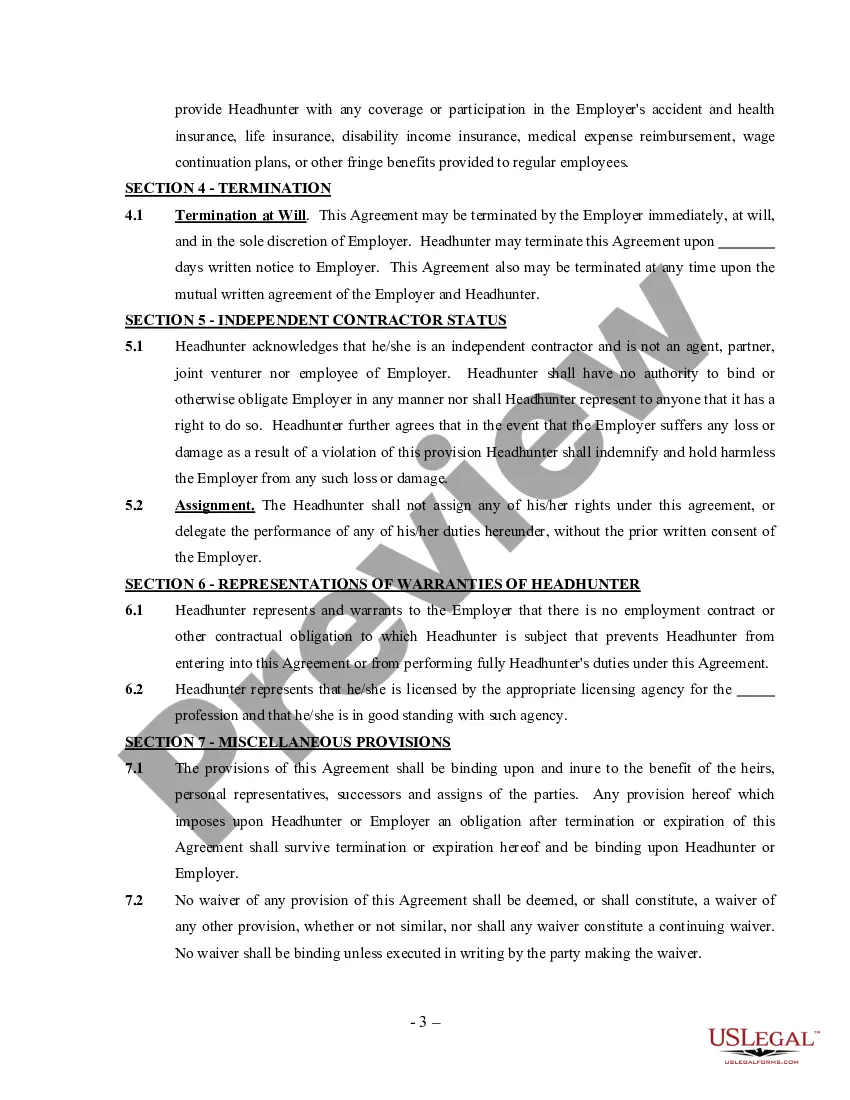
- TERMINATION: Discusses the conditions under which the agreement can be ended.
- INDEPENDENT CONTRACTOR STATUS: Confirms that the headhunter operates as an independent contractor and not as an employee.
- REPRESENTATIONS AND WARRANTIES: The headhunter's assurances regarding their ability to fulfill the agreement.
Situations where this form applies
This form is essential when a company wants to hire a self-employed headhunter to source candidates for job positions. It can be useful in various scenarios, such as when an organization lacks an in-house recruiting team or when a client seeks specific expertise in filling specialized roles. Additionally, this agreement helps establish clear expectations and boundaries in the working relationship.
Who can use this document
- Recruiting agencies looking to engage headhunters as independent contractors.
- Companies seeking to work with headhunters to find job candidates.
- Headhunters aiming to formalize their working relationship with an employer or agency.
- Clients needing assistance to navigate the job market and job-searching processes.
Instructions for completing this form
- Identify the parties involved: Ensure the names and addresses of the employer and headhunter are clearly stated.
- Specify the scope of duties: Clearly outline the headhunter's services and responsibilities.
- Include confidentiality terms: Detail how confidential information will be handled by the headhunter.
- Enter compensation terms: State the payment structure and any conditions required for payment.
- Add termination clauses: Specify conditions under which the agreement can be terminated.
- Sign and date the agreement: Both parties should sign to acknowledge and accept the terms.
Notarization requirements for this form
This form does not typically require notarization unless specified by local law.
Get your form ready online
Our built-in tools help you complete, sign, share, and store your documents in one place.
Make edits, fill in missing information, and update formatting in US Legal Forms—just like you would in MS Word.
Download a copy, print it, send it by email, or mail it via USPS—whatever works best for your next step.
Sign and collect signatures with our SignNow integration. Send to multiple recipients, set reminders, and more. Go Premium to unlock E-Sign.
If this form requires notarization, complete it online through a secure video call—no need to meet a notary in person or wait for an appointment.
We protect your documents and personal data by following strict security and privacy standards.

Make edits, fill in missing information, and update formatting in US Legal Forms—just like you would in MS Word.

Download a copy, print it, send it by email, or mail it via USPS—whatever works best for your next step.

Sign and collect signatures with our SignNow integration. Send to multiple recipients, set reminders, and more. Go Premium to unlock E-Sign.

If this form requires notarization, complete it online through a secure video call—no need to meet a notary in person or wait for an appointment.

We protect your documents and personal data by following strict security and privacy standards.
Mistakes to watch out for
- Failing to clearly define the scope of duties.
- Not specifying compensation terms or payment methods.
- Neglecting to address confidentiality provisions thoroughly.
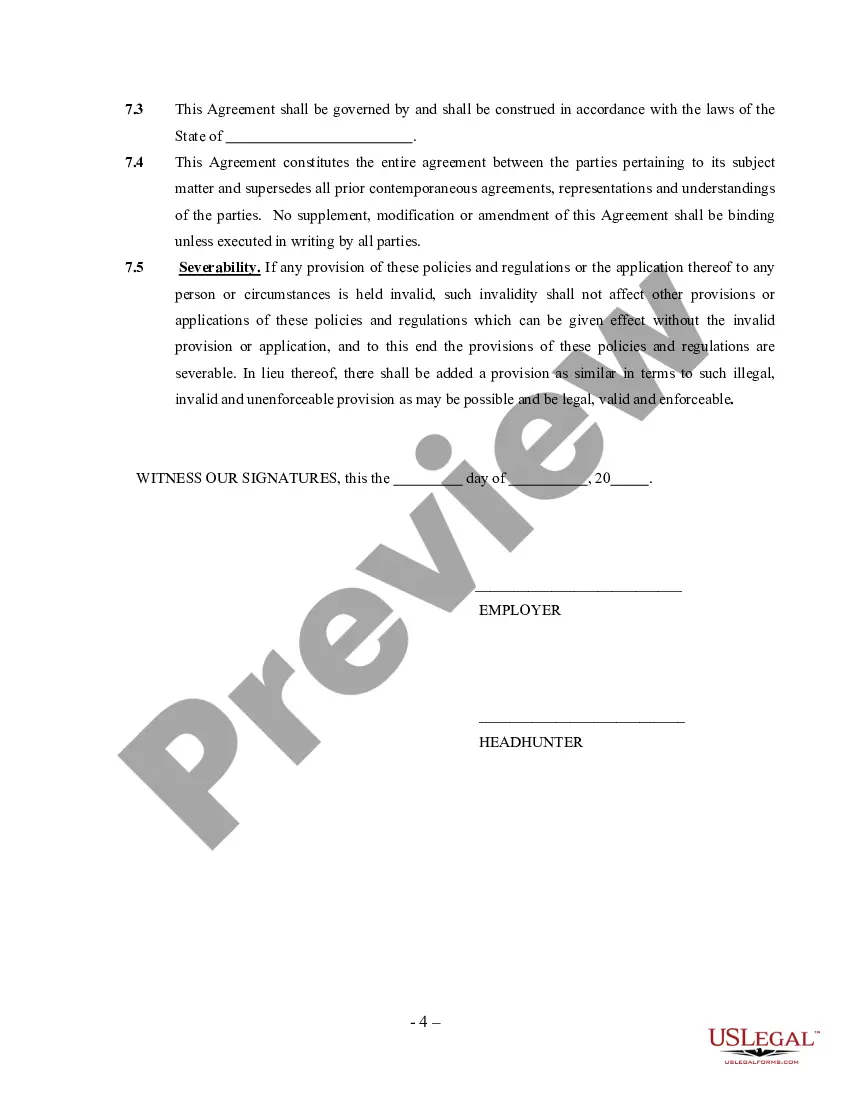
- Omitting signature dates, leading to potential disputes.
Benefits of completing this form online
- Convenience: The form can be completed and downloaded instantly.
- Editability: Users can customize the agreement to fit their specific needs.
- Reliability: The form is provided by licensed attorneys, ensuring it meets legal standards.
- This agreement is enforceable in a court of law if all terms are met.
- Parties must adhere to the confidentiality provisions to avoid legal penalties.
- Failure to comply with the independent contractor status can lead to misclassification issues.
Main things to remember
- The Headhunter Agreement clarifies the independent contractor status.
- It outlines the terms of engagement between a headhunter and employer or client.
- Understanding confidentiality and compensation is crucial for compliance.
Looking for another form?



Form popularity
FAQ
As an independent contractor, you have the right to market your services to other businesses and can work with more than one client at a time. Even if you have a long-term contract with a particular client, you can choose to work on additional projects as well.
4235 is called the Protecting Independent Contractors from Discrimination Act of 2019. If passed, the bill would allow independent contractors to sue employers for discrimination based on race, sex, religion, color, national origin, age, disability and genetic heredity as well as wage theft.
Terms. This is the first section of any agreement or contract and states the names and locations of the parties involved. Responsibilities & Deliverables. Payment-Related Details. Confidentiality Clause. Contract Termination. Choice of Law.
Protect your social security number. Have a clearly defined scope of work and contract in place with clients. Get general/professional liability insurance. Consider incorporating or creating a limited liability company (LLC).
For most types of projects you hire an independent contractor (IC) to do, the law does not require you to put anything in writing. You can meet with the IC, agree on the terms of your arrangement, and have an oral contract or agreement that is legally binding. Just because you can doesn't mean you should, however.
The earnings of a person who is working as an independent contractor are subject to Self-Employment Tax. If you are an independent contractor, you are self-employed. To find out what your tax obligations are, visit the Self-Employed Tax Center.
Make sure the contractor obtains a permit if the job requires one. Ask for a copy of the contractor's license and proof of insurance. Pay by check and get a receipt. Document any changes to the contract in writing.
Terms. This is the first section of any agreement or contract and states the names and locations of the parties involved. Responsibilities & Deliverables. Payment-Related Details. Confidentiality Clause. Contract Termination. Choice of Law.
The IRS requires contractors to fill out a Form W-9, request for Taxpayer Identification Number and Certification, which you should keep on file for at least four years after the hiring. This form is used to request the correct name and Taxpayer Identification Number, or TIN, of the worker or their entity.