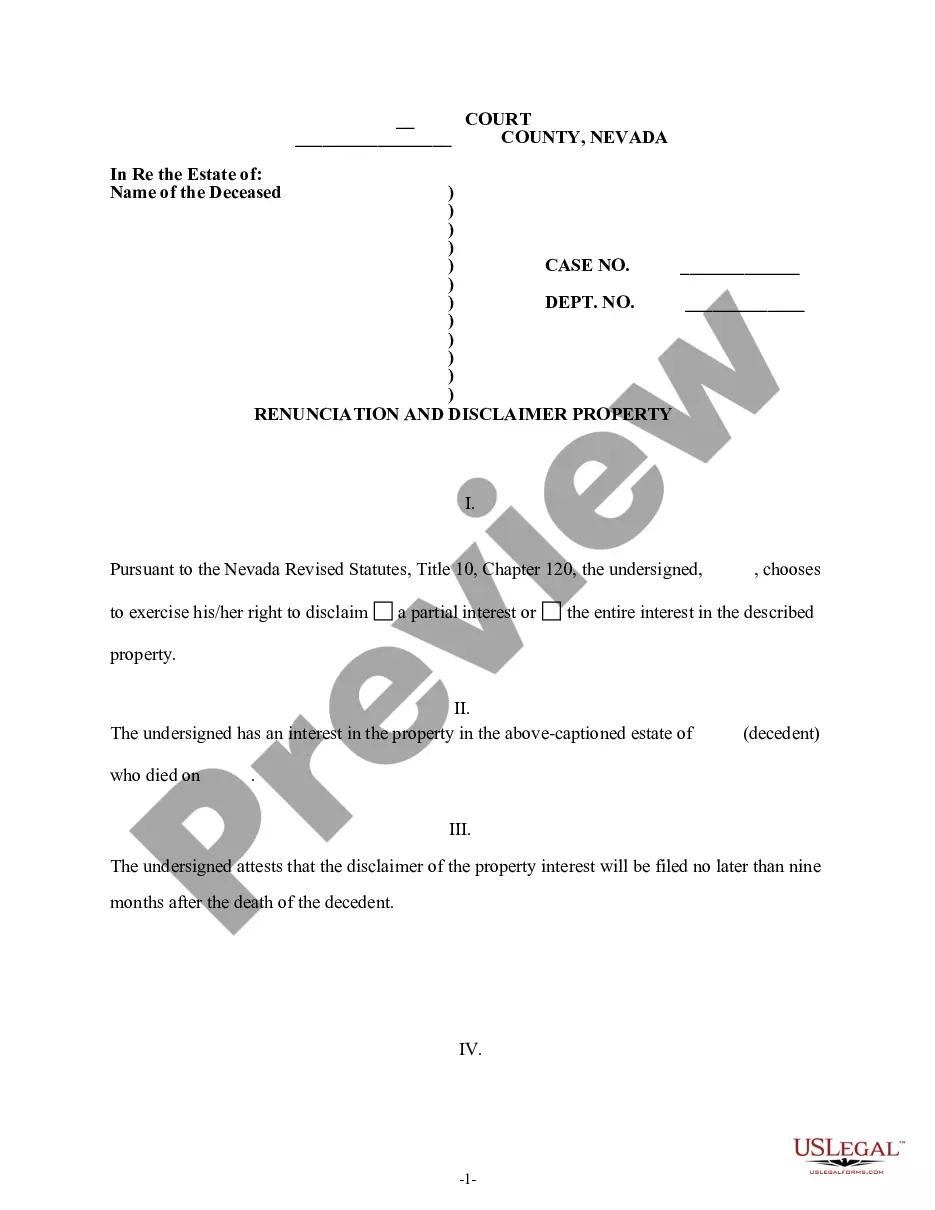
DEFENSE THEORY
What this document covers
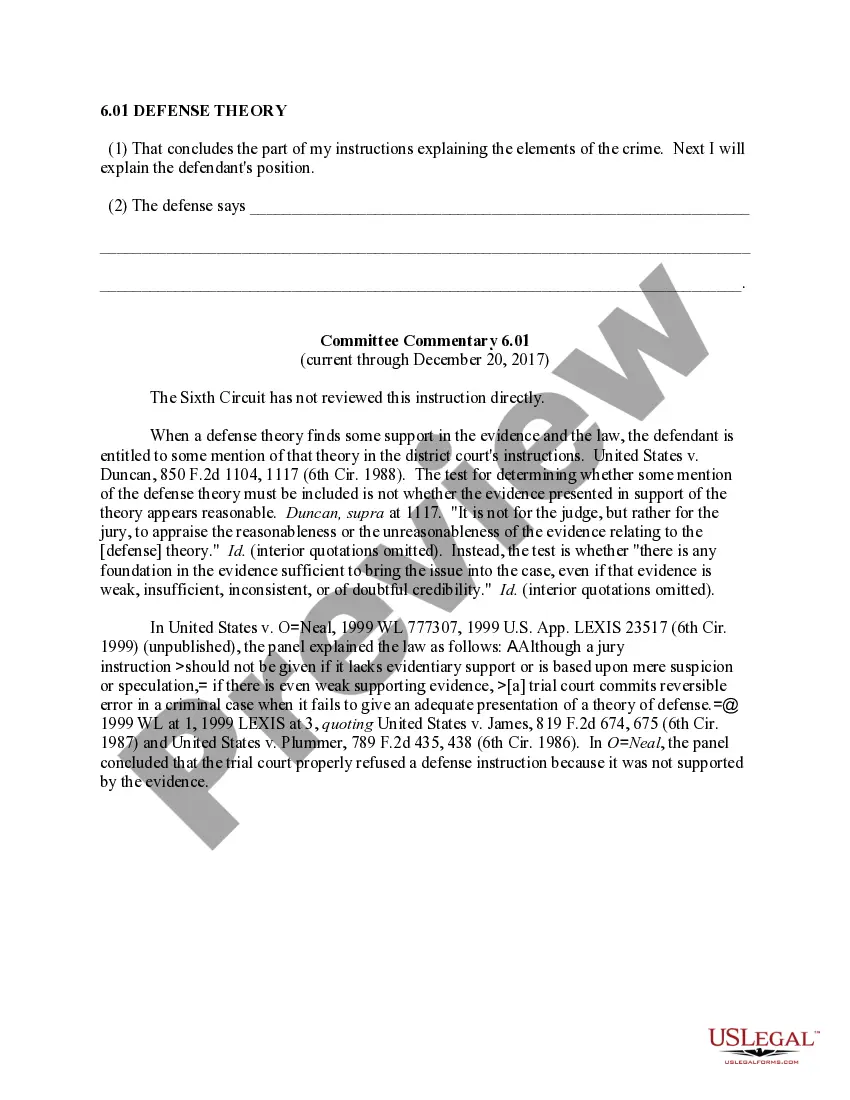
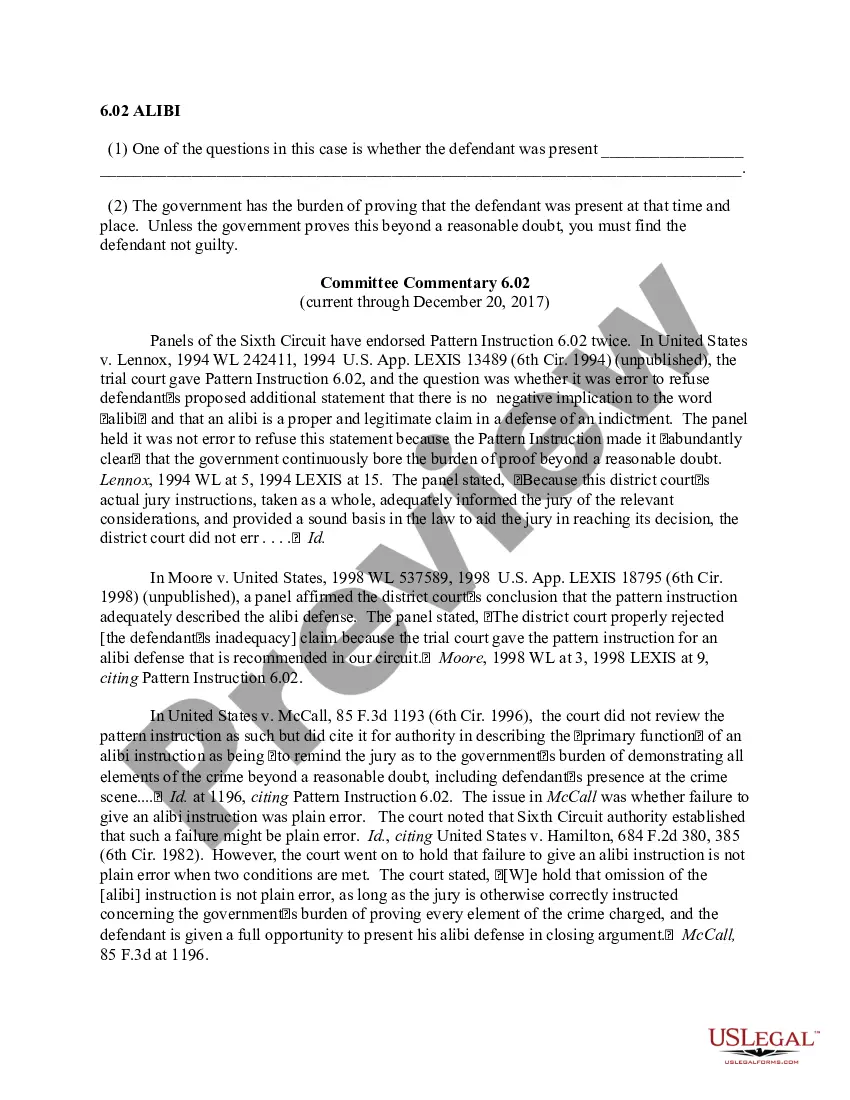
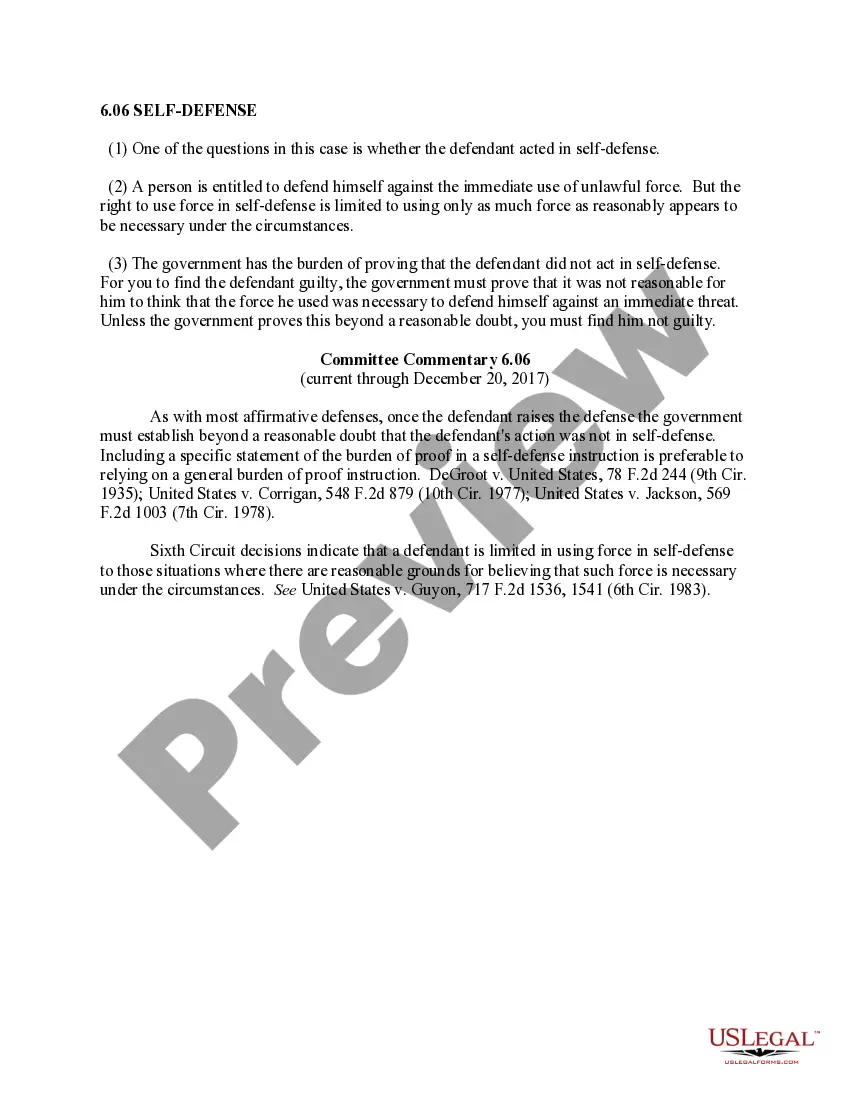
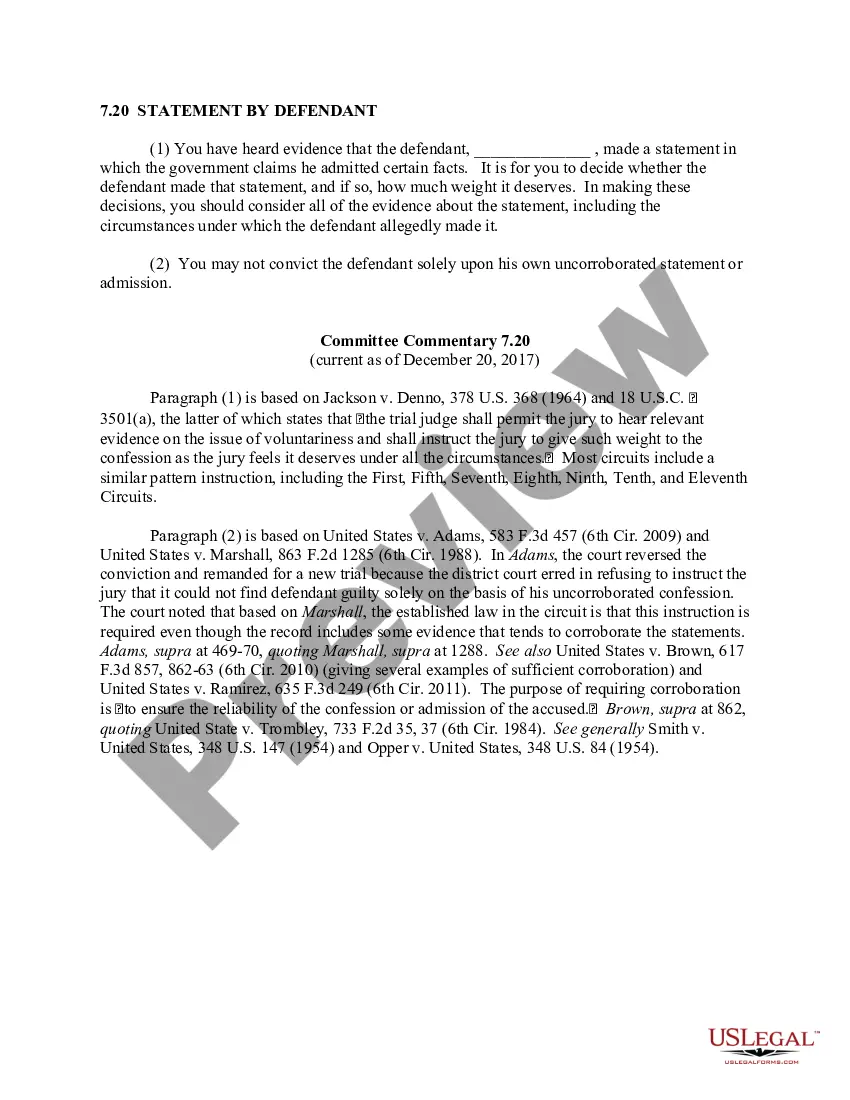
The Defense Theory form outlines the defendant's position during a trial. It serves to clarify the legal theory underpinning the defense's stance, ensuring that the jury is informed of any legitimate defense arguments. This form is crucial in distinguishing the defendant's position from the prosecution's claims, allowing for a balanced presentation of the case in court.
Key components of this form
- Introduction to the defendant's position in the case.
- Space for the defense to articulate their theory in their own words.
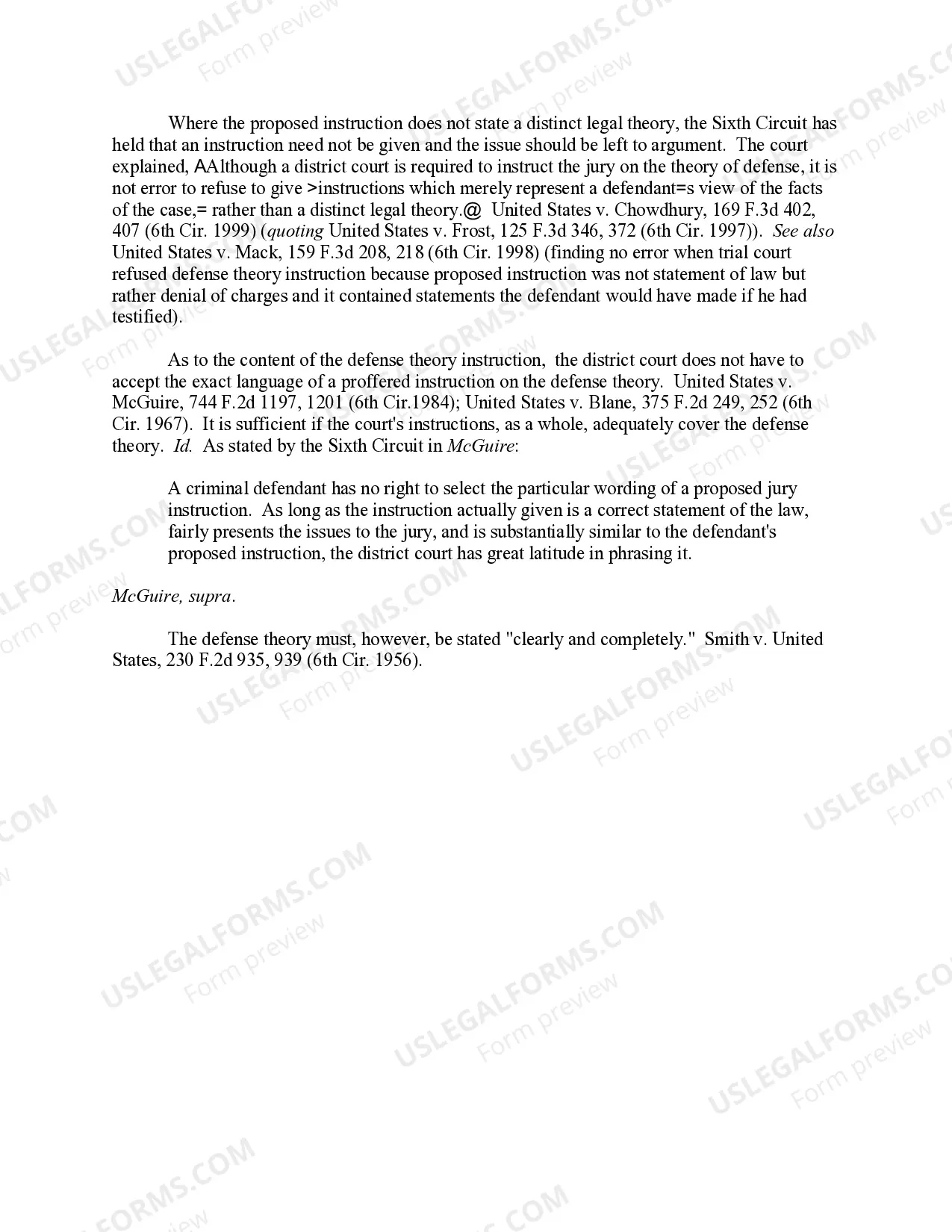
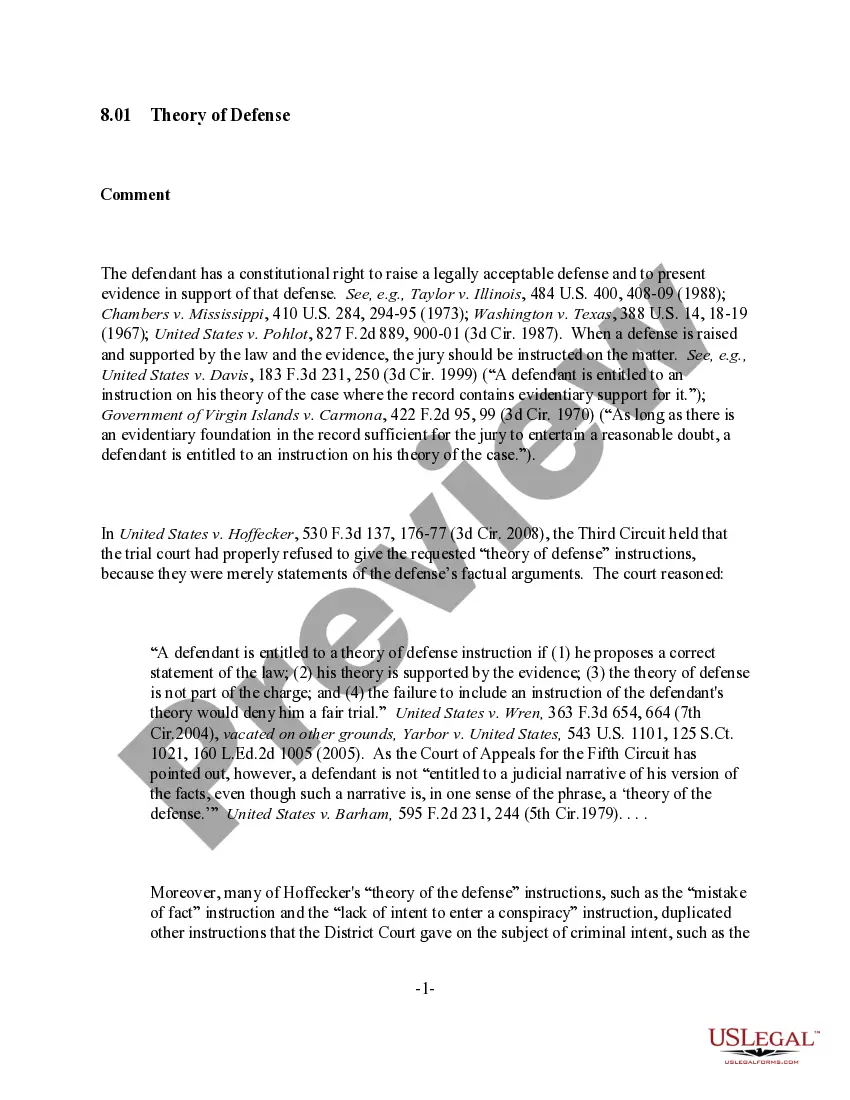
- References to relevant judicial rulings and standards regarding defense theories.
- Guidance on the sufficiency of evidence to support the defense's argument.
- Clarification that jury instructions must include recognized legal theories.
Common use cases
This form is used in criminal trials when the defendant's legal team needs to present a specific defense theory to the jury. It is important when there are factual disputes that could impact the jury's decisions, helping to ensure that the defense's perspective is formally acknowledged in the trial process.
Who can use this document
- Defendants in a criminal trial.
- Defense attorneys representing clients in court.
- Legal teams who need to provide clear defense strategies to juries.
Instructions for completing this form
- Identify the defendant and the relevant case details.
- Clearly state the defense theory in the provided section.
- Include any supporting evidence or rationale for the defense.
- Ensure that the language used corresponds to established legal standards.
- Review the completed form for clarity and completeness before submitting.
Notarization guidance
In most cases, this form does not require notarization. However, some jurisdictions or signing circumstances might. US Legal Forms offers online notarization powered by Notarize, accessible 24/7 for a quick, remote process.
Get your form ready online
Our built-in tools help you complete, sign, share, and store your documents in one place.
Make edits, fill in missing information, and update formatting in US Legal Forms—just like you would in MS Word.
Download a copy, print it, send it by email, or mail it via USPS—whatever works best for your next step.
Sign and collect signatures with our SignNow integration. Send to multiple recipients, set reminders, and more. Go Premium to unlock E-Sign.
If this form requires notarization, complete it online through a secure video call—no need to meet a notary in person or wait for an appointment.
We protect your documents and personal data by following strict security and privacy standards.

Make edits, fill in missing information, and update formatting in US Legal Forms—just like you would in MS Word.

Download a copy, print it, send it by email, or mail it via USPS—whatever works best for your next step.

Sign and collect signatures with our SignNow integration. Send to multiple recipients, set reminders, and more. Go Premium to unlock E-Sign.

If this form requires notarization, complete it online through a secure video call—no need to meet a notary in person or wait for an appointment.

We protect your documents and personal data by following strict security and privacy standards.
Typical mistakes to avoid
- Failing to adequately support the defense theory with evidence.
- Using vague or unclear language that does not specify the legal theory.
- Omitting necessary details about the case context.
- Not reviewing local jurisdiction requirements prior to use.
Advantages of online completion
- Convenient access to legally drafted templates available for download.
- Editable features allow users to tailor the form to specific cases.
- Reliable guidance ensures that the form aligns with legal standards.
- 24/7 availability to help users complete forms at their convenience.
Looking for another form?
Form popularity
FAQ
One theory of defense is an assertion that the evidence negates an element of the offense, or simply that the government has not proven each element beyond a reasonable doubt.
Defense Examples: We believe that the defendant is not guilty of first degree murder because he/she had too much at stake, mandy acted out of her own volition, and the termites were most likely dormant in the paifang.
Case Theory Statement Samples. Prosecution Examples: We believe that the defendant is guilty of first degree murder because he/she had a motive, a way to kill discretely, and the defendants behavior leading up to the incident.
The insanity defense is essentially the claim that the state of mind of the agent at the time of his/her unlawful act prevents conclusive inference from the act to a defective level of moral/legal motivation (as being its necessary condition), hence it provides a release from culpability.
Elements of a strong defense opening statement in a criminal trial Tell a story.Plant the defense themes.Make concessions only with great caution.Make the defense case concisely.Humanize the defendant.Make no promises about the defendant testifying.Argue the defendant's case.End on a high note.
The theory of the case should be expressed in a single paragraph that combines the specific facts and the applicable legal principles in such a way as to justify the desired legal outcome and lead the judge or jury to the inescapable conclusion that your client must succeed.
The human body has three primary lines of defense to fight against foreign invaders, including viruses, bacteria, and fungi. The immune system's three lines of defense include physical and chemical barriers, non-specific innate responses, and specific adaptive responses.
California law not only permits you to act in defense of yourself but in the defense of others, as well. To establish that you acted in self-defense of another person, you must prove you had a reasonable belief that force was necessary to protect another person from an imminent threat of danger.