New Jersey Special or Limited Power of Attorney for Real Estate Sales Transaction By Seller
What this document covers
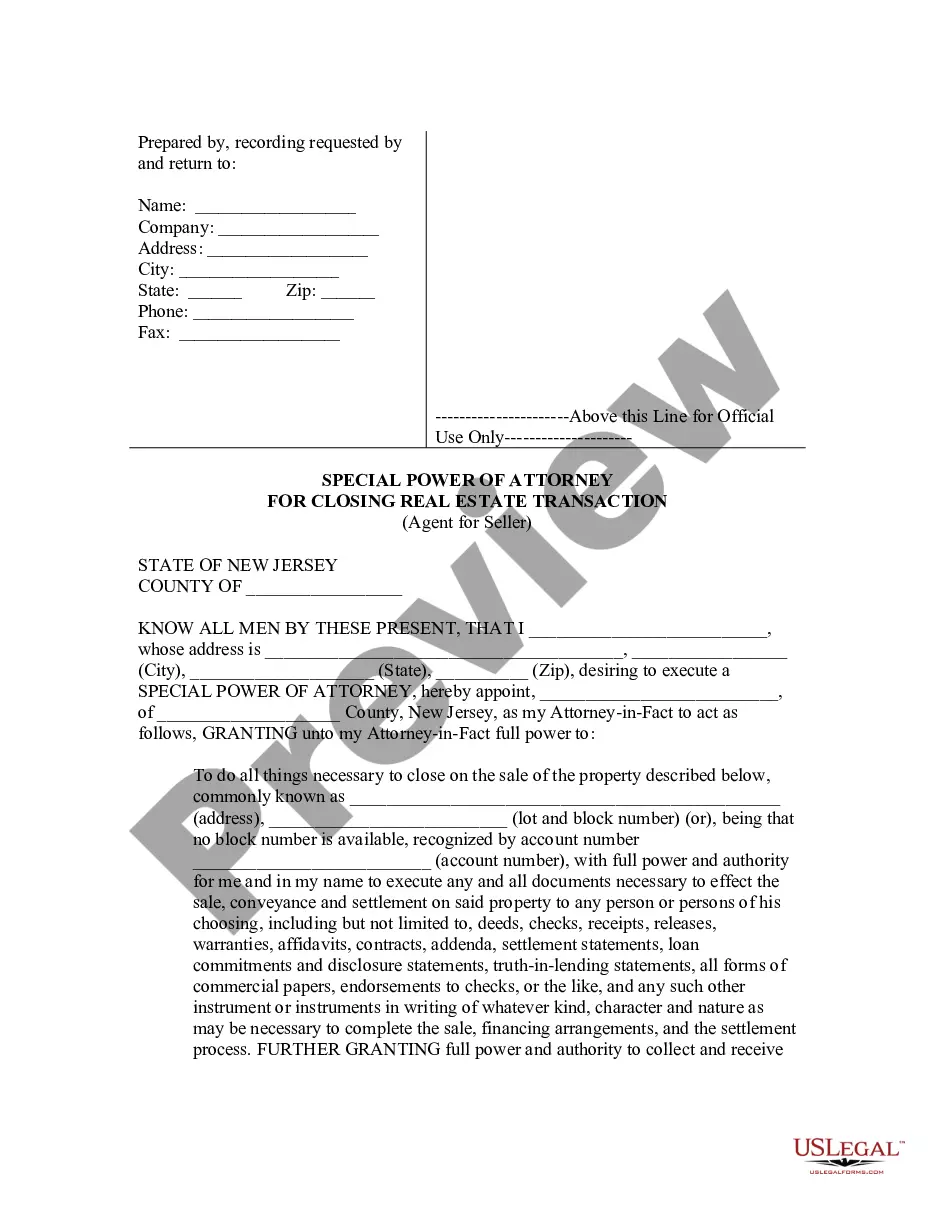
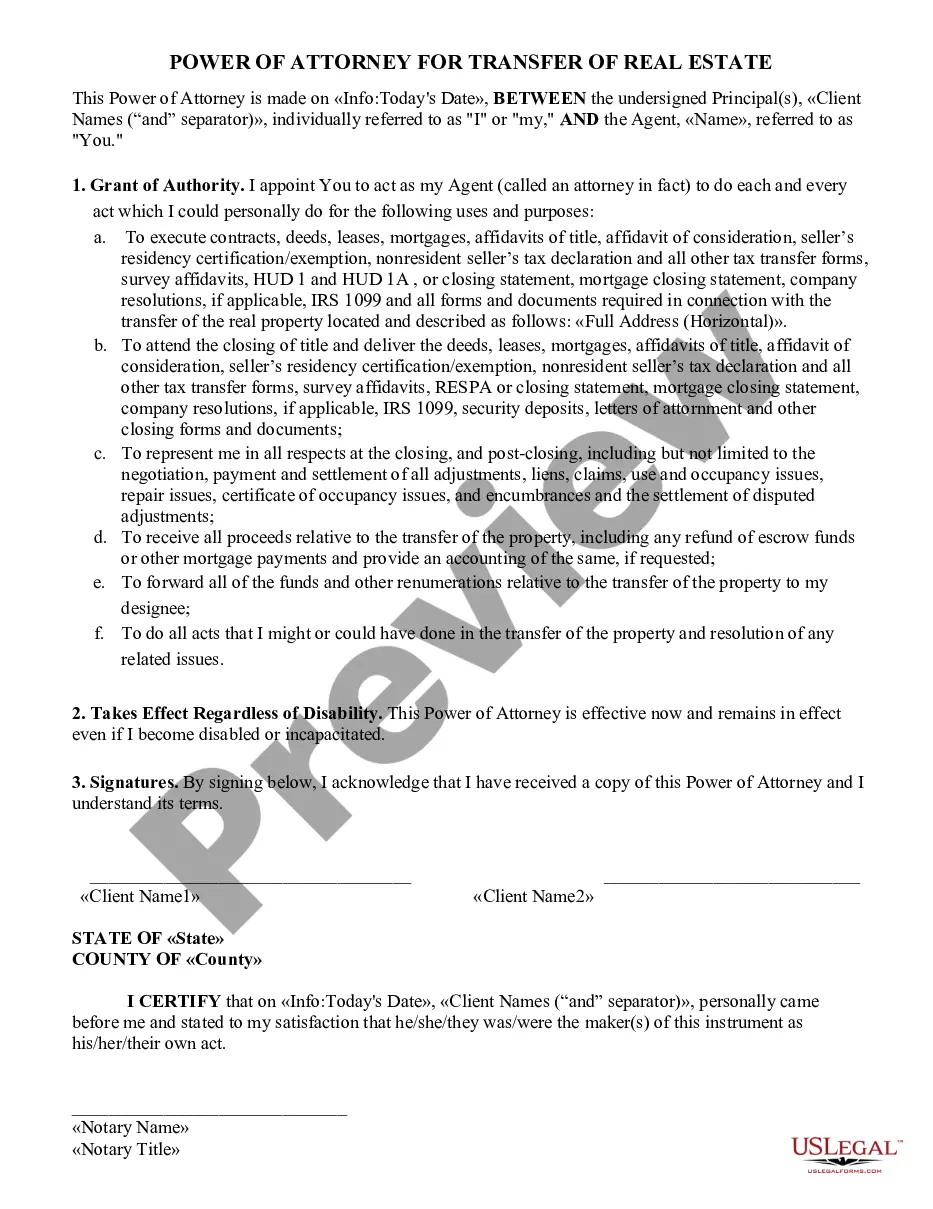
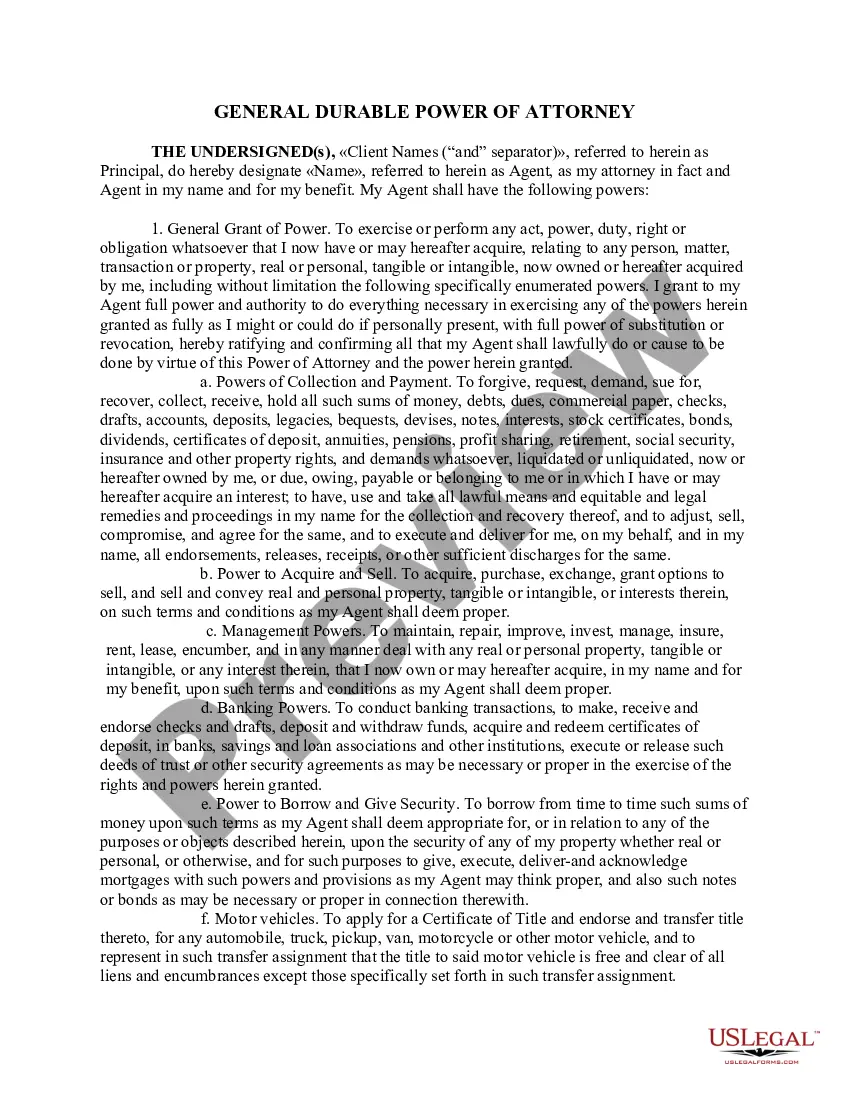
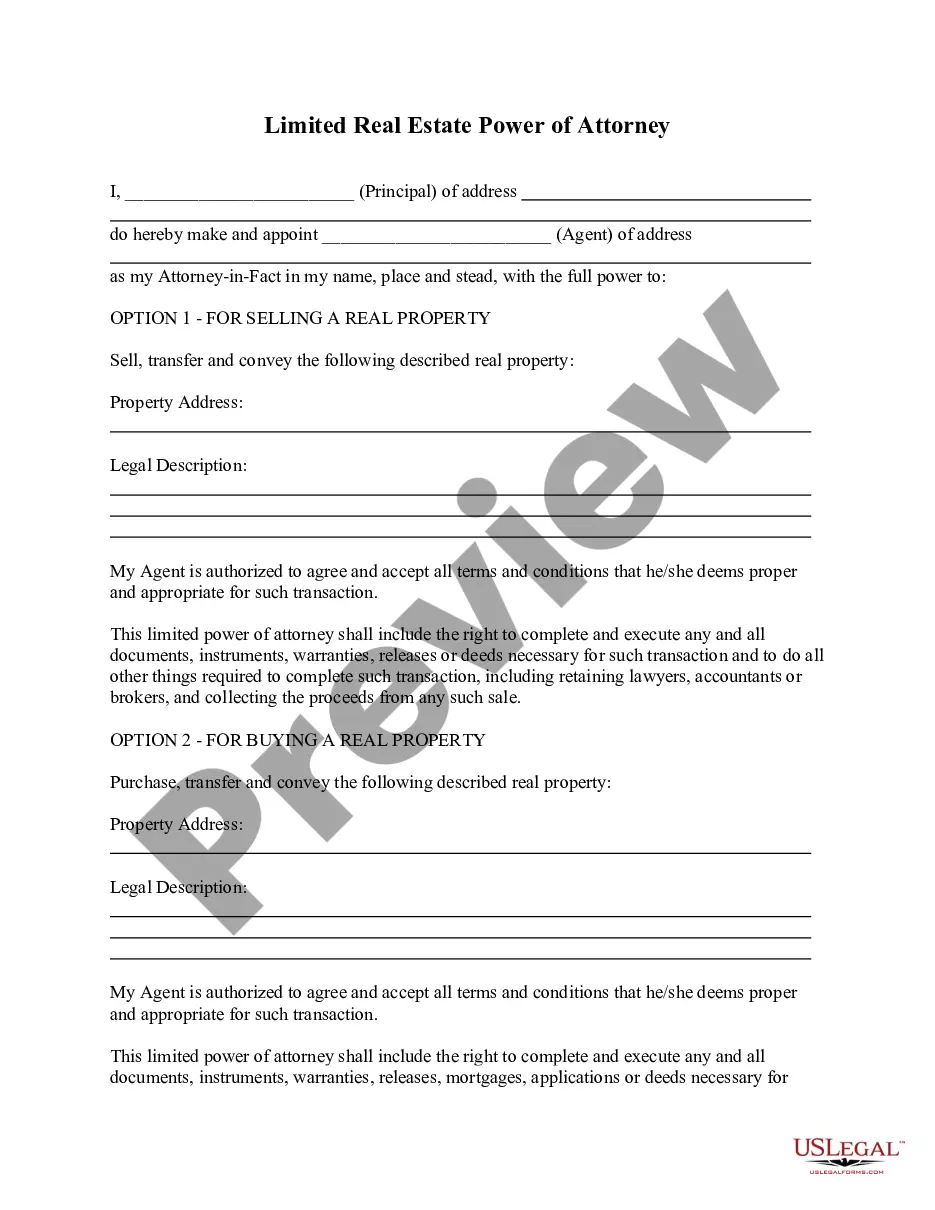
This Special or Limited Power of Attorney for Real Estate Sales Transaction By Seller form allows a seller to designate an attorney-in-fact. This attorney-in-fact can execute necessary documents and take actions required to complete a sale of a specified parcel of real estate. It differs from a general power of attorney by being limited to real estate transactions and specific instructions regarding the sale.
What’s included in this form
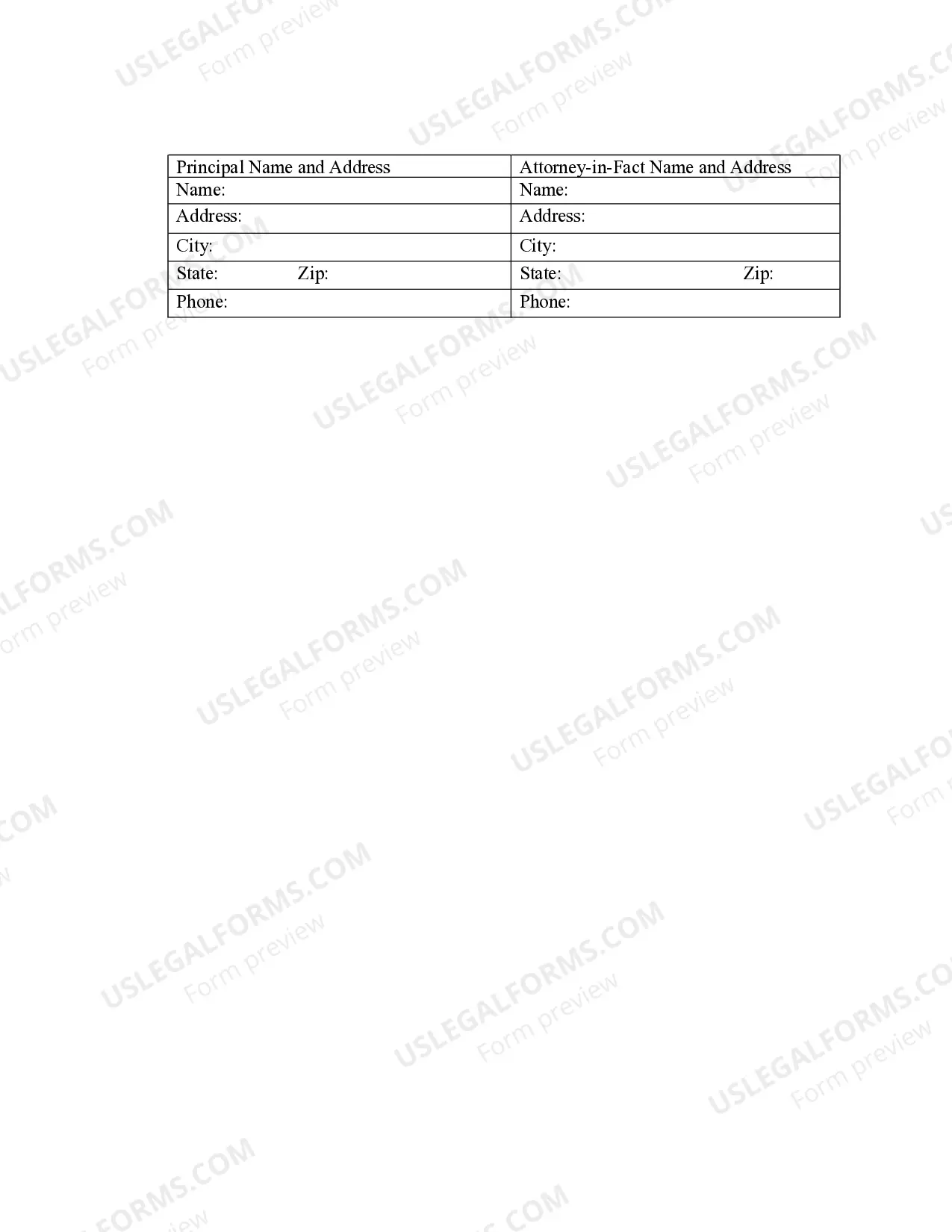
- Principal Information: Name and address of the seller appointing the attorney-in-fact.
- Attorney-in-Fact Designation: Name and location of the person authorized to act on behalf of the seller.
- Property Description: Detailed information regarding the real estate being sold, including address and legal descriptions.
- Powers Granted: A clause outlining the powers given to the attorney-in-fact, such as executing documents and receiving funds.
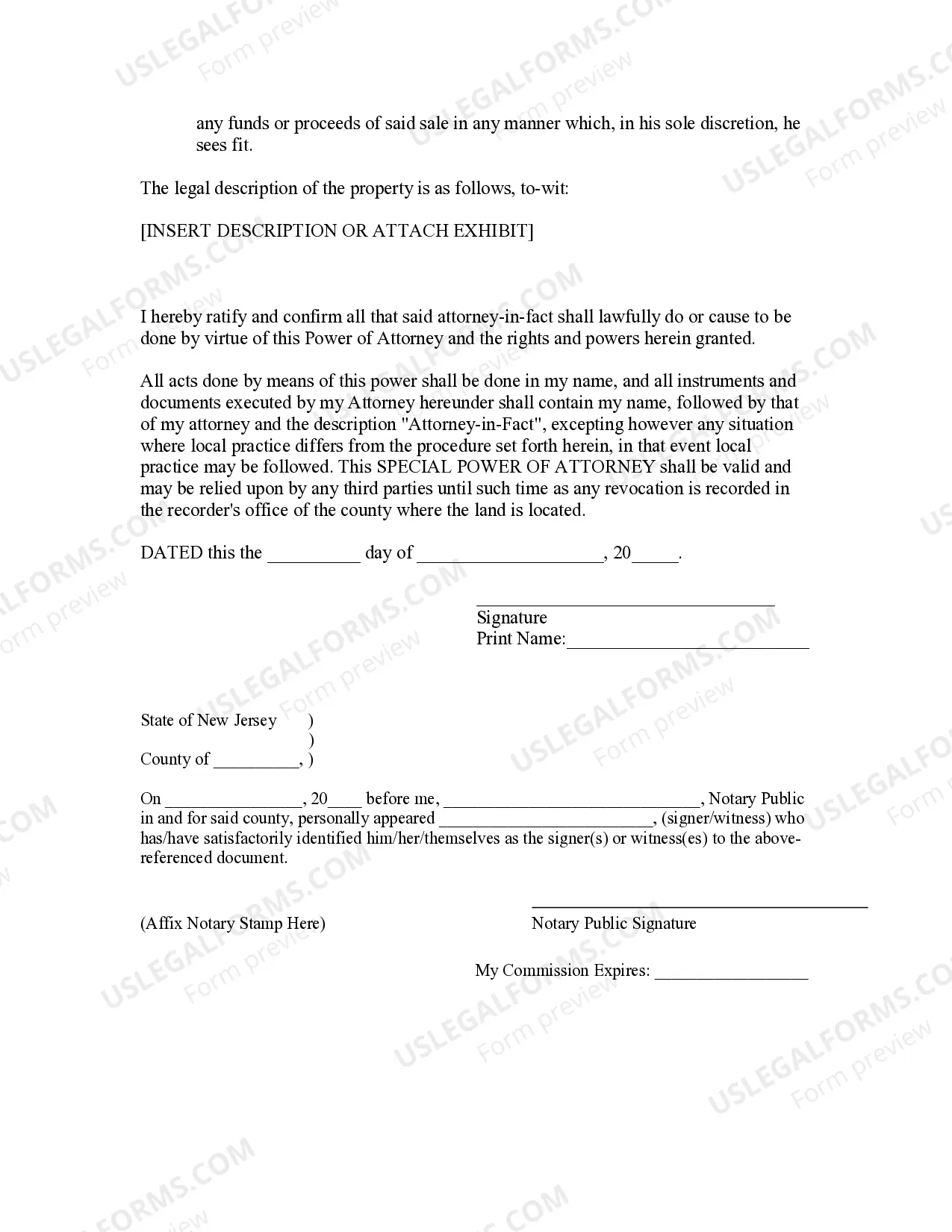
- Signature Section: Area for the seller's signature, along with a notary acknowledgment if applicable.
When to use this document
This form should be used in scenarios where a seller cannot be present to finalize the details of a real estate transaction. It is applicable when the seller needs to delegate authority to someone else to manage the necessary legal documents and procedures involved in selling property, such as during a relocation or while they are indisposed.
Who needs this form
Eligible users include:
- Property sellers who wish to authorize someone else to handle the sale.
- Individuals unable to attend closing meetings due to physical absence or scheduling issues.
- Real estate agents representing sellers in transactions.
Completing this form step by step
To complete the Special or Limited Power of Attorney for Real Estate Sales Transaction By Seller form, follow these steps:
- Identify the parties: Enter the seller's name and address, along with the attorney-in-fact's name and address.
- Specify the property: Describe the real estate being sold, including its address and legal description.
- Grant powers: Clearly outline the powers being granted to the attorney-in-fact regarding the sale.
- Sign the document: The seller must sign the form where indicated, and date it appropriately.
- Notarization: If required, have the signing witnessed and notarized to confirm its validity.
Notarization requirements for this form
Yes, this form must be notarized to be legally valid. It requires a notary public to verify the identity of the signatory and witness the signing of the document, ensuring its acceptance in legal contexts. US Legal Forms offers integrated online notarization services, available 24/7 through secure video calls, eliminating the need for in-person visits.
Get your form ready online
Our built-in tools help you complete, sign, share, and store your documents in one place.
Make edits, fill in missing information, and update formatting in US Legal Forms—just like you would in MS Word.
Download a copy, print it, send it by email, or mail it via USPS—whatever works best for your next step.
Sign and collect signatures with our SignNow integration. Send to multiple recipients, set reminders, and more. Go Premium to unlock E-Sign.
If this form requires notarization, complete it online through a secure video call—no need to meet a notary in person or wait for an appointment.
We protect your documents and personal data by following strict security and privacy standards.

Make edits, fill in missing information, and update formatting in US Legal Forms—just like you would in MS Word.

Download a copy, print it, send it by email, or mail it via USPS—whatever works best for your next step.

Sign and collect signatures with our SignNow integration. Send to multiple recipients, set reminders, and more. Go Premium to unlock E-Sign.

If this form requires notarization, complete it online through a secure video call—no need to meet a notary in person or wait for an appointment.

We protect your documents and personal data by following strict security and privacy standards.
Avoid these common issues
- Leaving out necessary property details, causing confusion about what property is being conveyed.
- Not signing the document, rendering it invalid.
- Failing to have the document notarized where required, which could lead to disputes.
Why complete this form online
- Convenience of completing the form online and downloading it for personal use.
- Editability allows users to customize the form easily to fit their specific transaction.
- Access to attorney-drafted forms ensures legal compliance and reduces errors.
Legal use & context
- This power of attorney form is legally recognized and can be enforced in New Jersey.
- It allows the attorney-in-fact to act on behalf of the seller in a specified real estate transaction.
- Ensure that the form complies with local laws and regulations to avoid any potential issues during the sale.
Summary of main points
- The Special or Limited Power of Attorney is specific to real estate transactions.
- This form allows a seller to appoint another individual to manage the sale of their property.
- Proper completion and notarization are crucial for the validity of this document.
Looking for another form?







Form popularity
FAQ
Name, signature, and address of the principal. Name, signature, and address of the agent. Properties and activities under the authority of the agent. Date of effect and termination of authority. Compensation to services of the agent.
Remember that all of the authorized agents under the power of attorney or representatives in an estate must sign the listing agreement, disclosure documents, etc. For example, when there are two executors in an estate, then they both must sign the Listing Contract.
Remember that all of the authorized agents under the power of attorney or representatives in an estate must sign the listing agreement, disclosure documents, etc. For example, when there are two executors in an estate, then they both must sign the Listing Contract.
An attorney-in-fact named in a valid durable power of attorney for property can sign a lease on behalf of the principal as long as the document gives the attorney-in-fact the authority to do so. Review the document to see what powers are granted.
The POA can be a useful tool in residential real estate transactions when a necessary party will be unavailable to execute documents prior to or attend the closing.In order to be recorded, the POA presented must contain the original signature of the principal, and it must be notarized.
In New Jersey, all power of attorney documents require that both the principal and the attorney-in-fact are competent and be of sound mind at the point at which they are executed. They must be signed in the presence of at least 2 witnesses and in the presence of a licensed Notary of the State of New Jersey.
The durable power of attorney is almost always required. This instrument gives another person specific powers to sign for an individual in a real estate transaction where the exact name and description of the property is stated in the document.
The signature line on the deed should clearly state that the attorney/agent is signing under a power of attorney authorized by the principal. For example, the signature line should read: "_____, as duly authorized attorney in fact for the Grantor." Additionally, the deed will need to be notarized by a public notary.
A power of attorney (POA) for a real estate closing is permissible if not all parties can make it to the settlement table, but is not to be used as a matter of convenience. A POA is written authorization to act in a legal capacity on another's behalf, in certain circumstances, which are laid out in the document.