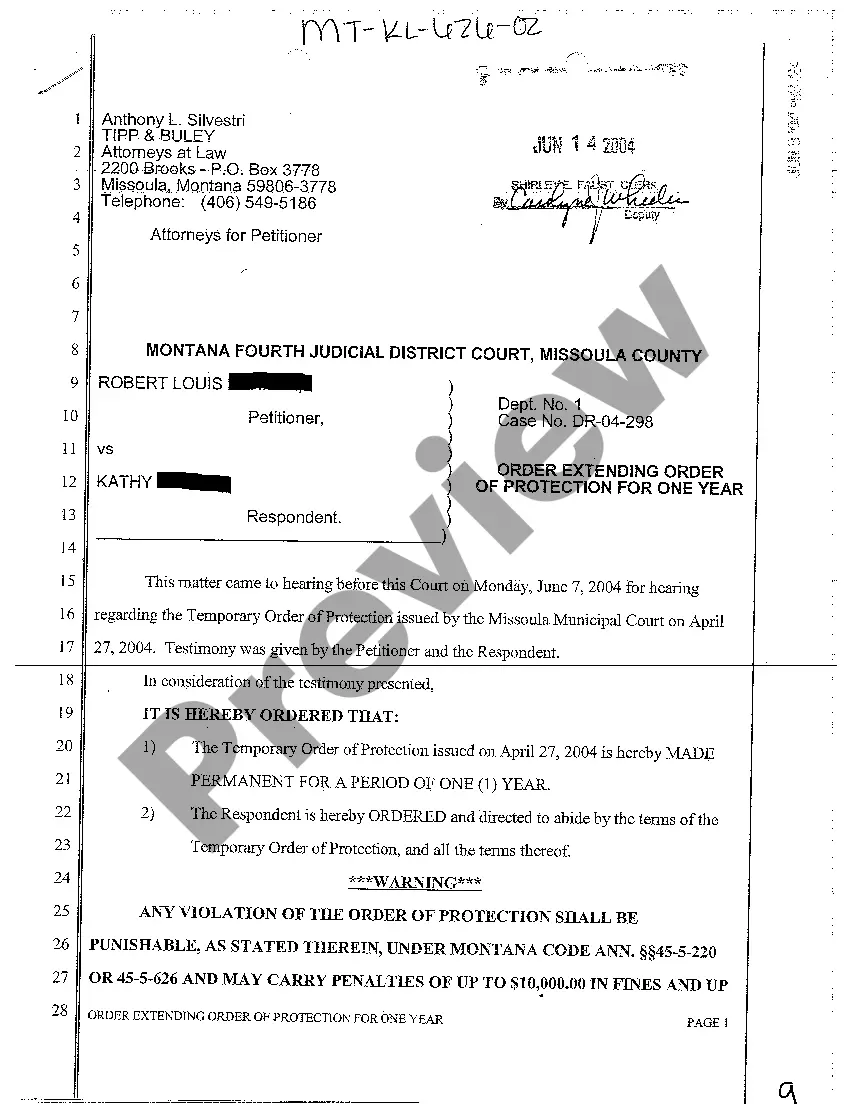
Uniform Residential Loan Application
What is this form?
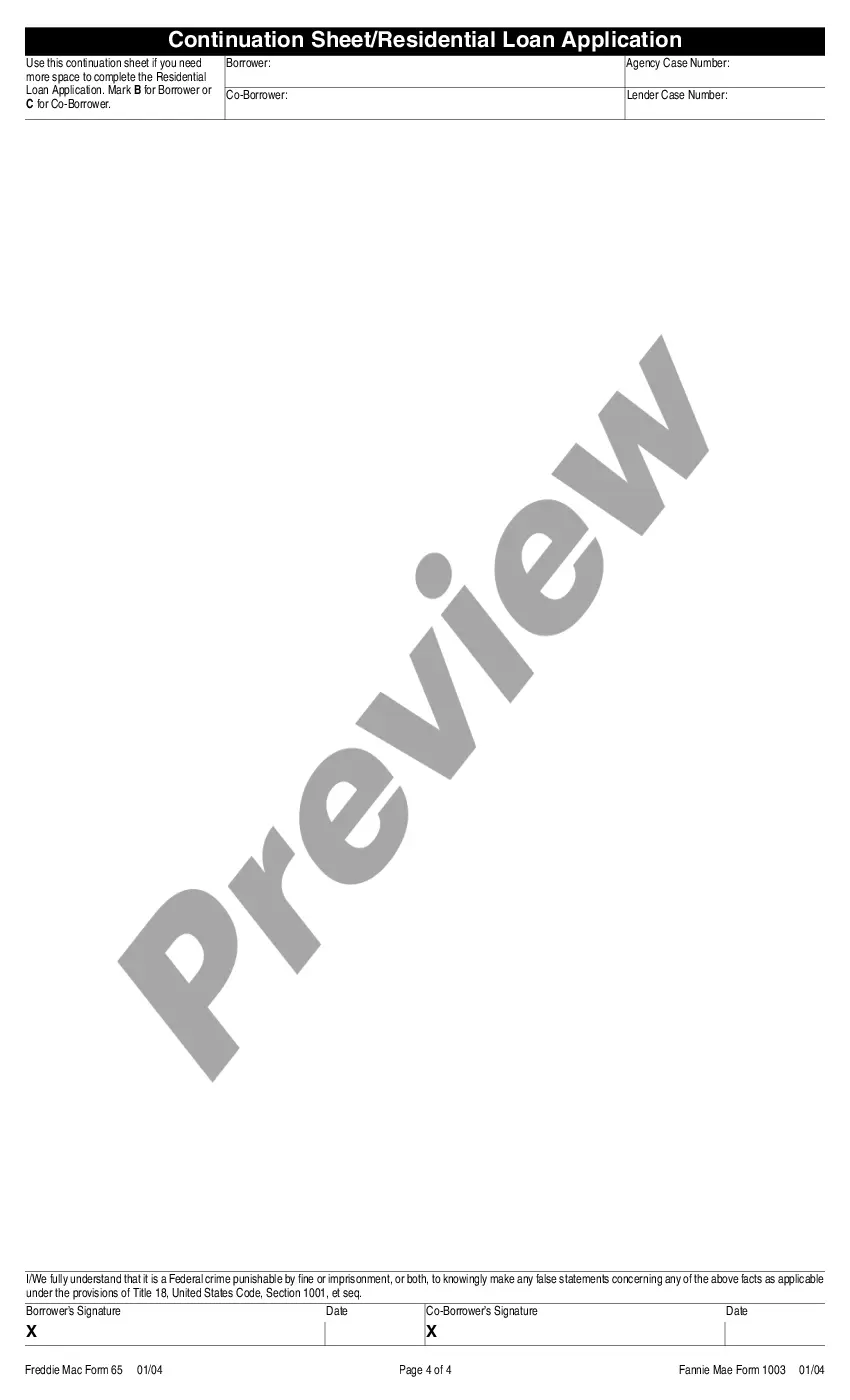
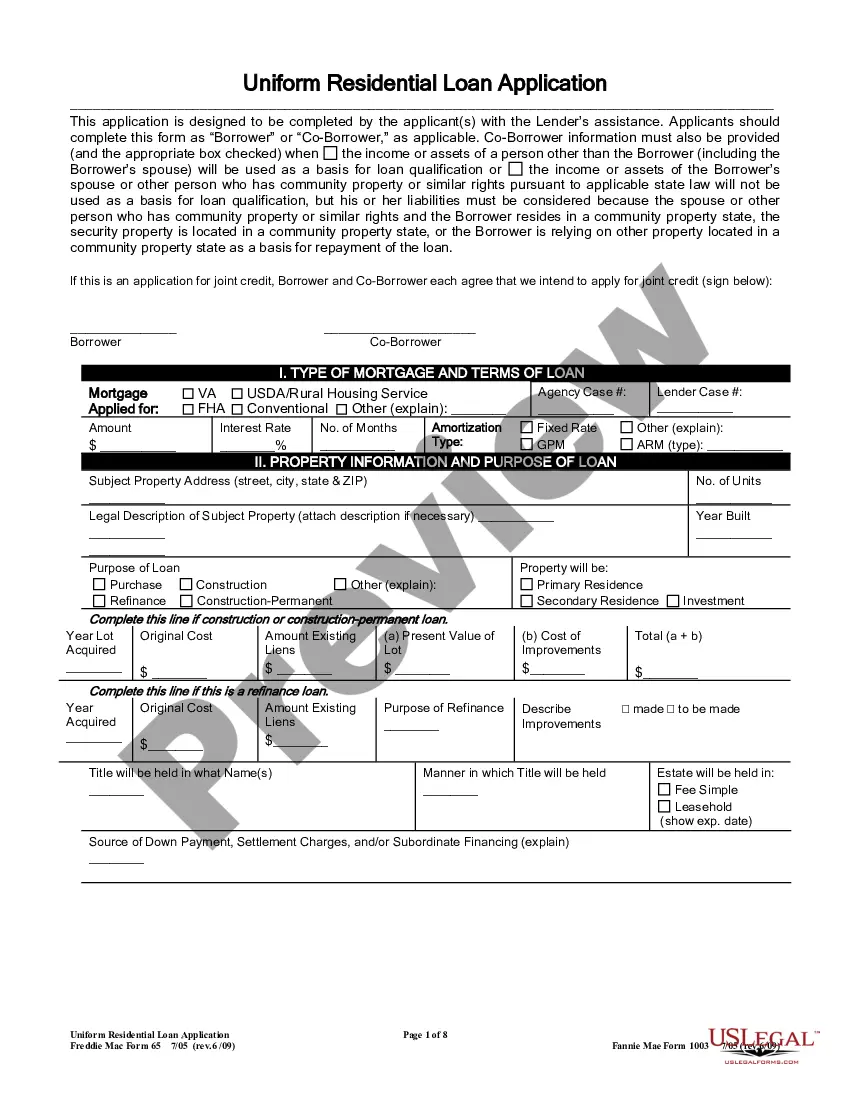
The Uniform Residential Loan Application is a standardized application used to secure loans for residential properties. It is officially recognized and complies with federal regulations. This form is intended to provide all necessary information about the borrower, co-borrowers, property details, and financial standings to aid lenders in evaluating loan applications. The Uniform Residential Loan Application differs from other loan forms by its comprehensive approach, covering various loan types and ensuring consistency across lenders.
Main sections of this form
- Type of mortgage and terms of the loan: Identifies loan types such as FHA, VA, or Conventional.
- Property information: Specifies the address and intended use of the property.
- Borrower information: Collects personal data including names, social security numbers, and contact details.
- Employment information: Gathers details about employment status and income sources of the borrower and co-borrower.
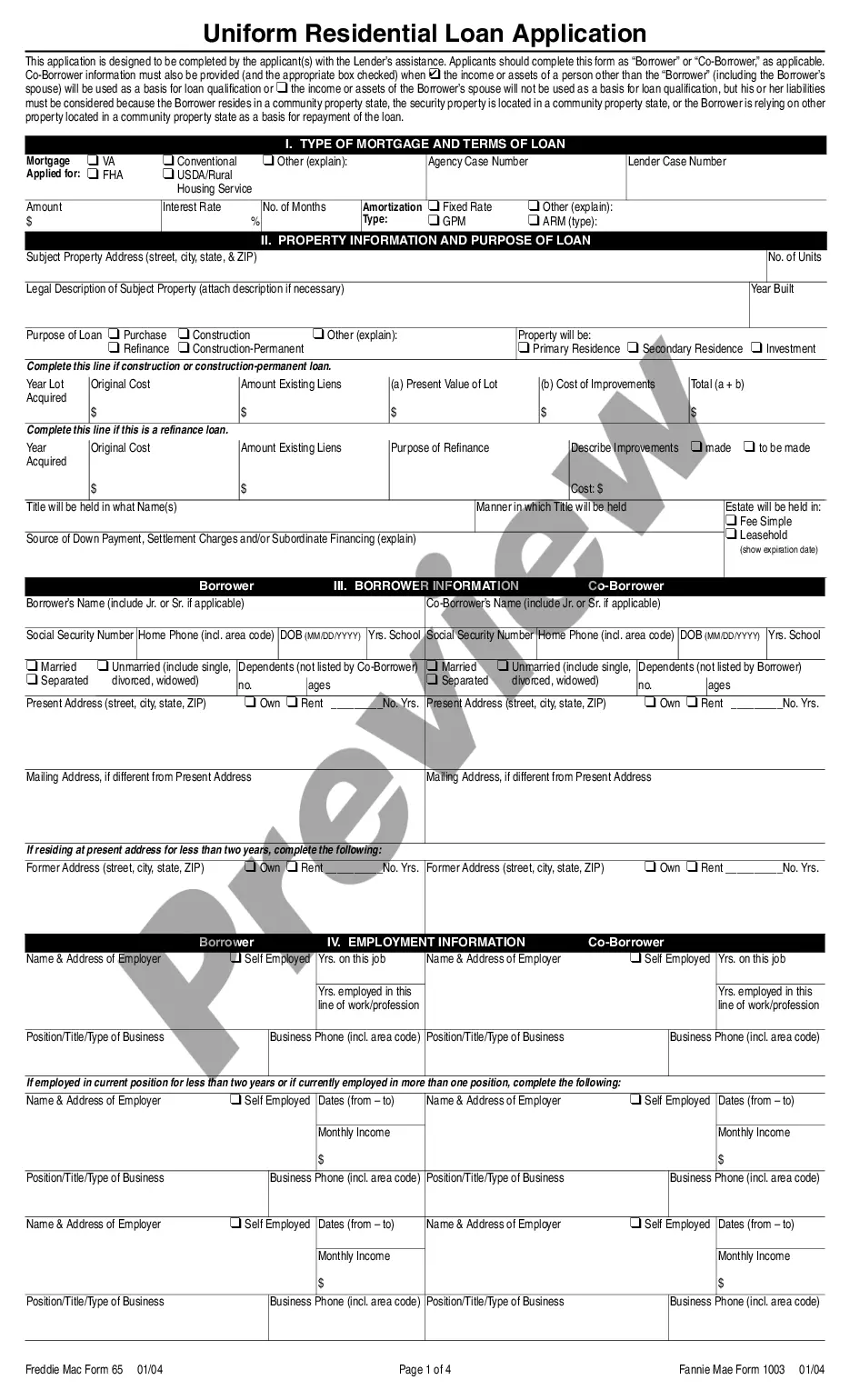
- Monthly income and expenses: Outlines income sources and estimates housing costs.
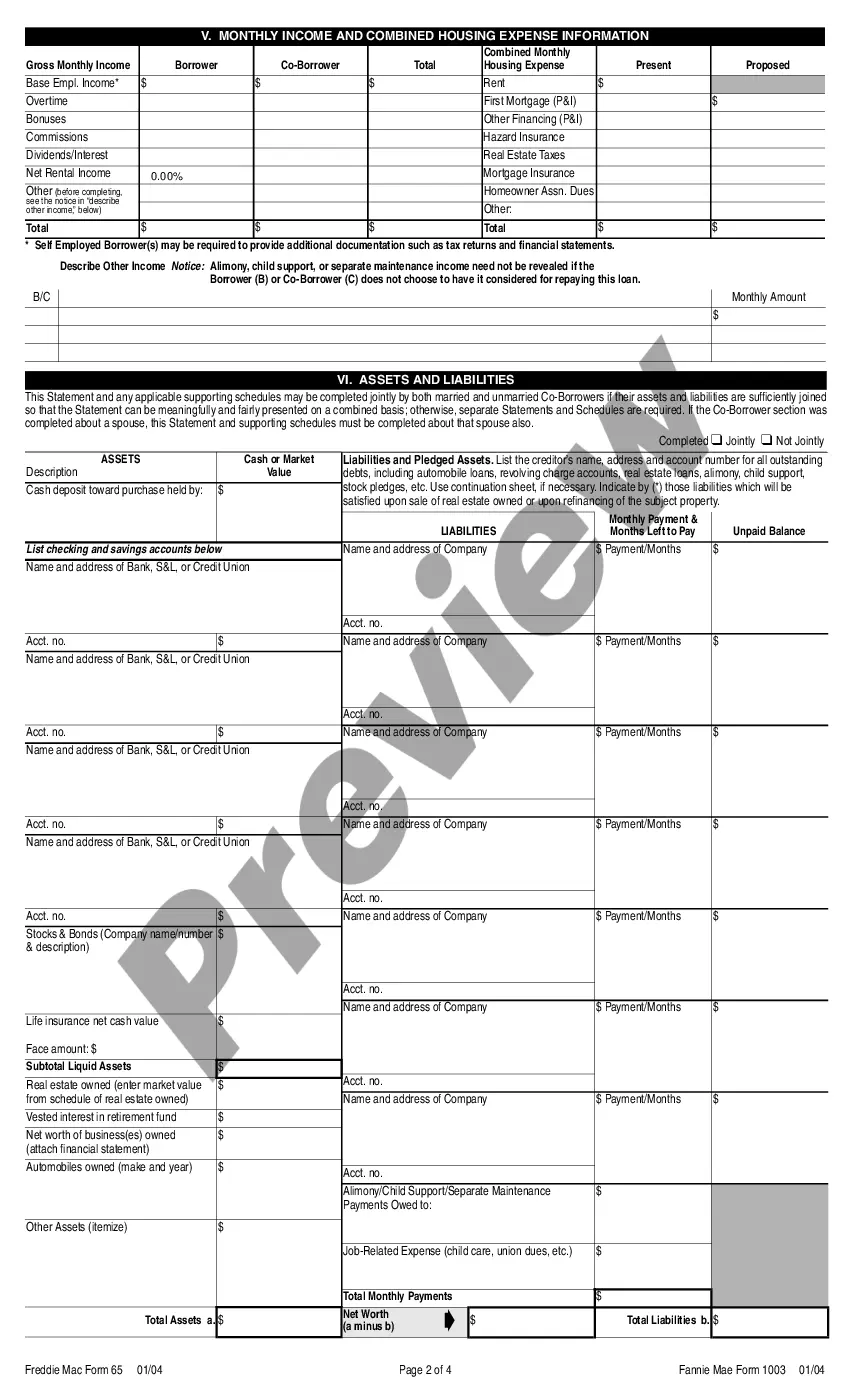
- Assets and liabilities: Provides a detailed summary of financial standing including debts and property owned.
Situations where this form applies
This form should be used when applying for a residential mortgage loan. It is essential for securing financing for purchasing a home, refinancing an existing mortgage, or obtaining a construction loan. Homebuyers or homeowners looking to leverage equity for renovations or other financial needs will also require this form as part of their application process.
Who needs this form
- Individuals or couples applying for any type of residential mortgage loan.
- Homebuyers who require financing to purchase their primary, secondary, or investment property.
- Borrowers seeking to refinance an existing mortgage or secure funds for property improvements.
- Co-borrowers whose financial information will be used to qualify for the loan.
How to complete this form
- Identify the type of mortgage and fill in the respective fields regarding amounts and interest rates.
- Provide the property information, including the address and purpose of the loan.
- Enter borrower and co-borrower details, including personal and contact information.
- Document employment history and monthly income for both the borrower and co-borrower.
- List all assets and liabilities to showcase financial status accurately.
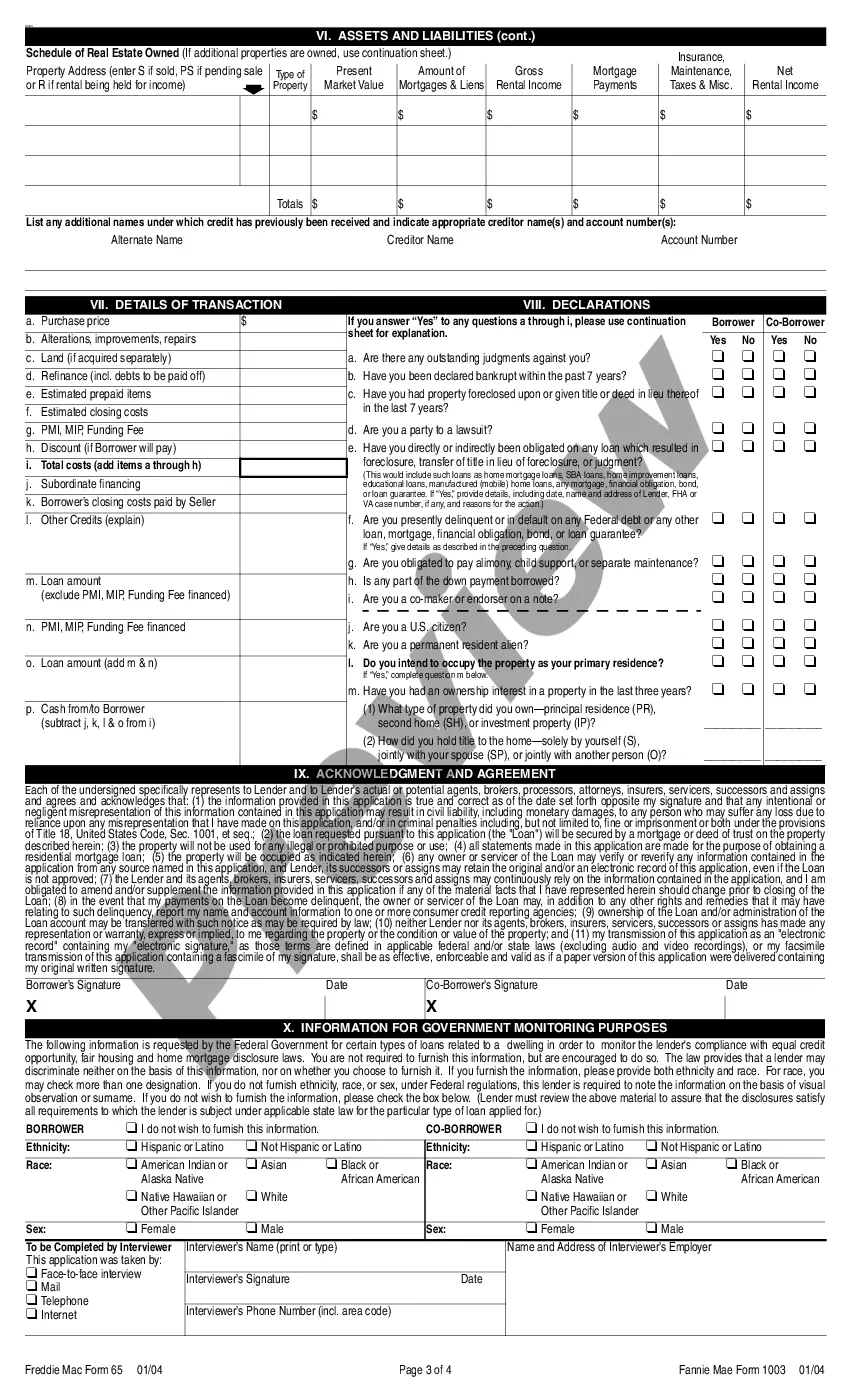
- Review the declaration and acknowledgment sections, sign and date the form.
Does this document require notarization?
This form does not typically require notarization unless specified by local law. It is essential to consult your lender or local regulations to confirm if notarization is necessary in your area.
Get your form ready online
Our built-in tools help you complete, sign, share, and store your documents in one place.
Make edits, fill in missing information, and update formatting in US Legal Forms—just like you would in MS Word.
Download a copy, print it, send it by email, or mail it via USPS—whatever works best for your next step.
Sign and collect signatures with our SignNow integration. Send to multiple recipients, set reminders, and more. Go Premium to unlock E-Sign.
If this form requires notarization, complete it online through a secure video call—no need to meet a notary in person or wait for an appointment.
We protect your documents and personal data by following strict security and privacy standards.

Make edits, fill in missing information, and update formatting in US Legal Forms—just like you would in MS Word.

Download a copy, print it, send it by email, or mail it via USPS—whatever works best for your next step.

Sign and collect signatures with our SignNow integration. Send to multiple recipients, set reminders, and more. Go Premium to unlock E-Sign.

If this form requires notarization, complete it online through a secure video call—no need to meet a notary in person or wait for an appointment.

We protect your documents and personal data by following strict security and privacy standards.
Typical mistakes to avoid
- Omitting important information, especially income and asset details.
- Failing to check if co-borrower information is required.
- Neglecting to verify all calculations for income and expenses.
- Not signing the form where required, or completing the acknowledgment section.
Why use this form online
- Convenient access from any location without the need for in-person appointments.
- Editability allows users to fill out and correct details as needed before submission.
- Reliable templates created and updated by licensed attorneys ensuring legal compliance.
Looking for another form?
Form popularity
FAQ
The Uniform Residential Loan Application is the standard form lenders use to collect borrower information when applying for a residential mortgage loan. It helps lenders assess creditworthiness by gathering basic details about income, employment, assets, and liabilities and to determine loan eligibility and terms during the mortgage application process across many lenders.
URLA is another name for this form; it’s the abbreviation most lenders use in everyday workflow. In practice, references will call it the Uniform Residential Loan Application or simply the URLA, and many loan processing systems store it under that acronym.
Its purpose is to provide lenders with a standardized set of borrower information needed to evaluate a residential mortgage loan. The form helps capture basic details about income, employment, assets, and debts to support underwriting decisions and determine whether the loan request should be approved and on what terms.
When using the Uniform Residential Loan Application, avoid misstating information. Do not misrepresent income, employment, assets, or debts, and refrain from omitting material facts. Accuracy helps prevent loan denial or fraud investigations and supports a smooth underwriting process; consult a licensed advisor if you’re unsure about any item.
A residential loan is a mortgage secured by a dwelling intended for people to live in. When applying with the Uniform Residential Loan Application, lenders typically consider loans for primary residences, second homes, or investment properties, depending on the product and terms offered by the lender.
It is a standardized form specifically designed for residential mortgage underwriting, widely adopted by lenders. This consistency helps ensure the same basic borrower data is collected across lenders, reducing variation that could affect underwriting decisions compared with lender-specific or non-standard forms.