Power of Attorney - Appointing Agent to Act for Principal Regarding Property Matters
What is this form?
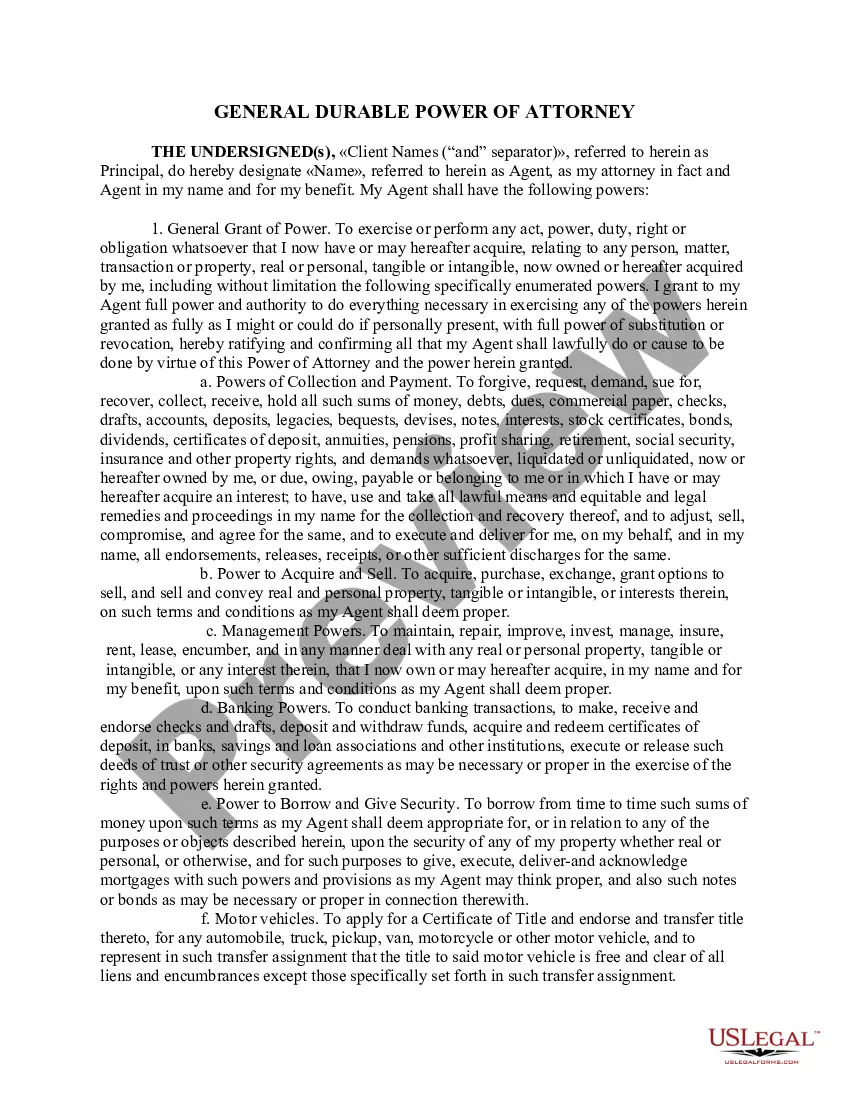
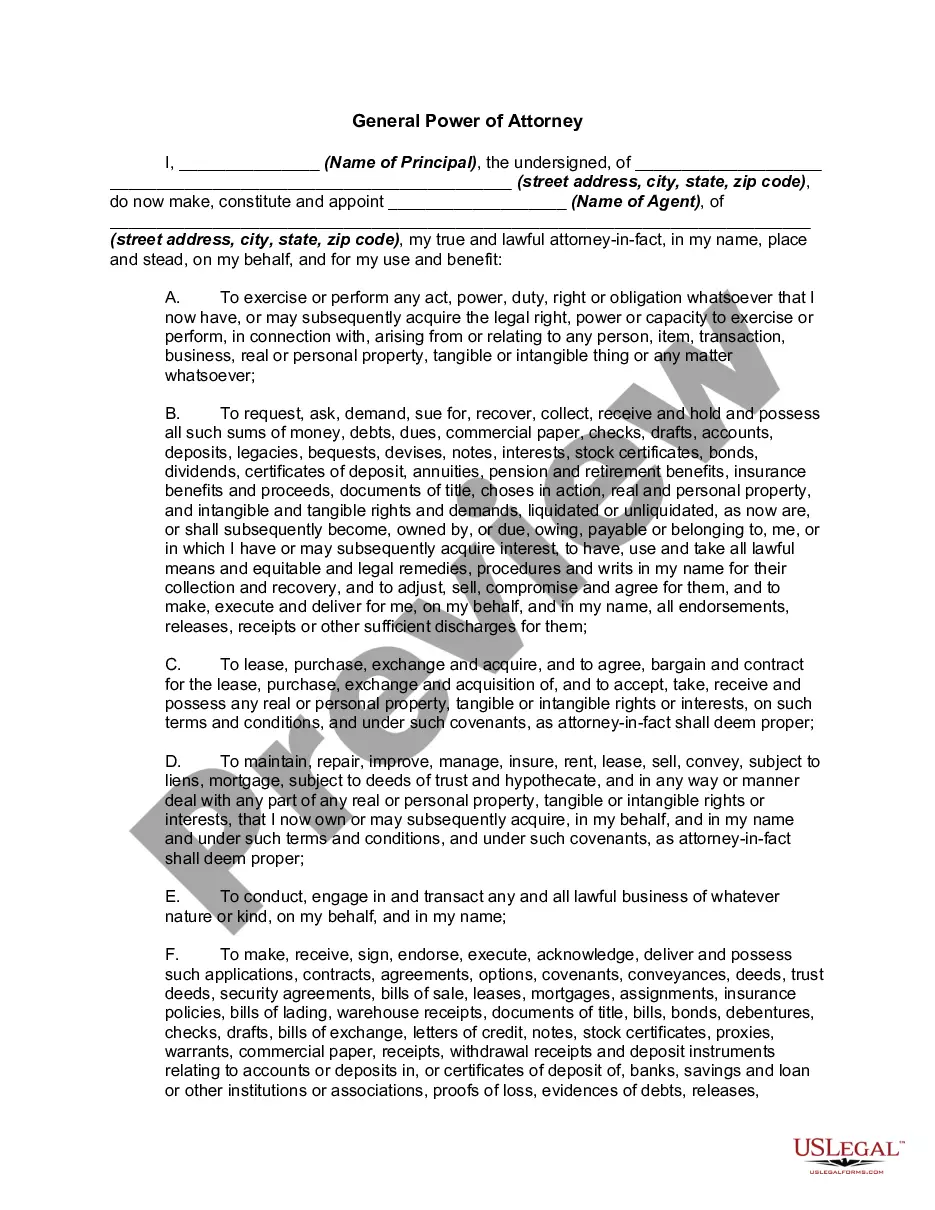
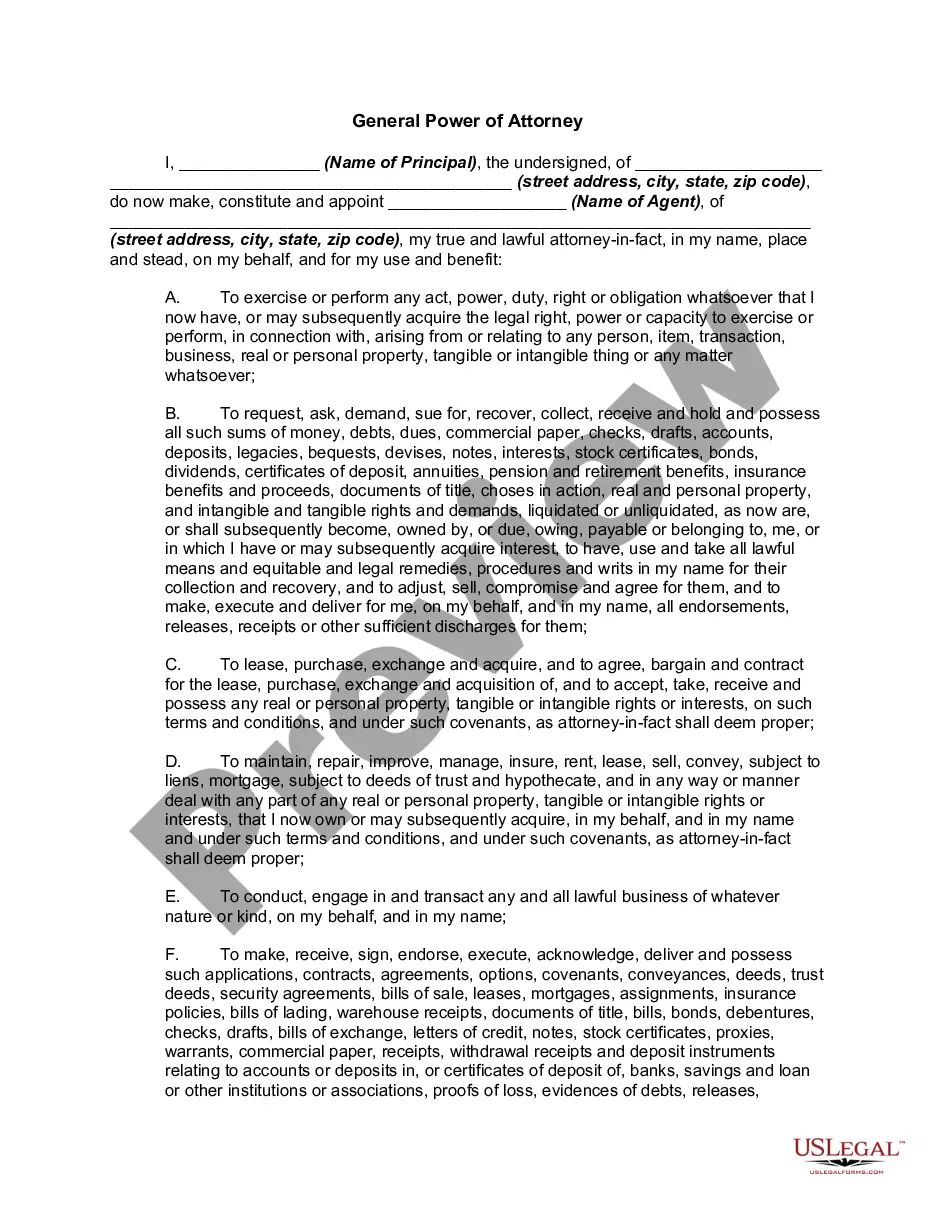
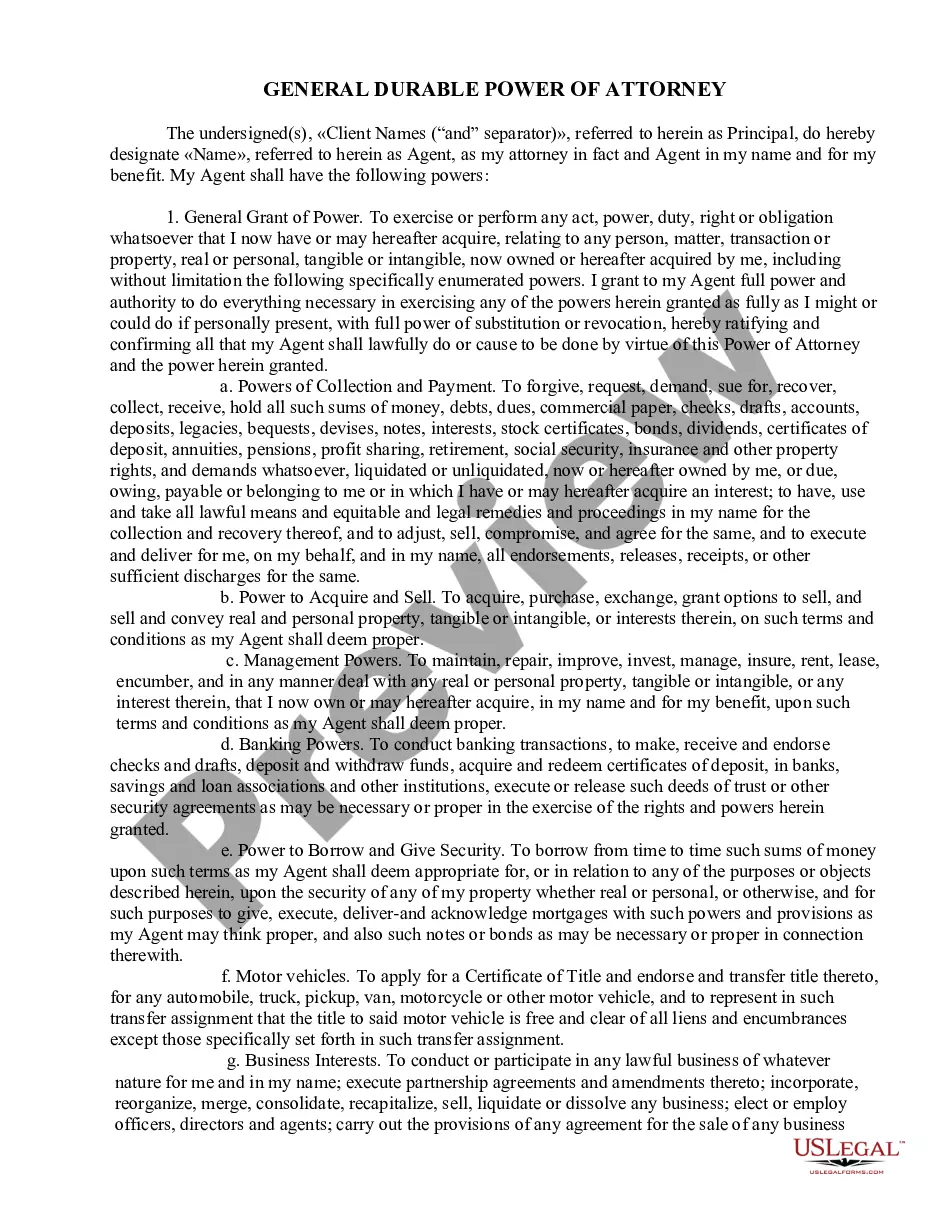
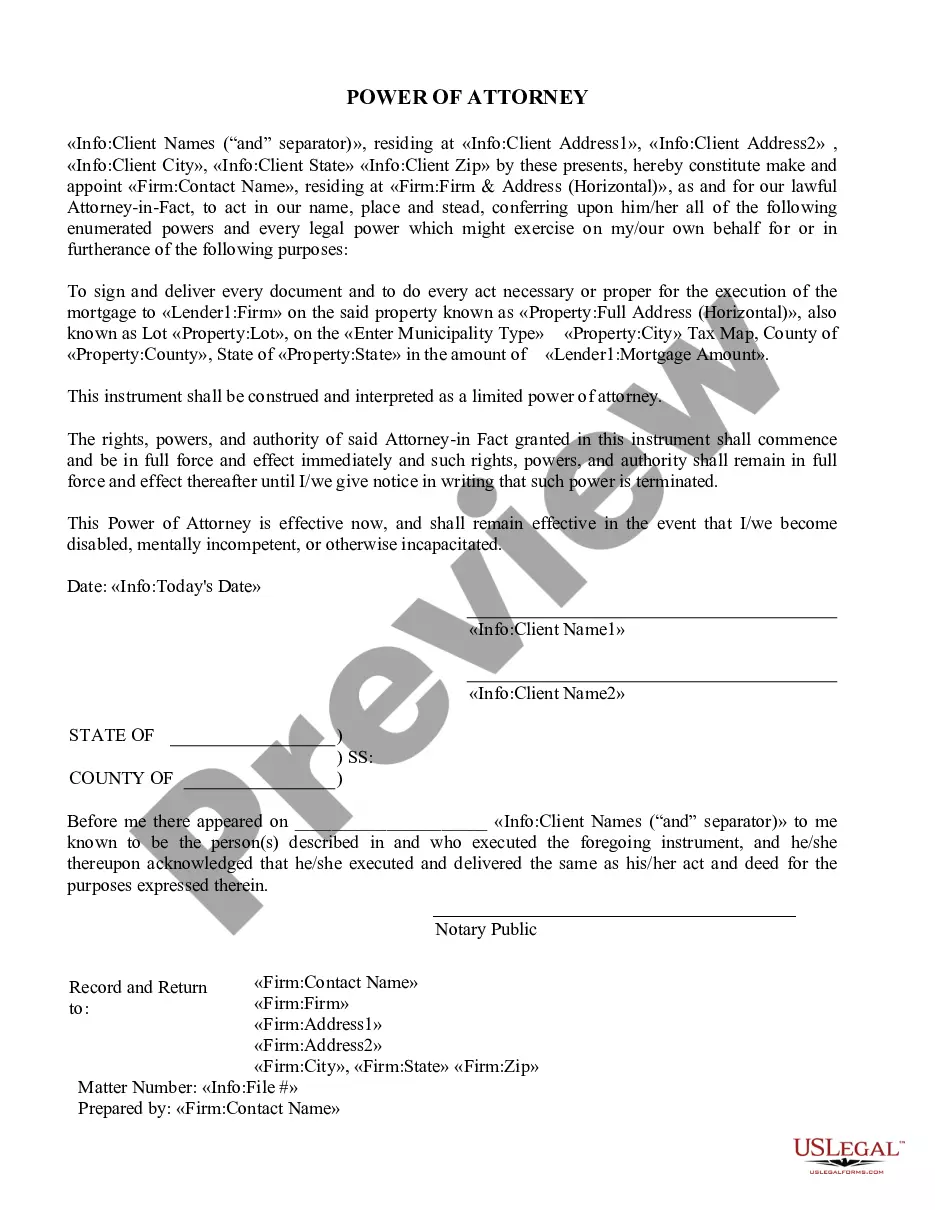
This form, known as a Power of Attorney for Property Matters, allows an individual (the principal) to appoint an agent to act on their behalf in various property-related matters. It grants the agent extensive authority over the principal's property, differentiating it from other types of powers of attorney that may cover health care or other specific issues. This versatile document can be customized to meet the principal's specific needs and requirements.
Main sections of this form
- Designation of the principal and agent.
- General grant of power to manage property-related activities.
- Specific powers, including collection of debts, buying or selling property, and making banking transactions.
- Provisions concerning disability, ensuring the document remains effective.
- Signature requirements for validity.


Common use cases
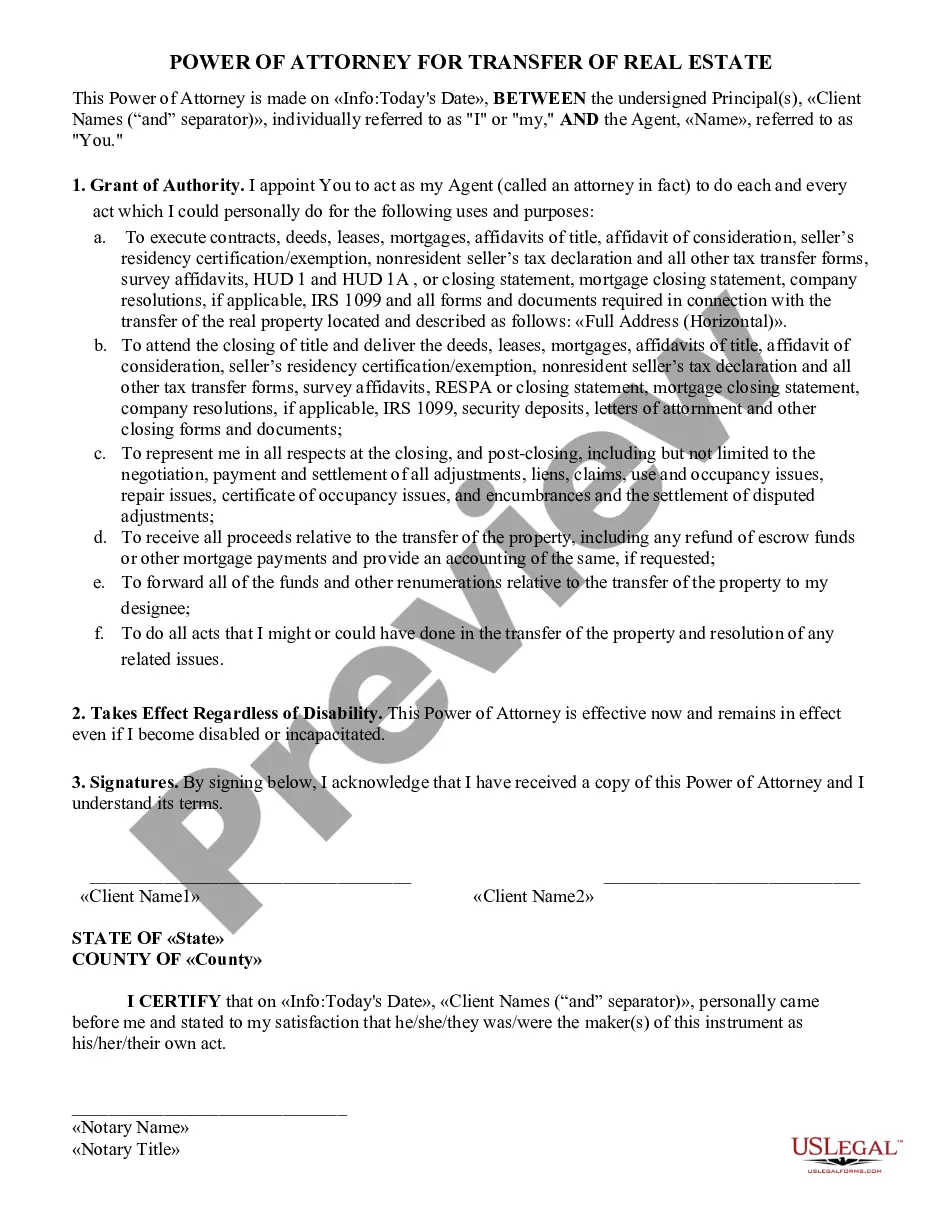
This form should be used when a person needs to give another individual the authority to handle their property-related affairs. This could be necessary for various reasons, including physical absence, incapacity, or the need for someone to manage complex financial transactions. Examples include selling a home, managing investments, or dealing with banking matters.
Who this form is for
- Individuals needing assistance with property management.
- Those who may become incapacitated and want to ensure their financial affairs are managed.
- People engaging in transactions requiring representation, such as real estate sales.
- Anyone wanting to appoint a trusted individual to handle their financial matters.
Completing this form step by step
- Identify the parties involved: the principal and the agent.
- Specify the powers that the agent will have, including any limitations.
- Enter the necessary contact information for both the principal and the agent.
- Include the date of execution and the principal's signatures.
- Have the document notarized if your jurisdiction requires it.
Notarization requirements for this form
This form does not typically require notarization unless specified by local law. However, having it notarized can add an extra layer of authenticity and may be necessary for certain transactions.
Get your form ready online
Our built-in tools help you complete, sign, share, and store your documents in one place.
Make edits, fill in missing information, and update formatting in US Legal Forms—just like you would in MS Word.
Download a copy, print it, send it by email, or mail it via USPS—whatever works best for your next step.
Sign and collect signatures with our SignNow integration. Send to multiple recipients, set reminders, and more. Go Premium to unlock E-Sign.
If this form requires notarization, complete it online through a secure video call—no need to meet a notary in person or wait for an appointment.
We protect your documents and personal data by following strict security and privacy standards.
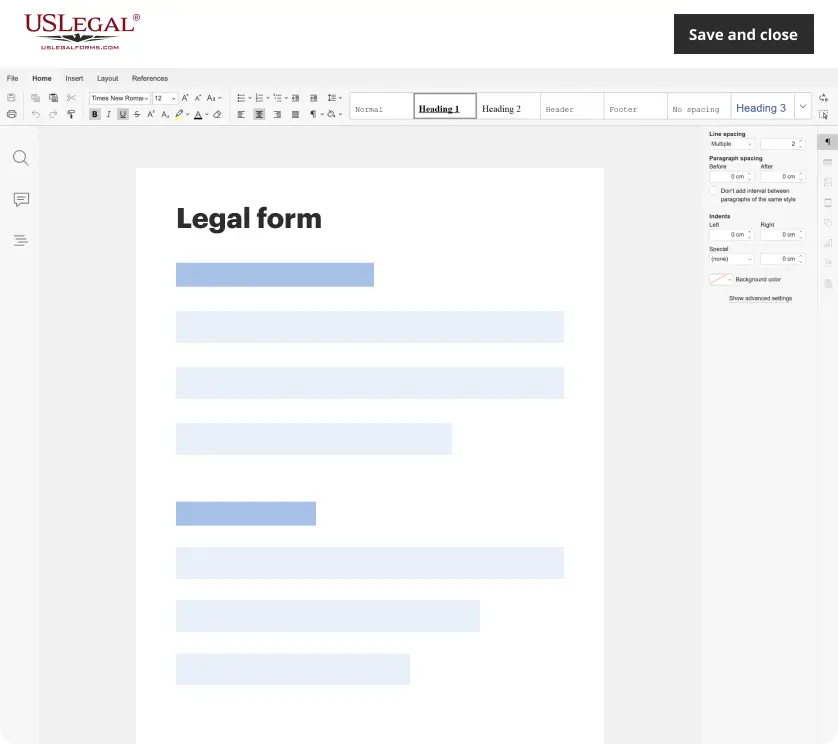
Make edits, fill in missing information, and update formatting in US Legal Forms—just like you would in MS Word.
Download a copy, print it, send it by email, or mail it via USPS—whatever works best for your next step.
Sign and collect signatures with our SignNow integration. Send to multiple recipients, set reminders, and more. Go Premium to unlock E-Sign.

If this form requires notarization, complete it online through a secure video call—no need to meet a notary in person or wait for an appointment.

We protect your documents and personal data by following strict security and privacy standards.
Common mistakes
- Failing to specify the scope of powers granted to the agent.
- Not including a date on the document.
- Neglecting to have the document notarized when required.
- Providing incomplete or incorrect information for the parties involved.
Why complete this form online
- Convenience of downloading and filling out the form at your own pace.
- Customizable templates designed by licensed attorneys.
- Access to legal support when completing your forms.
- No need to travel to a legal office, saving time and resources.
Looking for another form?
Form popularity
FAQ
A Power of attorney is a written instrument whereby one person, as the principal, appoints another to act as his or her agent , giving them the authority to perform certain acts on their behalf.
Does a POA Have Legal Liability? Legal liability for a power of attorney agent is limited. The agent will only be held responsible in cases of intentional misconduct. An agent will not be legally responsible if he or she does something wrong without knowing it.
Disadvantages Your loved one's competence at the time of writing the power of attorney might be questioned later. Some financial institutions require that the document be written on special forms. Some institutions may refuse to recognize a document after six months to one year.
A power of attorney, which you may see or hear referenced as a ?POA,? is a legal document. It allows you as the principal to appoint another person to act as your agent or attorney-in-fact. The agent has authority to act on your behalf to perform tasks related to your financial and personal affairs.
The legal document formally creating an agency is called a: Power of attorney. Which legal term is used for a person who is appointed as an agent? Attorney in fact.
Express authority is the authority which the principal has expressly given to the agent whether orally or in writing. Implied authority (sometimes described as usual authority) is the authority of an agent to do acts which are reasonably incidental to and necessary for the effective performance of his duties.
There are three different ways in which the insurer authorizes the agent to represent it. Express Authority. Express authority is the authority that an agent has in writing in the contract with the insurer that the agent represents.Implied Authority.Apparent Authority.
You can give someone the legal authority to act for you with a document called a Power of Attorney. If you give a Power of Attorney, you are called the principal and the person you give it to is called the agent or the attorney-in-fact.