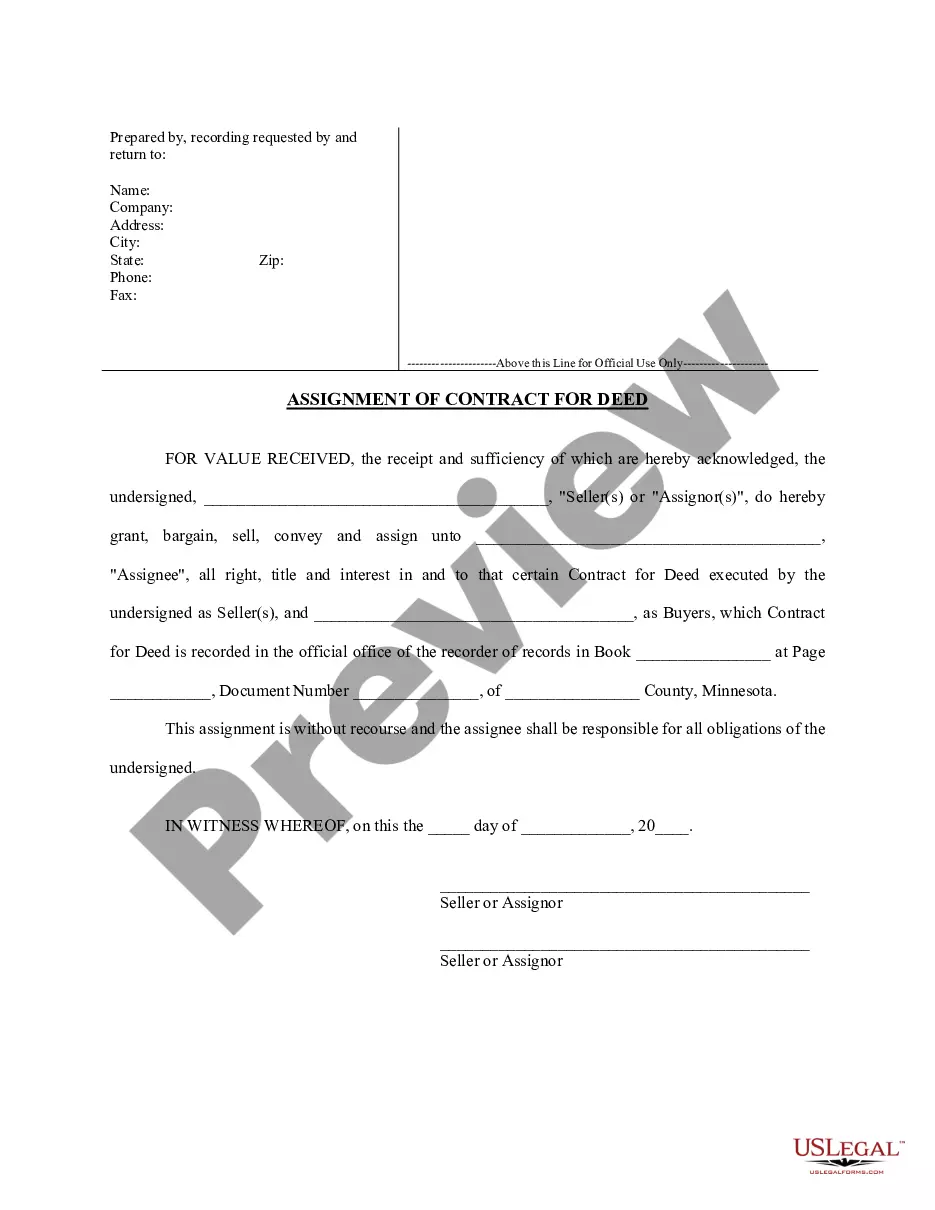
4.44 ELEMENTS OF CLAIM: FAILURE TO PROTECT FROM ATTACK - SPECIFIC ATTACK - CONVICTED PRISONERS - EIGHTH AMENDMENT
What is this form?
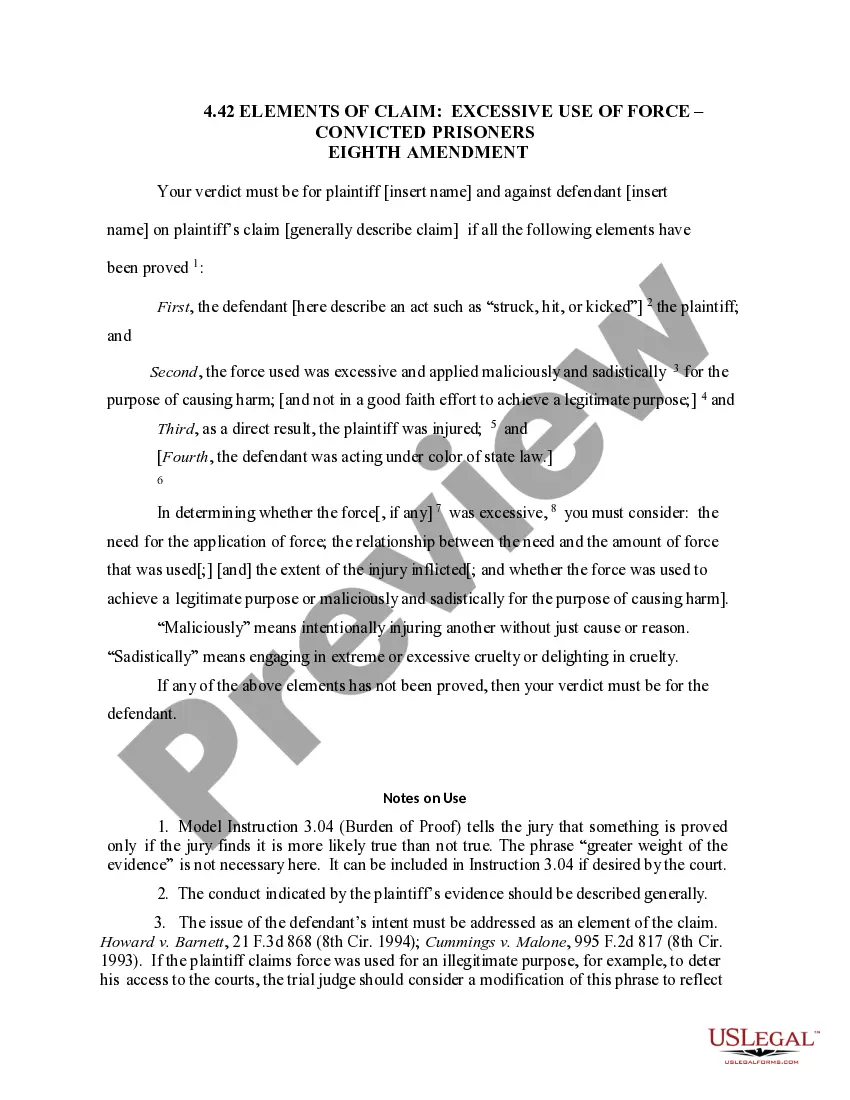
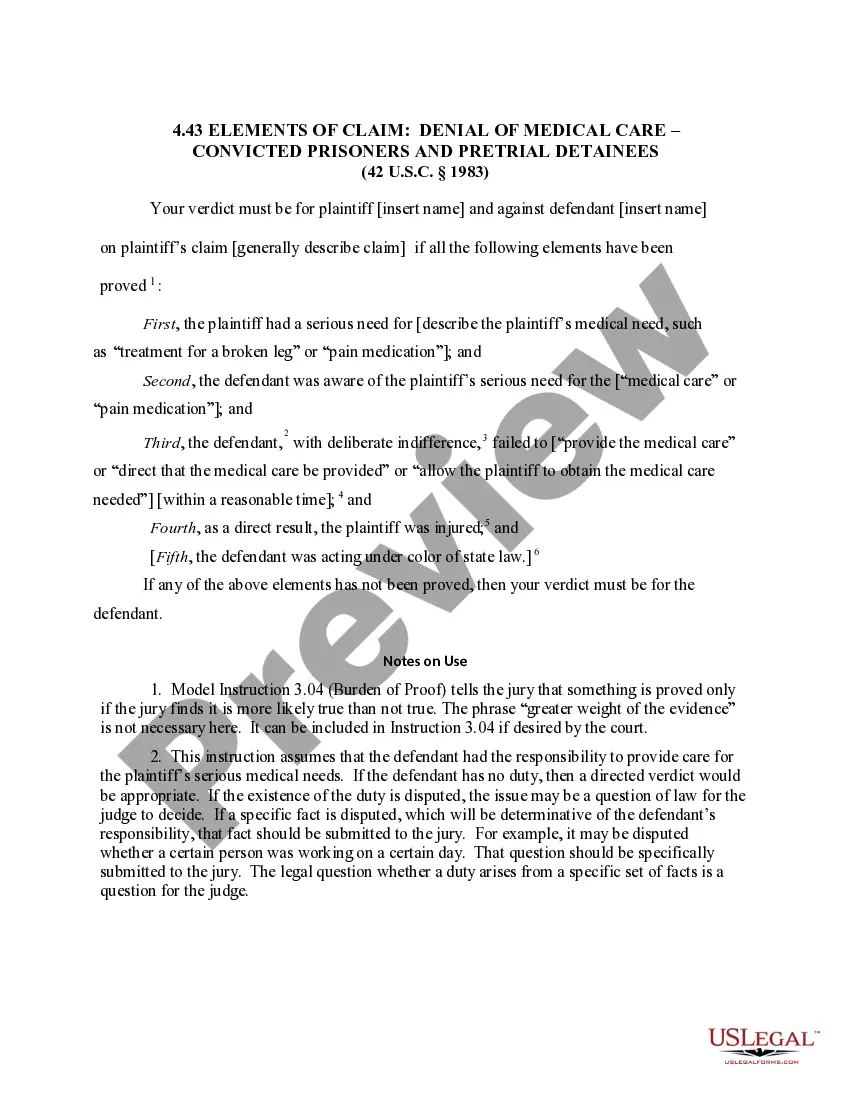
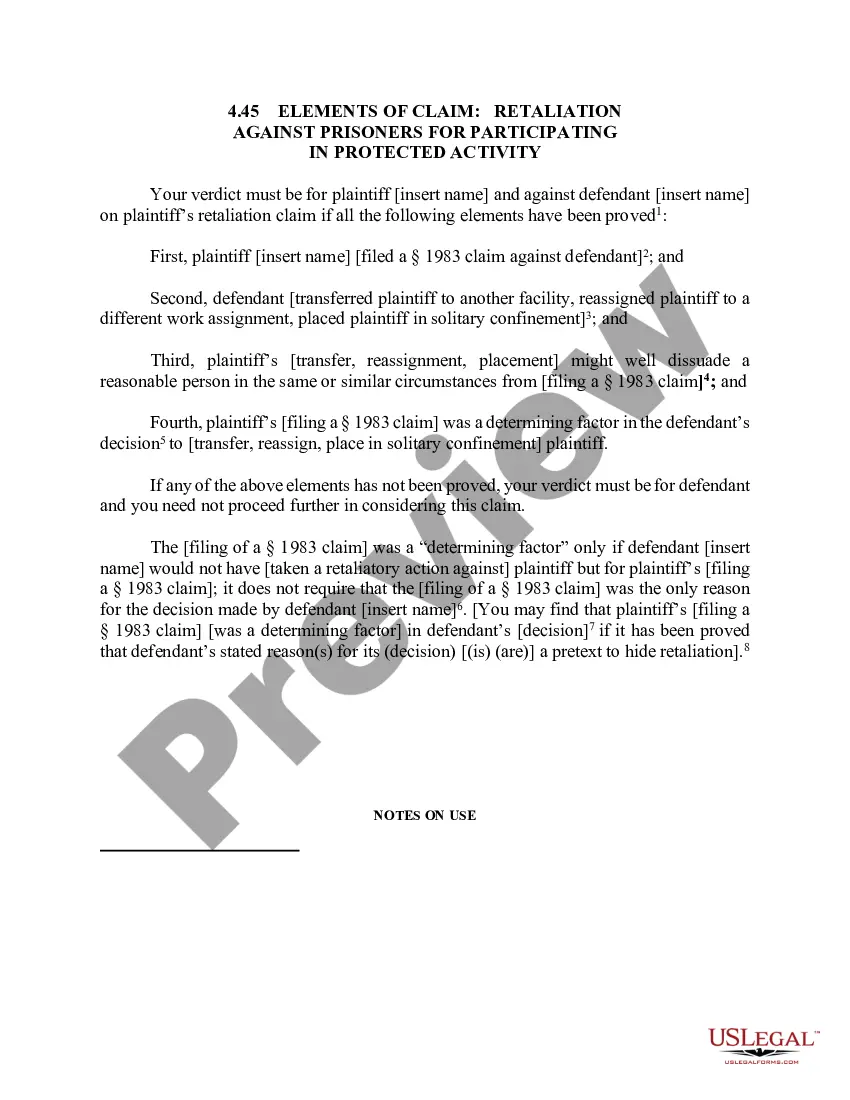
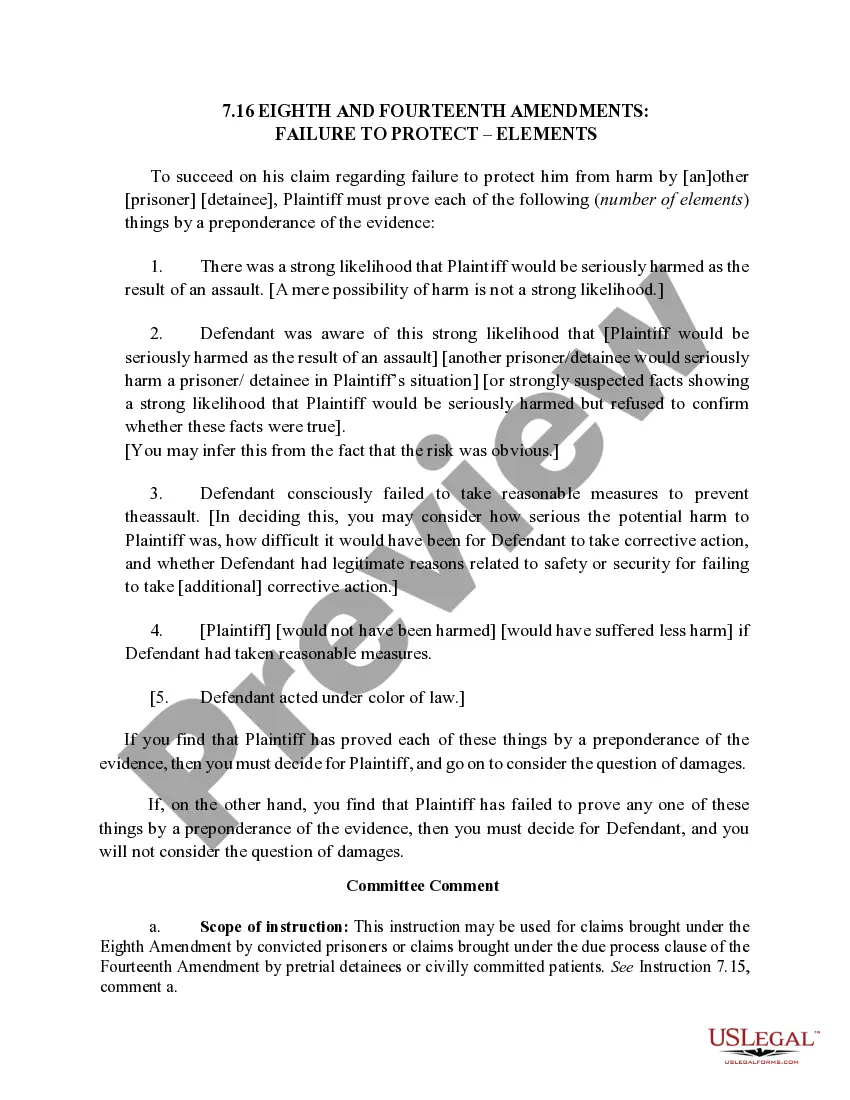
The 4.44 Elements of Claim: Failure to Protect from Attack form is a legal document used primarily in cases where convicted prisoners allege that their constitutional rights under the Eighth Amendment have been violated. This form helps establish whether a prison official acted with deliberate indifference to a substantial risk of harm, failing to protect an inmate from a specific attack. It differs from other legal forms by focusing specifically on claims related to inadequate protection from harm within a prison setting.
Key components of this form
- Identification of the plaintiff and the defendant in the case.
- A description of the attack and the attackers involved.
- Evidence of the defendant's awareness of the risk of harm.
- Details on how the defendant's actions constituted deliberate indifference.
- A statement regarding the injuries suffered by the plaintiff as a direct result of the attack.
- Clarification of whether the defendant acted under color of state law.
Common use cases
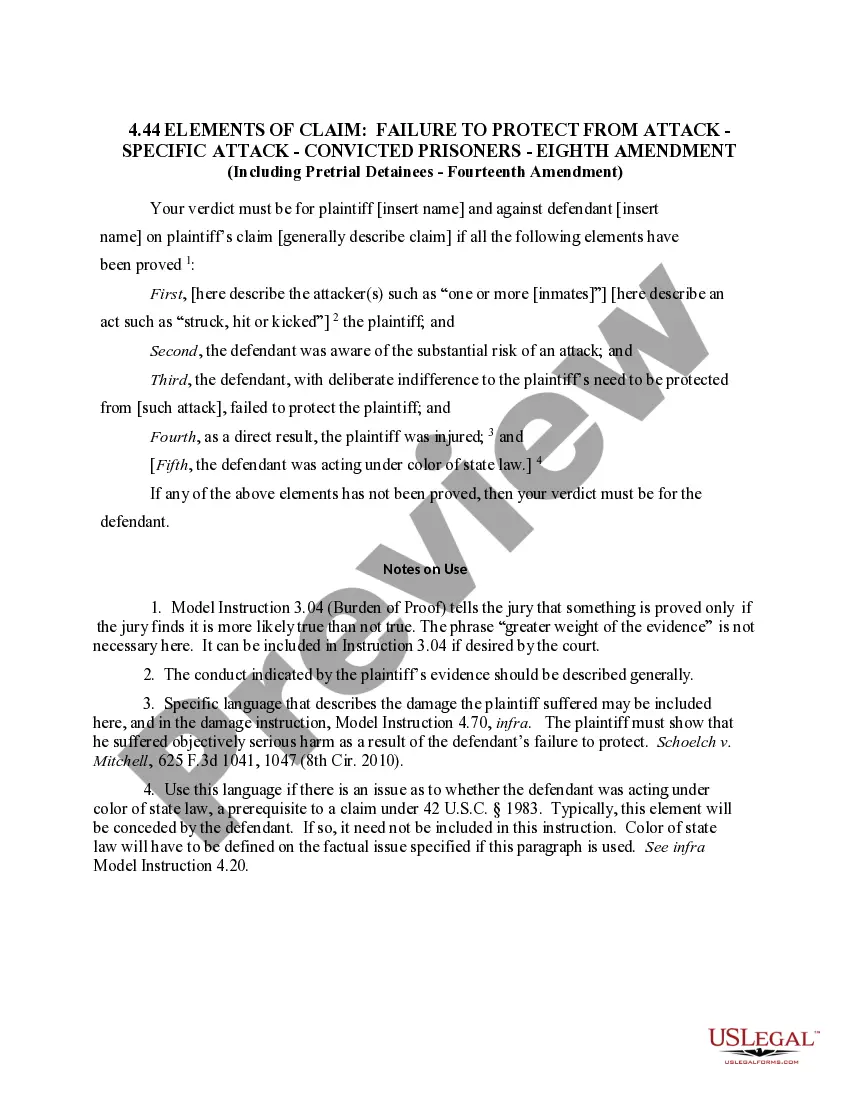
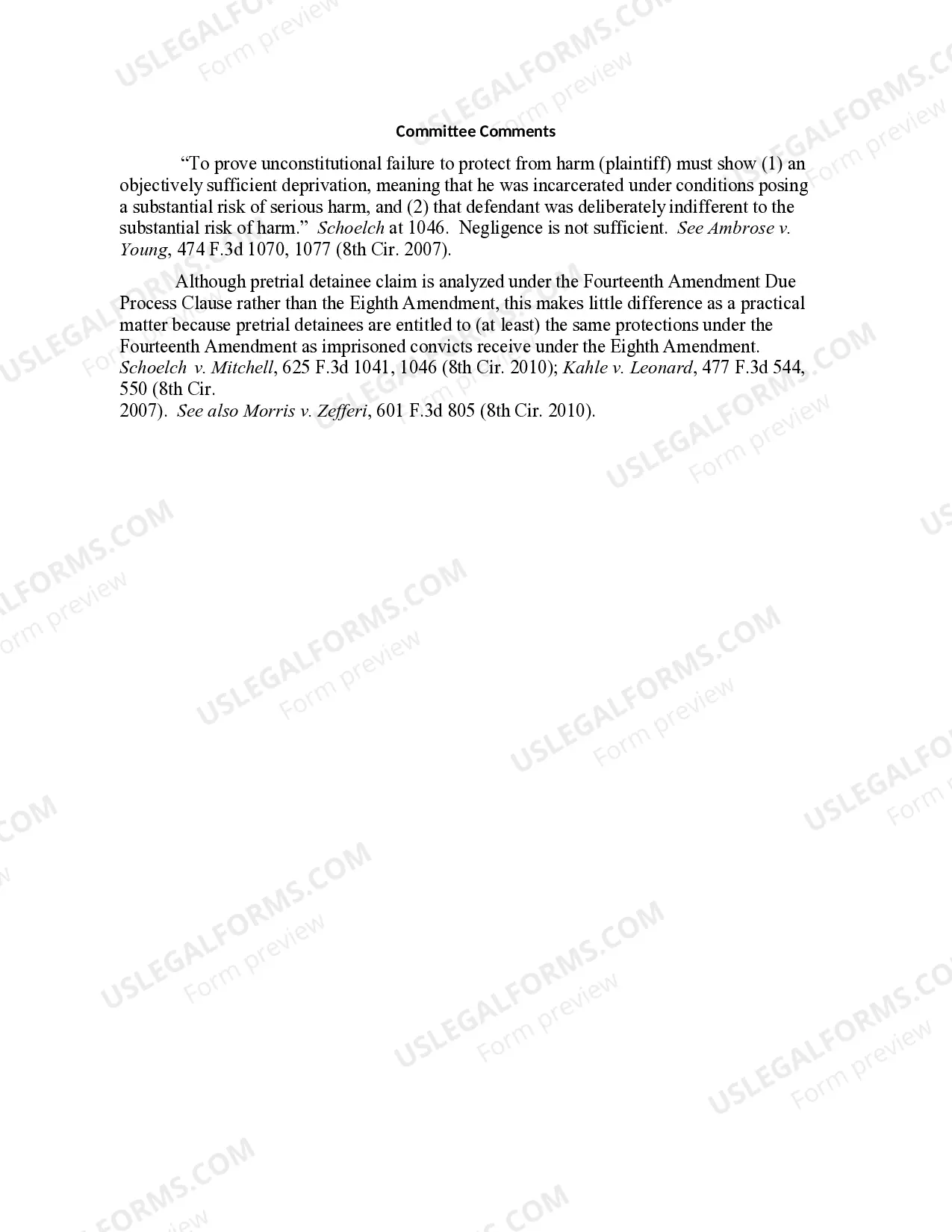
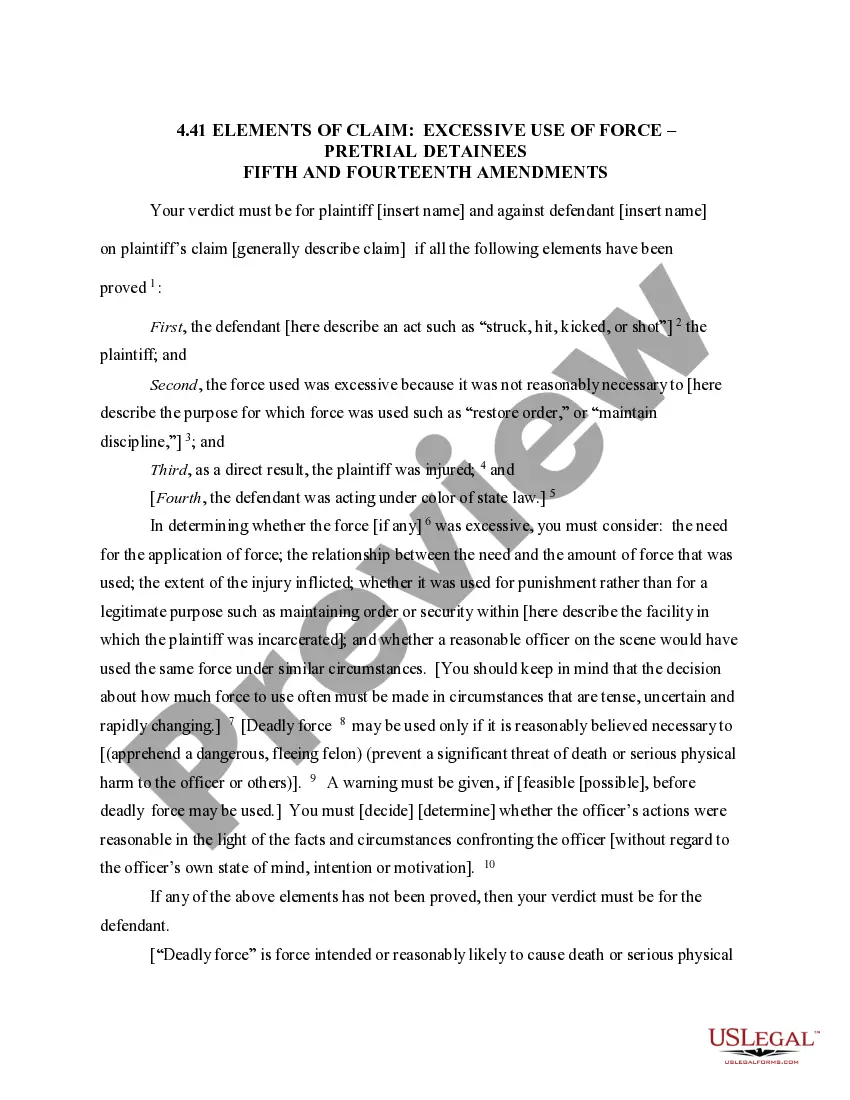
This form should be used when an inmate in a correctional facility believes they have been harmed due to the failure of prison officials to provide adequate protection against attacks by other inmates. It is relevant in cases where there is clear evidence that the officials were aware of a danger but failed to take necessary actions to prevent harm from occurring. This can also apply to pretrial detainees under the Fourteenth Amendment.
Who this form is for
- Convicted prisoners who have experienced harm while incarcerated.
- Inmates who believe their rights under the Eighth Amendment have been violated due to lack of protection.
- Legal representatives or advocates working on behalf of prisoners.
- Pretrial detainees seeking similar protections under the Fourteenth Amendment.
How to complete this form
- Identify and fill in the names of the plaintiff and defendant.
- Describe the nature of the specific attack that occurred.
- Provide evidence or points that establish the defendantâs awareness of the risk.
- Detail how the defendantâs actions showed deliberate indifference to the plaintiffâs safety.
- Outline the injuries sustained by the plaintiff as a result of the attack.
- If applicable, confirm whether the defendant acted under color of state law.
Does this document require notarization?
Notarization is generally not required for this form. However, certain states or situations might demand it. You can complete notarization online through US Legal Forms, powered by Notarize, using a verified video call available anytime.
Get your form ready online
Our built-in tools help you complete, sign, share, and store your documents in one place.
Make edits, fill in missing information, and update formatting in US Legal Forms—just like you would in MS Word.
Download a copy, print it, send it by email, or mail it via USPS—whatever works best for your next step.
Sign and collect signatures with our SignNow integration. Send to multiple recipients, set reminders, and more. Go Premium to unlock E-Sign.
If this form requires notarization, complete it online through a secure video call—no need to meet a notary in person or wait for an appointment.
We protect your documents and personal data by following strict security and privacy standards.

Make edits, fill in missing information, and update formatting in US Legal Forms—just like you would in MS Word.

Download a copy, print it, send it by email, or mail it via USPS—whatever works best for your next step.

Sign and collect signatures with our SignNow integration. Send to multiple recipients, set reminders, and more. Go Premium to unlock E-Sign.

If this form requires notarization, complete it online through a secure video call—no need to meet a notary in person or wait for an appointment.

We protect your documents and personal data by following strict security and privacy standards.
Common mistakes to avoid
- Failing to clearly specify the nature of the attack.
- Not providing sufficient evidence of the defendant's awareness of the risk.
- Neglecting to include details about the injuries sustained.
- Omitting clarification on whether the defendant acted under color of state law.
Benefits of completing this form online
- Convenience of downloading and completing the form from anywhere.
- Editability allows for customization to fit specific circumstances.
- Access to templates drafted by licensed attorneys ensures accuracy and reliability.
Legal use & context
- This form is designed for use in cases relating to civil rights violations within correctional facilities.
- Demonstrating deliberate indifference is crucial for the success of such claims.
- The context of the prison environment adds complexity to the evaluation of claims.
Looking for another form?



Form popularity
FAQ
The Eighth Amendment of the Constitution protects prisoners from ?cruel and unusual punishment.?6 In 1976, the Supreme Court said in Estelle v. Gamble that a prison staff's ?deliberate indifference? to the ?serious medical needs? of prisoners is ?cruel and unusual punishment? forbidden by the Eighth Amendment.
The eighth amendment provides prisoners with limited rights of protection against cruel and unusual punishment during the course of confinement. These rights extend to the existence of humane living conditions, adequate medical care, and protection from violence by other inmates.
The Eighth Amendment deals only with criminal punishment, and has no application to civil processes.
Eighth Amendment: Excessive bail shall not be required, nor excessive fines imposed, nor cruel and unusual punishments inflicted.
The Eighth Amendment prohibits the federal government from imposing excessive bail, excessive fines, and cruel and unusual punishments. The Amendment serves as a limitation upon the federal government to impose unduly harsh penalties on criminal defendants before and after a conviction.
The Eighth Amendment provides three essential protections for those accused of a crime, on top of those found in the Fifth and Sixth Amendments: It prohibits excessive bail and fines, as well as cruel and unusual punishments.
The Eighth Amendment imposes certain duties on prison officials: (1) to provide humane conditions of confinement; (2) to ensure that inmates receive adequate food, clothing, shelter and medical care; and (3) to ?take reasonable measures to guarantee the safety of the inmates.? Farmer v.
Eighth Amendment Prohibits Prison Officials from Disregarding Known Substantial Risk of Serious Harm to Inmate. On April 23, 2020, the Ninth Circuit Court of Appeals, in Wilk v. Neven,1 held that prison officials violated a prison inmate's constitutional right to protection from violence under the Eighth Amendment.