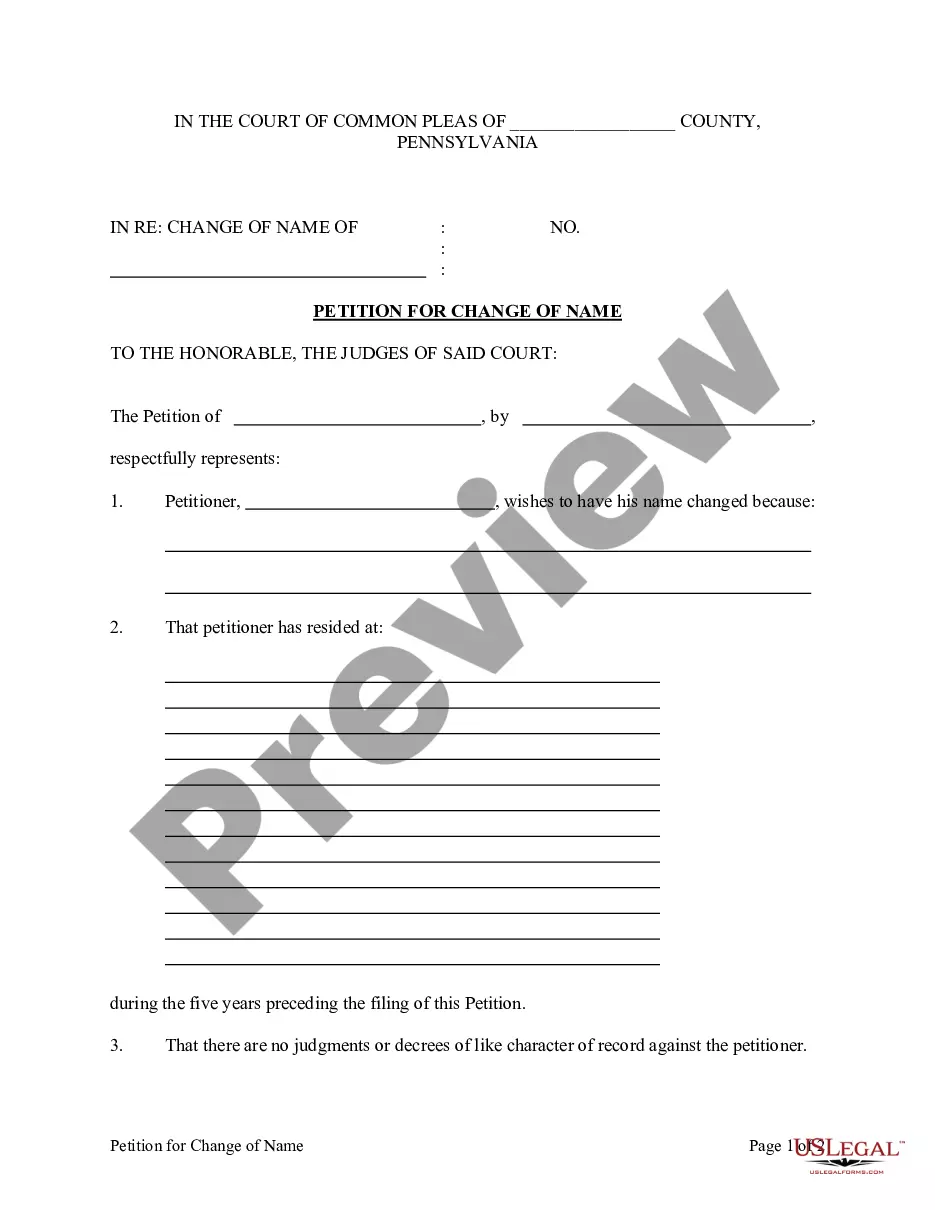
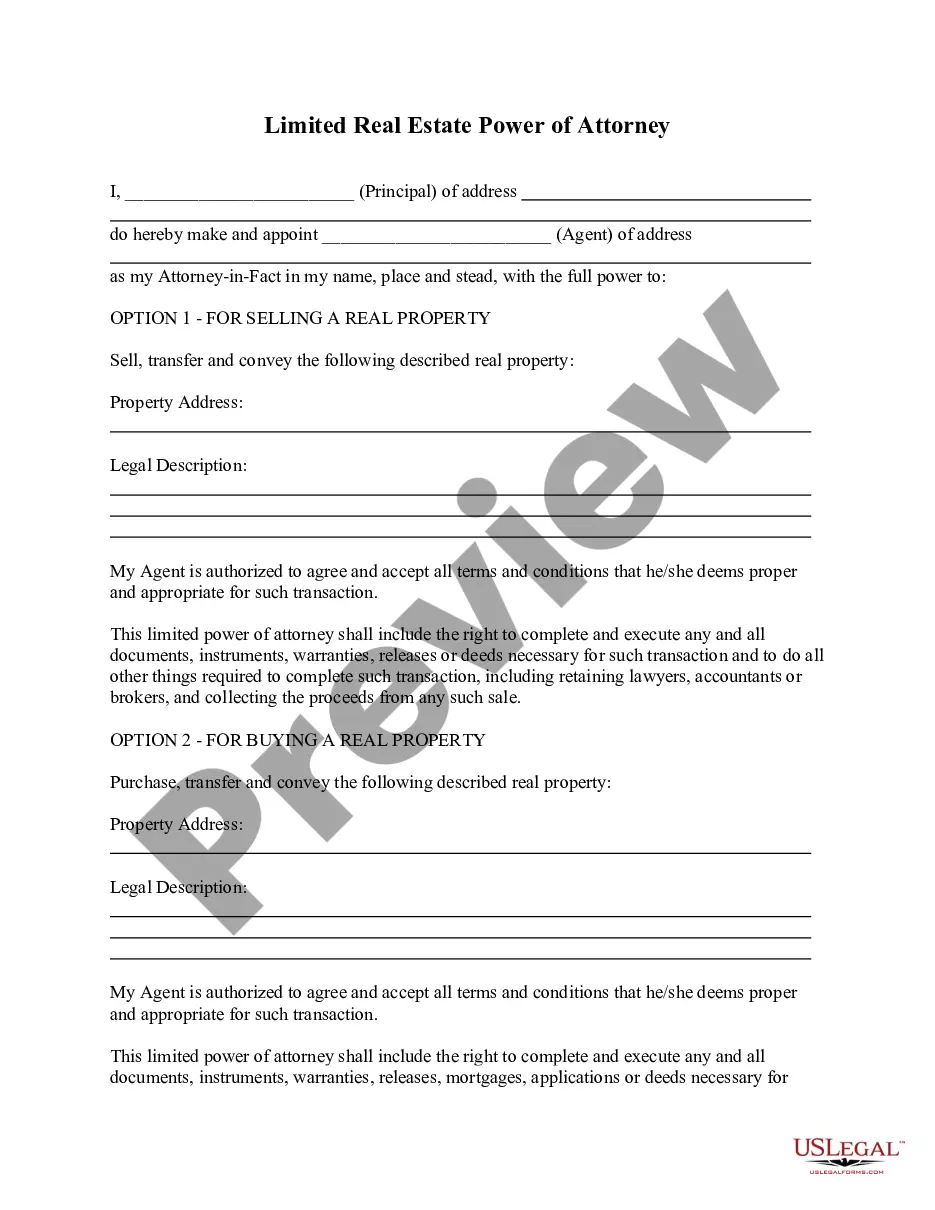
Power of Attorney for Transfer of Real Estate is a legal document that allows one person, known as the “principal,” to give another person, known as the “agent,” the authority to manage the transfer of real estate on the principal’s behalf. The agent is given the authority to sign documents, make decisions, and perform other tasks related to the transfer of the real estate. The principal must provide the agent with a signed and notarized power of attorney document that outlines the scope of the agent’s authority. There are two types of Power of Attorney for Transfer of Real Estate: general and limited. A general power of attorney gives the agent broad powers to manage the transfer of the principal’s real estate. A limited power of attorney gives the agent more limited powers and specifies the exact tasks the agent is authorized to perform.
Power of Attorney for Transfer of Real Estate
Description
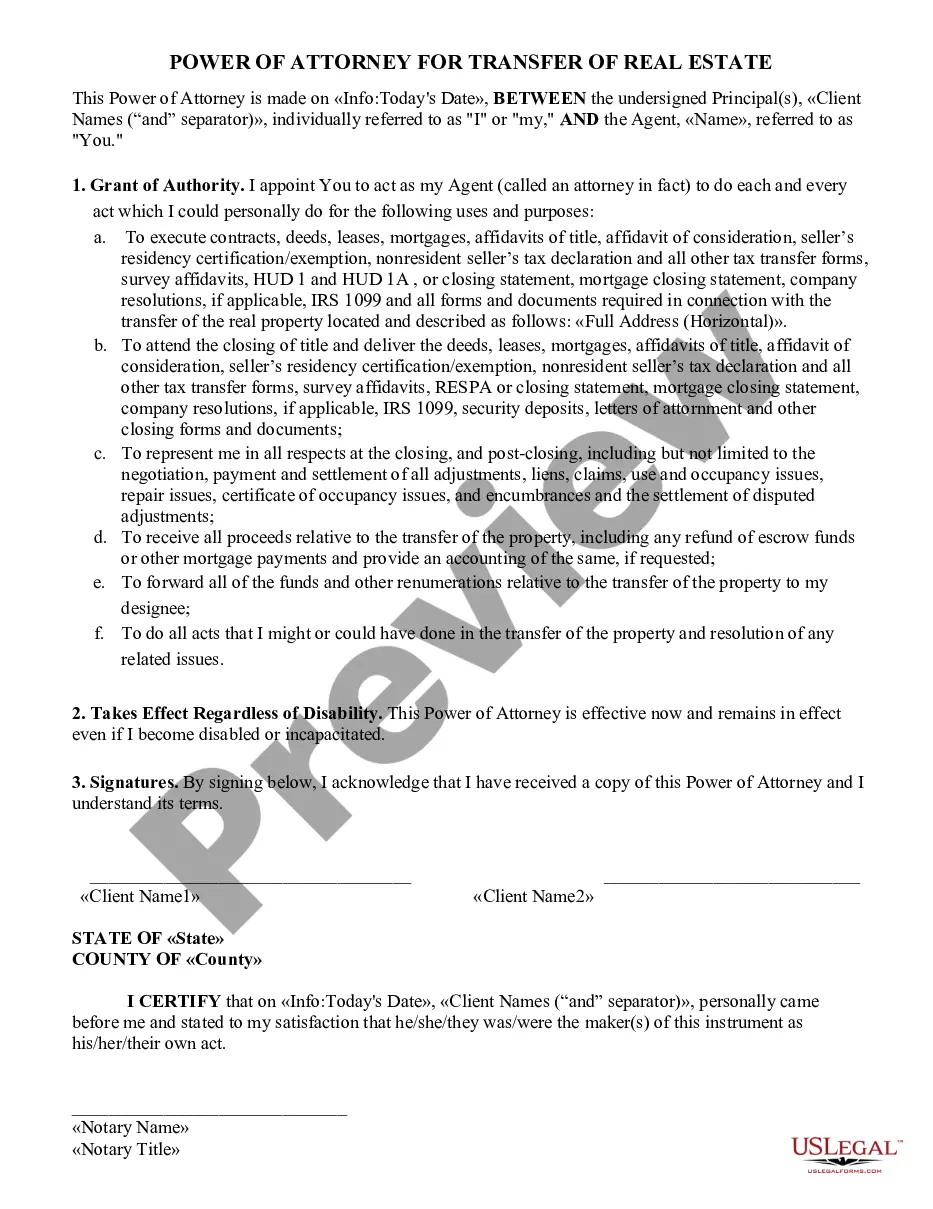


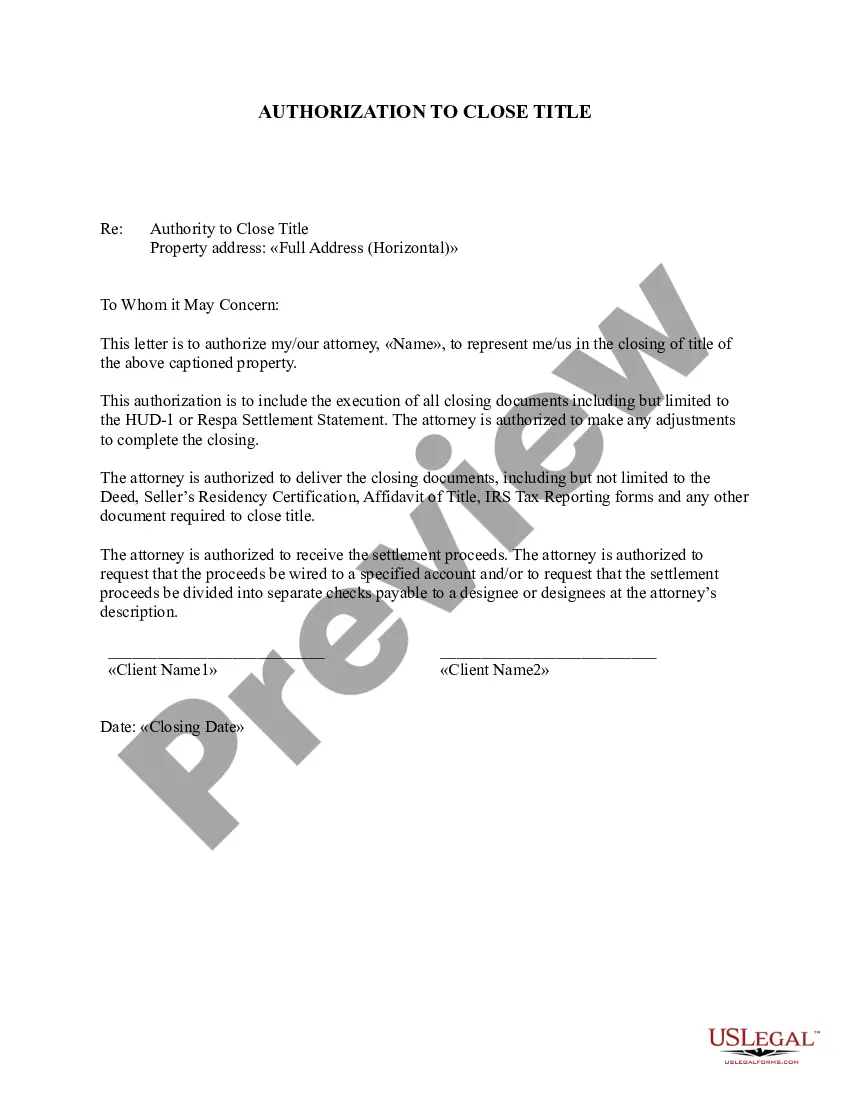
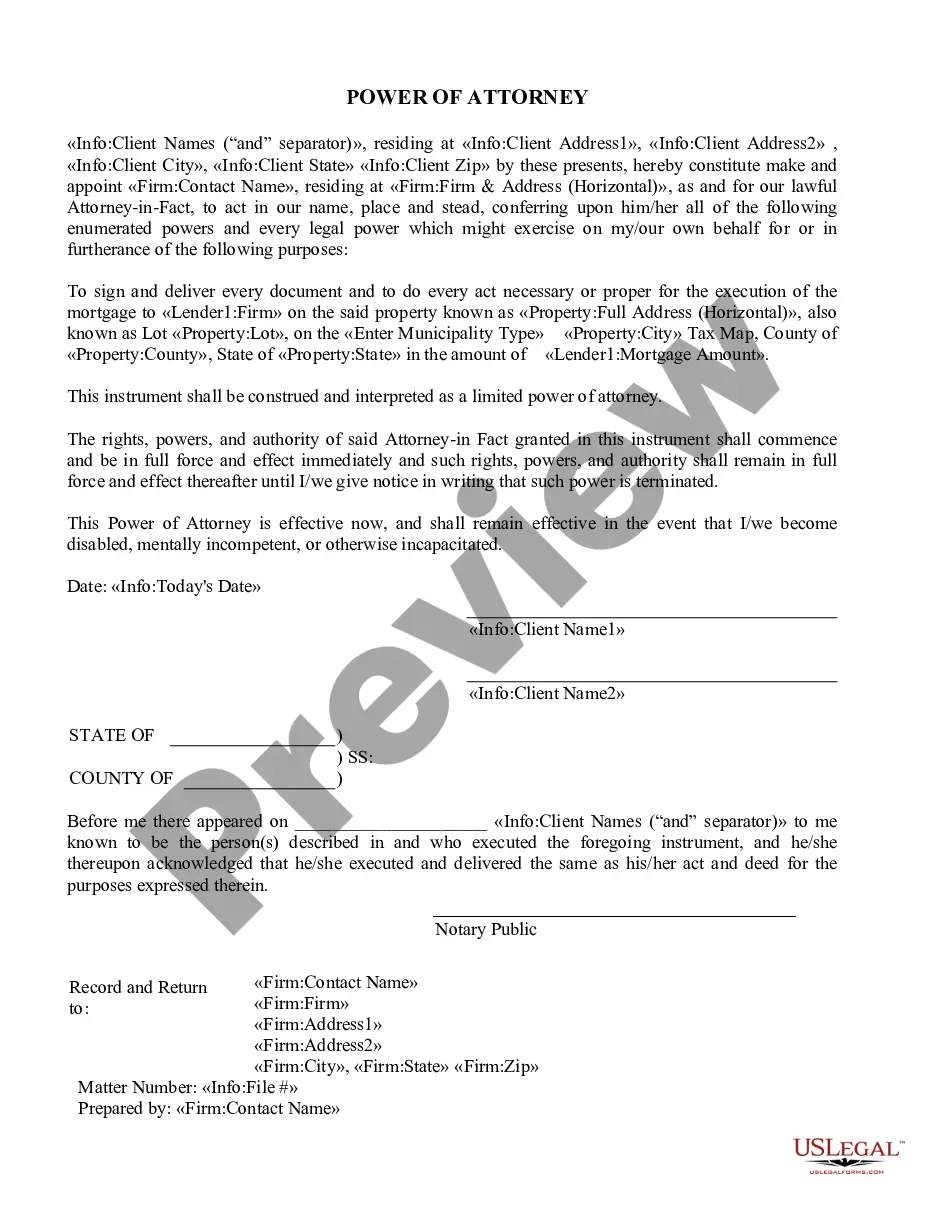
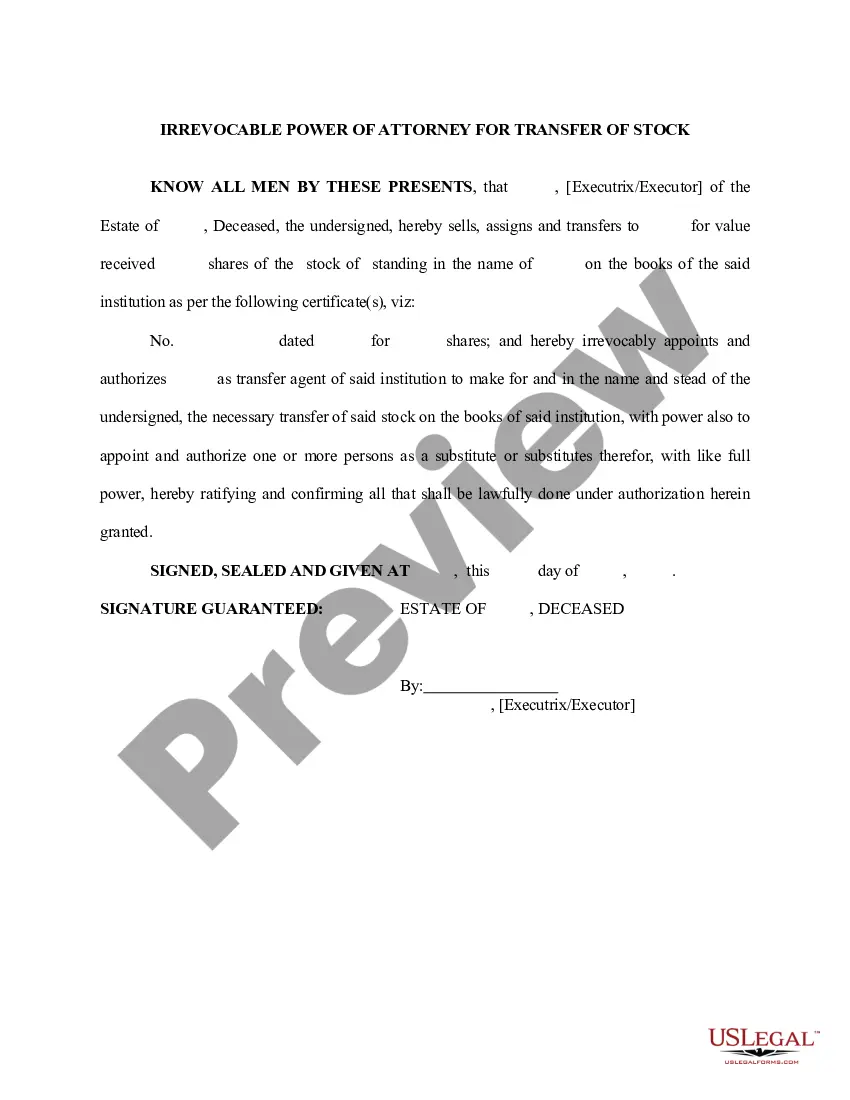
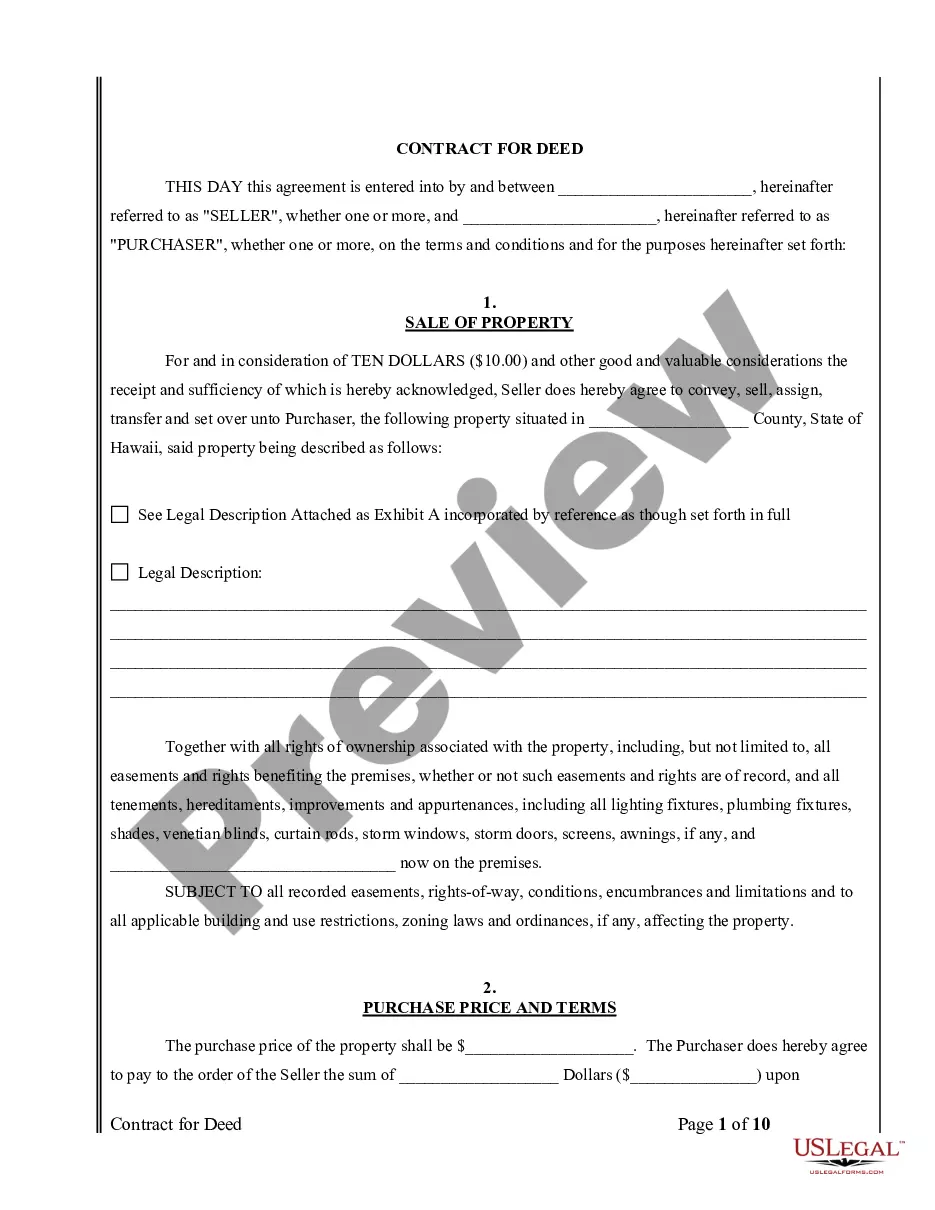




How to fill out Power Of Attorney For Transfer Of Real Estate?
How much time and resources do you often spend on composing official paperwork? There’s a greater option to get such forms than hiring legal specialists or wasting hours searching the web for an appropriate blank. US Legal Forms is the top online library that provides professionally designed and verified state-specific legal documents for any purpose, including the Power of Attorney for Transfer of Real Estate.
To obtain and prepare an appropriate Power of Attorney for Transfer of Real Estate blank, adhere to these easy steps:
- Look through the form content to make sure it complies with your state laws. To do so, check the form description or use the Preview option.
- In case your legal template doesn’t meet your requirements, locate a different one using the search tab at the top of the page.
- If you are already registered with our service, log in and download the Power of Attorney for Transfer of Real Estate. If not, proceed to the next steps.
- Click Buy now once you find the right document. Select the subscription plan that suits you best to access our library’s full opportunities.
- Sign up for an account and pay for your subscription. You can make a payment with your credit card or via PayPal - our service is totally secure for that.
- Download your Power of Attorney for Transfer of Real Estate on your device and fill it out on a printed-out hard copy or electronically.
Another benefit of our service is that you can access previously purchased documents that you safely store in your profile in the My Forms tab. Pick them up at any moment and re-complete your paperwork as frequently as you need.
Save time and effort completing formal paperwork with US Legal Forms, one of the most reliable web solutions. Join us today!
Form popularity
FAQ
We often hear the question, ?does the power of attorney need to be notarized in Texas?? The answer is yes; the document and any changes to it should be formally notarized. Once these steps are completed, power of attorney is validly granted.
A Texas real estate power of attorney document can be completed to enable a real estate agent to act on behalf of a homeowner or buyer. The powers granted to the agent, or attorney-in-fact can include selling, purchasing, managing, and refinancing real estate.
Yes. This special power of attorney allows your agent to sign a deed for the property. This kind of power of attorney must include a legal description of the property you want to sell. You must record a power of attorney in the deed records of the county where the property is located.
Here are the basic steps to make your Texas power of attorney: Decide which type of power of attorney to make.Decide who you want to be your agent.Decide what powers you want to give your agent.Get a power of attorney form.Complete your POA form, sign it, and execute it.
Some sites allow you to create a POA online for about $35 but you will also have to get it notarized for about $50.
You must be 18 years of age or older; You must be of sound mind and know what you are doing when you sign the power of attorney; and. If you entrust your agent to conduct real estate transactions for you, the power of attorney document must be filed with the clerk of each county where the property is located.
A statutory or durable power of attorney gives an agent permission to access bank accounts, sell property and make other important decisions when the principal becomes incapacitated or unable to make decisions. It stays in effect until revoked or until the principal dies.
Fees may vary ing to the type of POA, its length, and complexity, but the average cost of a power of attorney is about $300. Some lawyers charge by the hour, with the average hourly rate for a family or probate lawyer typically in the $250 to $350 range.