Warranty Deed for Surface and Mineral Interests with Multiple Grantors
Understanding this form
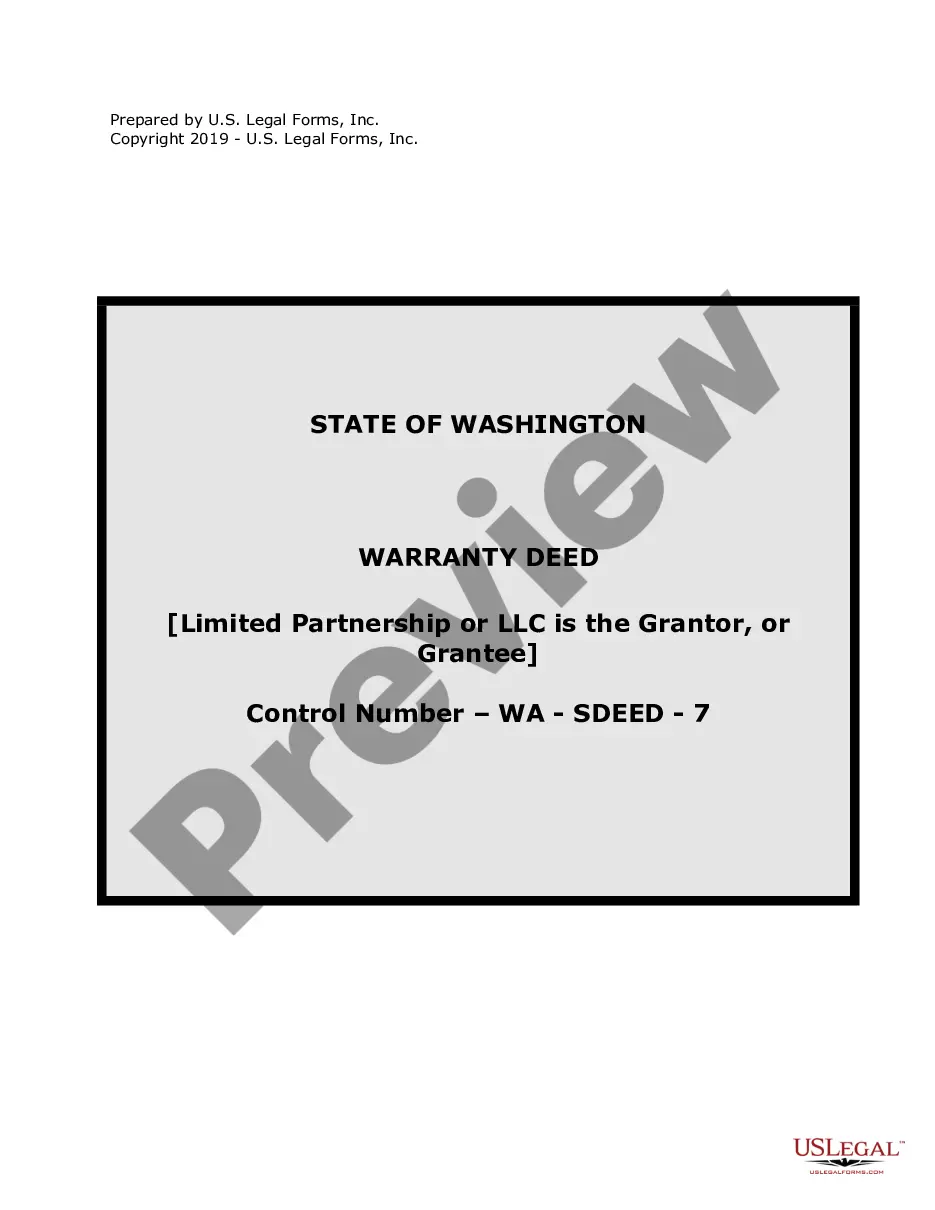
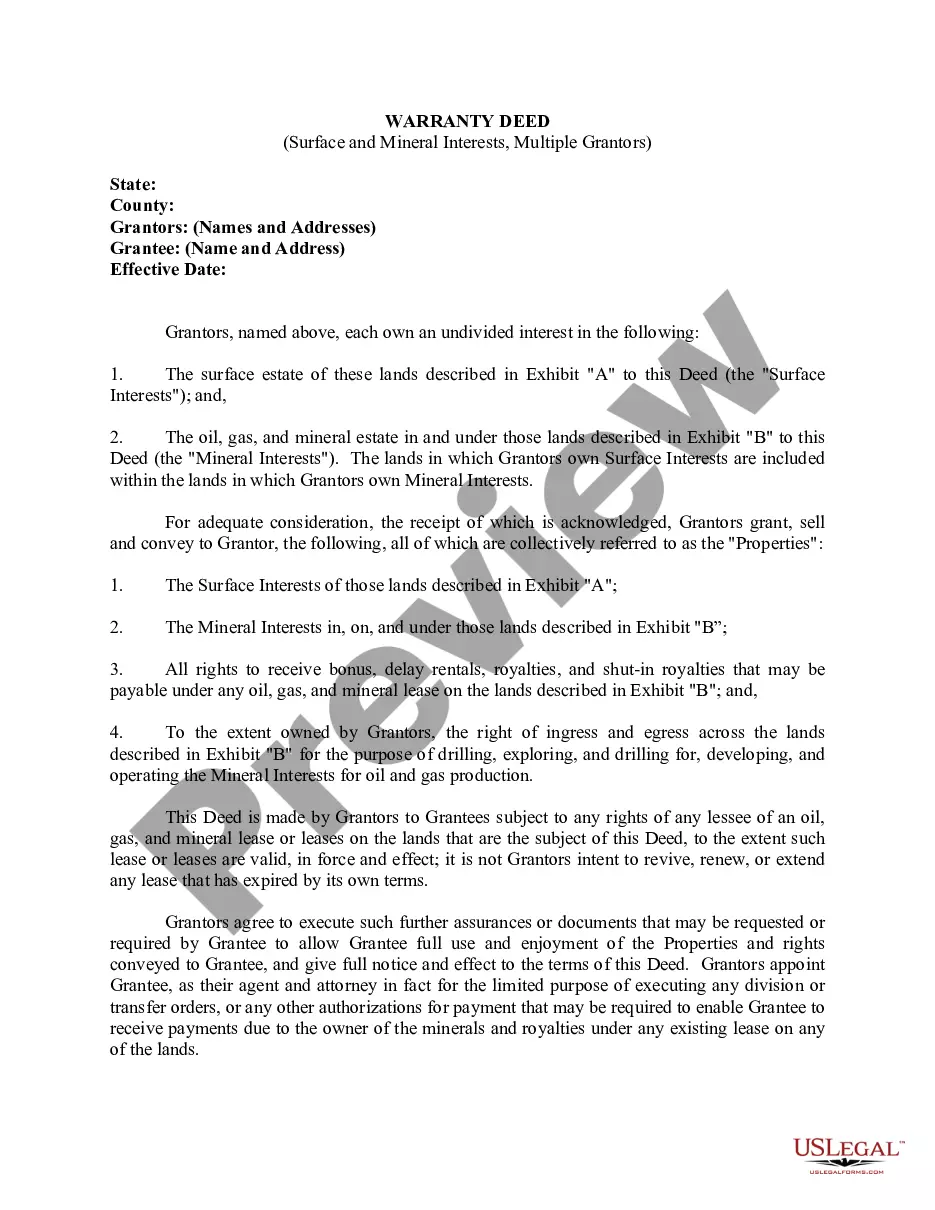
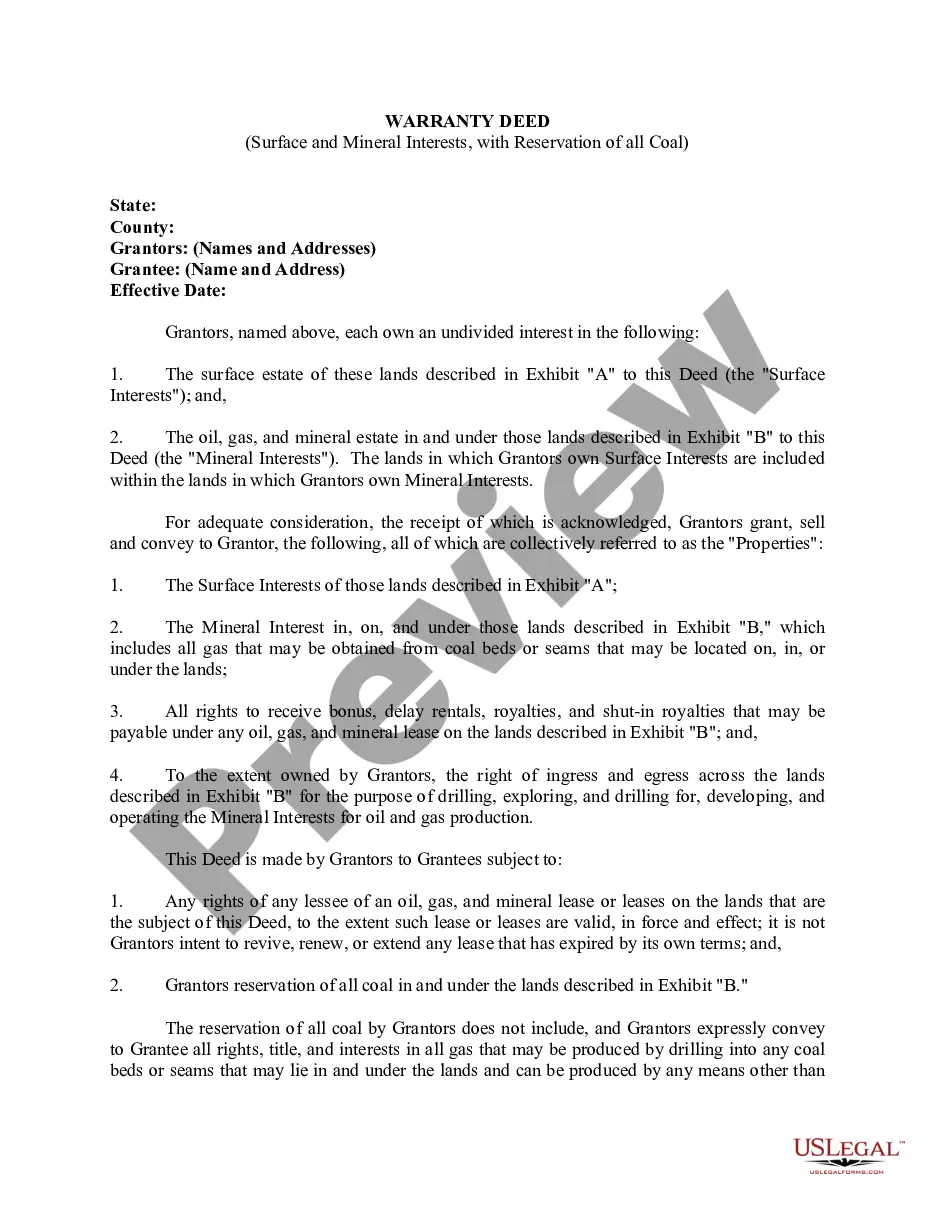
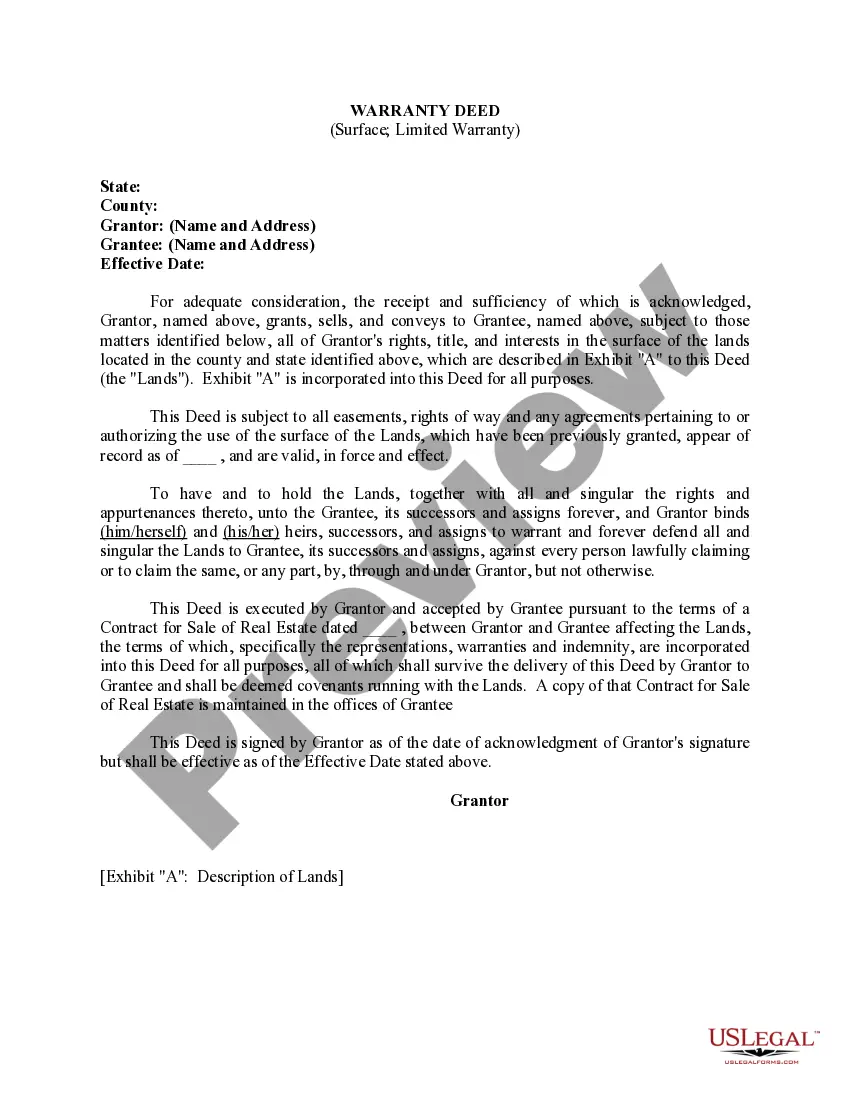
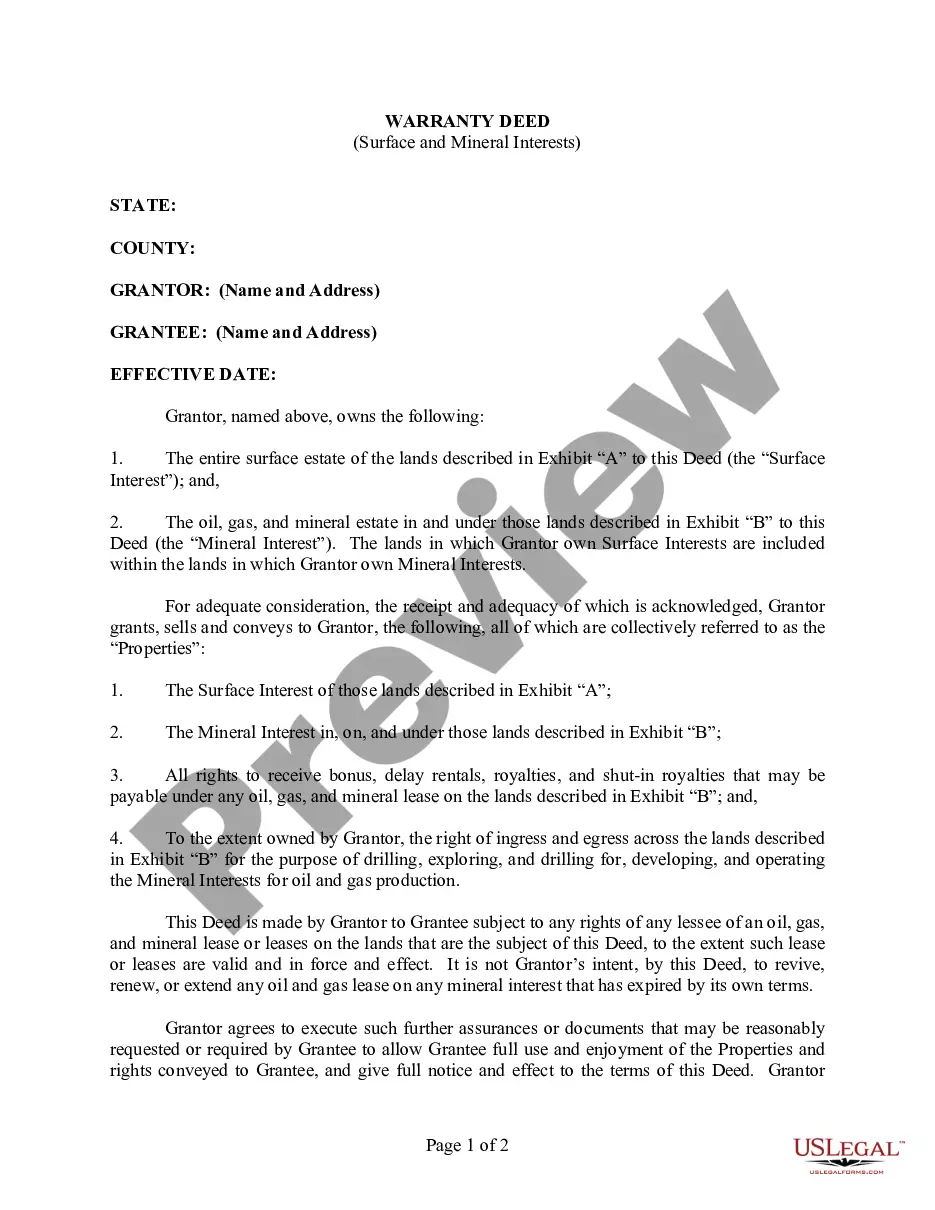
This Warranty Deed for Surface and Mineral Interests with Multiple Grantors is a legal document that conveys ownership of both surface and mineral rights from multiple grantors to a single grantee. It is distinct from other types of deeds due to its comprehensive transfer of both surface estates and mineral estates, making it essential for individuals or entities looking to consolidate ownership of land and the resources beneath it.
What’s included in this form
- Grantor information: Includes names and addresses of all grantors.
- Grantee information: Specifies the name and address of the single grantee.
- Effective date: Indicates when the conveyance of interests is effective.
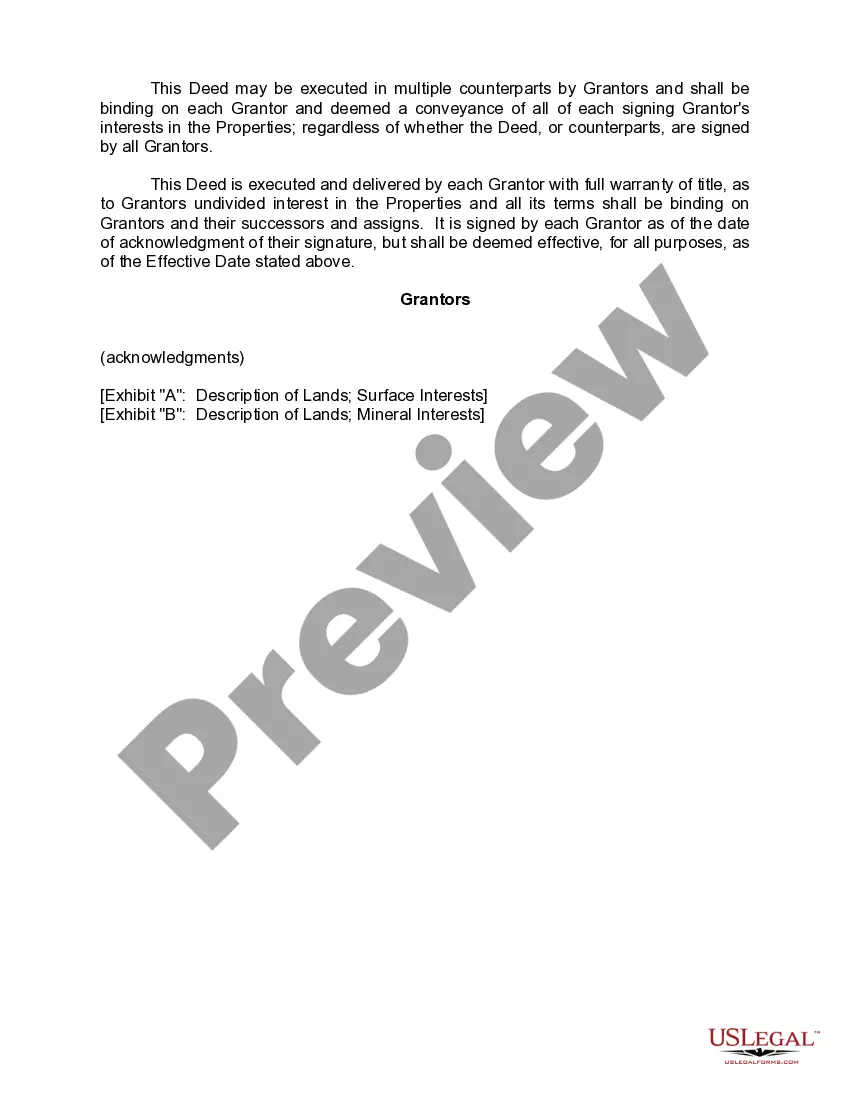
- Details of surface and mineral estates: Outlines the specific properties being transferred, including descriptions in exhibits.
- Transfer of rights: Covers rights to royalties and access for exploration and drilling.
When to use this document
This form is necessary when multiple parties wish to transfer both surface rights and subsurface mineral rights to a single individual or entity. Situations include real estate transactions involving oil, gas, or mineral exploration, and consolidating ownership in joint ventures or partnerships within the property development sector.
Who should use this form
- Individuals or entities owning surface and mineral interests in a property.
- Multiple grantors looking to collectively convey their interests to a single grantee.
- Real estate professionals facilitating transactions involving mineral rights.
Instructions for completing this form
- Identify the parties: Enter the names and addresses of all grantors and the grantee.
- Specify the property: Provide the effective date and detailed descriptions of the surface and mineral interests in the appropriate exhibits.
- Outline considerations: Include any payments or terms acknowledged by grantors.
- Signatures: Ensure all grantors sign the deed as required.
- Notarization: Confirm if notarization is needed and complete this step if required.
Is notarization required?
To make this form legally binding, it must be notarized. Our online notarization service, powered by Notarize, lets you verify and sign documents remotely through an encrypted video session.
Get your form ready online
Our built-in tools help you complete, sign, share, and store your documents in one place.
Make edits, fill in missing information, and update formatting in US Legal Forms—just like you would in MS Word.
Download a copy, print it, send it by email, or mail it via USPS—whatever works best for your next step.
Sign and collect signatures with our SignNow integration. Send to multiple recipients, set reminders, and more. Go Premium to unlock E-Sign.
If this form requires notarization, complete it online through a secure video call—no need to meet a notary in person or wait for an appointment.
We protect your documents and personal data by following strict security and privacy standards.

Make edits, fill in missing information, and update formatting in US Legal Forms—just like you would in MS Word.

Download a copy, print it, send it by email, or mail it via USPS—whatever works best for your next step.

Sign and collect signatures with our SignNow integration. Send to multiple recipients, set reminders, and more. Go Premium to unlock E-Sign.

If this form requires notarization, complete it online through a secure video call—no need to meet a notary in person or wait for an appointment.

We protect your documents and personal data by following strict security and privacy standards.
Common mistakes
- Failing to include all grantors' names and addresses.
- Not describing the properties accurately in the exhibits.
- Omitting signatures or the effective date.
- Neglecting to verify state-specific requirements for property transfer.
Why complete this form online
- Convenient access to professional legal documents tailored to your needs.
- Editable templates that allow you to include specific property details easily.
- Immediate download, enabling quick processing of your property transaction.
- Reliable resources drafted by licensed attorneys to ensure legal compliance.
Key takeaways
- This deed enables the transfer of both surface and mineral rights, consolidating ownership in one party.
- Accurate completion of all components is crucial to avoid legal disputes.
- Review state-specific requirements to ensure compliance with local laws.
Looking for another form?
Form popularity
FAQ
A mineral owner's rights typically include the right to use the surface of the land to access and mine the minerals owned.Additionally, to protect the land owner and the environment, state and local laws regulating mining and drilling typically contain restrictions on mineral extraction activities.
Mineral rights are often sold separately from the land they are on. You may have title to the mineral rights on a property you own, or a previous owner may have sold or leased them in which case, they may not be yours to sell. But there is no need to abandon the idea of monetizing your mineral reserves!
Under the Grantor section of the deed, write the name of the person transferring title. Under Grantee, write the name of the person receiving title. Describe the parcel of land. Use the street address and include the North Carolina County where the land is located.
A deed that names the seller/donor and the purchaser/donee. It states and describes the rights being sold or given. Filing of the notarized conveyance in the county government office which is generally the county clerk's office.
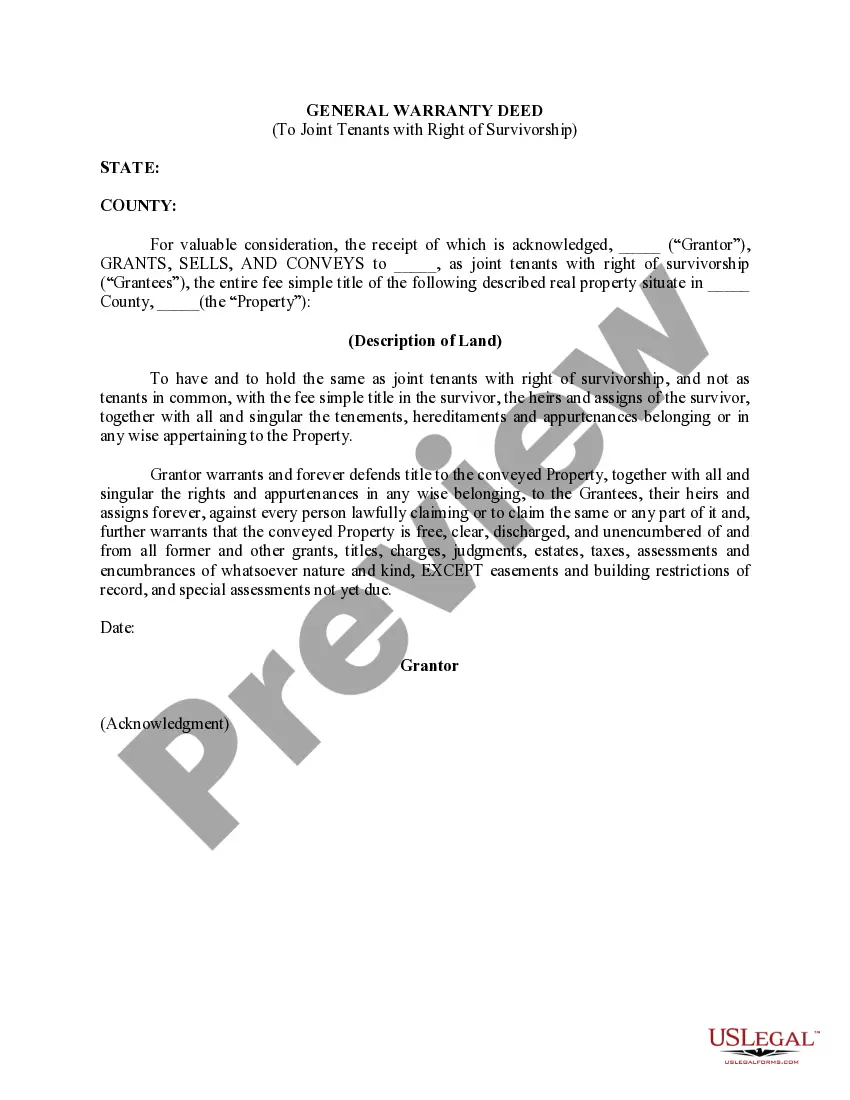
A warranty deed is a document often used in real estate that provides the greatest amount of protection to the purchaser of a property. It pledges or warrants that the owner owns the property free and clear of any outstanding liens, mortgages, or other encumbrances against it.
The name and address of the seller (called the grantor) The name and address of the buyer (called the grantee) A legal description of the property (found on the previous deed) A statement that the grantor is transferring the property to the grantee.
The name and address of the seller (called the grantor) The name and address of the buyer (called the grantee) A legal description of the property (found on the previous deed) A statement that the grantor is transferring the property to the grantee.
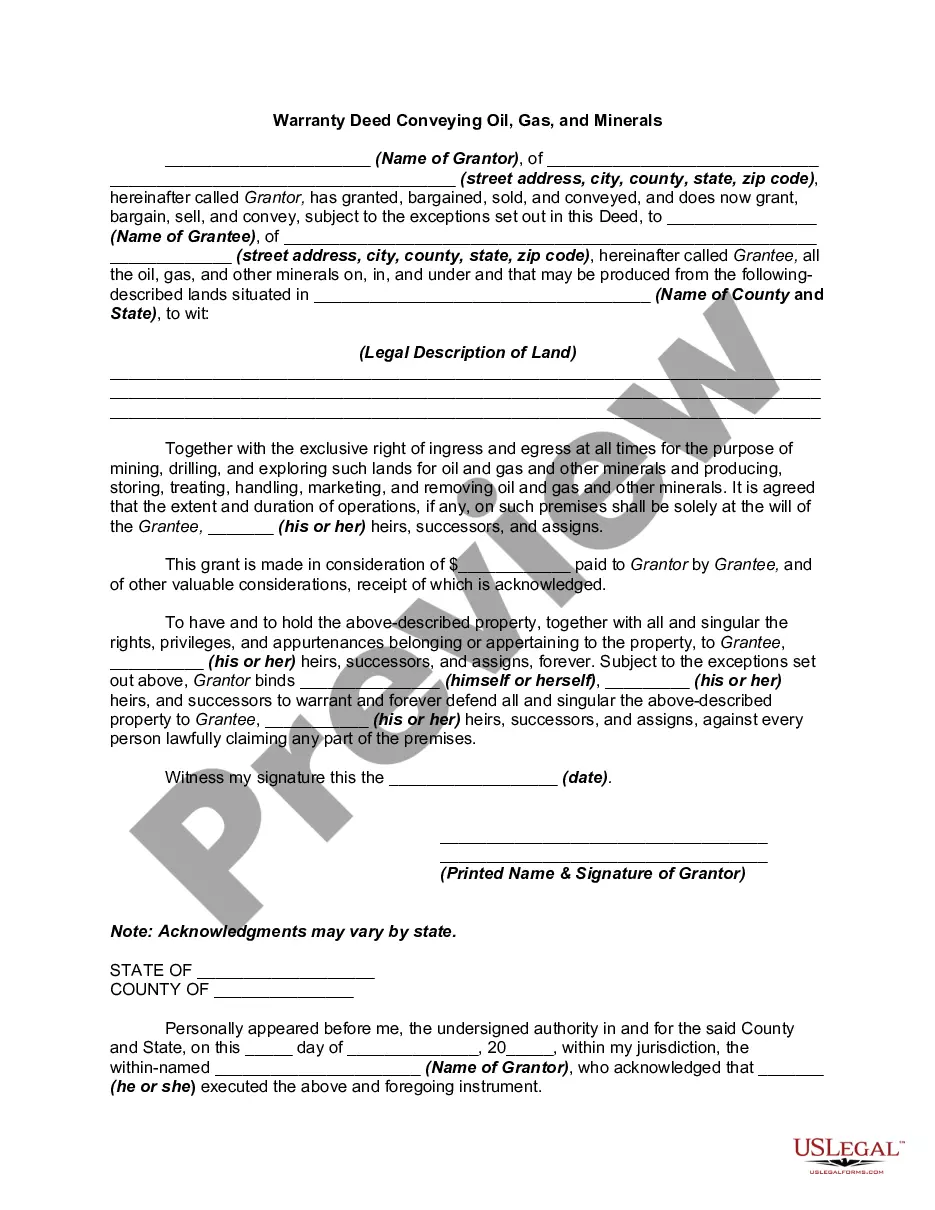
A Mineral Deed typically applies to rights under the land itself. It provides the buyer with the option to extract those minerals, but the deed does not contain title to the surface land or any of the buildings attached to the property. The Mineral Deed does contain certain rights.
The Warranty Deed will normally only mention mineral rights specifically if they are reserved. What leads you to believe that the investment group received 50% of the rights? If there is no mention of a reservation in the Warranty Deed, then any mineral rights owned by the Grantor at the time will normally be conveyed.