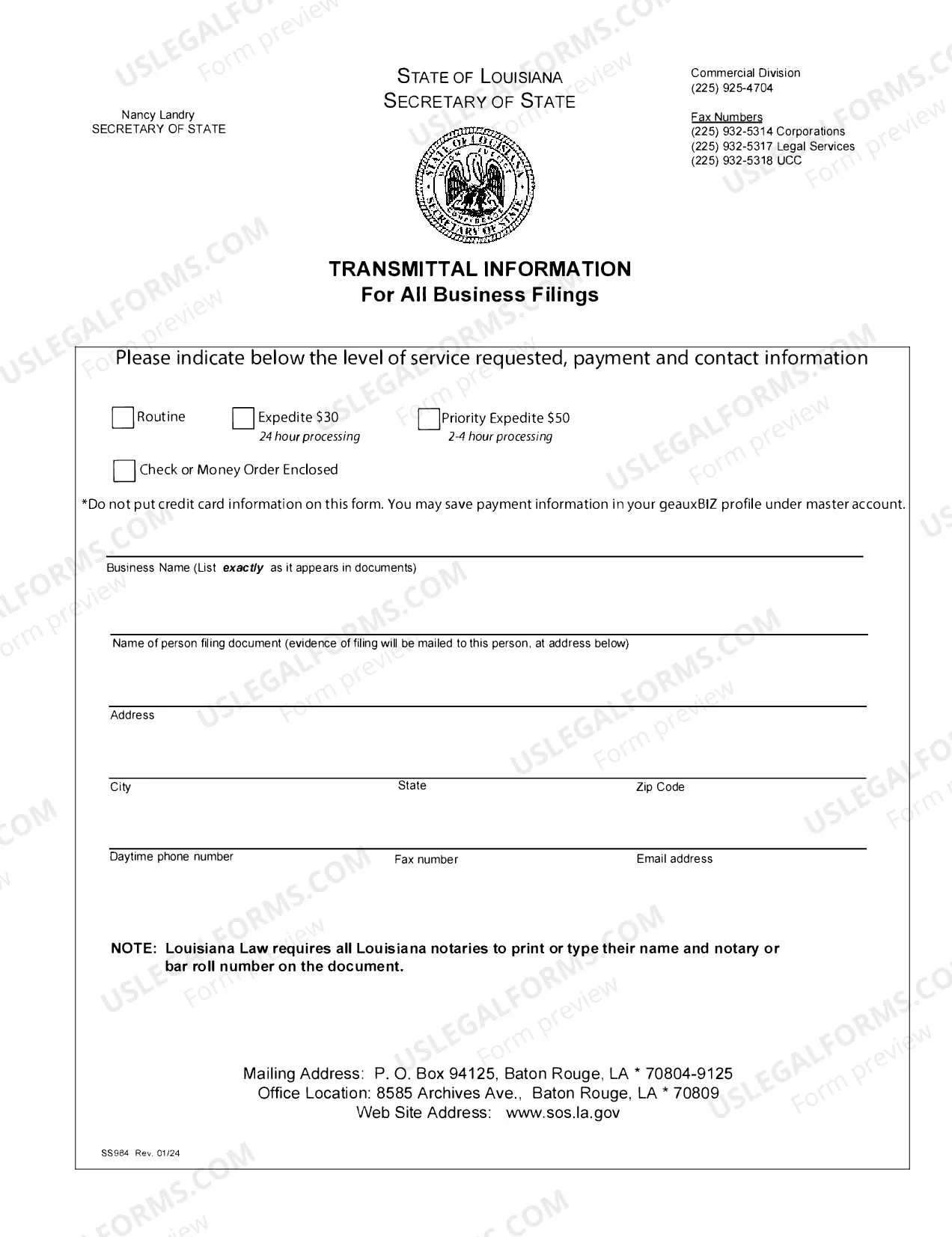
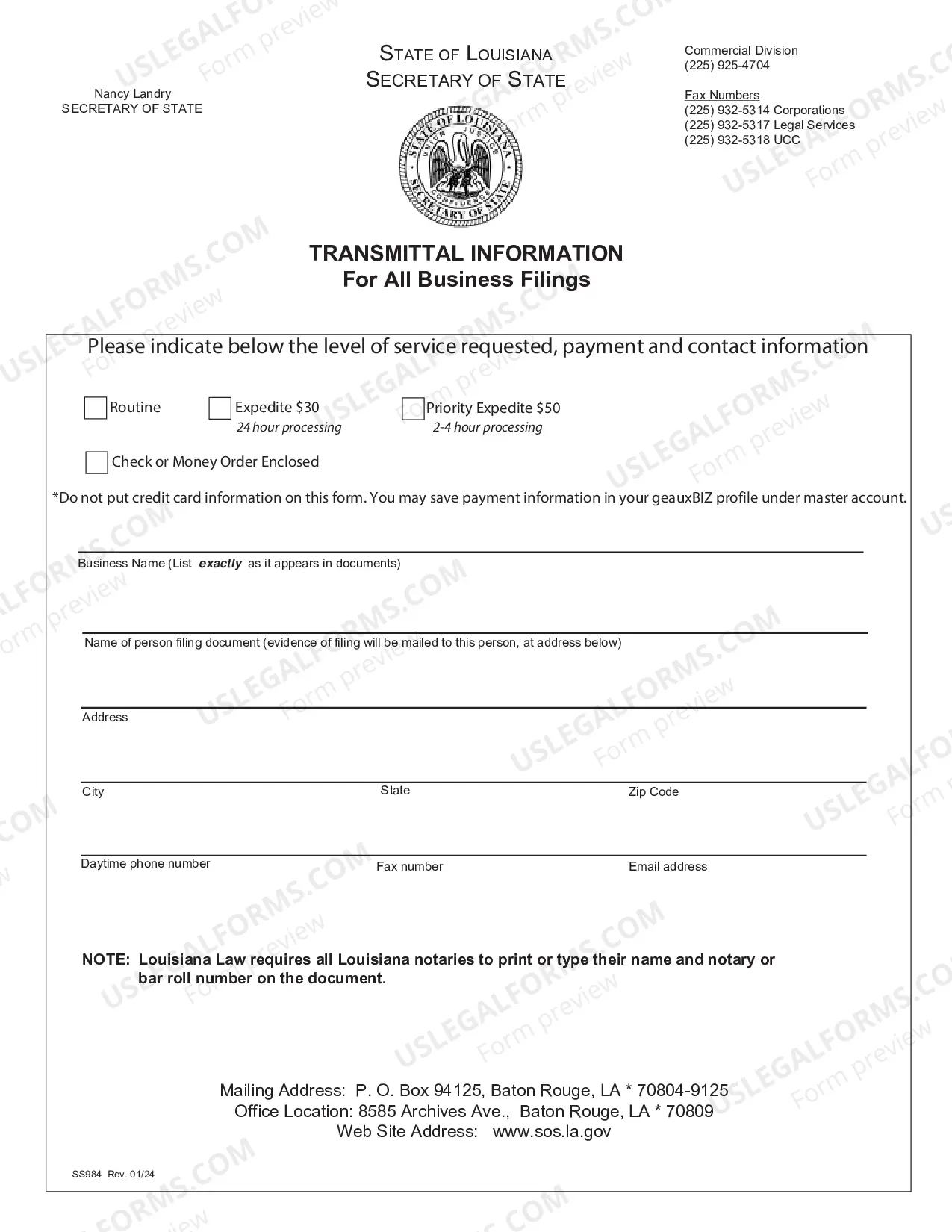
Received Bid Cover Sheet
What is this form?
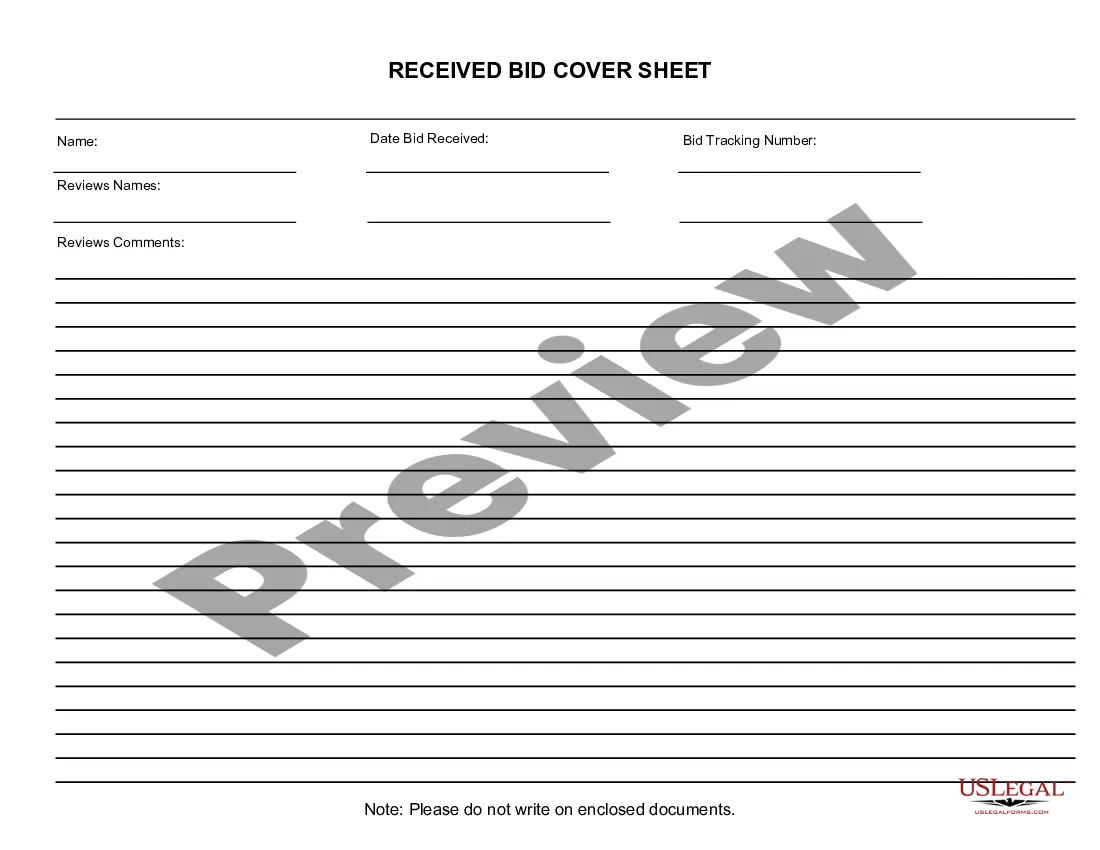
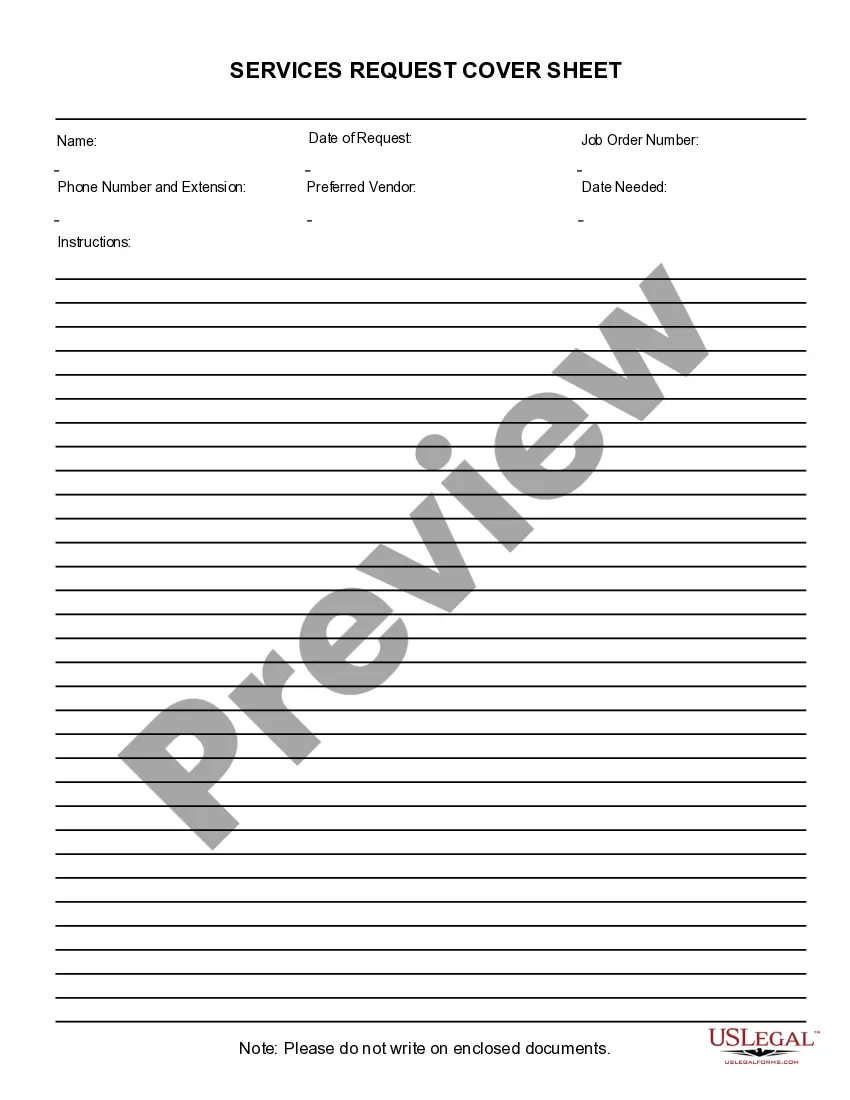
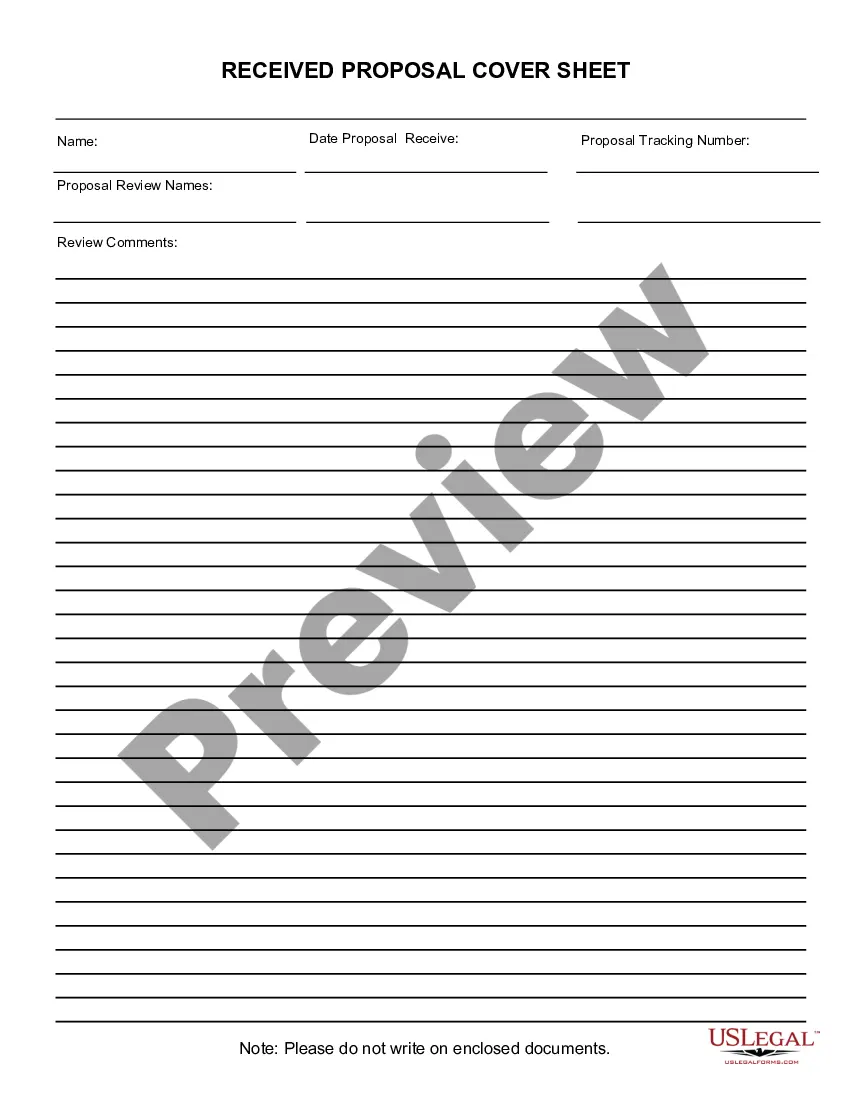
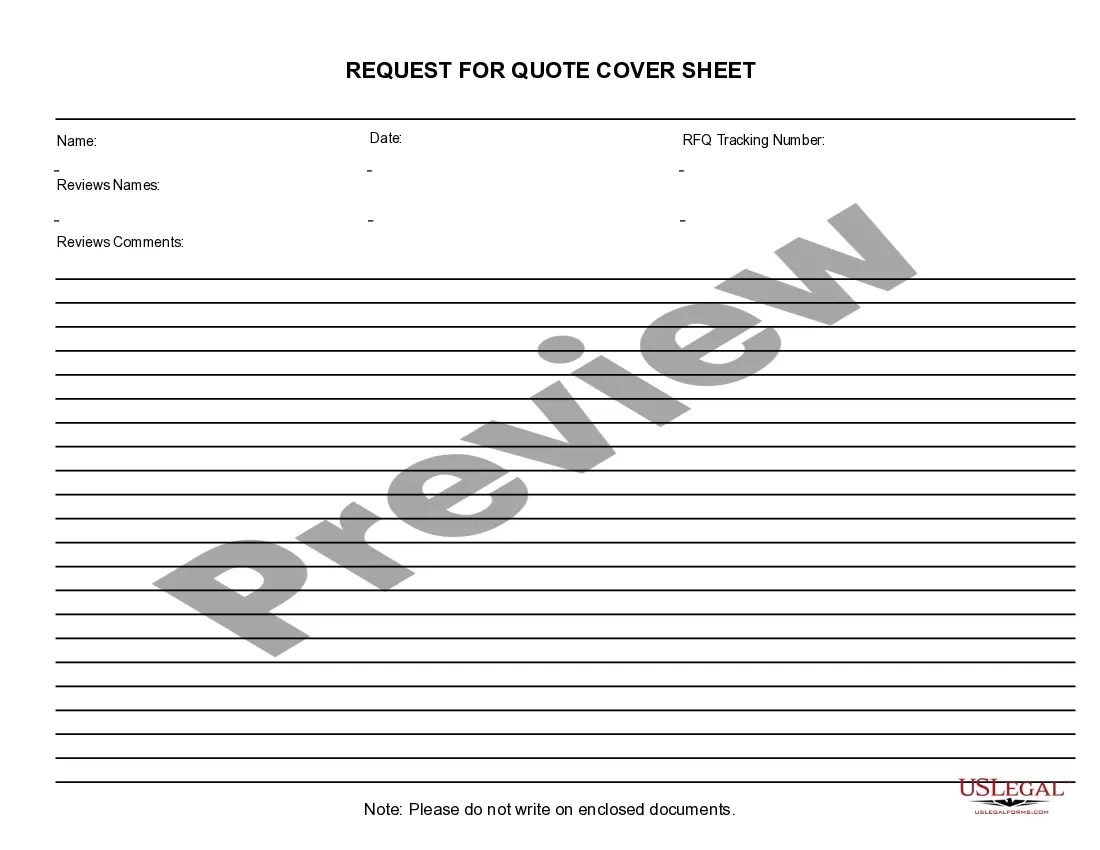
The Received Bid Cover Sheet is a critical business document that helps streamline the bidding process. It serves as an official way to acknowledge the receipt of bids from various contractors or suppliers. This form is specifically designed to be filled out using Adobe Acrobat or Word, ensuring ease of use and convenience, which sets it apart from other general bidding forms.
What’s included in this form
- Date of receipt
- Bidder information (name and contact details)
- Project details (name and description)
- Bid amount
- Signature of the receiving authority
When to use this form
You should use the Received Bid Cover Sheet whenever you receive bids from contractors or suppliers for a project. It is helpful for maintaining a clear record of all bids submitted, which can assist in comparing offers and making informed decisions. This form is essential during construction projects, procurement processes, or any situation where formal bids are submitted.
Who can use this document
This form is suitable for:
- Project managers
- Procurement officers
- Contract administrators
- Business owners soliciting bids
- Any organization requiring a formal bidding process
How to complete this form
- Identify the date when the bid is received.
- Enter the bidder's information, including their name and contact details.
- Provide a brief description of the associated project along with relevant details.
- Record the total bid amount submitted by the bidder.
- Ensure the receiving authority signs the form to validate it.
Notarization guidance
In most cases, this form does not require notarization. However, some jurisdictions or signing circumstances might. US Legal Forms offers online notarization powered by Notarize, accessible 24/7 for a quick, remote process.
Get your form ready online
Our built-in tools help you complete, sign, share, and store your documents in one place.
Make edits, fill in missing information, and update formatting in US Legal Forms—just like you would in MS Word.
Download a copy, print it, send it by email, or mail it via USPS—whatever works best for your next step.
Sign and collect signatures with our SignNow integration. Send to multiple recipients, set reminders, and more. Go Premium to unlock E-Sign.
If this form requires notarization, complete it online through a secure video call—no need to meet a notary in person or wait for an appointment.
We protect your documents and personal data by following strict security and privacy standards.

Make edits, fill in missing information, and update formatting in US Legal Forms—just like you would in MS Word.

Download a copy, print it, send it by email, or mail it via USPS—whatever works best for your next step.

Sign and collect signatures with our SignNow integration. Send to multiple recipients, set reminders, and more. Go Premium to unlock E-Sign.

If this form requires notarization, complete it online through a secure video call—no need to meet a notary in person or wait for an appointment.

We protect your documents and personal data by following strict security and privacy standards.
Typical mistakes to avoid
- Not including all bidder contact information.
- Failing to sign the document after completion.
- Omitting the project details, which can lead to confusion.
- Incorrectly noting the date of receipt.
Benefits of completing this form online
- Quick and easy access to the form in a digital format.
- Fields are editable, making it easy to customize for each bid.
- Secure storage of completed forms for future reference.
- Reduces paperwork and enhances efficiency in the bidding process.
Looking for another form?

Form popularity
FAQ
Be the first page of your RFP response followed by your executive summary and proposal. Introduce your company to the key decision makers and those reviewing your bid. Be conversational, genuine and confident 2060 but not an overt sales pitch.
Bid Data Sheet means an integral part of the Instructions to Bidders that is used to reflect specific Assignment conditions to supplement, but not to over-write, the provisions of the ITB.
Request your dollar amount and introduce your project in the first sentence. Describe how your project and/or organization will further the foundation's mission. Reference your most recent contact with the foundation. List the proposal's contents. Give contact details in case the funder wants additional information.
Name of applying organization and logo. Project title. Date. Contact information (personal contact name, address, country, phone, email, website) Name of donor you are applying to. Executive summary (for short applications only)
Identify the Client's Key Business Need(s) Recommend a Solution to Meet Those Needs. Explain Your Basic Approach. Mention A Few of Your Most Important Differentiators. Finish with a Call to Action.
Cover bidding, also known as cover pricing, is used during a competitive tender process as a way of rigging a bid to give an unfair advantage to a specific supplier. Typically, two or more suppliers secretly agree to help one of them win.
The cover letter should contain a summary of your proposal, introduce your organization and summarize any recent communications you've had with the funding organization. Include the amount of funding that you are requesting, the population it will serve, and the need it will help solve.
A bid is not an info packet. It's a persuasion tool. A bid should be personalised for the client. Take the time to customise the proposal. A bid should show that you clearly understand the job. A bid should show how you will provide value. The devil is in the detail. And don't forget. The last word.
In an auction or other competitive sale, the second-highest bid. The term carries a slight connotation that the bidder was a plant who was simply trying to drive the price higher.