Kentucky Employment Employee Personnel File Package
What this form package covers
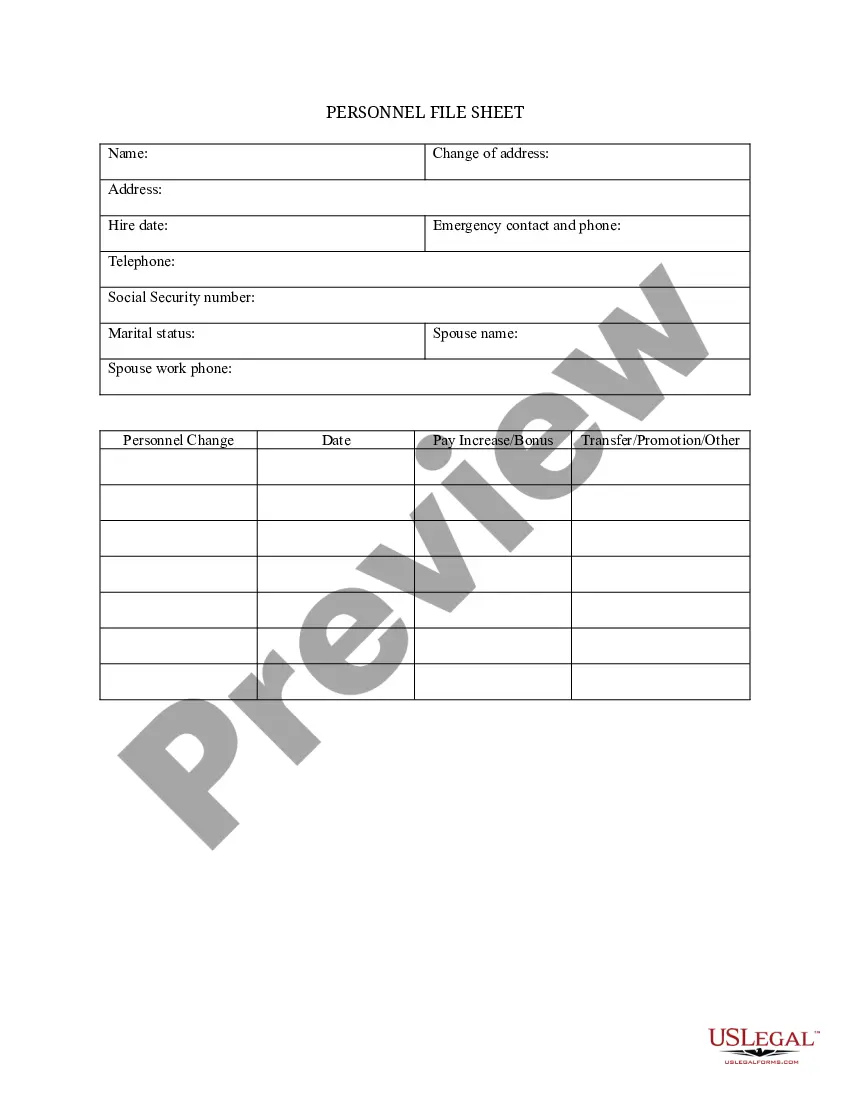
The Kentucky Employment Employee Personnel File Package consists of essential forms to help your business maintain precise personnel records regarding employee matters. This package is designed to protect employers from costly legal issues and ensures compliance with federal labor laws.
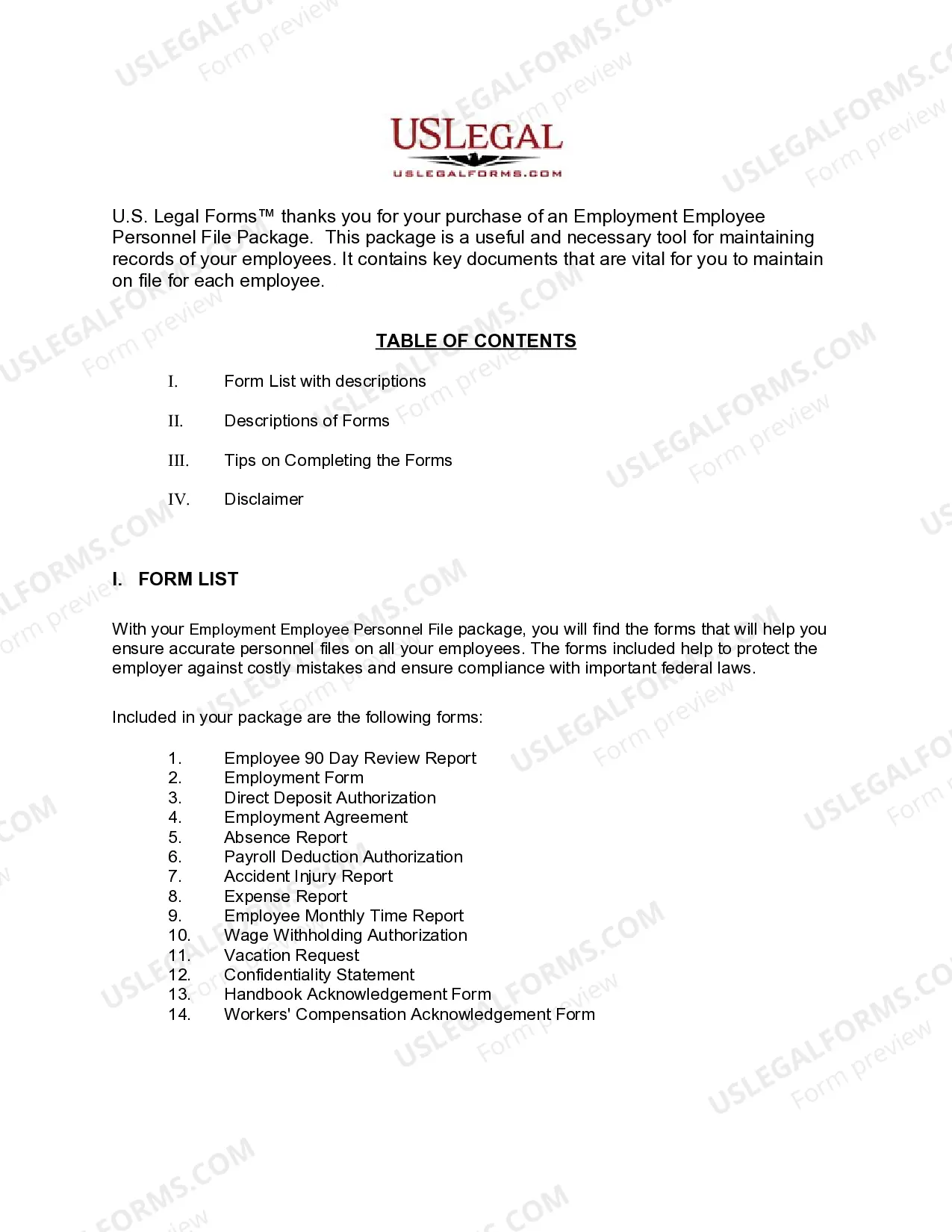
Forms provided in this package
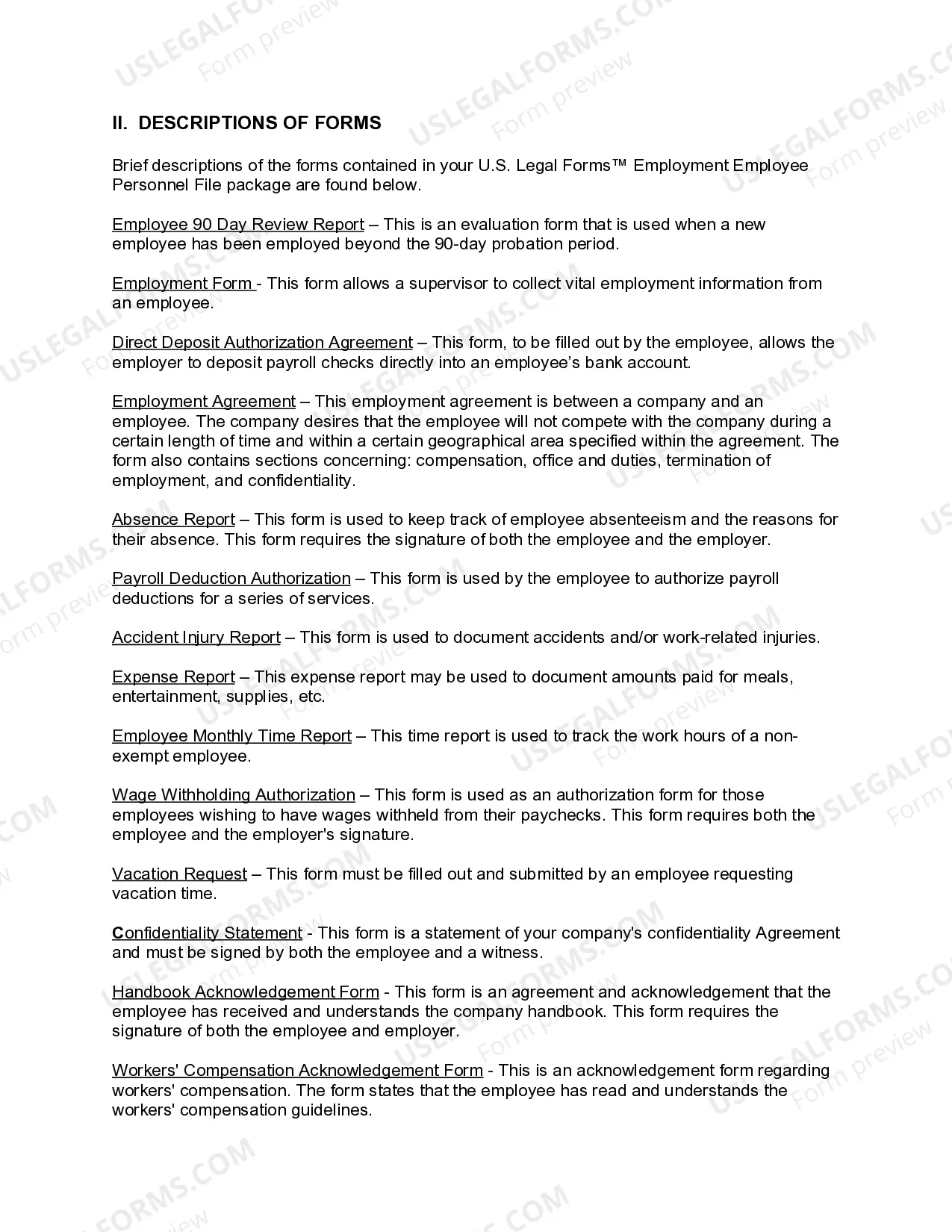
- Employment Agreement between a company and an employee
- Absence Report
- Payroll Deduction Authorization Form
- Accident - Injury Report
- Direct Deposit Authorization
- Nonexempt Employee Time Report
- Employee 90 day Review Report
- Wage Withholding Authorization
- Confidentiality Statement and Agreement for an Employee
- Employee Agreement and Handbook Acknowledgment Form
- Workers' Compensation Acknowledgment Form
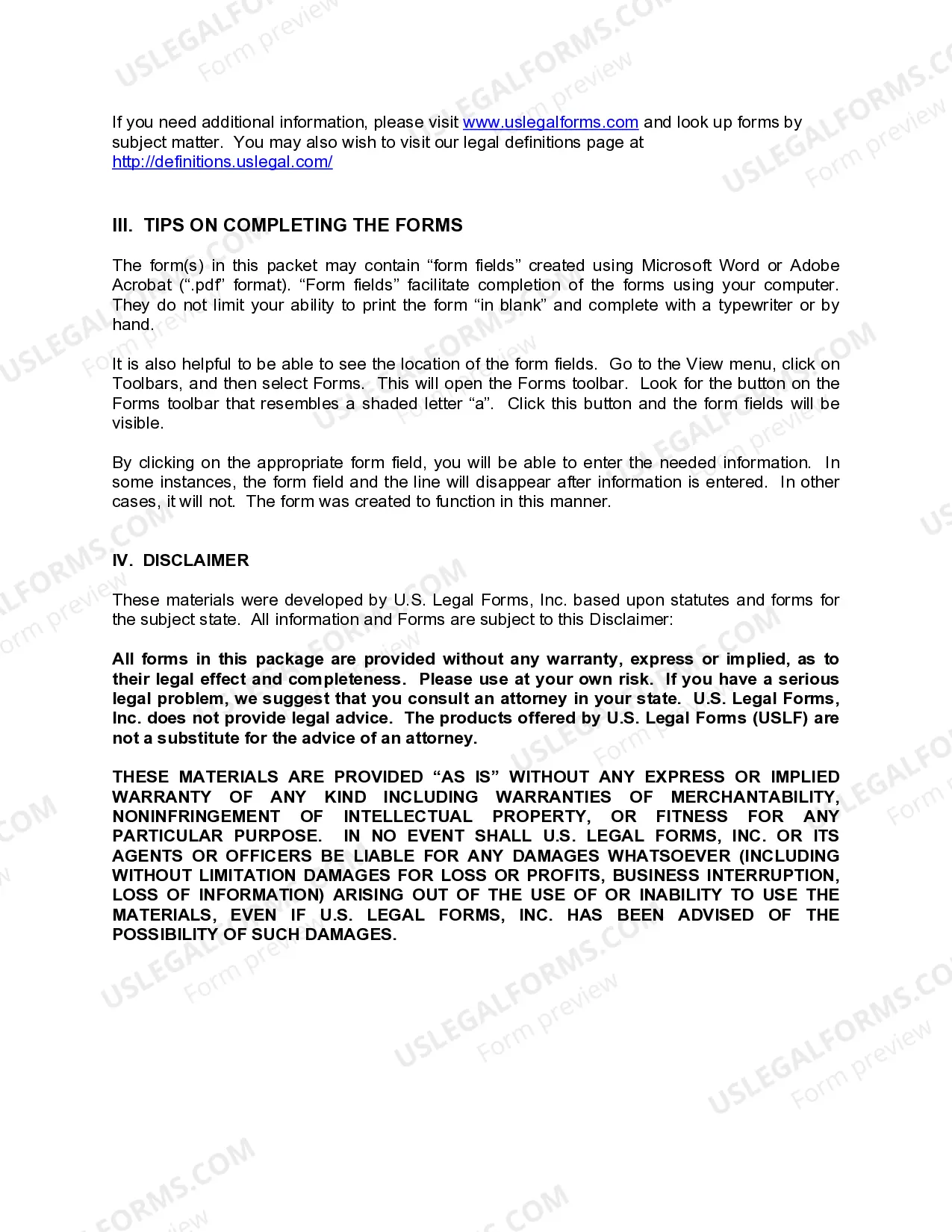
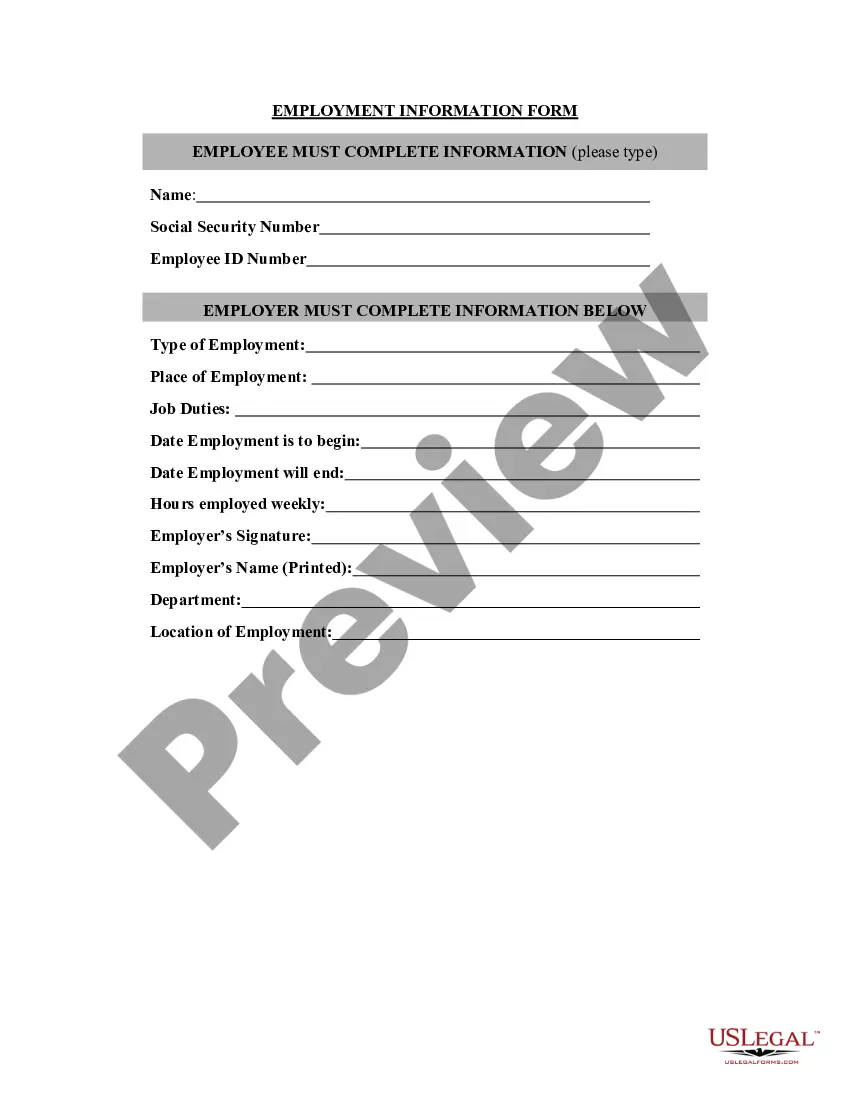
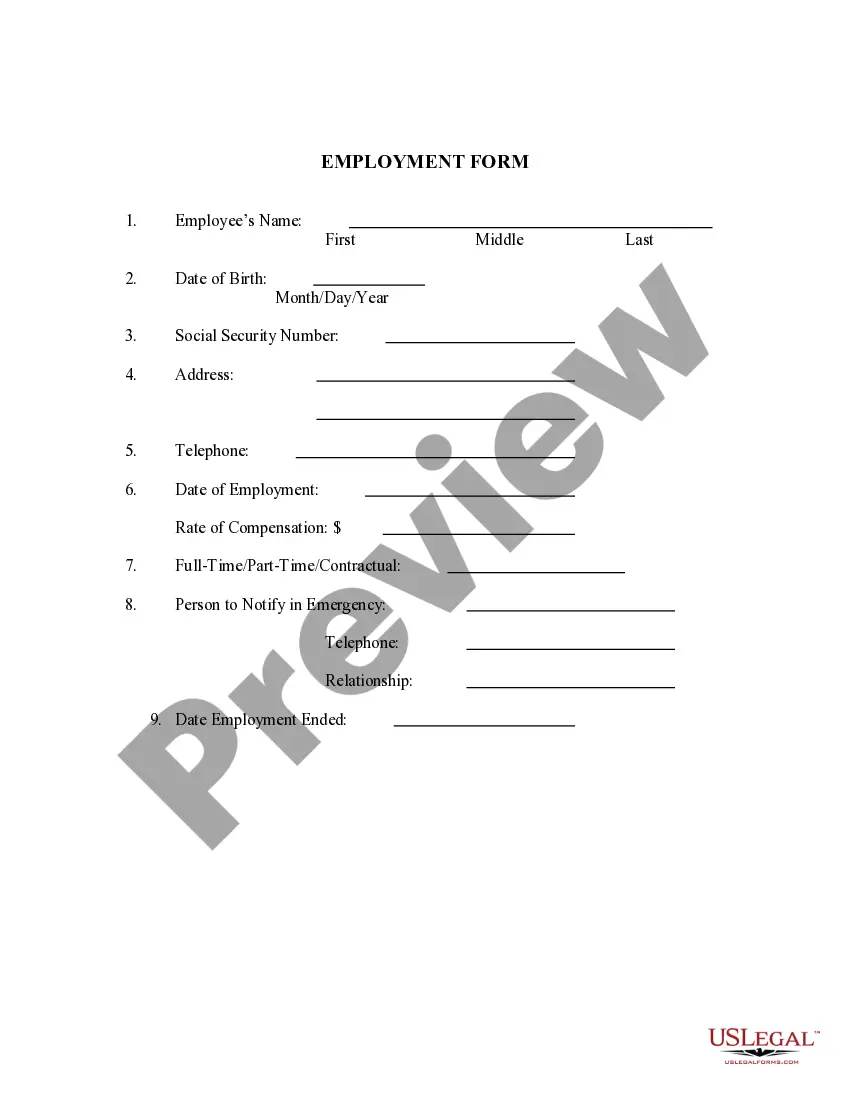
- Employment Form
- Vacation Request Form
Situations where these forms applies
This form package is ideal for employers in Kentucky who need a systematic way to handle various employment-related documentation. It is useful in scenarios such as:
- Onboarding new employees and collecting required information.
- Tracking employee attendance and absenteeism.
- Processing payroll and handling direct deposits.
- Managing employee reviews and performance evaluations.
- Documenting work-related accidents or injuries.
- Implementing workplace policies and confirming employee understanding of the company handbook.
Intended users of this form package
- Small business owners looking to streamline their personnel file management.
- HR professionals responsible for employee documentation.
- Employers who want to ensure compliance with federal and state employment laws.
- Organizations aiming to minimize legal risks associated with employee records.
- Supervisors needing structured forms for employee performance and attendance reporting.
How to complete these forms
- Review the included forms to understand their functions.
- Gather relevant employee information necessary for completion.
- Fill out each form accurately, ensuring proper dates and signatures.
- Store completed forms securely within employee personnel files.
- Regularly update records to reflect any changes in employment status or policy adherence.
Notarization guidance for this package
Forms in this package usually don’t need notarization, but certain jurisdictions or signing circumstances may require it. US Legal Forms provides a secure online notarization option powered by Notarize, accessible 24/7 from anywhere.
Get your form ready online
Our built-in tools help you complete, sign, share, and store your documents in one place.
Make edits, fill in missing information, and update formatting in US Legal Forms—just like you would in MS Word.
Download a copy, print it, send it by email, or mail it via USPS—whatever works best for your next step.
Sign and collect signatures with our SignNow integration. Send to multiple recipients, set reminders, and more. Go Premium to unlock E-Sign.
If this form requires notarization, complete it online through a secure video call—no need to meet a notary in person or wait for an appointment.
We protect your documents and personal data by following strict security and privacy standards.

Make edits, fill in missing information, and update formatting in US Legal Forms—just like you would in MS Word.

Download a copy, print it, send it by email, or mail it via USPS—whatever works best for your next step.

Sign and collect signatures with our SignNow integration. Send to multiple recipients, set reminders, and more. Go Premium to unlock E-Sign.

If this form requires notarization, complete it online through a secure video call—no need to meet a notary in person or wait for an appointment.

We protect your documents and personal data by following strict security and privacy standards.
Avoid these common issues
- Failing to obtain necessary signatures on key forms.
- Not updating personnel files promptly after changes in employment status.
- Using outdated forms rather than the most recent versions provided in this package.
- Inaccurately filling out forms, leading to compliance issues.
- Neglecting to educate employees about their rights and responsibilities under company policies.
Why complete this package online
- Easy access to forms anytime, available for immediate download.
- Convenient fillable form fields make completion straightforward.
- Reduces the risk of errors with pre-drafted legal documents.
- Ensures your company maintains compliance with relevant employment laws.
- Cost-effective solution compared to hiring legal professionals for document drafting.
Legal use & context
- The forms are legally recognized in Kentucky and are designed to uphold employee rights and responsibilities.
- Using this package can mitigate potential legal disputes through proper documentation.
- These forms support compliance with federal laws such as the Fair Labor Standards Act and the Family and Medical Leave Act.
Key takeaways
- The Kentucky Employment Employee Personnel File Package contains vital forms for managing employee records.
- It is essential for businesses to maintain compliance with federal and state employment laws.
- Proper completion and organization of these forms can prevent legal issues and costly mistakes.
Looking for another form?









Form popularity
FAQ
Employers should keep all job-related documentation such as hiring records, performance reviews, disciplinary actions and job descriptions in an employee's general personnel file. Consider whether the document would be relevant to a supervisor who may review this file when making employment decisions.
Employees personal file is a file which contain documents throughout from Joining till Exit and have lifecycle documents right from his Resume, Employment documents, Transfer Letter, Appraisal/Increment Letter, Promotion Letter, other documentation related to employment along with Employees Personal Identity Proof,
Pre-employment records (with the exception of the application and resume) Monthly attendance transaction documents. Whistleblower complaints, notes generated from informal discrimination complaint investigations, Ombuds, or Campus Climate.
Current and former employees have a right to their personnel records under Labor Code section 1198.5. Under California Labor Code section 1198.5(a) provides that every current and former employee, or their representative, has the right to inspect and receive a copy of their personnel records.
Employee files should be stored in a secure location and be kept strictly confidential. Access should be restricted to those with a legitimate need to know or as required by law. Several categories of records must be maintained according to specific requirements.
Use a chronological organization system. To organize your personnel files chronologically, you'll create a separate file for each employee. Within that employee file, you will include all of the pertinent documents in chronological order.
The personnel file is the employees and the employers complete record of their relationship together. It contains a history from job application right the way through to the exit interview, termination of employment or even retirement. Needless to say, the personnel file is highly confidential.
Staff records you should keep training and development. appraisals. employment history - date employment began, promotions, job title(s) absence - records of lateness, sickness, and any other authorised or unauthorised absences.
1Consider hiring an attorney.2Identify the proper court.3Prepare your complaint.4File the lawsuit.5Serve the defendant.6Service methods for individuals that reside in Kentucky.7Service methods for companies that operate in Kentucky.8Service methods for out-of-state individuals and companies.