Kentucky Essential Legal Life Documents for Baby Boomers
About this form package
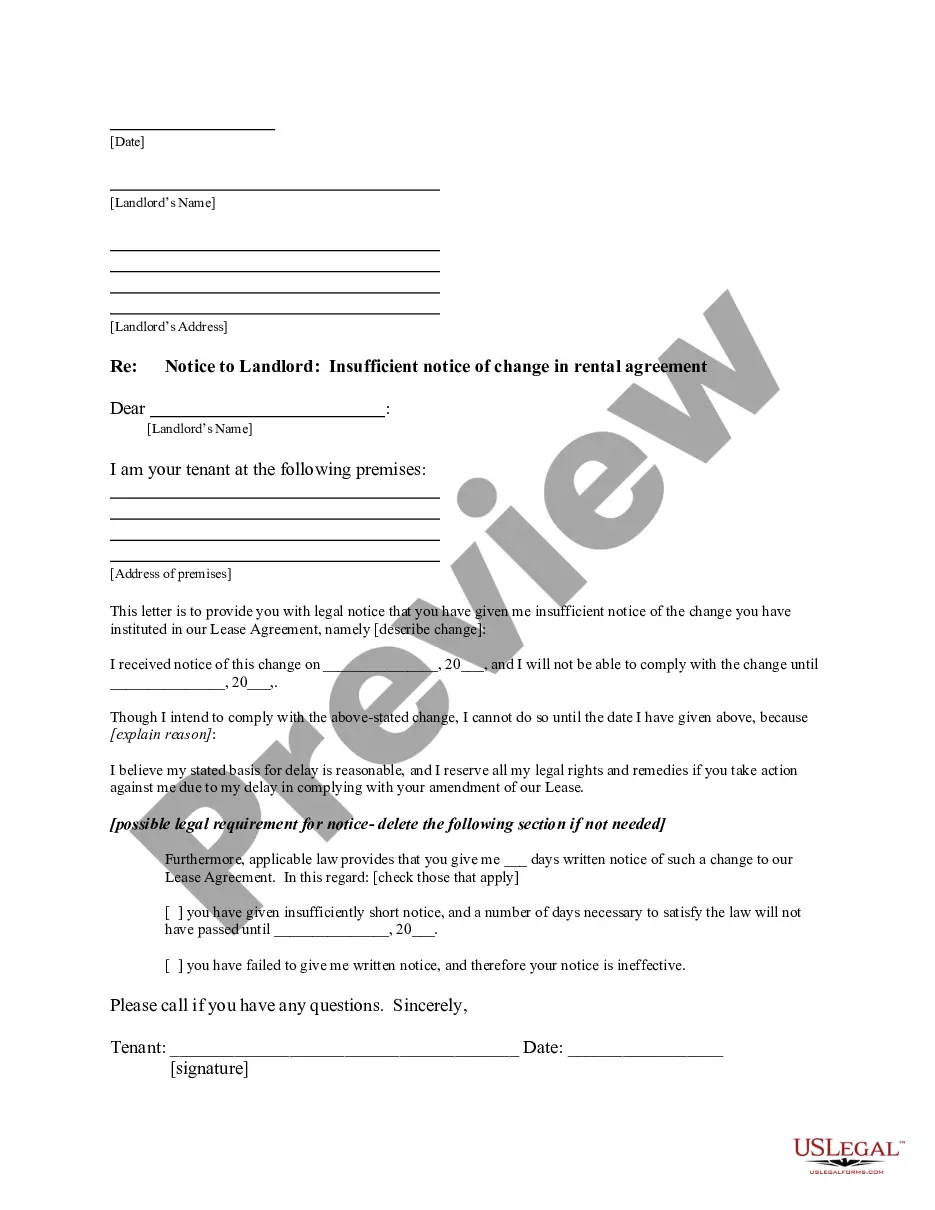
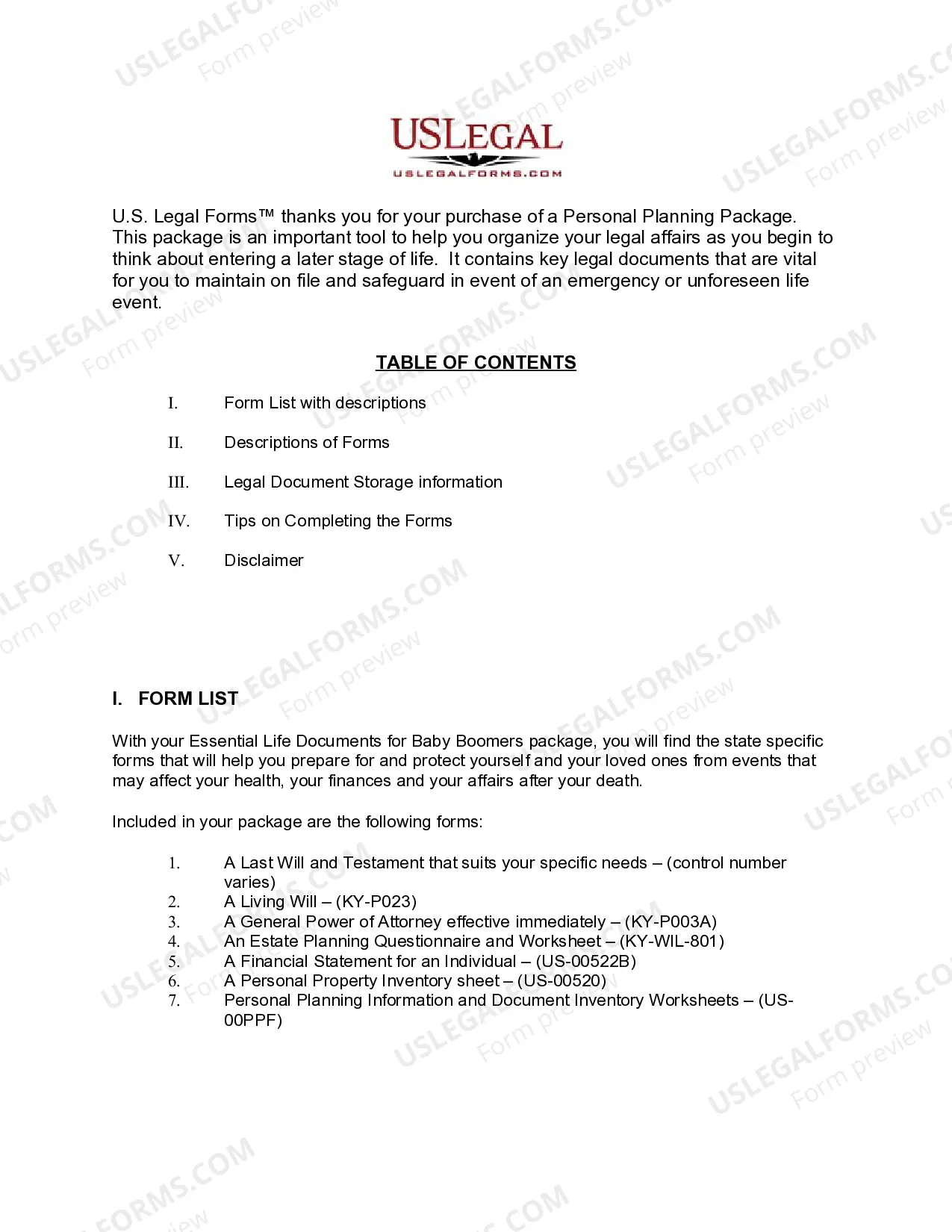
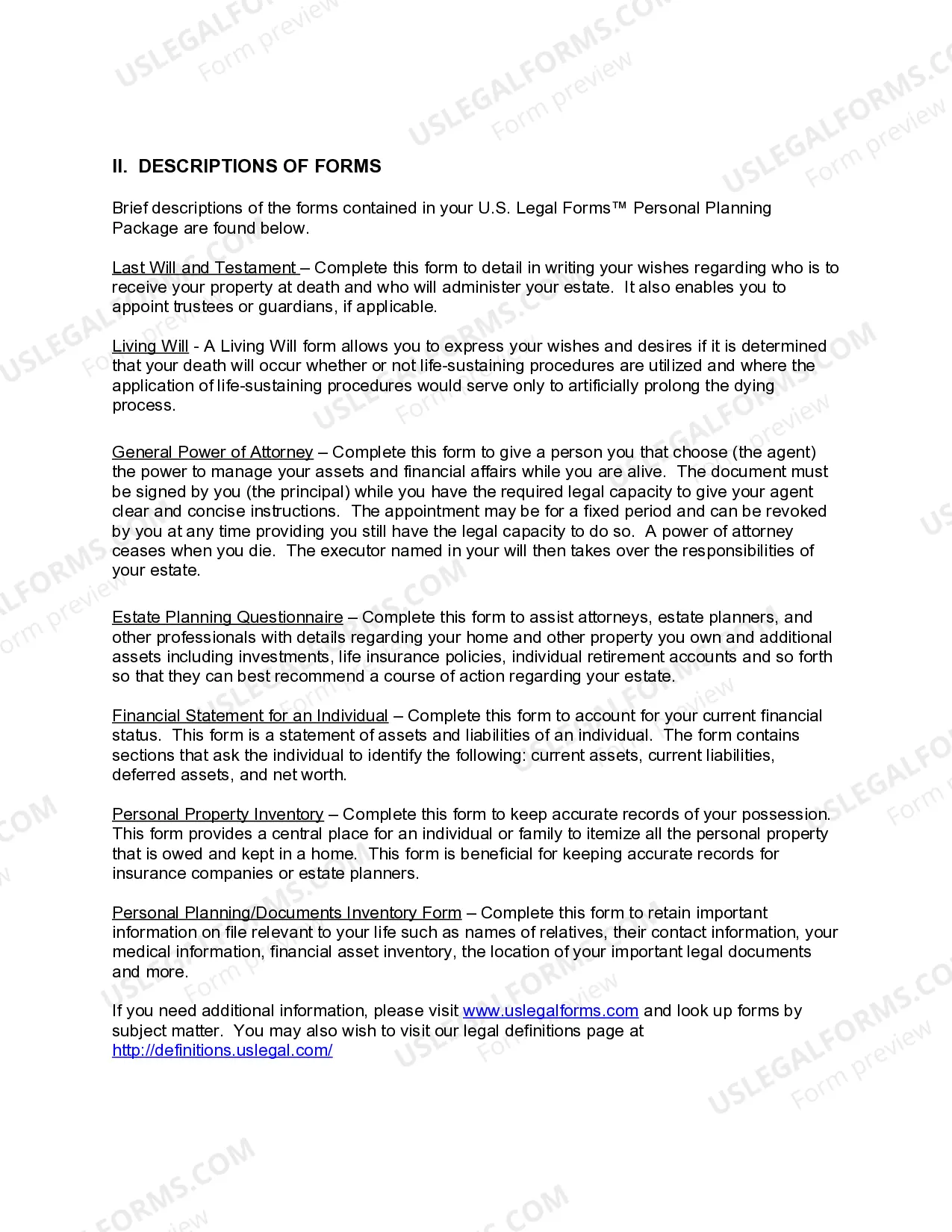
The Kentucky Essential Legal Life Documents for Baby Boomers form package includes crucial legal documents tailored for individuals in their later stages of life. This comprehensive package is designed to help Baby Boomers address significant legal and financial matters. Unlike other generic form packages, this one contains state-specific forms prepared by licensed attorneys, ensuring they meet Kentucky's legal standards. The package includes a Will, a Living Will, a General Power of Attorney, and more, all aimed at providing peace of mind for you and your loved ones.
Forms included in this package
- General Durable Power of Attorney for Property and Finances or Financial Effective Immediately
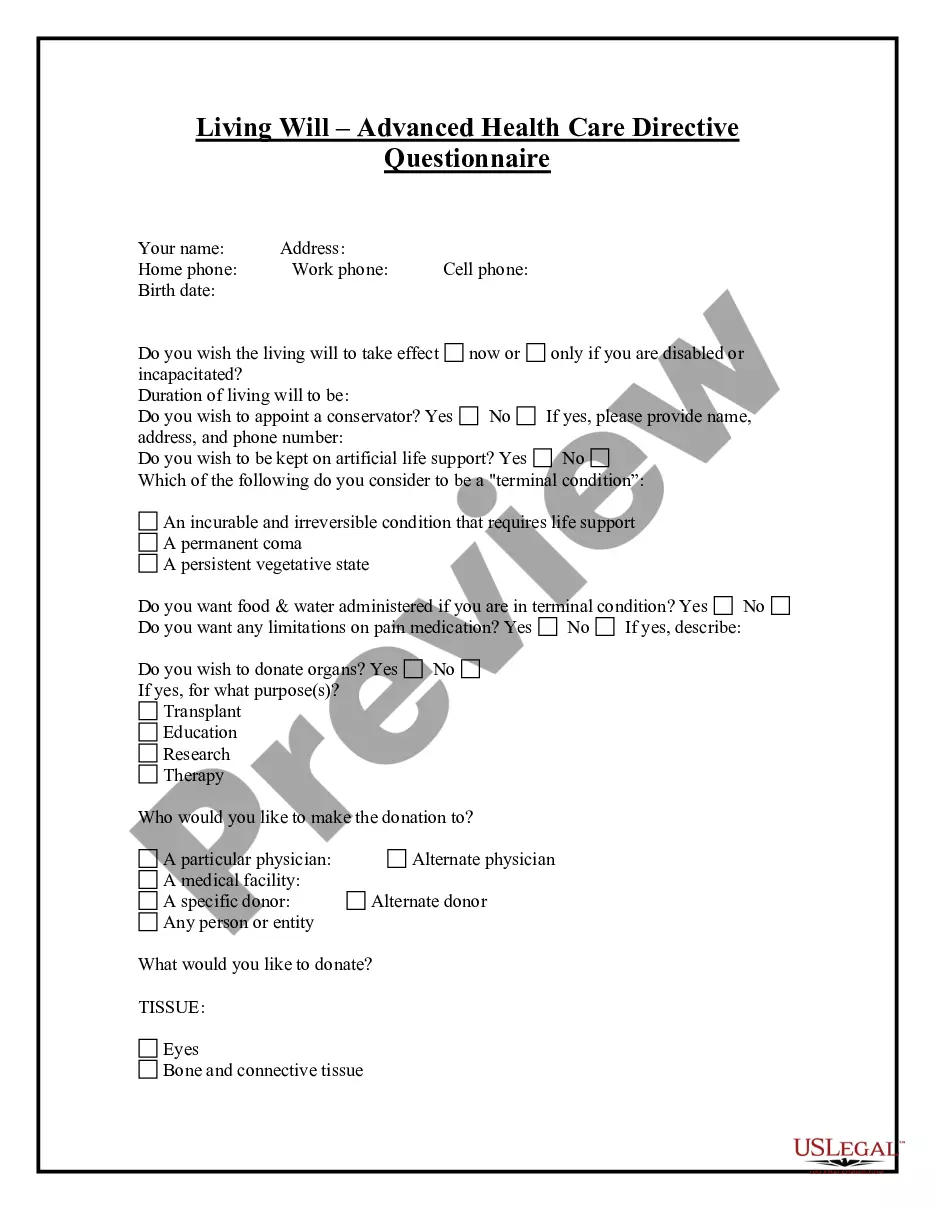
- Statutory Health Care Directive / Living Will
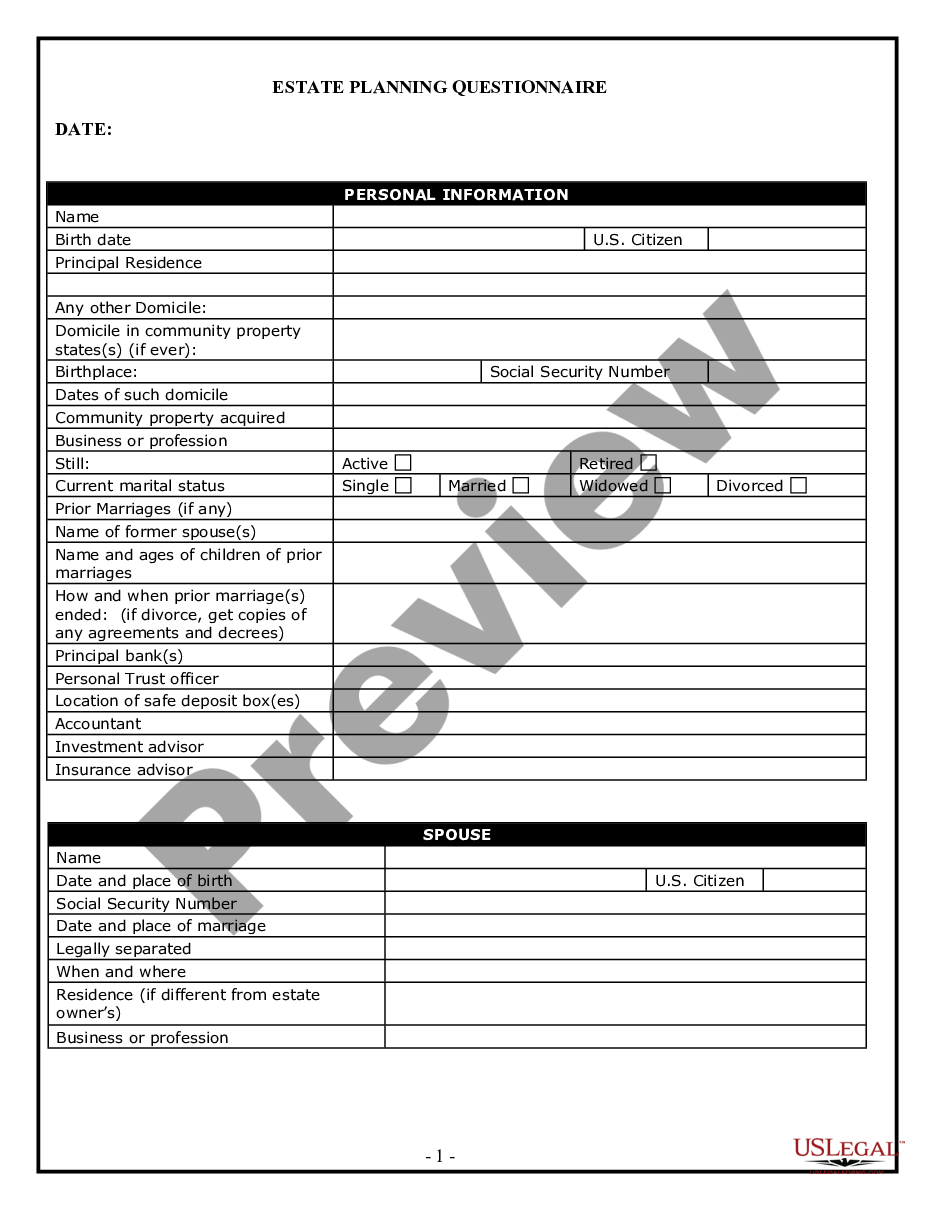
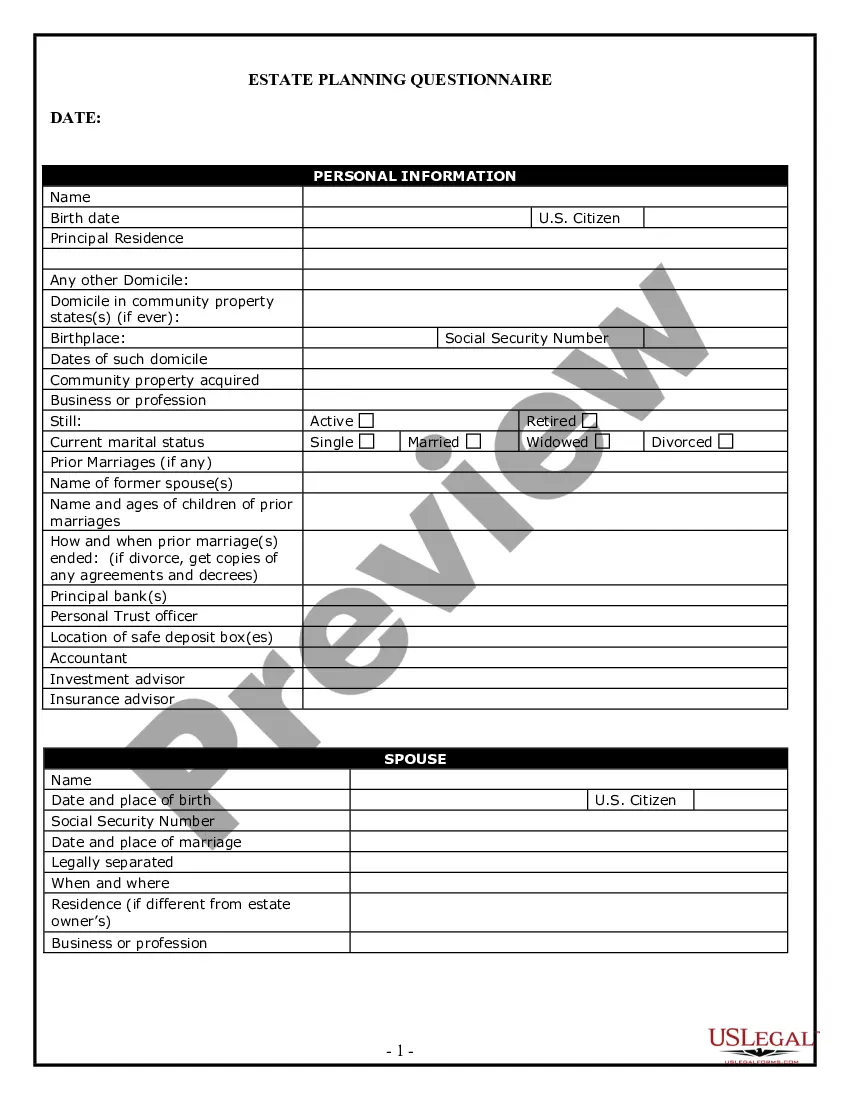
- Estate Planning Questionnaire and Worksheets
- Personal Property Inventory
- Financial Statement Form - Individual
- Personal Planning Information and Document Inventory Worksheets - A Legal Life Document


Common use cases
This form package is essential in various scenarios, including:
- When planning for end-of-life care and making decisions about medical procedures.
- When you want to ensure that your assets are managed according to your wishes if you become unable to do so.
- When organizing your estate to avoid complications for your heirs after your passing.
- When you need to inventory personal property and financial assets for proper estate planning.
Intended users of this form package
- Baby Boomers living in Kentucky who wish to prepare essential legal documents.
- Individuals seeking to outline their end-of-life healthcare preferences.
- Anyone needing to designate a trusted person to manage their financial affairs.
- Those looking to organize their estate and ensure a smooth transition of assets to beneficiaries.
- People who want a structured approach to documenting their personal and financial information.
Steps to complete these forms
- Review the included forms carefully to understand their purpose.
- Gather any necessary information about your assets, healthcare preferences, and financial details.
- Complete each form by filling in the required information accurately.
- Sign the documents in the presence of a witness if required, and ensure they are dated correctly.
- Store your completed forms in a secure location, such as a safe deposit box, and inform a trusted individual about their location.
Notarization details for included forms
Certain documents in this package must be notarized for legal effectiveness. Our online notarization service, powered by Notarize, lets you verify and sign documents remotely through an encrypted video session, available anytime.
Get your form ready online
Our built-in tools help you complete, sign, share, and store your documents in one place.
Make edits, fill in missing information, and update formatting in US Legal Forms—just like you would in MS Word.
Download a copy, print it, send it by email, or mail it via USPS—whatever works best for your next step.
Sign and collect signatures with our SignNow integration. Send to multiple recipients, set reminders, and more. Go Premium to unlock E-Sign.
If this form requires notarization, complete it online through a secure video call—no need to meet a notary in person or wait for an appointment.
We protect your documents and personal data by following strict security and privacy standards.

Make edits, fill in missing information, and update formatting in US Legal Forms—just like you would in MS Word.

Download a copy, print it, send it by email, or mail it via USPS—whatever works best for your next step.

Sign and collect signatures with our SignNow integration. Send to multiple recipients, set reminders, and more. Go Premium to unlock E-Sign.

If this form requires notarization, complete it online through a secure video call—no need to meet a notary in person or wait for an appointment.

We protect your documents and personal data by following strict security and privacy standards.
Mistakes to watch out for
- Failing to sign or date the documents properly, which can lead to them being deemed invalid.
- Not keeping the documents in a secure location that is accessible to trusted individuals.
- Leaving out crucial information in the forms that may lead to confusion or disputes later.
- Neglecting to update the documents after major life events, such as marriage, divorce, or a significant change in assets.
Benefits of using this package online
- Convenience of downloading forms instantly from the comfort of your own home.
- Editability allows users to customize the forms to their specific needs easily.
- Access to professionally drafted documents ensures legal reliability.
- Clear guidance provided for completing each form, making the process straightforward.
Legal use & context
- Ensures your estate is handled according to your wishes upon your passing.
- Provides clarity on healthcare decisions during incapacitation.
- Establishes a framework for managing your financial affairs if you become unable to do so.
Looking for another form?
Form popularity
FAQ
Of the Estate's Affairs The final settlement with the probate clerk may be filed any time after six months following the date of appointment as executor and must be filed at least two years following appointment.
In Kentucky you can write a will in your own handwriting. This type of will is known as a holographic will.If you prepare your own will and type it, it must be signed by at least two witnesses.
If you are named in someone's will as an executor, you may have to apply for probate. This is a legal document which gives you the authority to share out the estate of the person who has died according to the instructions in the will. You do not always need probate to be able to deal with the estate.
Settling the Estate The settlement may not be filed until at least six months from the date the personal representative was appointed. KRS §395.190. If settling the estate takes more than two years, a periodic settlement may be required.
In Kentucky, unless the will states otherwise, executor compensation is determined as a percentage of the estate value, not to exceed 5%. Typically, the larger the estate, the smaller the percentage.
You can make your own will in Kentucky, using Nolo's Quicken WillMaker & Trust. However, you may want to consult a lawyer in some situations. For example, if you think that your will might be contested or if you want to disinherit your spouse, you should talk with an attorney.
In Kentucky, you can make a living trust to avoid probate for virtually any asset you ownreal estate, bank accounts, vehicles, and so on. You need to create a trust document (it's similar to a will), naming someone to take over as trustee after your death (called a successor trustee).
Kentucky law provides for many different manners in which to avoid probate. For example, probate is altogether unnecessary for small estates.In this way, the owner who dies first passes his or her interest in the property to the survivor, and the interest in property does not have to go through the probate process.
Write a Living Trust. The most straightforward way to avoid probate is simply to create a living trust. Name Beneficiaries on Your Retirement and Bank Accounts. For some, a last will is often a better fit than a trust because it is a more straightforward estate planning document. Hold Property Jointly.