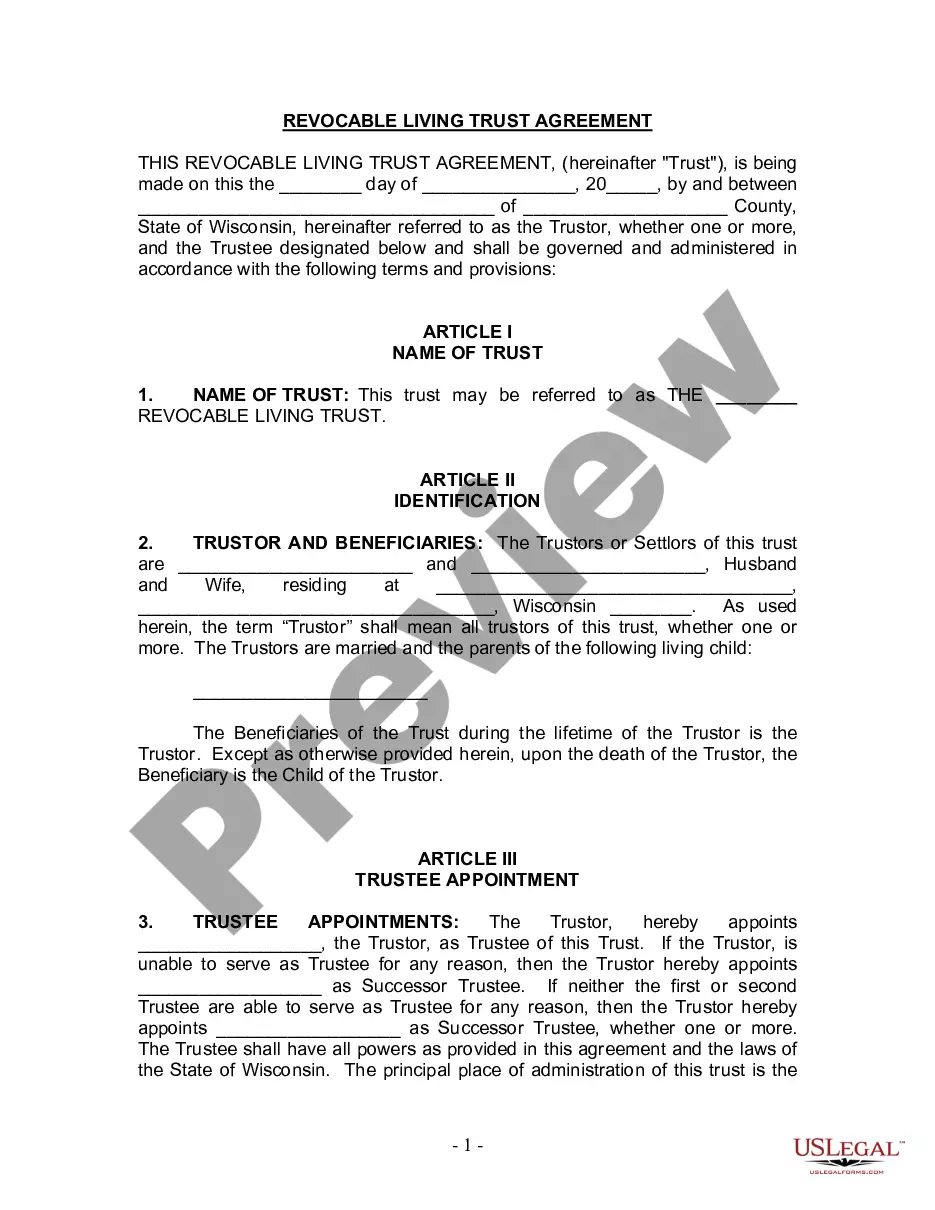
Wisconsin Living Trust for Husband and Wife with One Child
What this document covers
This form is a living trust specifically designed for a husband and wife with one child. A living trust allows individuals to manage their assets while they are alive and determine how those assets are distributed upon their death, avoiding the lengthy probate process. Unlike a will, which takes effect after death, a living trust operates during the lifetime of the trustors, ensuring immediate management of the assets if necessary.
Key parts of this document
- Identification of the Trustor(s) and Beneficiaries: Names and addresses of the husband and wife, and their child.
- Trustee Appointment: Details the appointment of the initial trustee and successor trustees.
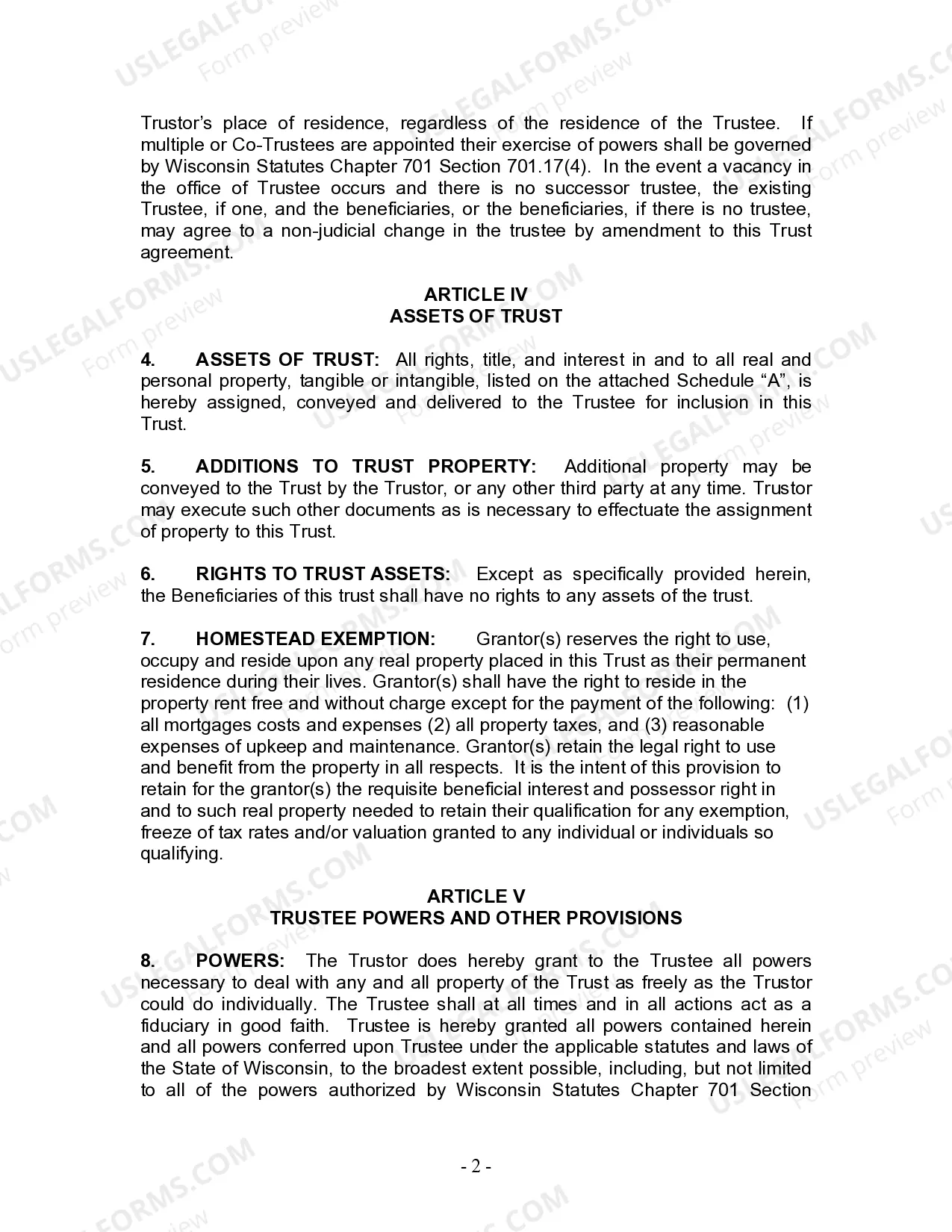
- Assets of the Trust: Outlines the property assigned to the trust, including the right to manage and distribute assets.
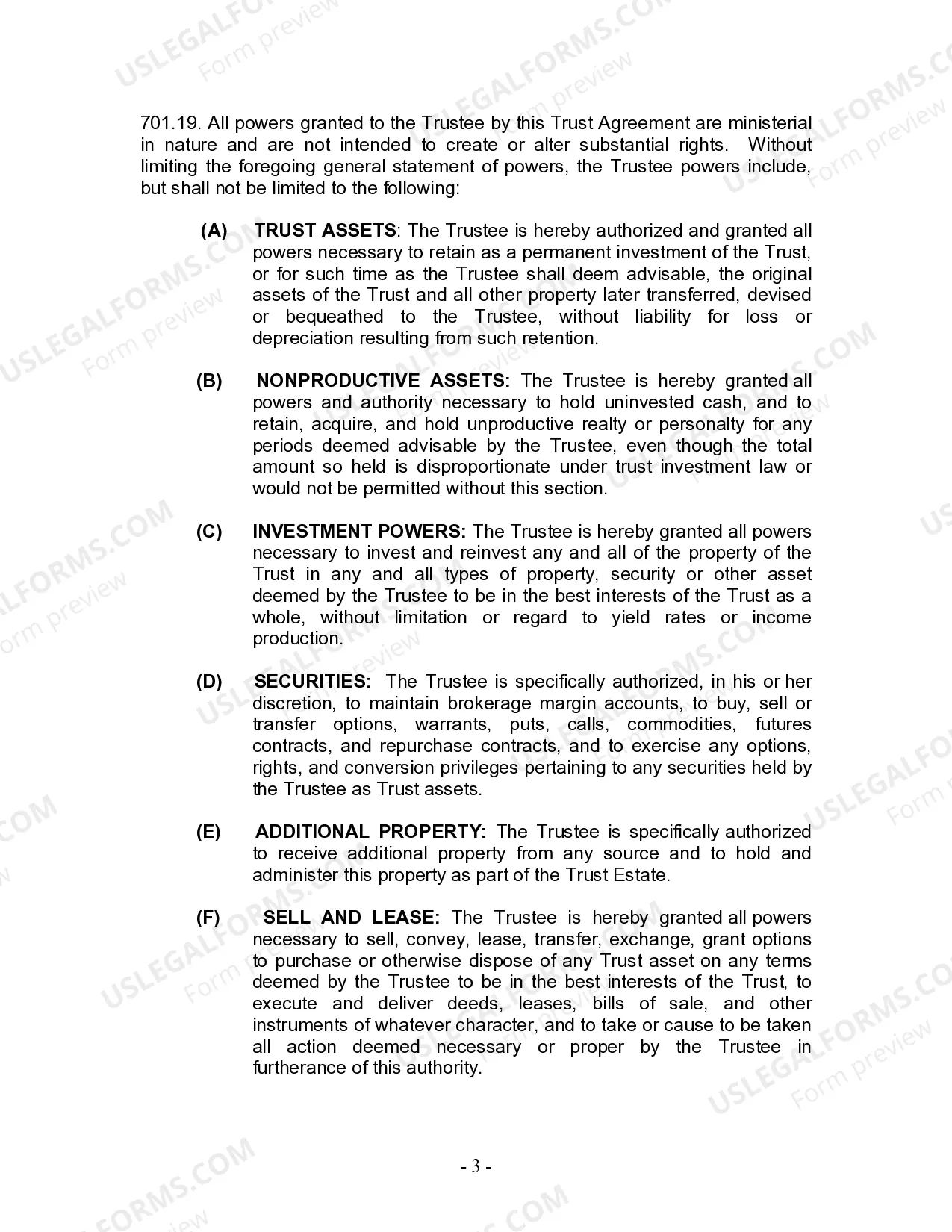
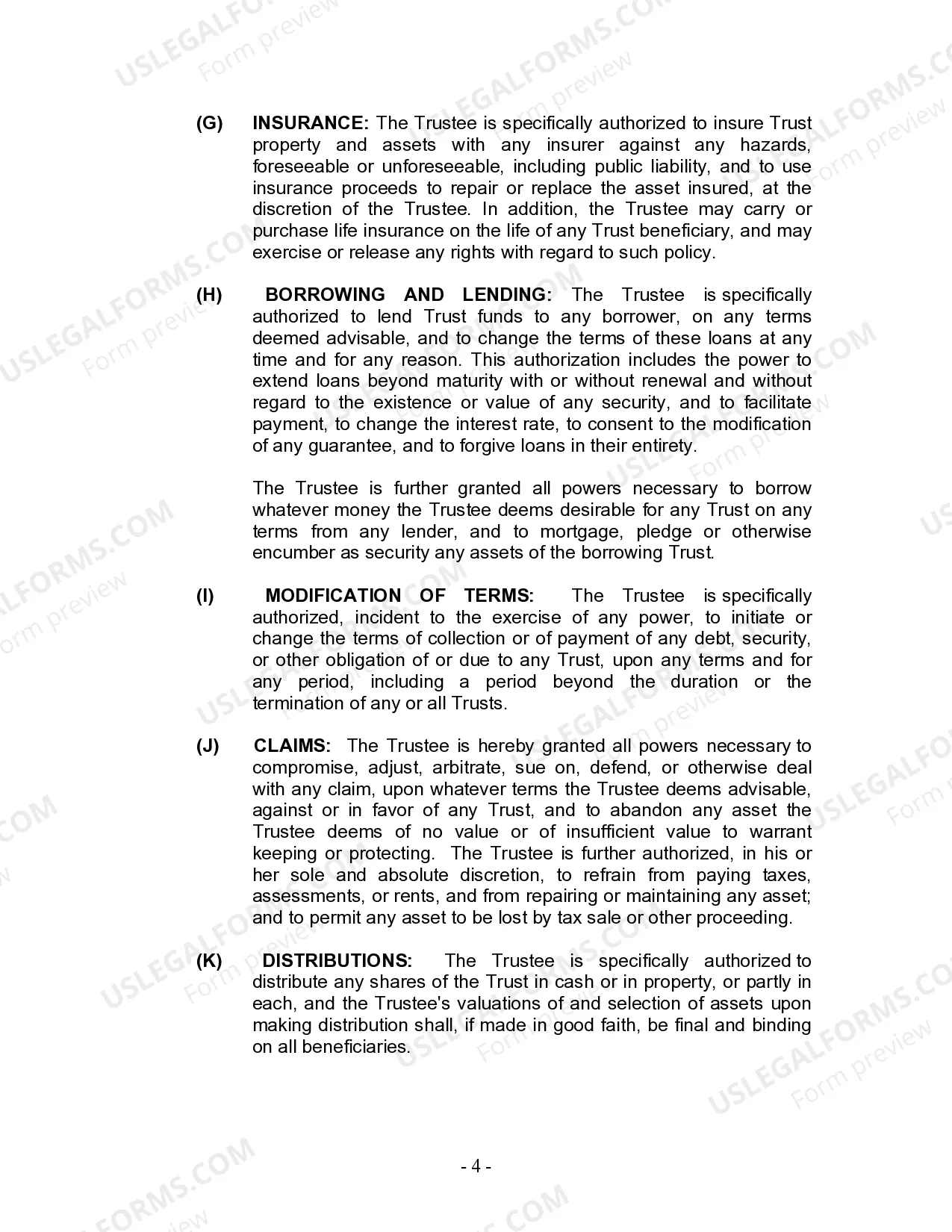
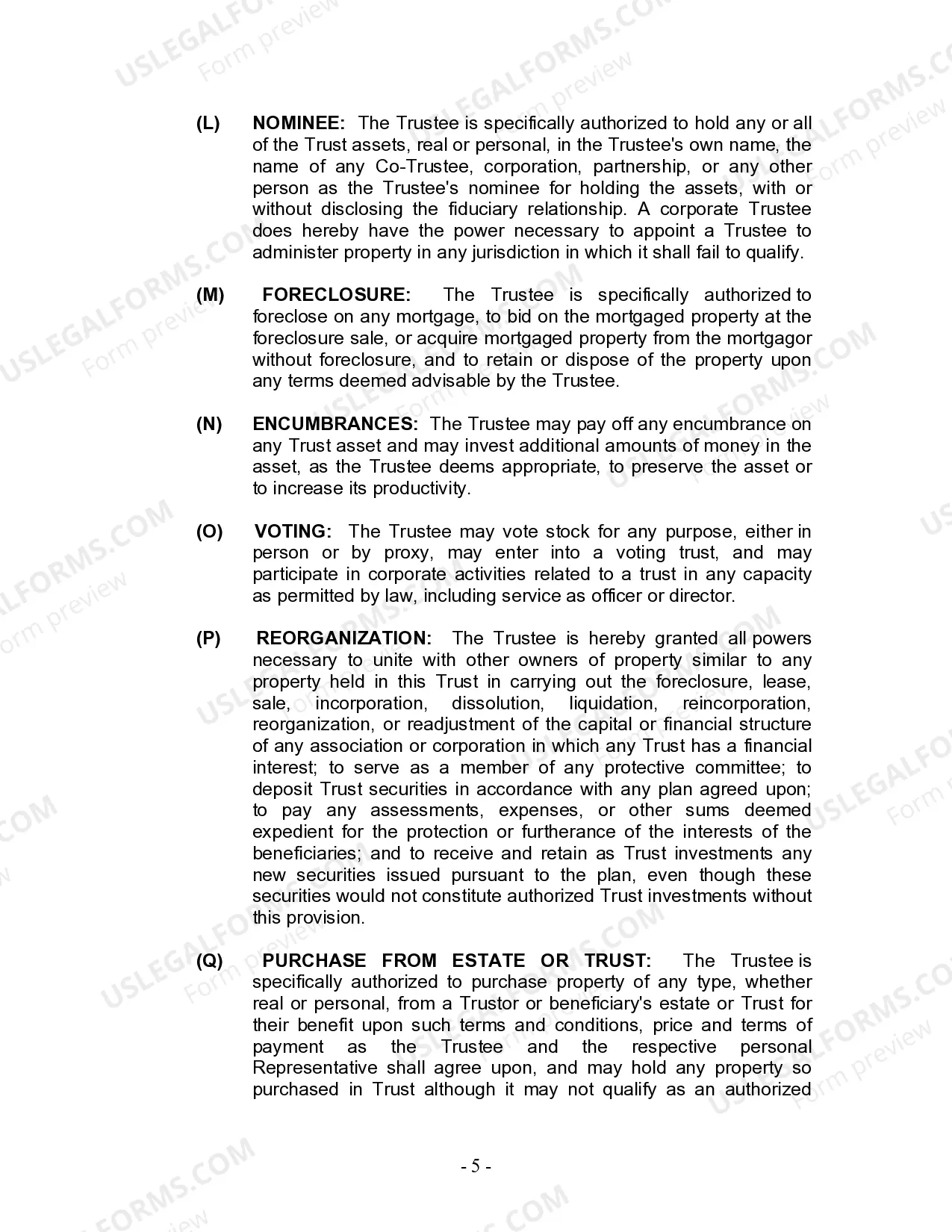
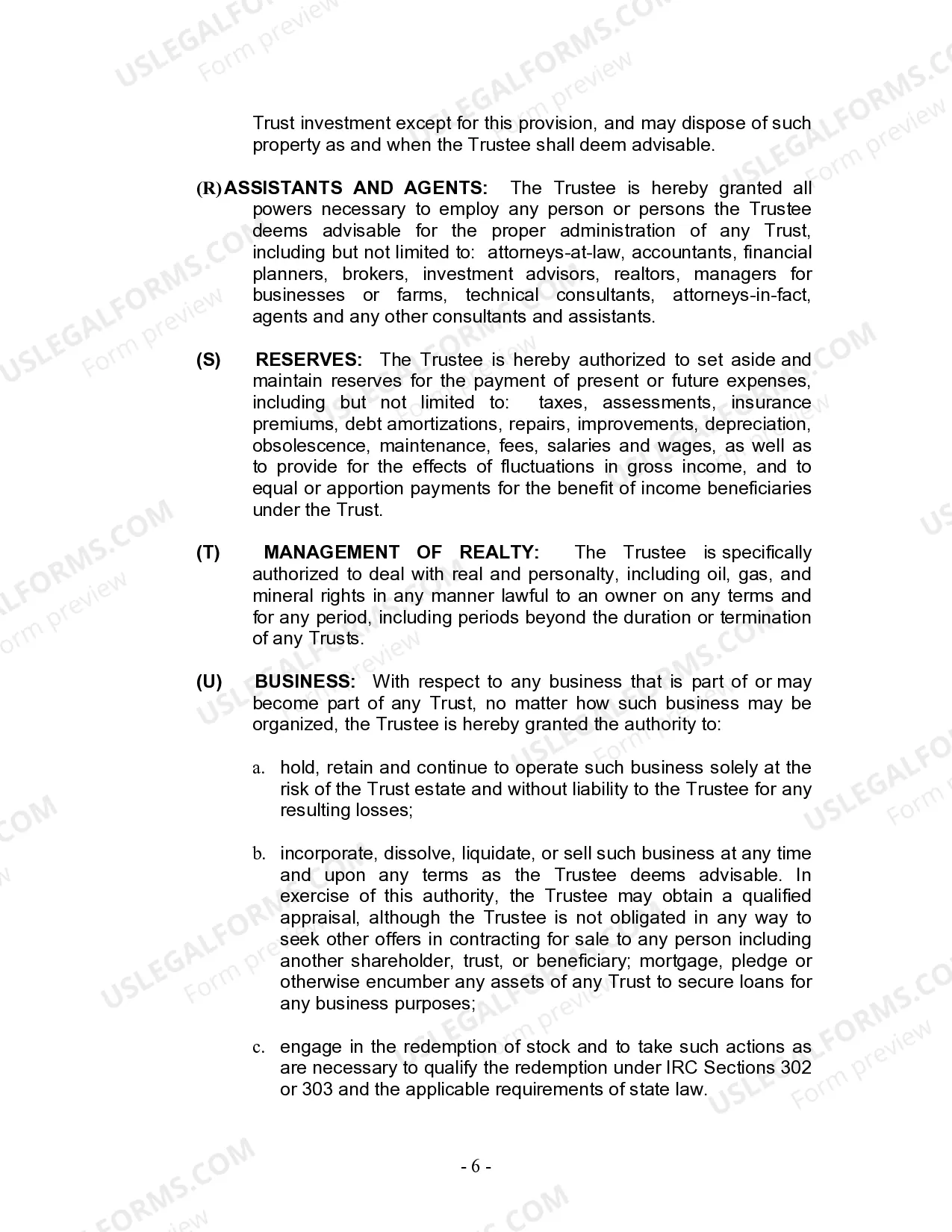
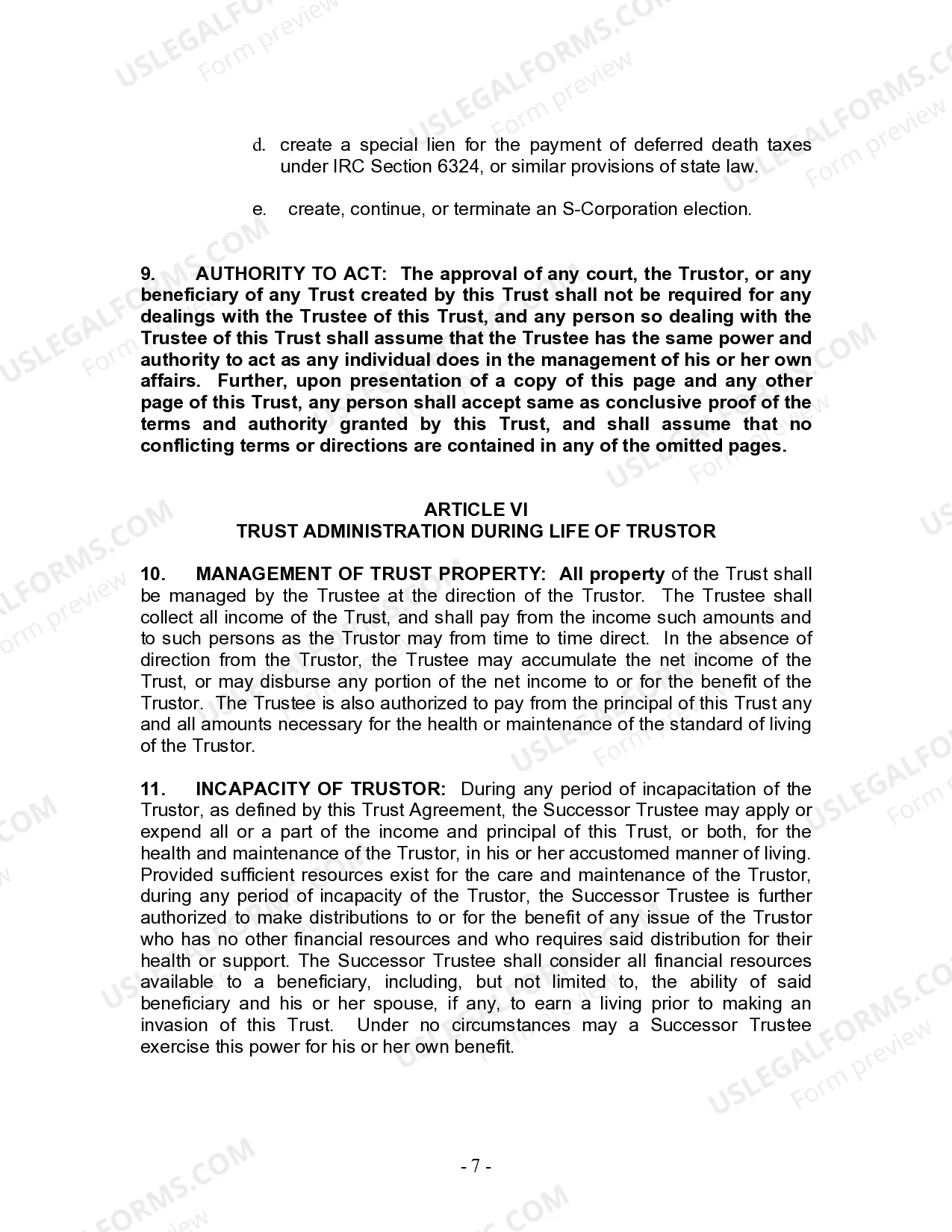
- Power of the Trustee: Specifies the powers granted to the trustee for managing trust property and making distributions.
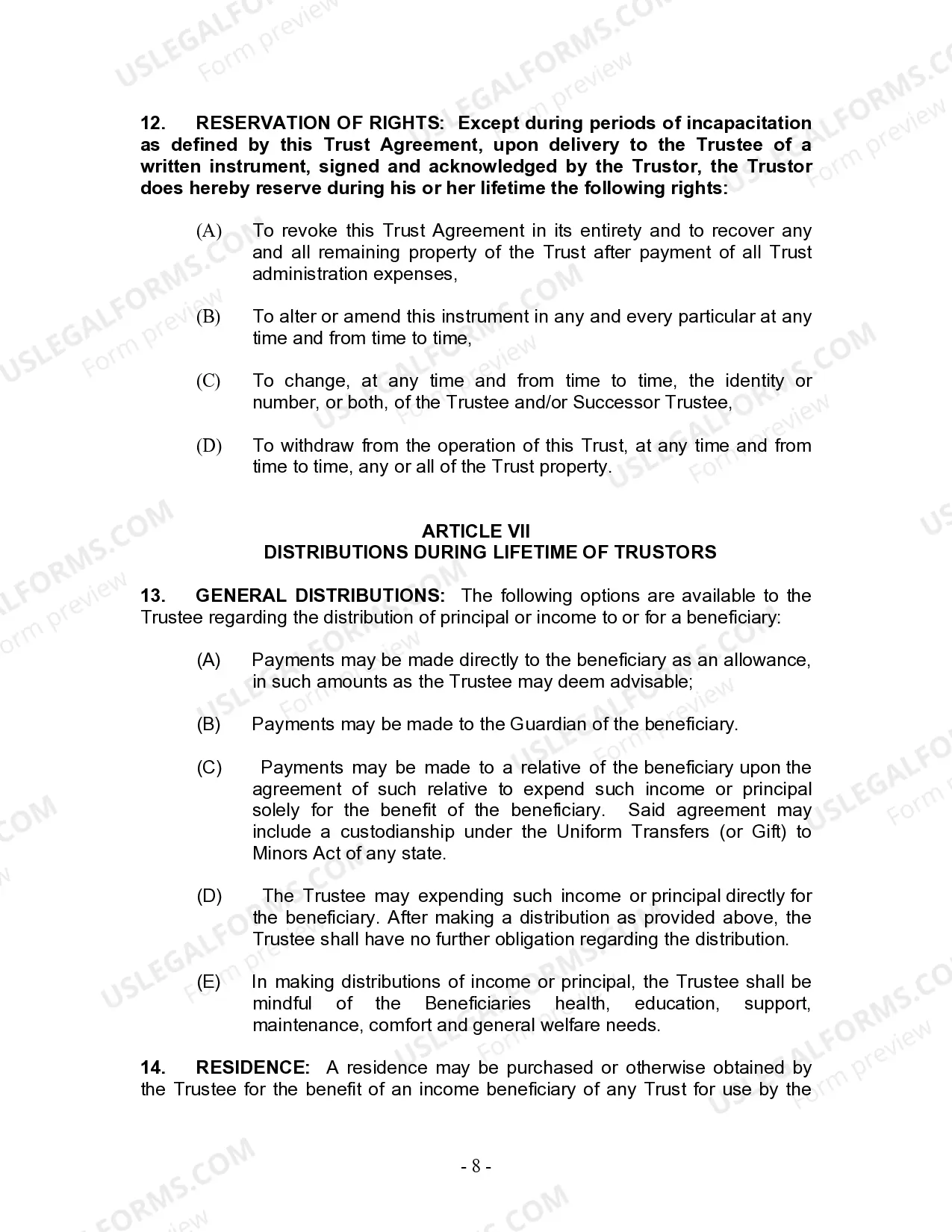
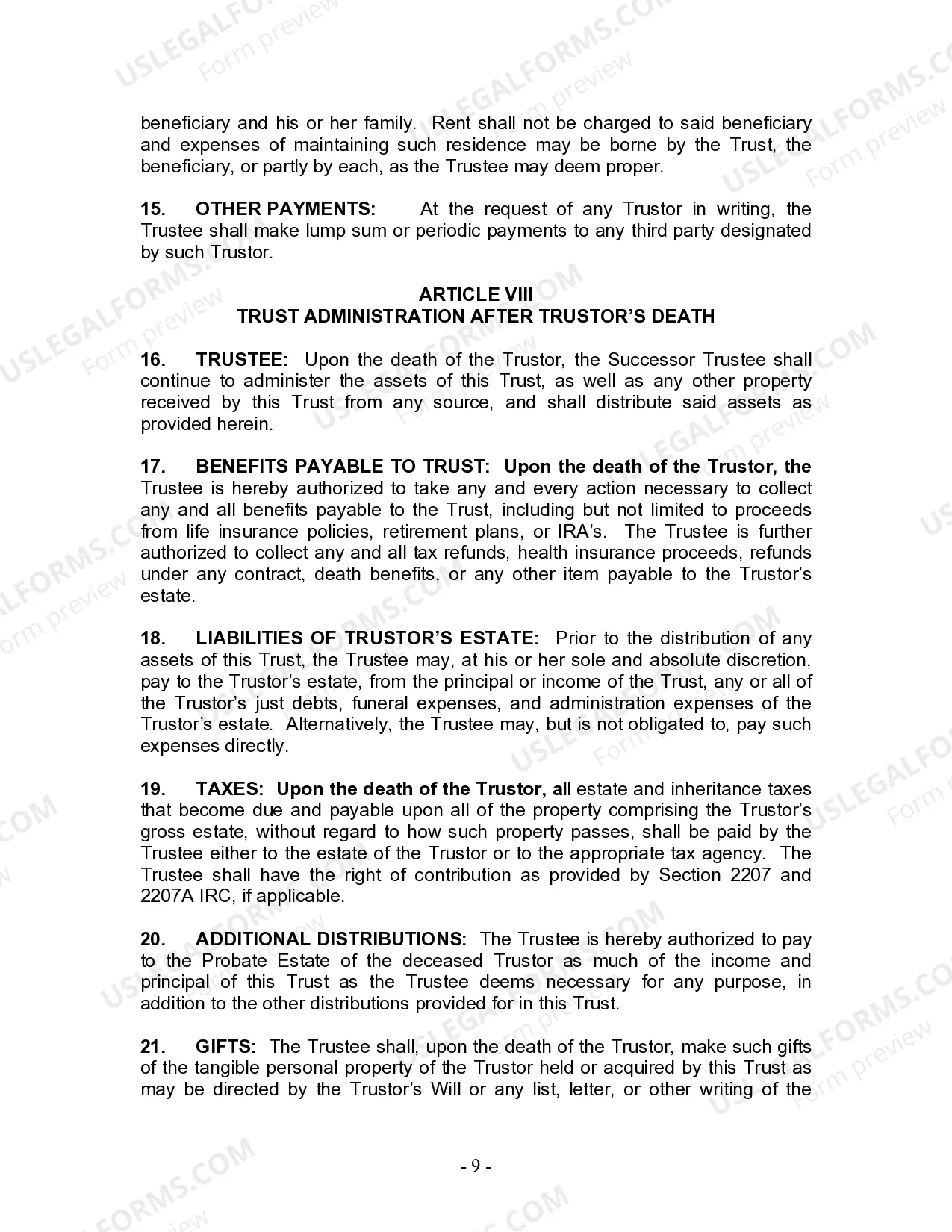
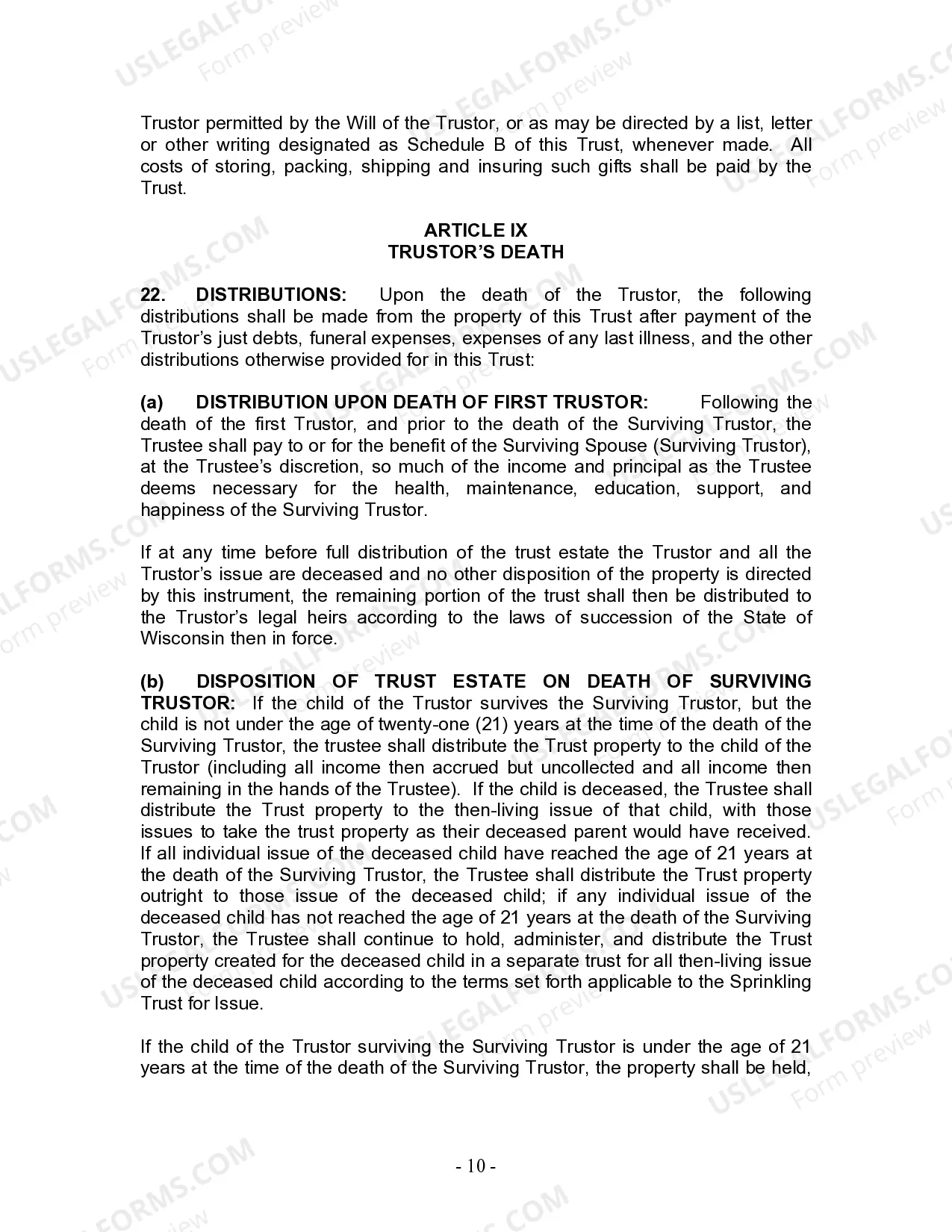
- Distribution upon Death: Details how assets are to be distributed after the death of the trustors.

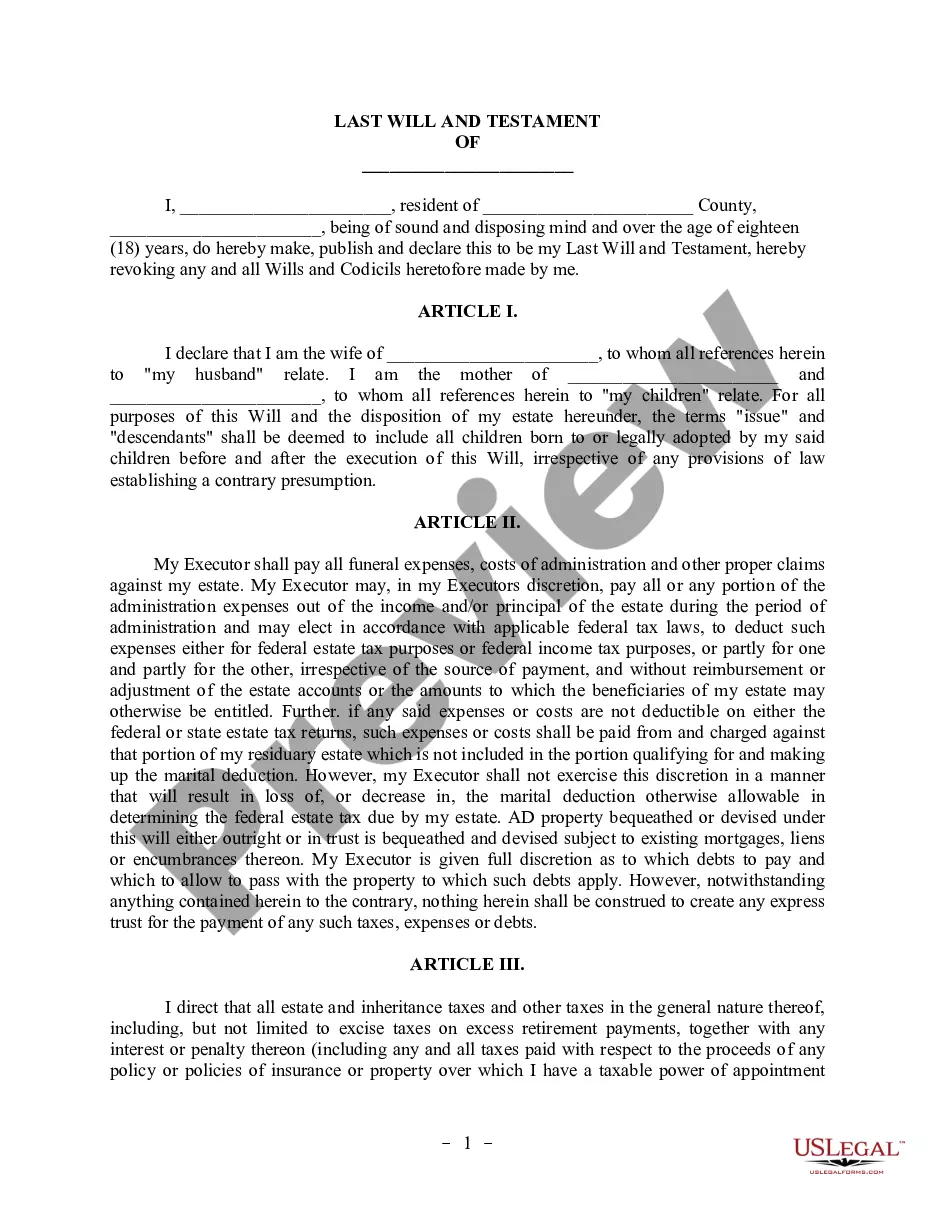
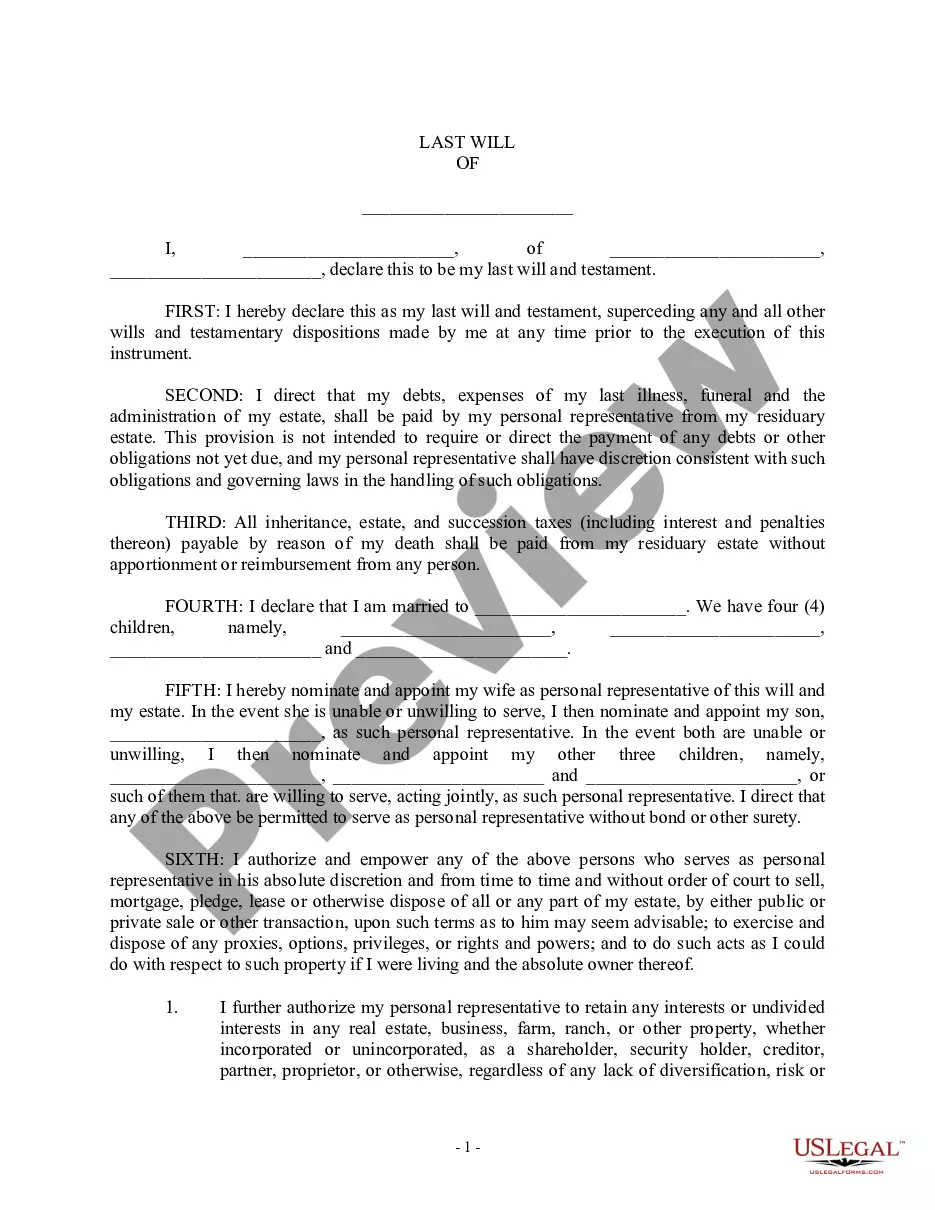
Situations where this form applies
This form should be used when a married couple wants to establish a trust to manage their assets while they are alive and pass them on to their child without the need for probate. It's particularly beneficial for estate planning, providing control over asset distribution, and ensuring a smooth transition of property upon the death of either spouse.
Who should use this form
- Married couples with one or more children who wish to create a trust for estate planning.
- Individuals looking to avoid probate and ensure direct management of assets for their beneficiaries.
- Anyone wanting detailed control over the distribution of their assets after death.
Instructions for completing this form
- Identify the Trustor(s): Enter the names and addresses of both spouses.
- Appointment of Trustee: Designate the initial trustee and any successors.
- Asset Listing: Detail all assets to be included in the trust on Schedule A.
- Specify Beneficiaries: Clearly establish who will receive the assets after the death of the trustors.
- Sign and Notarize: Ensure all parties sign the document and have it notarized as required.
Notarization requirements for this form
Notarization is required for this form to take effect. Our online notarization service, powered by Notarize, lets you verify and sign documents remotely through an encrypted video session, available 24/7.
Get your form ready online
Our built-in tools help you complete, sign, share, and store your documents in one place.
Make edits, fill in missing information, and update formatting in US Legal Forms—just like you would in MS Word.
Download a copy, print it, send it by email, or mail it via USPS—whatever works best for your next step.
Sign and collect signatures with our SignNow integration. Send to multiple recipients, set reminders, and more. Go Premium to unlock E-Sign.
If this form requires notarization, complete it online through a secure video call—no need to meet a notary in person or wait for an appointment.
We protect your documents and personal data by following strict security and privacy standards.

Make edits, fill in missing information, and update formatting in US Legal Forms—just like you would in MS Word.

Download a copy, print it, send it by email, or mail it via USPS—whatever works best for your next step.

Sign and collect signatures with our SignNow integration. Send to multiple recipients, set reminders, and more. Go Premium to unlock E-Sign.

If this form requires notarization, complete it online through a secure video call—no need to meet a notary in person or wait for an appointment.

We protect your documents and personal data by following strict security and privacy standards.
Typical mistakes to avoid
- Failing to update the trust after major life events such as the birth of an additional child.
- Neglecting to include all relevant assets in Schedule A.
- Not designating a clear successor trustee, which could lead to complications.
Why complete this form online
- Convenience: Easily complete the form from anywhere at any time.
- Editability: Customize the template to fit specific needs without hassle.
- Reliability: Access forms prepared by licensed attorneys, ensuring legal compliance.
What to keep in mind
- A living trust allows couples to manage and distribute their assets efficiently.
- Clear terms for trustee powers and beneficiary rights can prevent potential disputes.
- This form ensures that estate management is handled according to your specific wishes during and after your lifetime.
Looking for another form?
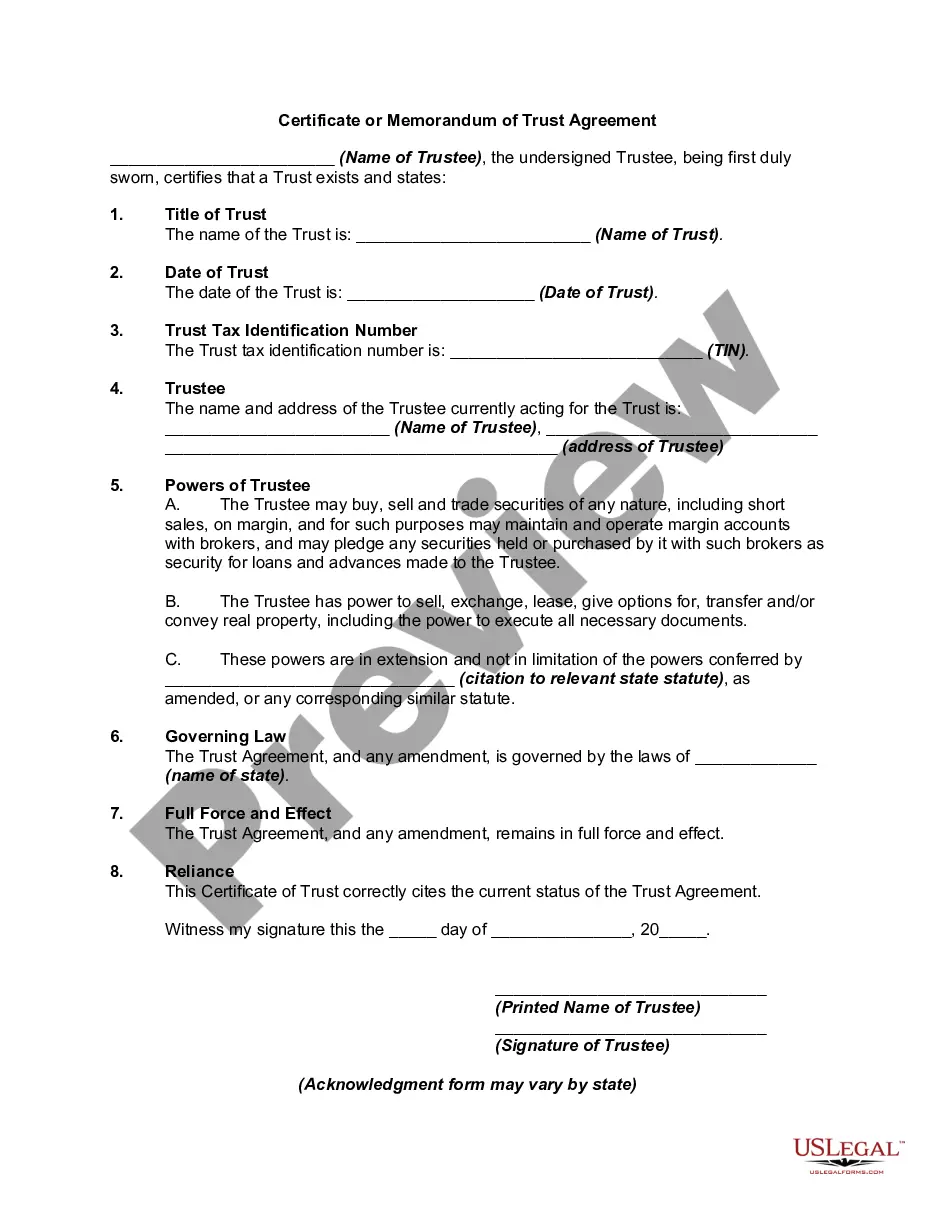
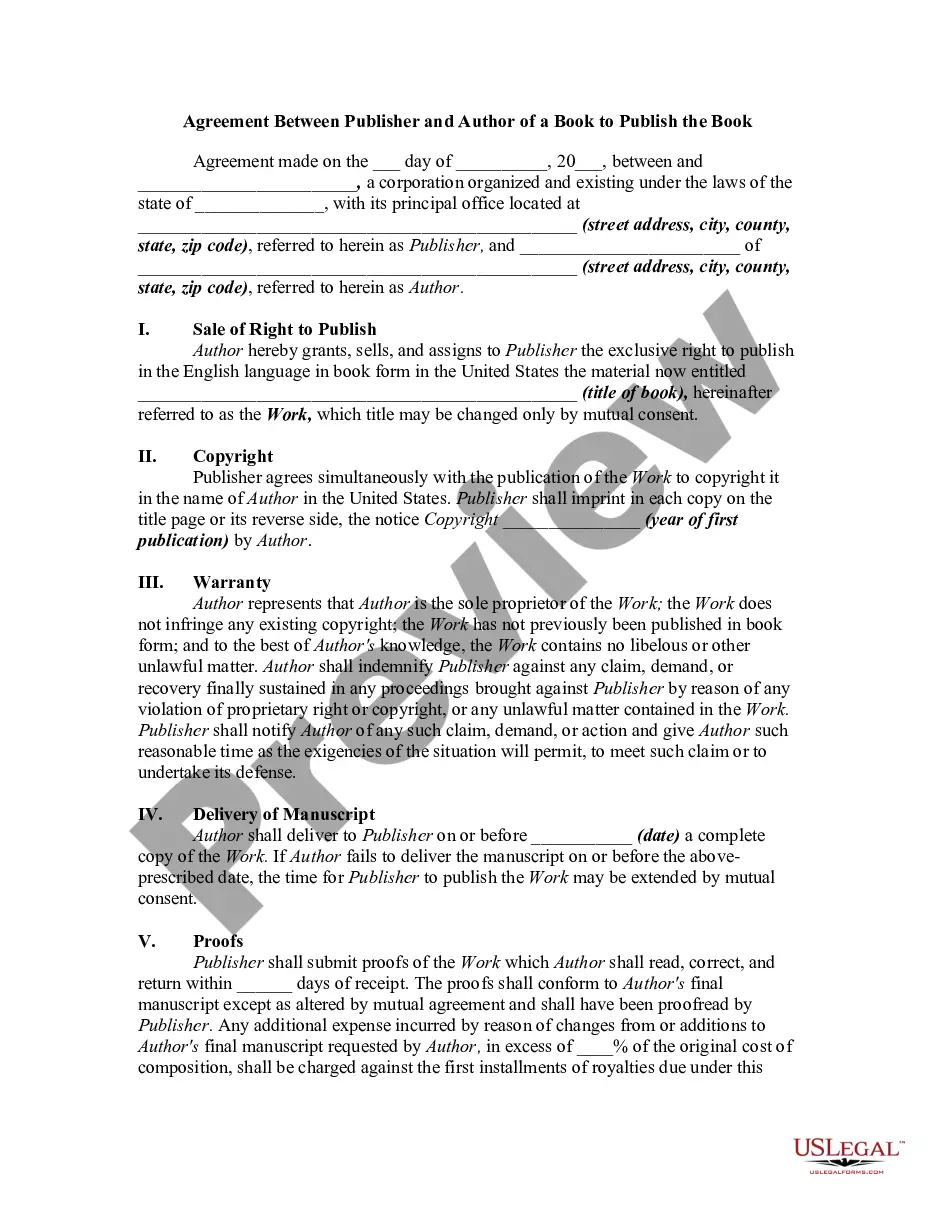
Form popularity
FAQ
Typically, when a married couple utilizes a Revocable Living Trust based estate plan, each spouse creates and funds his or her own separate Revocable Living Trust. This results in two trusts. However, in the right circumstances, a married couple may be better served by creating a single Joint Trust.
Q: Can a person have more than one trust? A: Yes, it is not that uncommon for a person to be the beneficiary of multiple trusts. However, caution should be used. Trusts come in many shapes and sizes and can serve multiple purposes and can be established by you or by someone else for your benefit.
Qualified retirement accounts 401ks, IRAs, 403(b)s, qualified annuities. Health saving accounts (HSAs) Medical saving accounts (MSAs) Uniform Transfers to Minors (UTMAs) Uniform Gifts to Minors (UGMAs) Life insurance. Motor vehicles.
Q: Can a person have more than one trust? A: Yes, it is not that uncommon for a person to be the beneficiary of multiple trusts. However, caution should be used. Trusts come in many shapes and sizes and can serve multiple purposes and can be established by you or by someone else for your benefit.
Joint trusts are easier to fund and maintain.In a joint trust, after the death of the first spouse, the surviving spouse has complete control of the assets. When separate trusts are used, the deceased spouses' trust becomes irrevocable and the surviving spouse has limited control over assets.
Separate trusts provide more flexibility in the event of a death in the marriage. Since the trust property is already divided, separate trusts preserve the surviving spouse's ability to amend or revoke assets held within their own trust, while ensuring that the deceased spouse's trust cannot be amended after death.
In California, surviving spouses already receive all of the community property upon the death of their spouse.However, creating a joint will is still an option in California, and while it might help a couple save some time and money on their estate plan, it can also lead to some complex problems.
Separate trusts may offer better protection from creditors, if this is a concern. For example, at the death of the first spouse, the deceased spouse's trust becomes irrevocable, which makes it harder to access by creditors. And yet the surviving spouse can still access it for income and other needs.