Texas Discovery Interrogatories for Divorce Proceeding for either Plaintiff or Defendant
Understanding this form
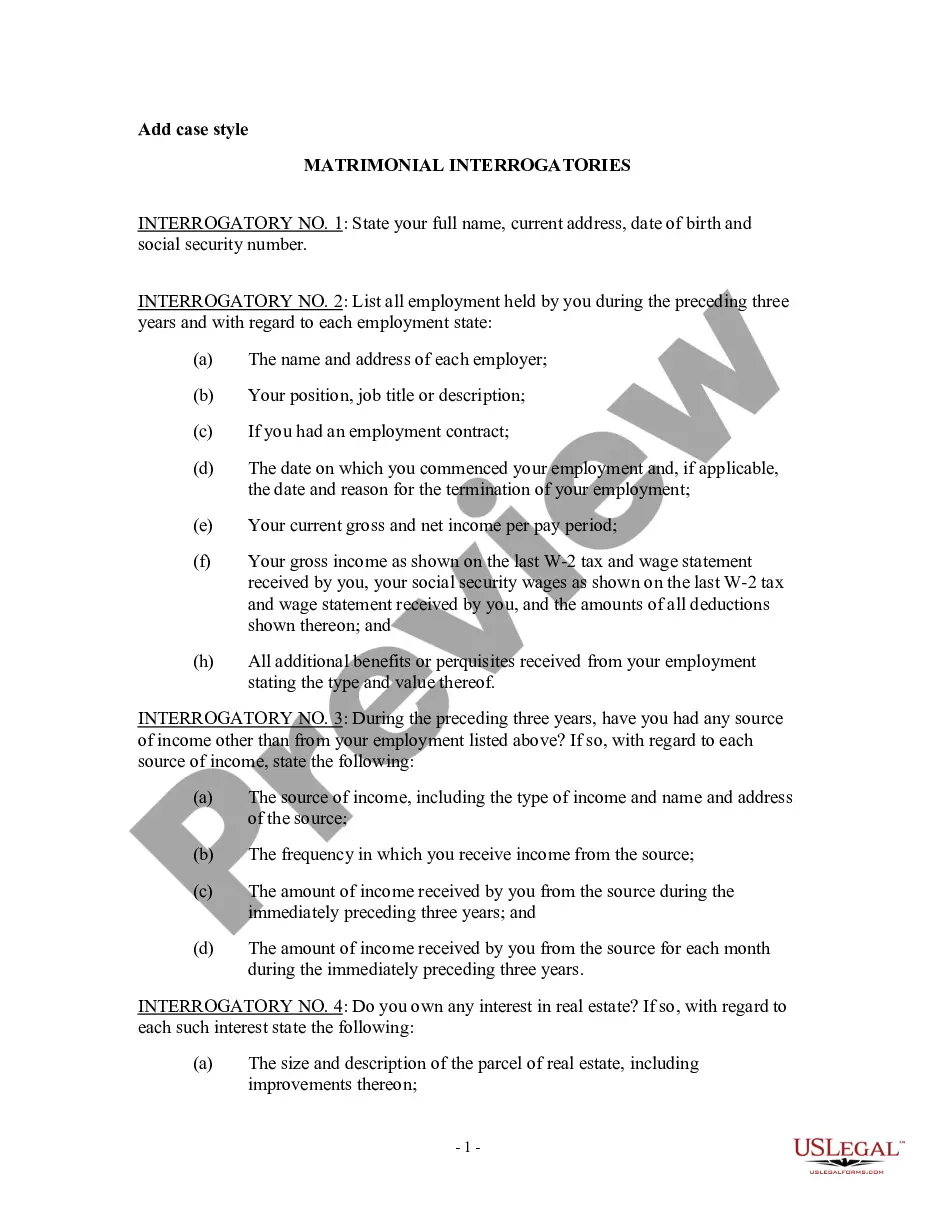
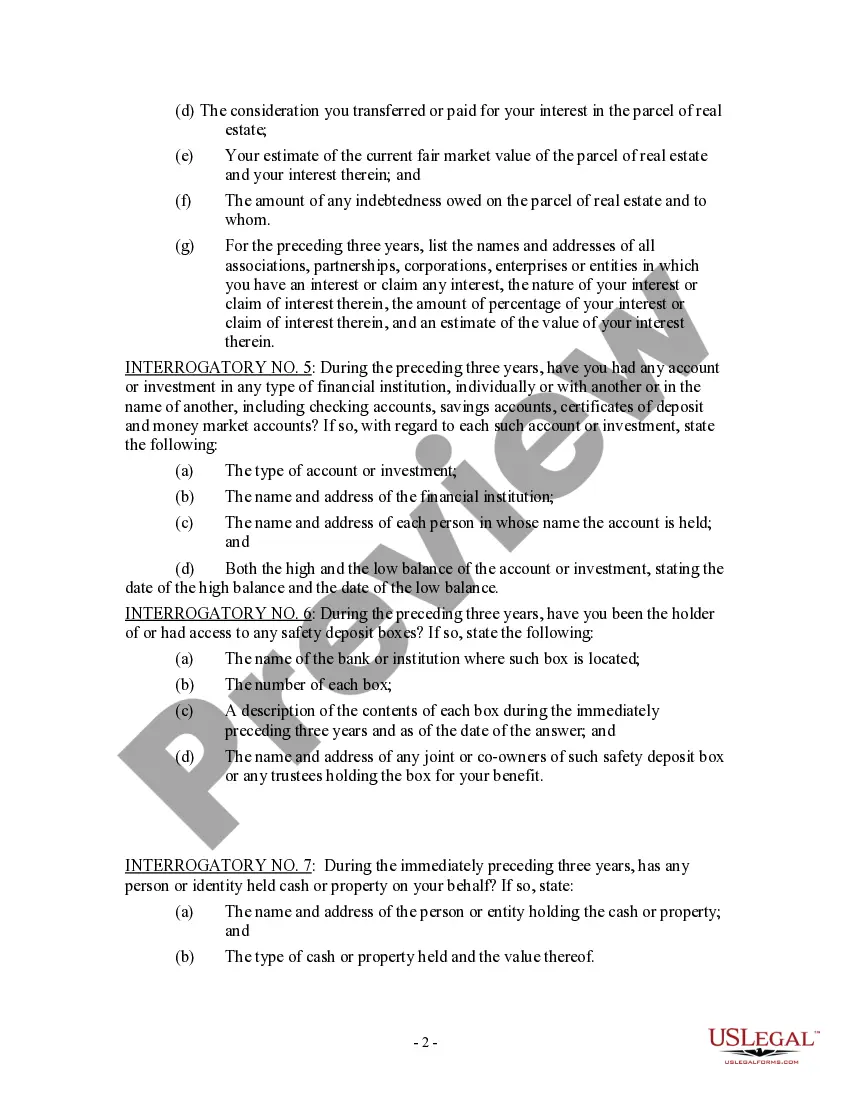
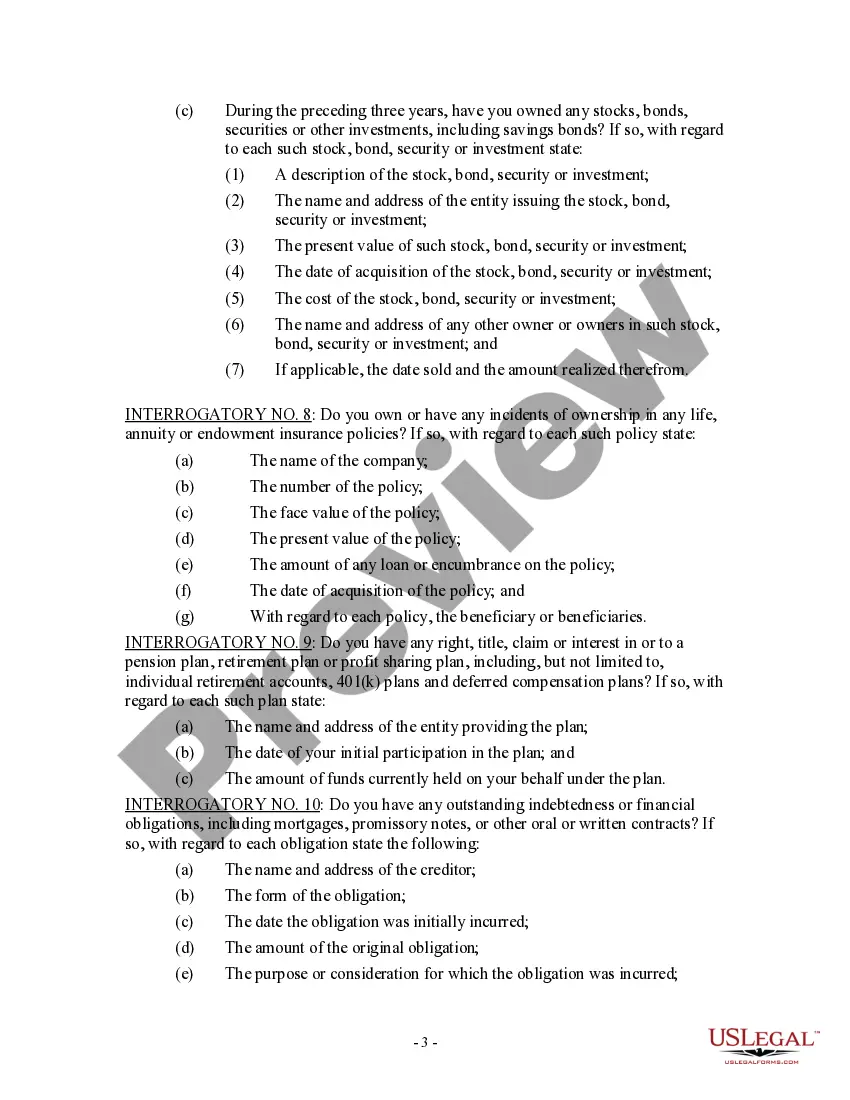
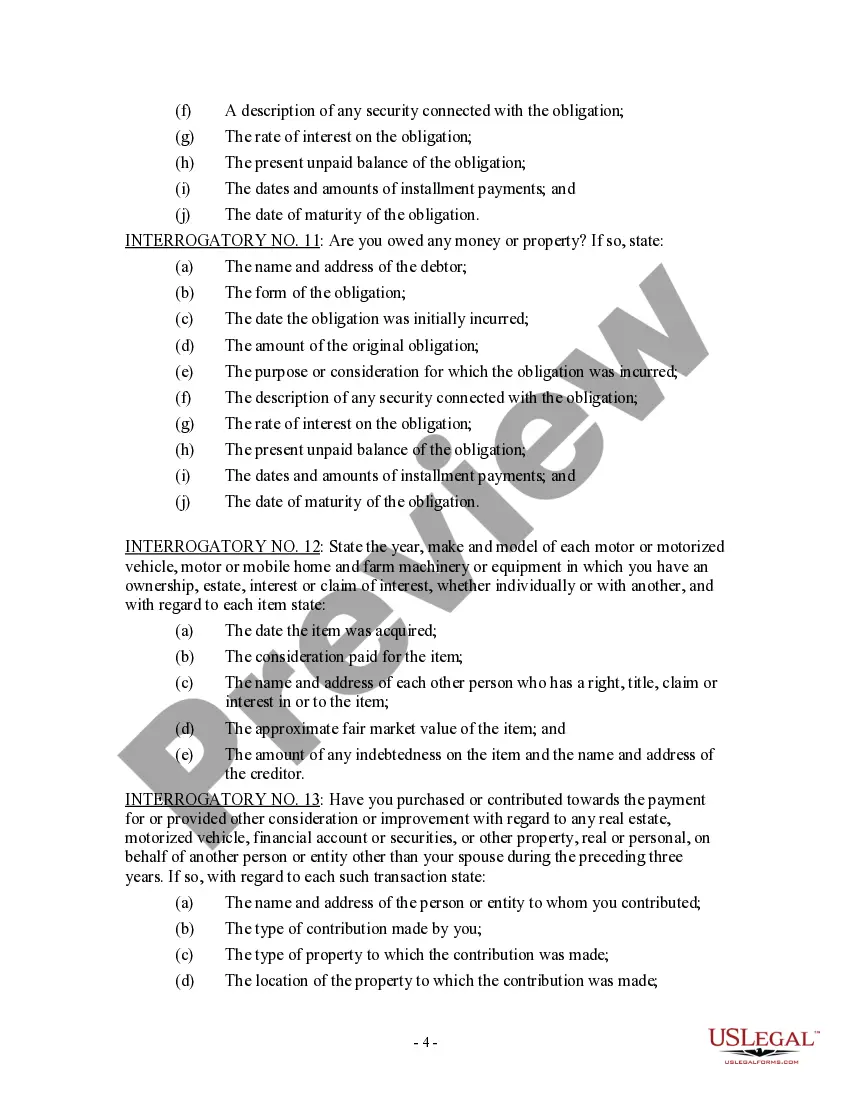
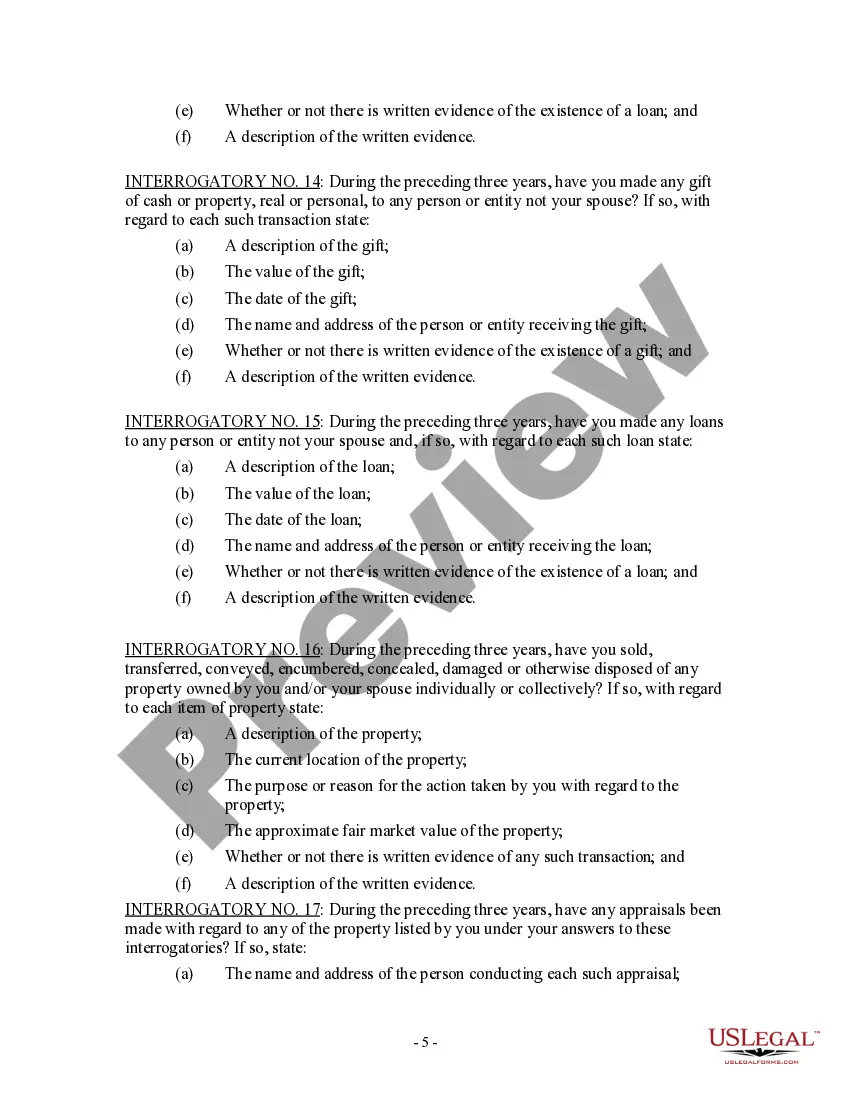
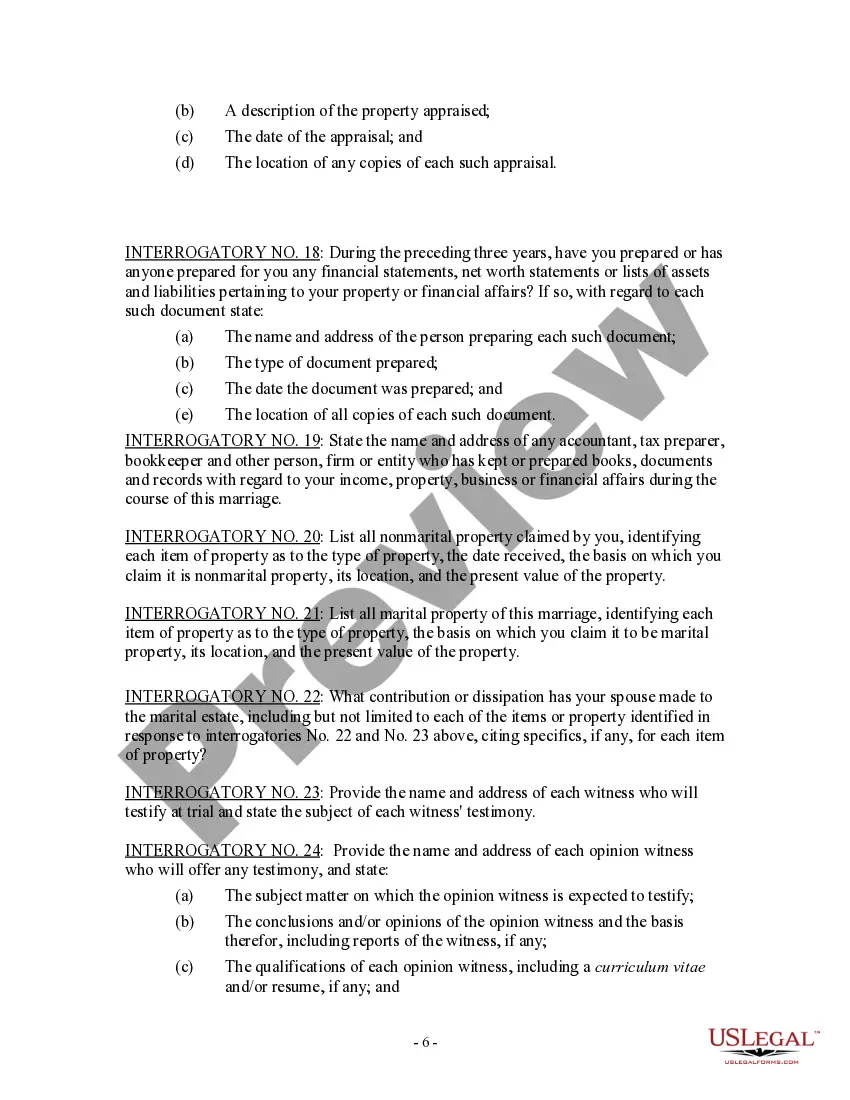
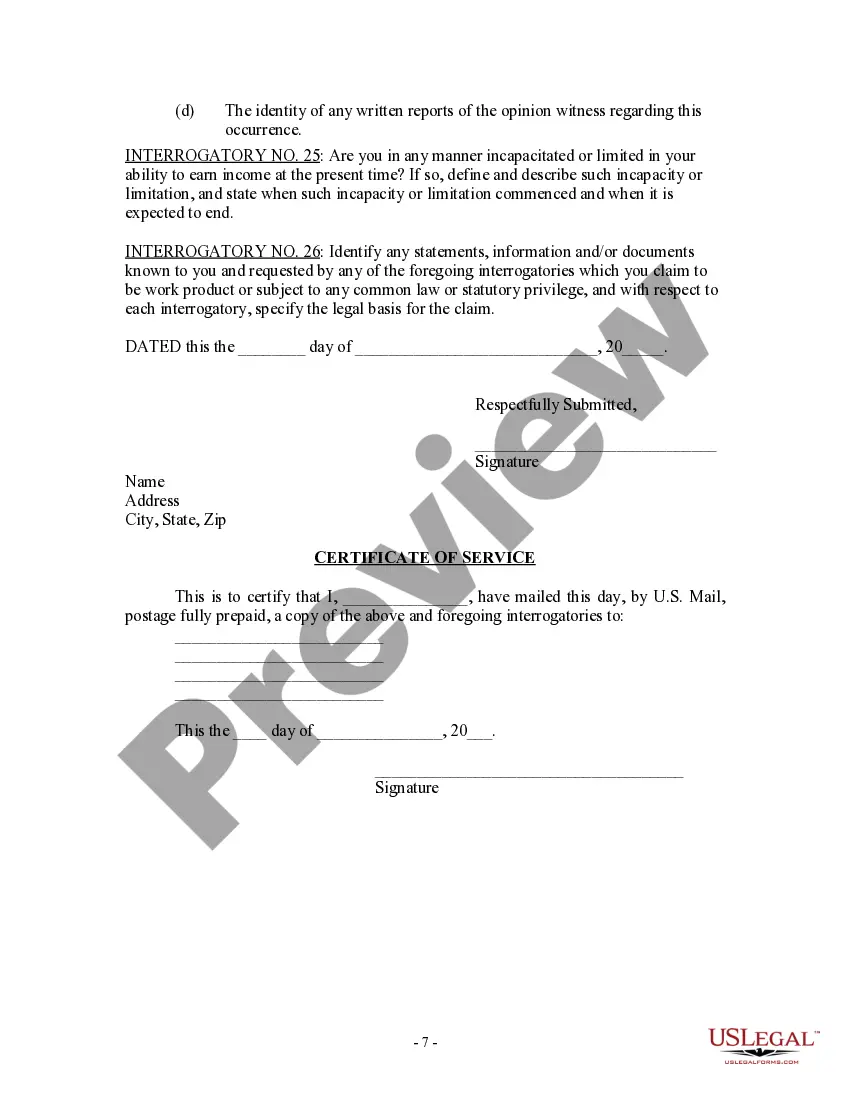
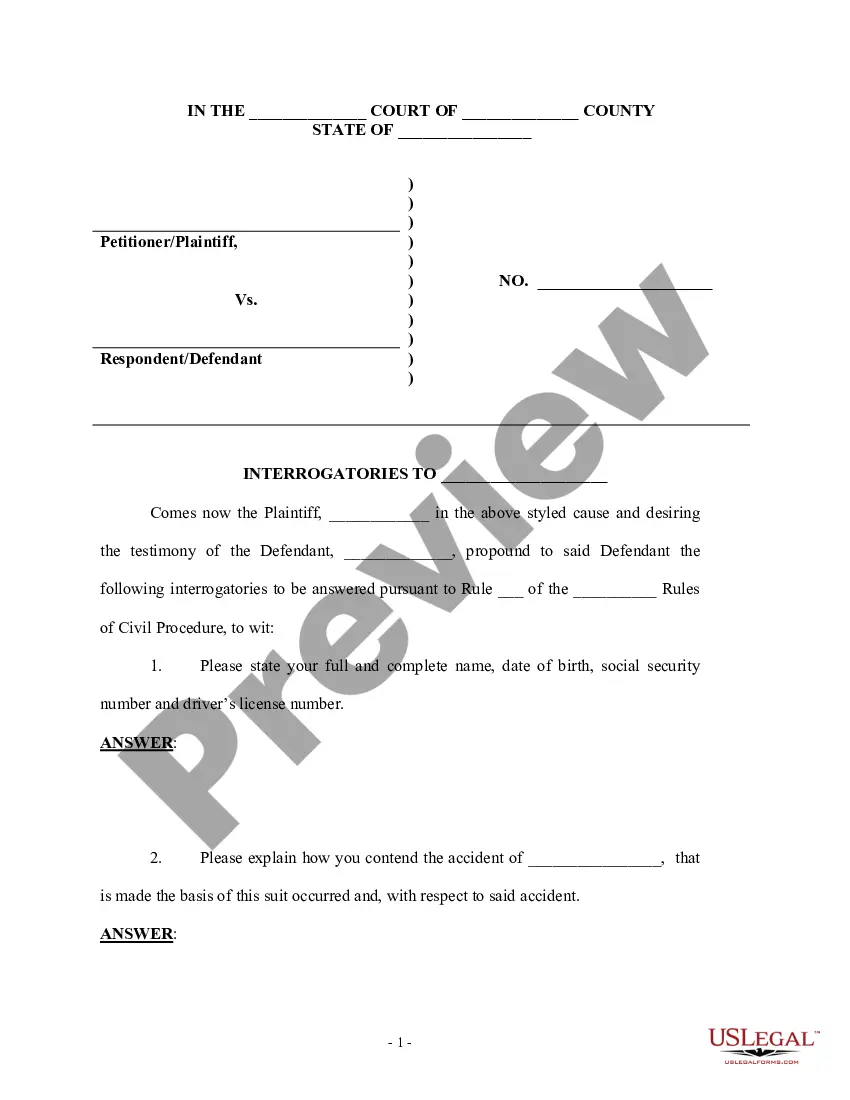
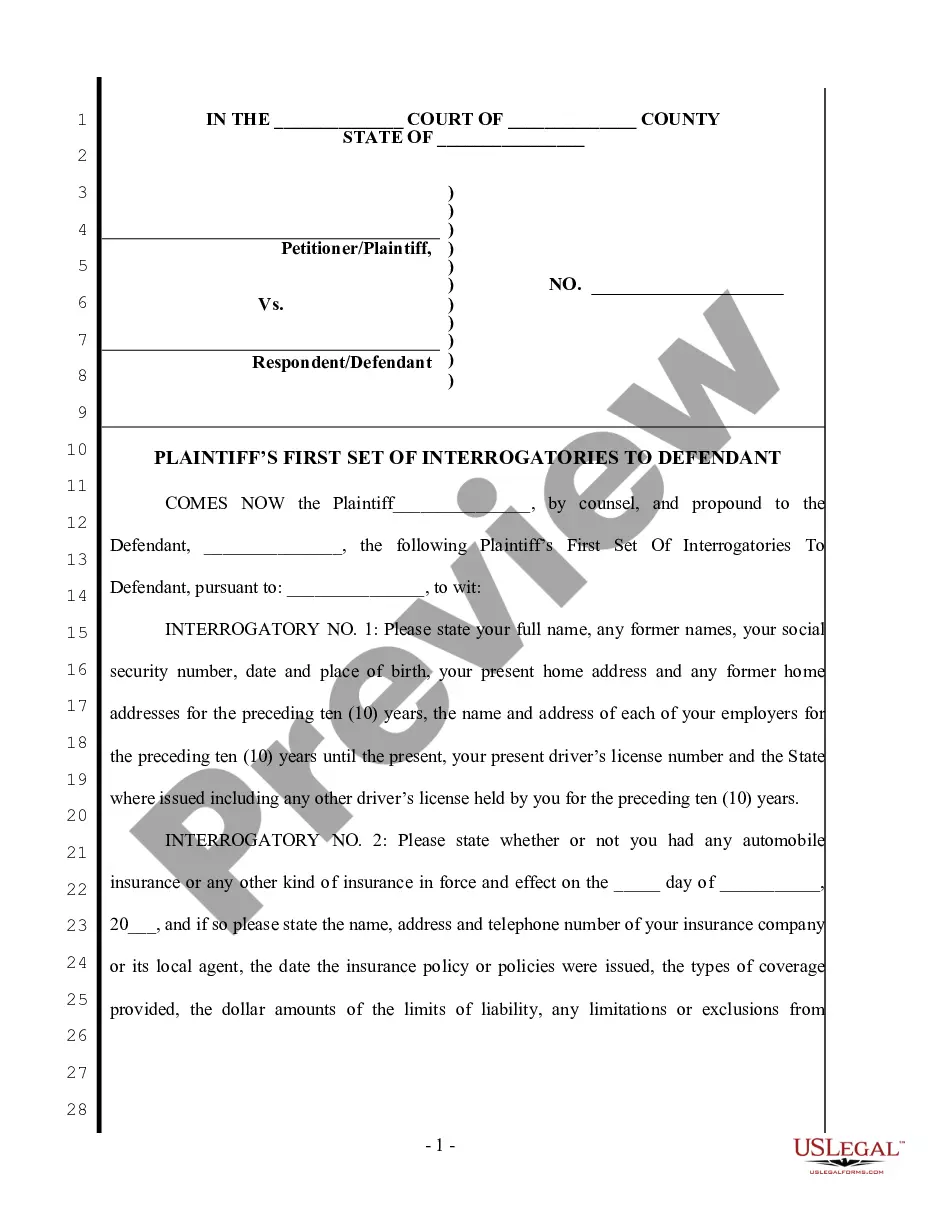
The Discovery Interrogatories for Divorce Proceeding are legal documents used in divorce cases for one party (either the Plaintiff or Defendant) to request information from the other party. This form outlines a series of questions that help reveal relevant facts, assets, and liabilities that might impact the divorce proceedings. It serves as a tool for gathering evidence and ensuring transparency during the legal process, which is essential for fair negotiations concerning asset division, alimony, or other related matters.
What’s included in this form
- Matrimonial interrogatories: Lists specific questions aimed at gathering personal, financial, and property-related information.
- Request for production of documents: Asks for relevant documents to support the responses provided in the interrogatories.
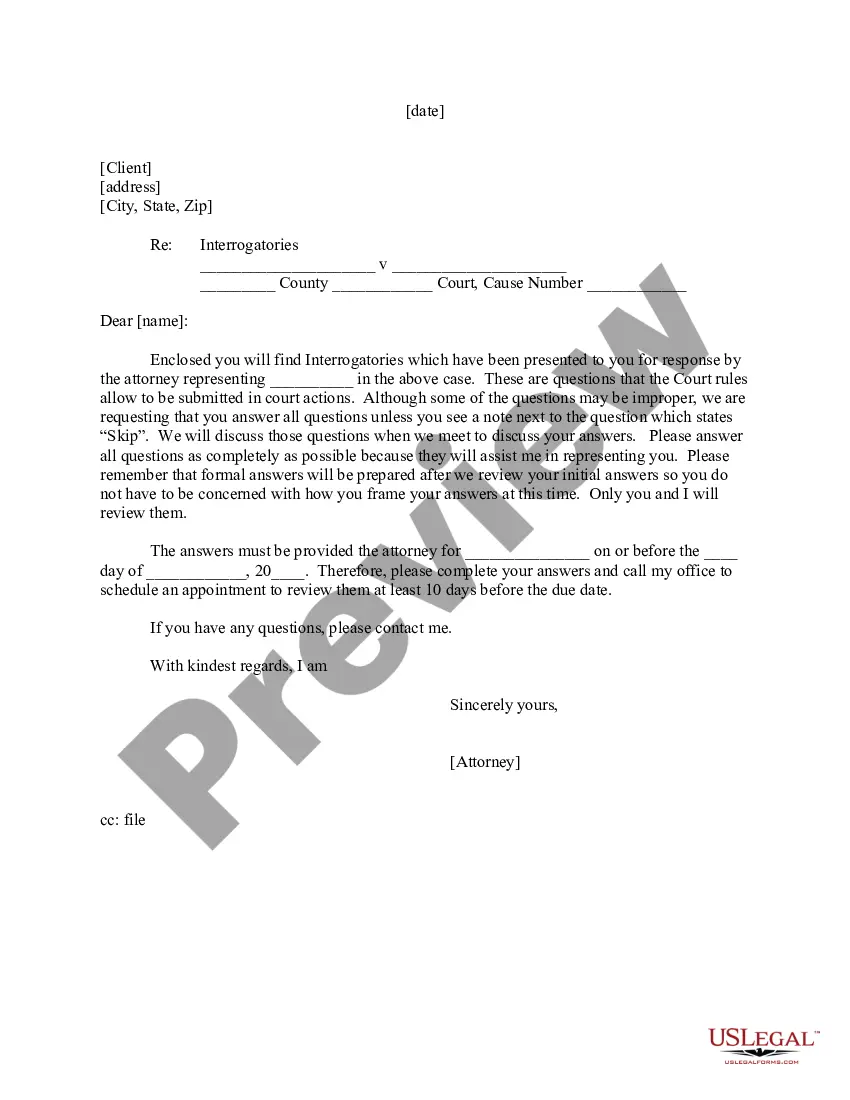
- Notice of service: Includes instructions for how the interrogatories should be filed and served to the other party.
- Signature and service certificate: Requires signatures from both parties to validate the submission process.
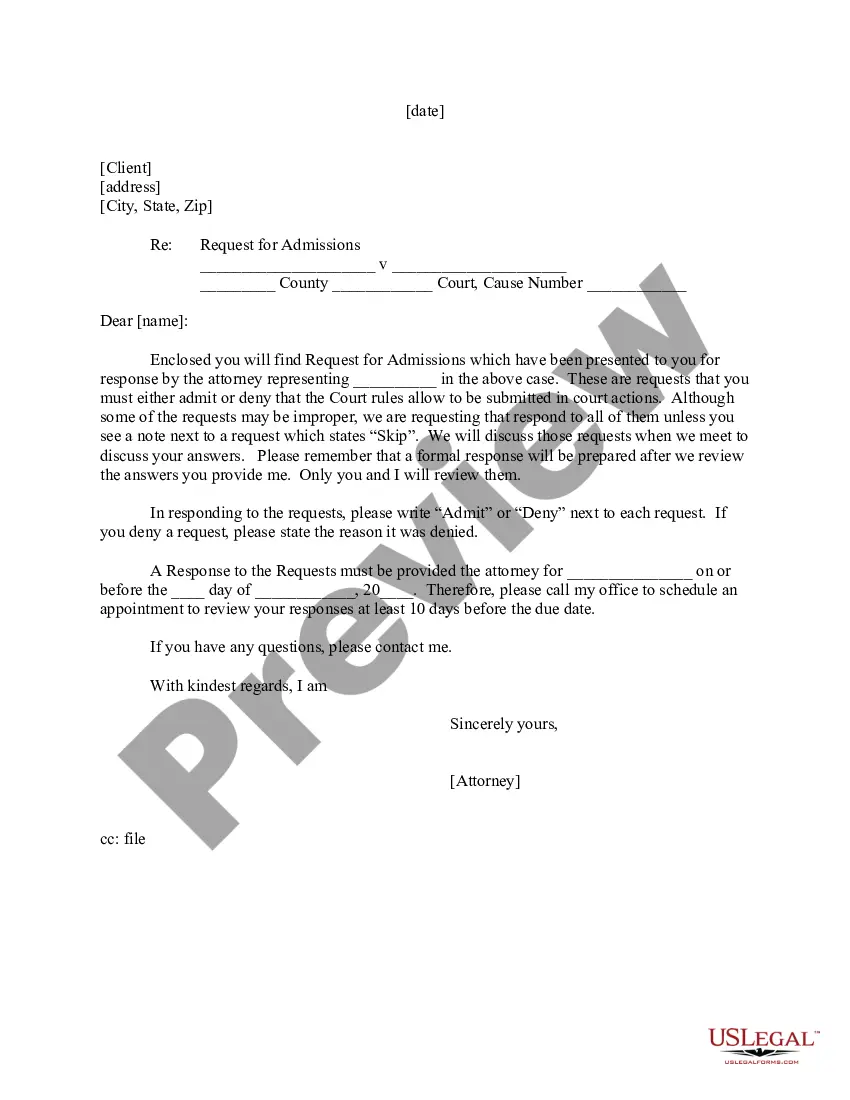
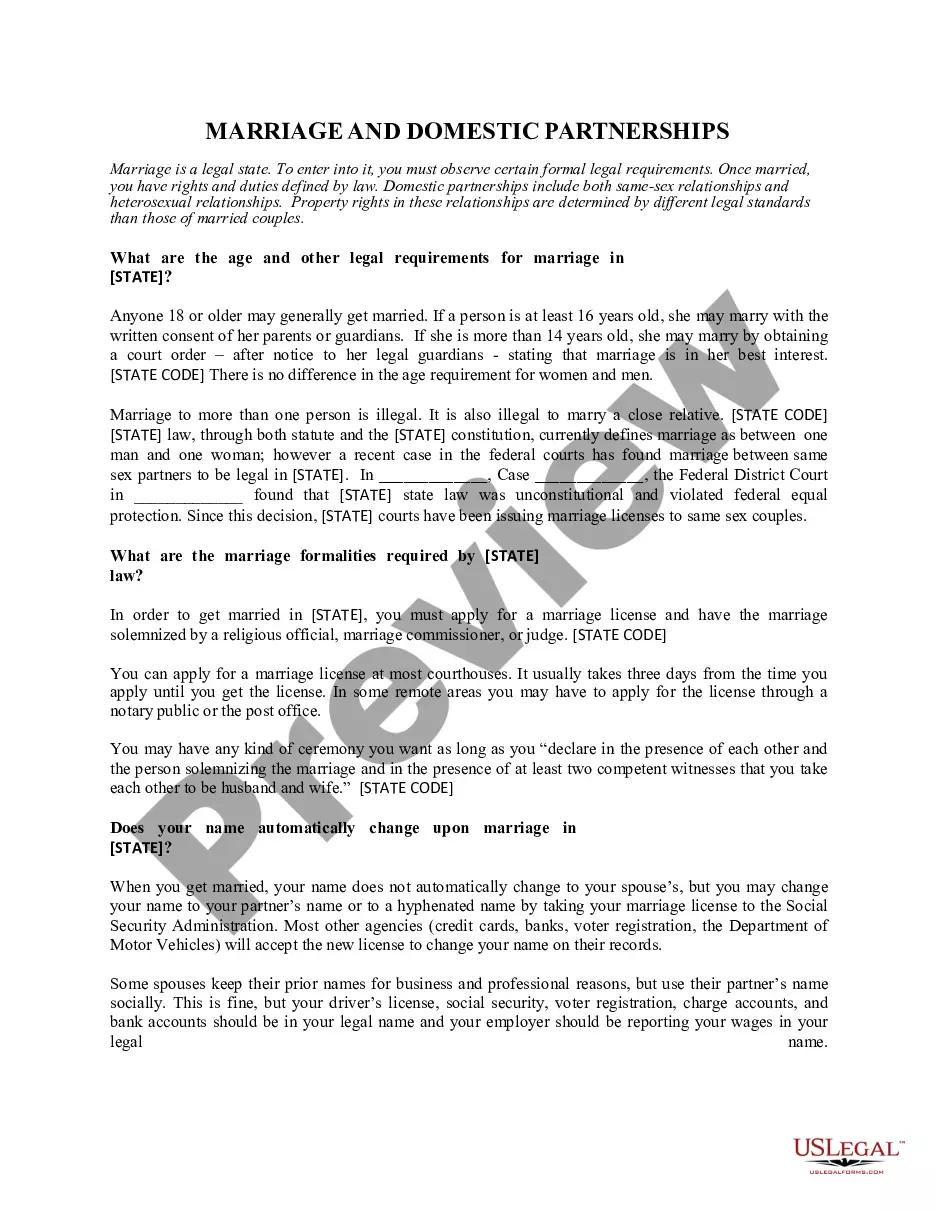
When to use this form
This form is typically used during the discovery phase of a divorce proceeding. It is essential when one spouse needs detailed information from the other regarding finances, property ownership, employment, and any other marital assets. Utilizing this form can ensure both parties are forthcoming with their information, ultimately aiding in the equitable resolution of the divorce settlement.
Who can use this document
This form is intended for:
- Individuals who are initiating a divorce as Plaintiffs.
- Individuals who have been served divorce papers and are responding to the allegations as Defendants.
- Divorce attorneys who need a structured means of gathering information from their clients or the opposing party.
Steps to complete this form
To complete the Discovery Interrogatories for Divorce Proceeding, follow these steps:
- Identify the parties involved in the divorce, including full names and contact information.
- Review each interrogatory question and answer based on personal knowledge and relevant documentation.
- Include all necessary financial details, such as income, assets, and debts.
- Ensure that signatures are present where required to validate the document.
- File the completed form with the court and serve a copy to the other party as per legal guidelines.
Does this document require notarization?
Notarization is generally not required for this form. However, certain states or situations might demand it. You can complete notarization online through US Legal Forms, powered by Notarize, using a verified video call available anytime.
Get your form ready online
Our built-in tools help you complete, sign, share, and store your documents in one place.
Make edits, fill in missing information, and update formatting in US Legal Forms—just like you would in MS Word.
Download a copy, print it, send it by email, or mail it via USPS—whatever works best for your next step.
Sign and collect signatures with our SignNow integration. Send to multiple recipients, set reminders, and more. Go Premium to unlock E-Sign.
If this form requires notarization, complete it online through a secure video call—no need to meet a notary in person or wait for an appointment.
We protect your documents and personal data by following strict security and privacy standards.

Make edits, fill in missing information, and update formatting in US Legal Forms—just like you would in MS Word.

Download a copy, print it, send it by email, or mail it via USPS—whatever works best for your next step.

Sign and collect signatures with our SignNow integration. Send to multiple recipients, set reminders, and more. Go Premium to unlock E-Sign.

If this form requires notarization, complete it online through a secure video call—no need to meet a notary in person or wait for an appointment.

We protect your documents and personal data by following strict security and privacy standards.
Typical mistakes to avoid
- Failing to answer all questions completely or truthfully can lead to penalties.
- Neglecting to serve the interrogatories properly to the other party.
- Forgetting to include the appropriate notice of service with the interrogatories.
Benefits of using this form online
- Convenience of downloading and completing the form at your own pace.
- Editability allows users to tailor questions specific to their case.
- Access to templates drafted by licensed attorneys enhances reliability and legal compliance.
Summary of main points
- The Discovery Interrogatories facilitate the collection of necessary information during divorce proceedings.
- They are essential for transparency and fair negotiations regarding marital assets.
- Completing the interrogatories accurately is crucial to avoid legal repercussions.
Looking for another form?
Form popularity
FAQ
If you have received discovery requests (which would probably come in the mail), you have thirty days to mail your written responses back to the other side. Missing that thirty-day deadline can be serious. It could even result in you losing the case. TIP!
There are several kinds of written discovery that you and your spouse can use to get all the information you need. You will likely be required to answer the questions and produce all the documents asked for as long as it is reasonable, and a lot is considered reasonable during a divorce.
Language permits a party to serve interrogatories only on other parties.Second, and in any event, Rule 45 does not permit a party to use a subpoena to obtain information from non-parties that is unrelated to the action in which the Rule 45 subpoena is issued.
Yes, the responding party must serve all other parties with copies of the discovery responses, with the original discovery responses sent to the propounding party...
The 25-interrogatory limit applies to all parts and sub-parts of a single question (so 1a, 1b, and 1c count as three interrogatories). For civil lawsuits in state court, the allowable number of interrogatories varies, so check your state's civil procedure rules or ask your personal injury lawyer.
You must answer each interrogatory separately and fully in writing under oath, unless you object to it. You must explain why you object. You must sign your answers and objections.
You must answer each interrogatory separately and fully in writing under oath, unless you object to it. You must explain why you object. You must sign your answers and objections.
Interrogatories. Interrogatories are written questions between parties. The party who receives the interrogatories is required to respond in writing, under oath. Under Level 2 discovery, each side is only allowed 25 written interrogatories that ask more than identifying information about a document.
In general, the discovery rule means that the statute of limitations starts to run when the patient discovers or reasonably should discover the injury.If enough time passes, a statute of repose may prevent you from bringing the claim, even if you could not reasonably have discovered the injury.