Wisconsin Transfer on Death Deed or TOD - Beneficiary Deed from Two Individuals to an Individual
Overview of this form
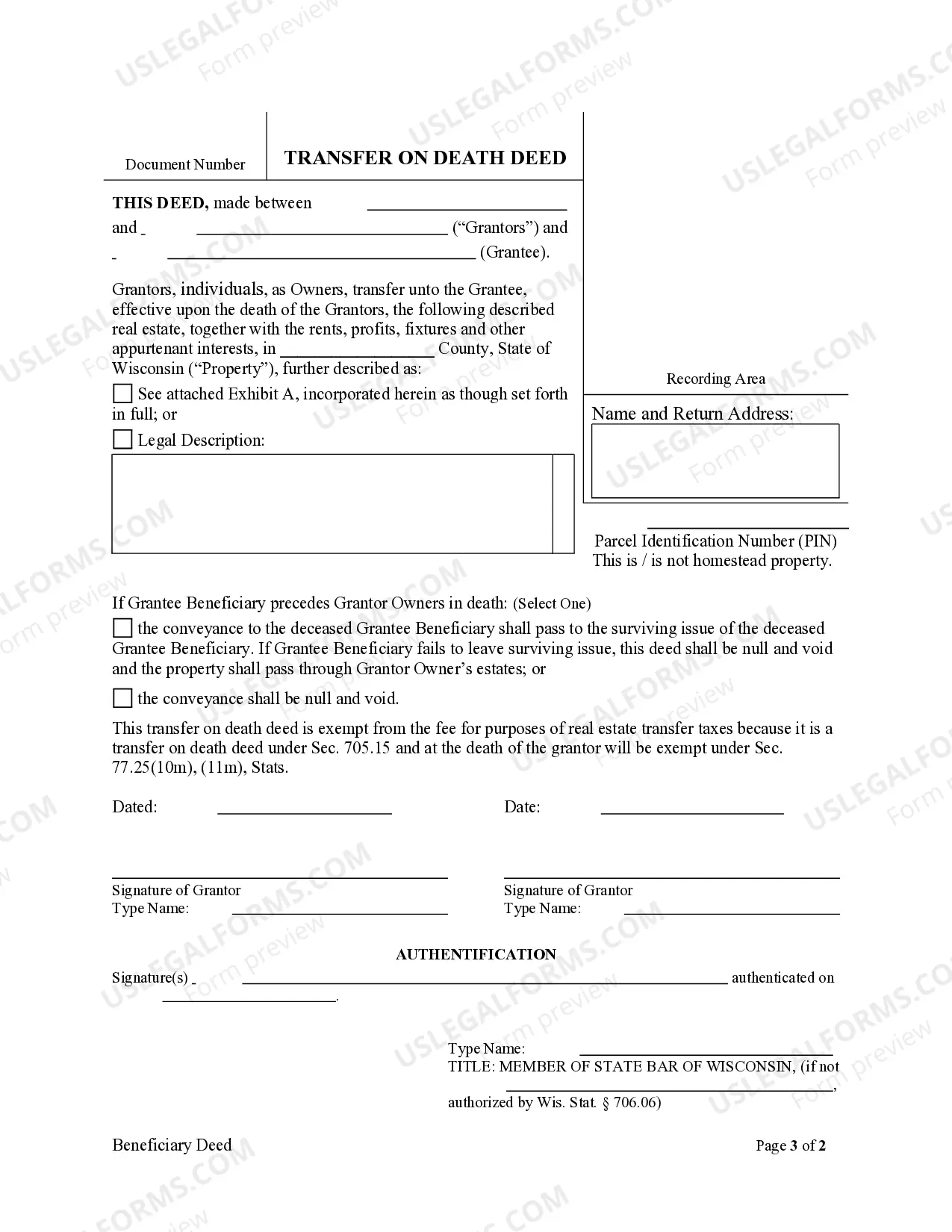
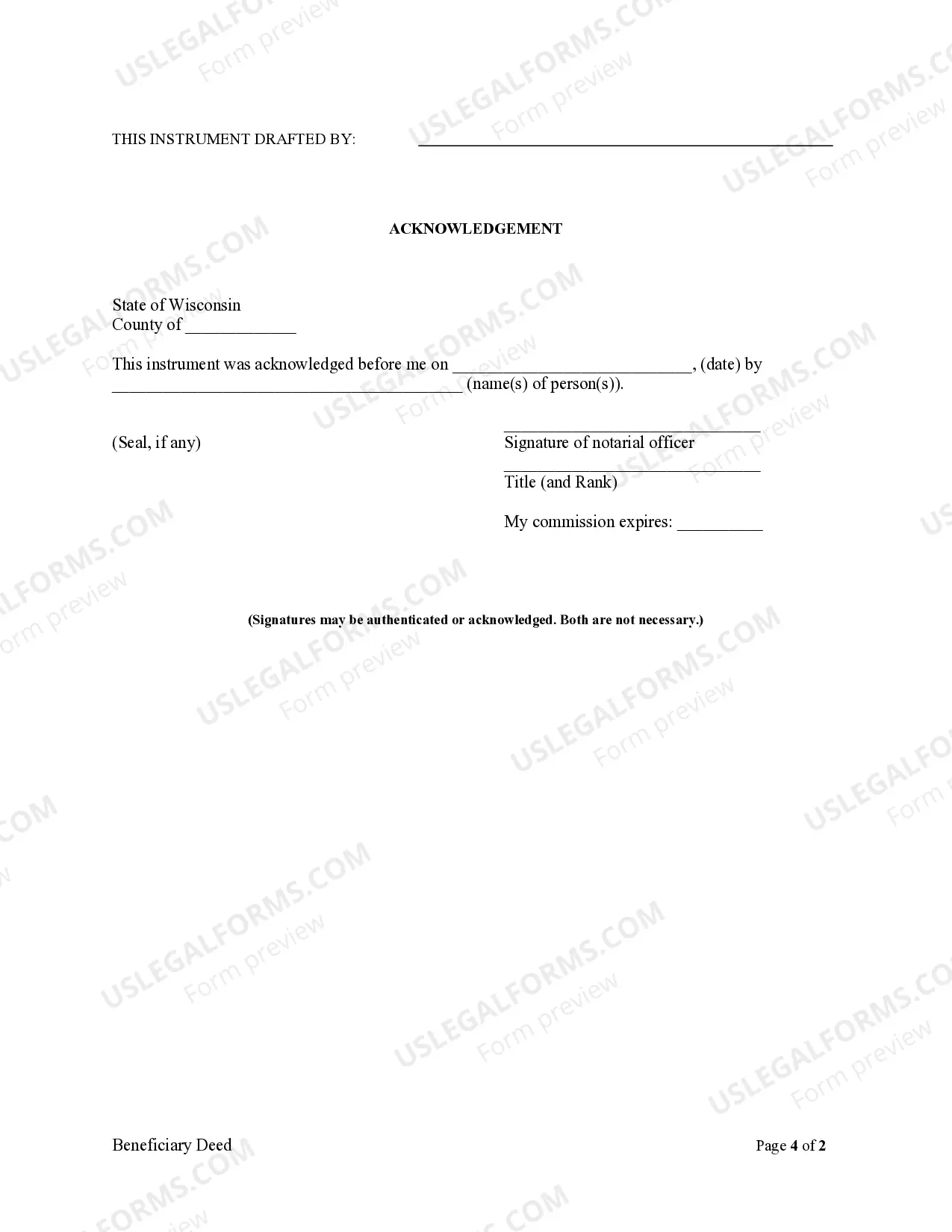
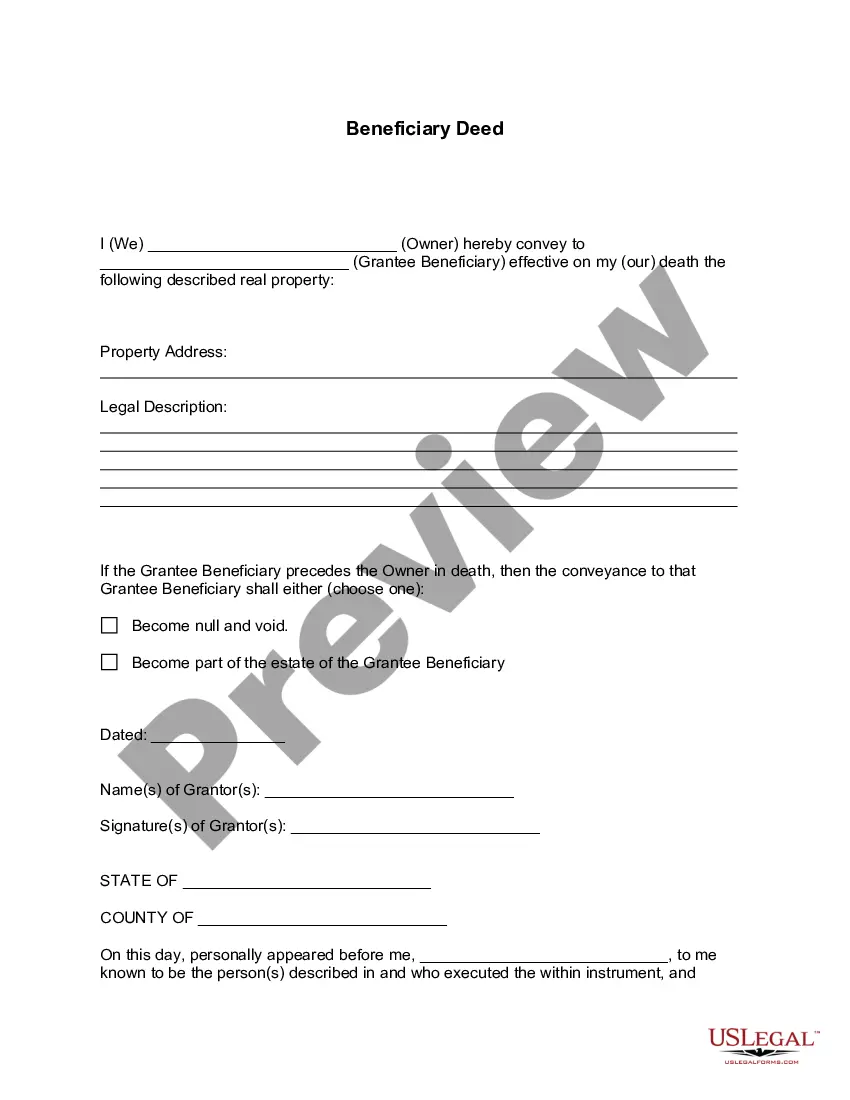
The Transfer on Death Deed (TOD) is a legal document that allows two individuals, known as Grantors, to transfer property to an individual beneficiary, referred to as the Grantee. The deed is revocable until the death of the Grantors and only becomes effective upon their passing. This form is distinct from a traditional deed because it is structured to facilitate the transfer of property without the need for probate, ensuring a smoother transition of ownership after death.
Key components of this form
- Identification of the Grantors and Grantee Beneficiary.
- Description of the real estate being transferred.
- Clause specifying the revocability of the deed until the death of the Grantors.
- Provision for what happens if the Grantee Beneficiary passes away without surviving issue.
- Legal compliance with state statutes.




Situations where this form applies
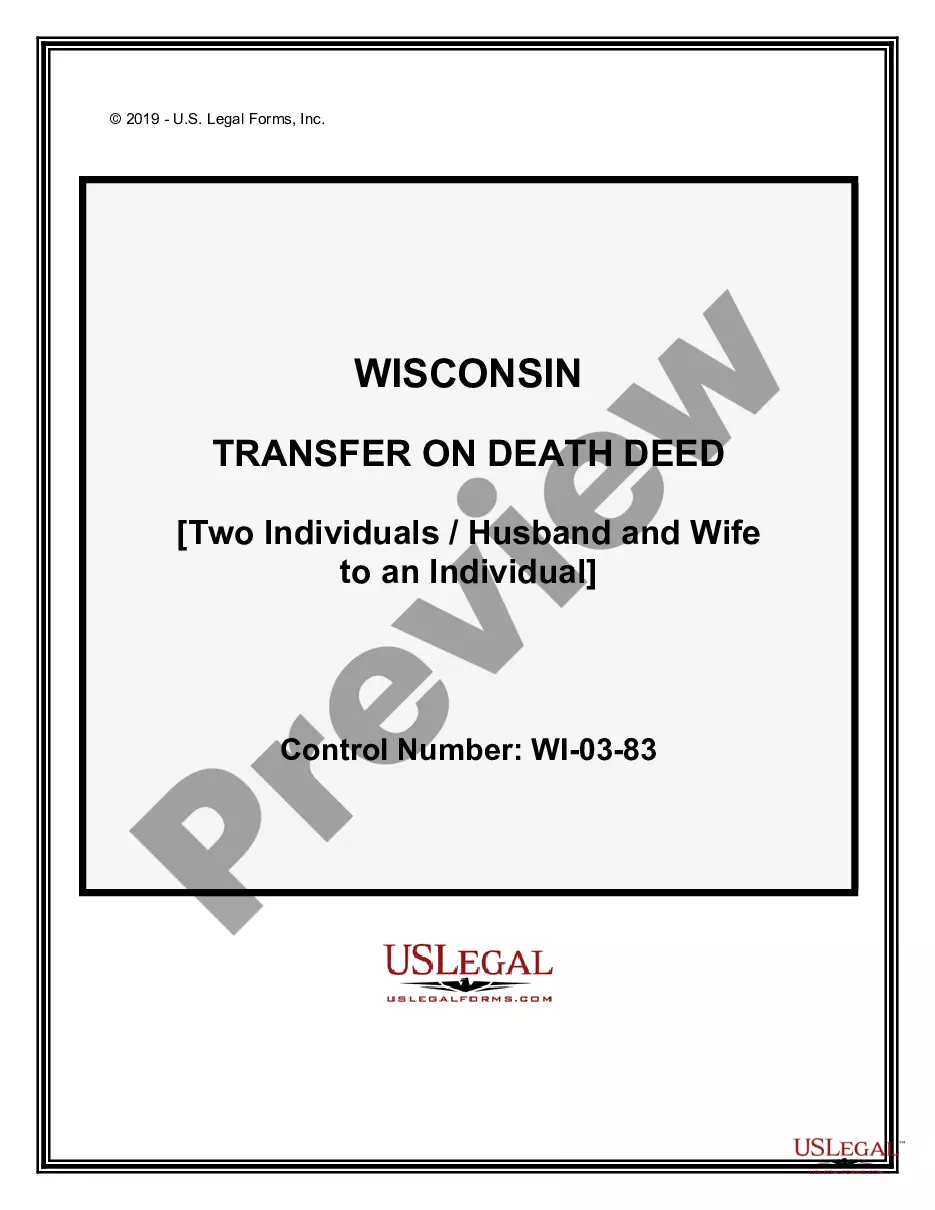
This form is useful in situations where two individuals jointly own property and wish to designate a specific person to inherit that property upon their deaths. It is particularly beneficial for couples or partners who want to ensure that their property is transferred smoothly and directly to a chosen beneficiary without the delays and costs associated with probate proceedings.
Intended users of this form
This form is intended for:
- Individuals who are joint owners of real estate property.
- Couples or partners looking to designate a beneficiary for their property.
- Property owners in states that allow Transfer on Death Deeds.
Completing this form step by step
- Identify the Grantors by entering their full legal names.
- Specify the Grantee Beneficiary's name who will receive the property.
- Provide a detailed description of the real estate being transferred, including its location.
- Enter any relevant clauses regarding survivorship and the conditions under which the deed may become void.
- Sign and date the deed, ensuring it is recorded in the appropriate local registry.
Does this form need to be notarized?
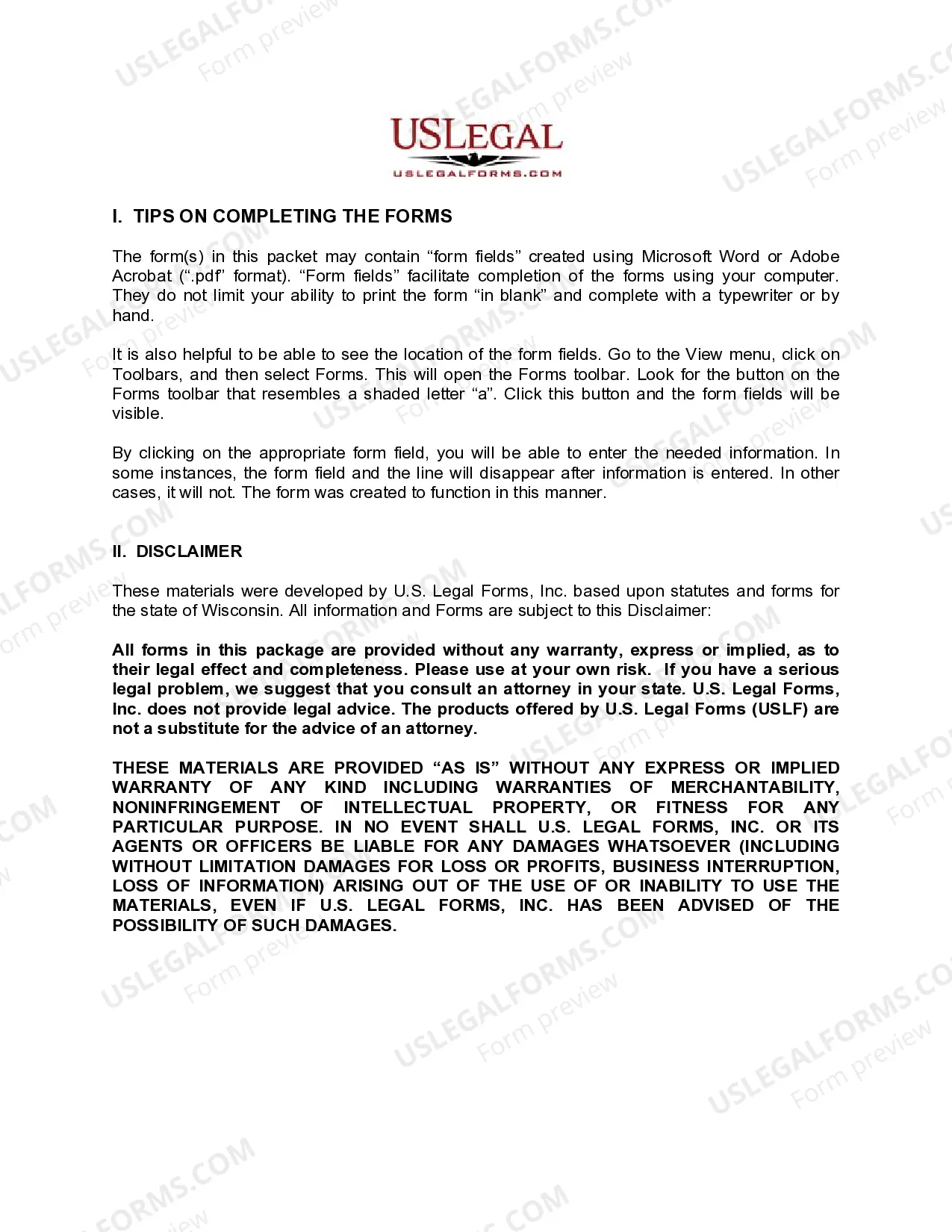
This form must be notarized to be legally valid. US Legal Forms provides secure online notarization powered by Notarize, allowing you to complete the process through a verified video call.
Get your form ready online
Our built-in tools help you complete, sign, share, and store your documents in one place.
Make edits, fill in missing information, and update formatting in US Legal Forms—just like you would in MS Word.
Download a copy, print it, send it by email, or mail it via USPS—whatever works best for your next step.
Sign and collect signatures with our SignNow integration. Send to multiple recipients, set reminders, and more. Go Premium to unlock E-Sign.
If this form requires notarization, complete it online through a secure video call—no need to meet a notary in person or wait for an appointment.
We protect your documents and personal data by following strict security and privacy standards.

Make edits, fill in missing information, and update formatting in US Legal Forms—just like you would in MS Word.

Download a copy, print it, send it by email, or mail it via USPS—whatever works best for your next step.

Sign and collect signatures with our SignNow integration. Send to multiple recipients, set reminders, and more. Go Premium to unlock E-Sign.

If this form requires notarization, complete it online through a secure video call—no need to meet a notary in person or wait for an appointment.

We protect your documents and personal data by following strict security and privacy standards.
Typical mistakes to avoid
- Failing to record the deed prior to the death of the Grantors.
- Omitting key details about the property description.
- Not entering the names of all Grantors accurately.
- Leaving out signature requirements or necessary witnesses.
Benefits of using this form online
- Convenience of downloading and filling out the form from home.
- Editability allows for quick adjustments before finalization.
- Access to legally drafted templates ensures compliance with state laws.
- Time-saving compared to seeking legal assistance for basic forms.
Legal use & context
- The Transfer on Death Deed is a legally recognized document in Wisconsin for transferring property upon death.
- It allows grantors to maintain control of their property until their death, making it a flexible estate planning tool.
- Failure to record the deed or adhere to state-specific regulations may render the deed ineffective.
Quick recap
- The Transfer on Death Deed allows for property transfer upon death without going through probate.
- This deed is revocable during the grantors' lifetimes, providing flexibility.
- Proper completion and recording of the deed are essential for its legality and effectiveness.
Looking for another form?
Form popularity
FAQ
This form allows two grantors to name a single beneficiary who will receive the property after the grantors’ deaths, without probate. The deed remains revocable during lifetime and becomes effective only at death, with a provision for what happens if the Grantee Beneficiary dies without surviving issue and with compliance with Wisconsin statutes.
Two grantors identify themselves and the grantee beneficiary, describe the real estate, sign the deed, and record it. The deed is revocable during the grantors’ lifetimes and becomes effective on death, transferring title directly to the beneficiary and avoiding probate, provided it complies with Wisconsin statutes.
This form is designed for two grantors transferring to a single grantee beneficiary. It does not support naming two beneficiaries in one deed; to designate multiple beneficiaries, you would need a different arrangement or separate TOD documents.
Not required, but advisable to ensure proper execution, recording, and compliance with Wisconsin statutes. The form is structured to identify grantors and the beneficiary, and a licensed attorney can confirm it aligns with your estate plan.
One potential downside is that the deed is revocable during the grantors' lifetimes, so plans can be changed or revoked. It also designates a single beneficiary and relies on surviving issue provisions, so careful estate planning is important.
Its two-grantor, single-beneficiary structure and revocable-at-will status, designed to transfer property after death without probate, differentiates it from a standard TOD Deed that typically involves one grantor.