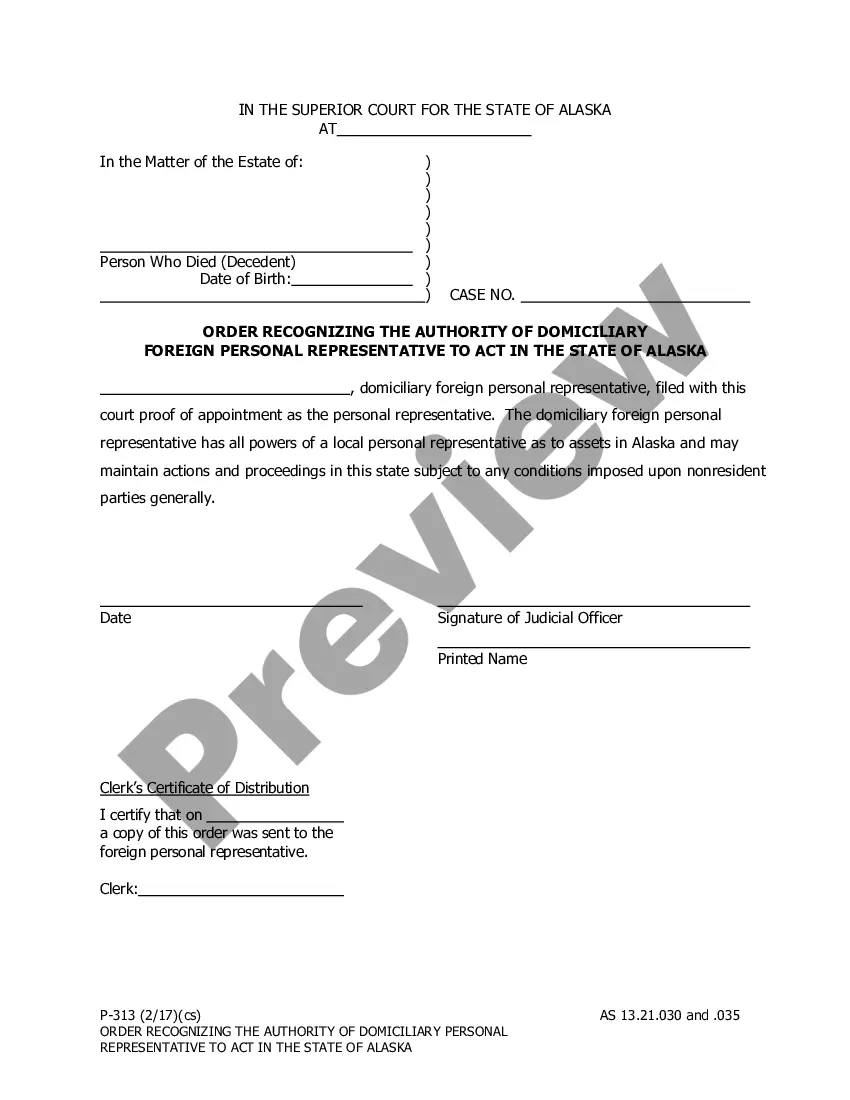
Motion to Vacate or Set Aside Judgment of Dismissal Due to Mistake, Inadvertence, or Excusable Neglect and to Reinstate Cause of Action
What is this form?
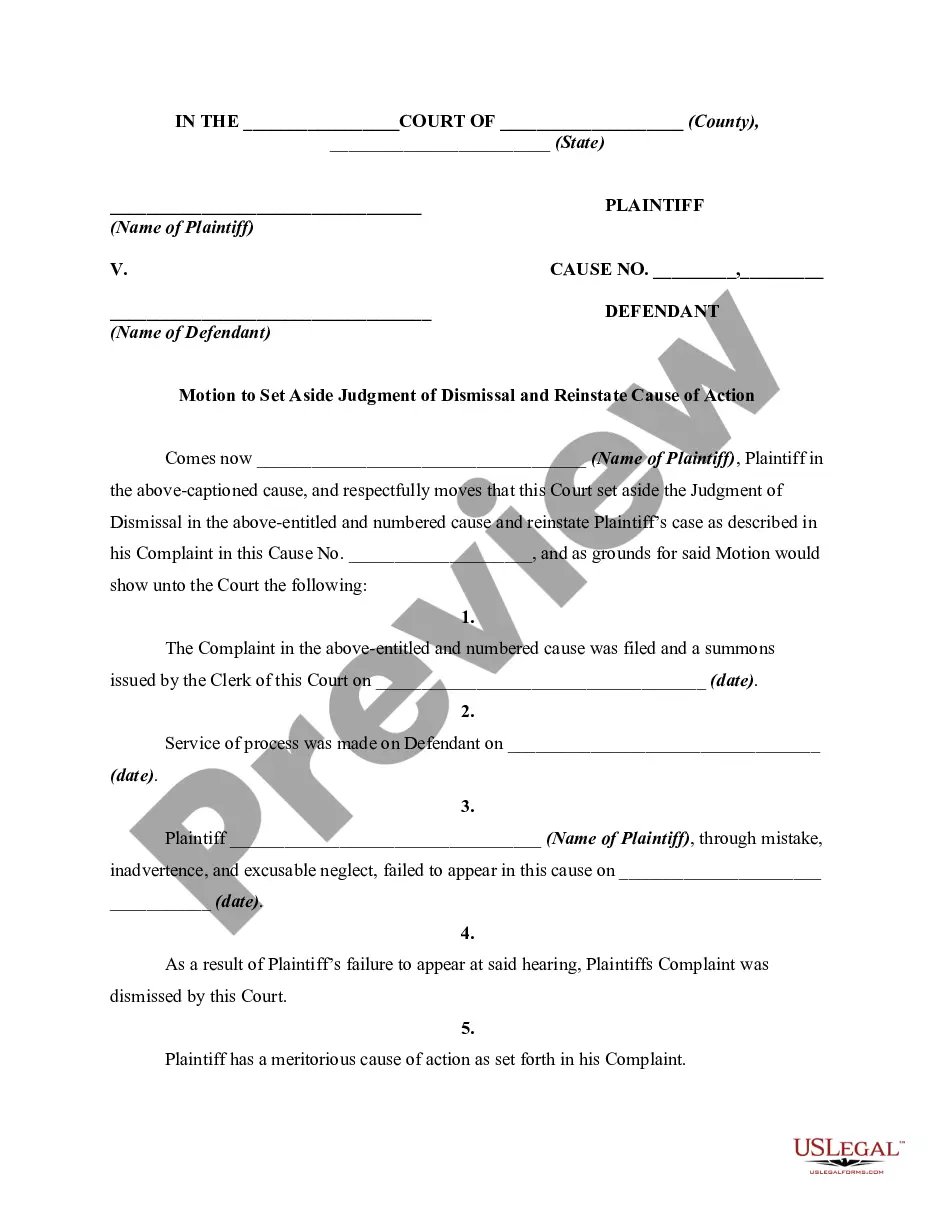
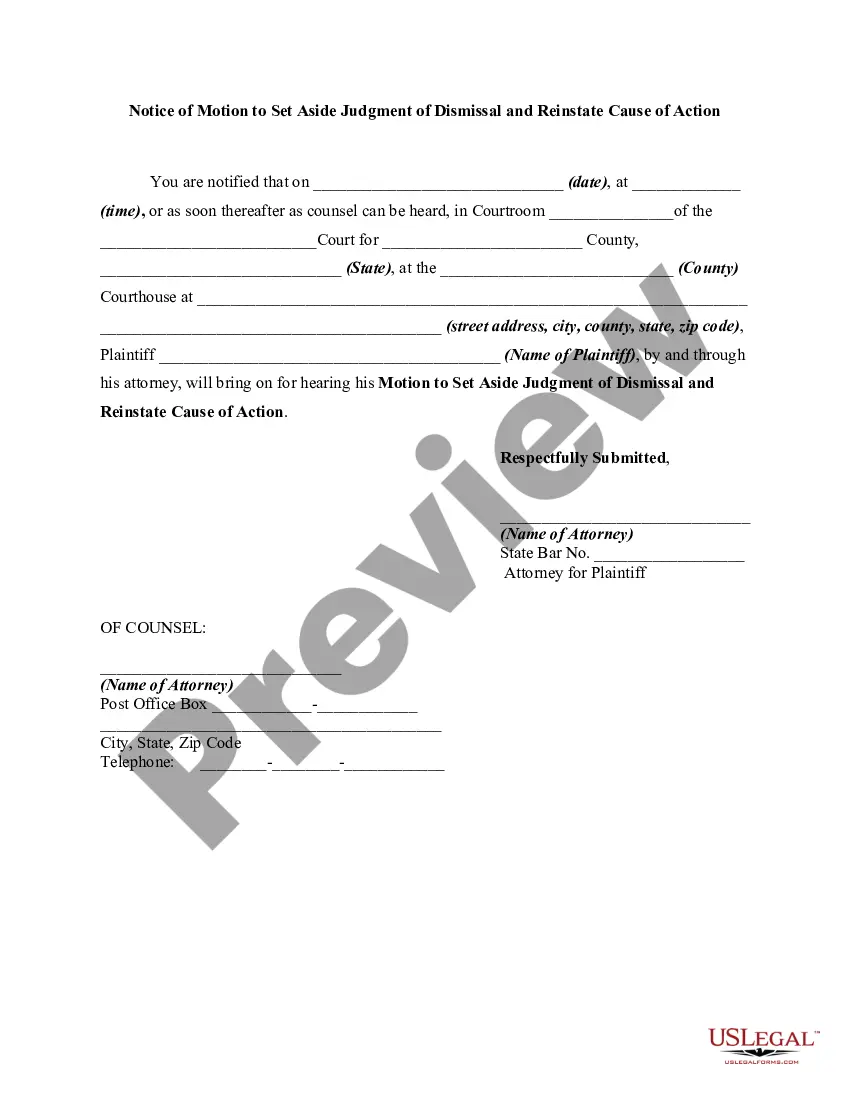
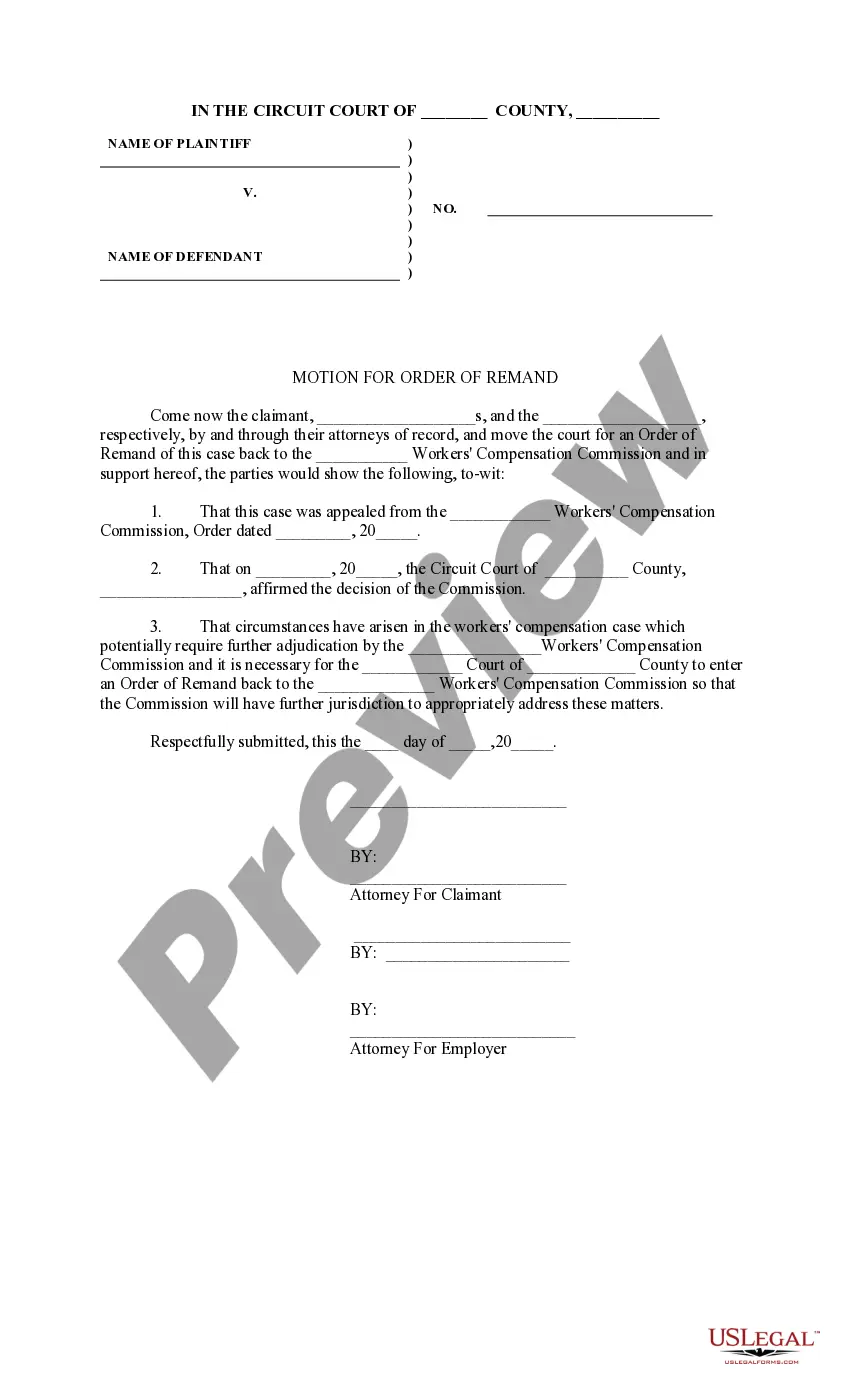
The Motion to Vacate or Set Aside Judgment of Dismissal Due to Mistake, Inadvertence, or Excusable Neglect and to Reinstate Cause of Action is a legal document used to request a court to overturn a judgment of dismissal in a civil case. This motion is filed when a party has failed to appear in court due to error, oversight, or valid reasons that could be deemed excusable neglect. The purpose of this form is to ensure that a fair opportunity to present a case is provided, balancing judicial efficiency with the rights of individuals to have their claims heard.
What’s included in this form
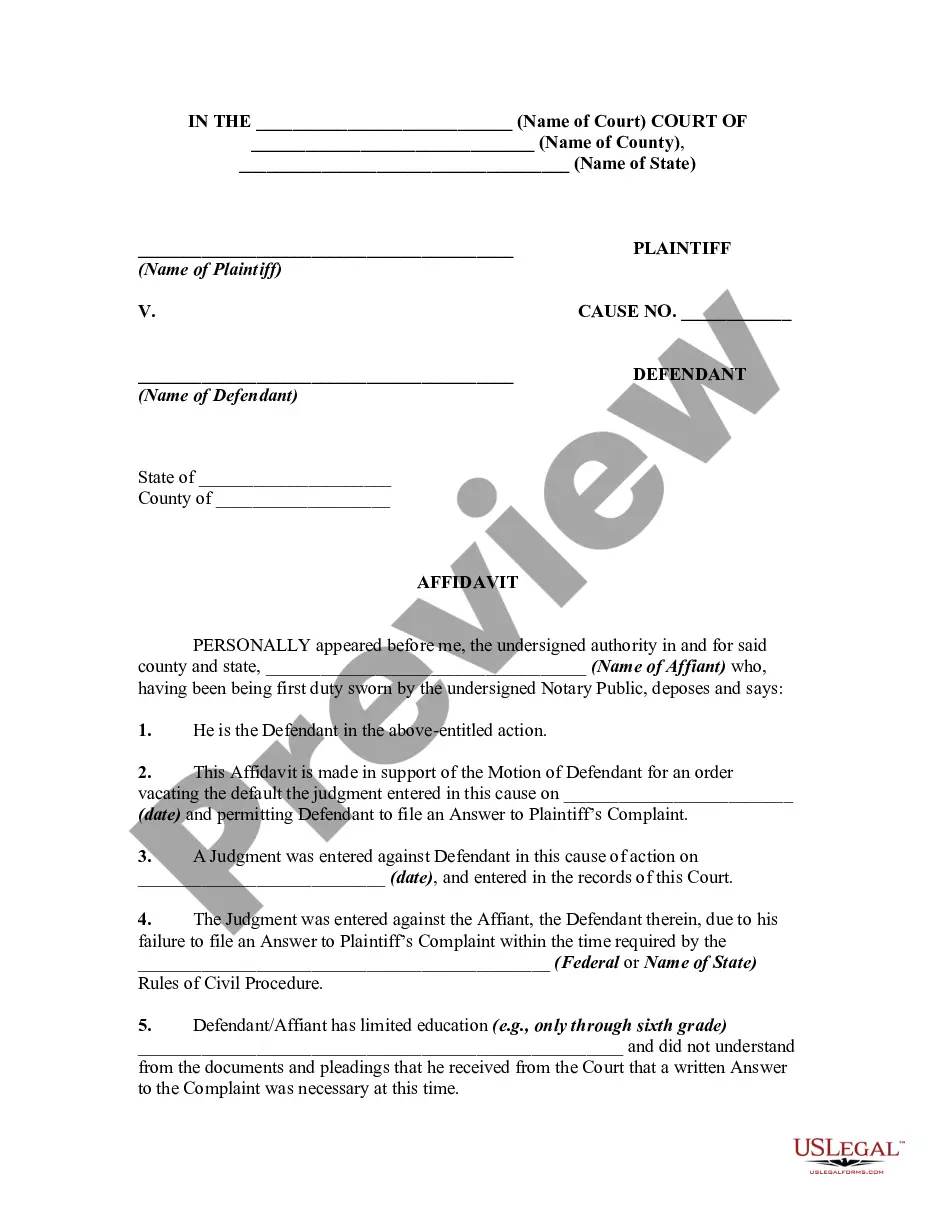
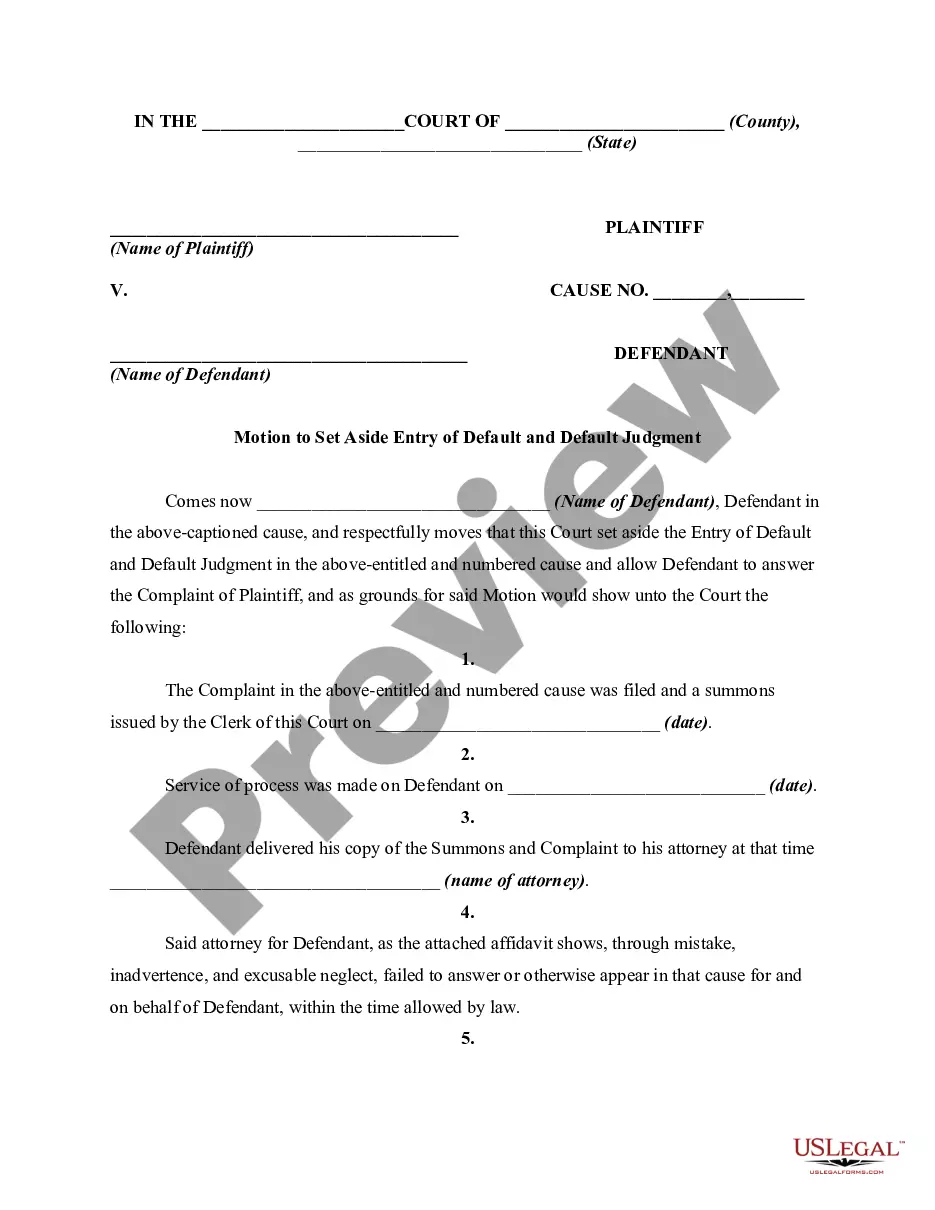
- Parties involved: Identifies the plaintiff and defendant in the case.
- Cause number: References the unique identification number for the legal case.
- Grounds for motion: Details the reasons for the failure to appear and the request to set aside the dismissal.
- Meritorious claim: Affirms that there is a valid claim that justifies proceeding with the case.
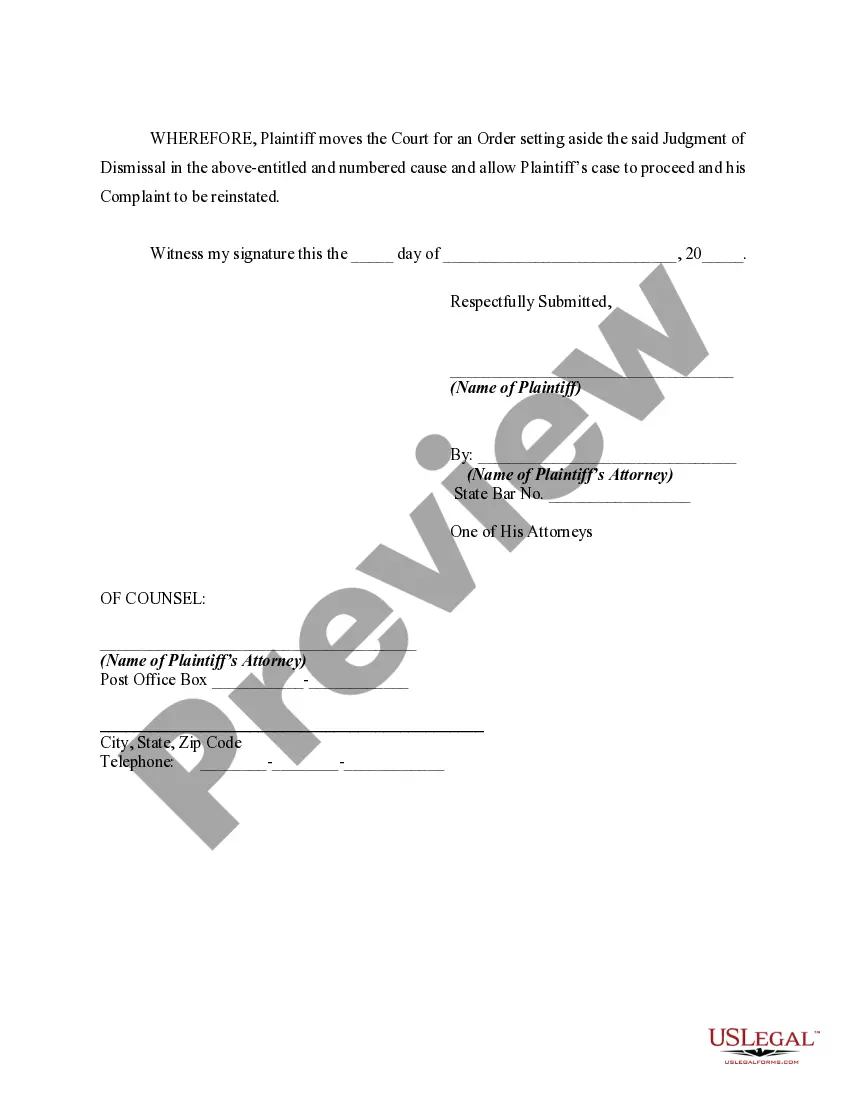
- Signature block: Provides space for the plaintiff's signature and their attorney's information.

When this form is needed
This form should be used when a plaintiff has missed a court appearance resulting in the dismissal of their case, and they believe the dismissal was due to a mistake, inadvertence, or reasonable neglect. Common scenarios include unforeseen circumstances that prevented attendance, misunderstanding of court dates, or lack of timely communication between parties involved.
Who this form is for
- Individuals or entities that have had their case dismissed for failing to appear in court.
- Parties who have a legitimate reason for not attending the hearing, such as illness, travel issues, or other emergencies.
- Legal representatives seeking to reinstate a dismissed case on behalf of their clients.
Steps to complete this form
- Identify the parties: Fill in the names and roles of the plaintiff and defendant.
- Provide the cause number: Include the designated number assigned to the case.
- State the grounds for the motion: Clearly explain the reasons for the failure to appear in court.
- Assert the meritorious claim: Briefly outline the claim being made in the original complaint.
- Sign and date the motion: Ensure that both the plaintiff and attorney sign at the appropriate sections.
Notarization requirements for this form
This form does not typically require notarization unless specified by local law. However, check your jurisdictionâs regulations to ensure compliance.
Get your form ready online
Our built-in tools help you complete, sign, share, and store your documents in one place.
Make edits, fill in missing information, and update formatting in US Legal Forms—just like you would in MS Word.
Download a copy, print it, send it by email, or mail it via USPS—whatever works best for your next step.
Sign and collect signatures with our SignNow integration. Send to multiple recipients, set reminders, and more. Go Premium to unlock E-Sign.
If this form requires notarization, complete it online through a secure video call—no need to meet a notary in person or wait for an appointment.
We protect your documents and personal data by following strict security and privacy standards.

Make edits, fill in missing information, and update formatting in US Legal Forms—just like you would in MS Word.

Download a copy, print it, send it by email, or mail it via USPS—whatever works best for your next step.

Sign and collect signatures with our SignNow integration. Send to multiple recipients, set reminders, and more. Go Premium to unlock E-Sign.

If this form requires notarization, complete it online through a secure video call—no need to meet a notary in person or wait for an appointment.

We protect your documents and personal data by following strict security and privacy standards.
Common mistakes
- Filing the motion too late: Ensure you understand the filing timeframe following the judgment of dismissal.
- Failing to provide adequate justification: Clearly state the reasons for missing the court date; general excuses may not be sufficient.
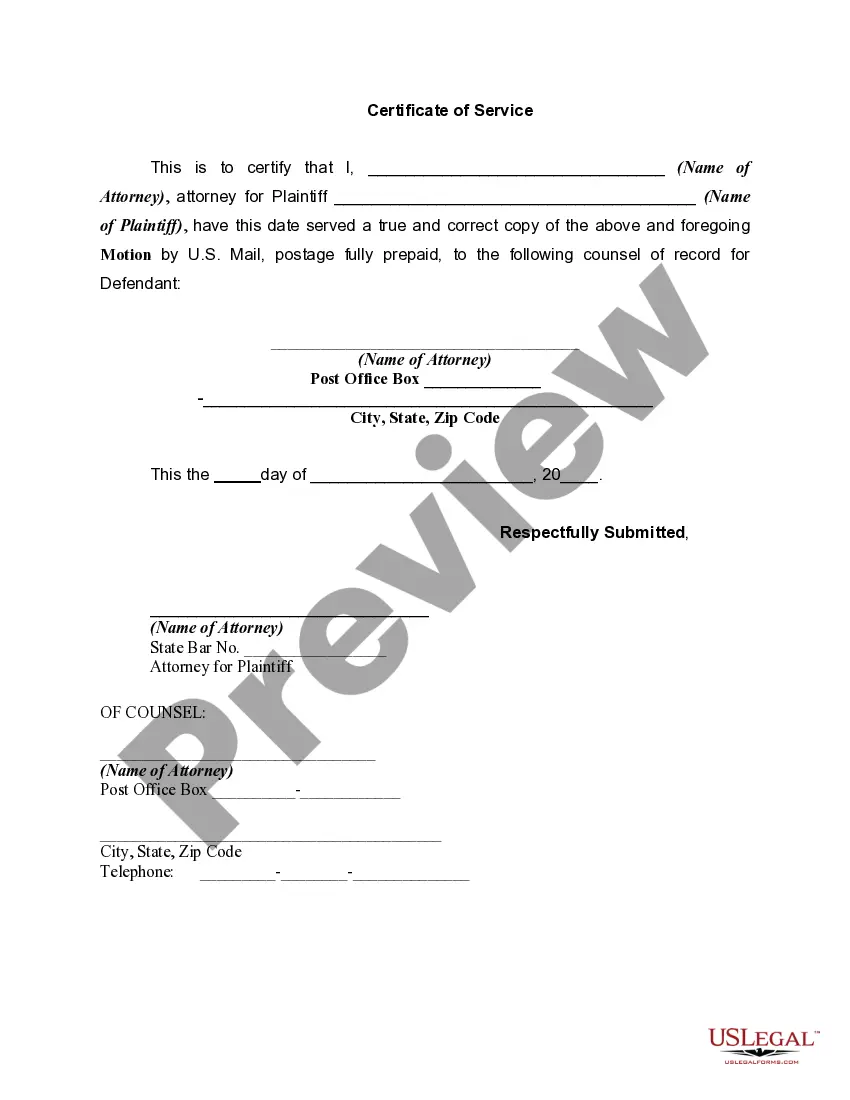
- Neglecting to serve the opposing party: Properly notify the defendantâs attorney as required by law.
Advantages of online completion
- Convenience: Access and complete the form anytime, anywhere.
- Editability: Easily modify your information to ensure accuracy before submission.
- Reliability: Utilize state-specific templates created and reviewed by licensed attorneys.
- This motion provides an opportunity to reverse a default judgment, thereby preserving a party's right to a fair hearing.
- It must be filed within a reasonable time frame after the judgment is entered, typically defined by local rules.
Summary of main points
- The motion helps reinstate a case dismissed due to a party's failure to appear.
- It is crucial to state valid reasons for not attending court in your motion.
- Proper completion and timely submission of the form are vital for a successful outcome.
Looking for another form?

Form popularity
FAQ
This form is a procedural request to a court to overturn a judgment that dismissed a civil action due to the plaintiff’s failure to appear, when the failure was caused by mistake, inadvertence, or excusable neglect, and to reinstate the underlying cause of action. It includes a caption, grounds for the motion, filing details, a meritorious-claim assertion, and a signature block.
Vacating a dismissal means the court sets aside the prior dismissal, allowing the case to proceed on its merits as if the dismissal never happened. For this form, the request must show the dismissal resulted from a mistake, inadvertence, or excusable neglect and includes sections for grounds, a meritorious claim, and the necessary caption and signature blocks.
After filing, the court reviews the motion's grounds—such as mistake, inadvertence, or excusable neglect—and whether the claim is meritorious enough to reinstate the action. The court may schedule a hearing, grant relief to set aside the dismissal, and reinstate the case so it can proceed consistent with this form’s structure.
Dismissal typically ends the case on that status, but it is not necessarily final if relief is sought. Under this form, a plaintiff can request to vacate the dismissal and reinstate the action when the dismissal stemmed from a mistake or excusable neglect, and there is a meritorious claim to pursue.
Vacating a judgment is generally favorable when the dismissal resulted from a legitimate mistake or excusable neglect and the plaintiff has a real, defensible claim. Using this form to reinstate the action preserves the opportunity for a full hearing and adjudication of the merits, rather than accepting a final, unreversed dismissal.
This Motion to Vacate or Set Aside Judgment of Dismissal Due to Mistake, Inadvertence, or Excusable Neglect and to Reinstate Cause of Action is tailored to a dismissal entered for failure to appear. It requires a grounds section tied to mistake or excusable neglect and a meritorious-claim assertion to reinstate the action, unlike a generic set-aside.