Referral Agreement
What is this form?
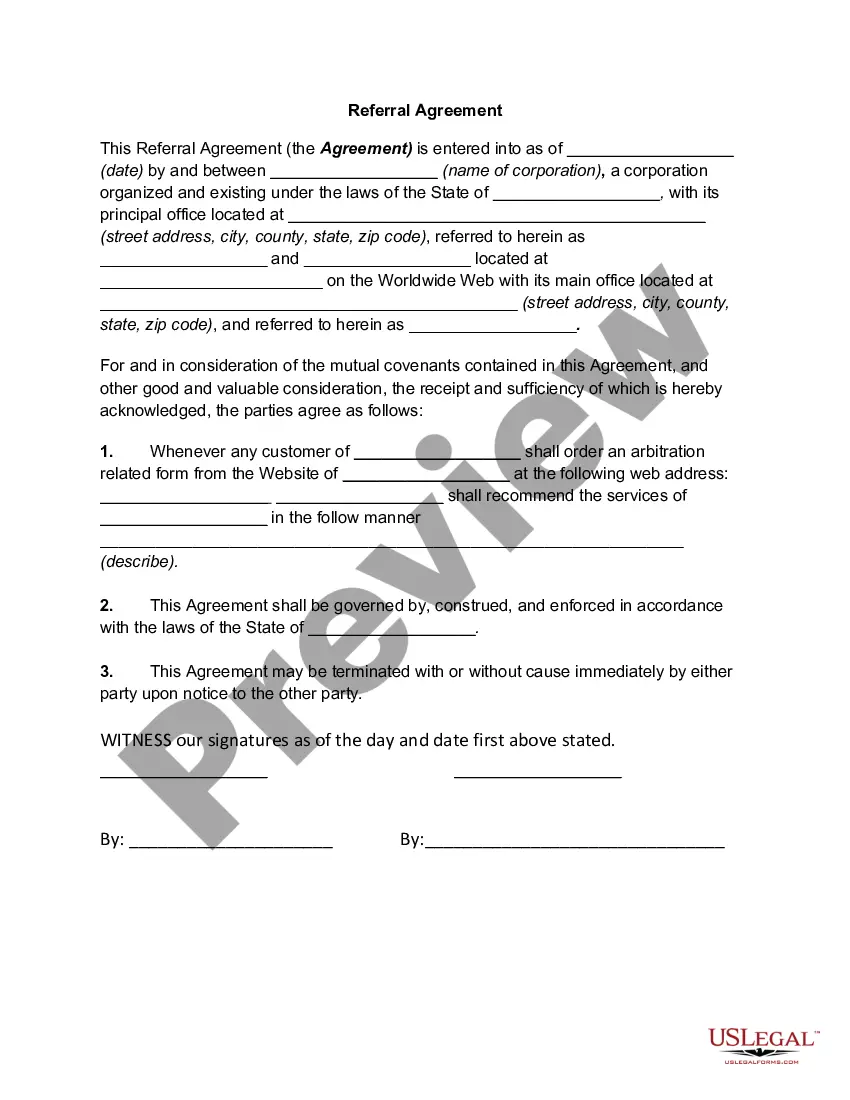
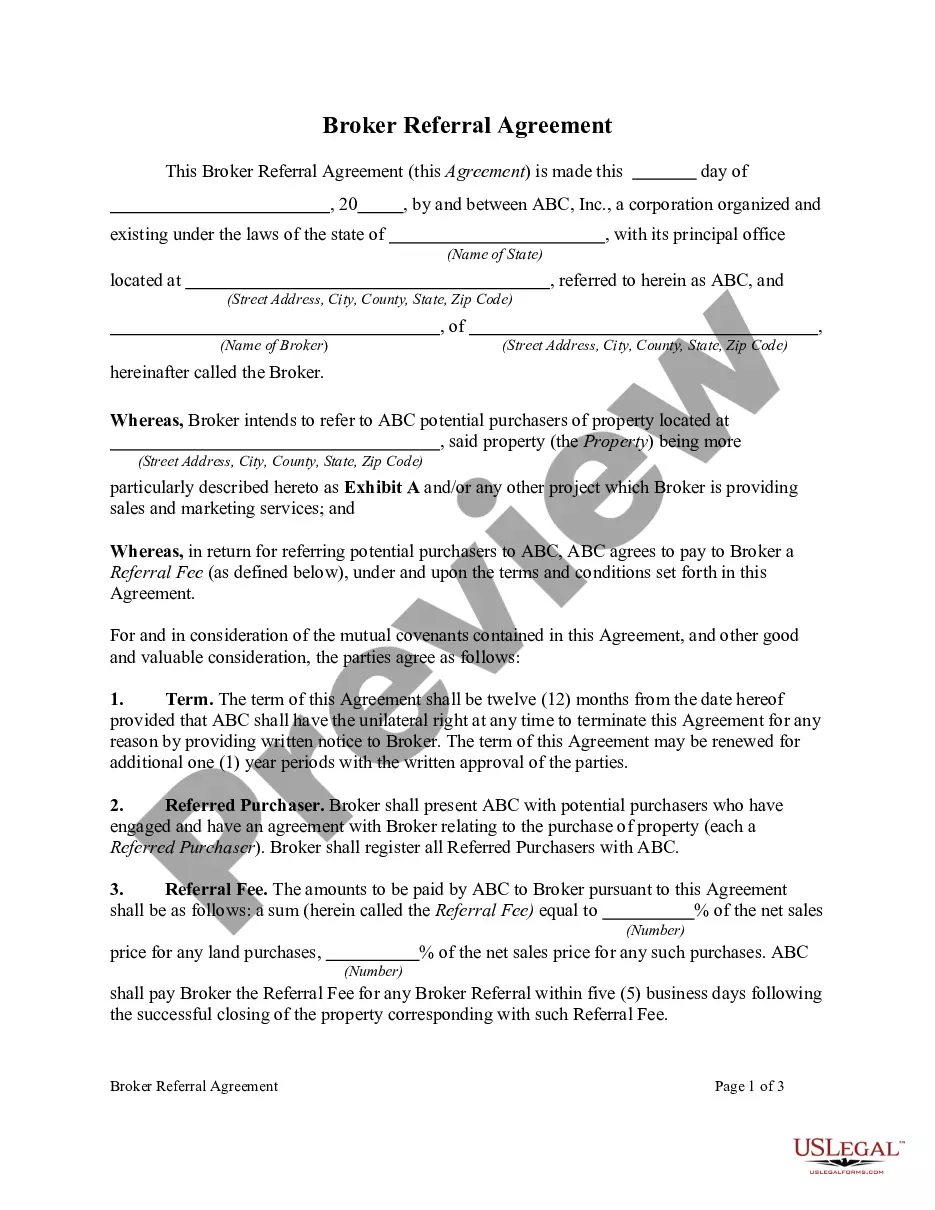
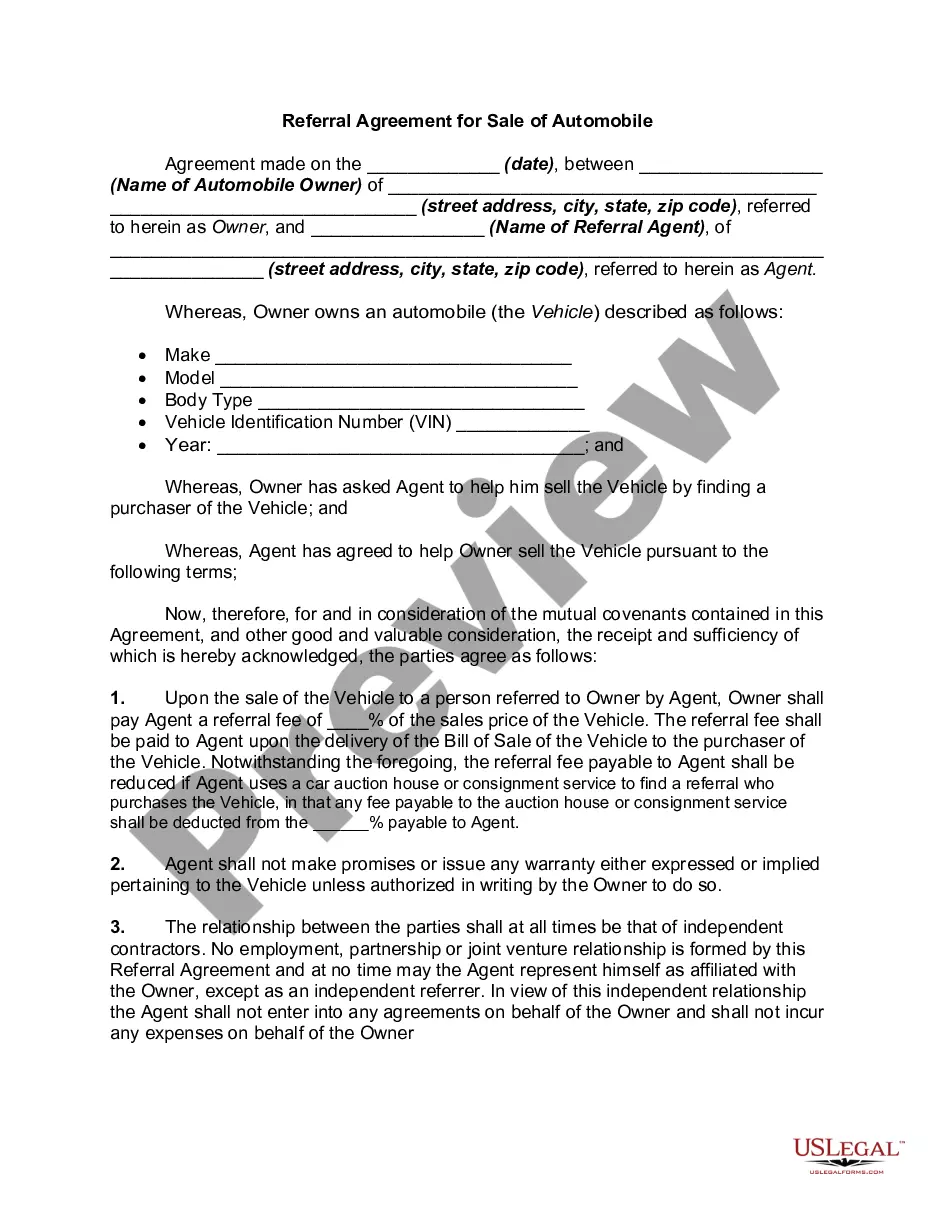
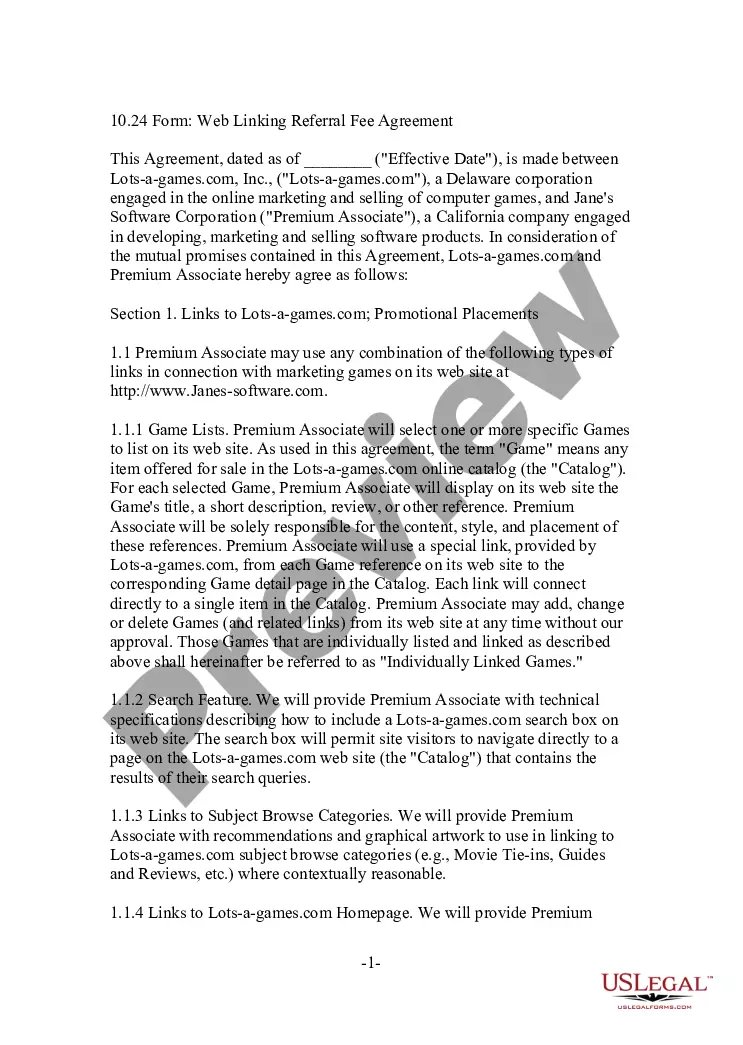
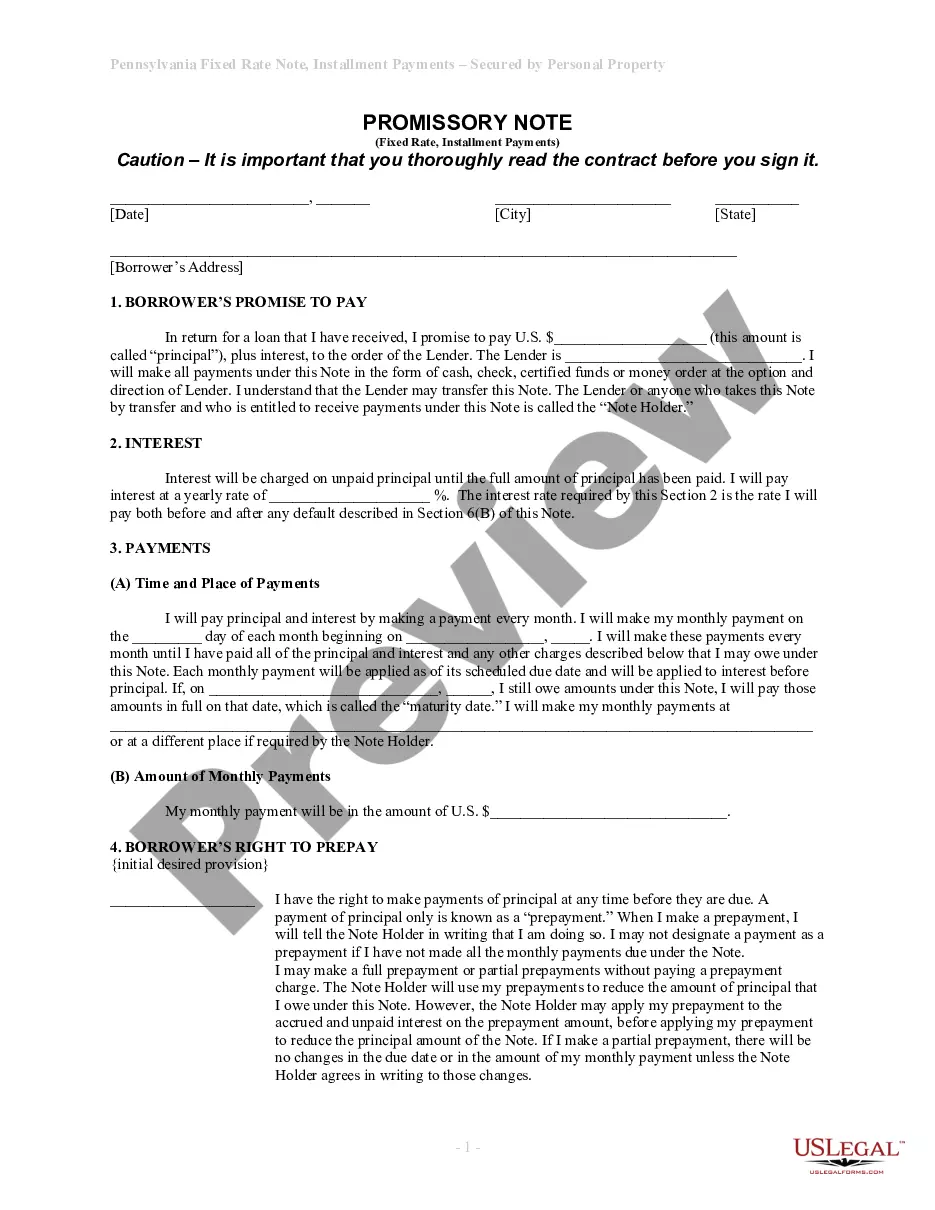
A Referral Agreement is a legal document that outlines the terms and conditions under which one party refers clients to another party in exchange for compensation or other considerations. This agreement specifies how referrals will be made and establishes the responsibilities of each party, distinguishing it from more general contracts or service agreements. It facilitates a clear understanding of the arrangement to ensure both parties benefit from the referral relationship.
Form components explained
- Date of the agreement's execution
- Identifying details of the parties involved, including addresses
- Description of the referral process
- Governing law clause
- Termination conditions
When to use this form
This form should be used when one business or individual wishes to refer clients to another business or service provider, particularly in fields where services such as arbitration are involved. It is suitable for establishing a formal relationship between referring and receiving entities, especially when compensation for referrals is anticipated.
Who should use this form
- Business owners or freelancers seeking to create referral partnerships.
- Service providers looking to incentivize referrals from other businesses.
- Attorneys or legal professionals who want clarity in referral processes.
How to prepare this document
- Identify the parties involved by providing their full names and addresses.
- Enter the date when the agreement is being made.
- Clearly describe how referrals will be made and any associated processes.
- Specify the governing law applicable to the agreement.
- Ensure both parties sign and date the agreement to validate it.
Is notarization required?
In most cases, this form does not require notarization. However, some jurisdictions or signing circumstances might. US Legal Forms offers online notarization powered by Notarize, accessible 24/7 for a quick, remote process.
Get your form ready online
Our built-in tools help you complete, sign, share, and store your documents in one place.
Make edits, fill in missing information, and update formatting in US Legal Forms—just like you would in MS Word.
Download a copy, print it, send it by email, or mail it via USPS—whatever works best for your next step.
Sign and collect signatures with our SignNow integration. Send to multiple recipients, set reminders, and more. Go Premium to unlock E-Sign.
If this form requires notarization, complete it online through a secure video call—no need to meet a notary in person or wait for an appointment.
We protect your documents and personal data by following strict security and privacy standards.

Make edits, fill in missing information, and update formatting in US Legal Forms—just like you would in MS Word.

Download a copy, print it, send it by email, or mail it via USPS—whatever works best for your next step.

Sign and collect signatures with our SignNow integration. Send to multiple recipients, set reminders, and more. Go Premium to unlock E-Sign.

If this form requires notarization, complete it online through a secure video call—no need to meet a notary in person or wait for an appointment.

We protect your documents and personal data by following strict security and privacy standards.
Avoid these common issues
- Failing to clearly define the referral process.
- Omitting the termination clause.
- Not including the dates for the agreement's effectiveness.
Advantages of online completion
- Easy access to legal templates drafted by licensed attorneys.
- Convenient downloading and editing options to fit specific needs.
- Reliable, up-to-date forms that comply with current laws.
Looking for another form?

Form popularity
FAQ
If you're going to ask for or receive a referral fee, put it in writing. A one-page letter of agreement works best. State the reasons, the rate, and the terms. If someone is referred, but does not sign and no work is done, should you pay a fee or not?
Make sure to market your services widely, from social media to your website to any other place where you can make yourself visible to clients looking for referrals. Staying connected in major markets where clients are looking to buy property will help generate leads for your business as a real estate referral agent.
California is not most states.California is one of the few states that permit a pure referral fee that compensates a lawyer for referring a matter to another lawyer without requiring the referring lawyer to work on the matter.
After you pass the lead to the real estate firm, the customer must purchase a property. At that time, you will receive a commission. Most referral agents earn between 20 to 25% of the total deal. For example, if your lead purchases a home for $100,000, you will get a commission of $750.
Referral arrangement means an agreement whereby a Member earns or pays a fee for the referral of a client to or from another Member or Person.
Agencies typically pay referral fees of 5% to 10% of the revenue they receivebut there's plenty of nuance on how you handle it, and many agencies pay 0% in referral fees. You'll want to get advice from your lawyer on specific language, and your accountant on how to handle the money.
The Referral Fee Agreement says which party pays the broker for the introduction and under what conditions. Businesses may use this Agreement if they want to pay a Broker bring in new clients or customers.
A Referral Fee Agreement is used when people have knowledge and contacts in a certain field and want to be paid for making successful introductions to others. Most often, a broker will introduce a buyer and seller of goods or services, real estate buyer and seller, or employer and potential employee.