Vermont Cross-Easement Agreement
Understanding this form
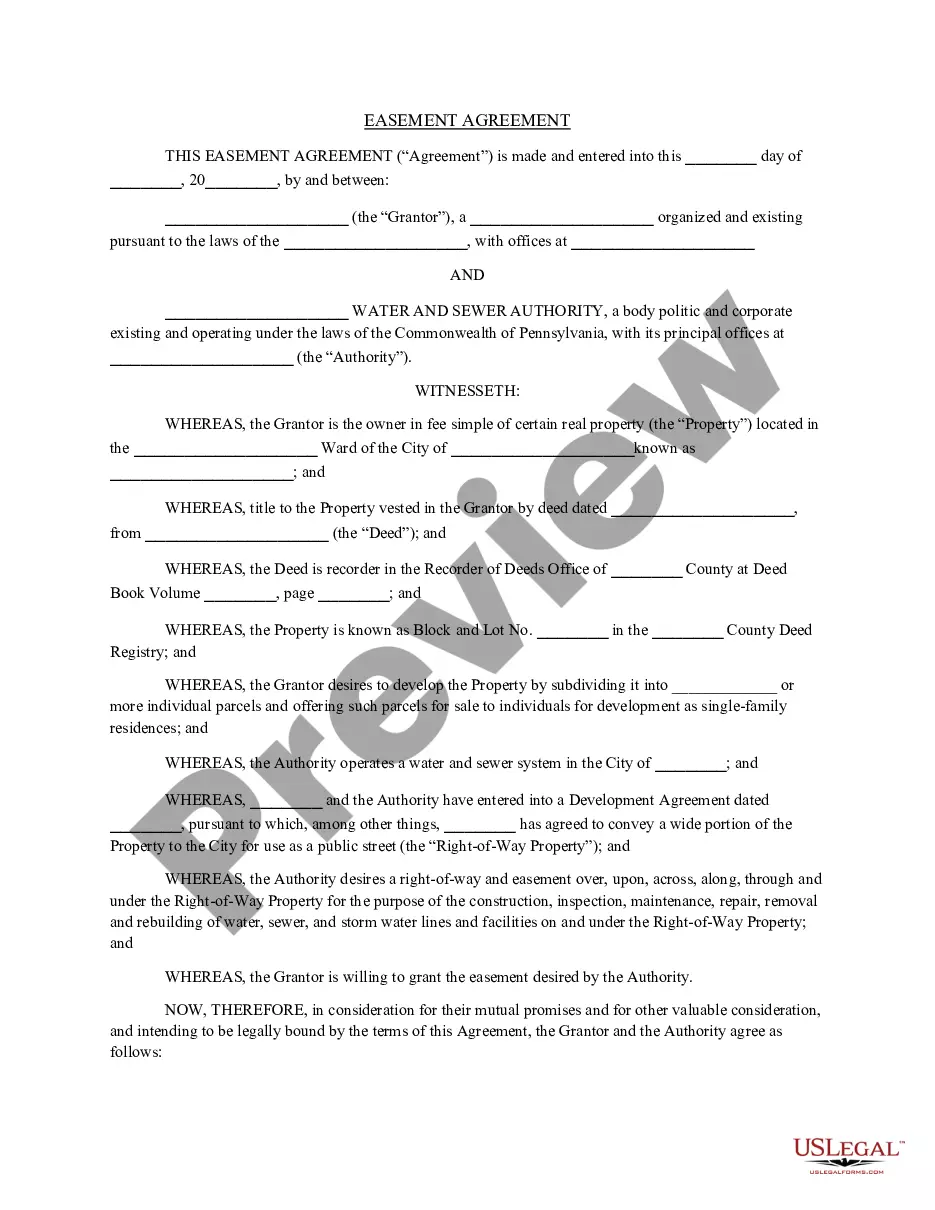
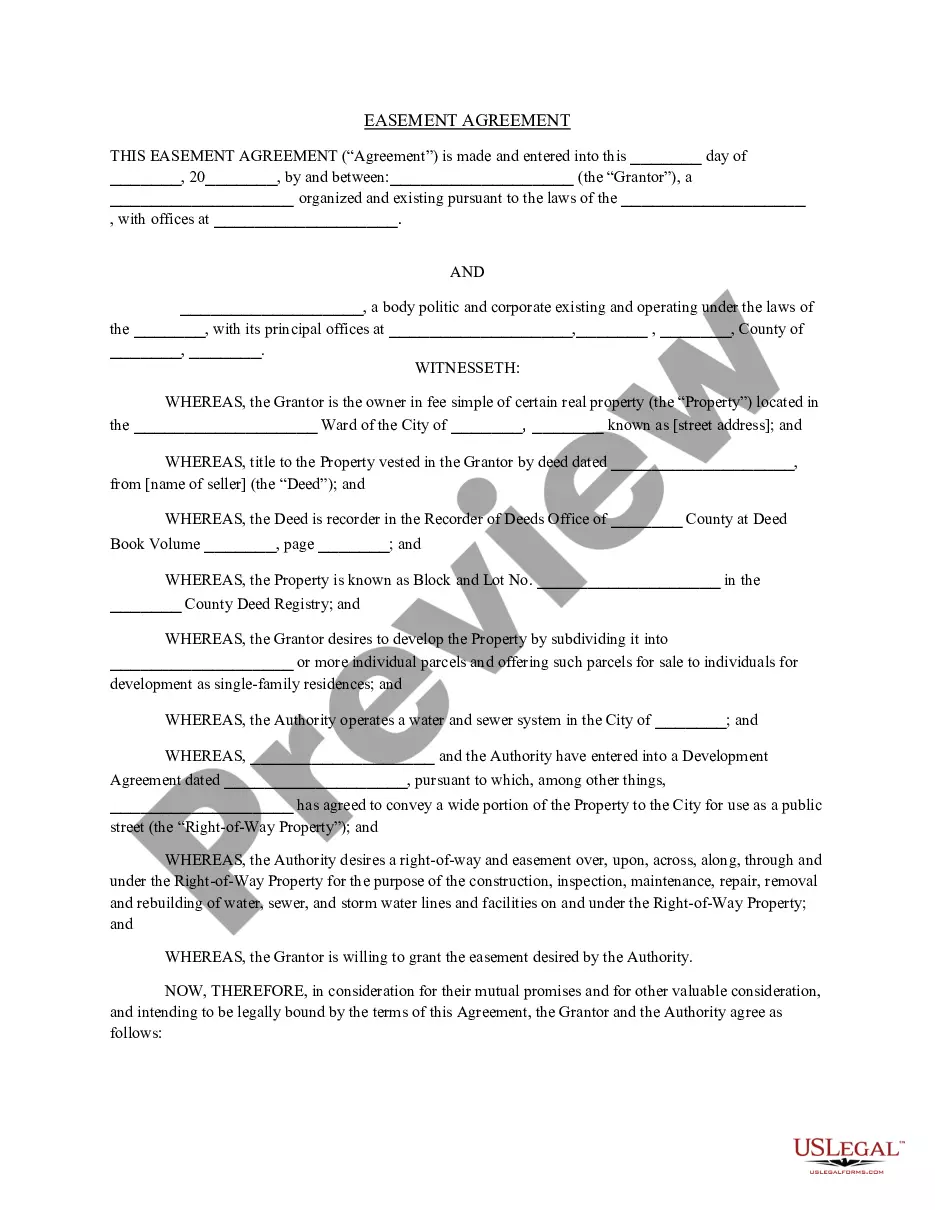
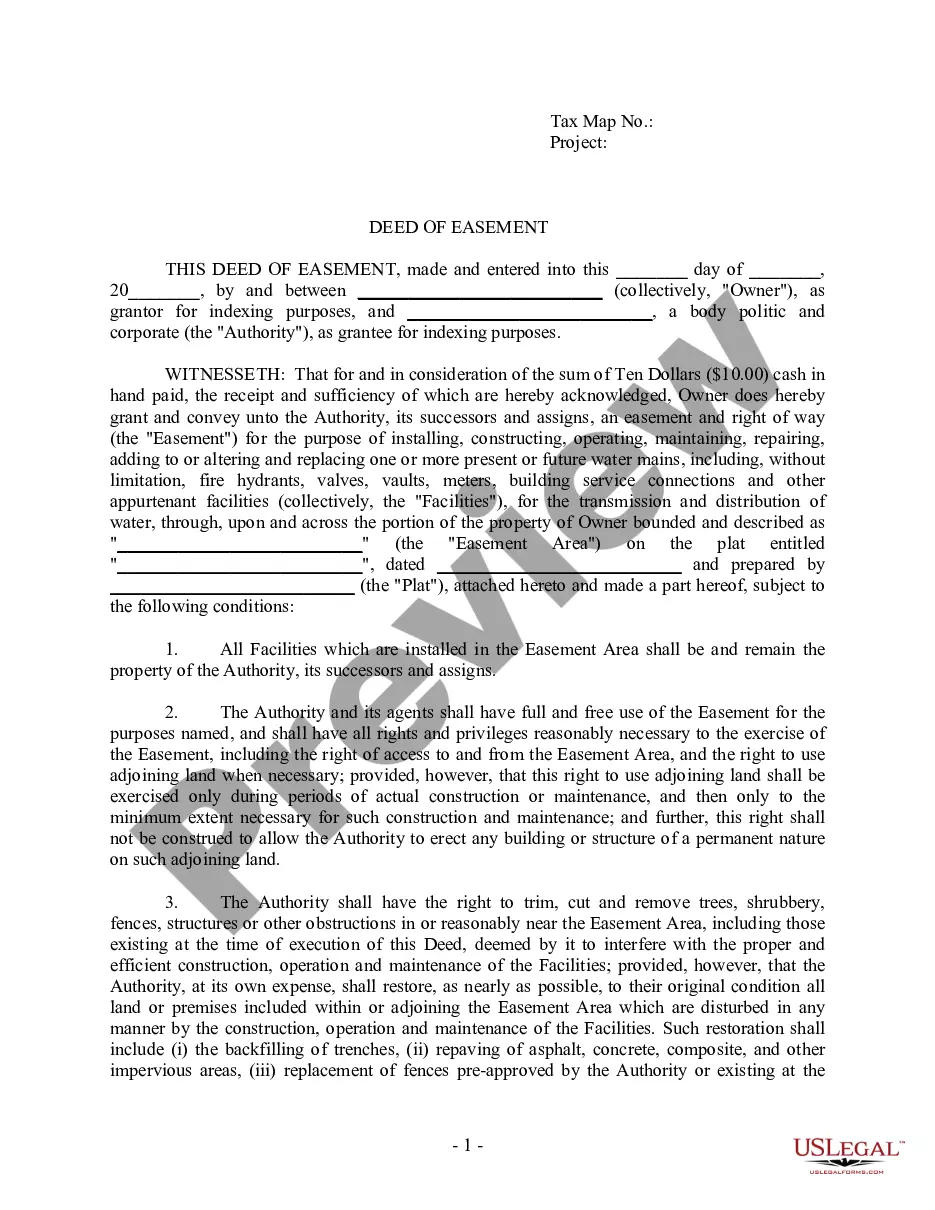
A Cross-Easement Agreement is a legal document where parties grant each other specific access rights to their properties. This form allows the seller and purchaser to share access across defined areas, facilitating the use and operation of real estate while ensuring both parties respect each other's property rights. It is essential for scenarios where access across one party's land is necessary for the otherâs use of their property, distinguishing it from standard easement agreements.
What’s included in this form
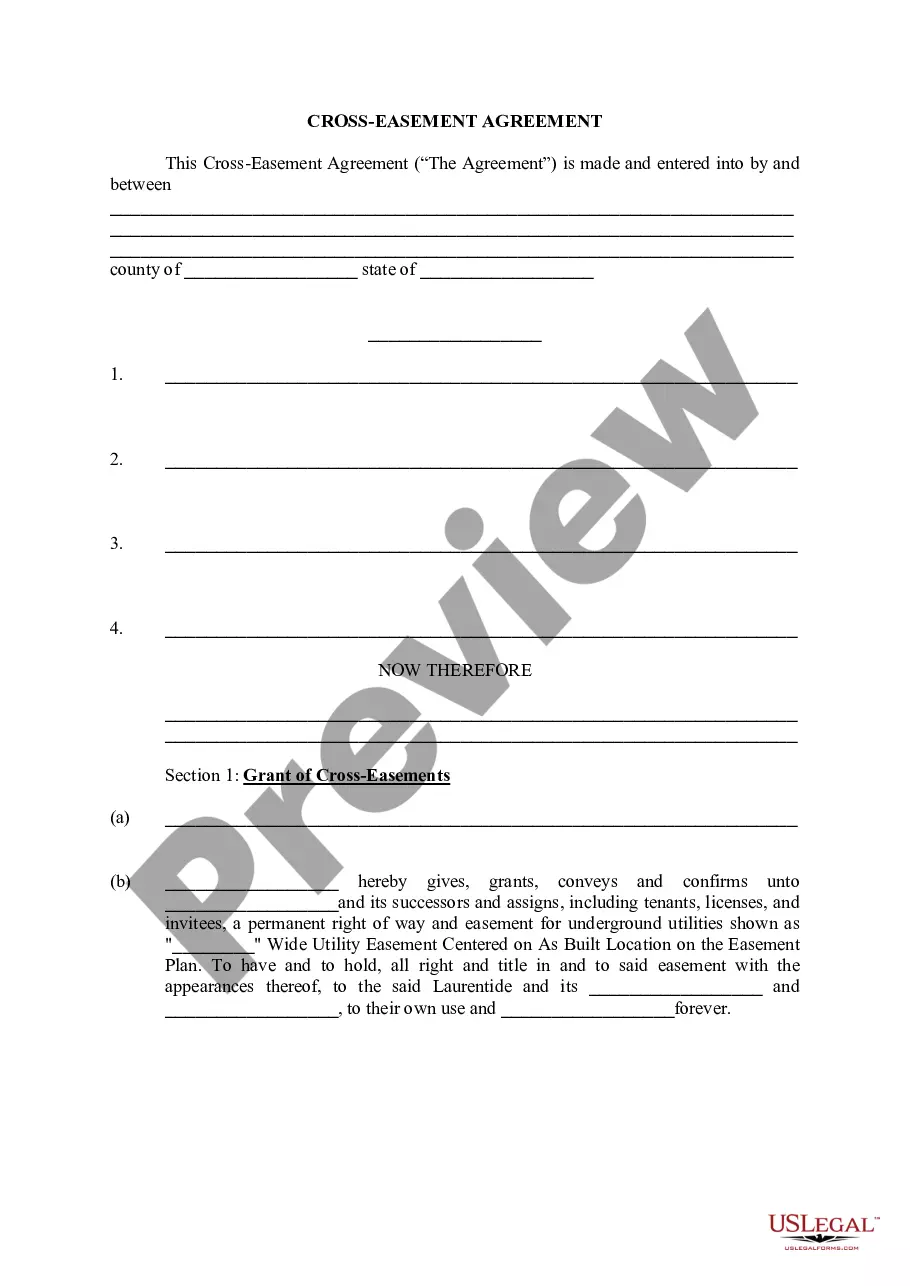
- Section 1: Grant of Cross-Easements - outlines the easement rights granted between parties.
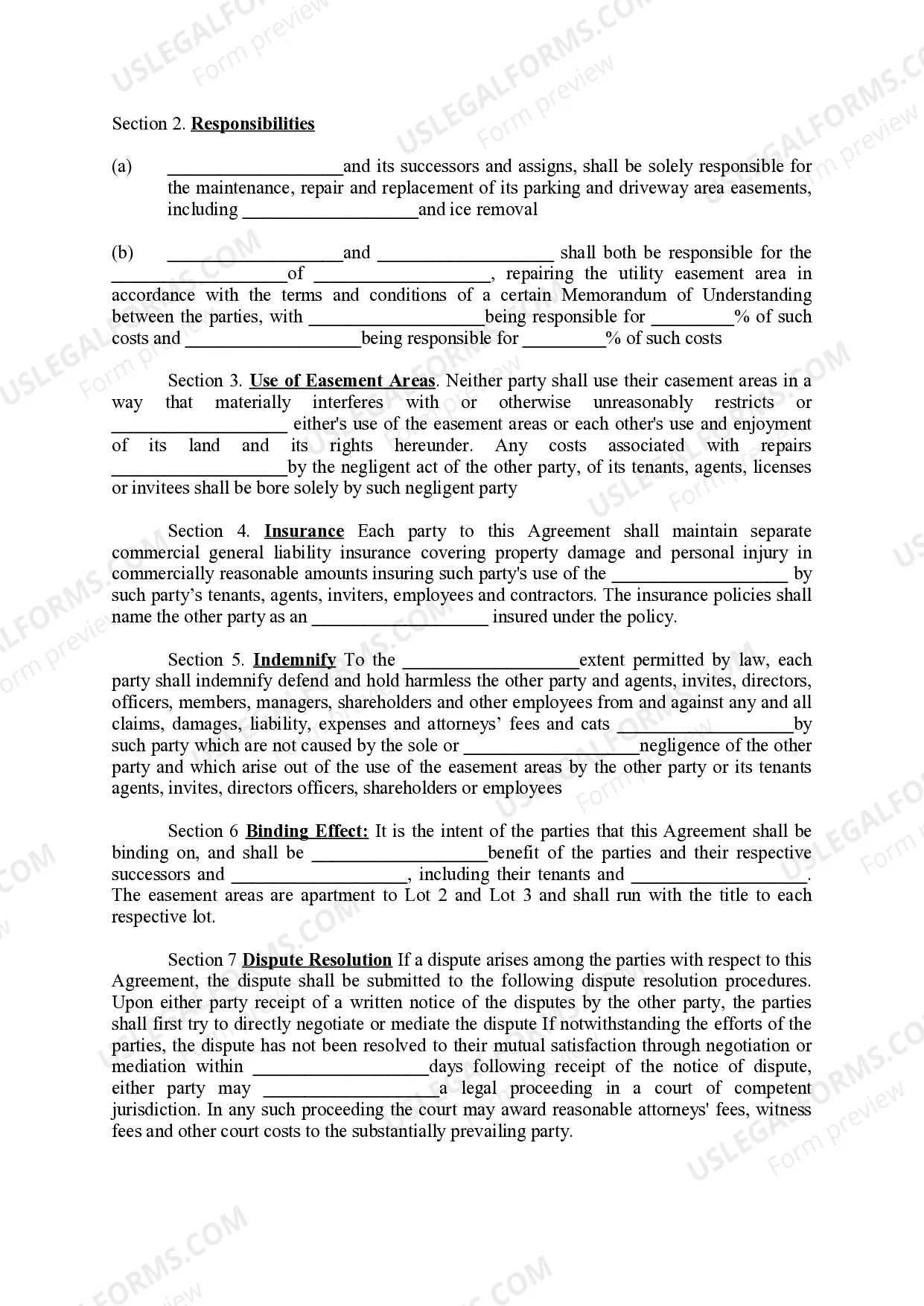
- Section 2: Responsibilities - details maintenance responsibilities for the easement areas.
- Section 3: Use of Easement Areas - specifies permissible uses of the easement to prevent interference.
- Section 4: Insurance - requires each party to maintain liability insurance covering property damage and personal injury.
- Section 5: Indemnification - states that each party must indemnify the other against claims not caused by negligence.
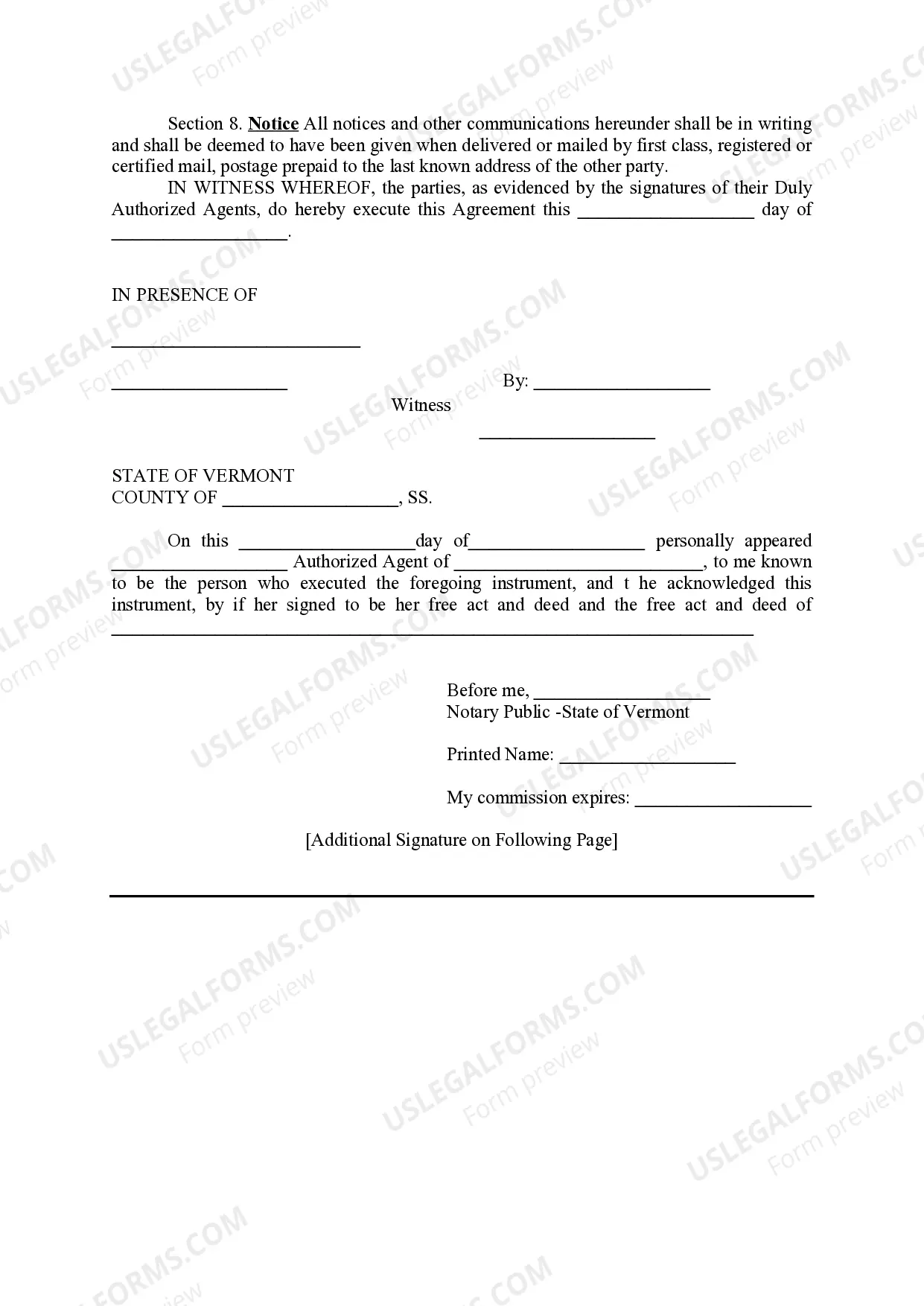
- Section 8: Notice - outlines the procedure for giving legal notices under this Agreement.
Common use cases
Consider using a Cross-Easement Agreement when you are purchasing property that requires access through adjacent land owned by someone else. This form is beneficial when there are shared utilities, driveways, or access roads that necessitate cooperation between property owners for proper use and maintenance. It can also be used when negotiating terms to protect both partiesâ interests in regards to property access and maintenance responsibilities.
Who should use this form
This form is intended for the following parties:
- Property sellers and purchasers involved in real estate transactions where shared access is necessary.
- Real estate professionals facilitating transactions that require easements.
- Property owners who need to define and formalize the usage rights of easement areas.
How to prepare this document
- Identify the parties involved by entering the full names and addresses of the Seller and Purchaser.
- Specify any property details relevant to the easements, including boundaries and utility easements.
- Enter the maintenance responsibilities and how maintenance costs will be shared.
- Include insurance requirements to protect all parties against liability.
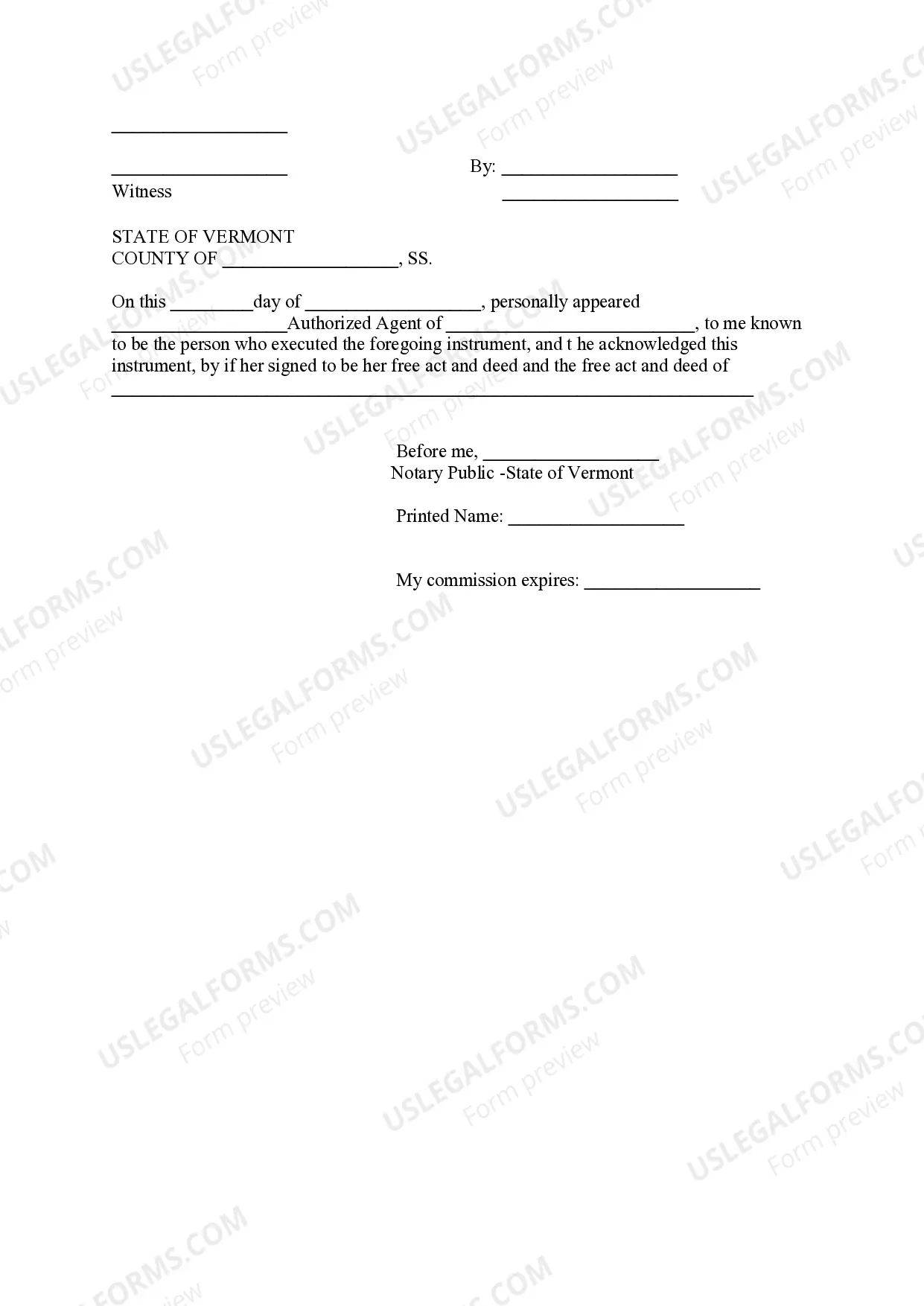
- Have the agreement signed by both parties in the presence of a notary, if required.
Is notarization required?
Yes, this form must be notarized to be legally valid. US Legal Forms provides integrated online notarization services, allowing you to complete the notarization securely via video call, ensuring legal equivalence without the need to travel.
Get your form ready online
Our built-in tools help you complete, sign, share, and store your documents in one place.
Make edits, fill in missing information, and update formatting in US Legal Forms—just like you would in MS Word.
Download a copy, print it, send it by email, or mail it via USPS—whatever works best for your next step.
Sign and collect signatures with our SignNow integration. Send to multiple recipients, set reminders, and more. Go Premium to unlock E-Sign.
If this form requires notarization, complete it online through a secure video call—no need to meet a notary in person or wait for an appointment.
We protect your documents and personal data by following strict security and privacy standards.

Make edits, fill in missing information, and update formatting in US Legal Forms—just like you would in MS Word.

Download a copy, print it, send it by email, or mail it via USPS—whatever works best for your next step.

Sign and collect signatures with our SignNow integration. Send to multiple recipients, set reminders, and more. Go Premium to unlock E-Sign.

If this form requires notarization, complete it online through a secure video call—no need to meet a notary in person or wait for an appointment.

We protect your documents and personal data by following strict security and privacy standards.
Common mistakes
- Failing to clearly define the easement areas, leading to potential disputes over property usage.
- Neglecting to outline maintenance responsibilities, which can result in property damage.
- Not including both parties' signatures or notarization, making the agreement unenforceable.
Advantages of online completion
- Convenience of completing and downloading the form from the comfort of your home.
- Editability allows you to customize the agreement according to your specific needs.
- Accessibility ensures that you can fill out the form at any time, without the need for appointments.
Main things to remember
- A Cross-Easement Agreement is essential for granting access rights between property owners.
- Clearly outline each party's rights and responsibilities to avoid future conflicts.
- Ensure the agreement is properly executed with signatures and notarization for legal validity.
Looking for another form?
Form popularity
FAQ
Under the merger doctrine, an easement will terminate when the dominant and servient estates become vested in one person. To satisfy this, there must be a complete unity of the dominant and servient estates, meaning that one person or entity owns the entire plot of land.
If an authority has an easement registered over your land, they have the right to access the easement to maintain or repair the easement land or their equipment on the land.
An easement is a "nonpossessory" property interest that allows the holder of the easement to have a right of way or use property that they do not own or possess. An easement doesn't allow the easement holder to occupy the land or to exclude others from the land unless they interfere with the easement holder's use.
Types of Easements An easement may be classified as either an easement appurtenant or an easement in gross. Easement Appurtenant. An easement appurtenant is an easement that benefits one parcel of land, known as the dominant tenement, to the detriment of another parcel of land, known as the servient tenement.
Cross easements are reciprocal easements created by contract, the one being granted in favor of premises of one party in consideration of a grant by such party in favor of premises of the other party.
Easement holders have the right to use the land to their enjoyment as long as it does not place an unreasonable burden on the servient estate. Landowners have the right to make whatever use of the land as long as it doesn't unduly affect the easement.
Can You Fight an Easement? You might be able to successfully challenge an easement, but only if the circumstances are right. And be prepared to take the battle to court. It could be a simple matter if the holder of the easement such as your neighbor agrees to terminate the easement agreement.
The legal term easement refers to the legal right to use another person's real property, for a specific purpose and a specific amount of time. An easement gives a person the legal right to go through another person's land, as long as the usage is consistent with the specified easement restrictions.