Virginia Marital Separation Agreement
Understanding this form
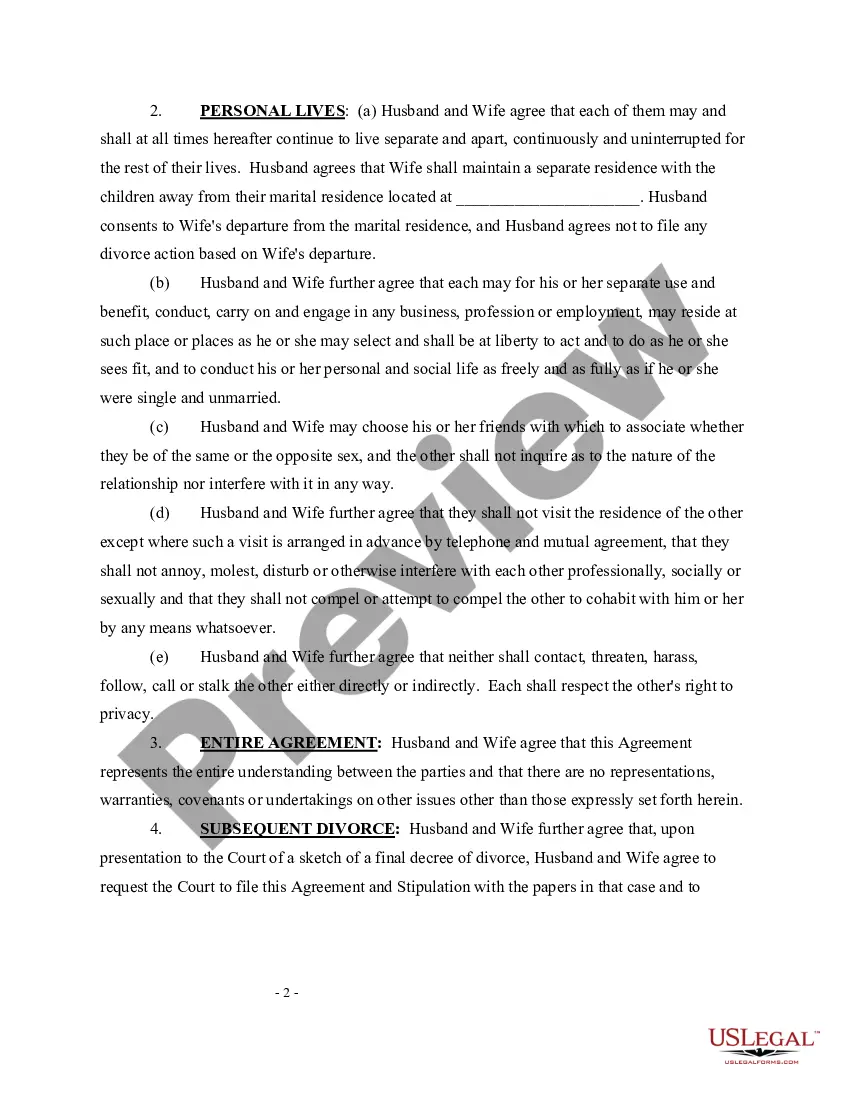
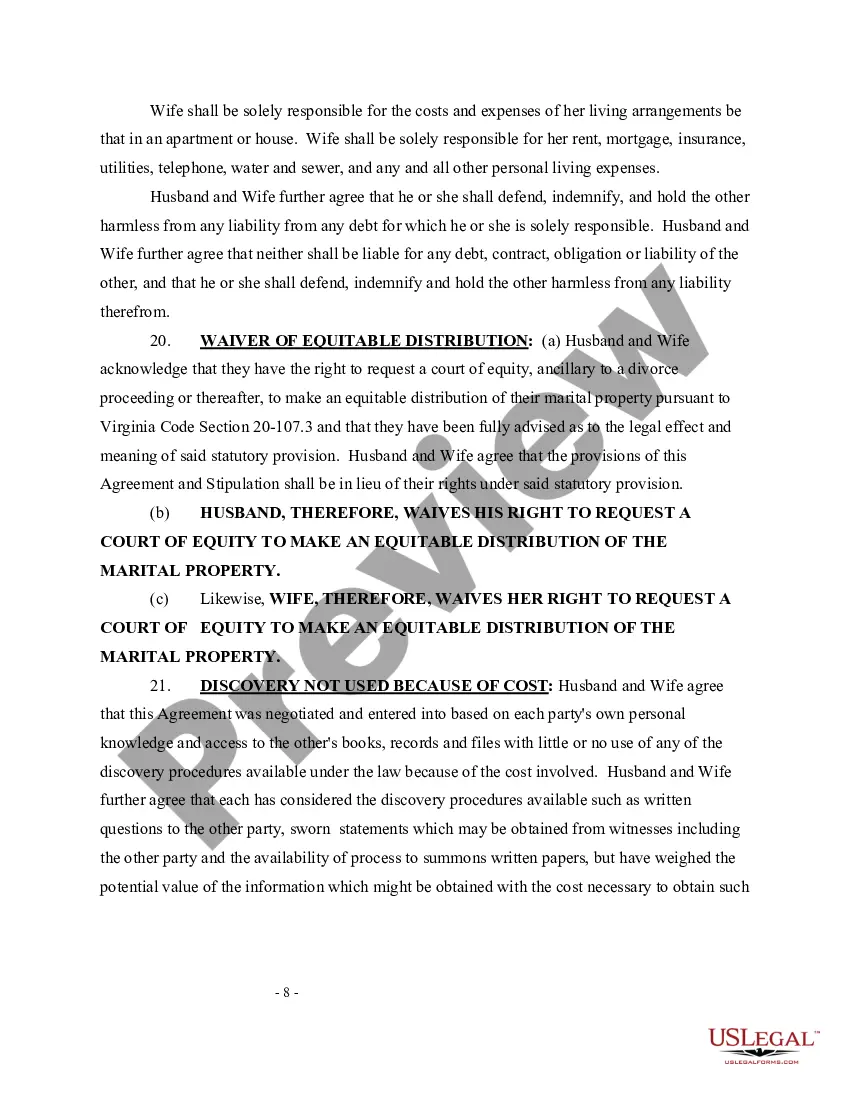
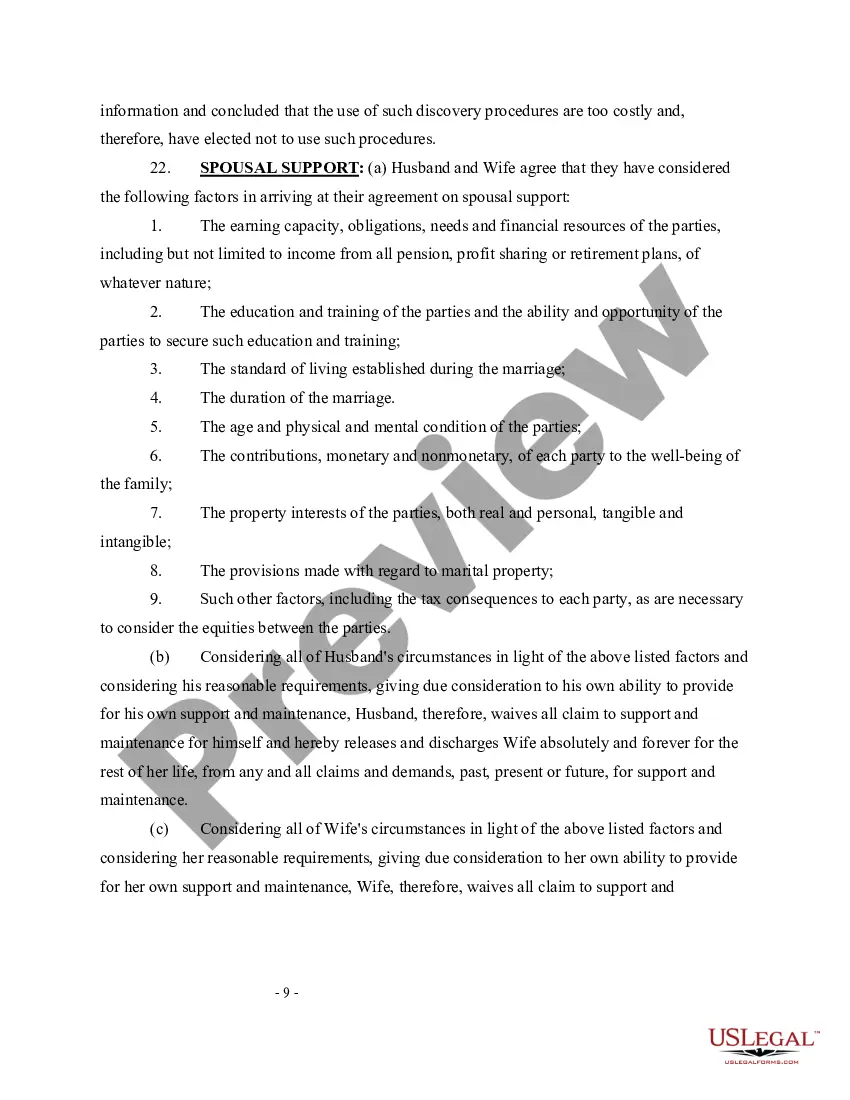
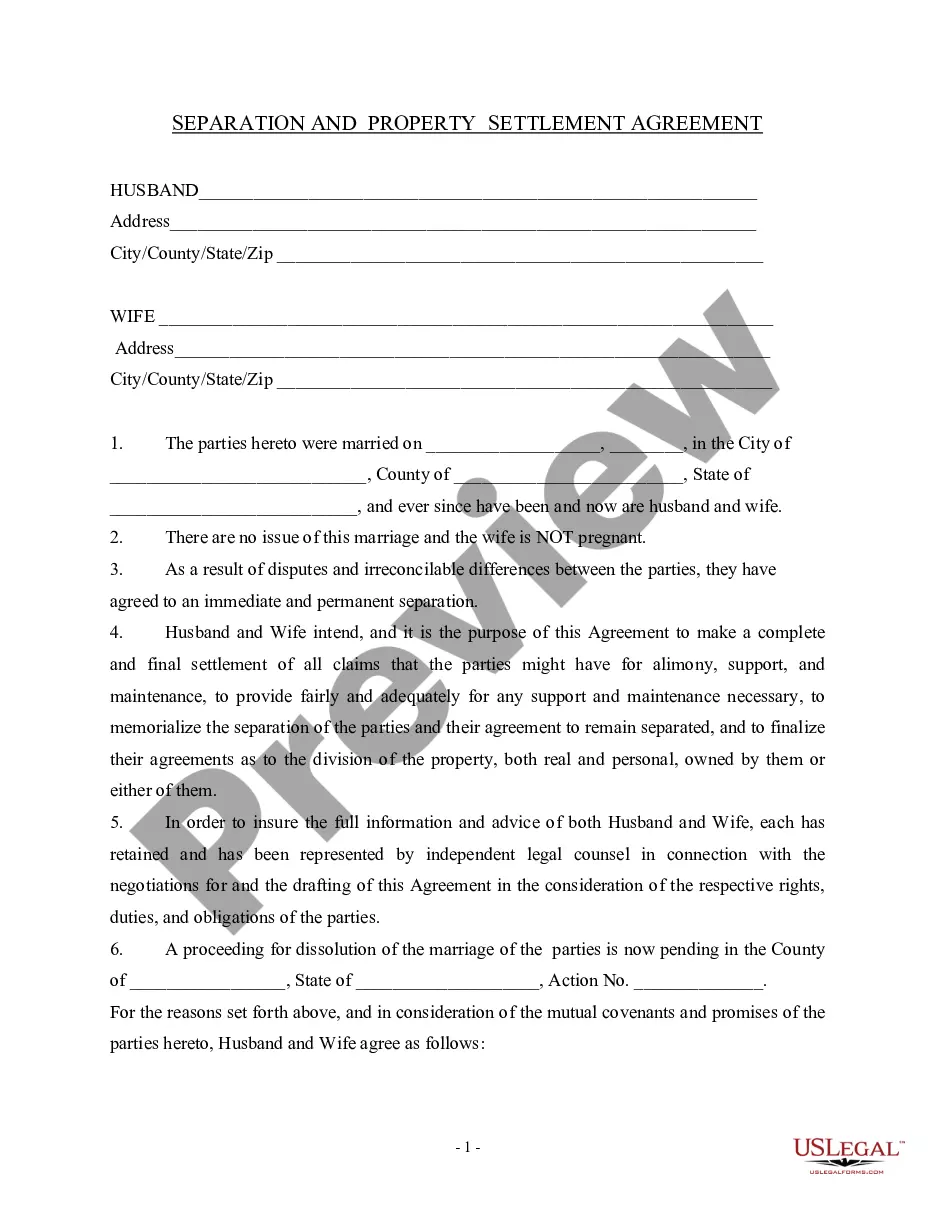
The Marital Separation Agreement is a legal document created between spouses when they decide to live apart but have not yet finalized a divorce. This agreement outlines their intentions regarding child custody, financial obligations, and property division during their separation. Unlike a divorce contract, this form helps set expectations and responsibilities as they transition towards a potential divorce.
Main sections of this form
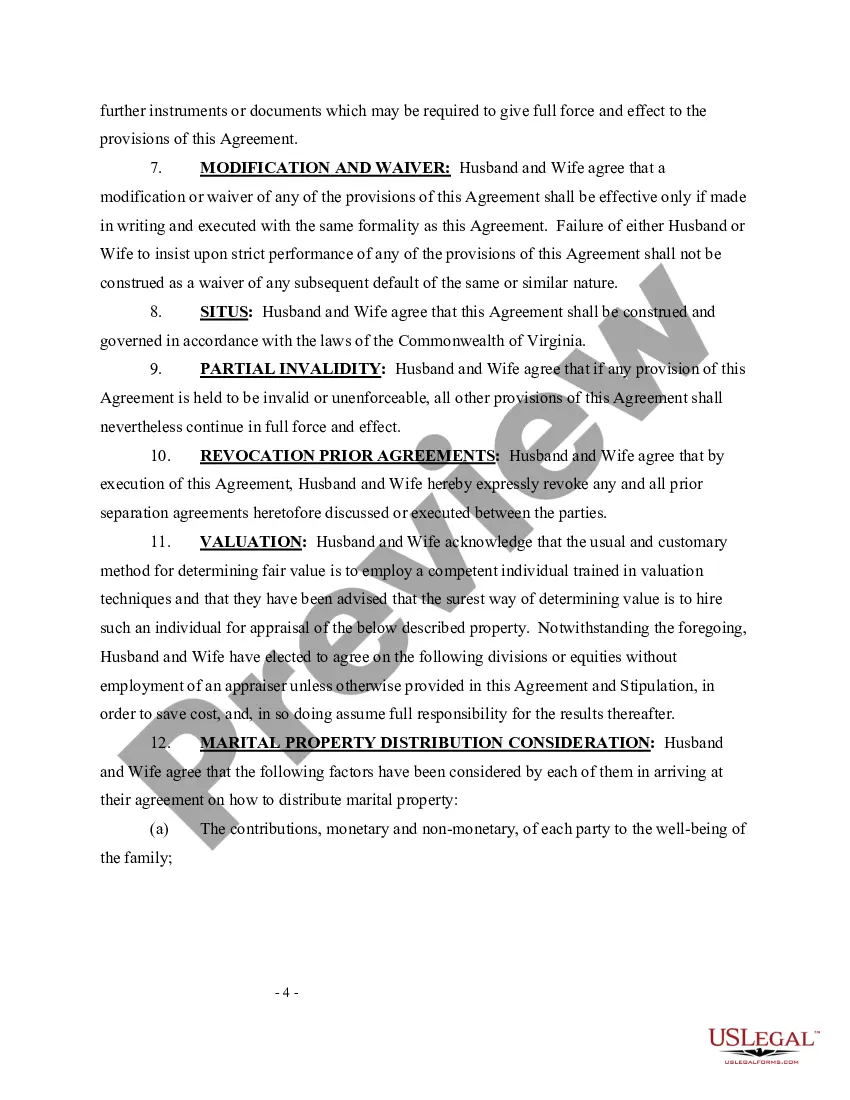
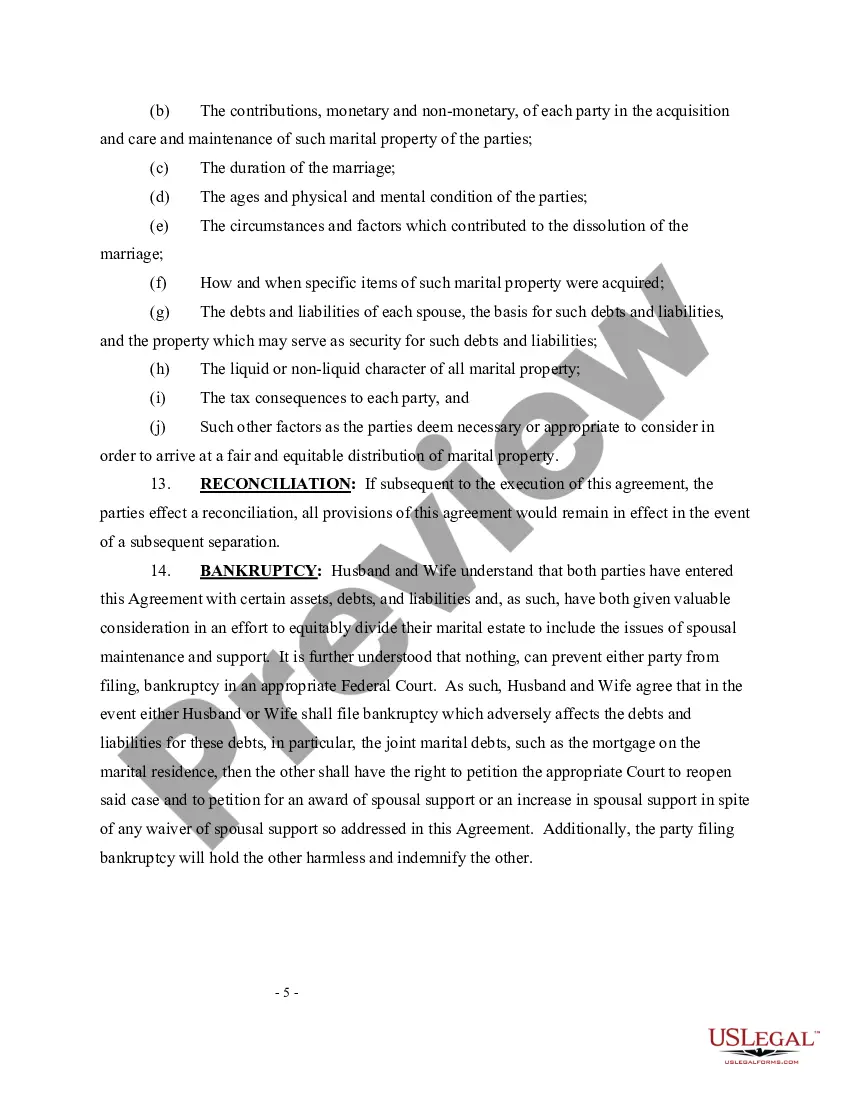
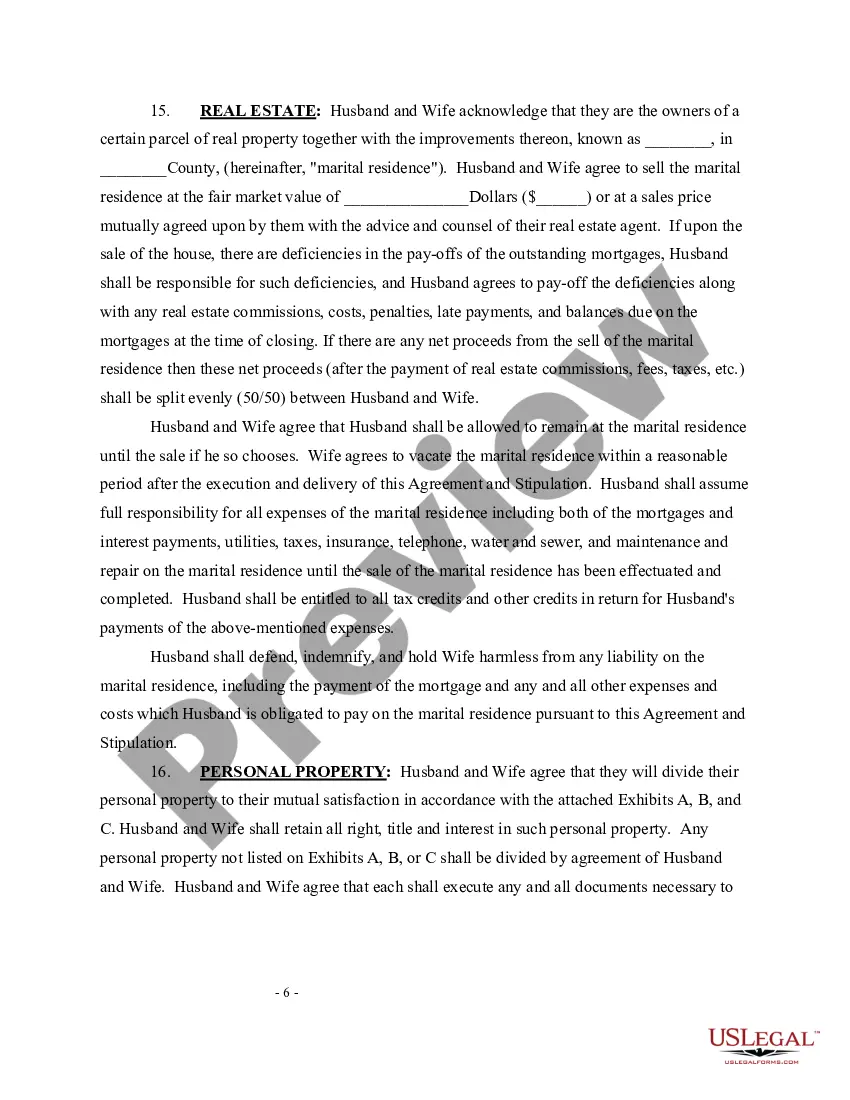
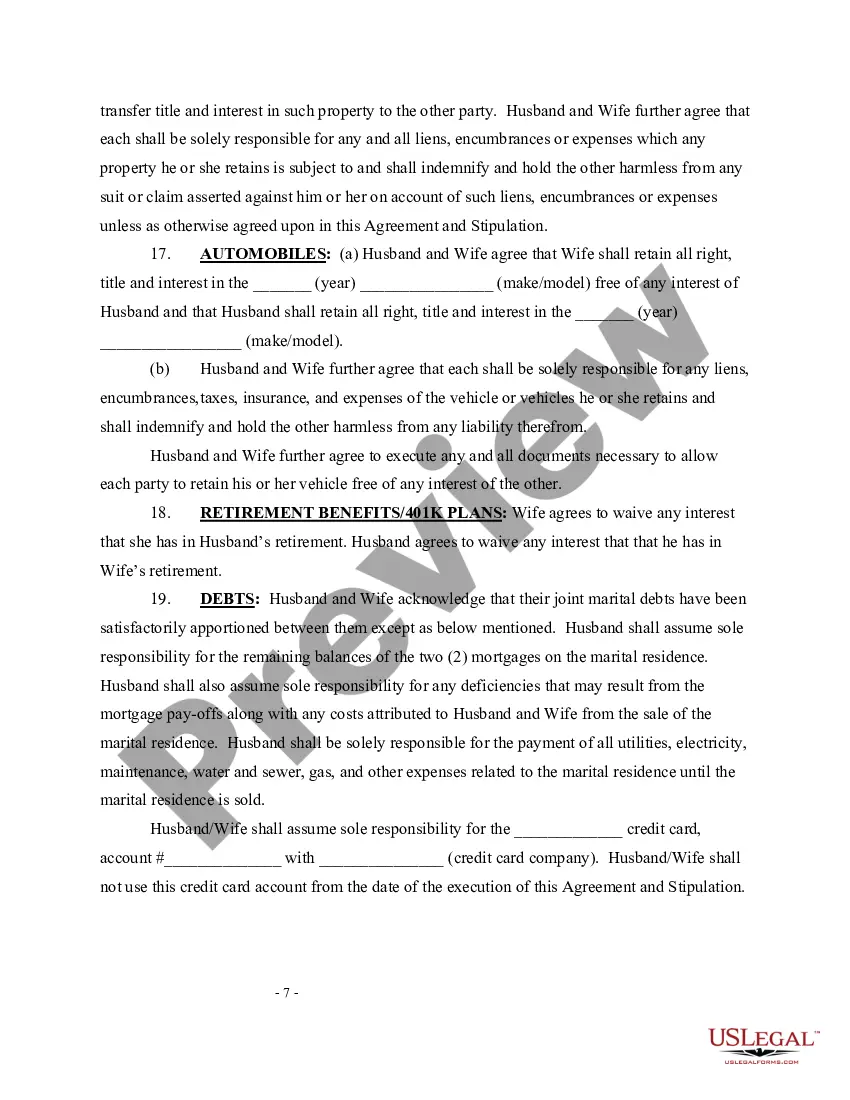
- Disclosure of assets and liabilities of each party.
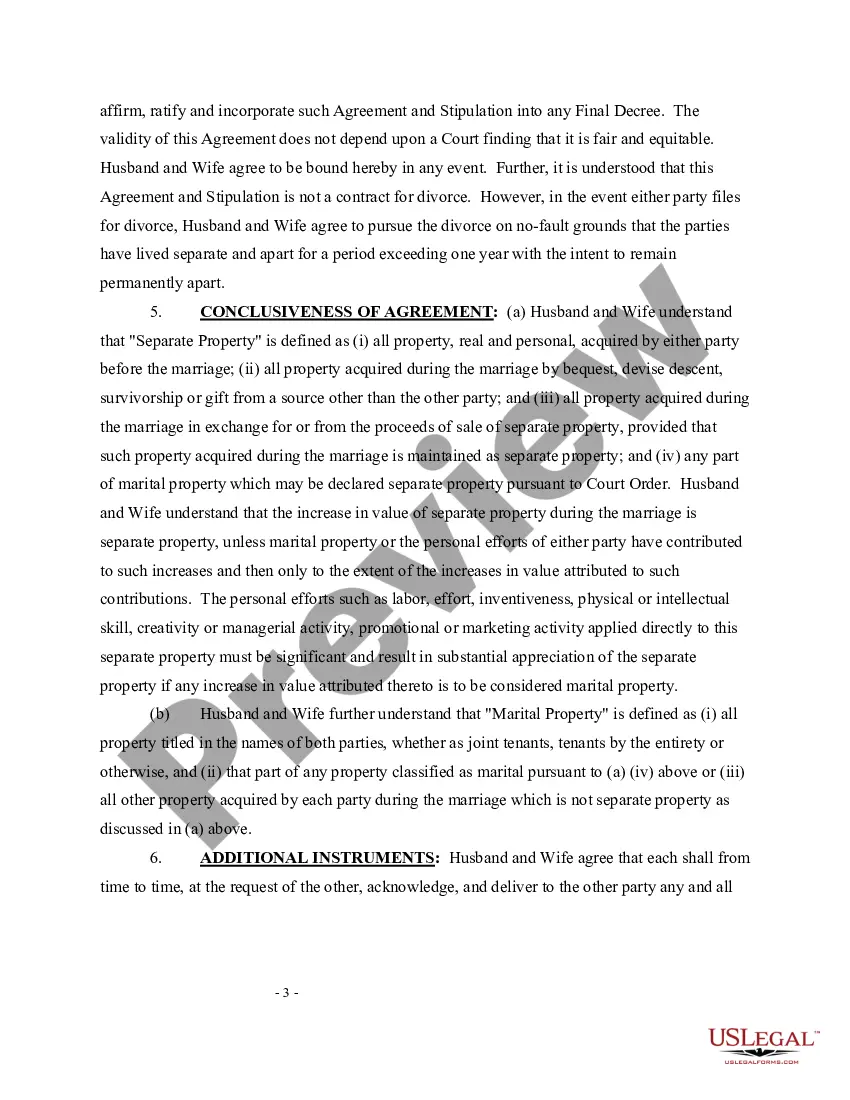
- Provisions for personal lives, including the right to live independently.
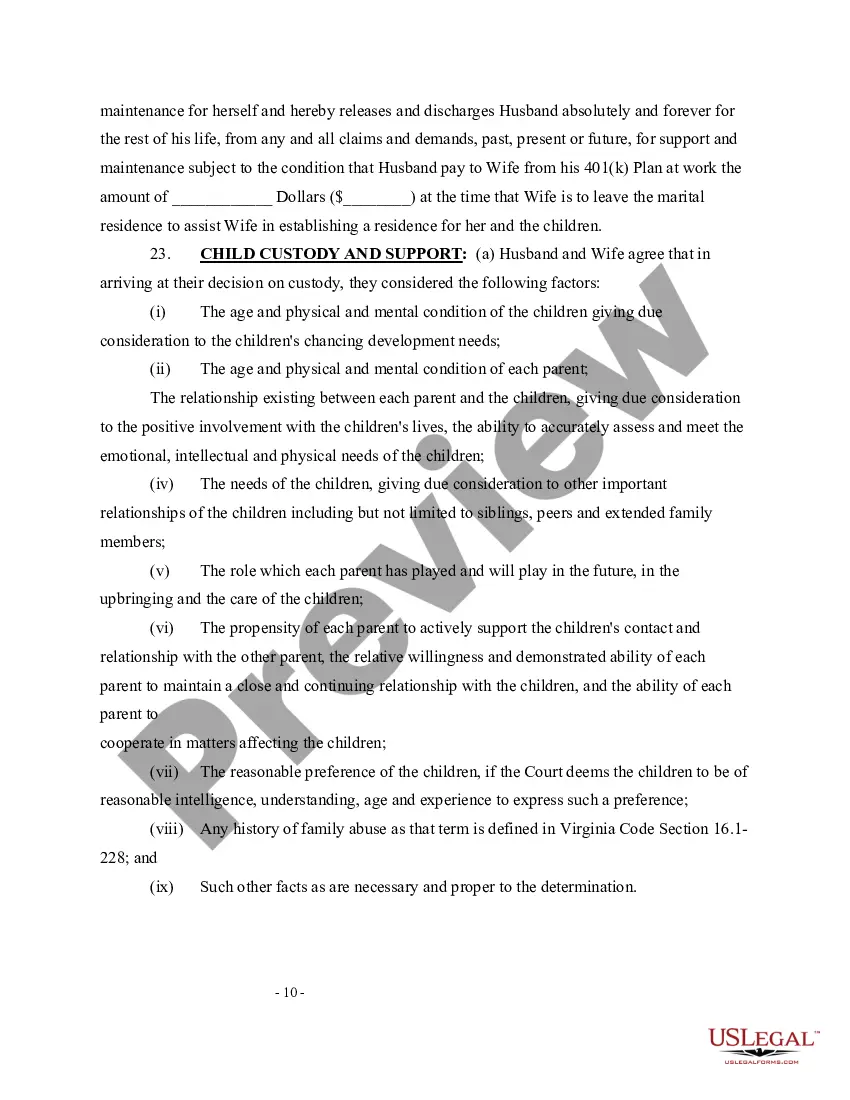
- Agreements on custody and visitation rights for children.
- Financial obligations and spousal support considerations.
- Distribution of marital property and responsibilities for debts.
- Clauses addressing amendments and waivers to the agreement.

When to use this document
This form is useful when couples decide to live separately and need to outline agreements regarding finances, child custody, and property distribution. It is particularly important for couples with children to ensure a structured plan is in place regarding their upbringing and support while they are separated.
Who can use this document
- Couples who have decided to live separately but are not yet pursuing a divorce.
- Parents needing to establish custody and support arrangements for their children.
- Spouses seeking a clear financial agreement to avoid disputes during separation.
How to complete this form
- Identify the parties involved by entering their full legal names.
- Specify the date of the agreement and the date of marriage.
- List the children involved, including their names and birth dates.
- Outline financial responsibilities, including obligations for child support and division of property.
- Have both parties sign the document in the presence of a notary public if required by law.
Notarization requirements for this form
This form does not typically require notarization unless specified by local law. However, having the signatures notarized can provide additional legal assurance and validate the agreement in future disputes.
Get your form ready online
Our built-in tools help you complete, sign, share, and store your documents in one place.
Make edits, fill in missing information, and update formatting in US Legal Forms—just like you would in MS Word.
Download a copy, print it, send it by email, or mail it via USPS—whatever works best for your next step.
Sign and collect signatures with our SignNow integration. Send to multiple recipients, set reminders, and more. Go Premium to unlock E-Sign.
If this form requires notarization, complete it online through a secure video call—no need to meet a notary in person or wait for an appointment.
We protect your documents and personal data by following strict security and privacy standards.

Make edits, fill in missing information, and update formatting in US Legal Forms—just like you would in MS Word.

Download a copy, print it, send it by email, or mail it via USPS—whatever works best for your next step.

Sign and collect signatures with our SignNow integration. Send to multiple recipients, set reminders, and more. Go Premium to unlock E-Sign.

If this form requires notarization, complete it online through a secure video call—no need to meet a notary in person or wait for an appointment.

We protect your documents and personal data by following strict security and privacy standards.
Avoid these common issues
- Not fully disclosing financial information, which can lead to future disputes.
- Failing to specify visitation schedules, causing confusion about parenting time.
- Using vague language in agreements, which can lead to differing interpretations.
- Not having the agreement reviewed by a lawyer to ensure that it meets legal standards.
Benefits of using this form online
- Immediate access to a legally vetted document customized for your needs.
- Convenient to download and print from the comfort of your home.
- Edit and fill out the form digitally for ease of use.
- Cost-effective compared to hiring an attorney for basic agreements.
Looking for another form?
Form popularity
FAQ
The spouses' right to live separately. Custody of the children. A visitation schedule, or a provision for reasonable visitation. Child support. Alimony or spousal support. The children's expenses, including medical, dental, educational and recreational. Property and debt division. Insurance, including medical, dental and life.
A separation agreement is a private, written, legally binding contract spelling out each spouse's rights and settling issues between spouses who have or intend to separate and/or divorce.
Separation agreements have to be signed to be enforceable.It is customary, but not legally required, that they be notarized.
The separation agreement is a legally binding contract once the parties sign it; it becomes a part of the divorce decree once the divorce is finalized by the court. This agreement is not required, though, to separate in Virginia. You can sign one before you officially separate or after.
Make sure you have all of the basic information and divorce forms you need according to the divorce laws in your state. Make sure you have all of the personal information you need. Include a statement that you and the other party are in agreement with the contents of the document.
Generally speaking, separation agreement retainers start at $2,500, and contested divorce retainers start at $5,000 or $7,500. A retainer fee is a sum of money that must be paid up front in order to open your case with the office.
Separation agreements can be long and complex, especially if you and your partner have been together for years and have extensive marital property or children. While you can draft a separation agreement yourself, it's best to have an attorney do it for you.
A separation agreement is a legal document that when signed and notarized by you and your spouse can act as a legally binding contract that is separate from or survives the divorce. Such a contract is enforceable, meaning you can take legal action if your spouse does not adhere to the terms of the contract.
Write in plain English. There are no legal magical words. Be clear and unambiguous. Along the same lines, you also want to make sure that your agreement makes logical sense. Draft an agreement that can grow with you. Include a provision for omitted property. Be creative.