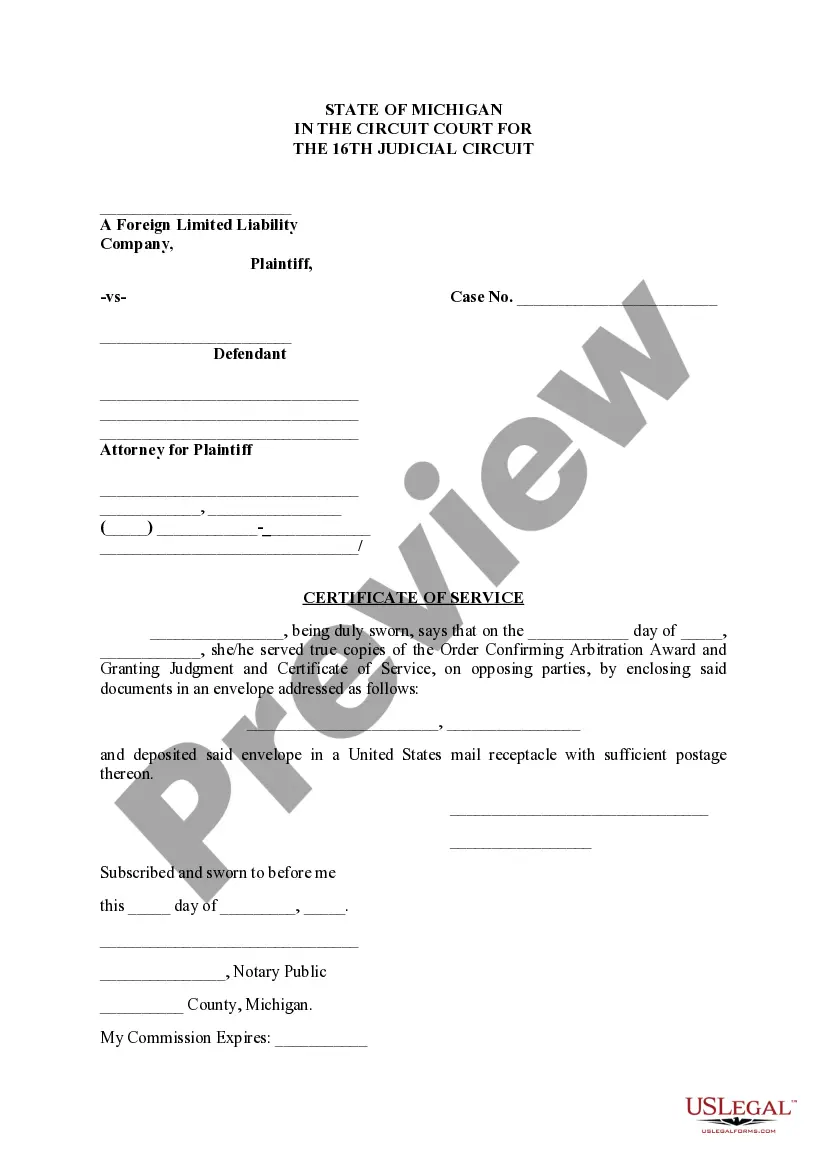
Absolute Release With Covenants
Overview of this form
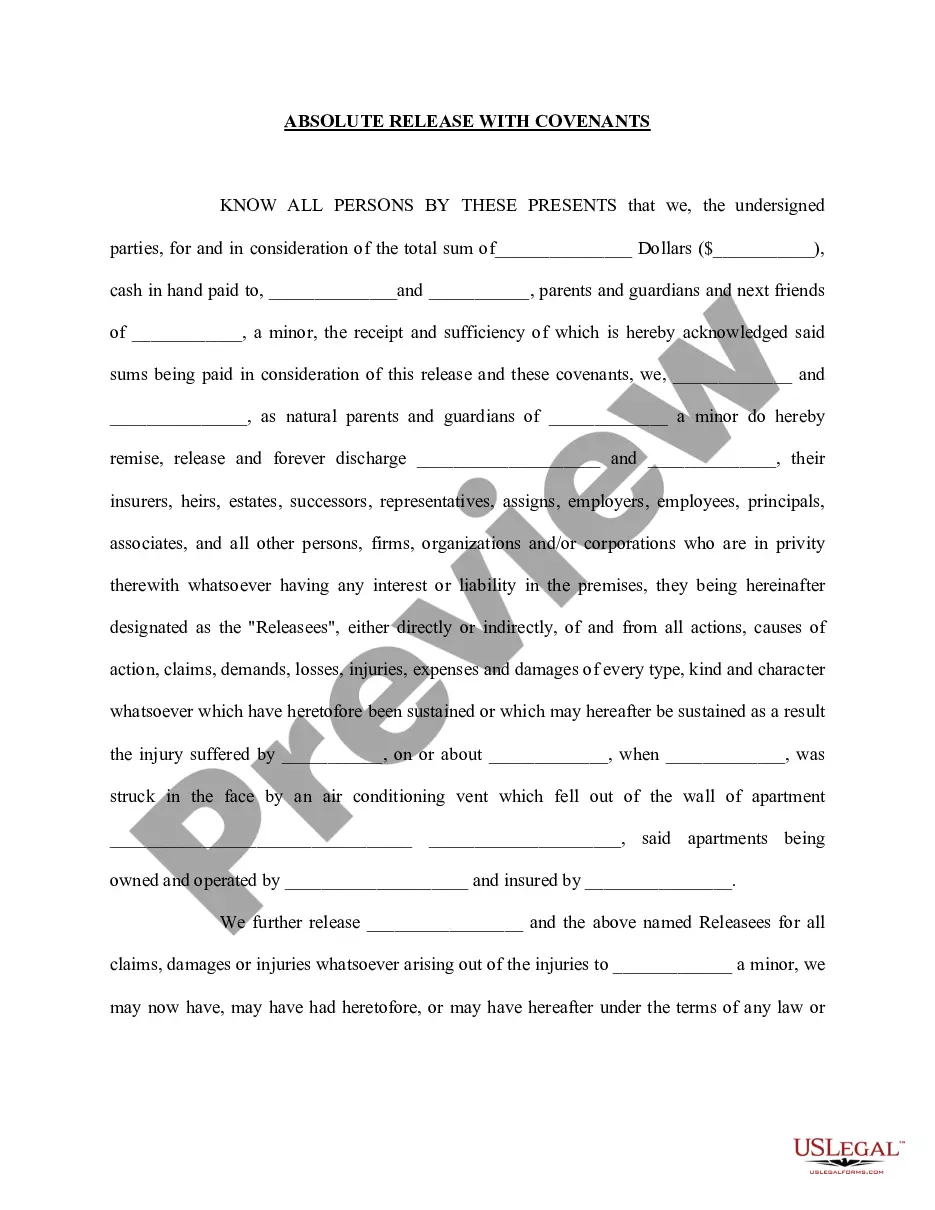
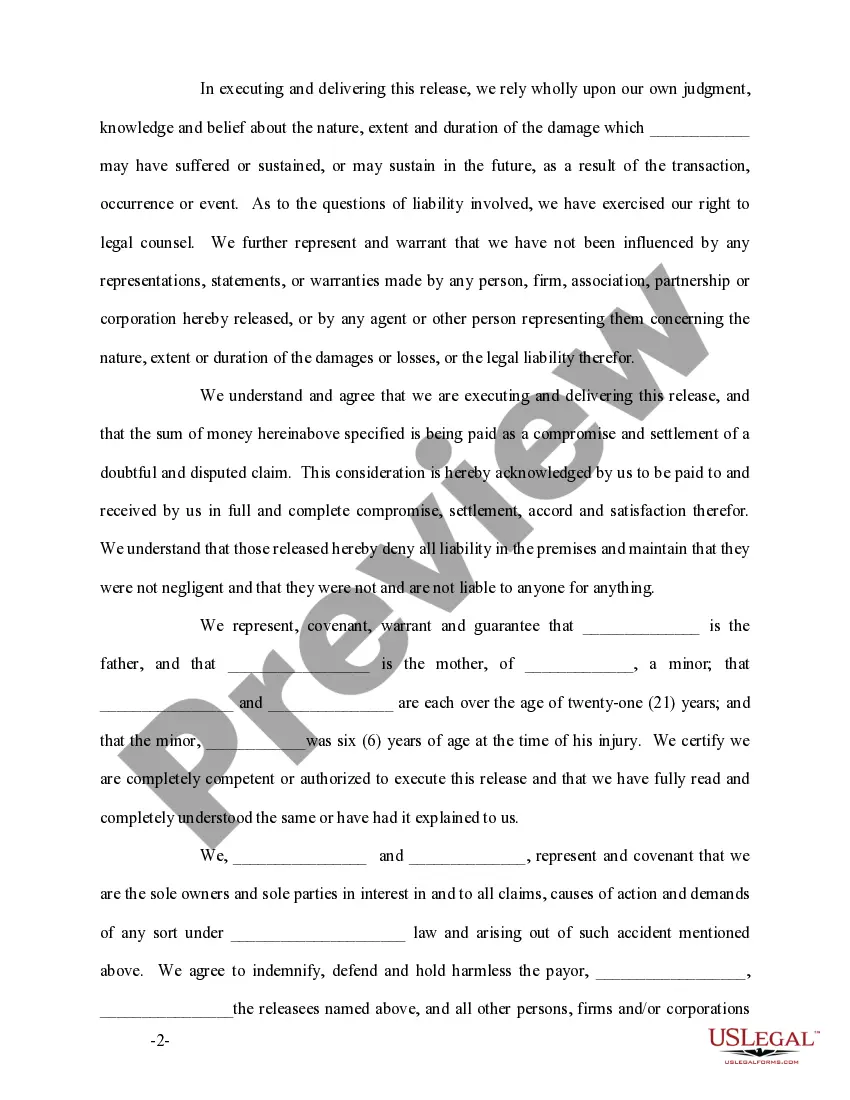
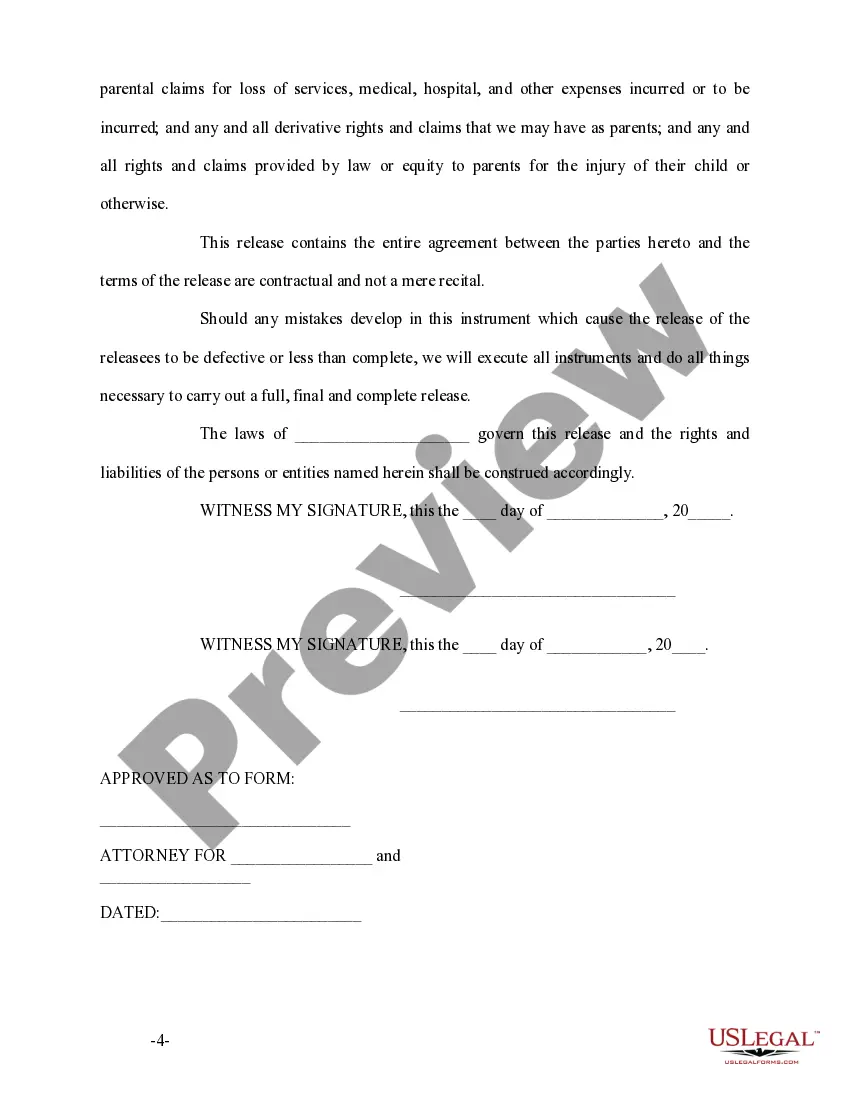
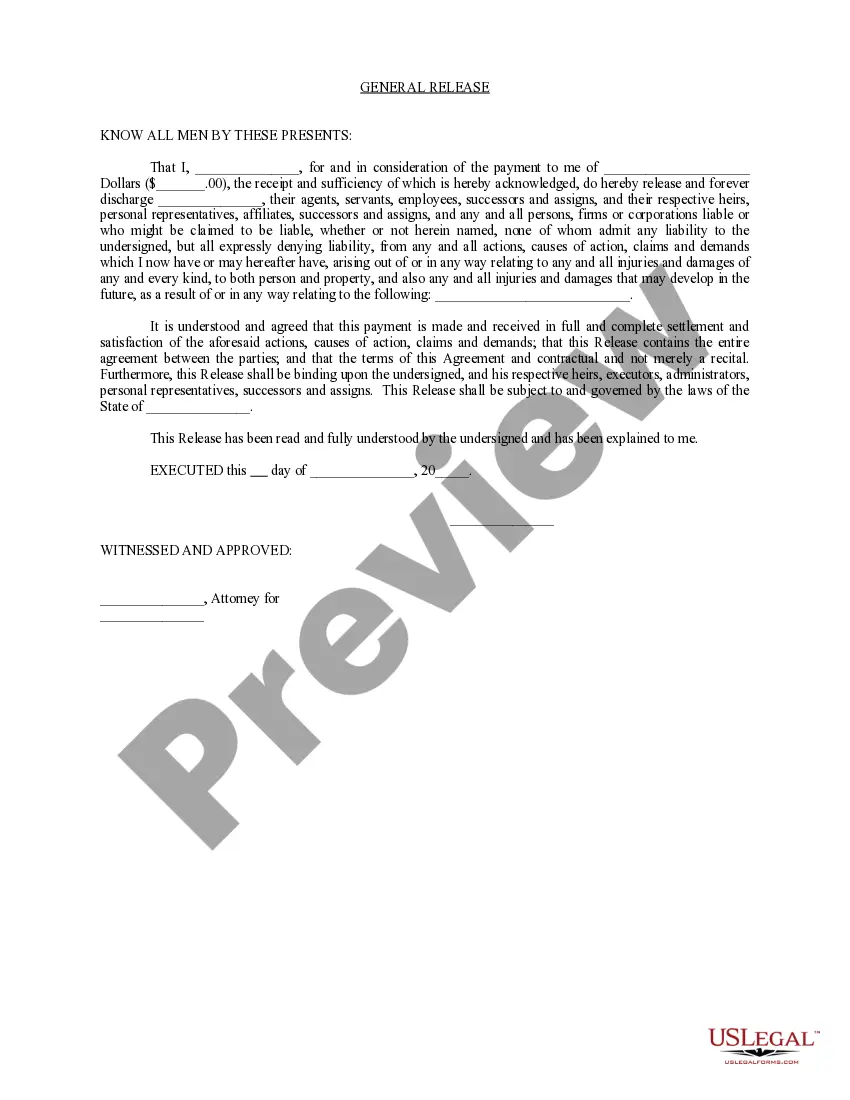
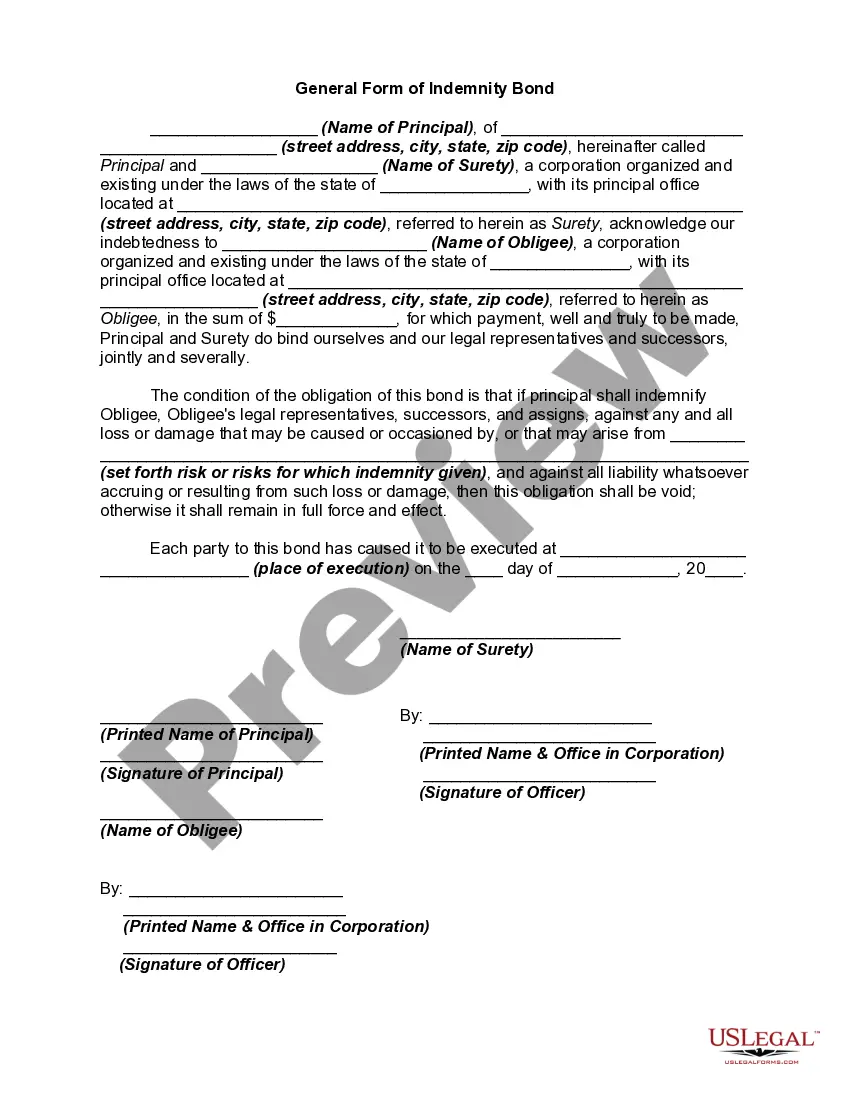
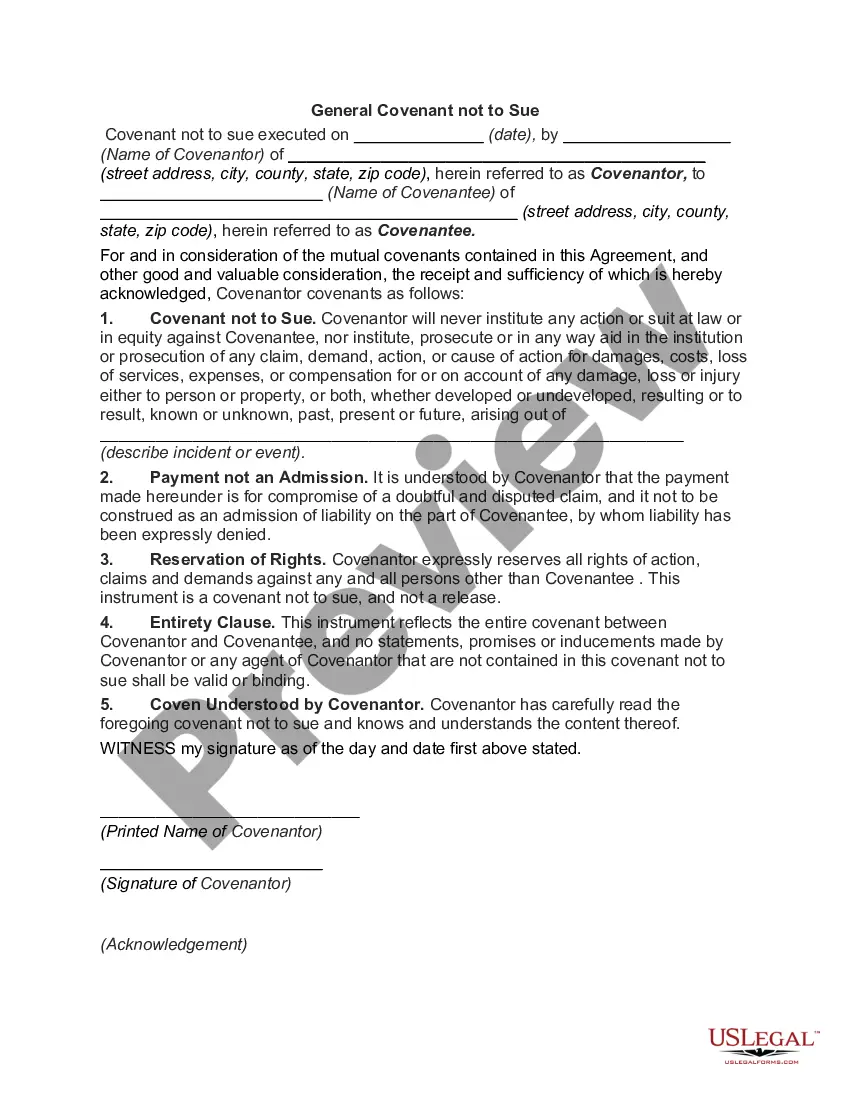
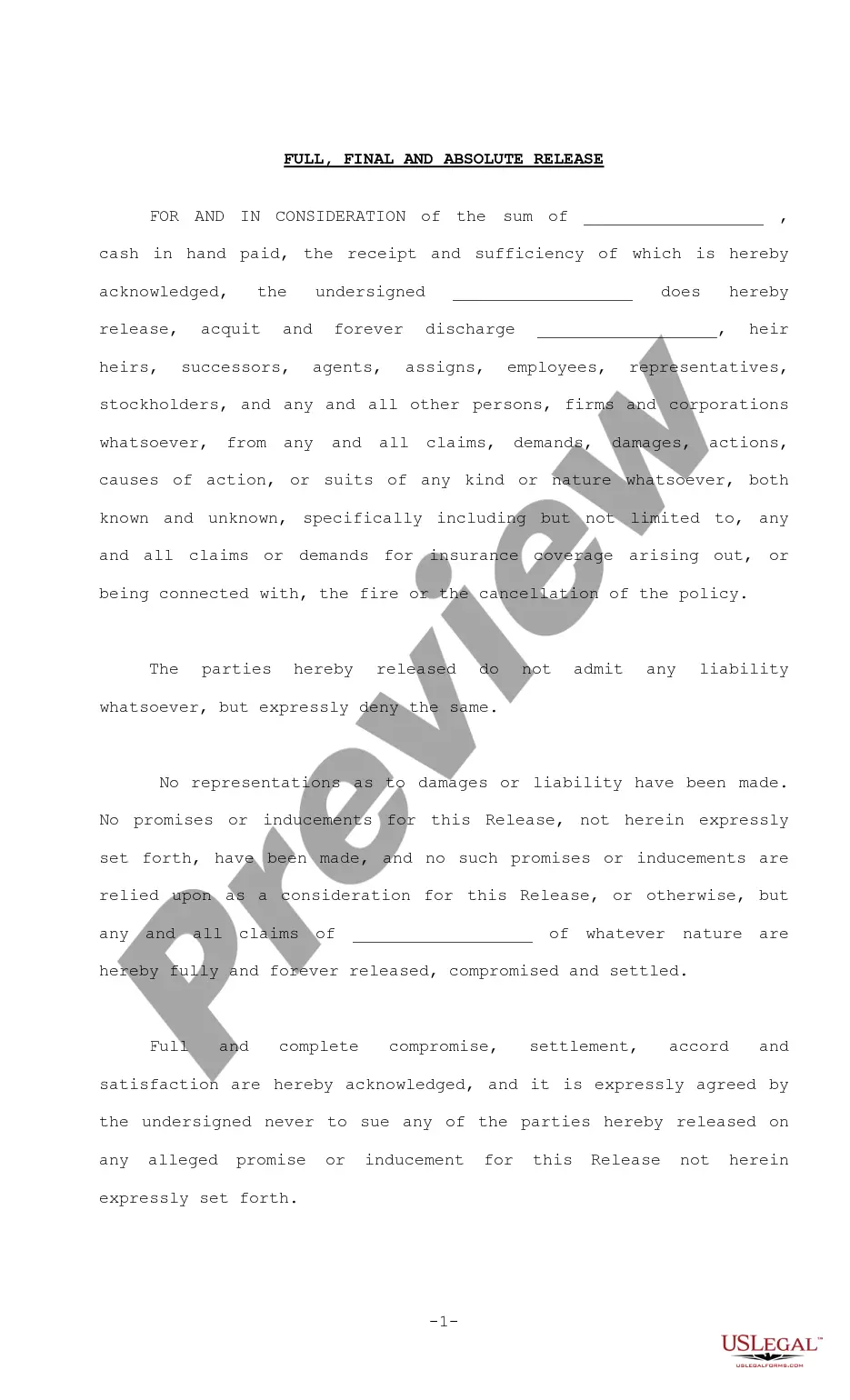
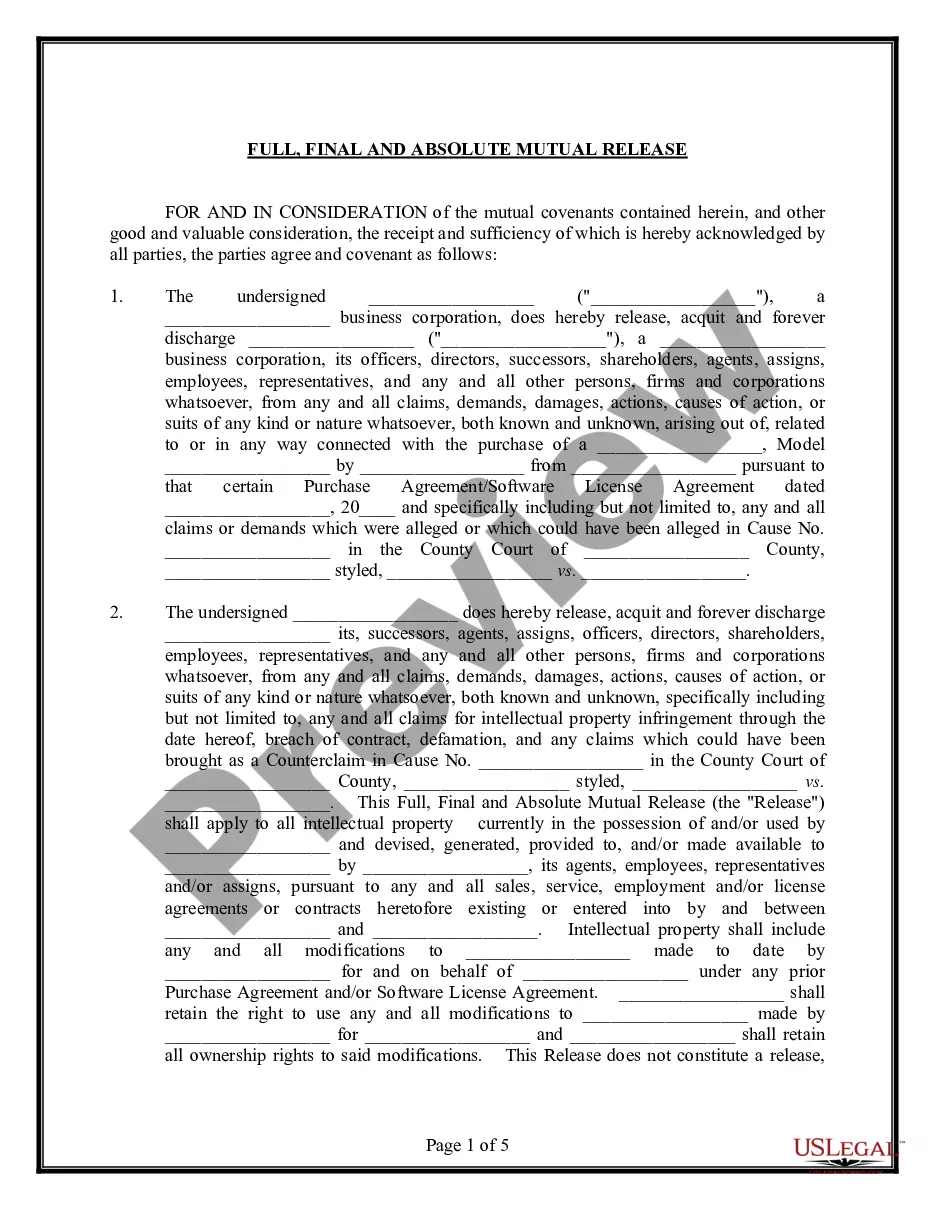
The Absolute Release With Covenants is a legal document used by parents or guardians of a minor to discharge responsible parties from liability regarding injuries sustained by the minor. This form ensures that the release is comprehensive and binding, stating that it is a complete agreement between the involved parties. Unlike similar forms, it explicitly includes covenants that prevent future claims related to the incident cited in the agreement, making it a robust legal safeguard.
Form components explained
- Identification of the releasors (parents/guardians) and releasees (parties being released from liability).
- Details of the incident causing injury, including the date and circumstances.
- Terms of compensation for the release, acknowledging receipt of payment.
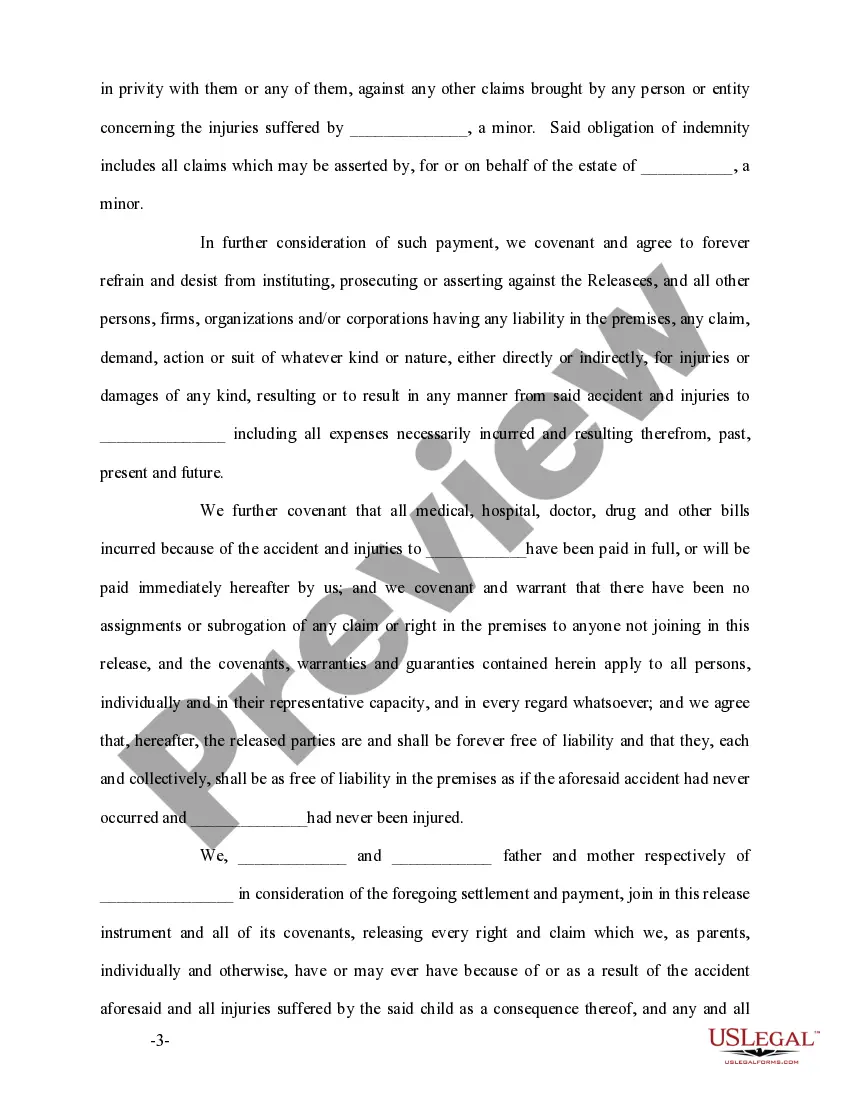
- Covenants that prevent claim assertions regarding future injuries related to the incident.
- Affirmation of understanding and agreement to the terms by the releasors.
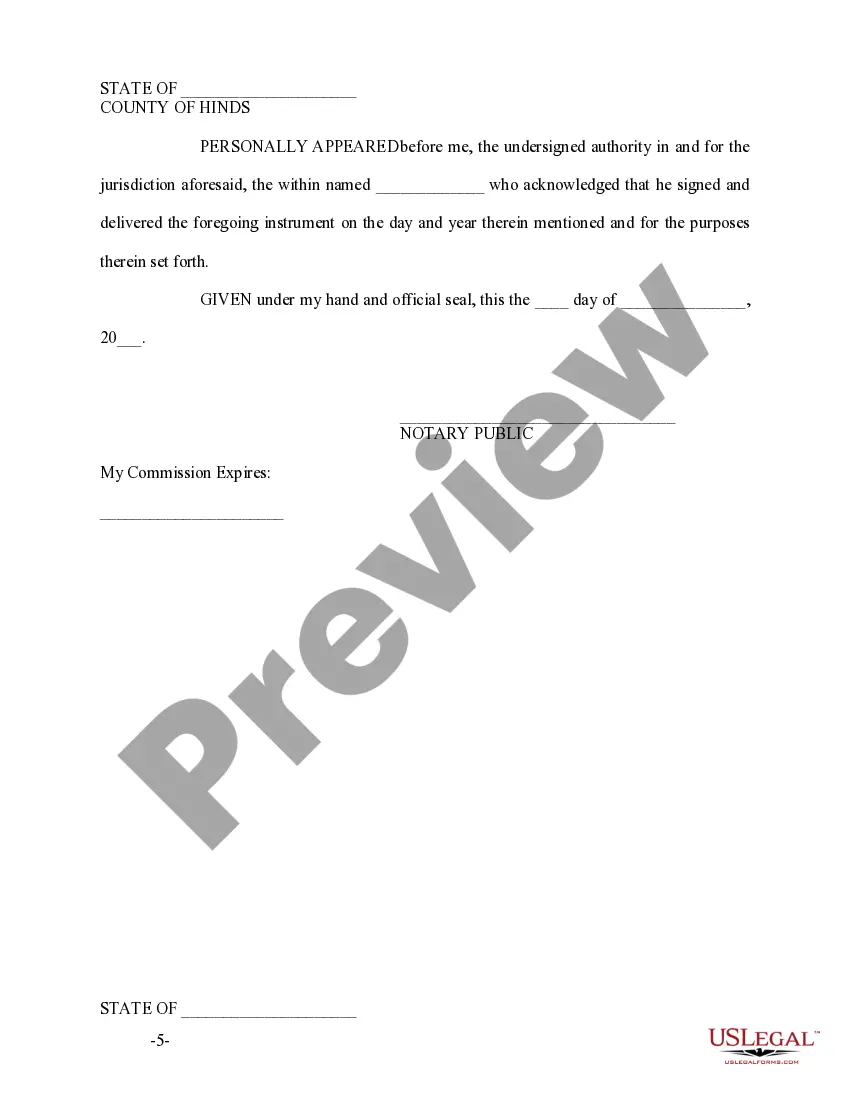
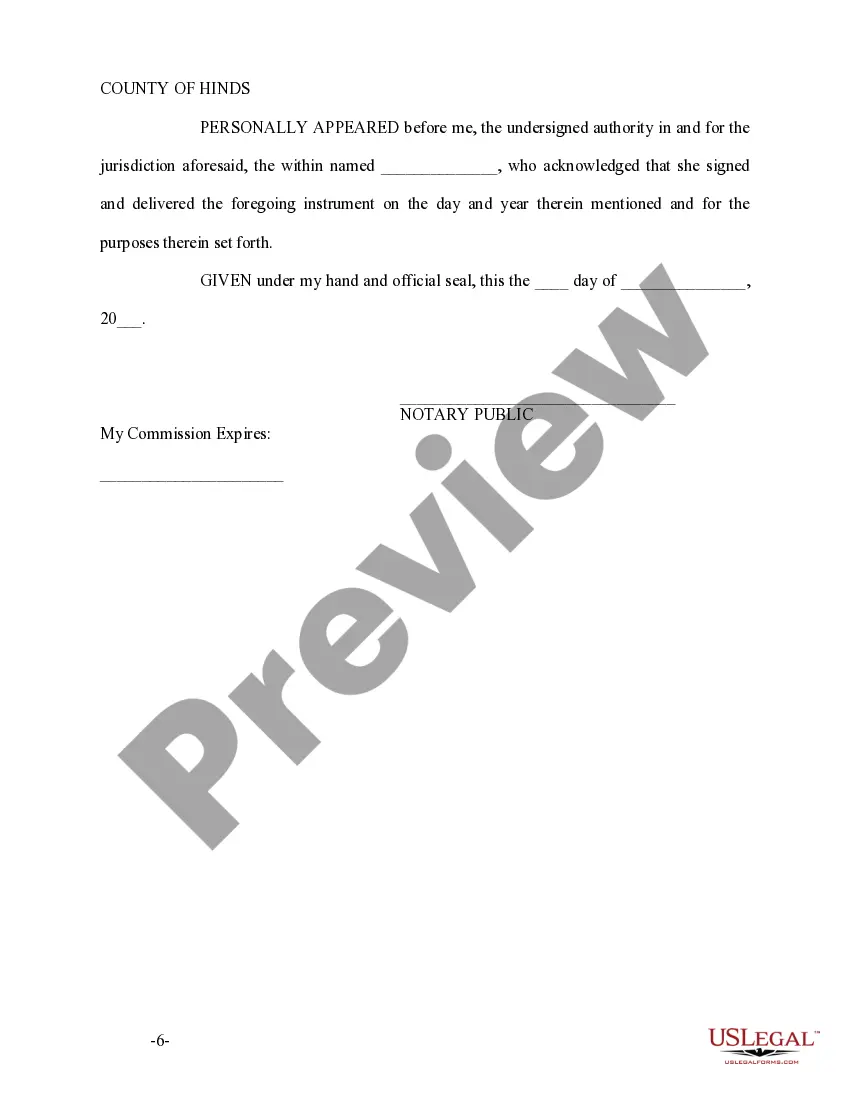
- Notarization clause for additional legal validation.
When to use this document
This form is typically used in scenarios where a minor has suffered injuries due to accidents, such as falling objects or negligent conditions in a rental property. Parents or guardians utilize this release to officially waive rights to pursue future claims against the responsible parties, often in exchange for a financial settlement. It is crucial when resolving disputes following incidents that could give rise to personal injury claims.
Intended users of this form
- Natural parents or legal guardians of minors who have sustained injuries.
- Parties seeking to settle claims with insurance companies or property owners.
- Individuals involved in personal injury incidents looking for a formal release agreement.
How to prepare this document
- Identify the parties involved: Enter the names of the parents/guardians and the minor.
- Describe the incident: Include specific details about the injury and the circumstances surrounding it.
- Agree on compensation: Specify the amount being paid as consideration for the release.
- Include covenants: Ensure that all clauses regarding future claims are clearly stated.
- Sign and notarize: All parties must sign the document in the presence of a notary public to validate it.
Notarization guidance
Notarization is required for this form to take effect. Our online notarization service, powered by Notarize, lets you verify and sign documents remotely through an encrypted video session, available 24/7.
Get your form ready online
Our built-in tools help you complete, sign, share, and store your documents in one place.
Make edits, fill in missing information, and update formatting in US Legal Forms—just like you would in MS Word.
Download a copy, print it, send it by email, or mail it via USPS—whatever works best for your next step.
Sign and collect signatures with our SignNow integration. Send to multiple recipients, set reminders, and more. Go Premium to unlock E-Sign.
If this form requires notarization, complete it online through a secure video call—no need to meet a notary in person or wait for an appointment.
We protect your documents and personal data by following strict security and privacy standards.

Make edits, fill in missing information, and update formatting in US Legal Forms—just like you would in MS Word.

Download a copy, print it, send it by email, or mail it via USPS—whatever works best for your next step.

Sign and collect signatures with our SignNow integration. Send to multiple recipients, set reminders, and more. Go Premium to unlock E-Sign.

If this form requires notarization, complete it online through a secure video call—no need to meet a notary in person or wait for an appointment.

We protect your documents and personal data by following strict security and privacy standards.
Common mistakes to avoid
- Failing to include all parties involved, leading to incomplete releases.
- Not specifying the injury details clearly, which may result in disputes.
- Neglecting to have the form notarized, potentially invalidating the release.
- Overlooking state-specific legal requirements that may affect enforceability.
Why complete this form online
- Convenient access to customizable legal templates at any time.
- Editable to reflect specific details of the incident and parties involved.
- Quickly obtain the form without needing a lawyer's office visit.
- Streamlined process to ensure all necessary legal conditions are covered.
Looking for another form?

Form popularity
FAQ
Restrictive covenant indemnity insurance can only be obtained when a covenant has been breached for at least 12 months without complaint, but once procured the policy will last in perpetuity and can usually be passed on to future owners of the property.
Alternatively, one could record a termination of covenant, if both parties to the original covenantor their successorsagree to the termination. Covenants can also be terminated by courts, upon a showing of illegality, abandonment, or even changed circumstances (i.e., inequitable to continue enforcing said covenant).
In the situation whereby a restrictive covenant is in place, but the beneficiary is unknown, it cannot be enforced, or it is simply unreasonable (which is especially the case if the reason for the restriction is no longer in existence), it may be possible to request permission to have the restriction removed or
If you are the property owner, you can apply to the Registrar General for removal of the covenant if it has been in effect for at least 12 years and the covenant is of a type likely to lose any practical value after 12 years of operation.
How long do covenants last? Most covenants will remain on the land forever however it is becoming more common now to see a date (say 10 years) after which certain covenants will no longer apply. A covenant can normally only be removed with the consent of the land owner(s) having the benefit of the covenant.
In other words, you may be able to remove your restrictive covenant- but there are no guarantees.If you can agree to have the covenant removed, a 'Deed of Release of Restrictive Covenant' should be drawn up and signed by the dominant and servient owners.
Restrictive covenant indemnity insurance can only be obtained when a covenant has been breached for at least 12 months without complaint, but once procured the policy will last in perpetuity and can usually be passed on to future owners of the property.
Can I get a restrictive covenant removed? If there is a covenant on your property which is obsolete, you can make an application to the Upper Tribunal (Lands Chamber) (which use to be known as the Lands Tribunal) asking for the covenant to be discharged or modified.
Neighborhood covenants may be permanent, expire naturally, or have a declared term of existence.In such an example, the builder is no longer a party to the covenants, but they nonetheless will be binding among subsequent homeowners represented by the association.