Invoice 1
Overview of this form
The Invoice 1 is a formal document that outlines the products or services provided by a seller and specifies the total amount due for payment. This invoice serves as a detailed bill that helps both the service provider and the customer maintain clear financial records. Unlike informal requests for payment, an invoice is a legally recognized document that typically includes specific details about the transaction, making it essential for both accounting and tax purposes.
What’s included in this form
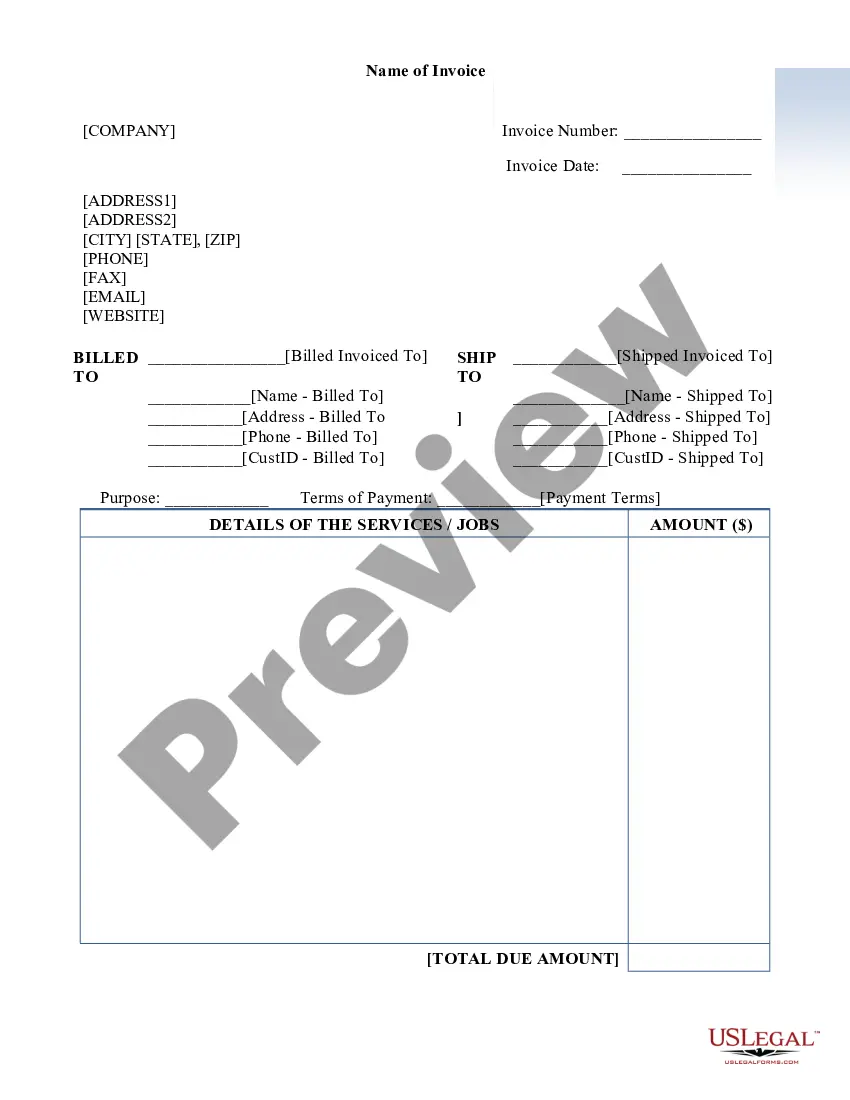
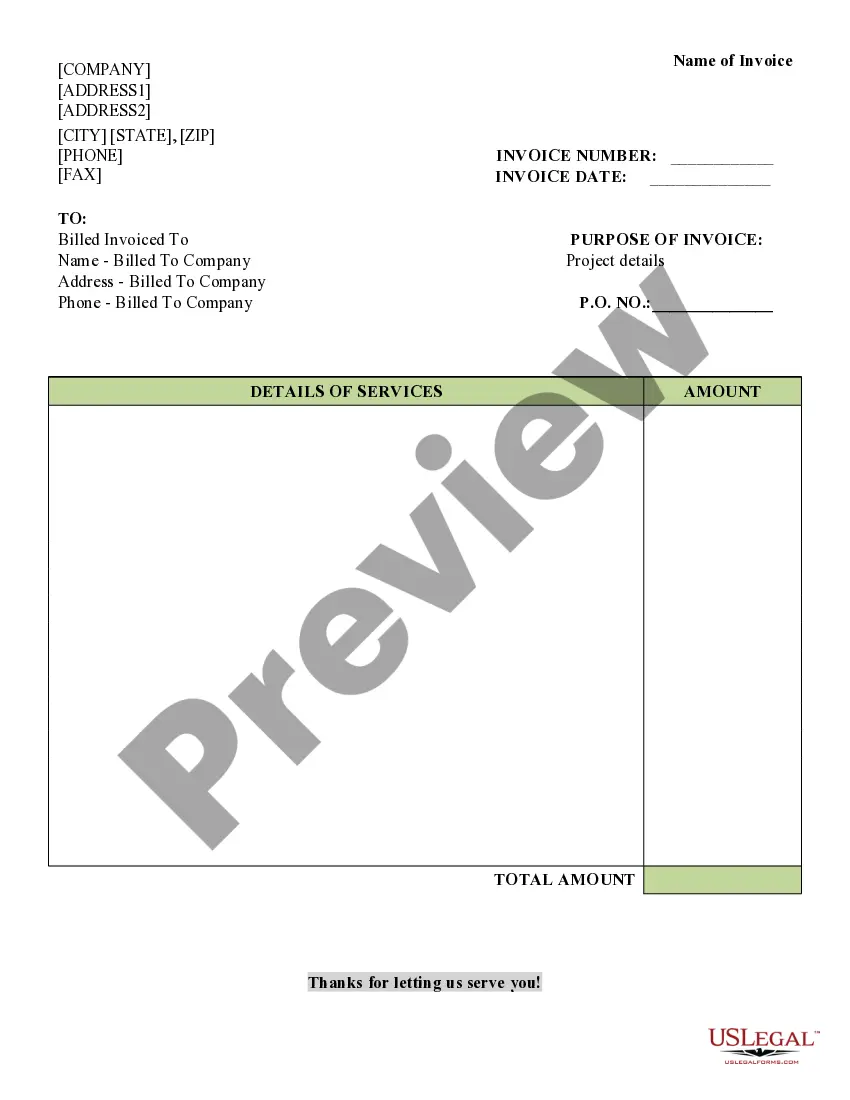
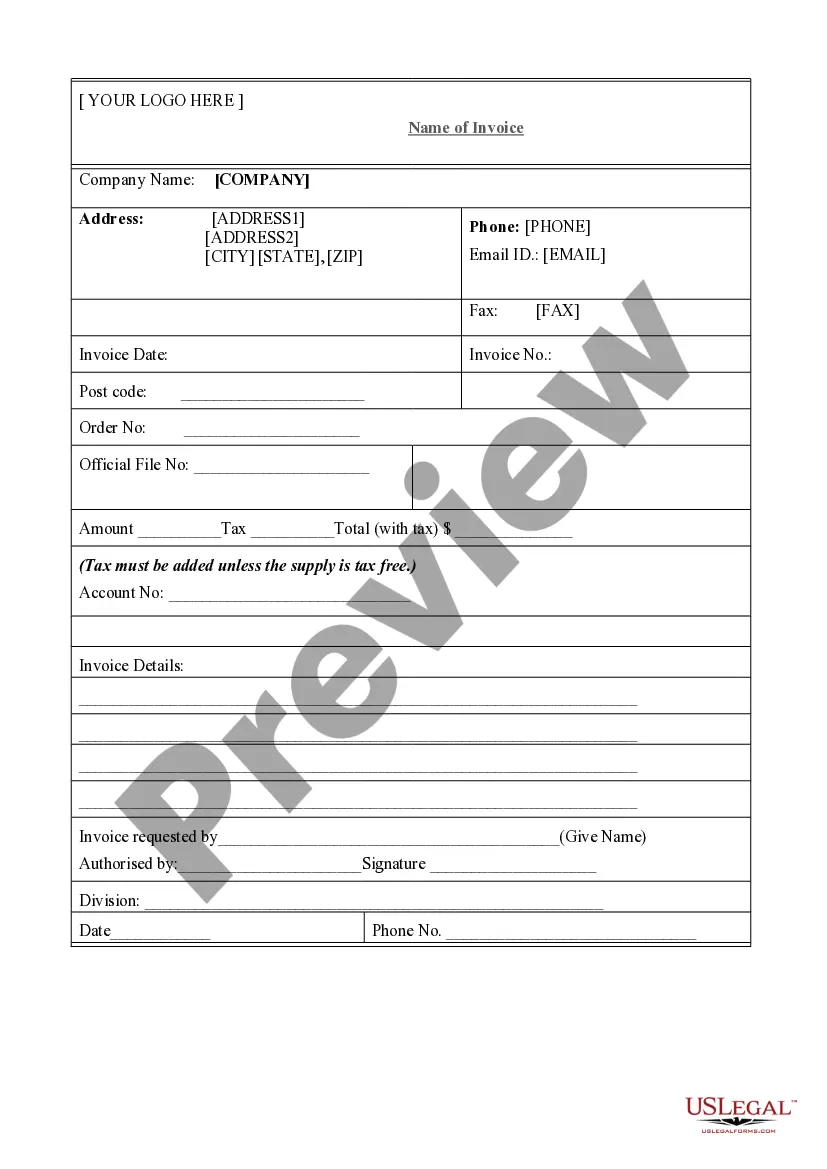
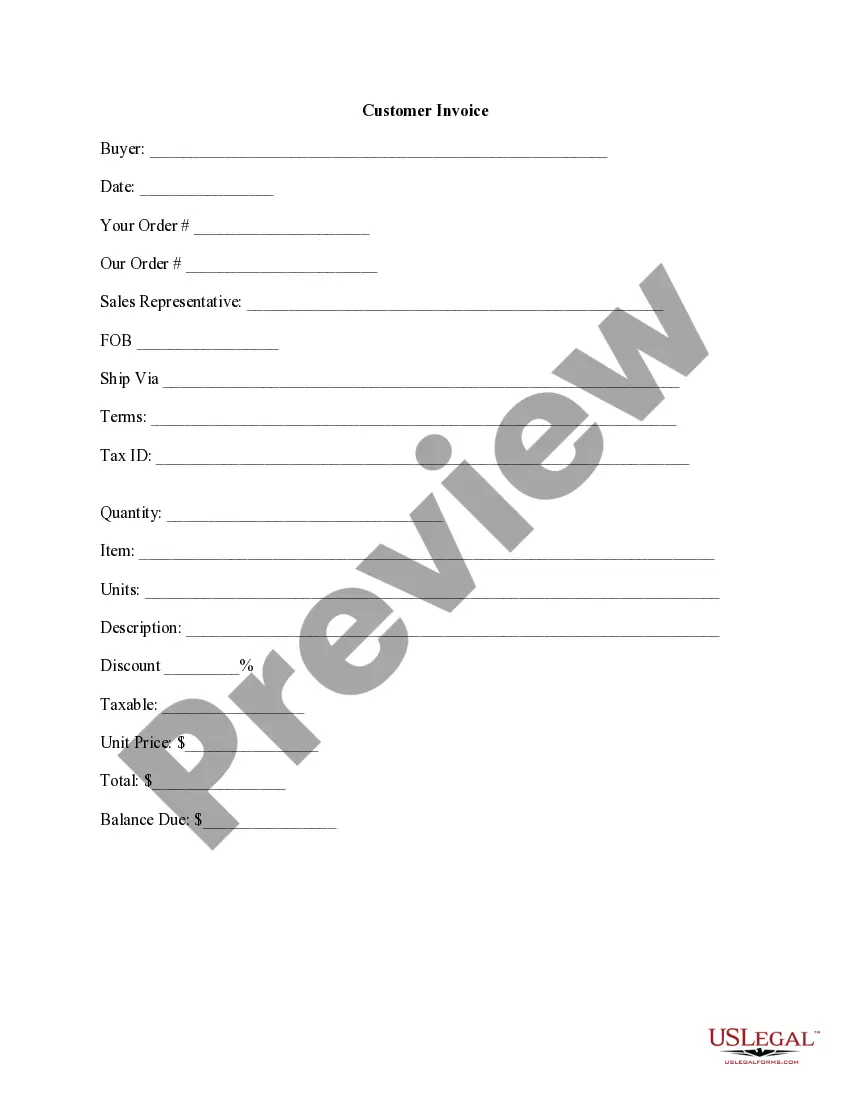
- Invoice number: Unique identifier for tracking the invoice.
- Invoice date: The date the invoice is issued.
- Billed to: Information about the entity responsible for payment.
- Ship to: Address where goods or services are delivered.
- Details of services/jobs: A breakdown of the services or products provided.
- Total due amount: The final amount that needs to be paid.
Common use cases
This invoice is commonly used when a business or individual provides goods or services and needs to request payment from a client or customer. Use it whenever you sell products, complete services, or need to bill clients for work done, especially in situations requiring a clear record for financial tracking or audits.
Who should use this form
- Small business owners who need to bill clients for services rendered.
- Freelancers offering services who require documentation for payment.
- Contractors providing services or materials for a project.
- Individuals selling items or providing services on a one-time basis.
Completing this form step by step
- Enter the invoice number and date at the top of the document.
- Provide your company information, including name, address, and contact details.
- Fill in the billed-to and ship-to sections with the client's information.
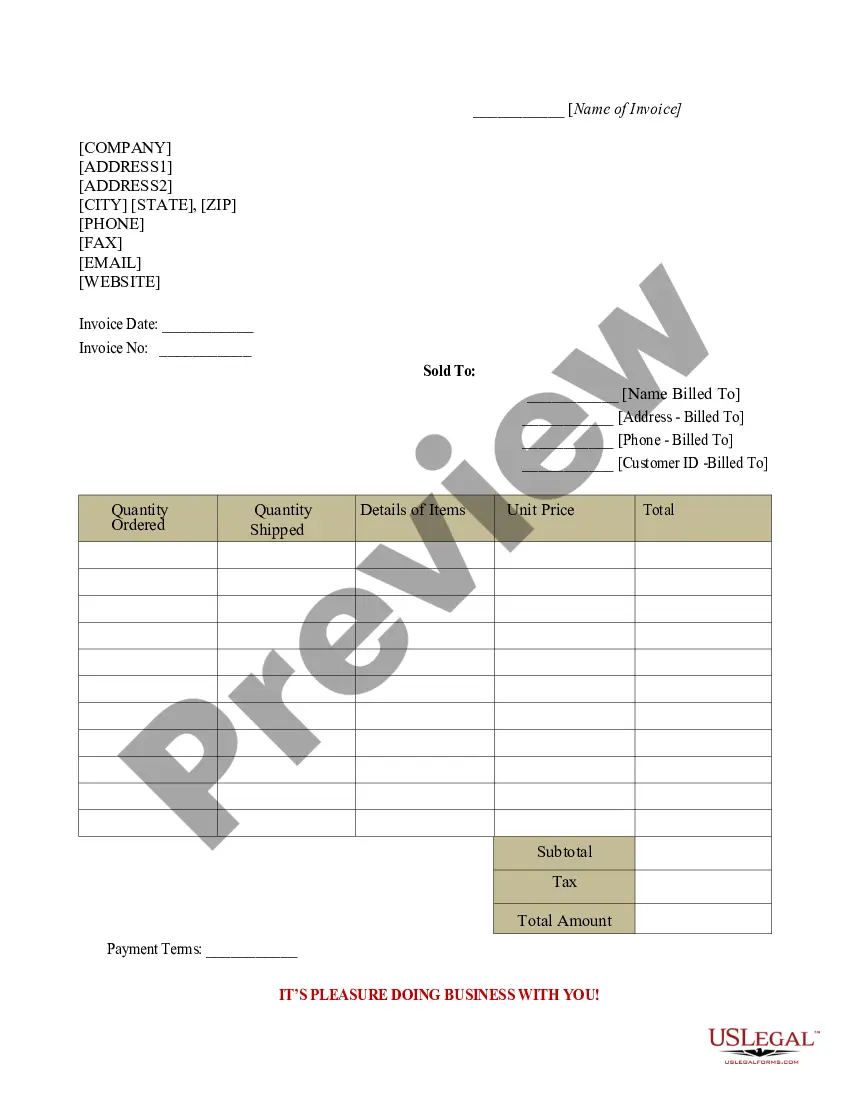
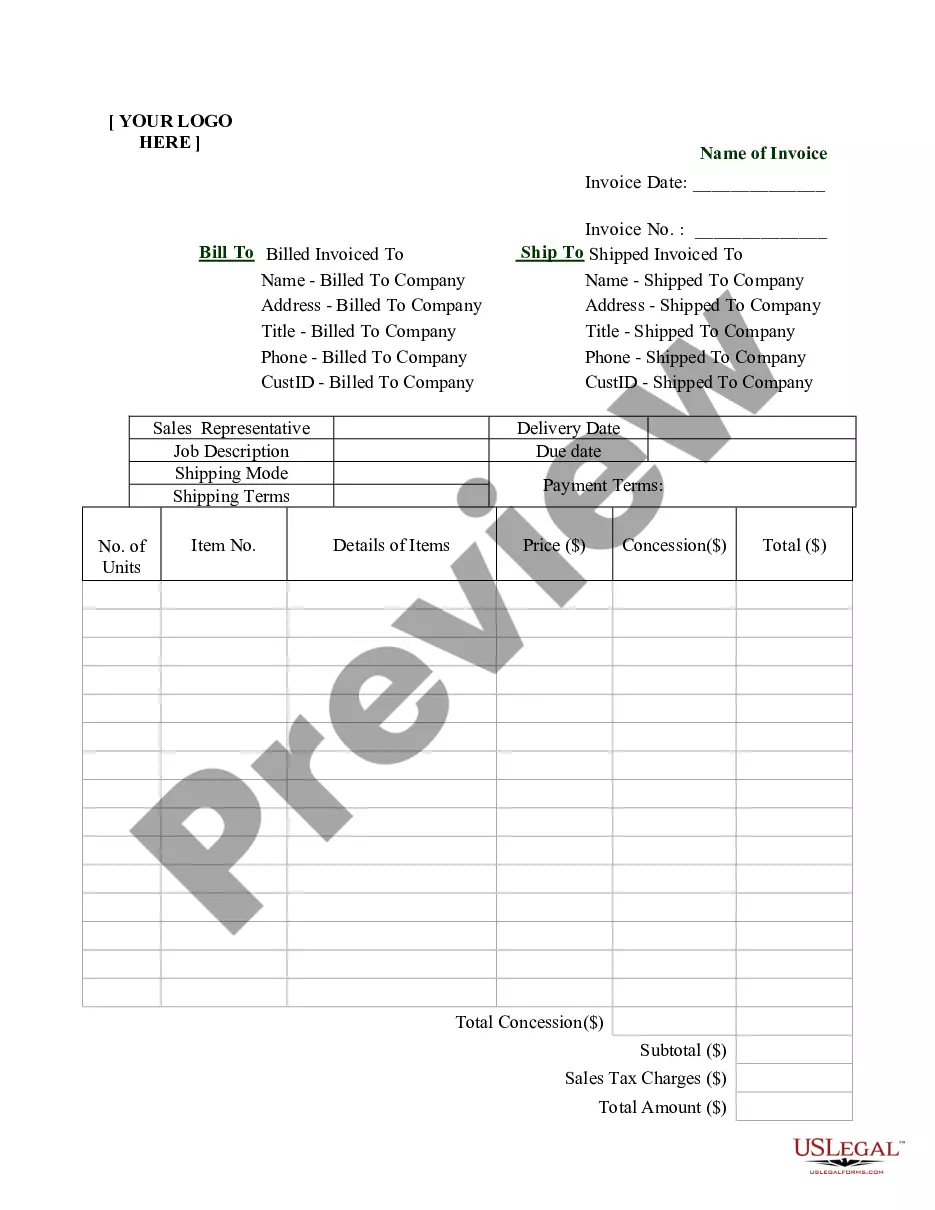
- Detail the services provided or items sold, including quantities and prices.
- Calculate the total due amount and any applicable taxes or discounts.
Notarization guidance
This form does not typically require notarization to be legally valid. However, some jurisdictions or document types may still require it. US Legal Forms provides secure online notarization powered by Notarize, available 24/7 for added convenience.
Get your form ready online
Our built-in tools help you complete, sign, share, and store your documents in one place.
Make edits, fill in missing information, and update formatting in US Legal Forms—just like you would in MS Word.
Download a copy, print it, send it by email, or mail it via USPS—whatever works best for your next step.
Sign and collect signatures with our SignNow integration. Send to multiple recipients, set reminders, and more. Go Premium to unlock E-Sign.
If this form requires notarization, complete it online through a secure video call—no need to meet a notary in person or wait for an appointment.
We protect your documents and personal data by following strict security and privacy standards.

Make edits, fill in missing information, and update formatting in US Legal Forms—just like you would in MS Word.

Download a copy, print it, send it by email, or mail it via USPS—whatever works best for your next step.

Sign and collect signatures with our SignNow integration. Send to multiple recipients, set reminders, and more. Go Premium to unlock E-Sign.

If this form requires notarization, complete it online through a secure video call—no need to meet a notary in person or wait for an appointment.

We protect your documents and personal data by following strict security and privacy standards.
Mistakes to watch out for
- Leaving out important client information such as contact details.
- Failing to specify the payment terms and conditions.
- Not numbering invoices sequentially, which can cause confusion.
- Omitting a clear breakdown of services or products provided.
- Not including the date of issue, leading to payment delays.
Benefits of using this form online
- Convenient access to customizable templates for your invoicing needs.
- Editable formats allow for quick adjustments to meet specific transaction requirements.
- Reliable and organized record-keeping for both parties involved.
- Easy download and printing options for physical copies.
Looking for another form?
Form popularity
FAQ
What Details Should a Tax Invoice Include? Invoice number and date. Customer name. Shipping and billing address. The words 'tax invoice' clearly displayed. Seller's identity and business number. A description of the goods and services, their quantities, and price. The tax applied for each item. The total value, including tax.
Invoice Support Through selfservice system at : Through toll free number : 18001034786. Note: Steps to follow: Visit the site in the browser. Click on button "Report Issue" Click on button "Advance Search" check box.
If you are a first-time user, then visit the e-invoice portal -> registration menu -> click on 'e-Invoice Enablement'. Enter a particular GSTIN of the company and get the OTP verification done. Enter the annual turnover details with the related financial year and submit. You can get registered for e-invoicing.
A receipt can be a: GST tax invoice.
Registered for GST: you need to write a tax invoice and include the GST for each applicable item. Not registered for GST: you can write a 'simple invoice' (or 'regular invoice'), which doesn't need to include the GST for each item.
Tax invoice is an invoice issued for taxable supply of goods & services. Tax invoice broadly.
Your business name, address and contact information. the business name and address of the customer you're invoicing. a clear description of what you're charging for. the date you provided the goods or services (which is also known as the supply date)
The difference lies in when they are issued and how they are used for accounting purposes. While an invoice is raised to get payment from the customer, a receipt is issued after receiving the payment from the customer.