Legends
Overview of this form
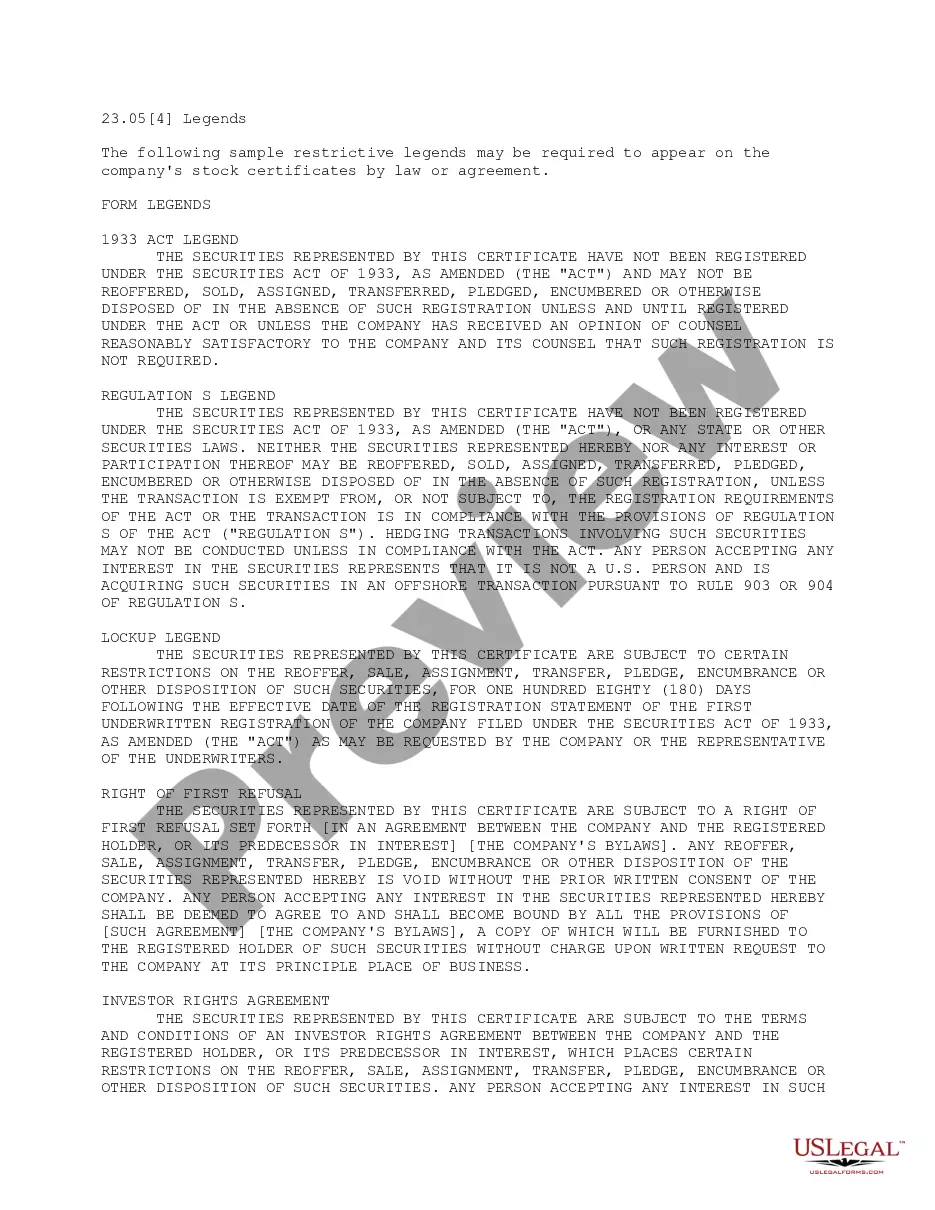
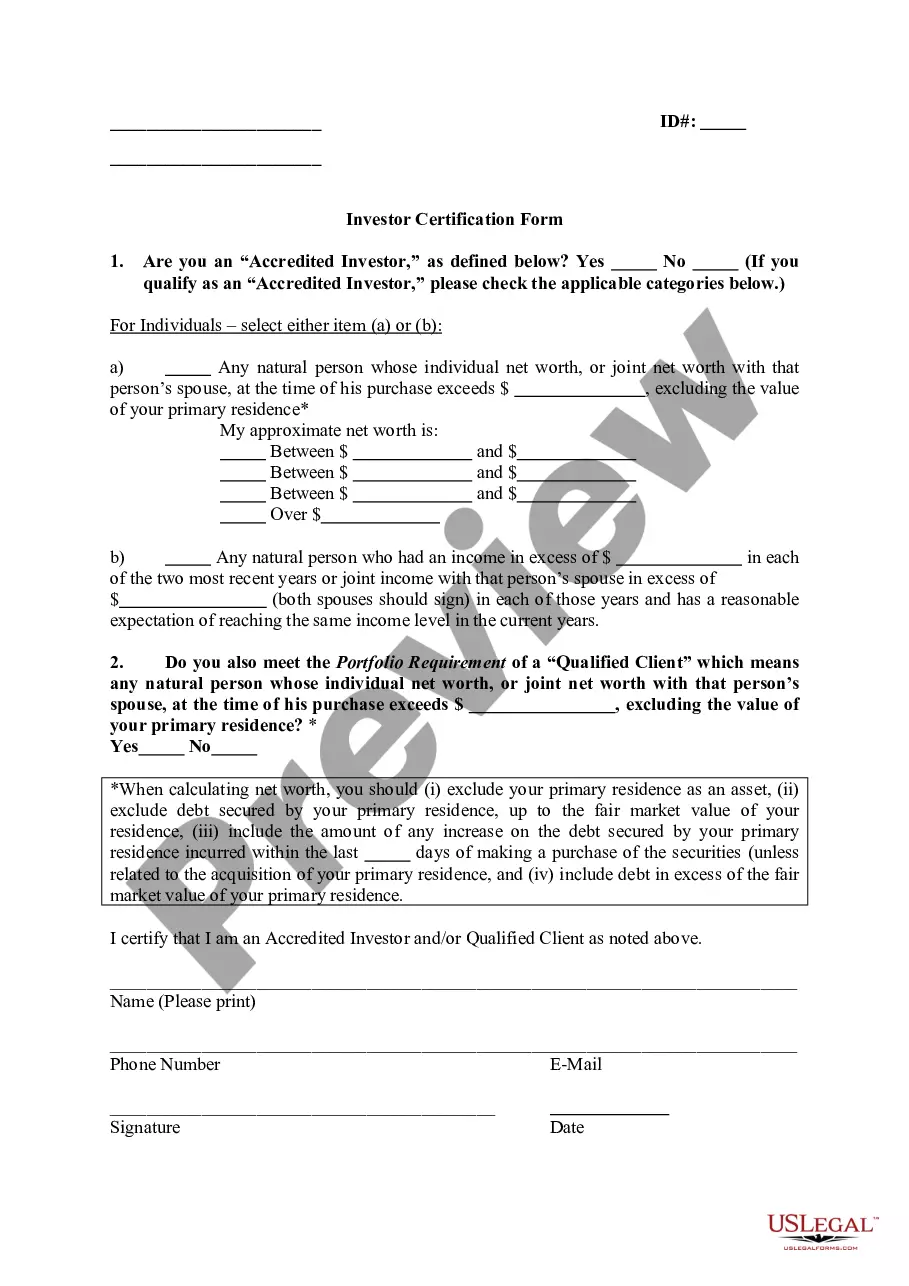
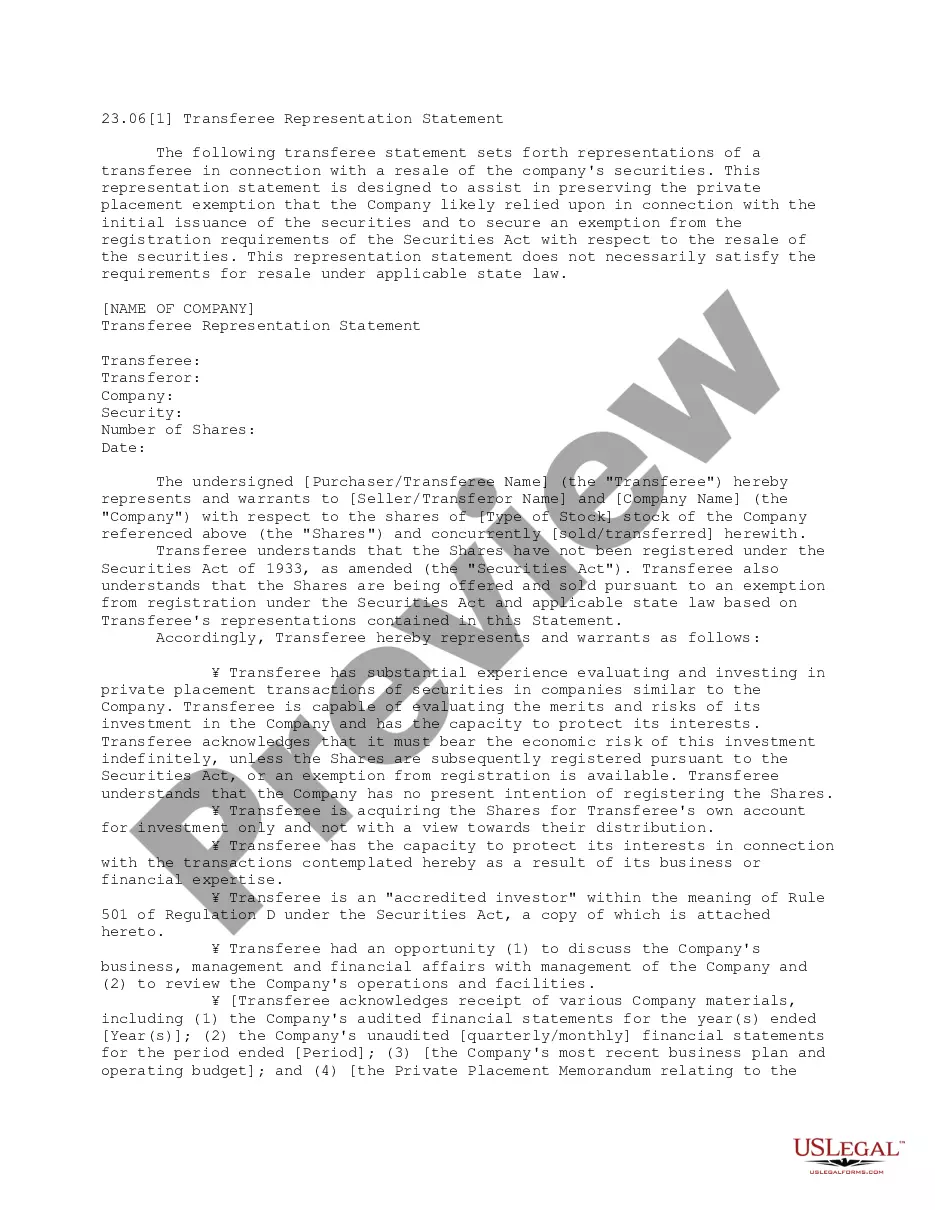
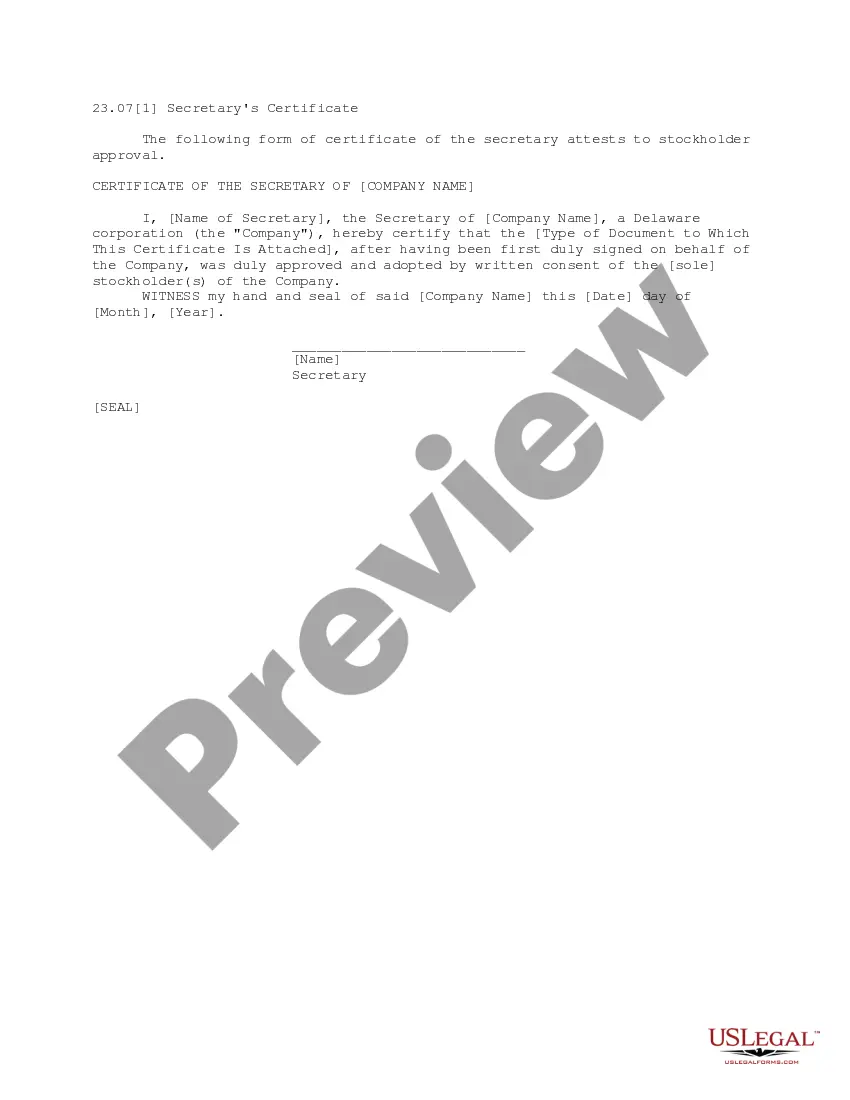
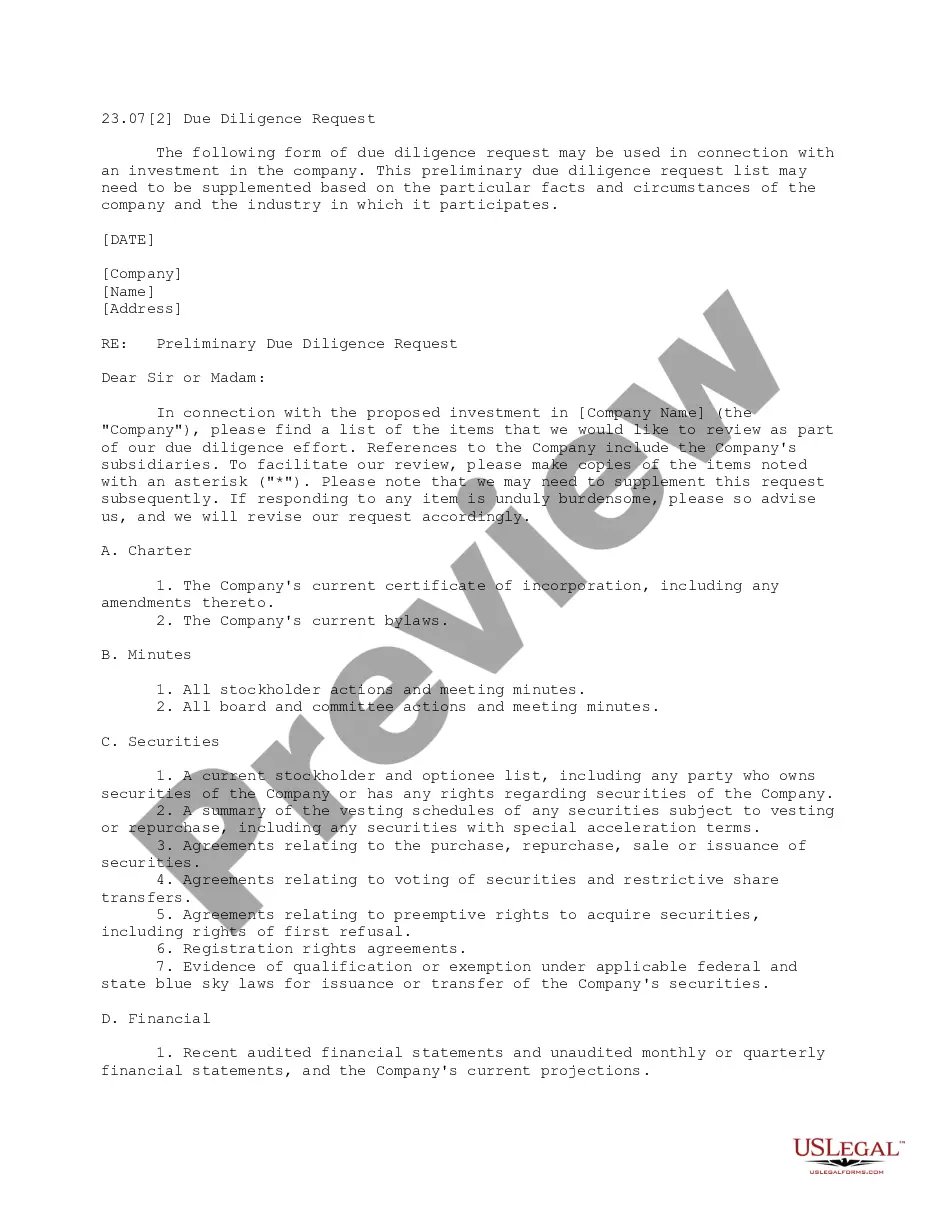
The Legends form is a legal document used primarily in corporate and business contexts. It is designed to provide restrictive legends that may be required to appear on stock certificates, ensuring compliance with applicable laws such as the Securities Act of 1933. This form contains various legends that outline specific restrictions pertaining to the transfer and sale of securities, making it essential for businesses dealing with stock issuance. Unlike generic stock certificate templates, this document is tailored to meet legal requirements and protect both the company and its investors.
Key parts of this document
- 1933 Act Legend: Details restrictions on the transfer of unregistered securities.
- Regulation S Legend: Specifies conditions under which securities may not be resold without registration.
- Lockup Legend: Outlines a 180-day restriction on the sale of securities after an initial registration.
- Right of First Refusal: Establishes conditions for prior approval before the transfer of securities.
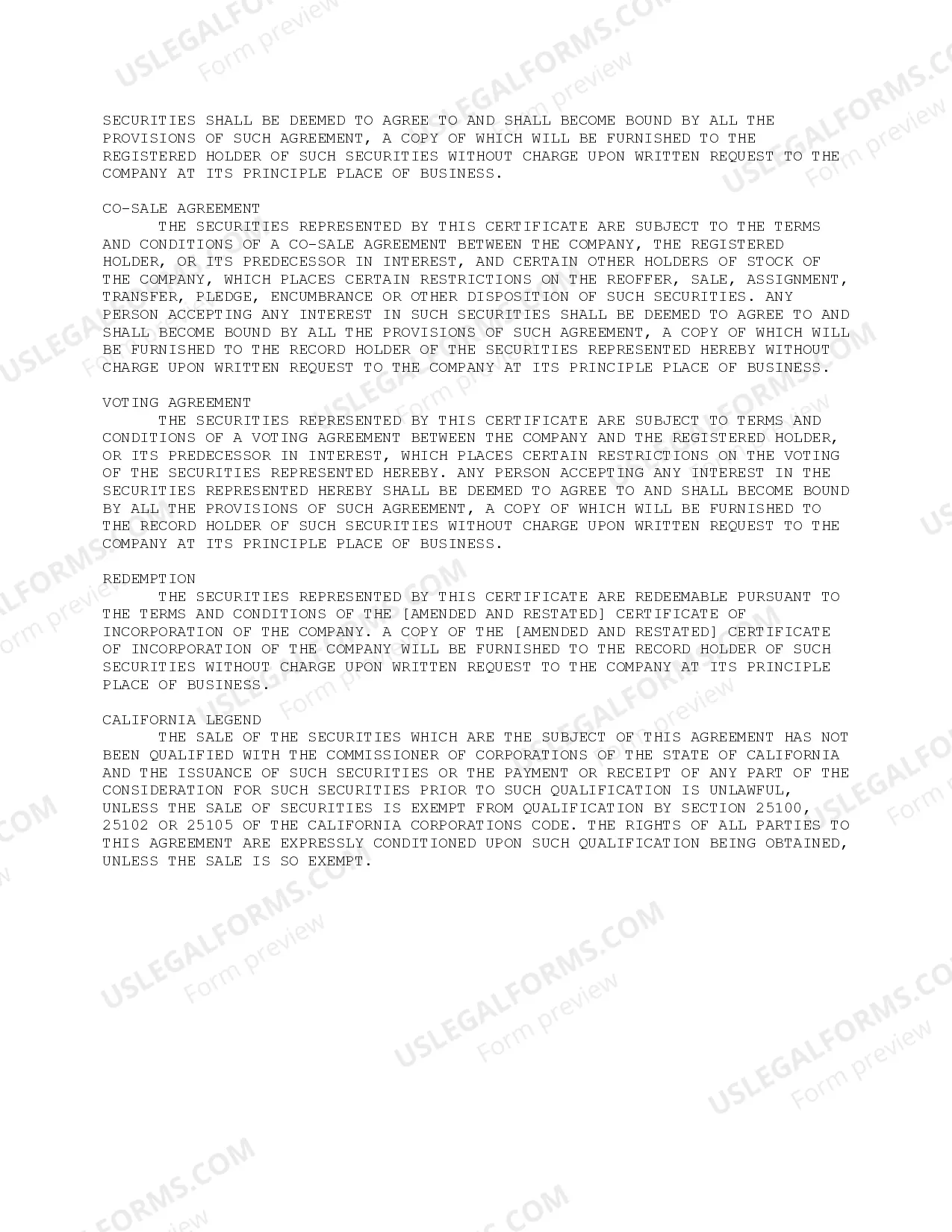
- Investor Rights Agreement: Indicates restrictions based on agreements between investor and company.
- Voting Agreement: Describes restrictions on the voting rights associated with the securities.
- Redemption Clause: Lists conditions under which securities can be redeemed.
- California Legend: Notes compliance with California securities regulations when applicable.
When this form is needed
This form should be used when a company is issuing stock certificates that require specific legends regarding the restrictions on those securities. It is particularly necessary when the securities are unregistered or subject to various agreements or state regulations. Businesses seeking to ensure compliance with federal and state securities laws will find this form essential. Additionally, it is useful in transactions involving securities that are subject to transfer restrictions, allowing companies to protect their interests and clarify the rights of holders.
Who needs this form
This form is suitable for:
- Corporations involved in issuing stock certificates.
- Business owners who need to comply with securities regulations.
- Company executives and legal professionals managing stock transfers.
- Investors wishing to understand their rights and obligations regarding securities.
How to prepare this document
- Determine which legends are applicable to the securities being issued.
- Integrate the appropriate legends into stock certificates according to your company's requirements.
- Ensure that all legends clearly outline restrictions on transfer and sale.
- Gather necessary approvals and documentation to support any legends that require them.
- Review the completed form for compliance with relevant laws before issuance.
Notarization requirements for this form
This form does not typically require notarization unless specified by local law. However, it is important to consult with a legal professional to confirm requirements in your jurisdiction.
Get your form ready online
Our built-in tools help you complete, sign, share, and store your documents in one place.
Make edits, fill in missing information, and update formatting in US Legal Forms—just like you would in MS Word.
Download a copy, print it, send it by email, or mail it via USPS—whatever works best for your next step.
Sign and collect signatures with our SignNow integration. Send to multiple recipients, set reminders, and more. Go Premium to unlock E-Sign.
If this form requires notarization, complete it online through a secure video call—no need to meet a notary in person or wait for an appointment.
We protect your documents and personal data by following strict security and privacy standards.

Make edits, fill in missing information, and update formatting in US Legal Forms—just like you would in MS Word.

Download a copy, print it, send it by email, or mail it via USPS—whatever works best for your next step.

Sign and collect signatures with our SignNow integration. Send to multiple recipients, set reminders, and more. Go Premium to unlock E-Sign.

If this form requires notarization, complete it online through a secure video call—no need to meet a notary in person or wait for an appointment.

We protect your documents and personal data by following strict security and privacy standards.
Typical mistakes to avoid
- Failing to include the appropriate legends required by law.
- Using outdated language that does not comply with current regulations.
- Inaccurately representing restrictions that could lead to legal disputes.
- Neglecting to ensure that all parties are informed of the legends on their stock certificates.
Benefits of using this form online
- Convenience of downloading the form in a Word format for easy editing.
- Legal compliance through professionally drafted templates by licensed attorneys.
- Time-saving access to customizable content that fits specific business circumstances.
- Easy storage and retrieval of digital documents for future reference.
Legal use & context
- Legends must be compliant with the Securities Act of 1933 and other relevant laws.
- Proper use of this form can protect both the issuing company and the investor from legal issues related to the transfer of securities.
- Failure to include proper legends may render the securities unmarketable or illegal to sell.
Quick recap
- The Legends form is vital for compliance in the issuance of securities.
- Understanding the specific legends necessary is crucial to avoid legal pitfalls.
- Legal counsel should be consulted for proper customizations and compliance checks.
- Utilizing downloadable forms can simplify the process of securities management.
Looking for another form?
Form popularity
FAQ
Function of Legend In literature, the function of a legend is to present the story of human actions in such a way that they are perceived by the audience to be true. Actions are presented as if they have taken place within human history.
A legend (/02c8lej0259nd/) is a story about human events or actions that has not been proved nor documented in real history. Legends are retold as if they are real events and were believed to be historical accounts.
Examples of legends are Ali Baba, the Fountain of Youth, Paul Bunyan, Kraken, Atlantis, the Loch Ness Monster, and Bigfoot. Some legends are stories about real people; others are not. Odysseus and Robin Hood for example may have been real but most the stories about them are definitely fiction.
A legend is a semi-true story, which has been passed on from person-to-person and has important meaning or symbolism for the culture in which it originates. A legend usually includes an element of truth, or is based on historic facts, but with 'mythical qualities'.
A legend is a traditional story about the past. The main characters are usually kings or heroes. Some examples of well-known legends include the tales of Odysseus from Ancient Greece, Beowulf from the Norse lands and King Arthur from Old England. Like myths, legends were thought to be true.
A legend is a semi-true story, which has been passed on from person-to-person and has important meaning or symbolism for the culture in which it originates. A legend usually includes an element of truth, or is based on historic facts, but with 'mythical qualities'.
A legend is a genre of folklore that consists of a narrative featuring human actions perceived or believed both by teller and listeners to have taken place within human history. Narratives in this genre may demonstrate human values, and possess certain qualities that give the tale verisimilitude.
Set the story in today's world. Change or add plot details. Change a few main events. Change the gender of the hero or heroine. Change the point of view (example: Tell the legend of St. Write a sequel. Write a prequel. Develop an existing legend into a readers' theatre script.
Legends (derived from Latin, Legenda) are stories in oral tradition and a narrative of human actions.Examples of legends are Ali Baba, the Fountain of Youth, Paul Bunyan, Kraken, Atlantis, the Loch Ness Monster, and Bigfoot. Some legends are stories about real people; others are not.