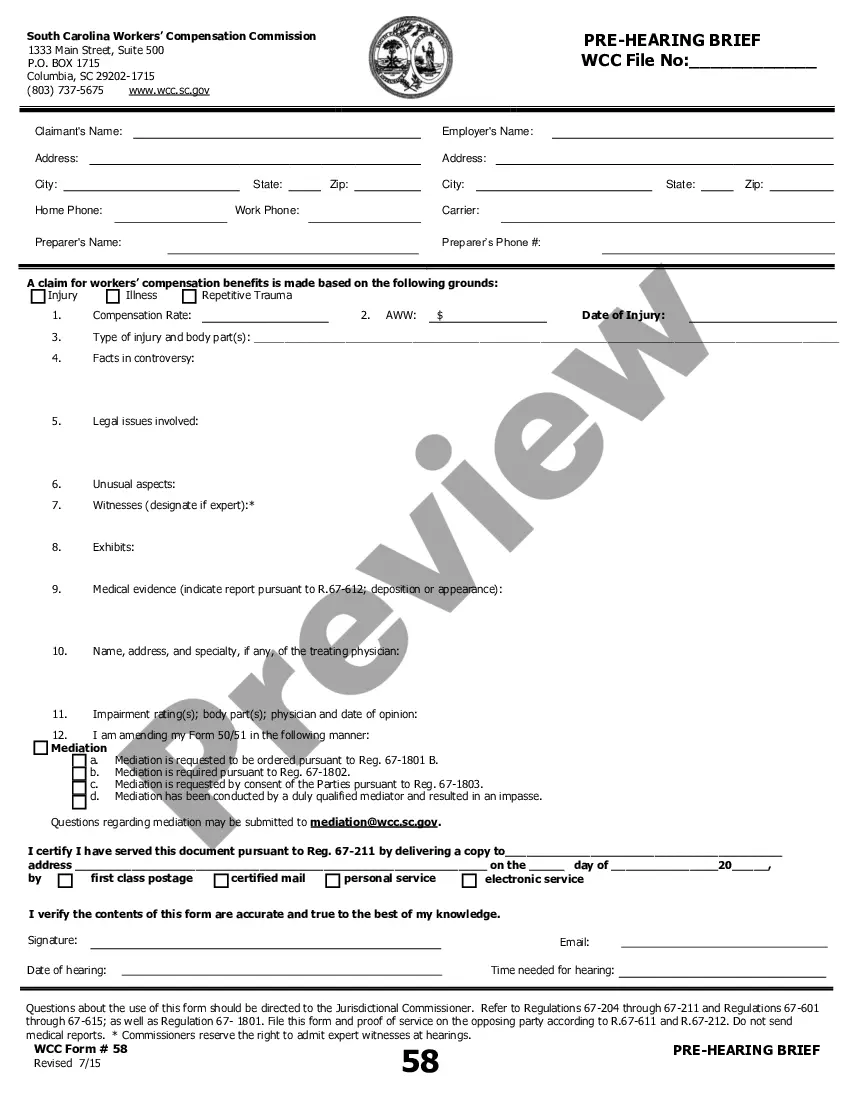
Transferee Representation Statement
Overview of this form
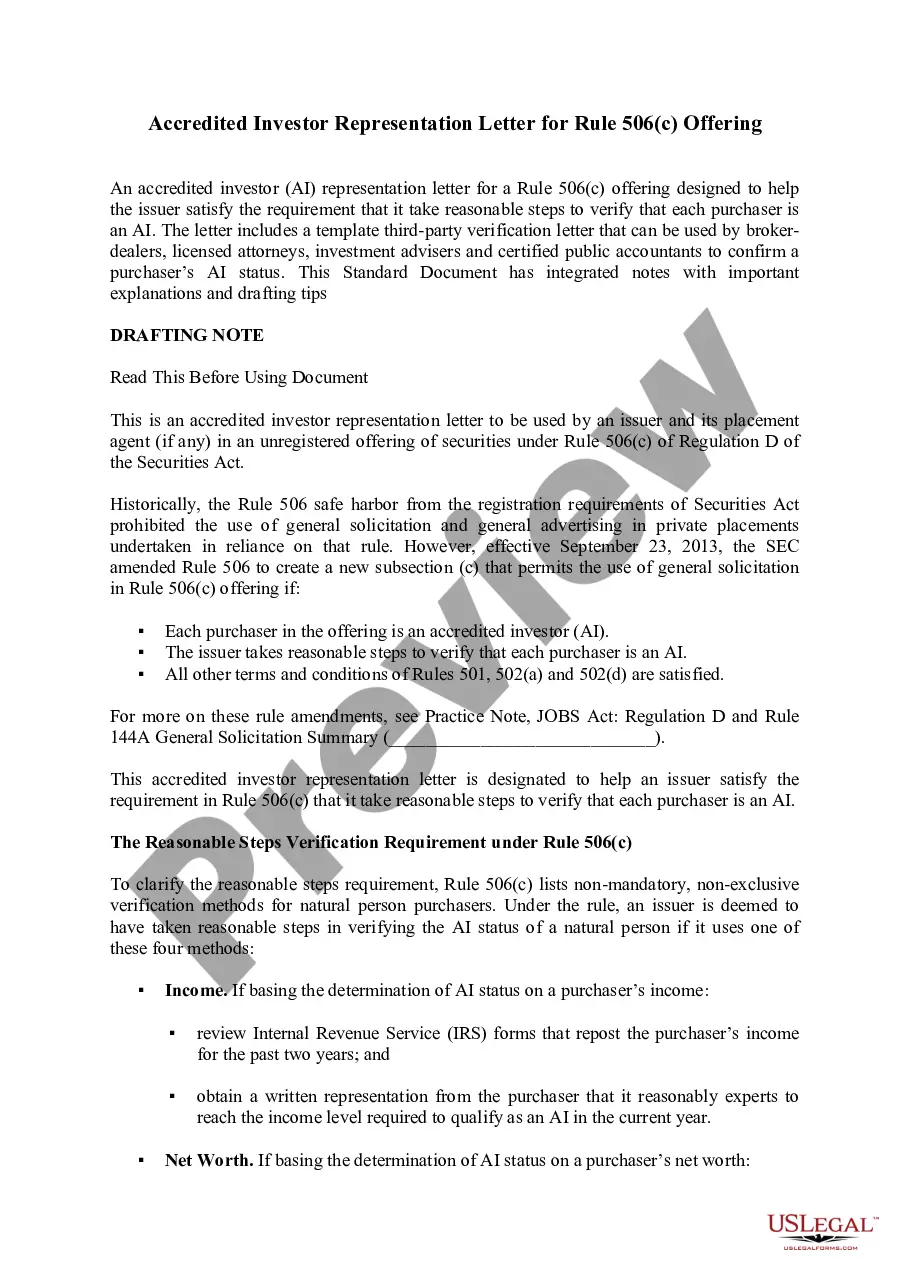
The Transferee Representation Statement is a legal document used in corporate and business transactions to outline the representations made by a transferee related to the resale of company securities. This form is essential for maintaining compliance with exemption requirements under the Securities Act during the resale process, differentiating it from other securities forms that may not specifically address private placements or resale exemptions.
Main sections of this form
- Name of the Company and Transferee
- Description of the Securities being transferred
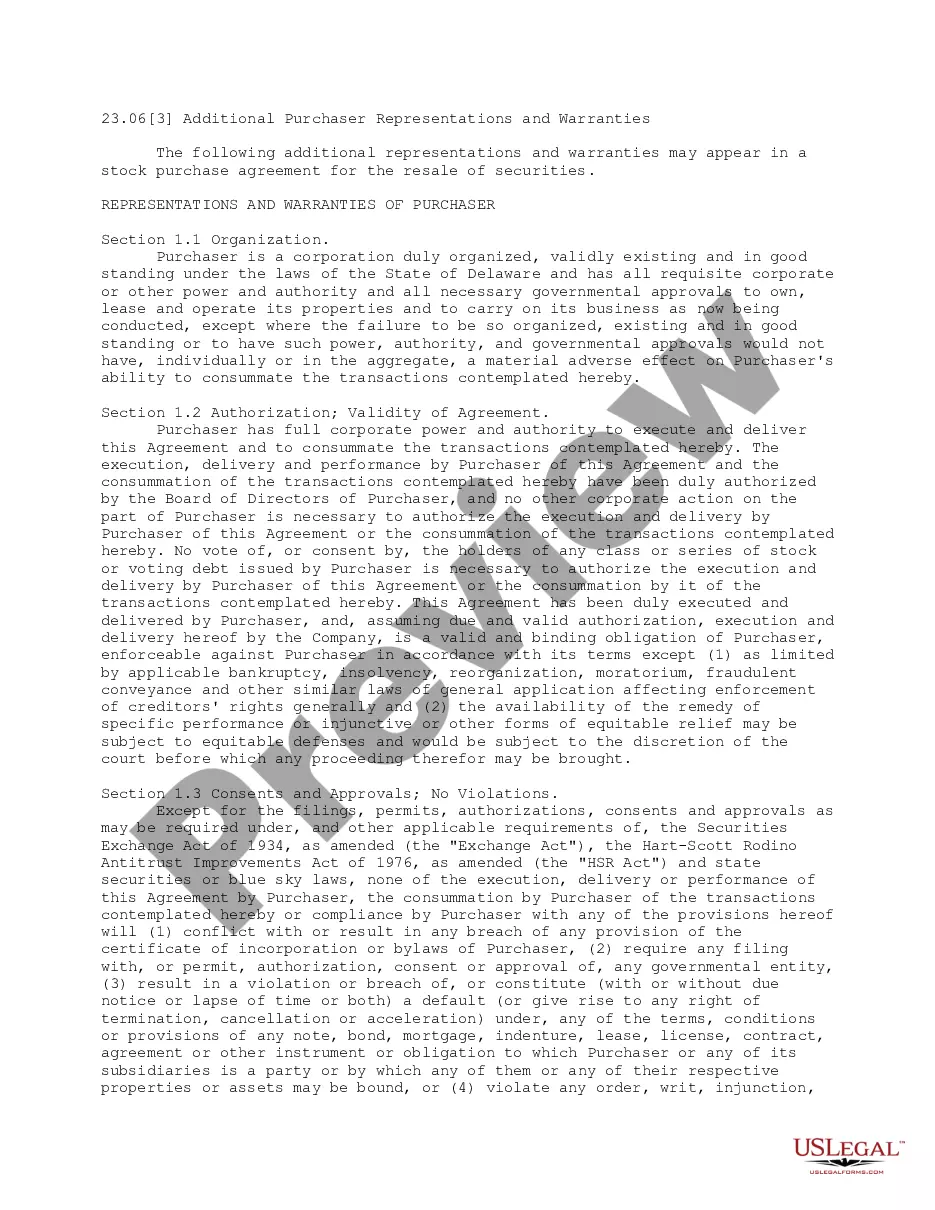
- Representations and warranties made by the transferee
- Disclosure of investment experience and intent
- Acknowledgment of risks and lack of registration
- Signature and date section for the transferee
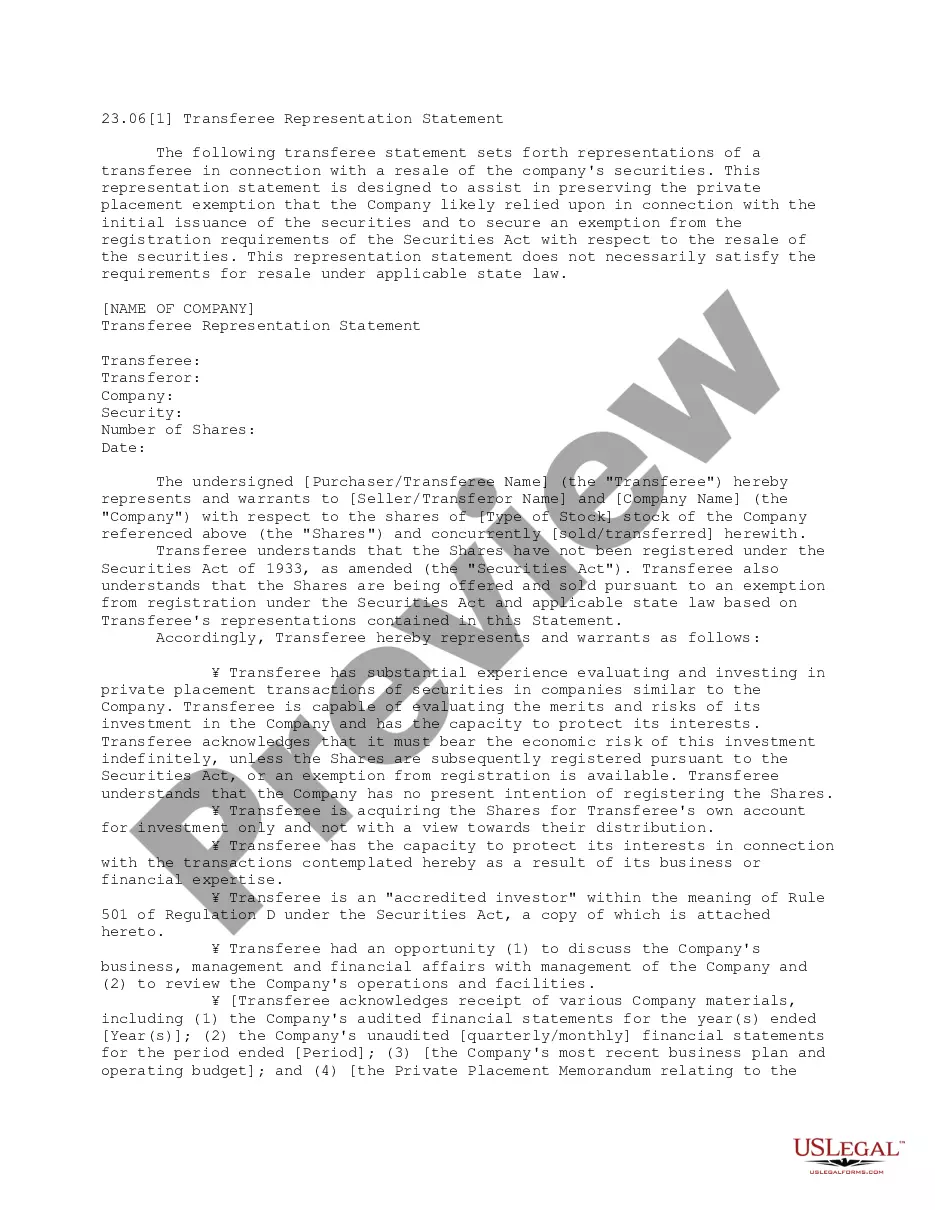
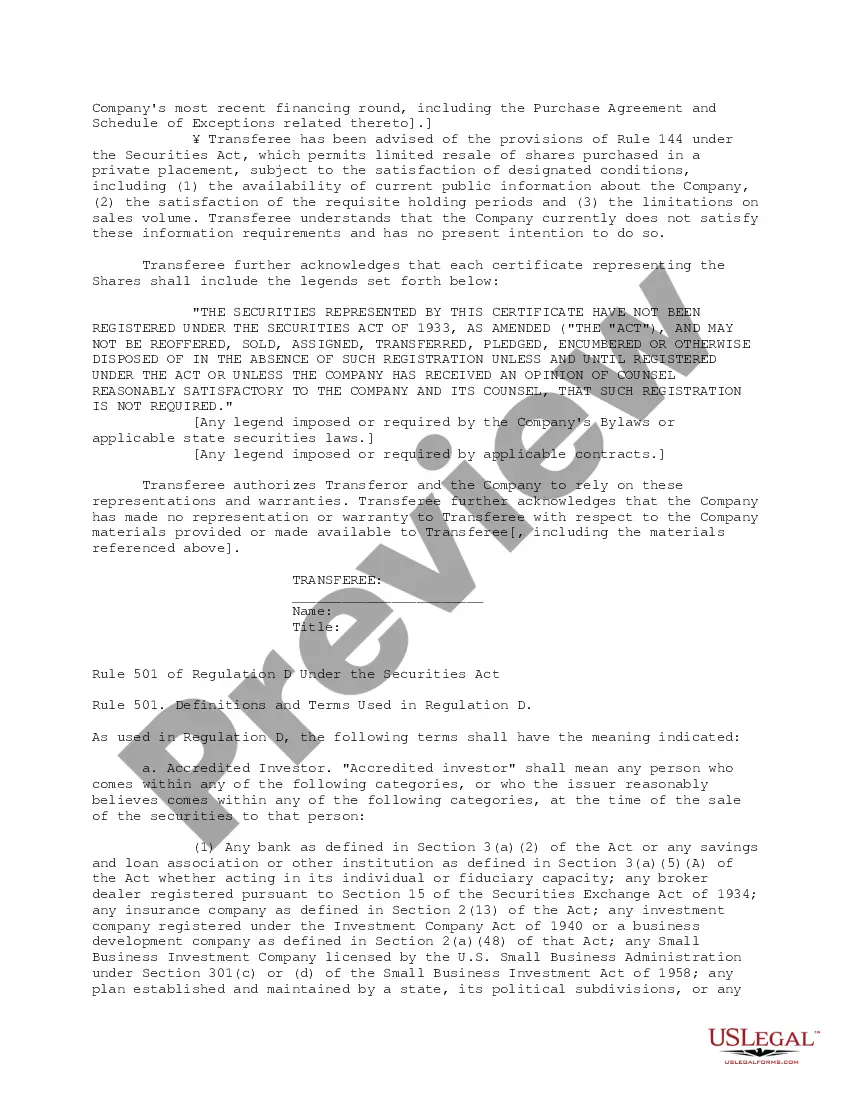
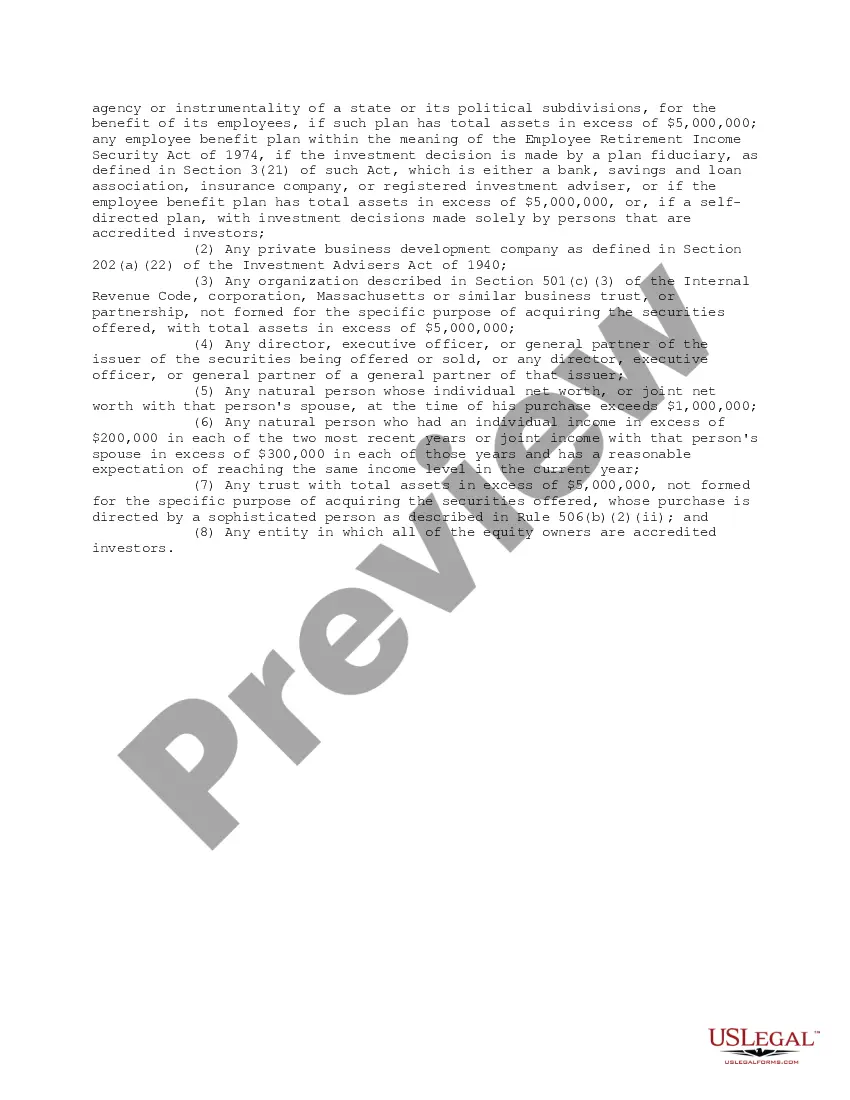
When to use this document
This form should be used when a transferee is acquiring shares from a transferor, particularly in a private placement scenario. It is applicable when the securities have not been registered under the Securities Act and where the transferee needs to affirm their understanding of the risks and compliance with laws governing private investments.
Who this form is for
- Individuals or entities acting as transferees in securities transactions
- Accredited investors as defined under federal securities law
- Transferors needing to document the representations of the transferee
- Companies issuing securities in a private placement
Completing this form step by step
- Identify and enter the names of the transferee, transferor, and company involved in the transaction.
- Specify the type of security being transferred and the number of shares.
- Fill in the date of the transfer.
- Read and acknowledge the representations and warranties to confirm understanding of the risks and investment intent.
- Sign and date the form to validate the representations made.
Does this document require notarization?
Notarization is generally not required for this form. However, certain states or situations might demand it. You can complete notarization online through US Legal Forms, powered by Notarize, using a verified video call available anytime.
Get your form ready online
Our built-in tools help you complete, sign, share, and store your documents in one place.
Make edits, fill in missing information, and update formatting in US Legal Forms—just like you would in MS Word.
Download a copy, print it, send it by email, or mail it via USPS—whatever works best for your next step.
Sign and collect signatures with our SignNow integration. Send to multiple recipients, set reminders, and more. Go Premium to unlock E-Sign.
If this form requires notarization, complete it online through a secure video call—no need to meet a notary in person or wait for an appointment.
We protect your documents and personal data by following strict security and privacy standards.

Make edits, fill in missing information, and update formatting in US Legal Forms—just like you would in MS Word.

Download a copy, print it, send it by email, or mail it via USPS—whatever works best for your next step.

Sign and collect signatures with our SignNow integration. Send to multiple recipients, set reminders, and more. Go Premium to unlock E-Sign.

If this form requires notarization, complete it online through a secure video call—no need to meet a notary in person or wait for an appointment.

We protect your documents and personal data by following strict security and privacy standards.
Common mistakes to avoid
- Failing to accurately describe the security and number of shares involved.
- Omitting necessary personal or business information in the representations section.
- Not confirming the accredited investor status before completion.
- Neglecting to keep a copy of the signed form for personal records.
Benefits of completing this form online
- Convenient access to a tailored Transferee Representation Statement anytime.
- Edit the document easily to fit your specific situation before printing.
- Reliable templates drafted by licensed attorneys, ensuring legal compliance.
Looking for another form?
Form popularity
FAQ
Covenants have been distinguished from representations because they are promises of performance in the future, in contrast to statements of the existence of a past or present fact.
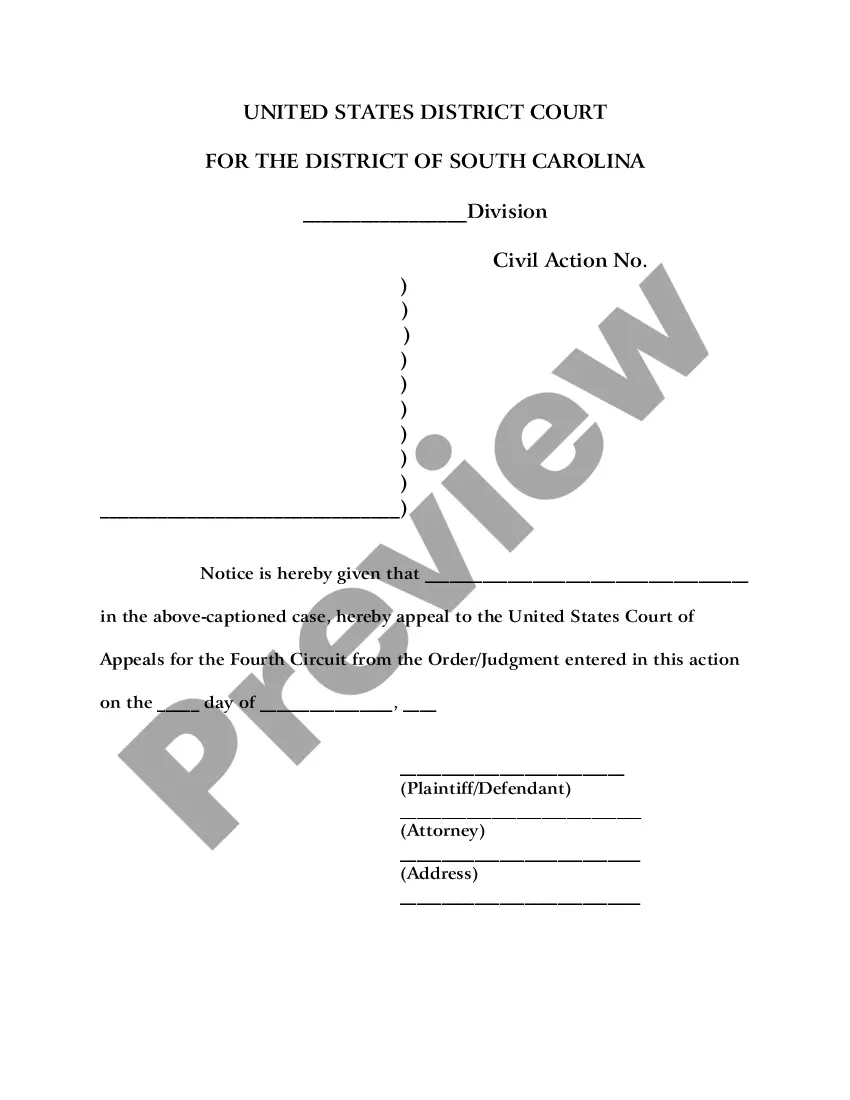
Use Form 1 to appeal a District Court judgment or order. Use Form 2 to appeal a Tax Court decision. Use Form 3 to ask the Court to review an Agency, Board, Commission, or Officer order (this includes a decision from the Board of Immigration Appeals). Use Form 5 to appeal a Bankruptcy Appellate Panel judgment or order.
Related Content. A statement, which relates to a matter of fact or present intention, made during contractual negotiations, which the parties do not ordinarily intend will become a contractual term, but which may induce another party to enter into a contract.
Use Form 1 to appeal a District Court judgment or order. Use Form 2 to appeal a Tax Court decision. Use Form 3 to ask the Court to review an Agency, Board, Commission, or Officer order (this includes a decision from the Board of Immigration Appeals). Use Form 5 to appeal a Bankruptcy Appellate Panel judgment or order.
1) The act of representing -- for example, by serving as agent for another or acting as an attorney for a client. 2) A statement of alleged fact either in negotiations or in court. 3) A process by which an heir inherits in place of a predecessor, called right of representation.
How long does it take from the time of the notice of appeal until oral argument? For a civil appeal, approximately 12-20 months from the notice of appeal date. If briefing isn't delayed, approximately 9-12 months from completion of briefing. For a criminal appeal, approximately 4-5 months after briefing is complete.
Like a representation, a warranty usually includes a statement of fact, but it goes a step further by guaranteeing that the statement is true. Therefore, unlike representations, which are based upon past and present facts, a warranty may include a guaranty that the facts won't change.
A representation is a statement of past or present fact (either express or implied) made by one party to induce the other party to enter into the agreement.
Timing can vary depending on the case and the panel, but the average time from argument to decision at the Federal Circuit for precedential patent cases is about three to four months.