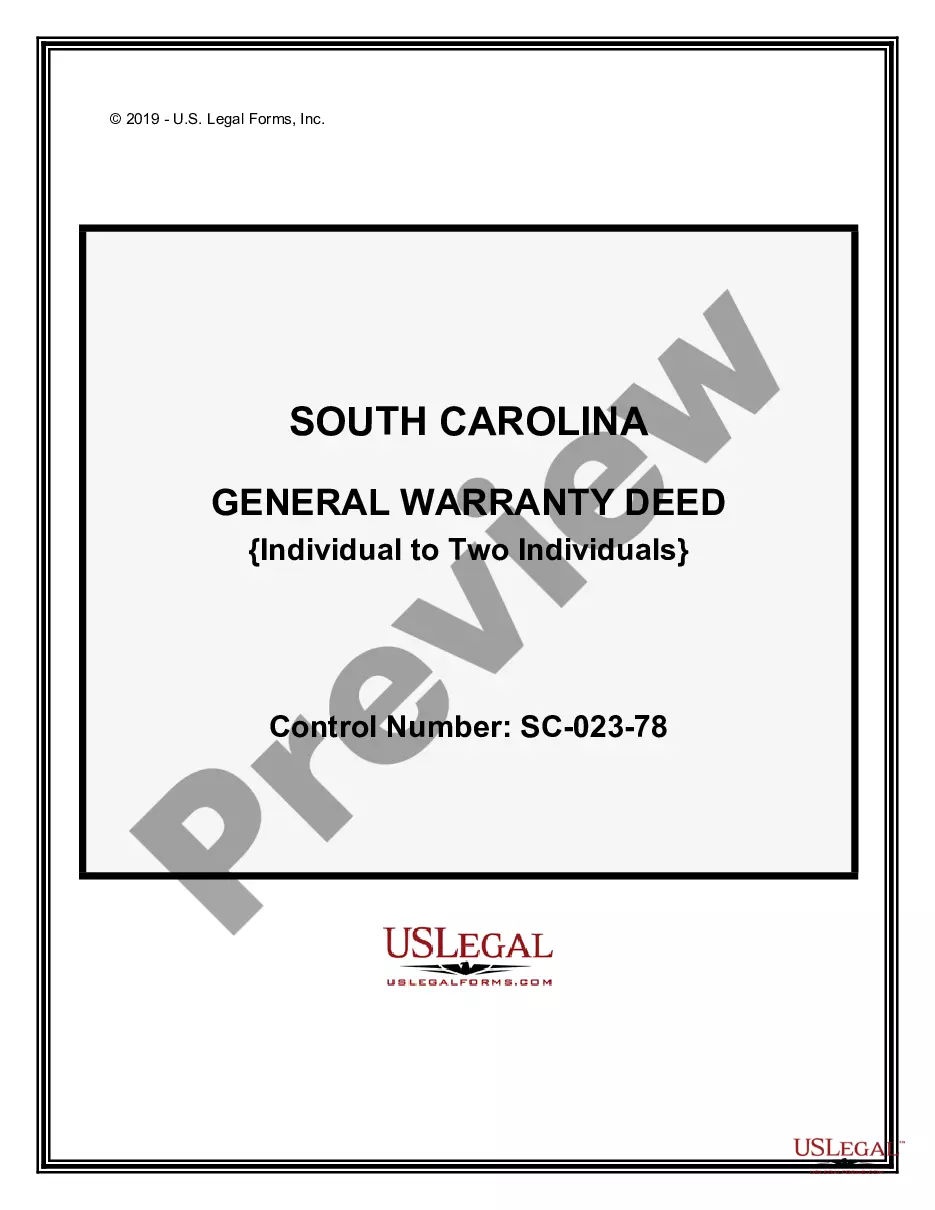
South Carolina General Warranty Deed - One Individual to Two Individuals
Overview of this form
The General Warranty Deed - One Individual to Two Individuals is a legal document used to transfer ownership of property from one individual (the grantor) to two individuals (the grantees). This deed guarantees that the grantor holds clear title to the property and is authorized to transfer it, ensuring the grantees receive full ownership rights. This form distinguishes itself from other deeds by including warranty covenants, making it a secure choice for real estate transactions.
Form components explained
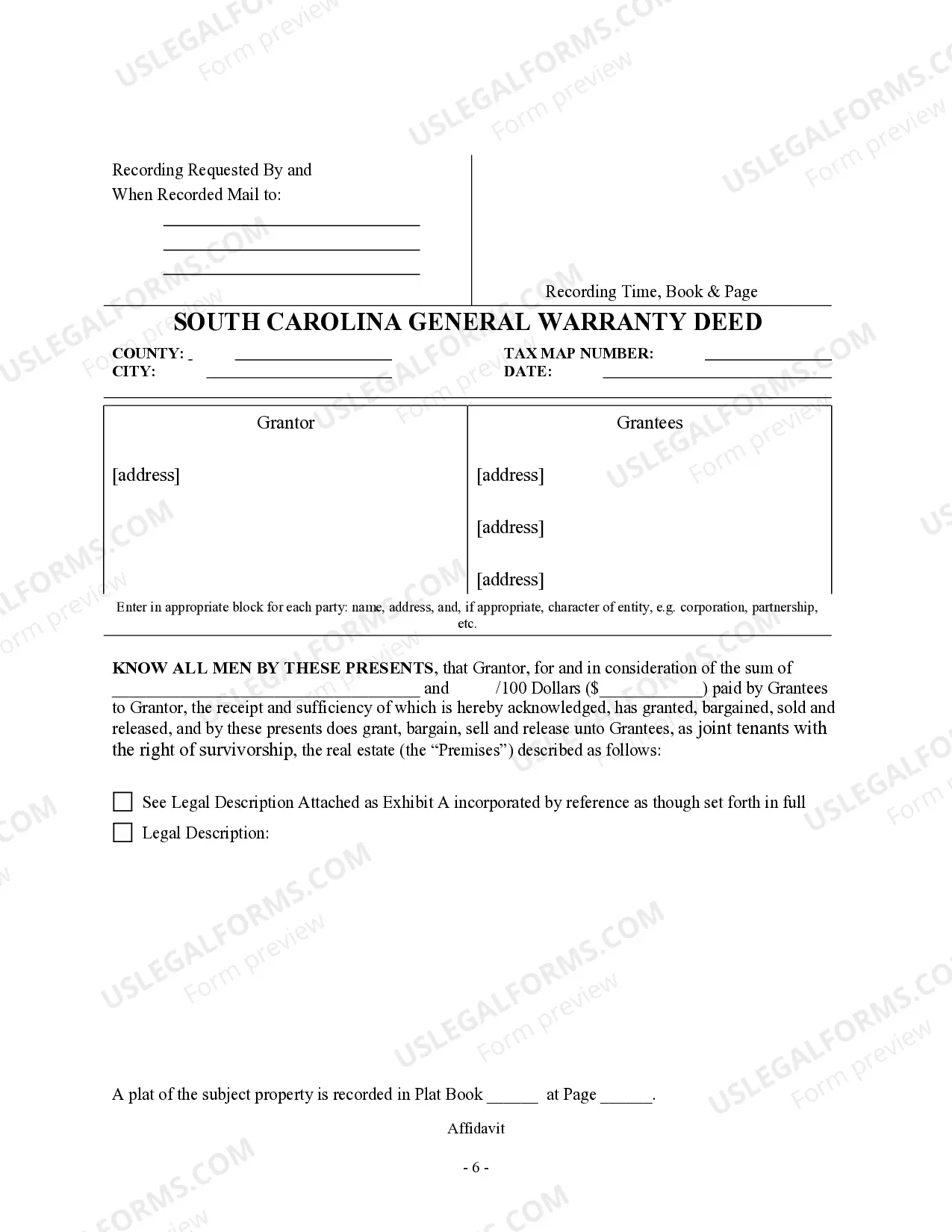
- Identification of the grantor and grantees.
- Legal description of the property being transferred.
- Covenants and warranties regarding title validity.
- Conditions for tenancy, either as tenants in common or joint tenants with rights of survivorship.
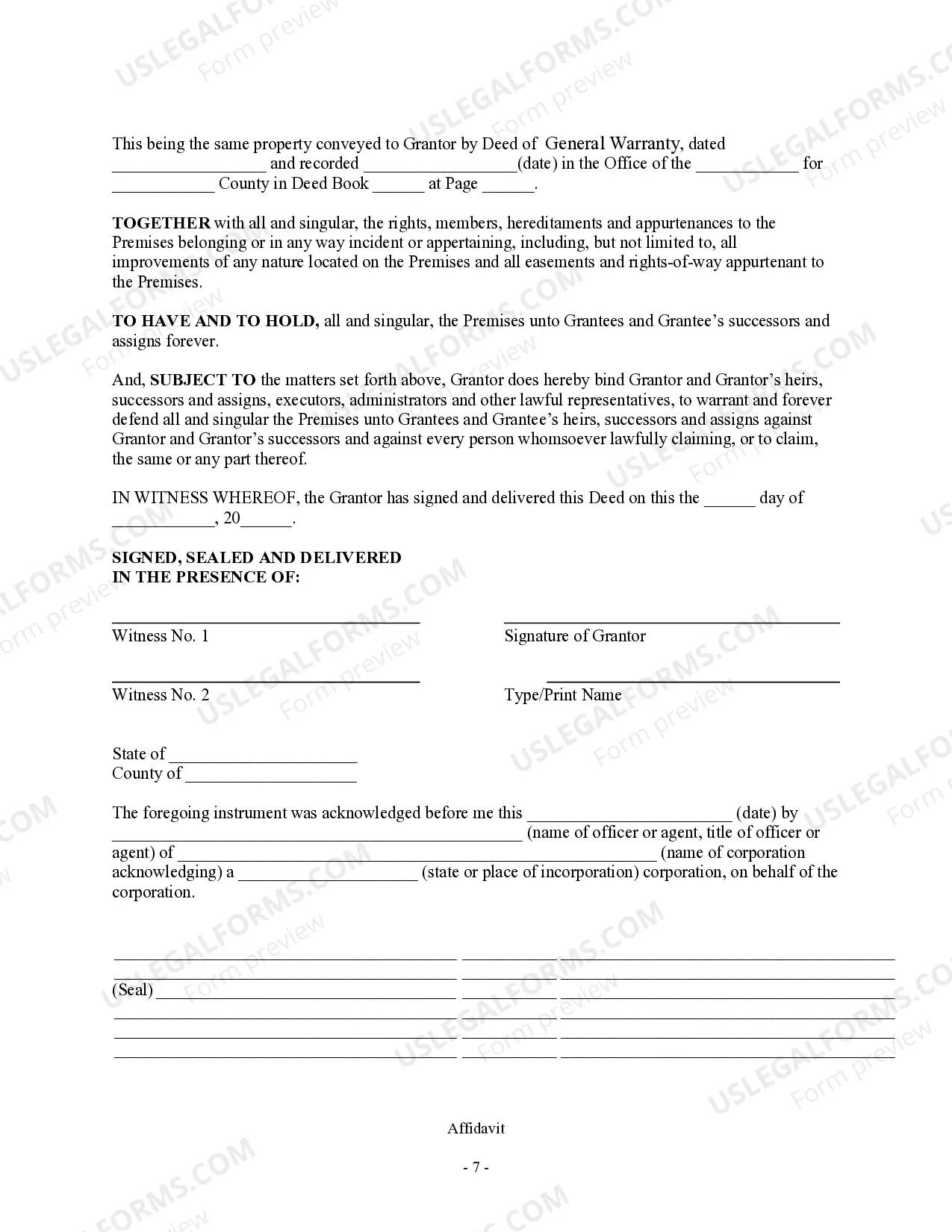
- Signature requirements, including notarization and witnesses.






Situations where this form applies
This form is typically used in situations such as transferring real estate ownership between family members, co-owners purchasing property together, or when one individual seeks to convey property to another individual. It's ideal when the grantor wants to offer assurances about the title's validity and provide the grantees with certain rights of ownership.
Who should use this form
- Individuals transferring property to two other individuals.
- Homeowners who want to ensure that the conveyance includes warranties about the title.
- Real estate agents or attorneys representing clients in property transactions.
How to complete this form
- Identify the parties involved: the grantor and the two grantees.
- Provide a clear legal description of the property being transferred.
- Determine if the grantees will hold the property as tenants in common or joint tenants with rights of survivorship.
- Sign the deed with original signatures and obtain necessary witness signatures.
- Include notarization if required by local law and file the deed with the local Register of Deeds.
Notarization requirements for this form
Yes, this form must be notarized to be legally valid. Notarization serves to verify the authenticity of the signatures on the document. US Legal Forms offers online notarization services available twenty-four-seven, allowing you to securely complete this process via video call without any need for travel.
Get your form ready online
Our built-in tools help you complete, sign, share, and store your documents in one place.
Make edits, fill in missing information, and update formatting in US Legal Forms—just like you would in MS Word.
Download a copy, print it, send it by email, or mail it via USPS—whatever works best for your next step.
Sign and collect signatures with our SignNow integration. Send to multiple recipients, set reminders, and more. Go Premium to unlock E-Sign.
If this form requires notarization, complete it online through a secure video call—no need to meet a notary in person or wait for an appointment.
We protect your documents and personal data by following strict security and privacy standards.

Make edits, fill in missing information, and update formatting in US Legal Forms—just like you would in MS Word.

Download a copy, print it, send it by email, or mail it via USPS—whatever works best for your next step.

Sign and collect signatures with our SignNow integration. Send to multiple recipients, set reminders, and more. Go Premium to unlock E-Sign.

If this form requires notarization, complete it online through a secure video call—no need to meet a notary in person or wait for an appointment.

We protect your documents and personal data by following strict security and privacy standards.
Mistakes to watch out for
- Not including a complete legal description of the property.
- Failing to obtain the required number of witness signatures.
- Using incorrect names or misspelling the names of the parties involved.
- Not notarizing the document when required.
Benefits of completing this form online
- Convenient access to legal documents that can be downloaded and filled out at your convenience.
- Editability allows you to customize the deed to your specific needs easily.
- Compliance with state laws reduces the risk of legal issues in property transactions.
Summary of main points
- Utilize the General Warranty Deed for transferring ownership of property to two individuals.
- Ensure all documentation includes correct signatures and a clear legal description.
- Follow local filing instructions to avoid rejection by the Register of Deeds.
- Consider using online forms for accessibility and legal accuracy.
Looking for another form?

Form popularity
FAQ
Failure to record a deed effectively makes it impossible for the public to know about the transfer of a property. That means the legal owner of the property appears to be someone other than the buyer, a situation that can generate serious ramifications.
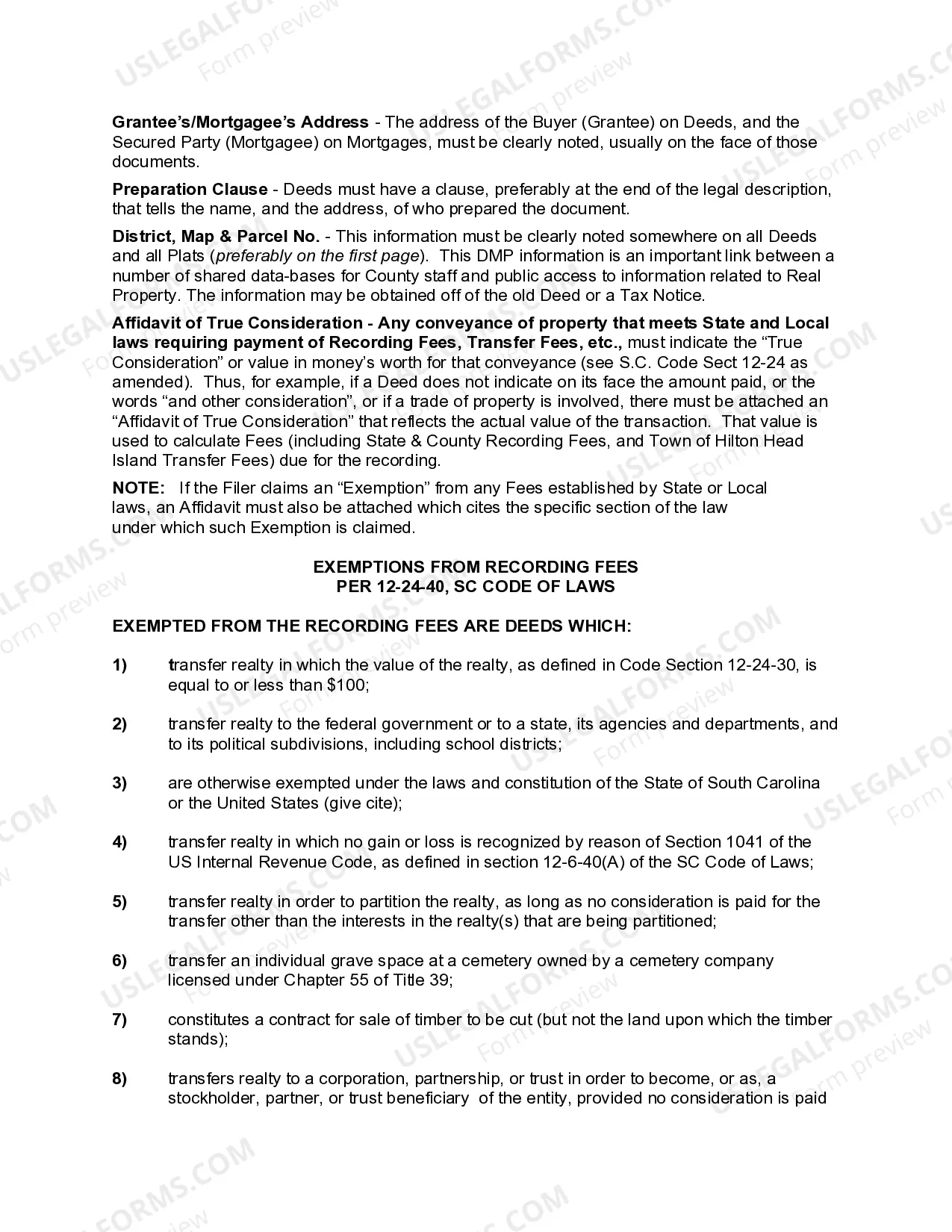
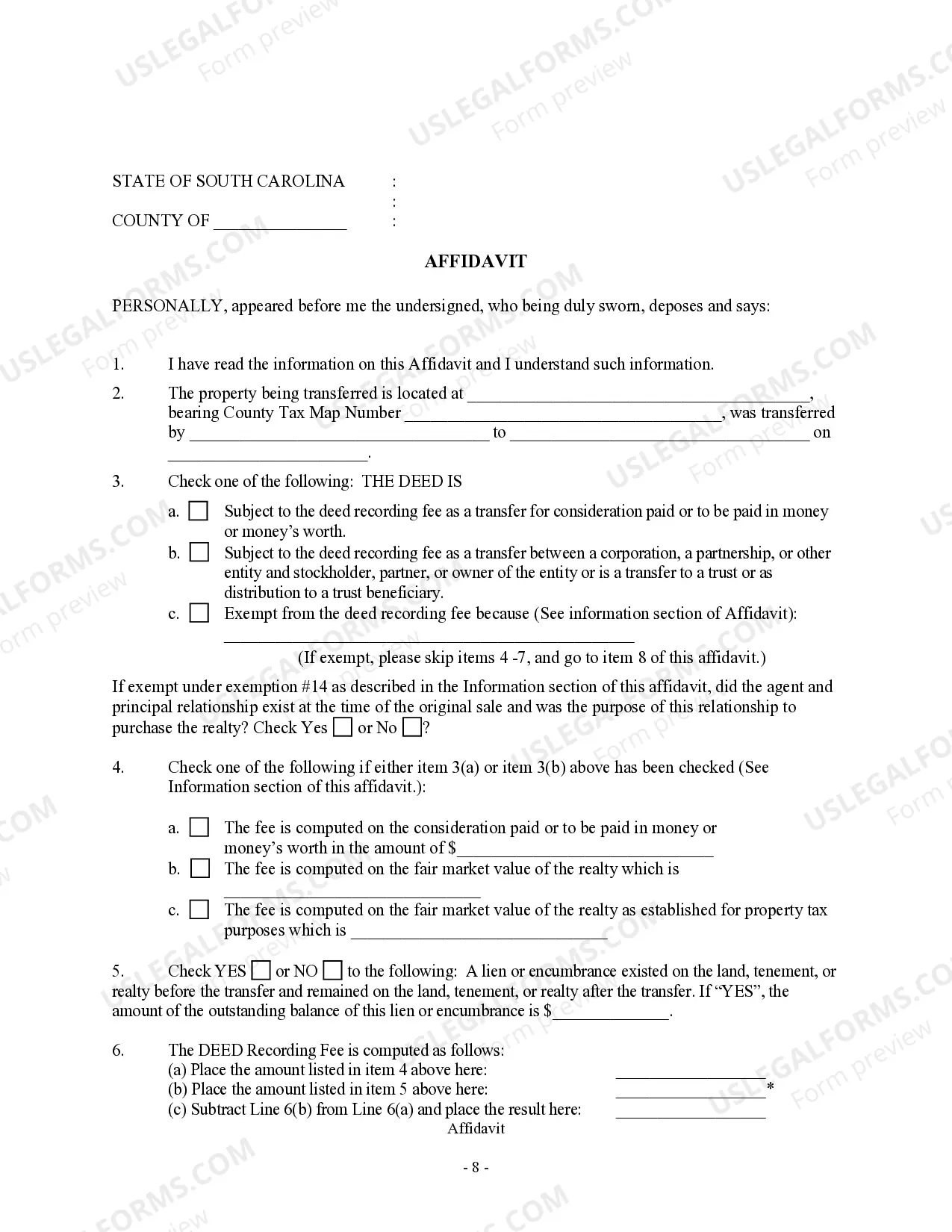
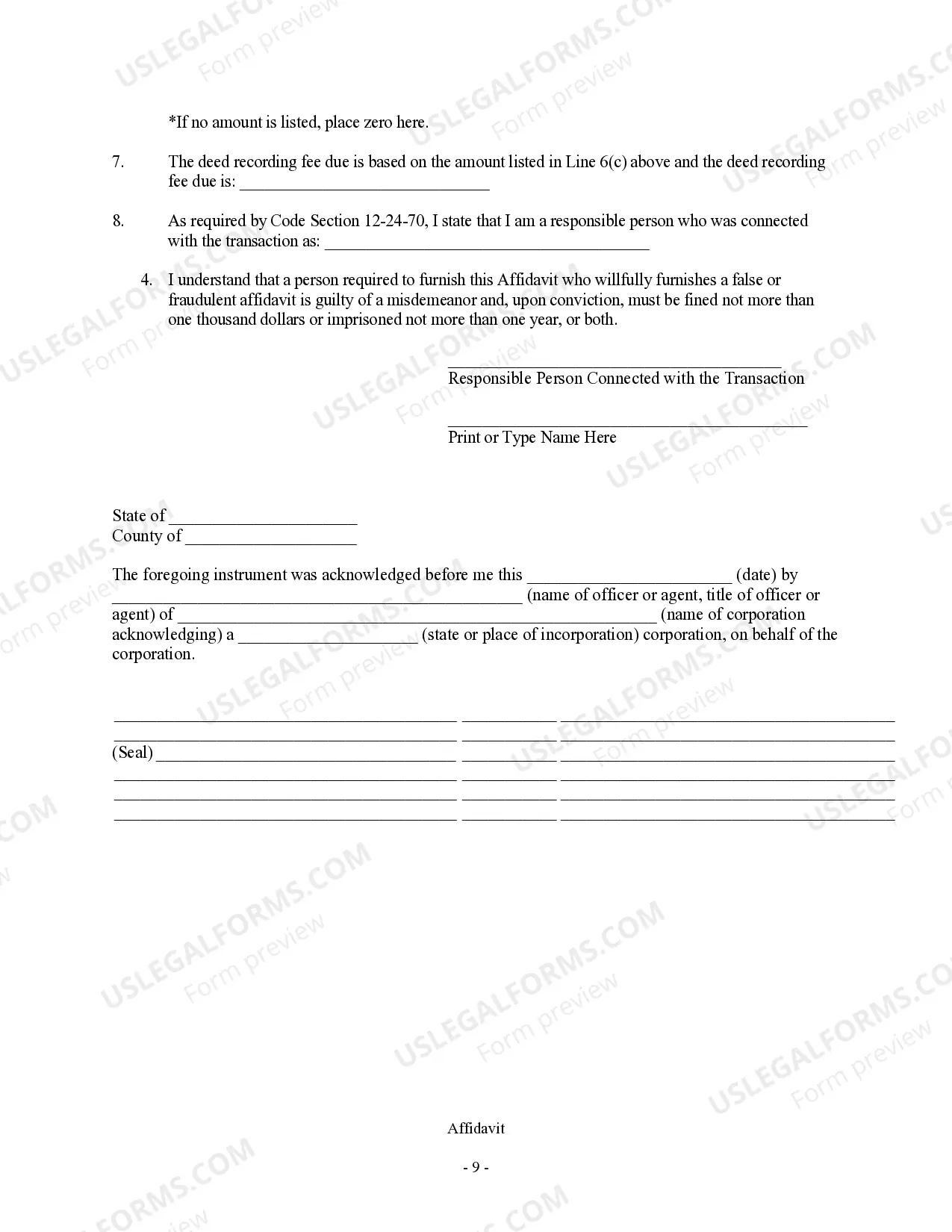
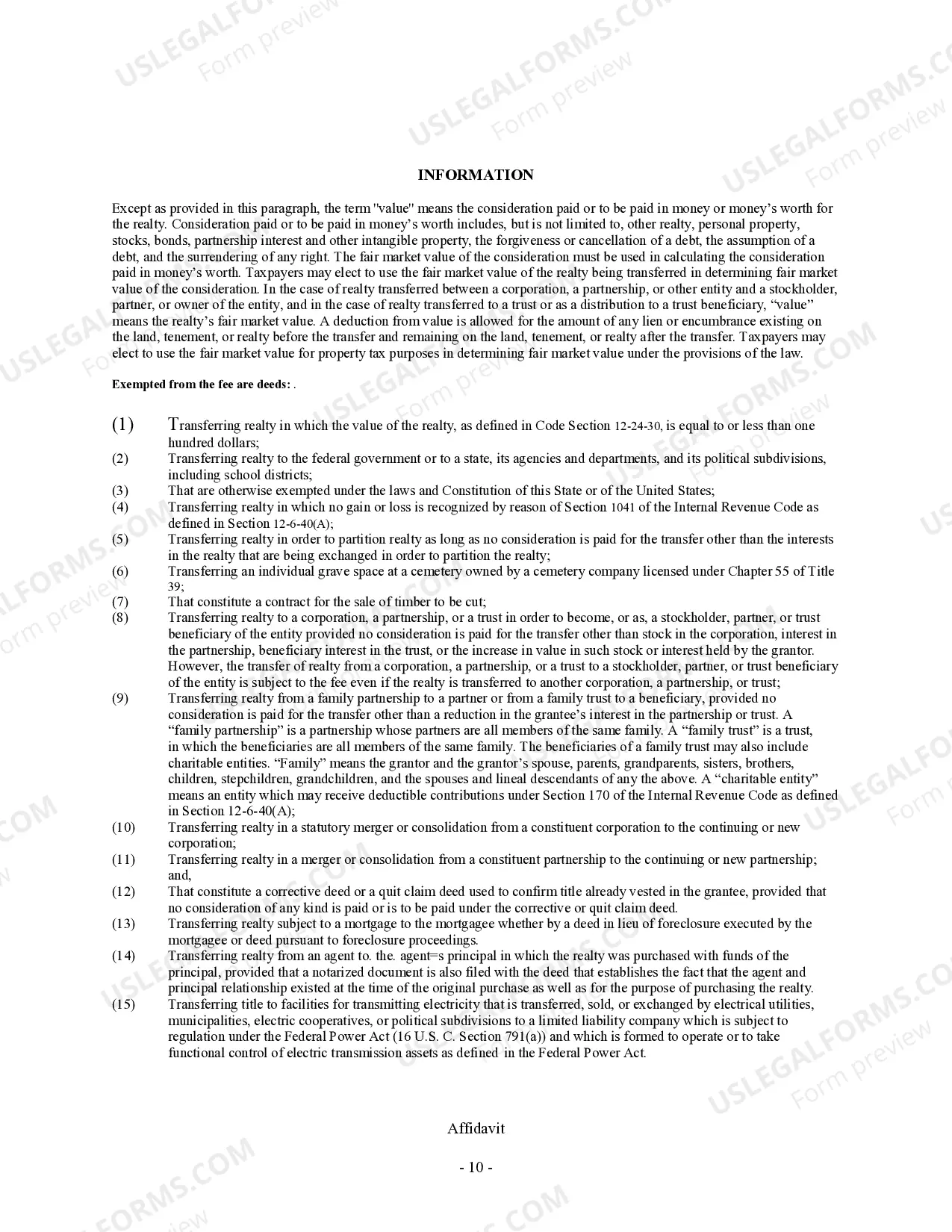
The South Carolina deed recording fee is imposed for the privilege of recording a deed, and is based on the transfer of real property from one person or business entity to another. The fee is generally imposed on the grantor of the real property, although the grantee may be secondarily liable for the fee.
The name and address of the seller (called the grantor) The name and address of the buyer (called the grantee) A legal description of the property (found on the previous deed) A statement that the grantor is transferring the property to the grantee.
To make the form legally binding, you must sign it in front of a notary public. You must then file your signed and notarized deed with the county office that's in charge of recording property documents. Once the grantee signs the warranty deed, he/she legally has ownership and claim to the property.
The requirements for a valid deed are a grantor, a grantee, a writing and subscription, delivery, and acceptance.Thus, an unrecorded deed is valid as between the parties and as to all those who have notice thereof. (Cal.
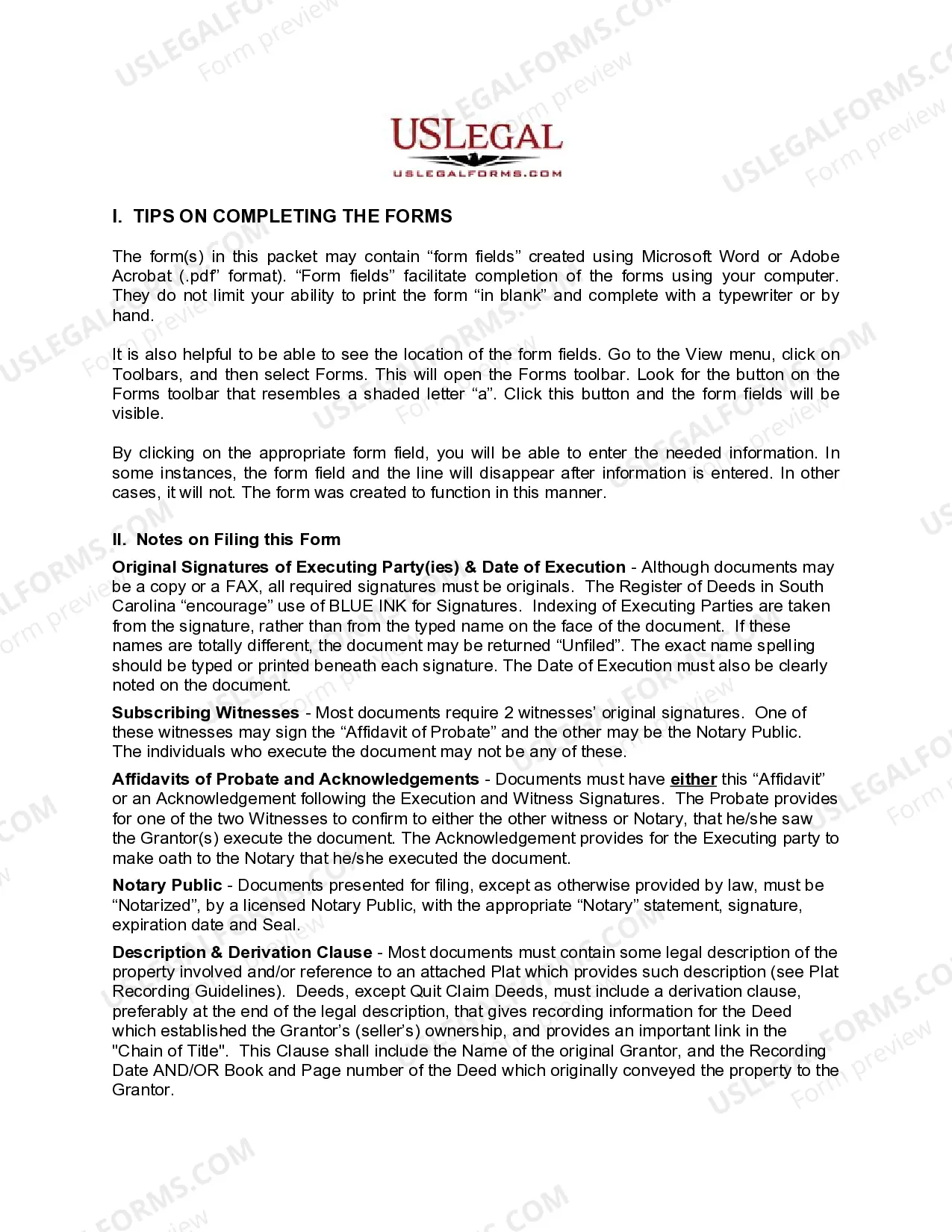
An original, wet signed document. Signature of the Party of the First Part. Two witnesses to the signature. A South Carolina Probate or Acknowledgement. A property description to include a recorded plat reference or metes and bounds description.
Adding someone to your house deed requires the filing of a legal form known as a quitclaim deed. When executed and notarized, the quitclaim deed legally overrides the current deed to your home. By filing the quitclaim deed, you can add someone to the title of your home, in effect transferring a share of ownership.
The name and address of the seller (called the grantor) The name and address of the buyer (called the grantee) A legal description of the property (found on the previous deed) A statement that the grantor is transferring the property to the grantee.
In South Carolina, the grantor must sign the deed in front of two witnesses and in the presence of an individual authorized by the state to administer an oath. Record the completed deed at the local county Recorder's office, along with an Affidavit of True Consideration (S.C. Code Ann.