Designer Agreement for Artwork
What this document covers
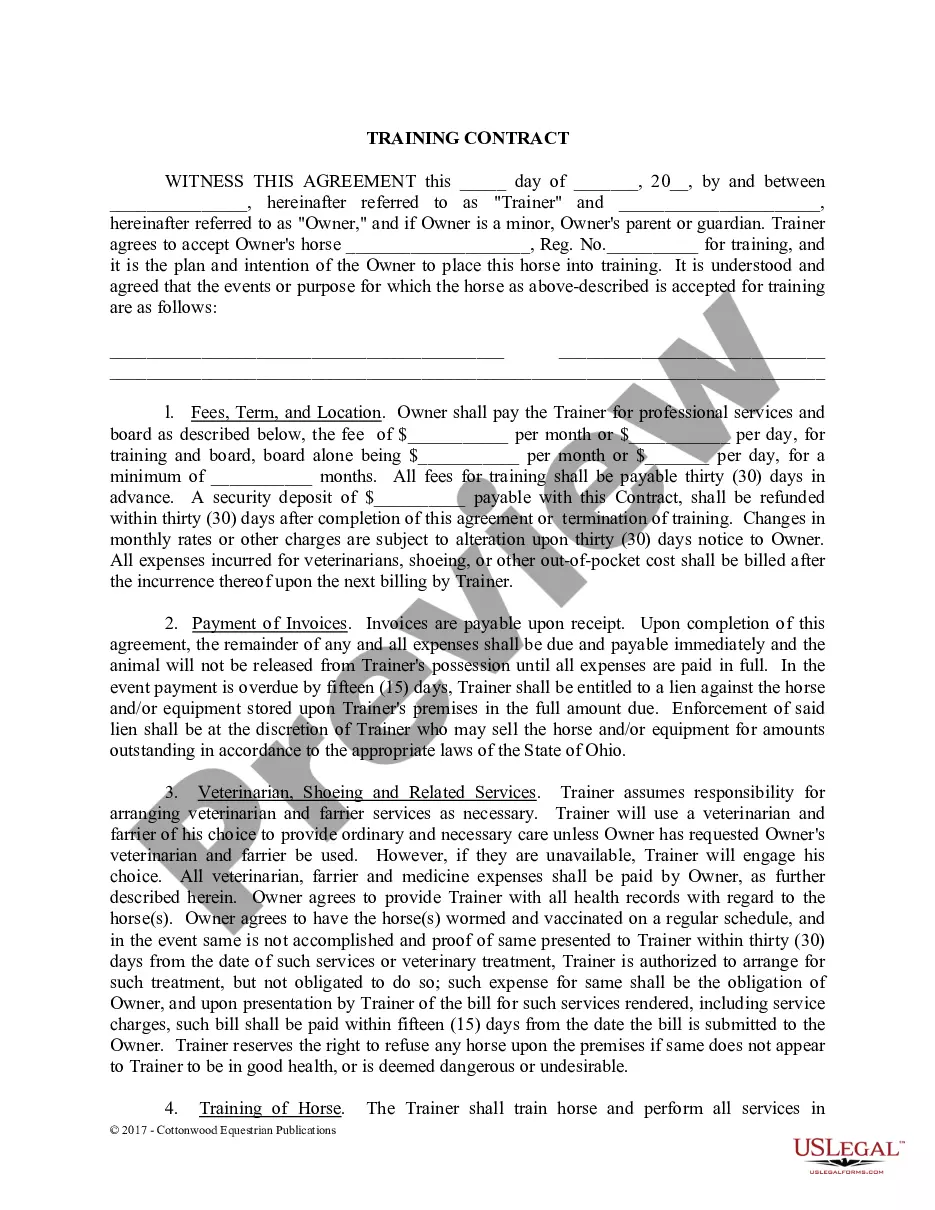
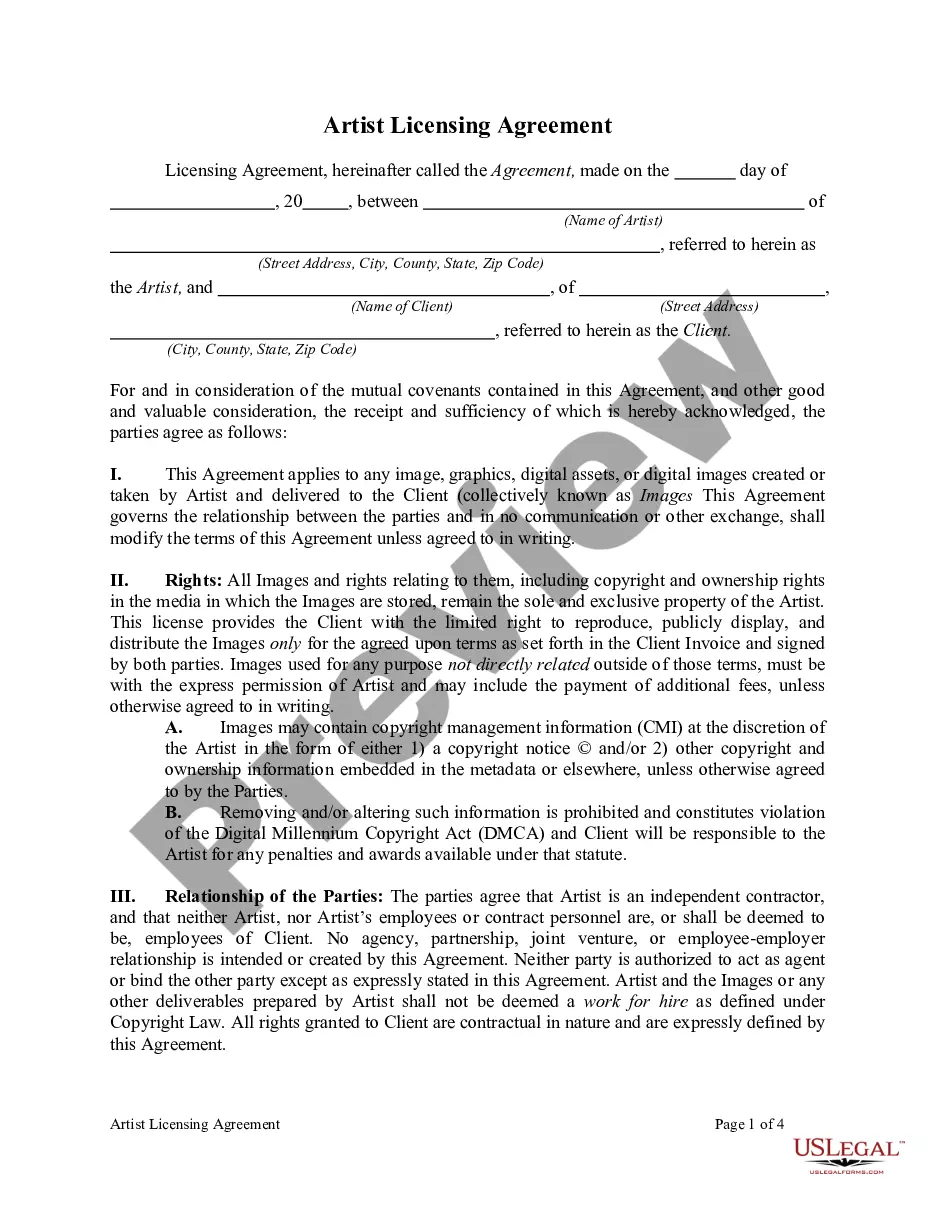
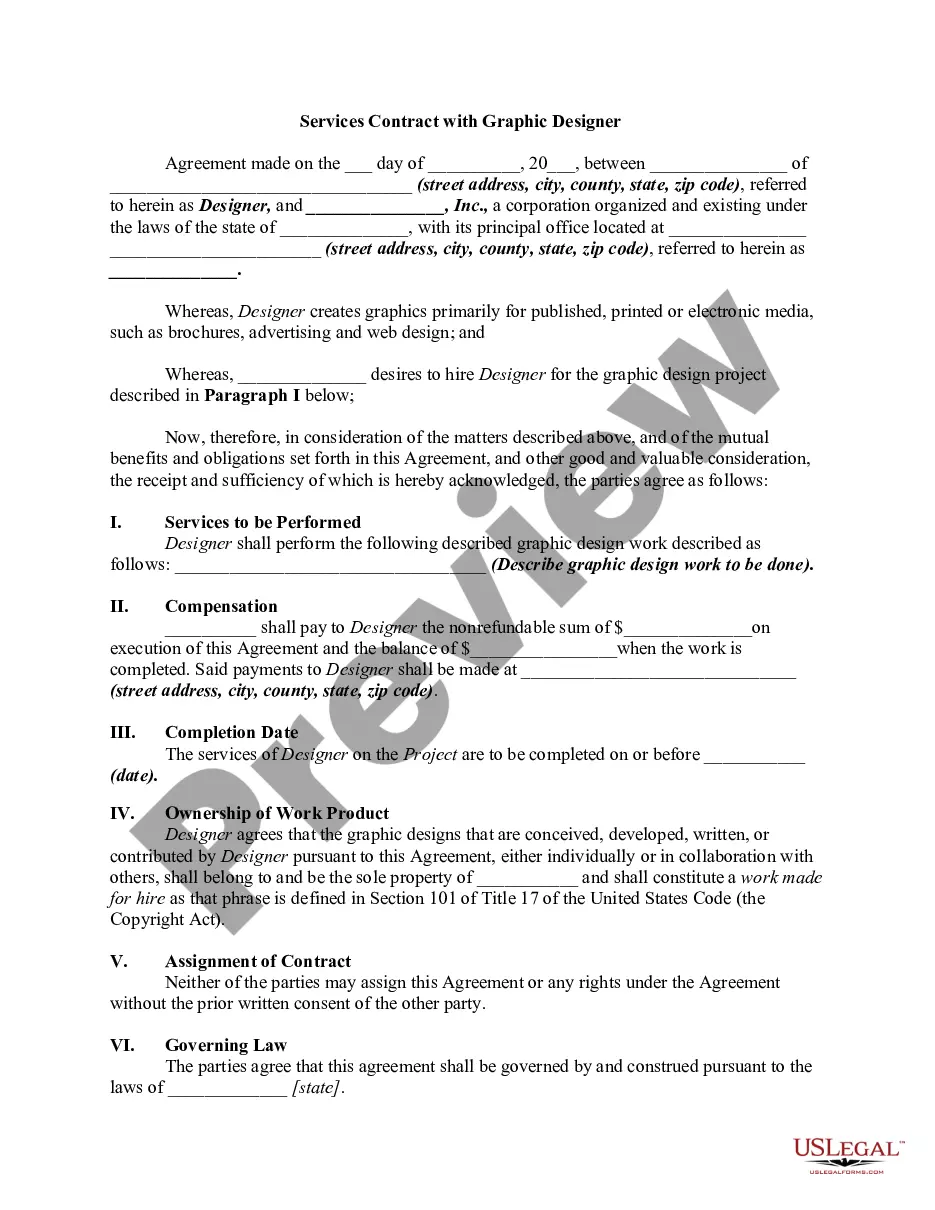
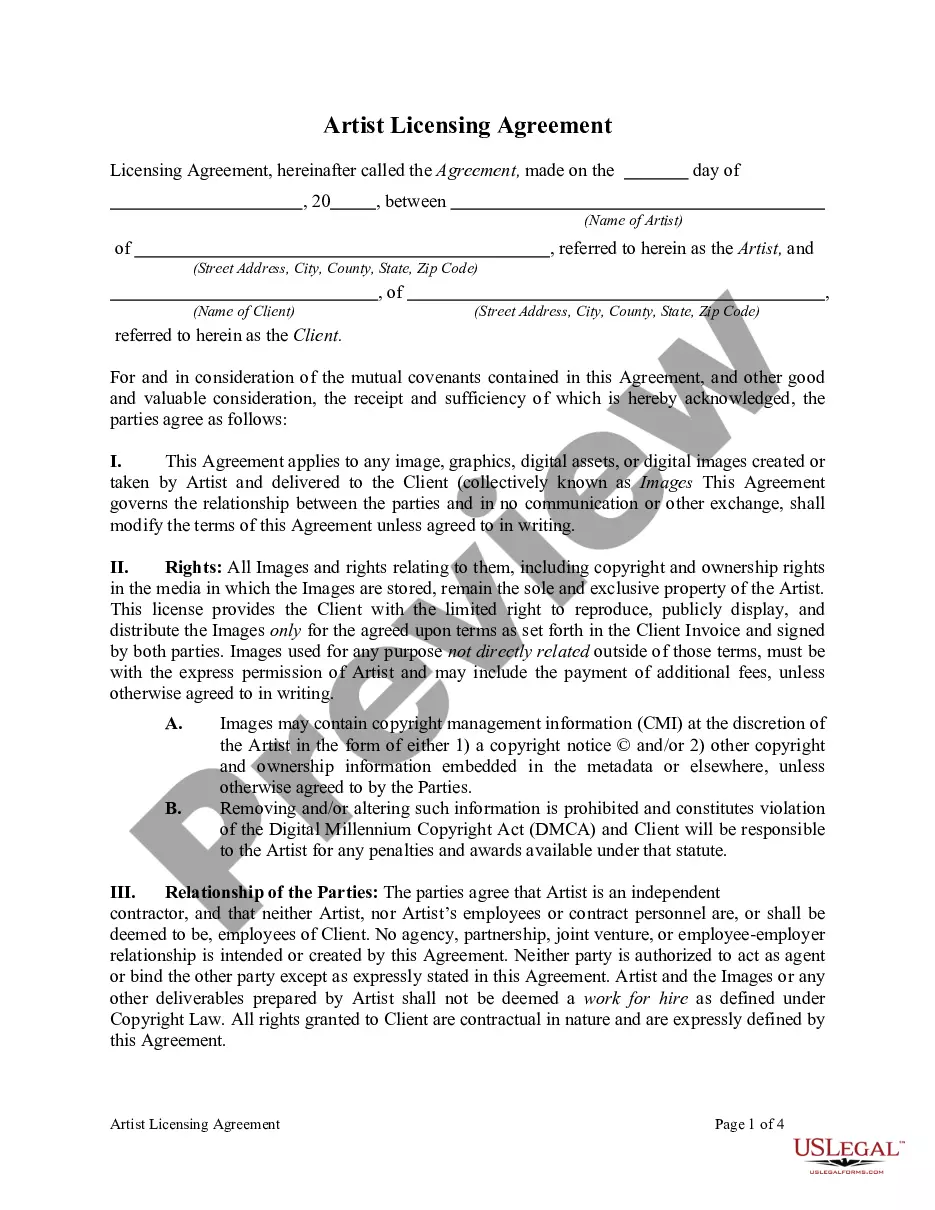
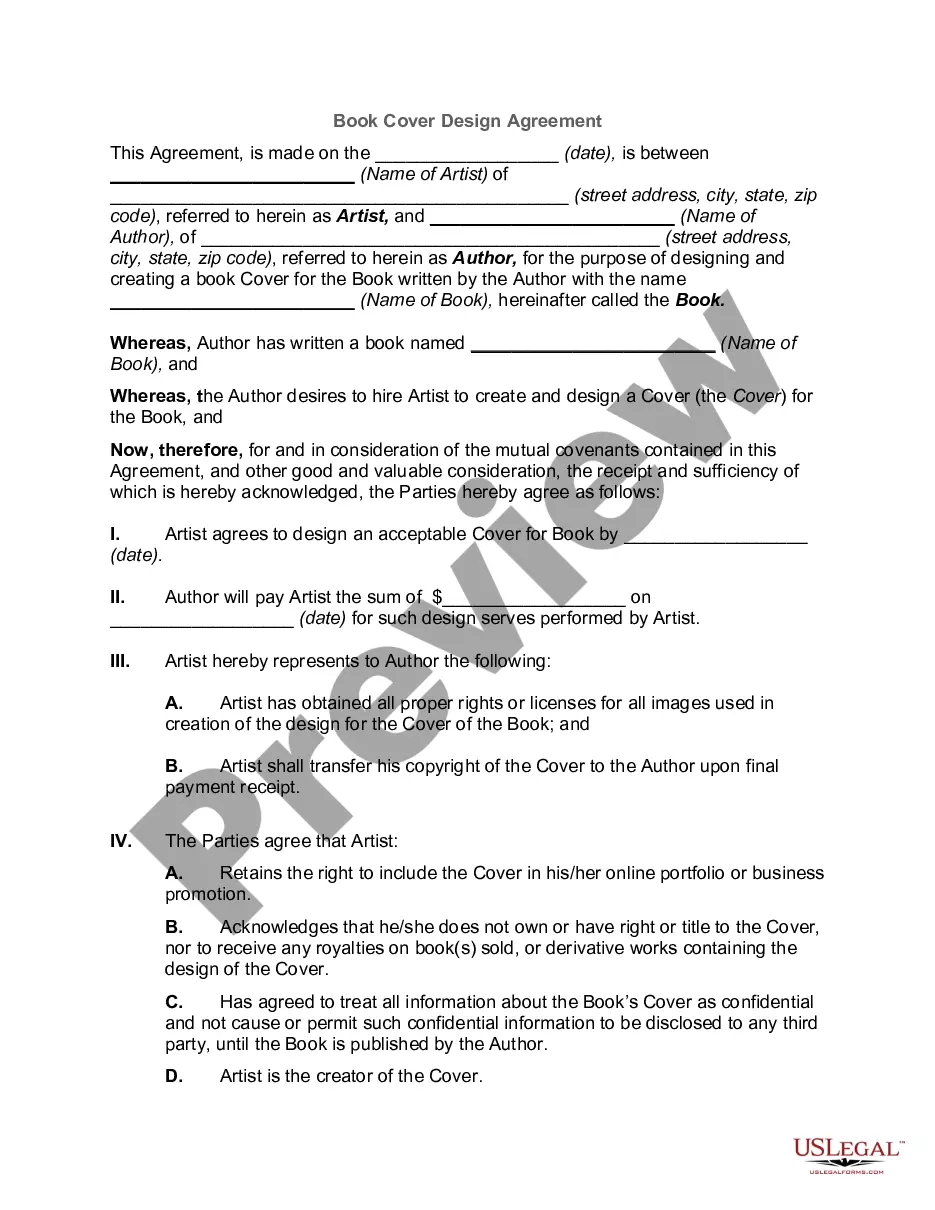
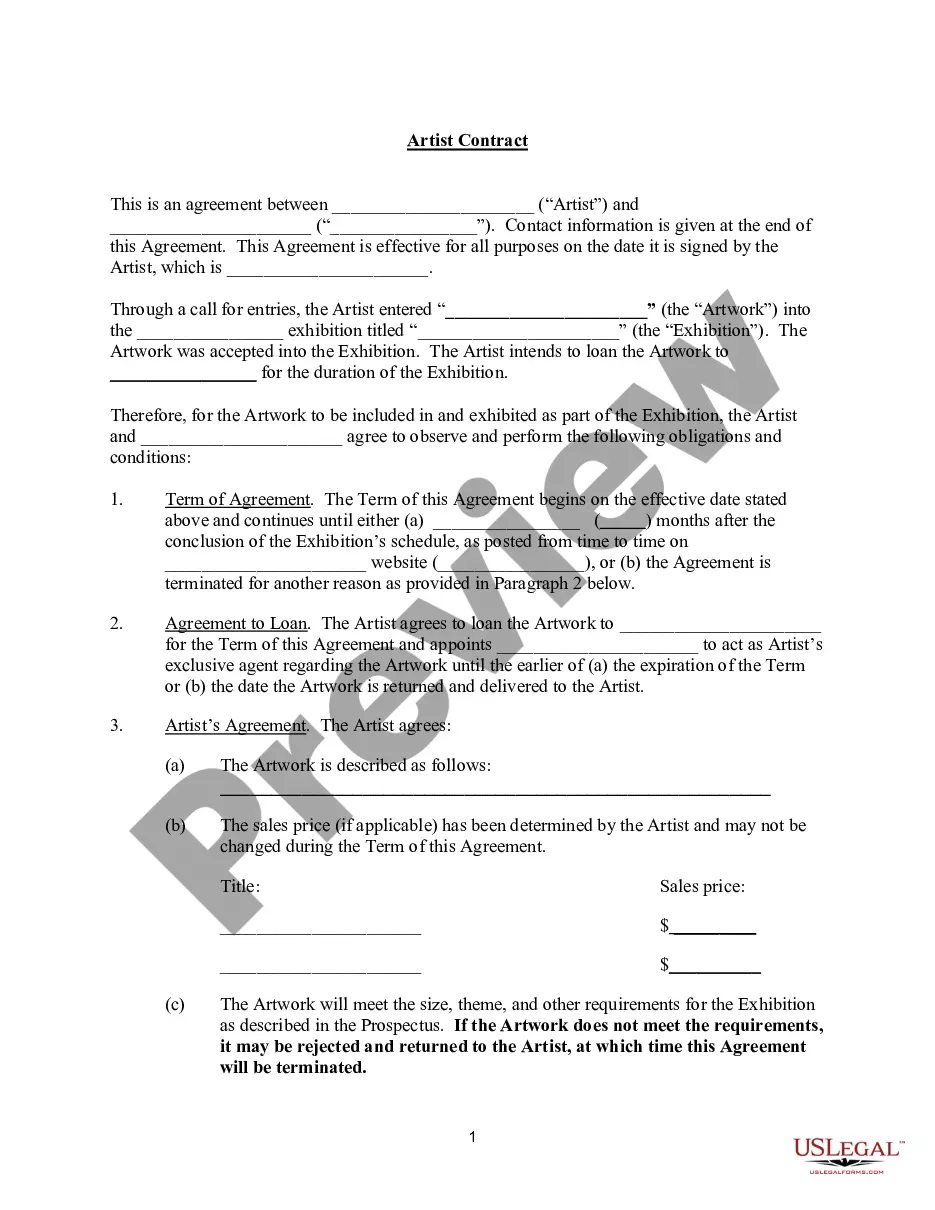
The Designer Agreement for Artwork is a legally binding contract between a designer and a company, outlining the terms for creating and owning artwork. This agreement ensures that the designer's creative contributions are adequately compensated while transferring rights of the artwork to the company. This form differs from other contracts by specifying the details of deliverables, payment structures, and ownership rights concerning artistic work.
Key parts of this document
- Parties involved: Details the designer and company, including their names and addresses.
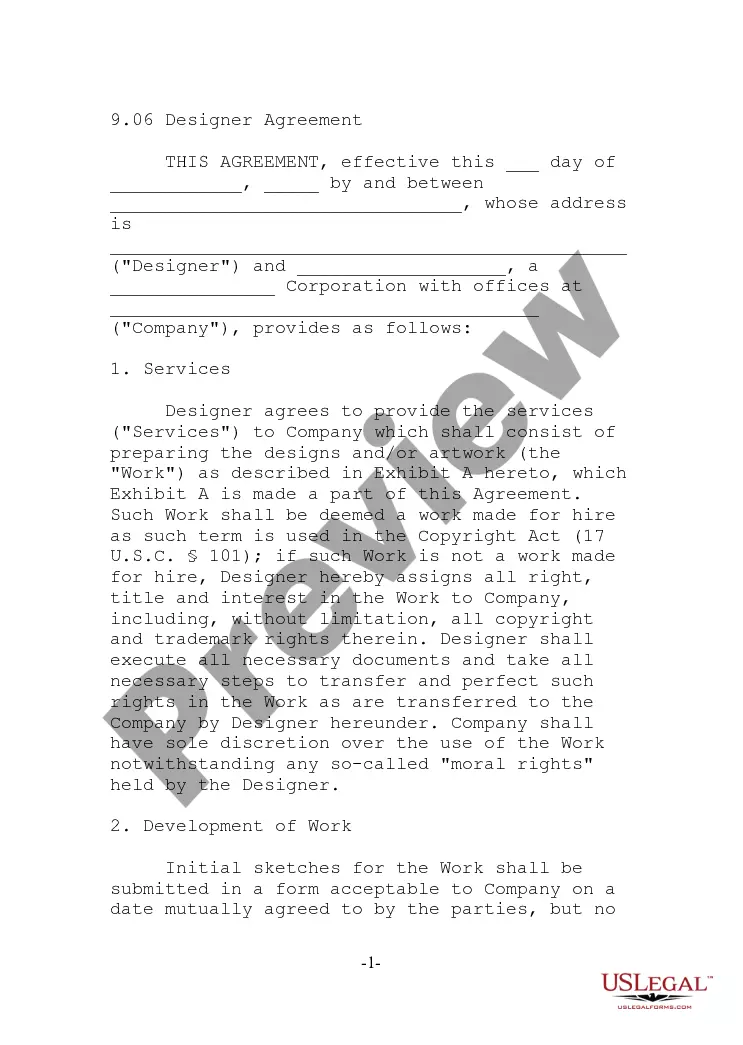
- Scope of work: Specifies the services the designer will provide and the subsequent rights assigned to the company.
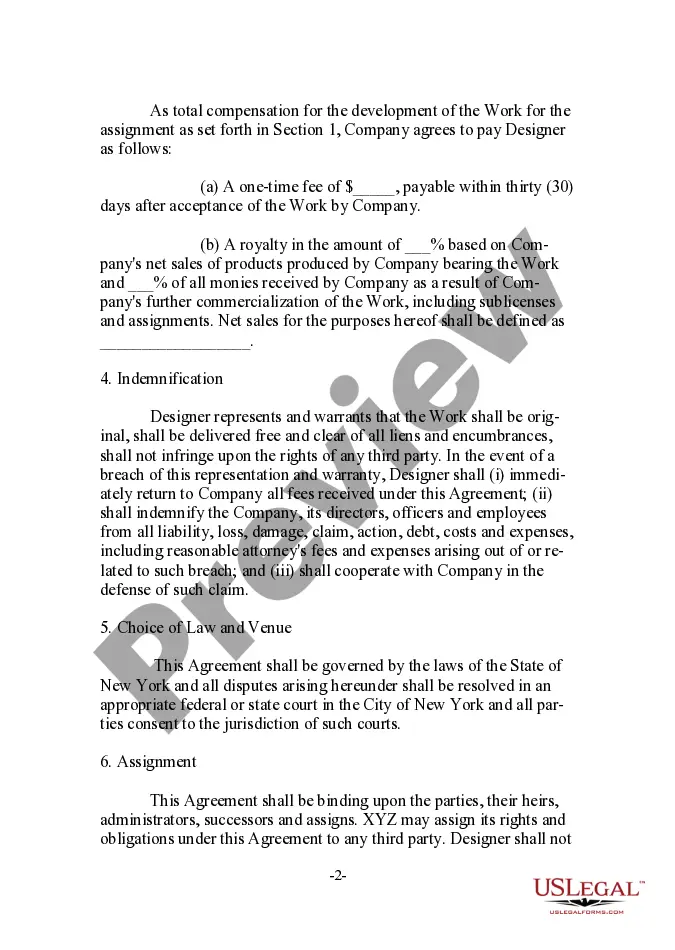
- Fees: Outlines the payment structure, including any one-time fees and royalties based on sales.
- Indemnification: Addresses the designer's responsibilities regarding original work and protection from claims.
- Governing law: Specifies that the agreement is governed by the laws of the State of New York.
When to use this document
This form is typically used when a designer is commissioned to create artwork for a company. It's applicable in scenarios such as product design, marketing initiatives, or multimedia projects where intellectual property rights transfer is necessary. Using this agreement can help prevent disputes over ownership and ensure both parties are clear on their roles and compensation.
Intended users of this form
- Designers who create artwork for clients and need to secure their payment and intellectual property rights.
- Companies seeking to commission artwork and clearly define the terms of ownership and compensation.
- Businesses involved in entertainment, new product development, or multimedia ventures where design services are employed.
Steps to complete this form
- Identify the parties: Fill in the names and addresses of the designer and company.
- Detail the services: Clearly outline the artwork and design services to be provided in Exhibit A.
- Enter payment terms: Specify the one-time fee and any royalties based on net sales.
- Review indemnification terms: Ensure the designer understands their responsibility regarding originality and breach of representation.
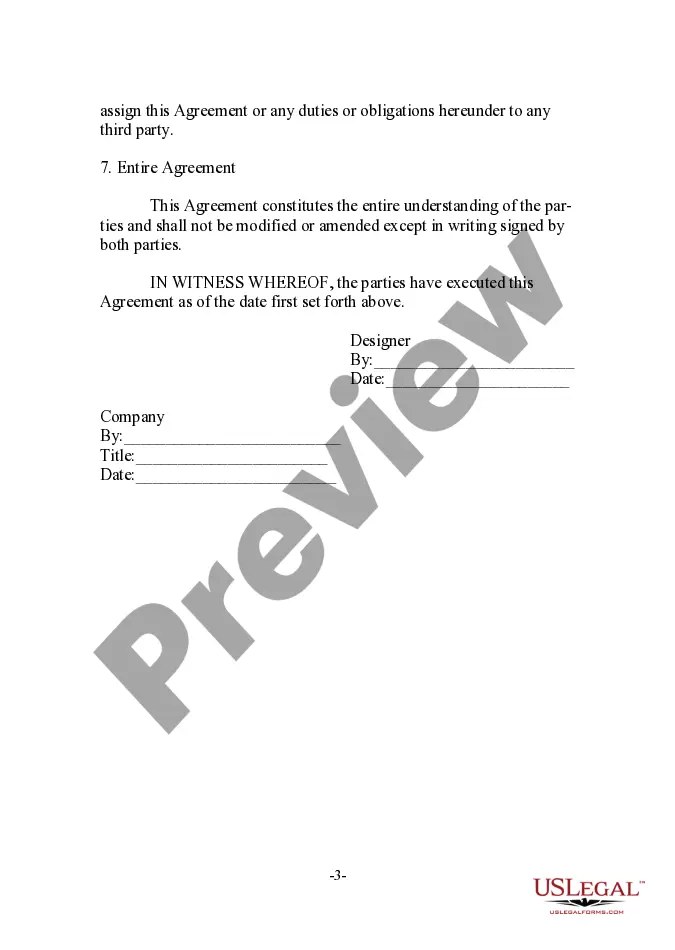
- Sign and date the agreement: Both parties should sign and date the document to formalize the agreement.
Does this document require notarization?
This form does not typically require notarization unless specified by local law. However, having a notarized agreement can provide an additional layer of authenticity and protection for both parties.
Get your form ready online
Our built-in tools help you complete, sign, share, and store your documents in one place.
Make edits, fill in missing information, and update formatting in US Legal Forms—just like you would in MS Word.
Download a copy, print it, send it by email, or mail it via USPS—whatever works best for your next step.
Sign and collect signatures with our SignNow integration. Send to multiple recipients, set reminders, and more. Go Premium to unlock E-Sign.
If this form requires notarization, complete it online through a secure video call—no need to meet a notary in person or wait for an appointment.
We protect your documents and personal data by following strict security and privacy standards.

Make edits, fill in missing information, and update formatting in US Legal Forms—just like you would in MS Word.

Download a copy, print it, send it by email, or mail it via USPS—whatever works best for your next step.

Sign and collect signatures with our SignNow integration. Send to multiple recipients, set reminders, and more. Go Premium to unlock E-Sign.

If this form requires notarization, complete it online through a secure video call—no need to meet a notary in person or wait for an appointment.

We protect your documents and personal data by following strict security and privacy standards.
Common mistakes to avoid
- Failing to specify the scope of work can lead to misunderstandings.
- Not including payment agreements for royalties may cause disputes over earnings.
- Overlooking the need for signatures may render the agreement unenforceable.
Benefits of completing this form online
- Convenient and quick access to a professionally drafted agreement.
- Editable format allows for customization to fit specific needs.
- Reliable legal content drafted by licensed attorneys enhances confidence in compliance.
Legal use & context
- This Designer Agreement for Artwork allows for the legal protection of original designs.
- It clarifies the ownership of the artwork, which is crucial in creative fields.
- Enforcement may vary depending on jurisdiction; thus, local laws should be considered.
Looking for another form?
Form popularity
FAQ
Client Info. Begin your contract with each parties' name, business, address, email, and phone number to make it clear who is involved and how you can get in touch. Project Info and Terms. Project Timeline. Costs and Payment Terms. Itemization. Artist's Rights. Cancellation Terms. Acceptance of Agreement.
Get it in writing. Keep it simple. Deal with the right person. Identify each party correctly. Spell out all of the details. Specify payment obligations. Agree on circumstances that terminate the contract. Agree on a way to resolve disputes.
Client Info. Begin your contract with each parties' name, business, address, email, and phone number to make it clear who is involved and how you can get in touch. Project Info and Terms. Project Timeline. Costs and Payment Terms. Itemization. Artist's Rights. Cancellation Terms. Acceptance of Agreement.
Design Contract . : (a)Design Contract means a contract between Owner and a Project Architect or design professional for design of a Project and performance of related services, and includes all documents incorporated into such contract by reference and all documents defined by such contract as constituting a part
The purpose of this Agreement is to maintain harmonious and mutually beneficial relationships between the Employer, the employees and the Union, to set forth certain terms and conditions of employment relating to pay, hours of work, employee benefits, and general working conditions affecting employees covered by this
A design agreement allows you to get paid for your work.A design agreement says I (the contractor) will work with you (the client) to design the work you want done on your home or building, incorporating your ideas and selections and making the design fit your budget.
So why are designer contracts so important? Some people assume that it's to make sure the client knows exactly what they're getting. That's partly true, but it's also to protect the designer. Think of all the hours that you put into a project.
The agreement or contract is the legal document between an artist or owner of an artwork and a borrowing institution, or between an exhibition organiser and the host venue.They are written to specify details about work to be undertaken and the expected outcomes.
What should it include? A description of the project. This should list what aspects of the work you have agreed upon in advance, such as size, colours, materials, etc. Payment terms. Deadlines. Framing. Delivery of the work. Installation of the work. Copyright.