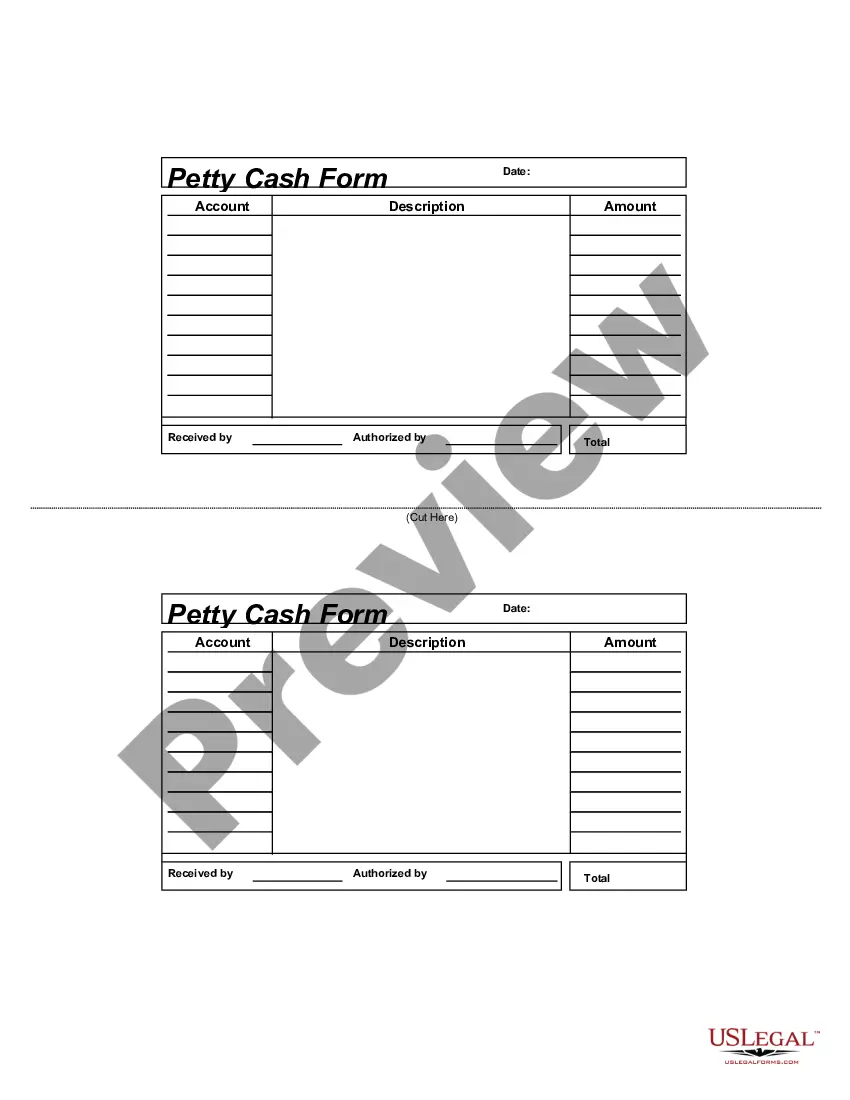
Petty Cash Form
Understanding this form
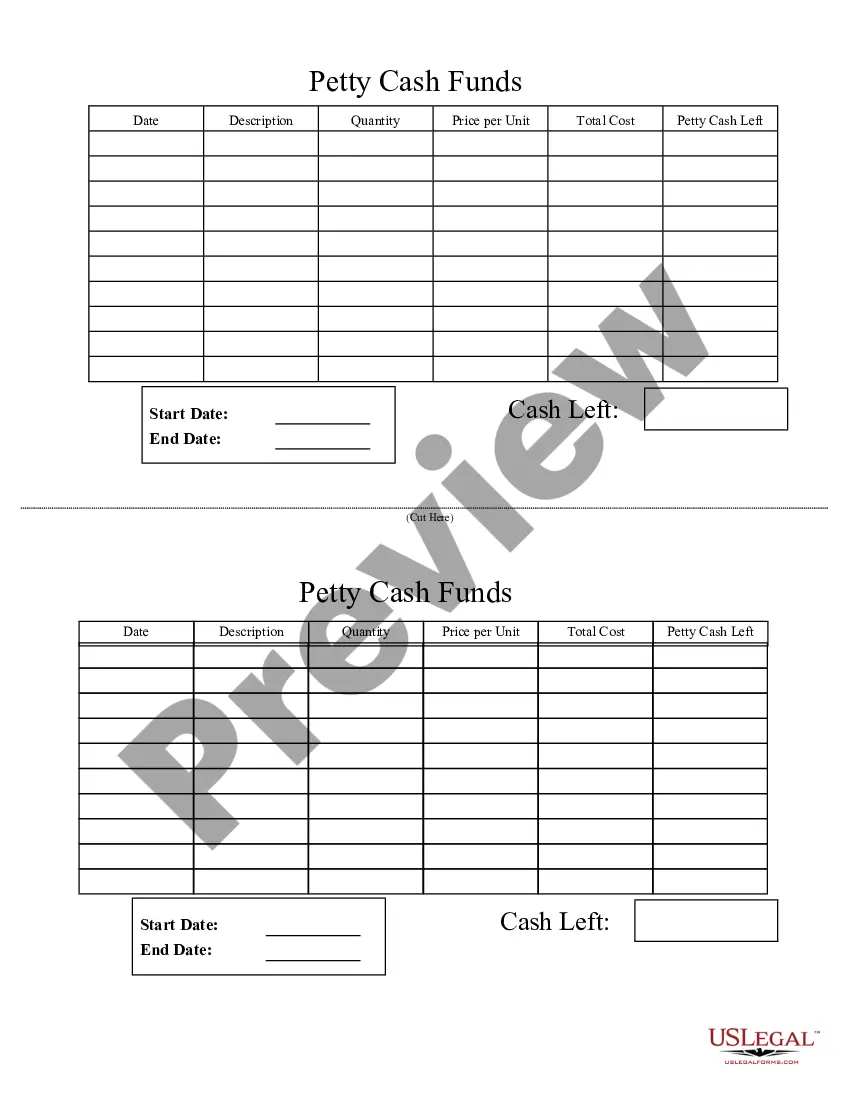
The Petty Cash Form is a business document designed for tracking and managing small cash expenses. It provides a structured approach to handling petty cash transactions, ensuring clarity and accountability. This form is distinct from general expense reports as it specifically addresses cash disbursements made for minor everyday expenses, making it essential for businesses to maintain financial records and internal controls.
Key parts of this document
- Date: The date of the petty cash transaction.
- Account: The account associated with the petty cash expense.
- Description: A brief description of the purpose of the cash expenditure.
- Amount: The amount of money withdrawn from the petty cash fund.
- Total: The total amount of petty cash disbursed.
When this form is needed
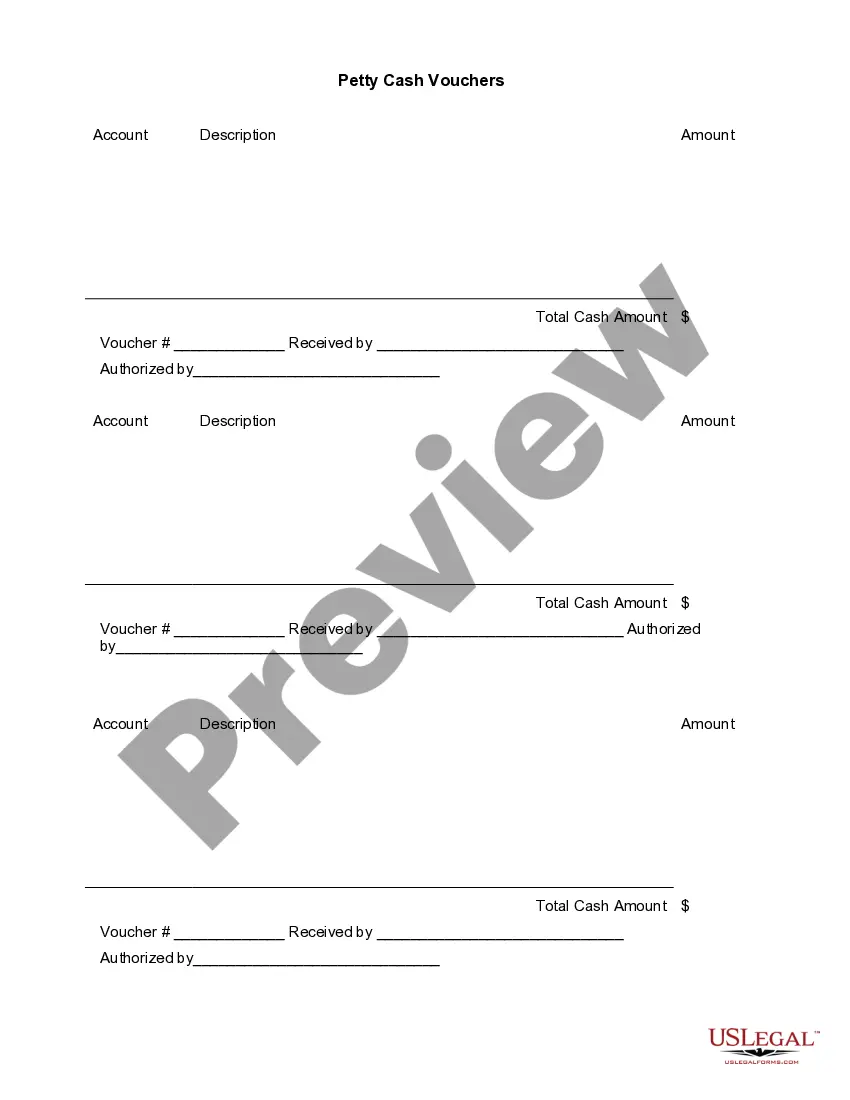
This form should be used whenever a business needs to document cash transactions made for minor expenses, such as office supplies, employee reimbursements, or small services. It is particularly useful when making immediate purchases that do not require formal purchase orders, helping businesses maintain accurate financial records and ensure proper cash management.
Who can use this document
This form is intended for:
- Small business owners managing petty cash funds.
- Office managers responsible for handling cash expenditures.
- Accounting personnel tasked with tracking cash flow.
- Any employee authorized to access petty cash for operational needs.
Steps to complete this form
- Identify the date of the transaction.
- Enter the account from which the petty cash will be drawn.
- Provide a clear description of the expense.
- Document the amount of cash being withdrawn.
- Calculate and enter the total amount dispensed for the petty cash transaction.
Does this form need to be notarized?
This form does not typically require notarization unless specified by local law. It is designed for internal business use, where formal verification is generally not necessary.
Get your form ready online
Our built-in tools help you complete, sign, share, and store your documents in one place.
Make edits, fill in missing information, and update formatting in US Legal Forms—just like you would in MS Word.
Download a copy, print it, send it by email, or mail it via USPS—whatever works best for your next step.
Sign and collect signatures with our SignNow integration. Send to multiple recipients, set reminders, and more. Go Premium to unlock E-Sign.
If this form requires notarization, complete it online through a secure video call—no need to meet a notary in person or wait for an appointment.
We protect your documents and personal data by following strict security and privacy standards.

Make edits, fill in missing information, and update formatting in US Legal Forms—just like you would in MS Word.

Download a copy, print it, send it by email, or mail it via USPS—whatever works best for your next step.

Sign and collect signatures with our SignNow integration. Send to multiple recipients, set reminders, and more. Go Premium to unlock E-Sign.

If this form requires notarization, complete it online through a secure video call—no need to meet a notary in person or wait for an appointment.

We protect your documents and personal data by following strict security and privacy standards.
Common mistakes to avoid
- Failing to provide a clear description of the expense.
- Not keeping the total amount updated after each transaction.
- Omitting the date of the transaction.
- Using vague account names that do not reflect the purpose of the cash withdrawal.
Benefits of completing this form online
- Convenient access and easy download from any device.
- Editability allows users to customize fields as necessary.
- Ensures reliability with forms drafted by licensed attorneys.
- Instantly printable for physical use or submission.
Quick recap
- The Petty Cash Form is essential for tracking small business expenses.
- It is user-friendly and can be filled out digitally.
- Accurate completion is vital for effective financial management.
Looking for another form?

Form popularity
FAQ
Petty Cash Book is maintained to record small expenses such as postage, stationery, telegram. A separate column is allotted for each type of expenditure. The difference between the total of the debit items and that of the 'total column' on the credit represents the balance of the petty cash in hand.
Columnar petty cash book, and. Imprest petty cash book.
Journal entry for putting money into the petty cash fund To show this, debit your Petty Cash account and credit your Cash account. When the petty cash fund gets too low, you must refill it to its set amount. Then, create another journal entry debiting the Petty Cash account and crediting the Cash account.
Like a general cash book, a petty cash book has a debit and a credit side. All receipts are recorded on the debit side and all payments are recorded on the credit side of petty cash book by the petty cashier.
This Petty Cash Book has two sides the debit side and the credit side. The particulars of cash receipts and expenses are written together in a single column which is known as the particulars column and the other column is used for writing the dates of both debit and credit.
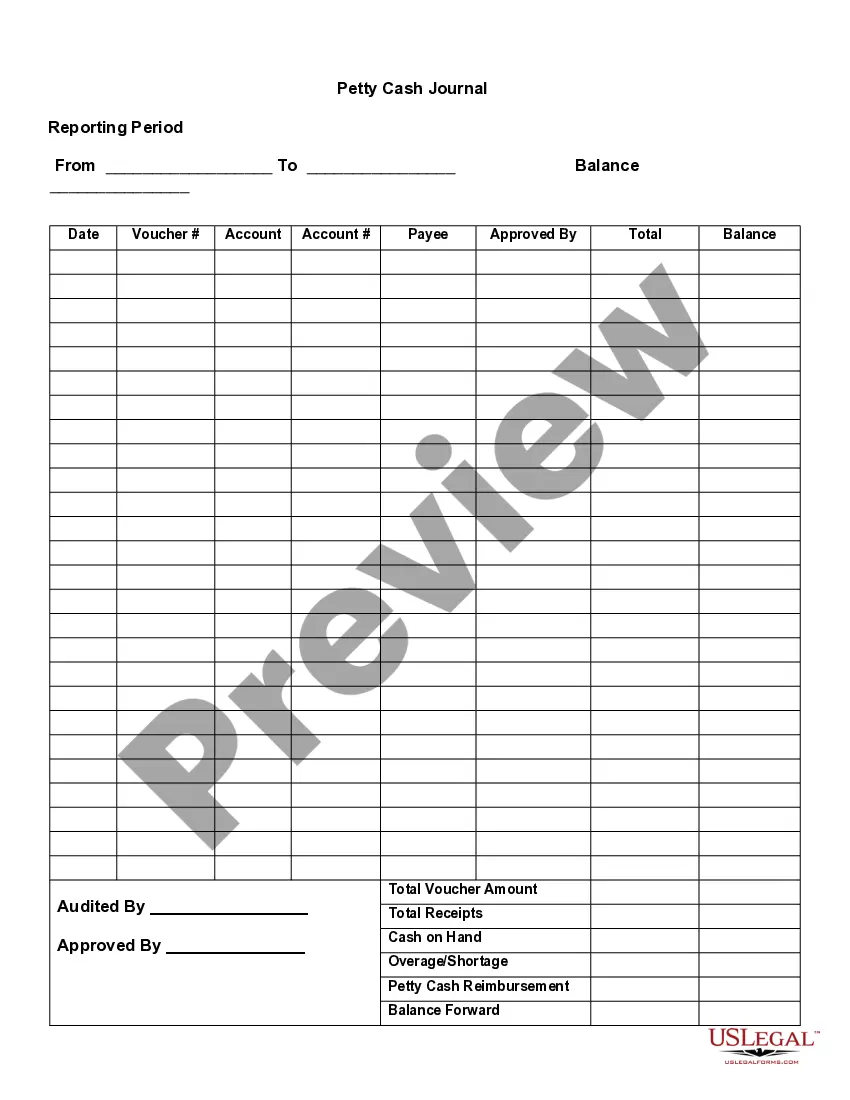
Petty Cash Template A business uses a petty cash account for tracking physical cash used to make small payments.A petty cash log can be taped to the envelope or stored with the cash so that whenever you remove or add cash you can use the form to record the date, payee, purpose, and amount.
A petty cash book is generally maintained on a columnar basis - a separate column being allotted for each type of expenditure. The is only one money column on the debit side and all sum received from time to time by the petty cashier from the chief cashier are entered in it.
Go to the Banking command centre and click Spend Money. Select the Pay From Account option and select the petty cash account. Enter the date and amount, and any other details you need. In the Acct No. In the Amount field, enter the purchase amount. Apply the relevant Tax/GST Code.
The initial petty cash journal entry is a debit to the petty cash account and a credit to the cash account. The petty cash custodian then disburses petty cash from the fund in exchange for receipts related to whatever the expenditure may be.