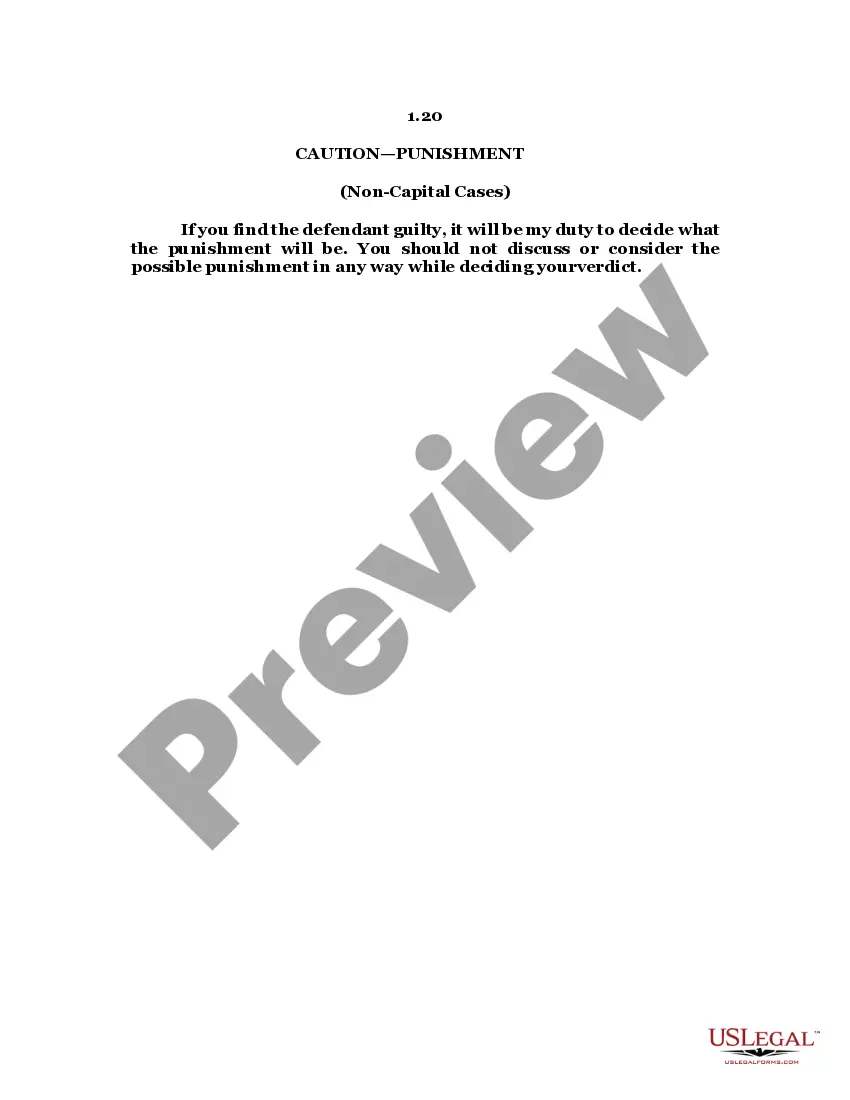
CAUTION-PUNISHMENT
Understanding this form
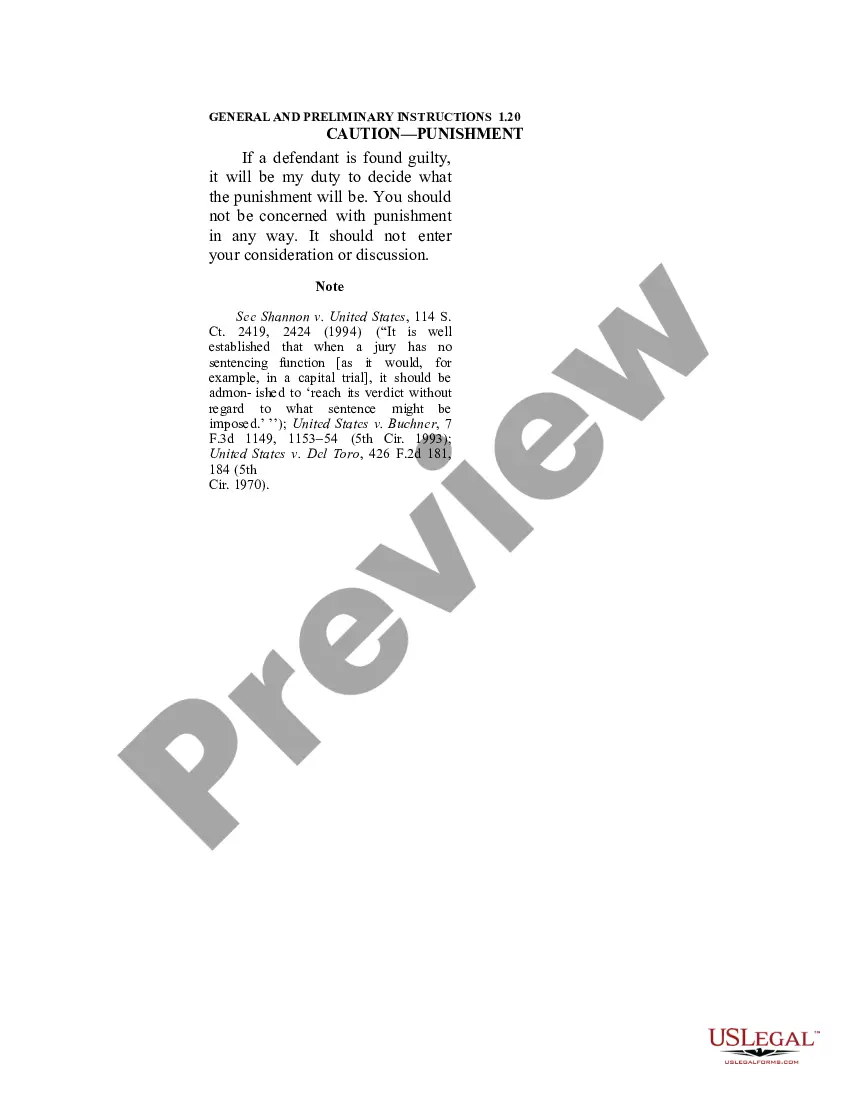
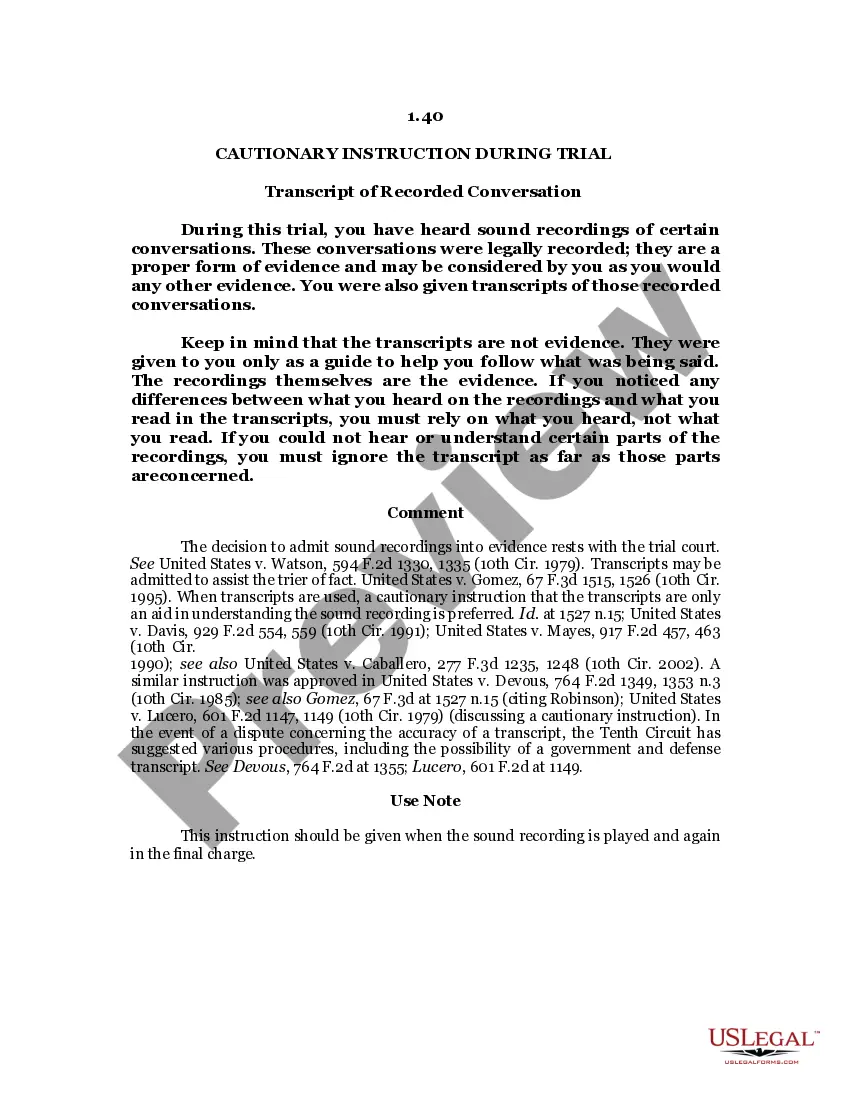
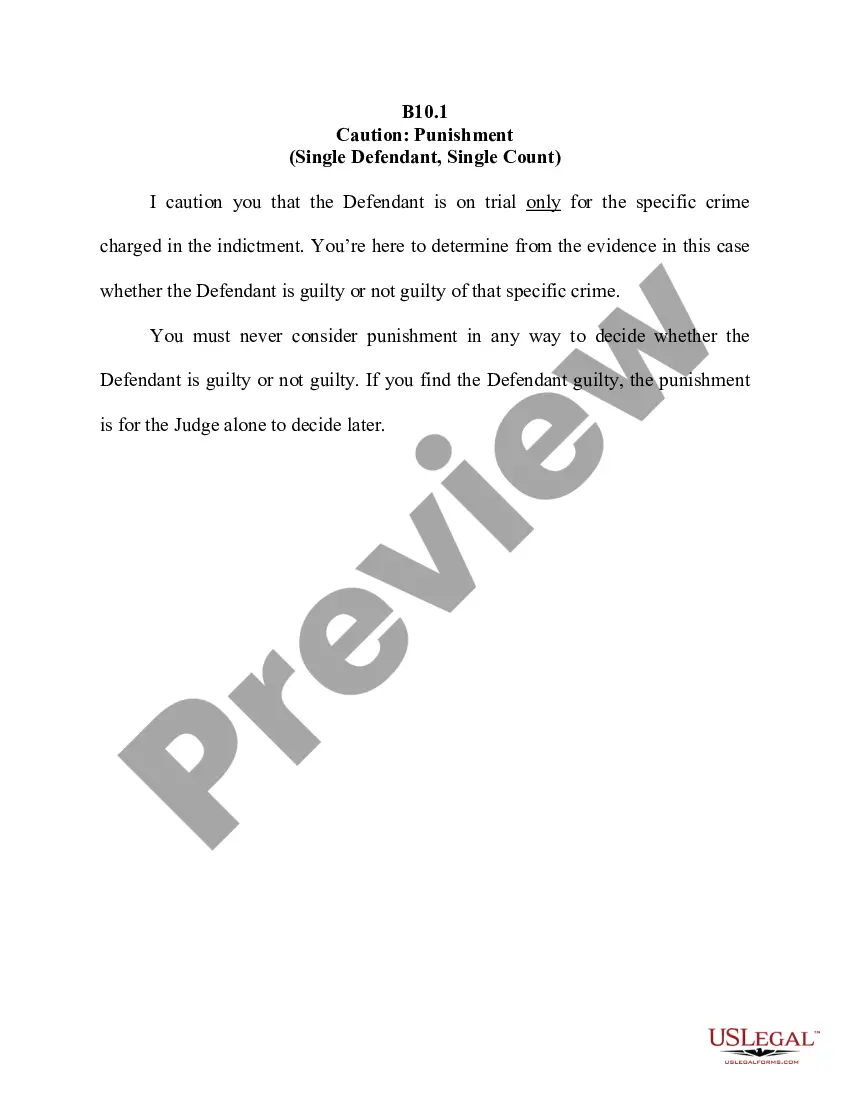
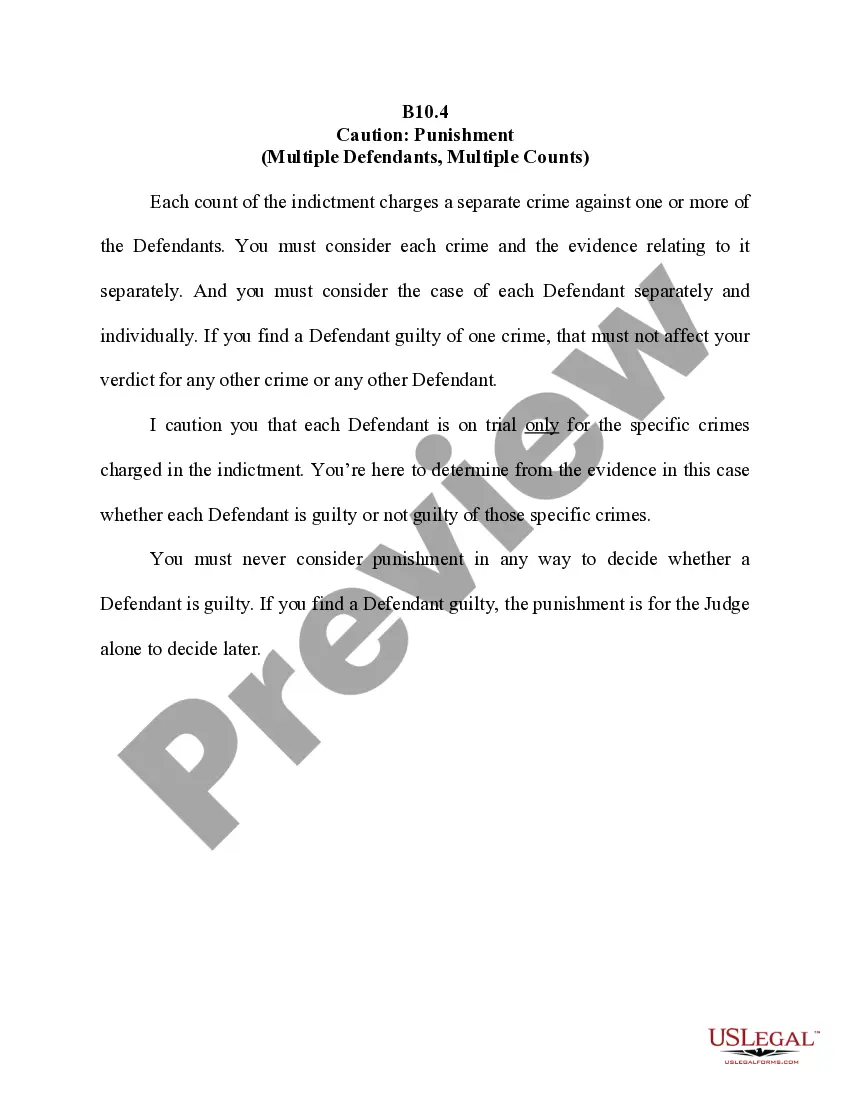
The CAUTION-PUNISHMENT form outlines important instructions for jurors regarding the consideration of punishment during their deliberations. This form is specifically used in non-capital cases to instruct jurors not to factor potential penalties into their verdict. By separating the verdict from the punishment phase, this form ensures that jurors focus solely on the evidence presented and the guilt or innocence of the defendant without bias or prejudice regarding the outcome of sentencing.
Form components explained
- The instruction not to consider punishment while deciding the verdict.
- Clarification that sentencing is the judge's responsibility after a guilty verdict.
When to use this form
This form is used in trial settings where jurors are tasked with determining the guilt or innocence of a defendant accused of a crime. It is applicable in all non-capital cases, helping to maintain jurors' focus on the evidence and legal standards of the trial rather than the consequences of their potential verdict, which can affect their judgment.
Who should use this form
The following parties should utilize this form:
- Judges presiding over non-capital criminal trials.
- Attorneys representing defendants in criminal cases.
- Jurors selected for duty in non-capital case trials.
Completing this form step by step
- Read the full instructions carefully to understand the purpose of the form.
- Communicate the importance of not discussing potential punishments to jurors.
- Ensure that jurors acknowledge that the decision of punishment will be made by the judge, not them.
Is notarization required?
This form does not typically require notarization to be legally valid. However, some jurisdictions or document types may still require it. US Legal Forms provides secure online notarization powered by Notarize, available 24/7 for added convenience.
Get your form ready online
Our built-in tools help you complete, sign, share, and store your documents in one place.
Make edits, fill in missing information, and update formatting in US Legal Forms—just like you would in MS Word.
Download a copy, print it, send it by email, or mail it via USPS—whatever works best for your next step.
Sign and collect signatures with our SignNow integration. Send to multiple recipients, set reminders, and more. Go Premium to unlock E-Sign.
If this form requires notarization, complete it online through a secure video call—no need to meet a notary in person or wait for an appointment.
We protect your documents and personal data by following strict security and privacy standards.

Make edits, fill in missing information, and update formatting in US Legal Forms—just like you would in MS Word.

Download a copy, print it, send it by email, or mail it via USPS—whatever works best for your next step.

Sign and collect signatures with our SignNow integration. Send to multiple recipients, set reminders, and more. Go Premium to unlock E-Sign.

If this form requires notarization, complete it online through a secure video call—no need to meet a notary in person or wait for an appointment.

We protect your documents and personal data by following strict security and privacy standards.
Common mistakes
- Jurors discussing potential punishment during deliberations.
- Misunderstanding the separation of verdict and sentencing responsibilities.
Why complete this form online
- Immediate access to the form for judges and attorneys.
- Ability to customize the form as needed based on specific case requirements.
- Convenience of downloading and printing forms securely.
Legal use & context
- This form helps uphold the integrity of the jury's decision-making process.
- It is essential for ensuring that jurors' judgments are not influenced by emotional factors related to punishment.
Looking for another form?

Form popularity
FAQ
1. : admonition, warning. 2. : carefulness in regard to danger.
A warning given by the police to a suspected criminal when the suspect is arrested; a warning given by the police when they release a suspect without prosecution that, if there are any more offences committed by the suspect, the first possible offence may be taken into account; or a document sent to the Land Registry
If the crime you've committed isn't that serious, the police may give you a caution, warning or reprimand (which are basically the same thing). Unfortunately, the consequences of this can last much longer than you might think.
No matter where the crime occurred in the world, a person must declare an arrest, a caution, or a conviction on a visa or ESTA application (even if your caution is spent under the Rehabilitation of Offenders Act, you still need to declare it on the ESTA form).
If you act with caution, it means you are careful.
: to warn or tell (someone) about a possible danger, problem, etc. She cautioned me not to decide too quickly. = She cautioned (me) that I shouldn't decide too quickly. Officials are cautioning that the war may continue for years.