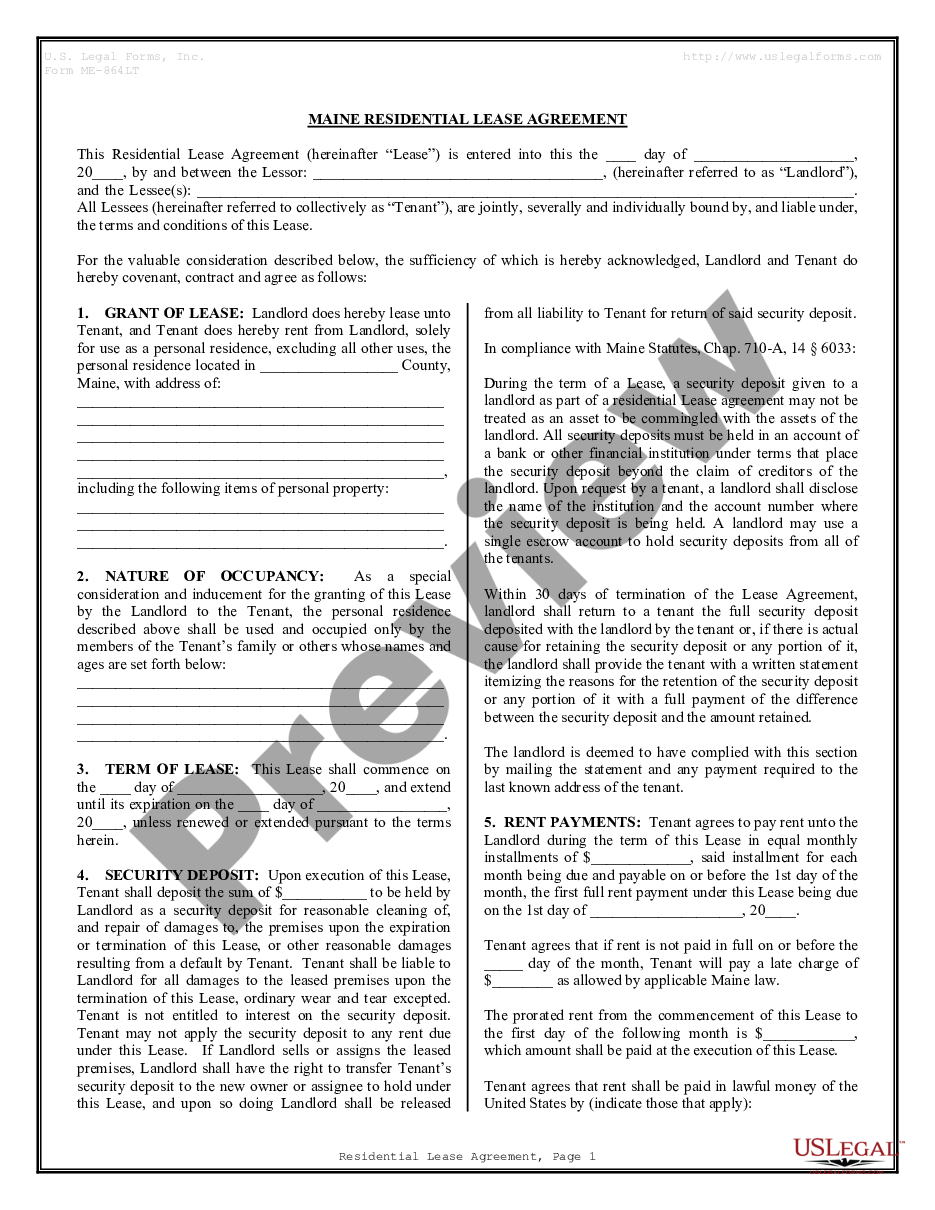
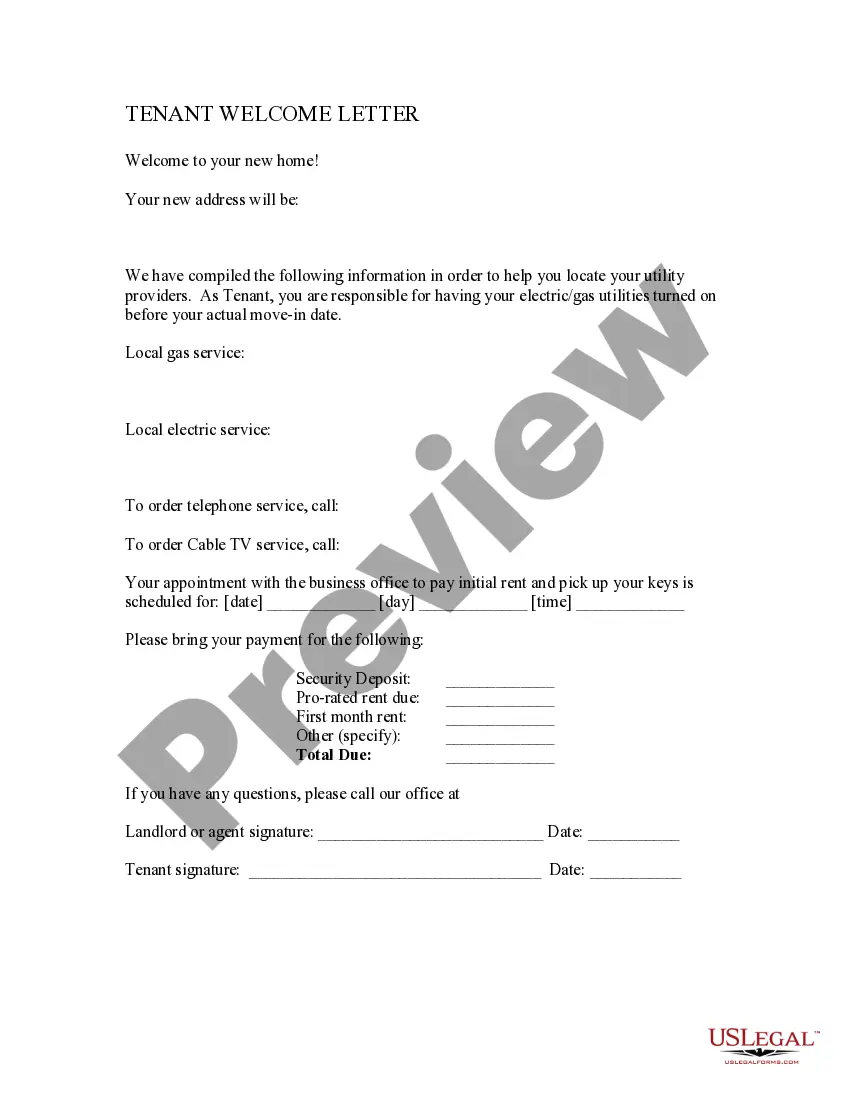
Caution - Punishment
What this document covers
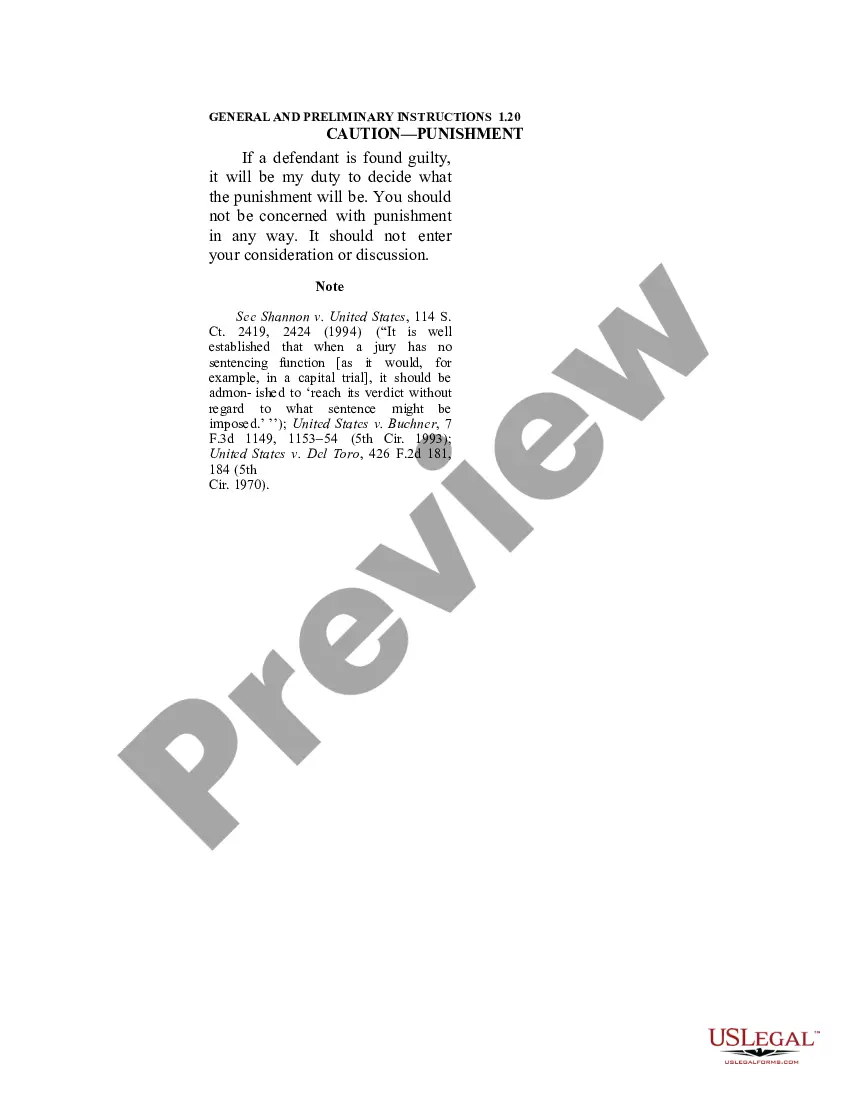
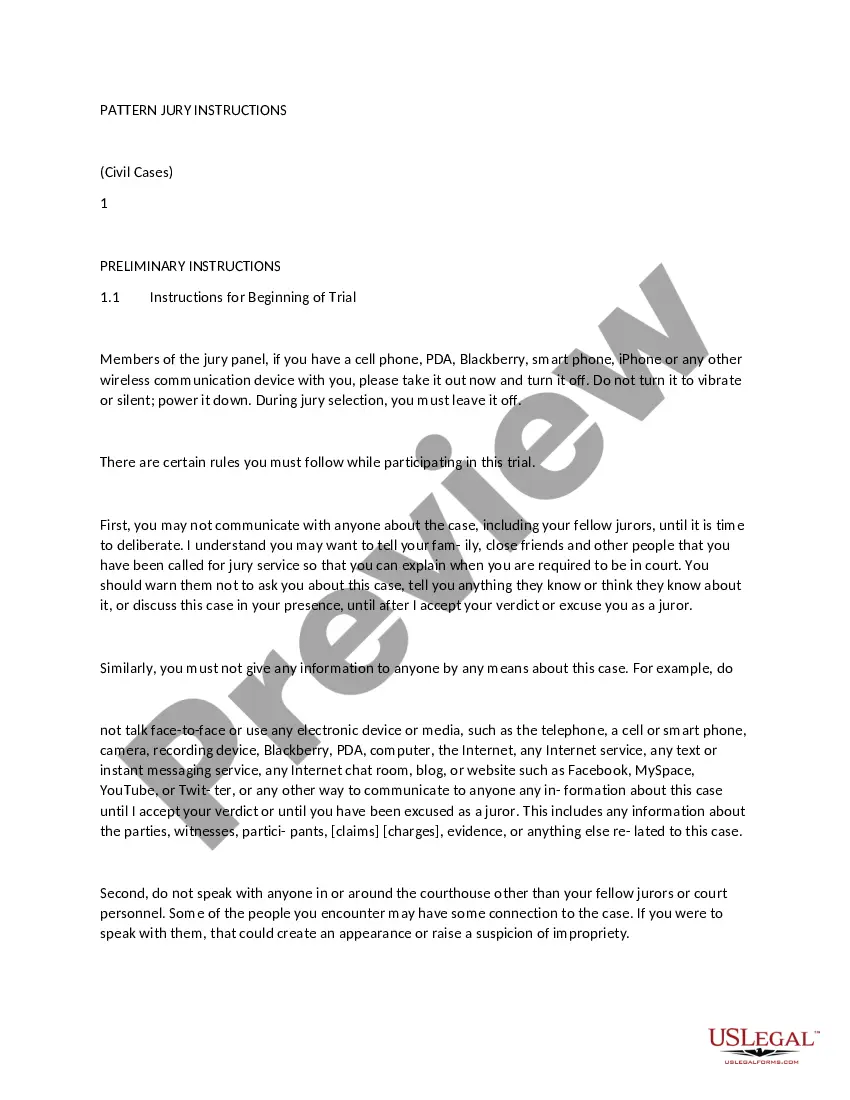
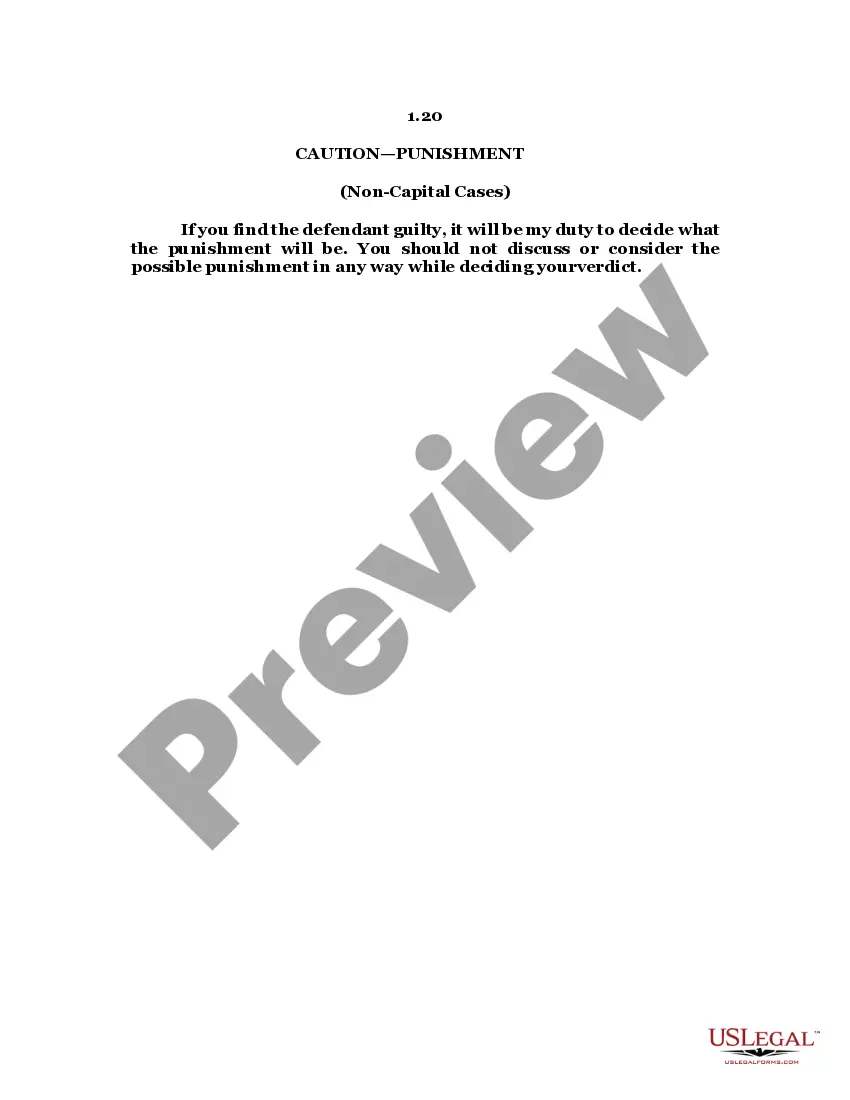
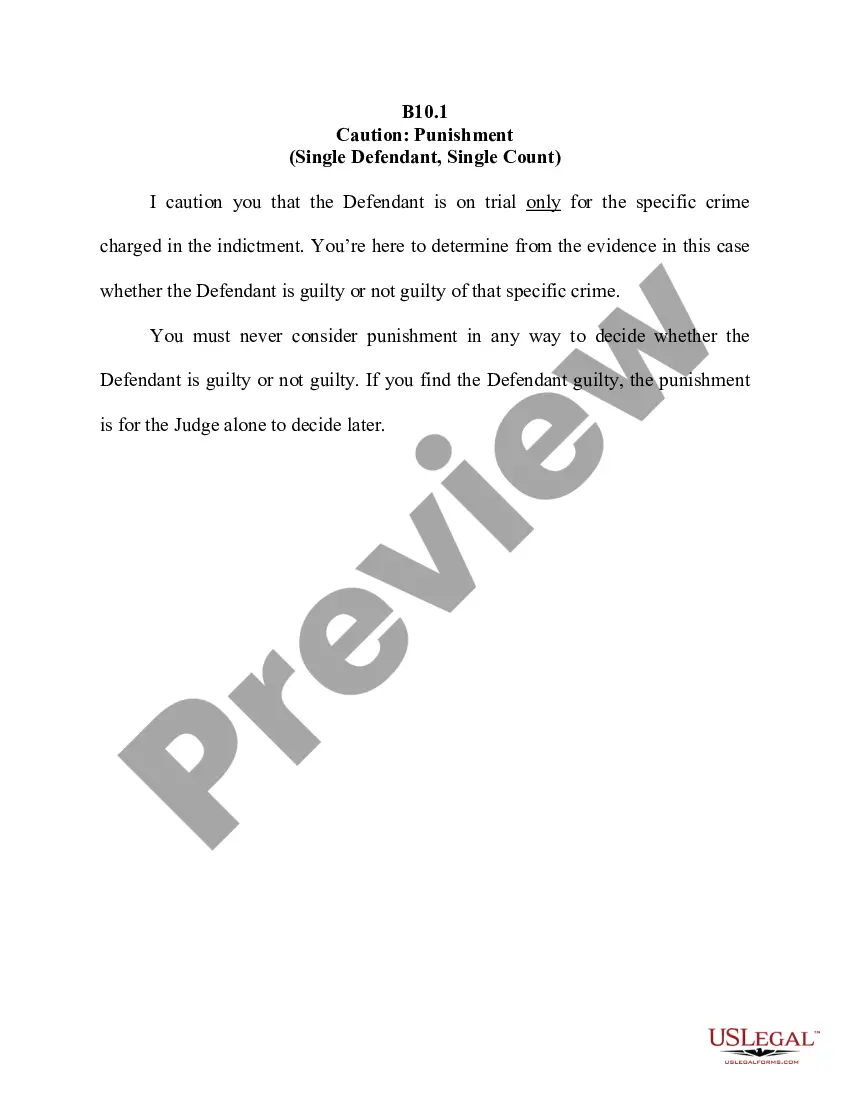
The Caution - Punishment form is a legal document used in court proceedings to remind jurors not to consider the potential punishment when reaching their verdict. This form is crucial during trials where the jury's role is solely to determine guilt or innocence, distinct from cases where they might also decide on sentencing. It helps maintain the integrity of the jury's decision-making process, ensuring that verdicts are based solely on the evidence presented and not the possible consequences for the defendant.
Form components explained
- A clear statement emphasizing that jurors should not consider punishment in their deliberations.
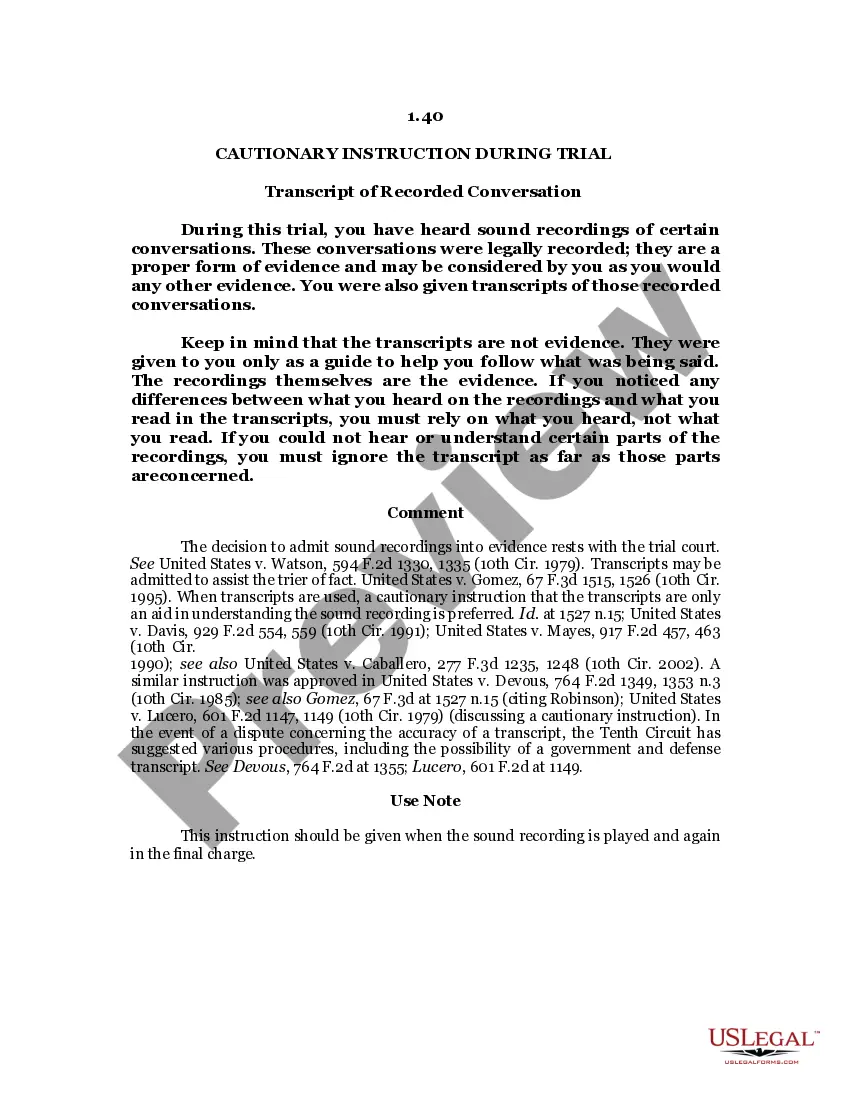
- References to relevant legal precedents, including case law such as Shannon v. United States.
- Instructions for jurors to focus solely on evidence and not on sentencing options.

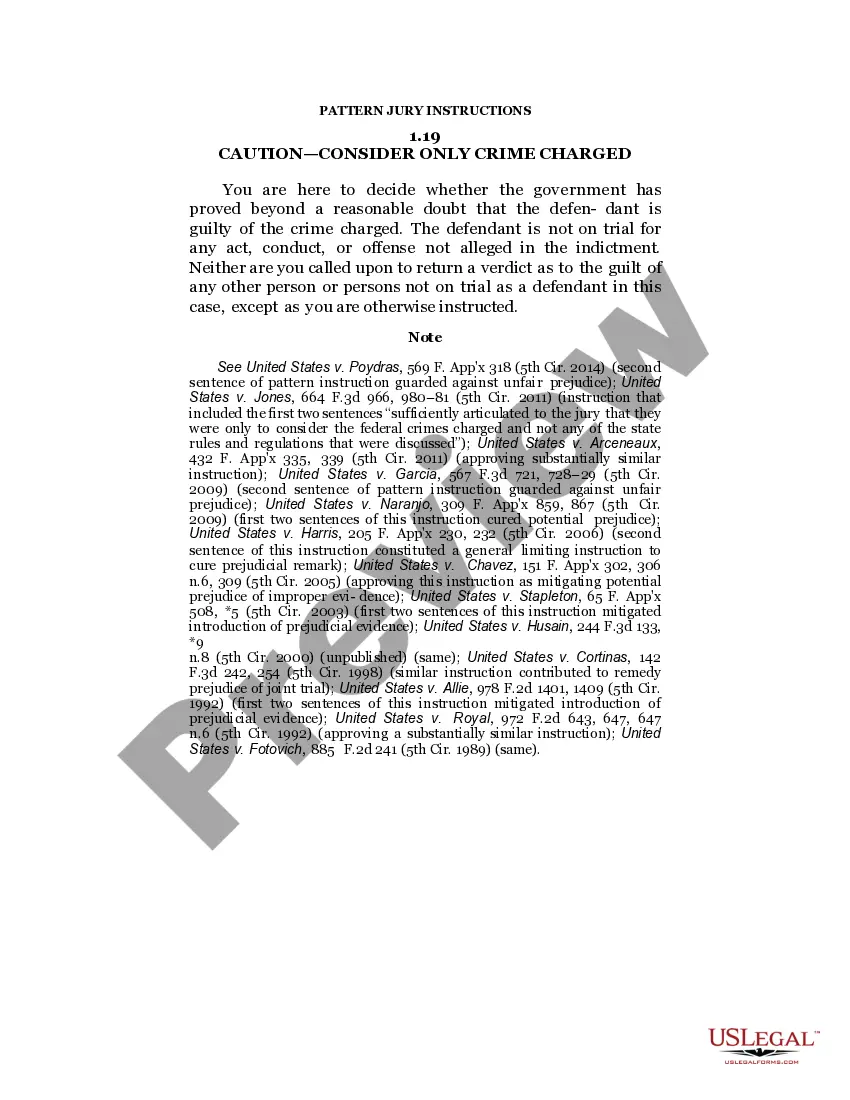
Common use cases
This form should be used in criminal trials where the jury's decision is limited to adjudicating the guilt of the defendant without imposing punishment. It ensures that jurors understand their responsibilities and remain focused on the facts of the case, particularly in non-capital cases where they do not have the authority to recommend sentences.
Who this form is for
- Judges presiding over criminal trials to guide jurors effectively.
- Attorneys representing either the prosecution or the defense during jury instructions.
- Legal educators and students to understand jury conduct in trial settings.
Steps to complete this form
- Identify the judge presiding over the case and the relevant courtroom.
- Review the specific case laws that support the need for the caution.
- Draft the instruction for jurors clearly and concisely.
- Provide context on why jurors must not consider punishment in their deliberation.
- Ensure the instruction is communicated effectively to the jurors during the trial.
Is notarization required?
This form does not typically require notarization to be legally valid. However, some jurisdictions or document types may still require it. US Legal Forms provides secure online notarization powered by Notarize, available 24/7 for added convenience.
Get your form ready online
Our built-in tools help you complete, sign, share, and store your documents in one place.
Make edits, fill in missing information, and update formatting in US Legal Forms—just like you would in MS Word.
Download a copy, print it, send it by email, or mail it via USPS—whatever works best for your next step.
Sign and collect signatures with our SignNow integration. Send to multiple recipients, set reminders, and more. Go Premium to unlock E-Sign.
If this form requires notarization, complete it online through a secure video call—no need to meet a notary in person or wait for an appointment.
We protect your documents and personal data by following strict security and privacy standards.

Make edits, fill in missing information, and update formatting in US Legal Forms—just like you would in MS Word.

Download a copy, print it, send it by email, or mail it via USPS—whatever works best for your next step.

Sign and collect signatures with our SignNow integration. Send to multiple recipients, set reminders, and more. Go Premium to unlock E-Sign.

If this form requires notarization, complete it online through a secure video call—no need to meet a notary in person or wait for an appointment.

We protect your documents and personal data by following strict security and privacy standards.
Typical mistakes to avoid
- Failing to clarify to jurors that their decision should be based solely on evidence.
- Not providing adequate context or explanation about the legal implications of considering punishment.
- Ignoring relevant case law that may support the necessity of the caution.
Benefits of completing this form online
- Convenient access to legal language drafted by licensed attorneys.
- Editable templates to suit specific trial circumstances or jurisdictional needs.
- Reliable formatting that meets legal standards, ensuring compliance and clarity.
Looking for another form?
Form popularity
FAQ
If you have ever been arrested, cautioned and/or convicted of an offense anywhere in the world, you are required to declare it when applying for a visa.
The United States can refuse admission to any person convicted of a criminal offence. This means that if you have a criminal record, you should obtain a US Entry Waiver to ensure that you will not be turned back at the border and that you can legally travel to, or through, the U.S.
An applicant's current and/or past actions, such as drug or criminal activities, as examples, may make the applicant ineligible for a visa. If denied a visa, in most cases the applicant is notified of the section of law which applies.
In most cases, you will be denied a waiver where you have been convicted of a very serious offence. These are commonly referred to as crimes involving moral turpitude, (CIMTs), such as rape, kidnap, manslaughter, murder or forgery.
Warning means advance notice of something, caution etc. Warning is given before repeating some wrong so as to avoid repetition of the same wrong. Reprimand is admonishing, punishment, scolding for certain wrong so as to avoid repetition the same wrong etc.
No matter where the crime occurred in the world, a person must declare an arrest, a caution, or a conviction on a visa or ESTA application (even if your caution is spent under the Rehabilitation of Offenders Act, you still need to declare it on the ESTA form).
If the crime you've committed isn't that serious, the police may give you a caution, warning or reprimand (which are basically the same thing). Unfortunately, the consequences of this can last much longer than you might think.
If you act with caution, it means you are careful.