Board of Directors' Confidentiality Policy
What this document covers
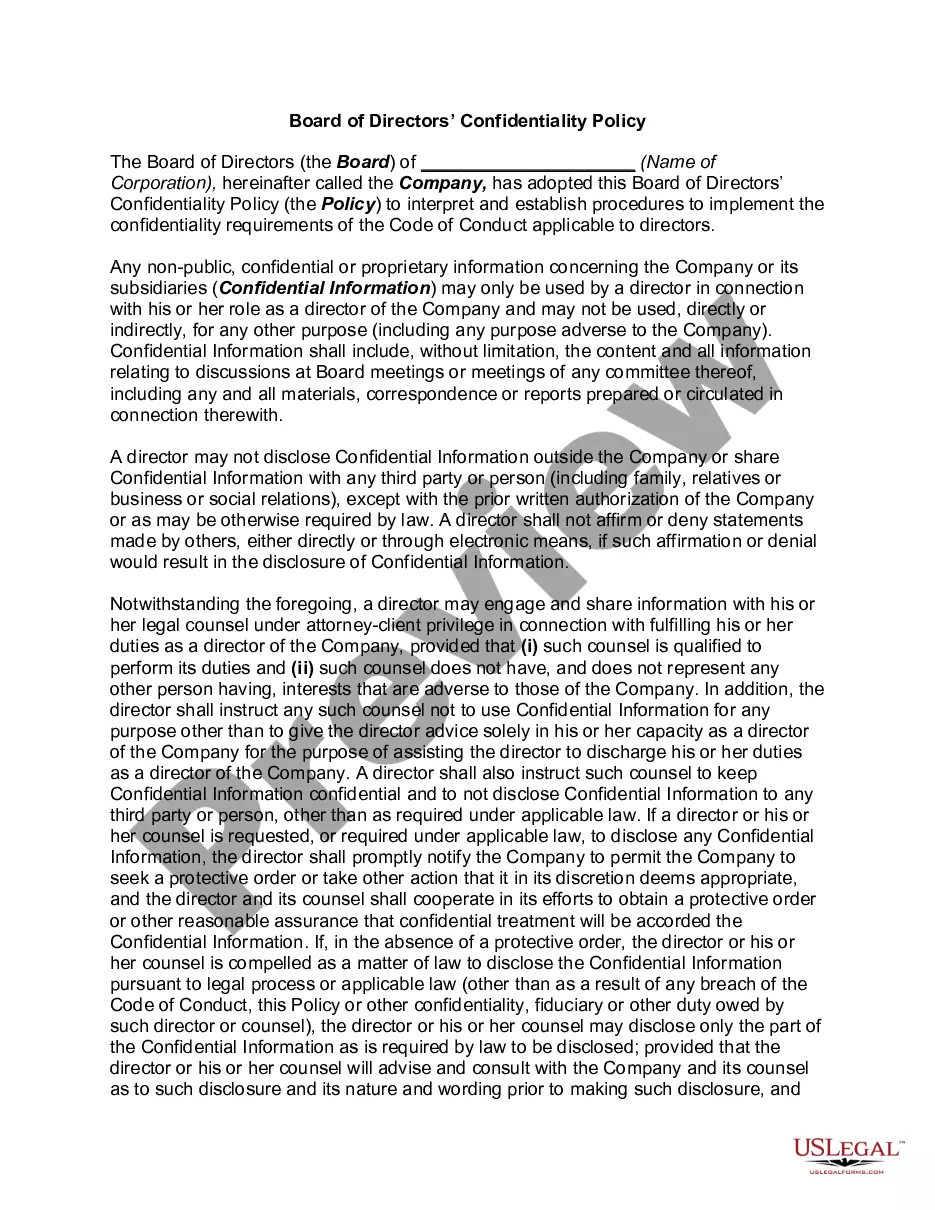
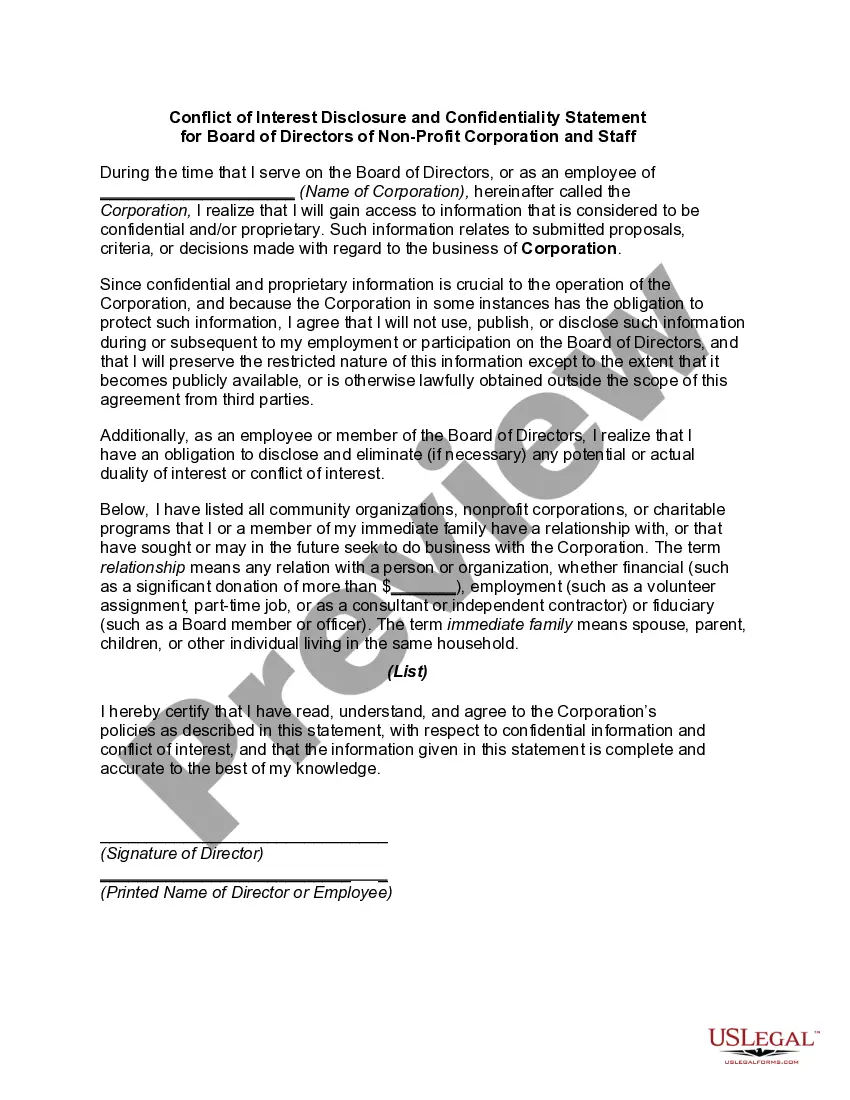
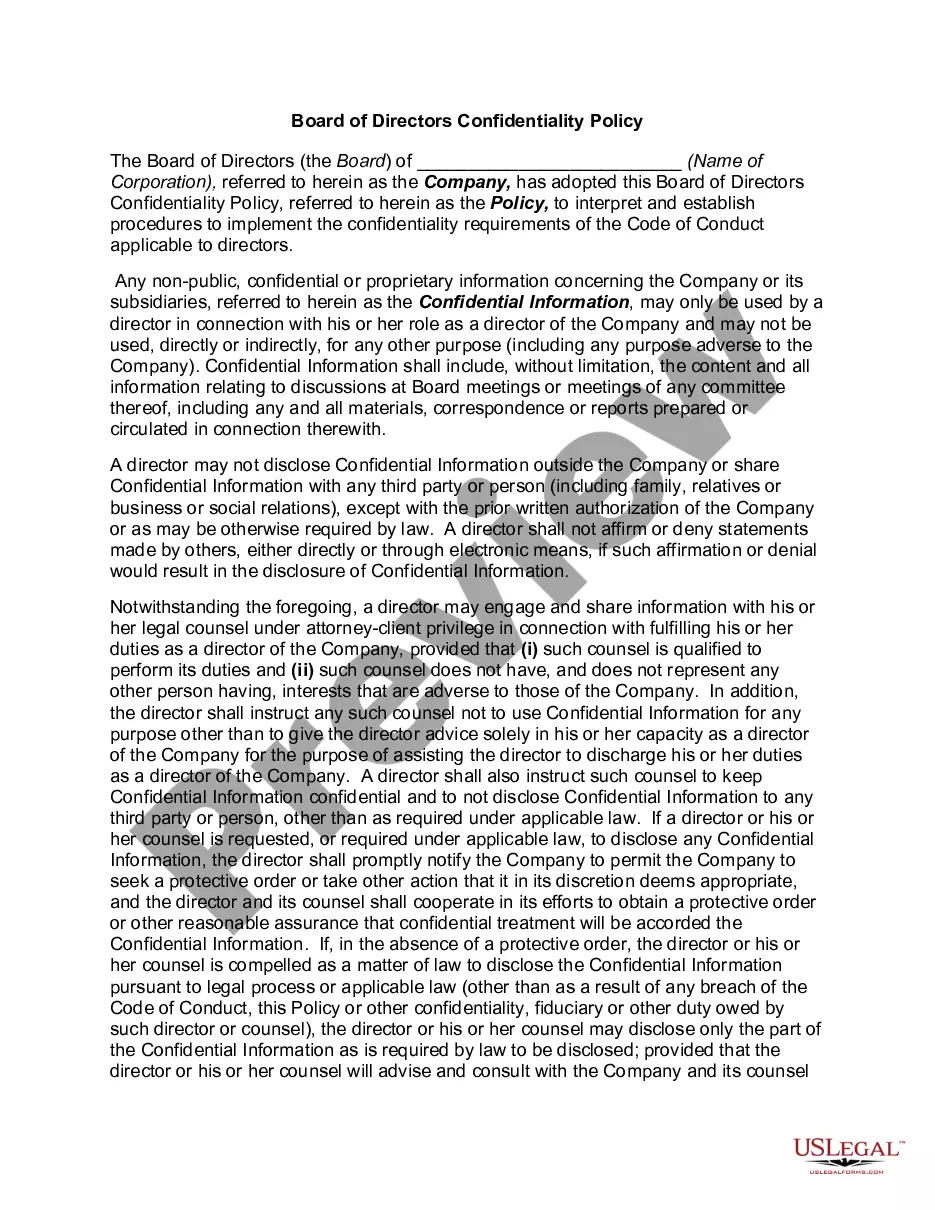
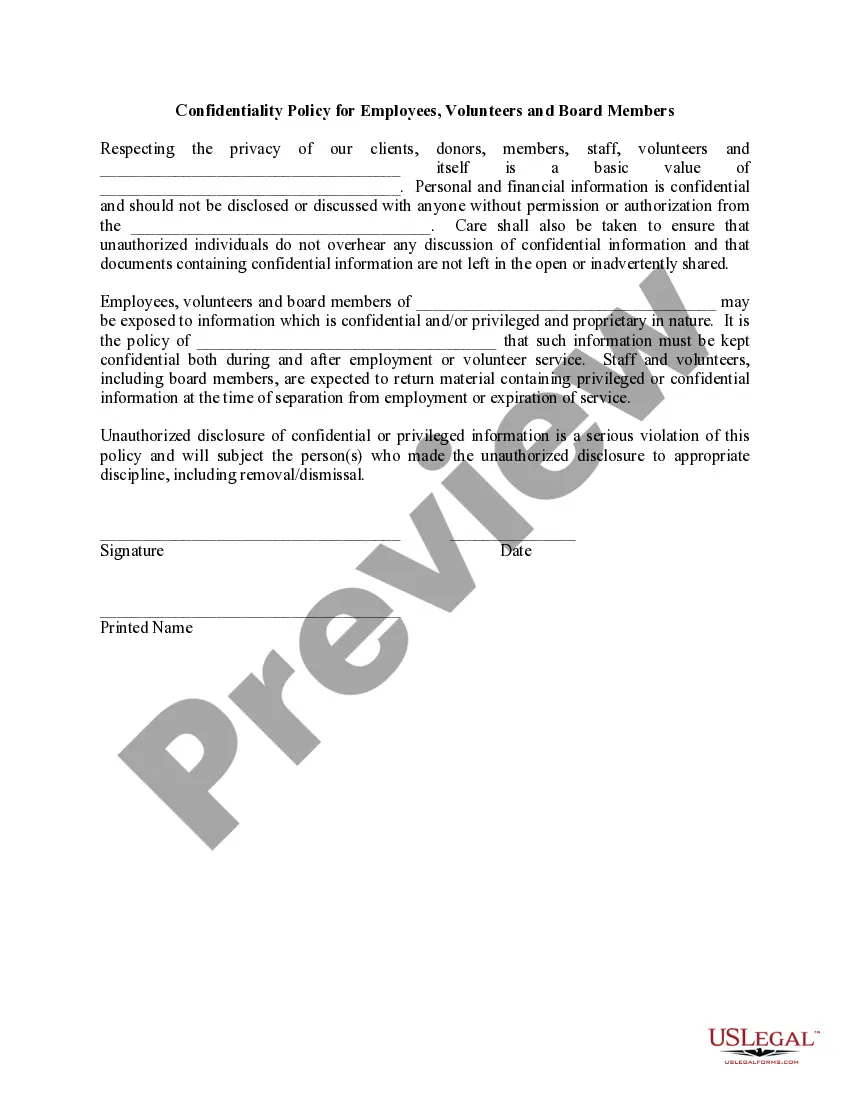
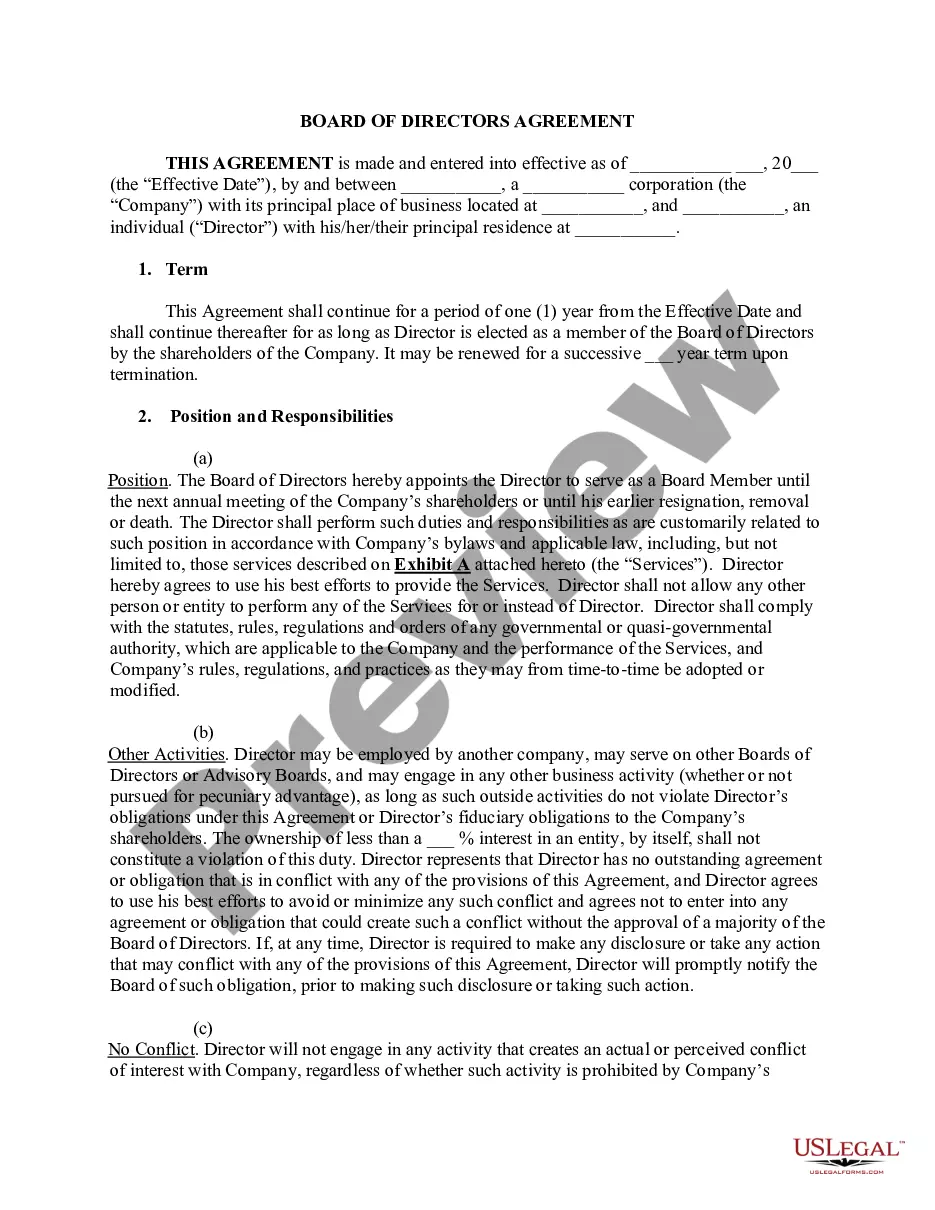
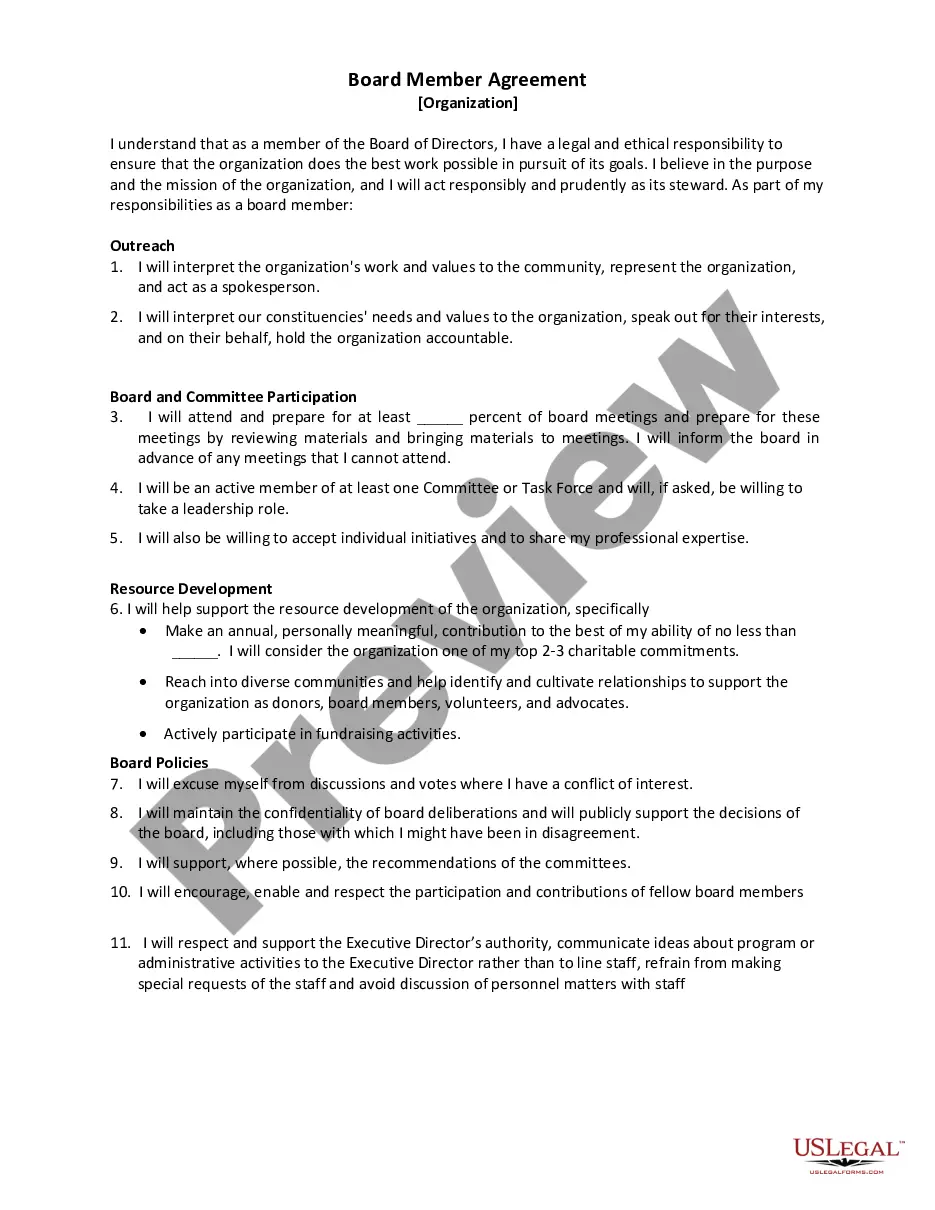
The Board of Directors' Confidentiality Policy is a legal document that establishes guidelines for maintaining confidentiality regarding sensitive information within a company. This policy is crucial for promoting open dialogue among directors during meetings and protecting proprietary information. Unlike other forms that may address general confidentiality, this specific policy is tailored for board members, ensuring that all discussions and documents remain confidential and secure from unauthorized disclosure.
Main sections of this form
- Definition of Confidential Information: Outlines what constitutes confidential data within the company.
- Usage Restrictions: Specifies that directors may only use confidential information for their roles and prohibits sharing with third parties without authorization.
- Disclosure Procedures: Details the process for disclosing information if legally required, including notifying the company.
- Engagement with Counsel: Provides guidelines for sharing information with legal counsel under attorney-client privilege.
- Recognition of Confidentiality Agreement: States that information disclosure to shareholders requires prior confidentiality agreements.
- Responsibilities of the Directors: Emphasizes the duty of directors to maintain confidentiality and direct inquiries to the companyâs General Counsel.

When to use this document
This form should be used when a corporation's board of directors seeks to implement a formal confidentiality policy. It is essential when the board anticipates discussing sensitive company matters, ensuring that all members understand their obligations to protect confidential information. This form is also useful for newly appointed directors to acknowledge their confidentiality duties before joining the board.
Who can use this document
- Board members of corporations looking to establish confidentiality protocols.
- New directors who need to understand their responsibilities regarding confidential information.
- Corporate governance professionals managing board policies.
- Legal counsel advising companies on compliance and confidentiality matters.
Completing this form step by step
- Identify the corporation: Fill in the name of the corporation at the beginning of the policy.
- Define Confidential Information: Specify what types of information are considered confidential for your corporation.
- Detail the usage restrictions: Clearly outline how directors are permitted to use confidential information.
- Establish procedures for disclosure: Include steps for directors to take if they are compelled to disclose confidential information by law.
- Include provisions for legal counsel: Set guidelines on sharing confidential information with legal representatives.
- Ensure sign-off: Have directors sign an acknowledgment agreeing to adhere to the confidentiality obligations stipulated in the policy.
Is notarization required?
This form does not typically require notarization unless specified by local law. Ensure that all signatures are collected and documented properly to maintain legal compliance.
Get your form ready online
Our built-in tools help you complete, sign, share, and store your documents in one place.
Make edits, fill in missing information, and update formatting in US Legal Forms—just like you would in MS Word.
Download a copy, print it, send it by email, or mail it via USPS—whatever works best for your next step.
Sign and collect signatures with our SignNow integration. Send to multiple recipients, set reminders, and more. Go Premium to unlock E-Sign.
If this form requires notarization, complete it online through a secure video call—no need to meet a notary in person or wait for an appointment.
We protect your documents and personal data by following strict security and privacy standards.

Make edits, fill in missing information, and update formatting in US Legal Forms—just like you would in MS Word.

Download a copy, print it, send it by email, or mail it via USPS—whatever works best for your next step.

Sign and collect signatures with our SignNow integration. Send to multiple recipients, set reminders, and more. Go Premium to unlock E-Sign.

If this form requires notarization, complete it online through a secure video call—no need to meet a notary in person or wait for an appointment.

We protect your documents and personal data by following strict security and privacy standards.
Avoid these common issues
- Failing to clearly define Confidential Information, which can lead to misunderstandings.
- Not having directors sign the policy, which could undermine its enforceability.
- Neglecting to update the policy when company operations or laws change.
- Inadequately training directors on the policy, resulting in uninformed disclosures.
Advantages of online completion
- Convenience: Immediate access to a comprehensive confidentiality policy template tailored for board members.
- Editability: Easily modify the form to fit specific company needs or regulations.
- Reliability: Ensured accuracy as the template is drafted by licensed attorneys, providing legally sound guidance.
Main things to remember
- The Board of Directors' Confidentiality Policy is essential for protecting sensitive company information.
- Directors have a legal obligation to maintain confidentiality about the companyâs operations and discussions.
- Clear procedures for handling confidential information are vital for compliance and governance.
- Using this form online provides convenience and reliable legal structure for corporate confidentiality.
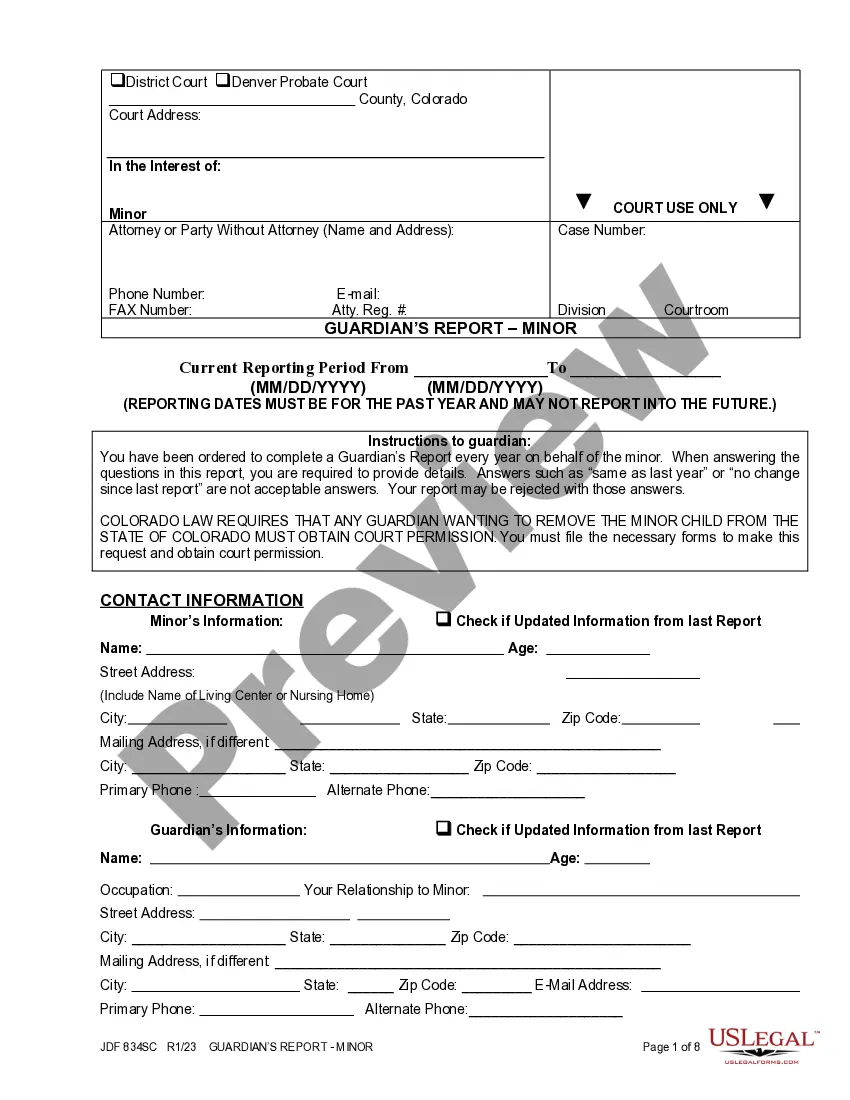
Looking for another form?
Form popularity
FAQ
Most often, the punishment is a censure by the board. In addition, the board could form an executive committee that excludes a problem director to handle sensitive matters. Confidentiality Agreement. In addition, the board could require the misbehaving director sign a confidentiality agreement.
A breach of confidentiality, or violation of confidentiality, is the unauthorized disclosure of confidential information. It may happen in writing, orally, or during an informal meeting between the parties.
Confidentiality Is a Fiduciary Responsibility Maintaining confidentiality also means that board members must maintain the confidentiality of any personal or sensitive information they acquire during their service to the board.
The consequences of a breach of confidentiality include dealing with the ramifications of lawsuits, loss of business relationships, and employee termination. This occurs when a confidentiality agreement, which is used as a legal tool for businesses and private citizens, is ignored.
As a board member, you have an obligation to hold in confidence those things that are mutually determined by your fellow board members to be confidential.
Issue a Letter Addressing the Breach The letter should remind the member of their fiduciary duty and explain in clear terms that they are not allowed to reveal confidential matters. This is otherwise known as a censure. If that does not get their attention, you can follow up with a cease-and-desist letter.
The basics Just as for any corporation, the board of directors of a nonprofit has three primary legal duties known as the ?duty of care,? ?duty of loyalty,? and ?duty of obedience.?
The duty of confidentiality is essentially a duty not to speak about board matters to non-board members or share board materials without non-board members unless authorized to do so. Similarly, the presence of staff and other guests at board meetings can chill Board member communications.