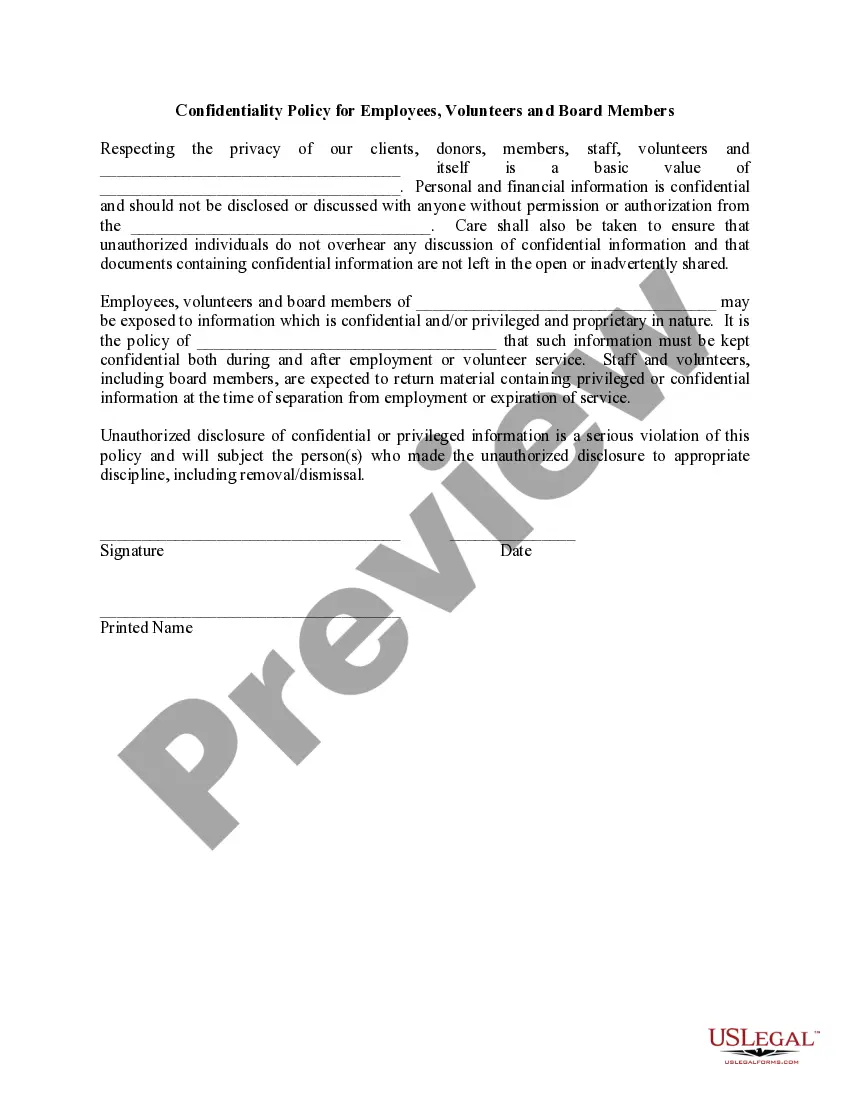
Confidentiality Policy for Employees and Board Members
What is this form?
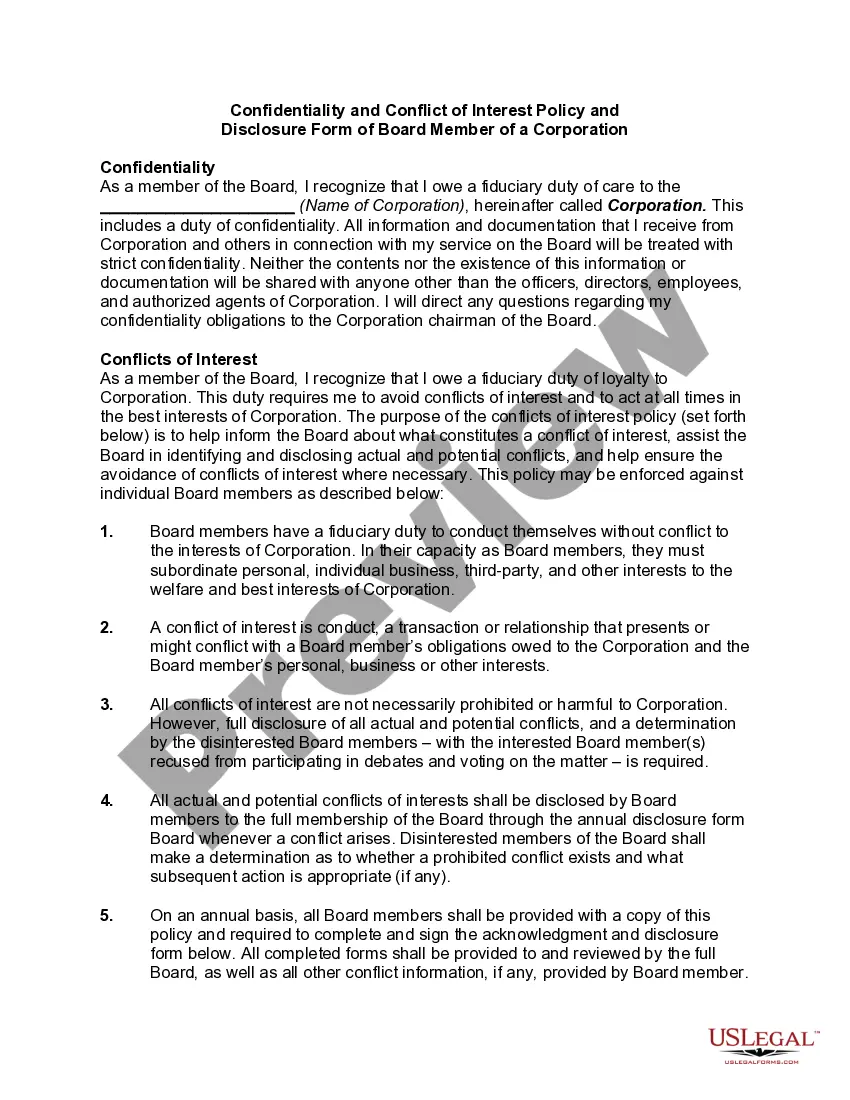
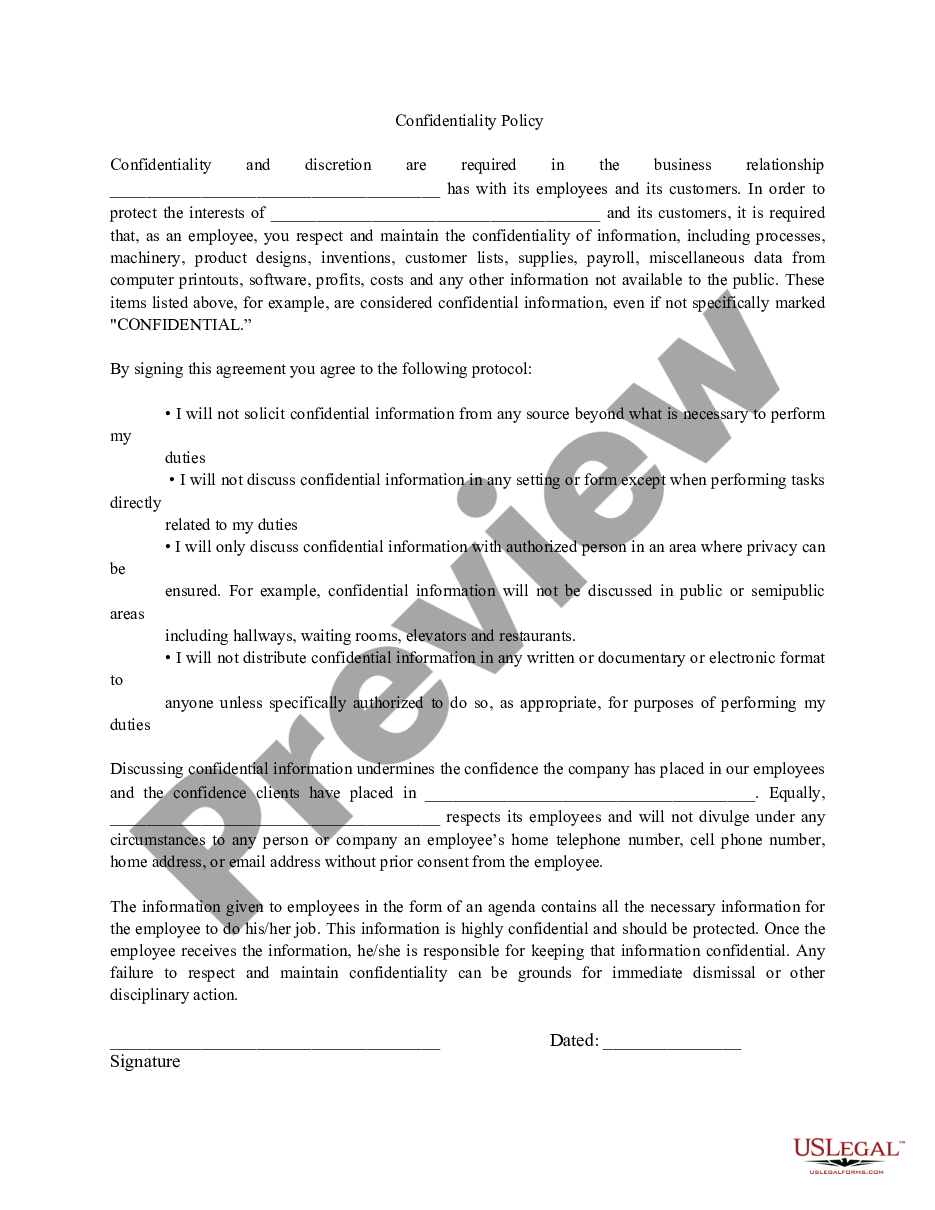
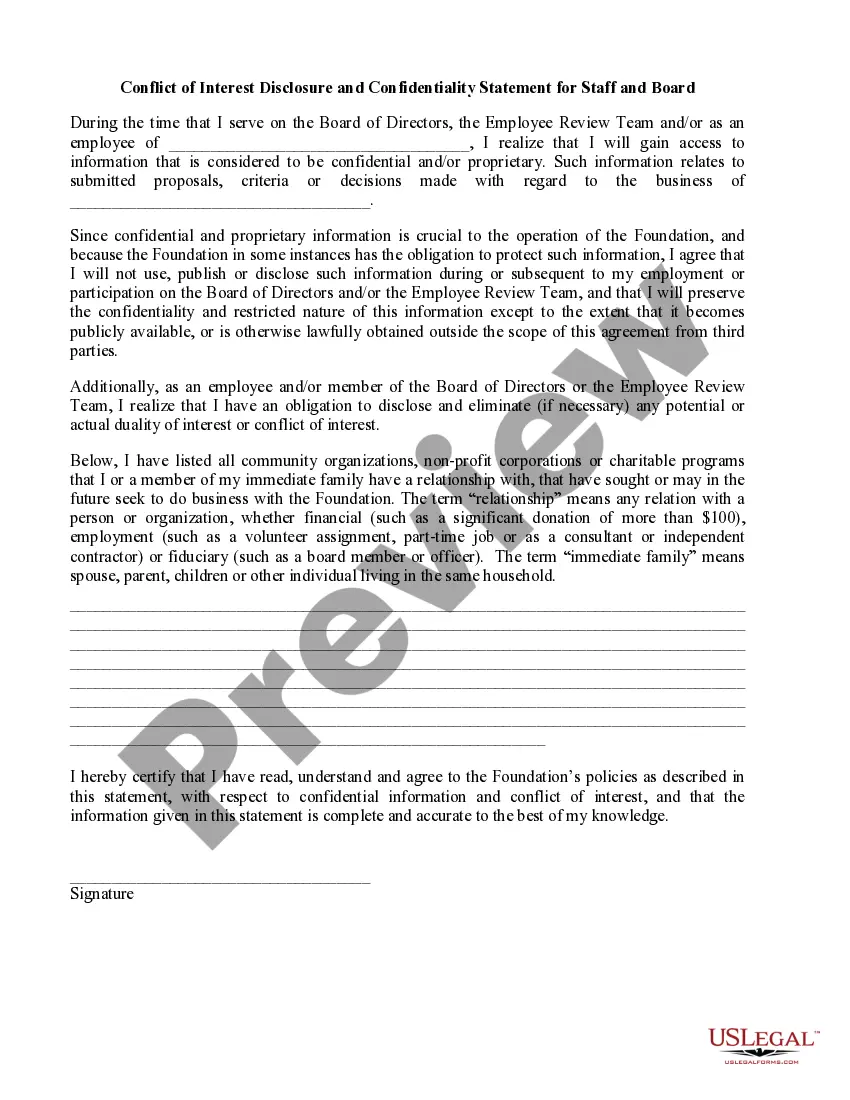
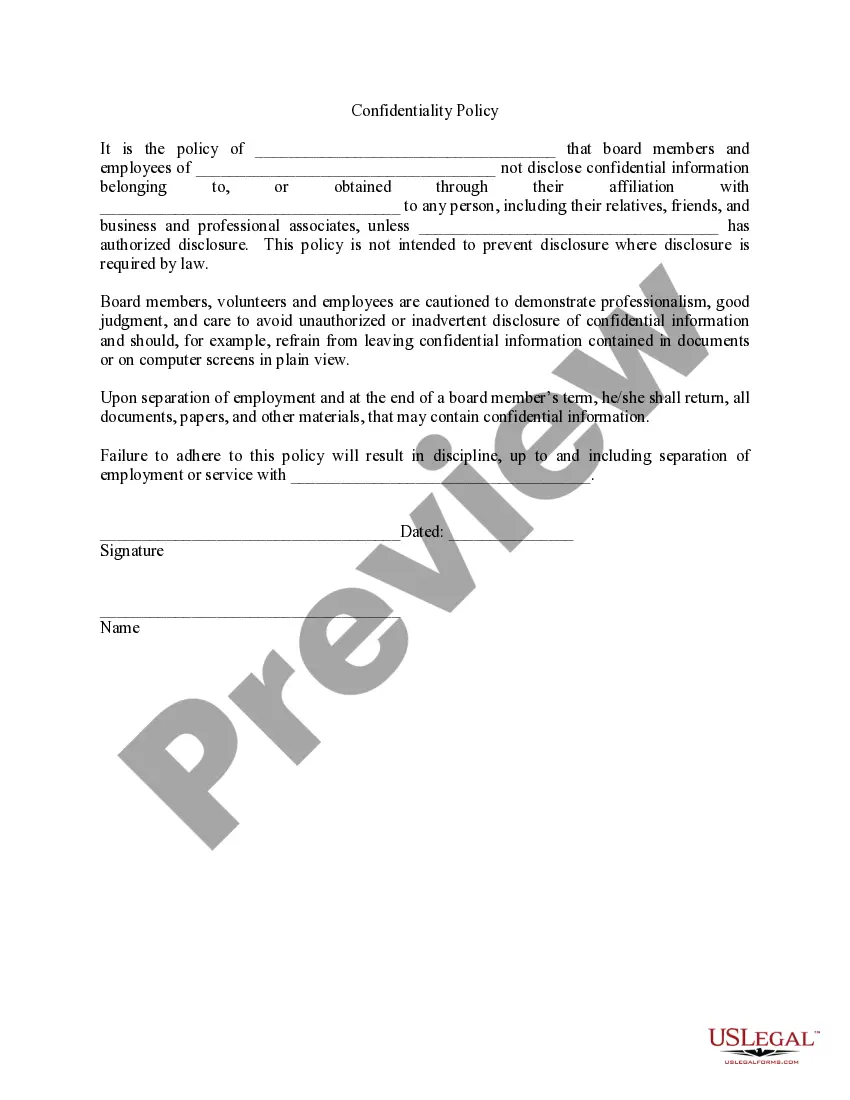
The Confidentiality Policy for Employees and Board Members is a legal document designed to safeguard sensitive information within an organization. This form outlines the responsibilities of employees, volunteers, and board members regarding the handling of confidential and proprietary information, ensuring its privacy is respected during and after their service. This policy is essential for maintaining trust and security in any organization, differing from other policies by specifically focusing on confidentiality obligations.
Key components of this form
- Introduction outlining the importance of confidentiality.
- Definition of confidential and privileged information.
- Obligations for employees, volunteers, and board members regarding information handling.
- Consequences of unauthorized disclosure of confidential information.
- Acknowledgment signatures for compliance and understanding.

Common use cases
This form should be used when an organization seeks to establish clear guidelines for confidentiality among its employees, volunteers, and board members. It is particularly relevant during the onboarding process, when new members are introduced, or whenever sensitive information is shared that requires protection. Organizations may also utilize this form when updating their privacy policies to meet new legal requirements or to enhance their confidentiality practices.
Who can use this document
- Nonprofit organizations looking to protect donor and client information.
- Businesses that handle sensitive employee or client data.
- Government agencies managing private information.
- Educational institutions that require confidentiality from faculty and staff.
Steps to complete this form
- Identify the organization by filling in its name in the designated fields.
- Clearly define the types of confidential information that need protection.
- Include specific obligations for employees, volunteers, and board members regarding confidentiality.
- Sign and date the form to acknowledge understanding and compliance with the policy.
- Distribute copies to all relevant parties for their records.
Notarization guidance
This form does not typically require notarization unless specified by local law. However, having it notarized can enhance its enforceability if desired.
Get your form ready online
Our built-in tools help you complete, sign, share, and store your documents in one place.
Make edits, fill in missing information, and update formatting in US Legal Forms—just like you would in MS Word.
Download a copy, print it, send it by email, or mail it via USPS—whatever works best for your next step.
Sign and collect signatures with our SignNow integration. Send to multiple recipients, set reminders, and more. Go Premium to unlock E-Sign.
If this form requires notarization, complete it online through a secure video call—no need to meet a notary in person or wait for an appointment.
We protect your documents and personal data by following strict security and privacy standards.

Make edits, fill in missing information, and update formatting in US Legal Forms—just like you would in MS Word.

Download a copy, print it, send it by email, or mail it via USPS—whatever works best for your next step.

Sign and collect signatures with our SignNow integration. Send to multiple recipients, set reminders, and more. Go Premium to unlock E-Sign.

If this form requires notarization, complete it online through a secure video call—no need to meet a notary in person or wait for an appointment.

We protect your documents and personal data by following strict security and privacy standards.
Avoid these common issues
- Failing to specify what constitutes confidential information.
- Not obtaining signatures from all relevant parties.
- Neglecting to update the form as organizational policies change.
- Overlooking local laws that may mandate additional confidentiality measures.
Advantages of online completion
- Convenience of instant download for immediate use.
- Editable templates make customizing the policy easy for specific organizations.
- Access to professionally drafted content ensures legal reliability.
- Quick updates to reflect changing laws or organizational policies.
Looking for another form?
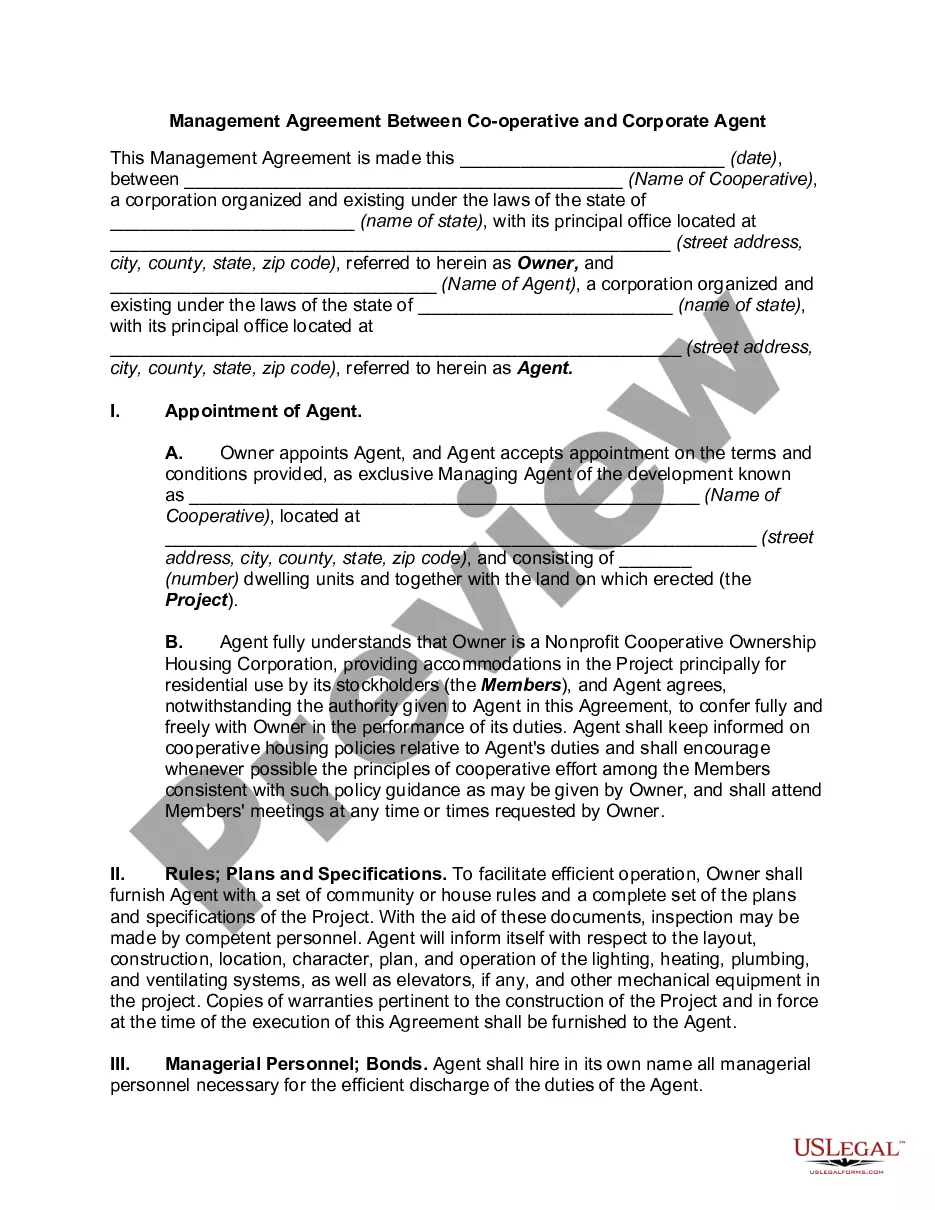
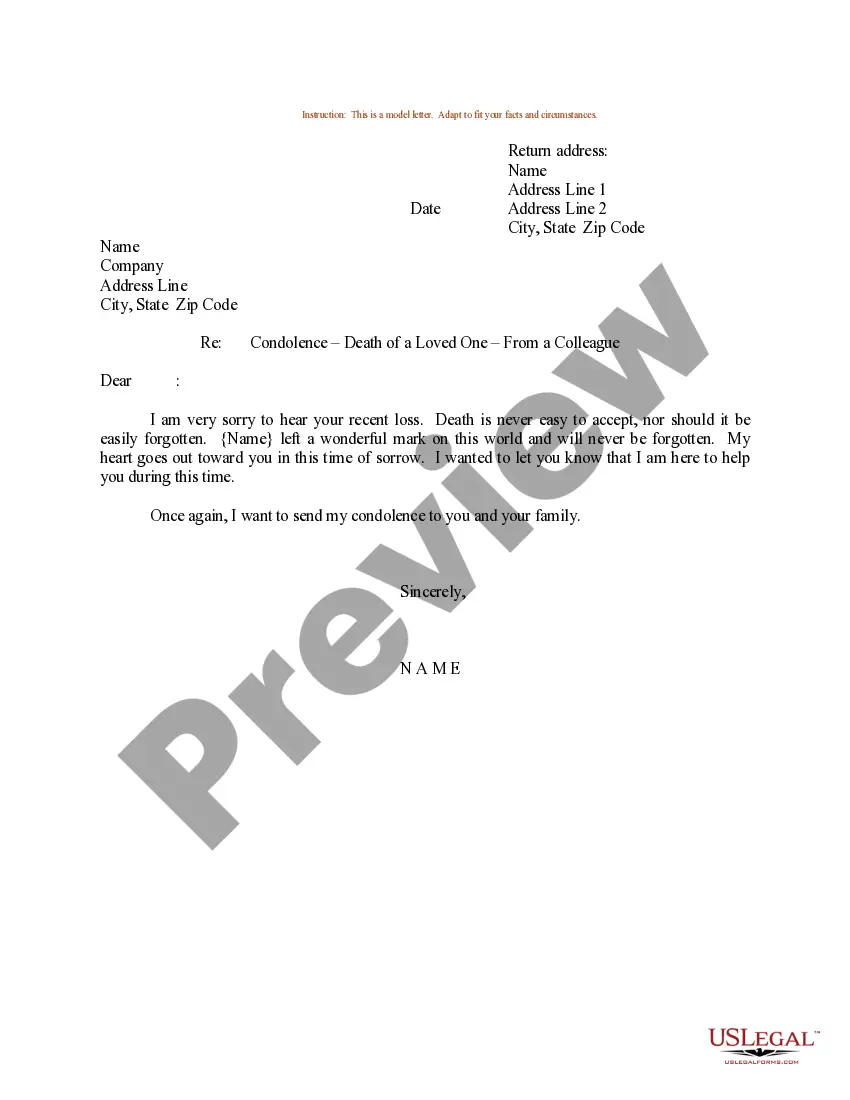
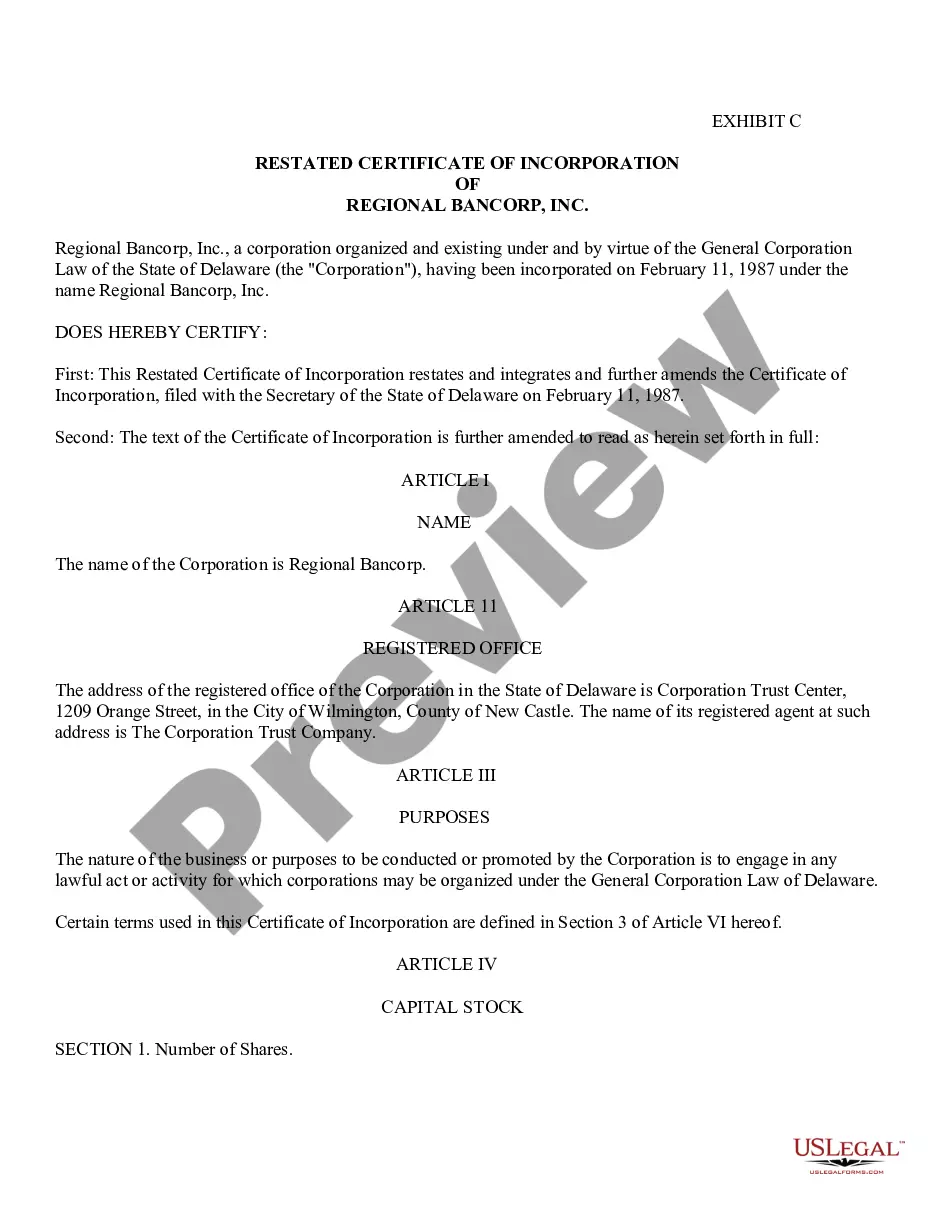

Form popularity
FAQ
Confidentiality Is a Fiduciary Responsibility Maintaining confidentiality also means that board members must maintain the confidentiality of any personal or sensitive information they acquire during their service to the board.
The Dimensions of Employee-HR Confidentiality This data, which can pertain to age, sex, religion, race or national origin, must remain confidential. Similarly, social security numbers, birth dates, home addresses and spousal information also must remain confidential within employee personnel files.
Some examples could include locking away or securing confidential information at all times, putting non-disclosure agreements in place, and not keeping confidential documents when no longer needed.
What is confidential information? Confidential information includes non-public information disclosed or made available to the receiving party, directly or indirectly, through any means of communication or observation.
What kinds of records could be considered confidential? Information relating to the business of a third party which is. A trade secret or scientific, technical, commercial, financial or labour relations information, and.Personal Information.Solicitor-client privilege.Other types of confidential records.
The Employee shall protect the Confidential Information by using the same degree of care, but no less than reasonable care, to prevent the unauthorized use, dissemination or publication of the Confidential Information as the Employee uses to protect its own Confidential Information.
Confidential Information Examples Contact details. Bank details. Medical records and history. Personal information such as name, birthday, sex, address. Company reports whether sales, financial.
These should include, for example: Ensuring that confidential information is always locked away at night, and not left unattended during the day; Password-protecting sensitive computer files; Marking confidential information clearly as such, and ensuring that paper copies are shredded before disposal; and.