Agreement to Sub-license Trademark for Use in a Restaurant Business
Overview of this form
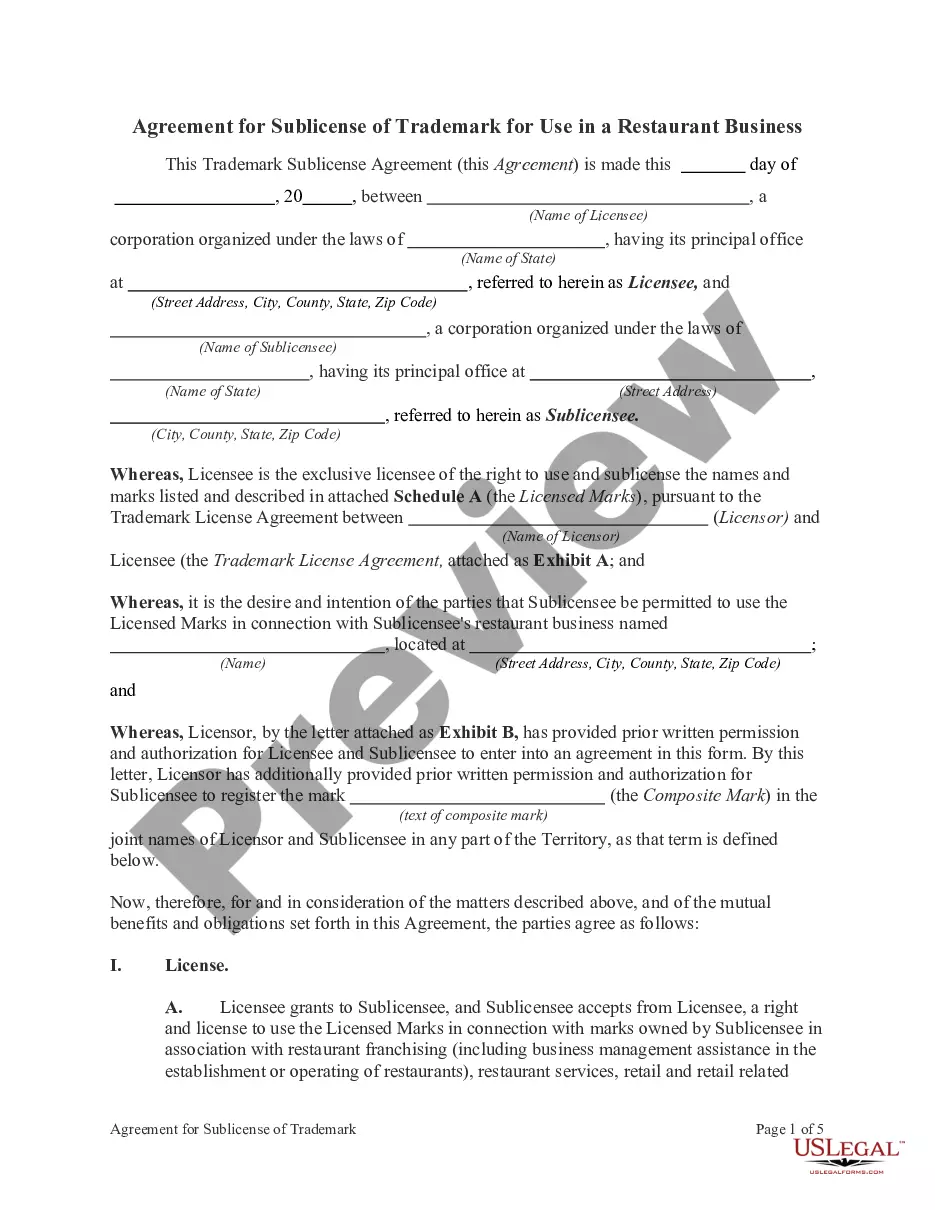
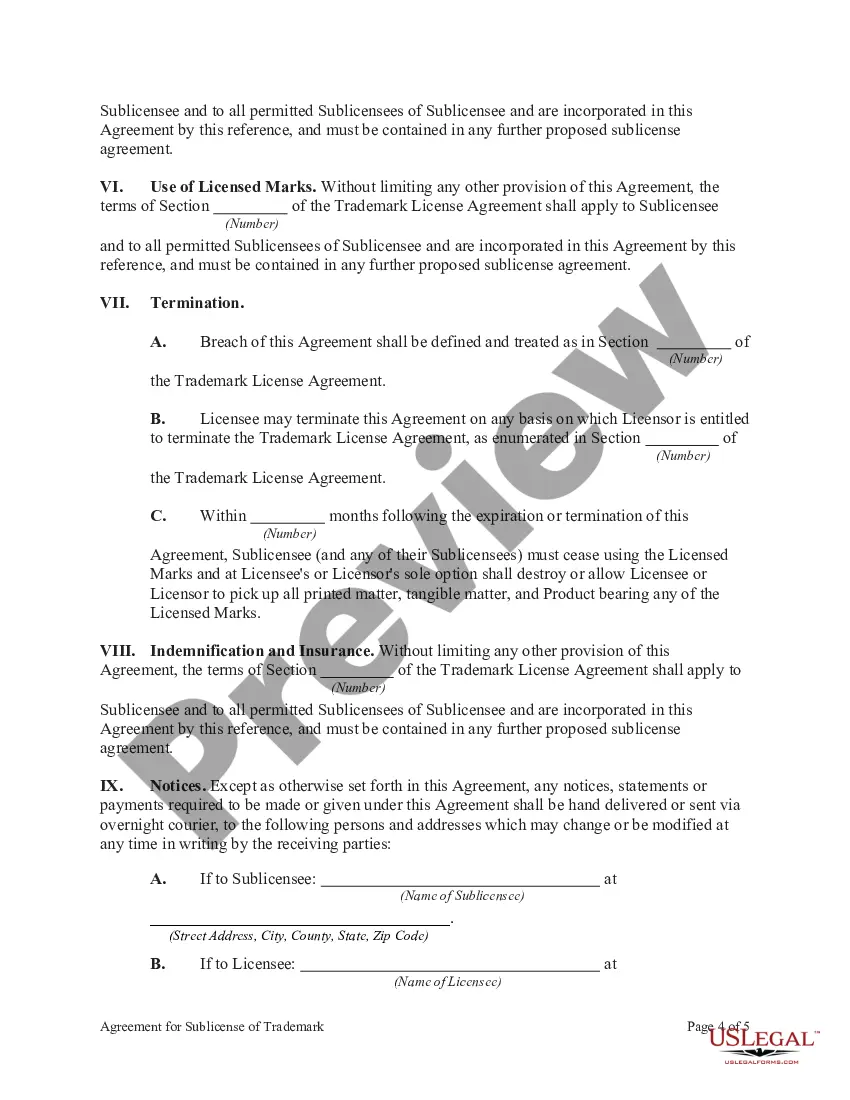
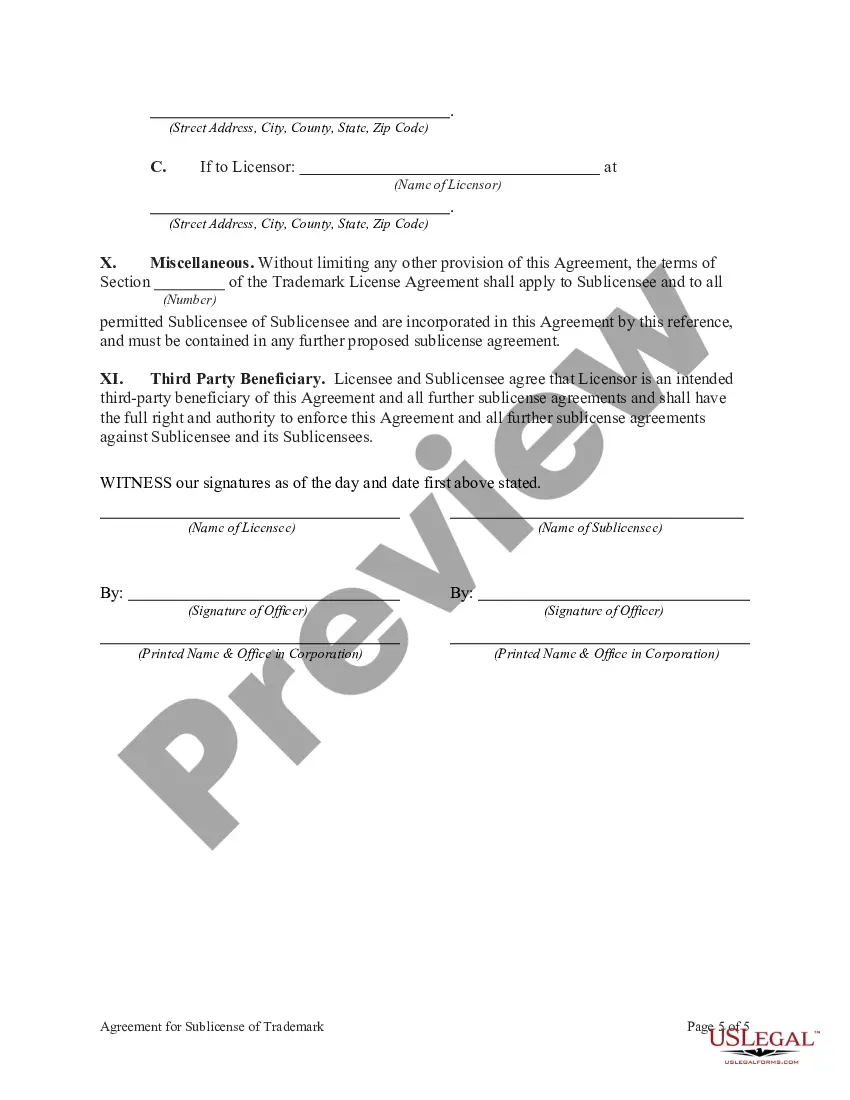
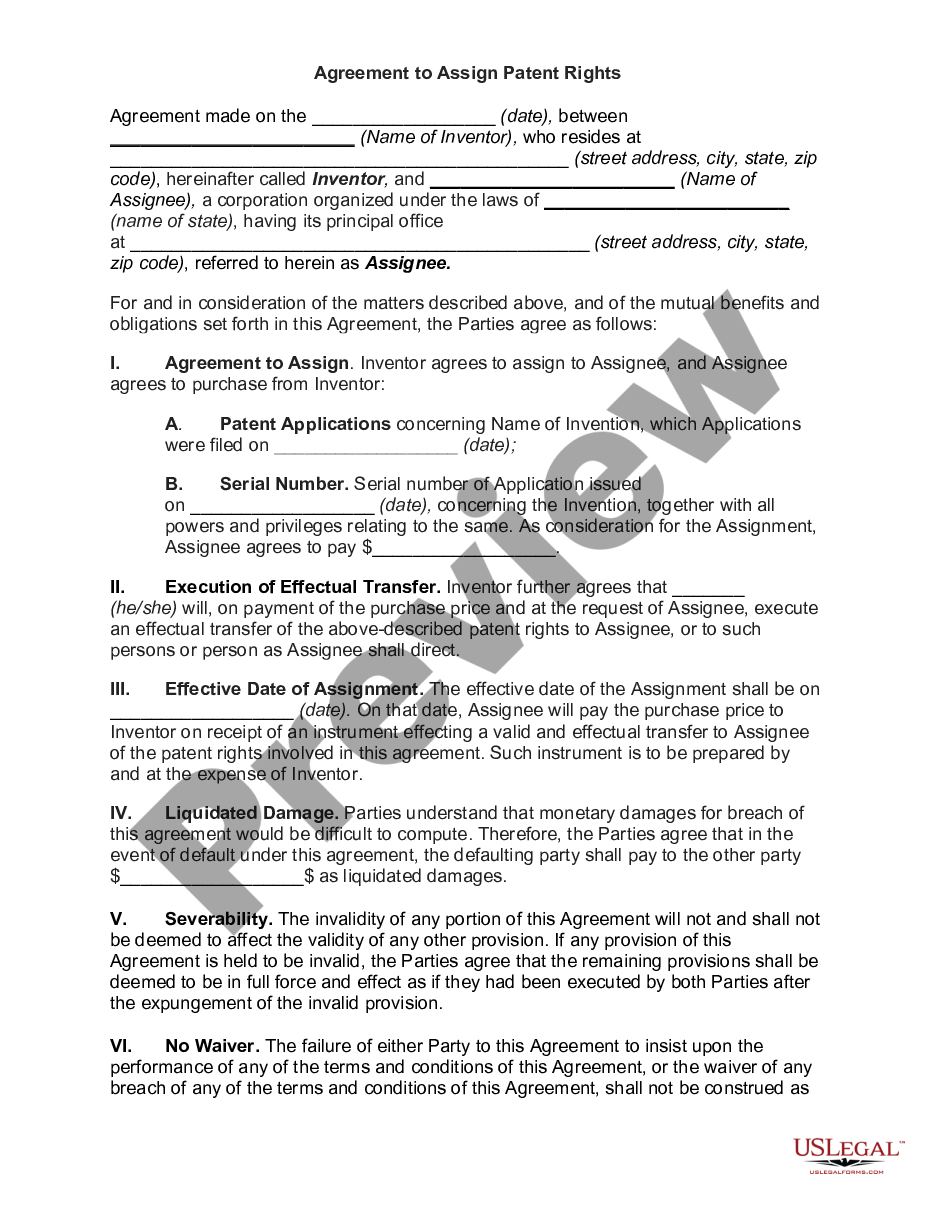
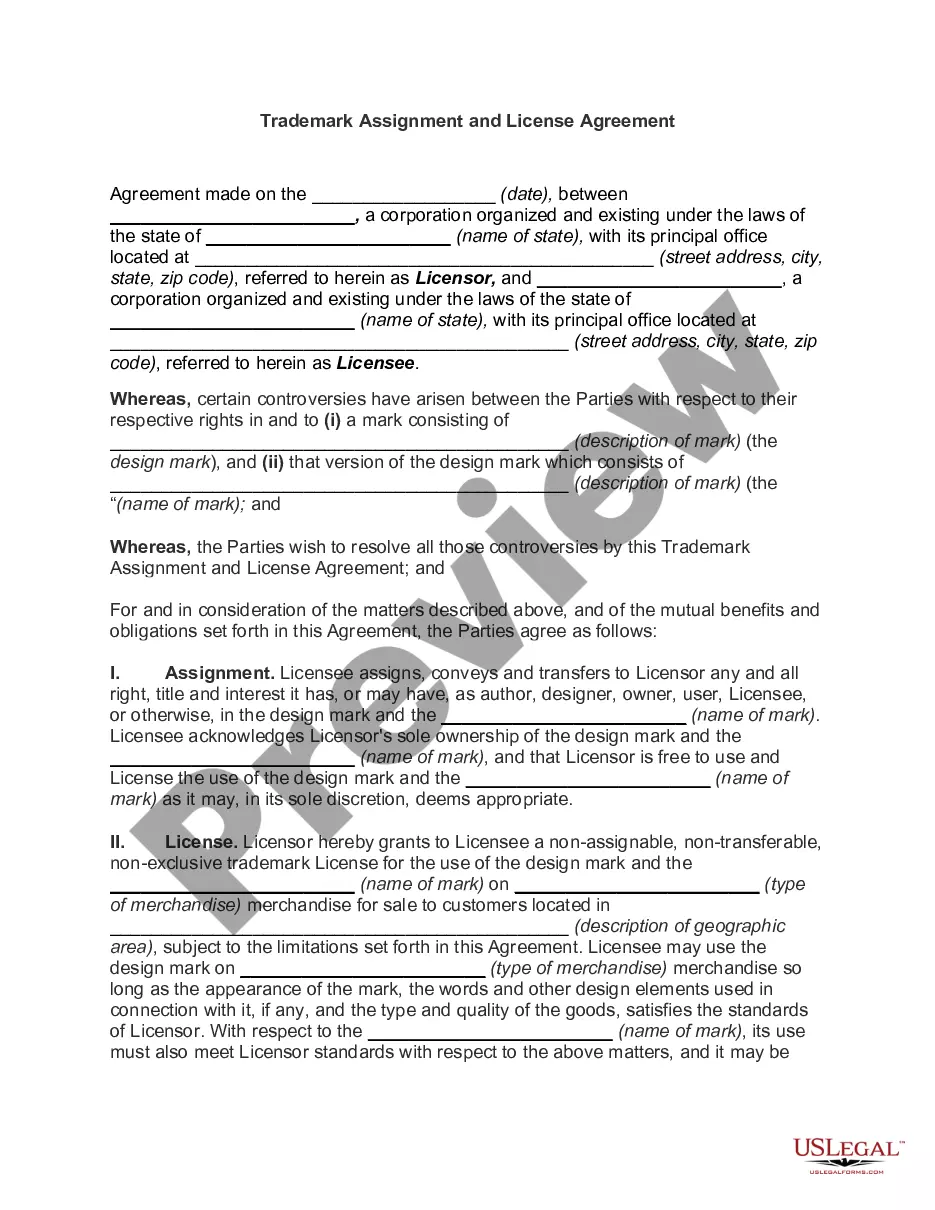
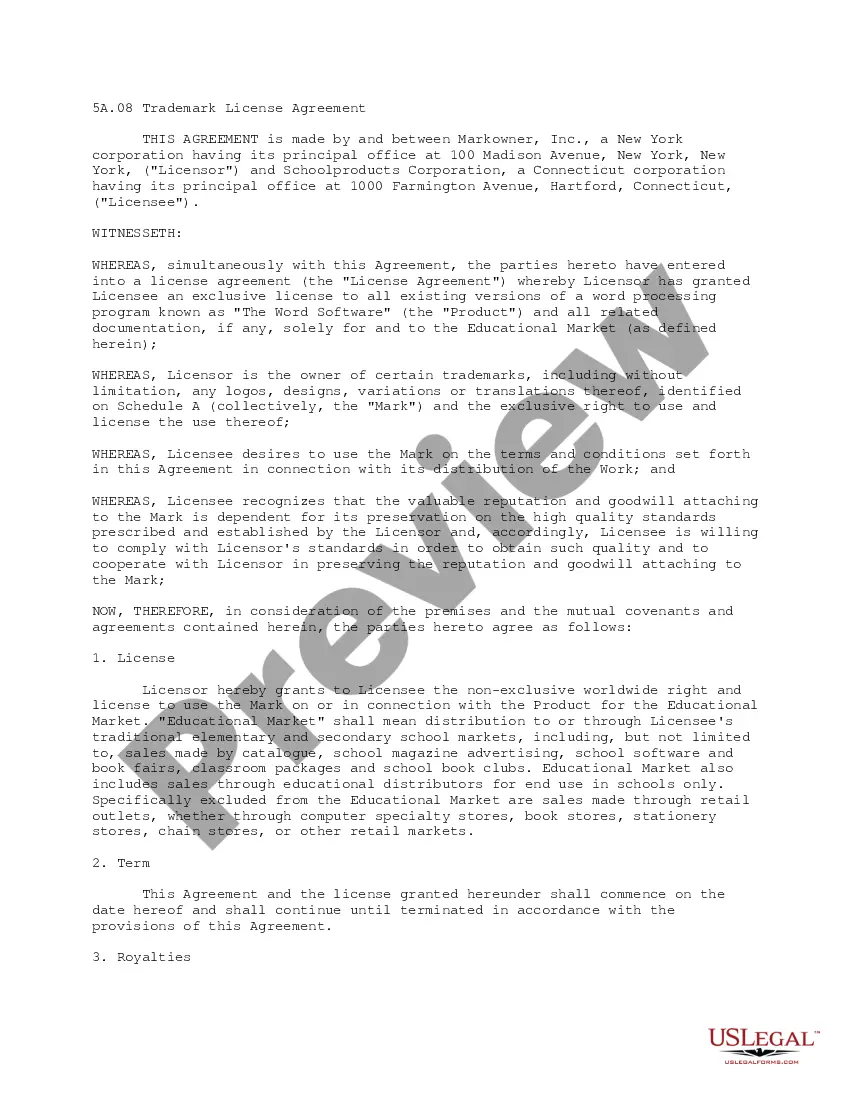
The Agreement to Sub-license Trademark for Use in a Restaurant Business is a legal document that allows a sublicensee to utilize a trademark within the context of a restaurant business. This agreement ensures that the sublicensee can use the licensed marks for advertising and promotional purposes, while adhering to restrictions set forth by the licensor. It differs from standard licensing agreements by specifically catering to the restaurant industry's unique requirements and marketing needs.
What’s included in this form
- Definitions of licensed marks and territory of use.
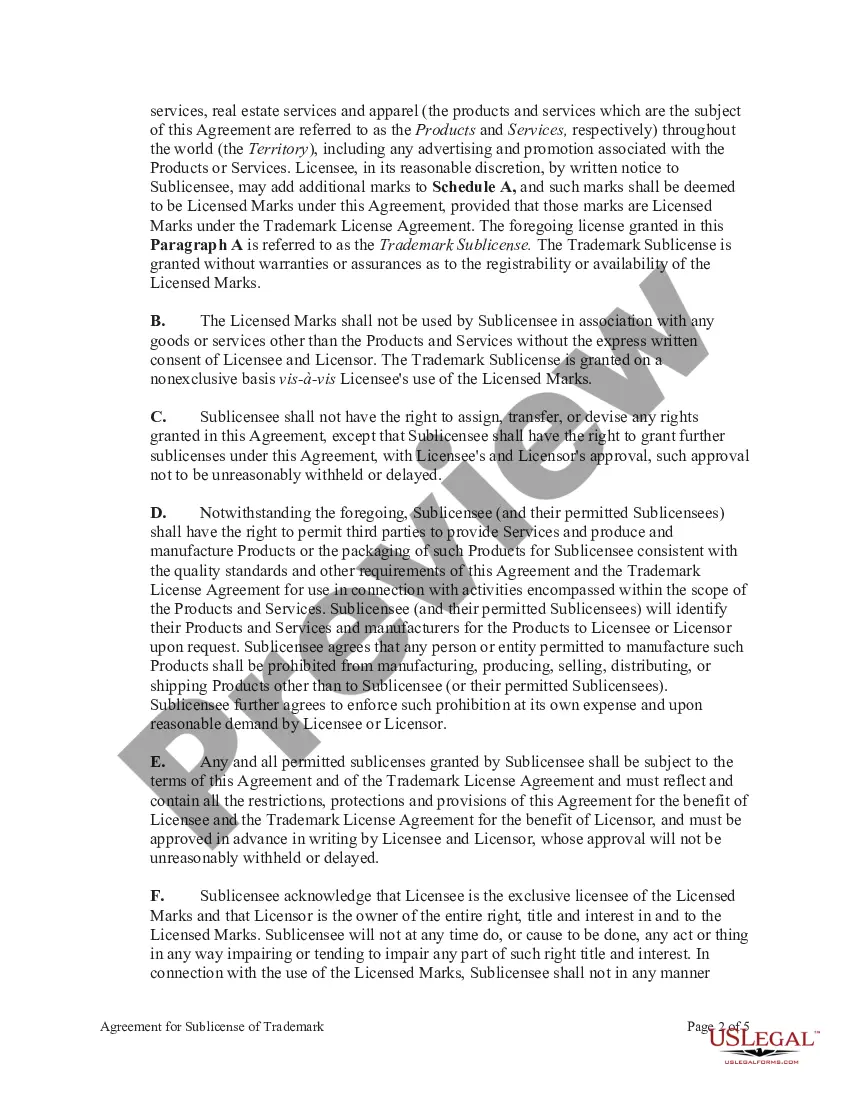
- Scope of the trademark sublicense, including approved products and services.
- Conditions for adding additional marks or sublicensing rights.
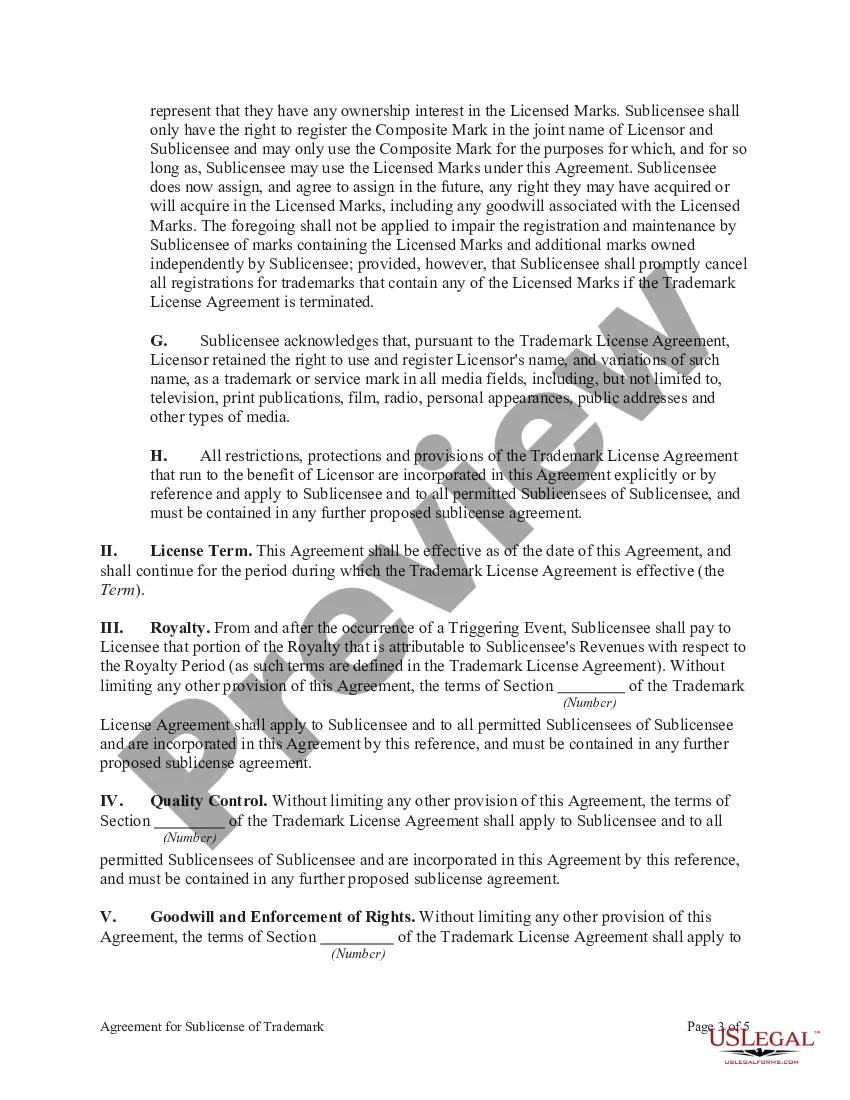
- Responsibilities of the sublicensee regarding trademark use and manufacturing.
- Details about license term and termination conditions.
- Requirements for handling notices and communications between parties.
When to use this form
This agreement is necessary when a business wishes to obtain the rights to use a trademark owned by another entity for its restaurant operations. Common scenarios include restaurant franchises looking to leverage an established brand or operators seeking to expand their market presence through trademarked services and products. It is particularly useful when the trademark is recognized and can boost consumer trust and attraction.
Intended users of this form
- Restaurant owners seeking to incorporate a licensed trademark into their business.
- Franchisors looking to expand their branding through sublicensing.
- Entrepreneurs interested in franchising a trademarked restaurant brand.
- Business entities looking for collaboration opportunities with trademark owners.
Completing this form step by step
- Identify the parties involved: the licensor, licensee, and sublicensee.
- Specify the trademark marks that the sublicensee is authorized to use.
- Define the territory in which the trademark can be used.
- Enter the duration of the sublicense agreement.
- Ensure all parties review and sign the agreement for legal validity.
Does this form need to be notarized?
This form usually doesn’t need to be notarized. However, local laws or specific transactions may require it. Our online notarization service, powered by Notarize, lets you complete it remotely through a secure video session, available 24/7.
Get your form ready online
Our built-in tools help you complete, sign, share, and store your documents in one place.
Make edits, fill in missing information, and update formatting in US Legal Forms—just like you would in MS Word.
Download a copy, print it, send it by email, or mail it via USPS—whatever works best for your next step.
Sign and collect signatures with our SignNow integration. Send to multiple recipients, set reminders, and more. Go Premium to unlock E-Sign.
If this form requires notarization, complete it online through a secure video call—no need to meet a notary in person or wait for an appointment.
We protect your documents and personal data by following strict security and privacy standards.

Make edits, fill in missing information, and update formatting in US Legal Forms—just like you would in MS Word.

Download a copy, print it, send it by email, or mail it via USPS—whatever works best for your next step.

Sign and collect signatures with our SignNow integration. Send to multiple recipients, set reminders, and more. Go Premium to unlock E-Sign.

If this form requires notarization, complete it online through a secure video call—no need to meet a notary in person or wait for an appointment.

We protect your documents and personal data by following strict security and privacy standards.
Avoid these common issues
- Failing to clearly define the scope of permitted use of the trademark.
- Not specifying the duration of the license agreement.
- Neglecting to include conditions for sublicensing or assignment rights.
- Overlooking the need for written consent from the licensor for any modifications.
Advantages of online completion
- Immediate access to a professionally drafted document tailored to the restaurant industry.
- Easy customization to meet specific business needs and branding requirements.
- Convenient, paperless process that simplifies the management of legal paperwork.
Legal use & context
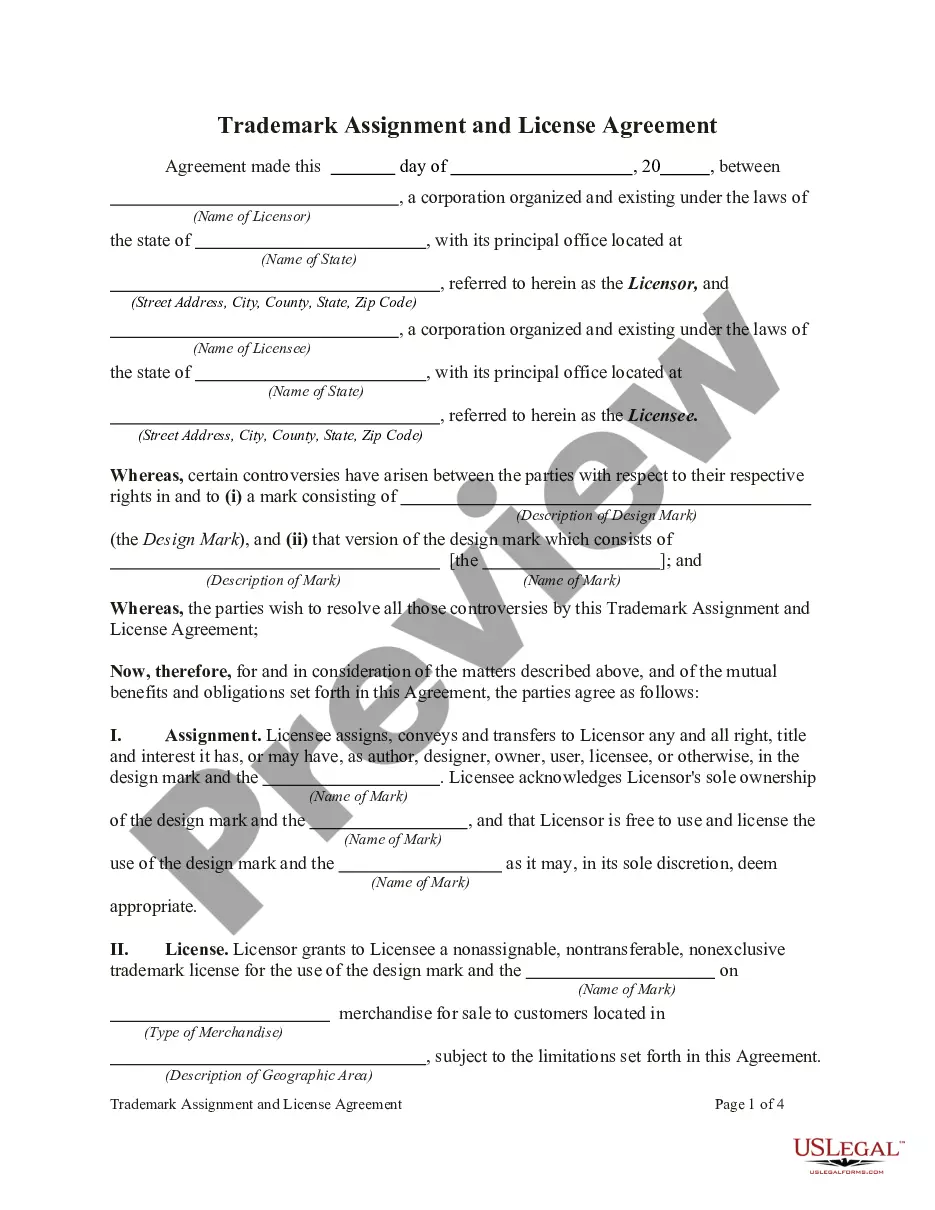
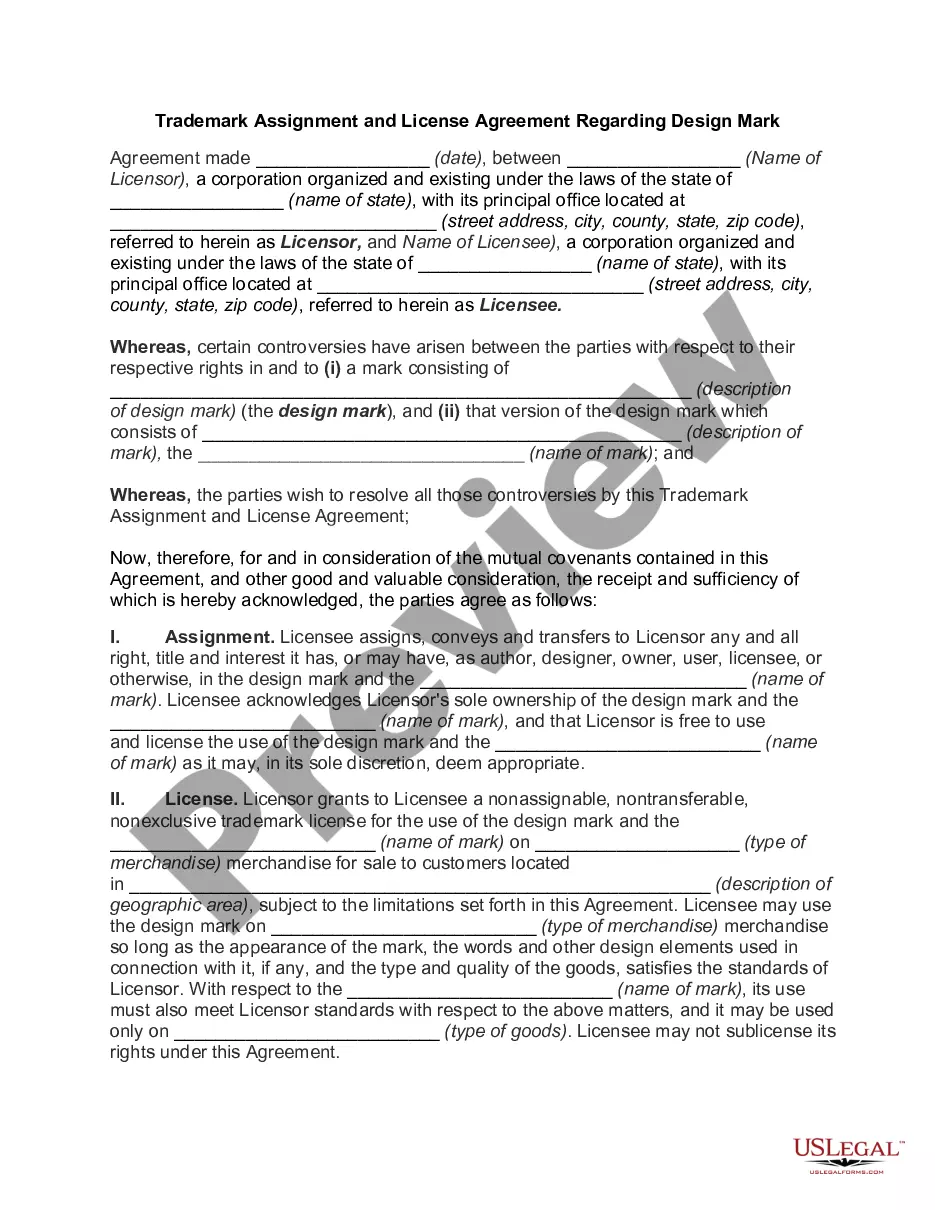
- This agreement outlines the rights and obligations of both parties regarding trademark use.
- Enforceability may hinge on adherence to the terms defined, including quality standards for goods associated with the trademark.
- Misuse of the trademark can lead to legal repercussions, including cessation of the agreement.
What to keep in mind
- The agreement allows a business to use a trademark under specific conditions.
- It is crucial to adhere to the terms to maintain the agreement's validity.
- Consulting with an attorney can help avoid common pitfalls associated with trademark use.
Looking for another form?

Form popularity
FAQ
A lease is a contract between a tenant and a landlord that provides the tenant with exclusive interest in the property. A license, on the other hand, is when the owner gives permission to a licensee to conduct an action on the owner's property.
An example of a licensing agreement is a contract between the copyright holders of software and another company, allowing the latter to use the computer software for their daily business operations.
A license agreement is a business contract between two parties. The licensor (the seller of the license) owns the asset being licensed and the licensee (the buyer) pays for the right to use the license. The licensee pays royalties to the owner in exchange for the right to sell the product or use the technology.
Exclusive or non-exclusive. In an exclusive license, the intellectual property holder is licensing the work only to one person, for that particular use/territory. Territory. Use. Attribution. Derivative works. Confidentiality. Time frame. Termination.
Firmly establish ownership. A good contract should clearly state what rights are being granted pertaining to the intellectual property in question. Do not overlook definitions. Define the royalty system. Explain the quality assurance monitoring process. Be aware of government regulations.
1Download a template for a licensing agreement.2Choose your role as the licensor or licensee.3Define the license(s) in the agreement.4Decide whether the license is exclusive or not.5Settle the matter of fees and payment schedule.6Add a renewal date and rules.Licensing Agreement UpCounsel 2020\nwww.upcounsel.com > licensing-agreement
A sublicense agreement is an agreement by which the licensee (as sublicensor) grants to someone else (as sublicensee) some of the licensee's rights. If permitted by the original license agreement, there may be multiple tiers of sublicensees.
Noun. a license or contract granted to a third party by a licensee for specified rights or uses of a product, brand name, logo, etc.
A licence will often specify whether the licensee is allowed to grant a sub-licence to a third party.The scope of the authority given by the licensor to the licensee to sublicense.