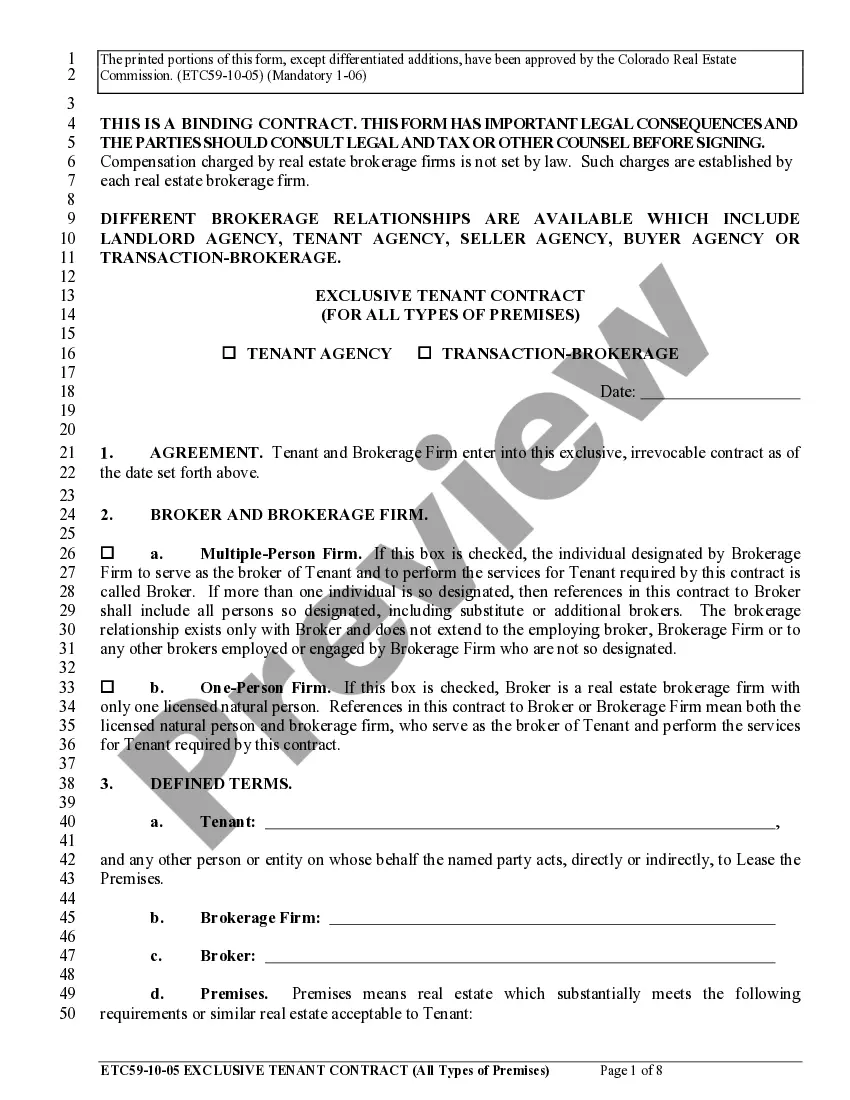
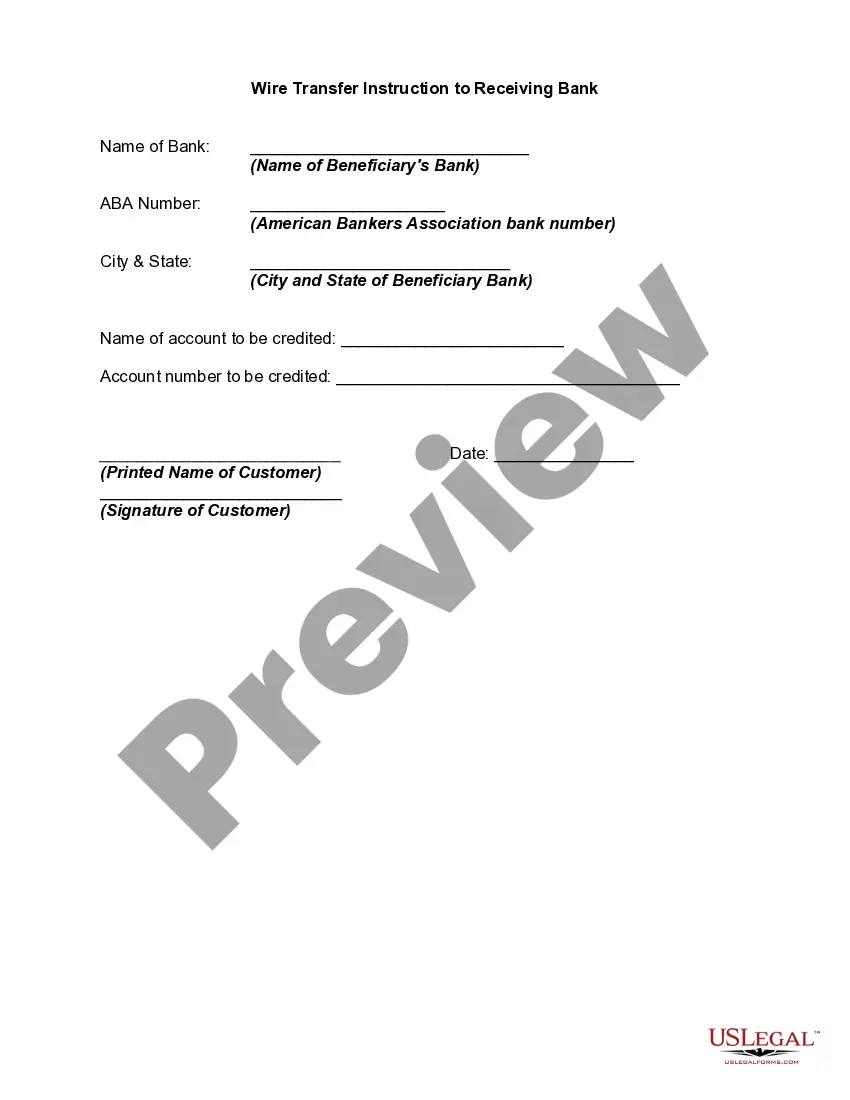
Wire Transfer Instruction to Receiving Bank
What is this form?
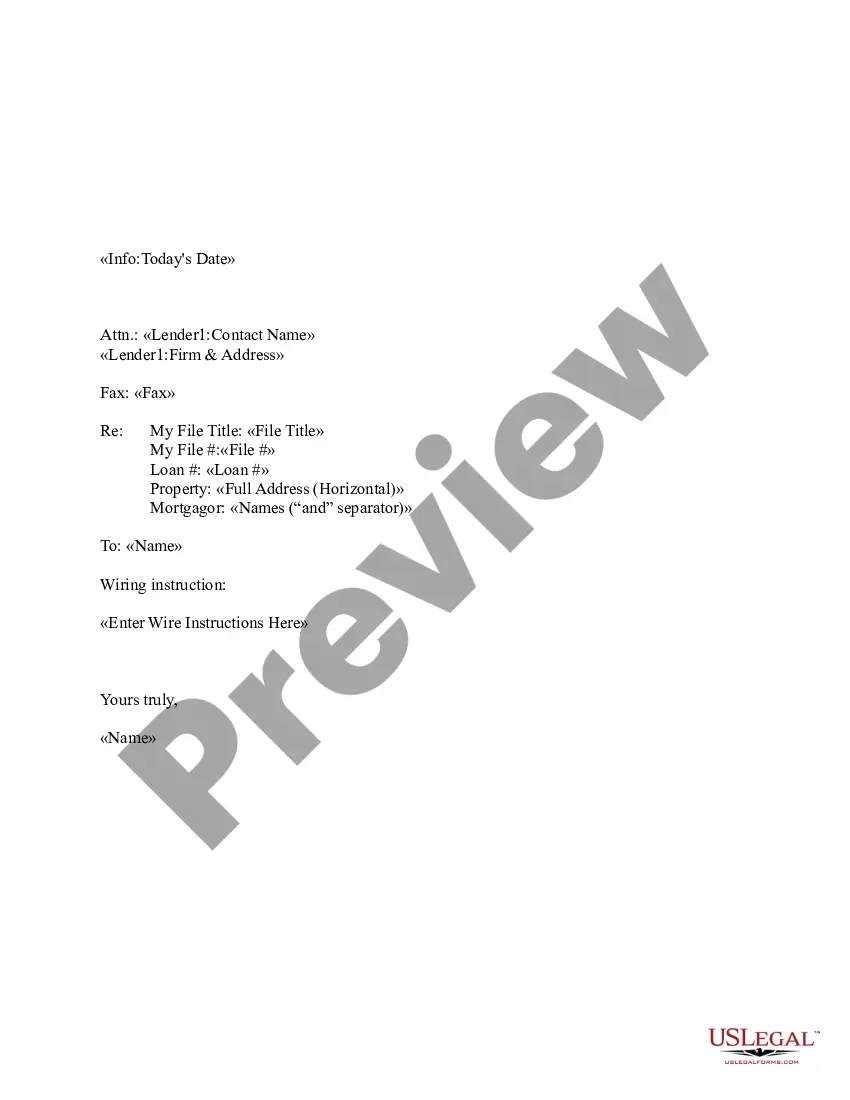
The Wire Transfer Instruction to Receiving Bank is a legal document used to authorize the transfer of funds from one bank account to another. It outlines the necessary details, including the bank's name, routing number, and account information, ensuring that the funds are directed accurately and efficiently. Unlike other financial forms, this document specifically addresses wire transfers, which are known for their speed and reliability in fund transfers.
Main sections of this form
- Name of the bank (Beneficiary's bank)
- ABA number (American Bankers Association bank number)
- City and state of the beneficiary bank
- Name of account to be credited
- Account number to be credited
- Date and customer signature
When to use this document
This form is used when you need to send money electronically from your bank account to another bank account. It is applicable for personal transactions, business payments, or any scenarios requiring immediate fund transfers. If you're sending money internationally or making a significant purchase, this form is essential to facilitate the transaction securely and promptly.
Intended users of this form
- Individuals transferring money to family or friends
- Businesses making payments to suppliers or contractors
- Anyone acting on behalf of another party (with proper authorization)
How to prepare this document
- Identify the receiving bank by entering its name.
- Input the ABA number associated with the bank.
- Fill in the city and state where the receiving bank is located.
- Provide the name of the account that will receive the funds.
- Enter the account number to be credited with the funds.
- Date the form and include your printed name and signature.
Does this document require notarization?
This form does not typically require notarization unless specified by local law. Always check your specific banking requirements to ensure compliance when submitting wire transfer instructions.
Get your form ready online
Our built-in tools help you complete, sign, share, and store your documents in one place.
Make edits, fill in missing information, and update formatting in US Legal Forms—just like you would in MS Word.
Download a copy, print it, send it by email, or mail it via USPS—whatever works best for your next step.
Sign and collect signatures with our SignNow integration. Send to multiple recipients, set reminders, and more. Go Premium to unlock E-Sign.
If this form requires notarization, complete it online through a secure video call—no need to meet a notary in person or wait for an appointment.
We protect your documents and personal data by following strict security and privacy standards.

Make edits, fill in missing information, and update formatting in US Legal Forms—just like you would in MS Word.

Download a copy, print it, send it by email, or mail it via USPS—whatever works best for your next step.

Sign and collect signatures with our SignNow integration. Send to multiple recipients, set reminders, and more. Go Premium to unlock E-Sign.

If this form requires notarization, complete it online through a secure video call—no need to meet a notary in person or wait for an appointment.

We protect your documents and personal data by following strict security and privacy standards.
Mistakes to watch out for
- Leaving out the ABA number, which can delay the transfer.
- Incorrectly entering the account number, leading to misdirected funds.
- Failing to sign the form, making it invalid.
Why use this form online
- Convenience of downloading and printing the form from anywhere.
- Editability allows for easy corrections before submission.
- Access to reliable forms drafted by licensed attorneys ensures completeness and legal compliance.
Looking for another form?










Form popularity
FAQ
A Centric Bank Wire Transfer Request Form. Your name, address, and phone number. Your Centric account number. Personal identification (driver's license) The receiving bank's name and address. The receiving bank's Wire ABA/Routing Number.
Name of the person or business you're paying. Six-digit sort code of the account you're paying. Eight-digit account number of the account you're paying. A payment reference (often your name or customer number) to let them know the money came from you.
Recipient's full name and address. Name and full address of recipient's bank. Recipient's account number and account type (e.g., checking or savings) Recipient routing number. Recipient bank's SWIFT or BIC code (if applicable)
Your bank account number. The recipient's name. The recipient's bank name and address. The recipient's bank's American Bankers Association number, commonly called a routing number (for transfers within the U.S.) or Bank Identifier Code (outside the U.S.).
Wire transfers are safe, but they are also often used by scammers to commit fraud, so you should proceed with caution. A wire transfer is fast and immediate, and con artists often take advantage of its speediness and the fact that it's irreversible.
Always verify the authenticity of each wire transfer request by implementing a two-step verification process. Call the person, using a number you have previously called not one from the current wire transfer request to verbally verify it. Do not email wiring instructions. Use regular mail, phone or fax instead.
Recipient bank name (the bank that the money is going to) Recipient bank's American Bankers Association (ABA) routing number or other code2. Payee's account number at the bank. Any additional information you need to provide (such as further delivery instructions)3.
Name and address of the recipient (you) Bank name and sometimes the bank's address. Bank BIC/SWIFT code. Your account number. Your account type. The amount. The day on which the payment should be made.
Wire transfer, bank transfer or credit transfer, is a method of electronic funds transfer from one person or entity to another. A wire transfer can be made from one bank account to another bank account, or through a transfer of cash at a cash office.