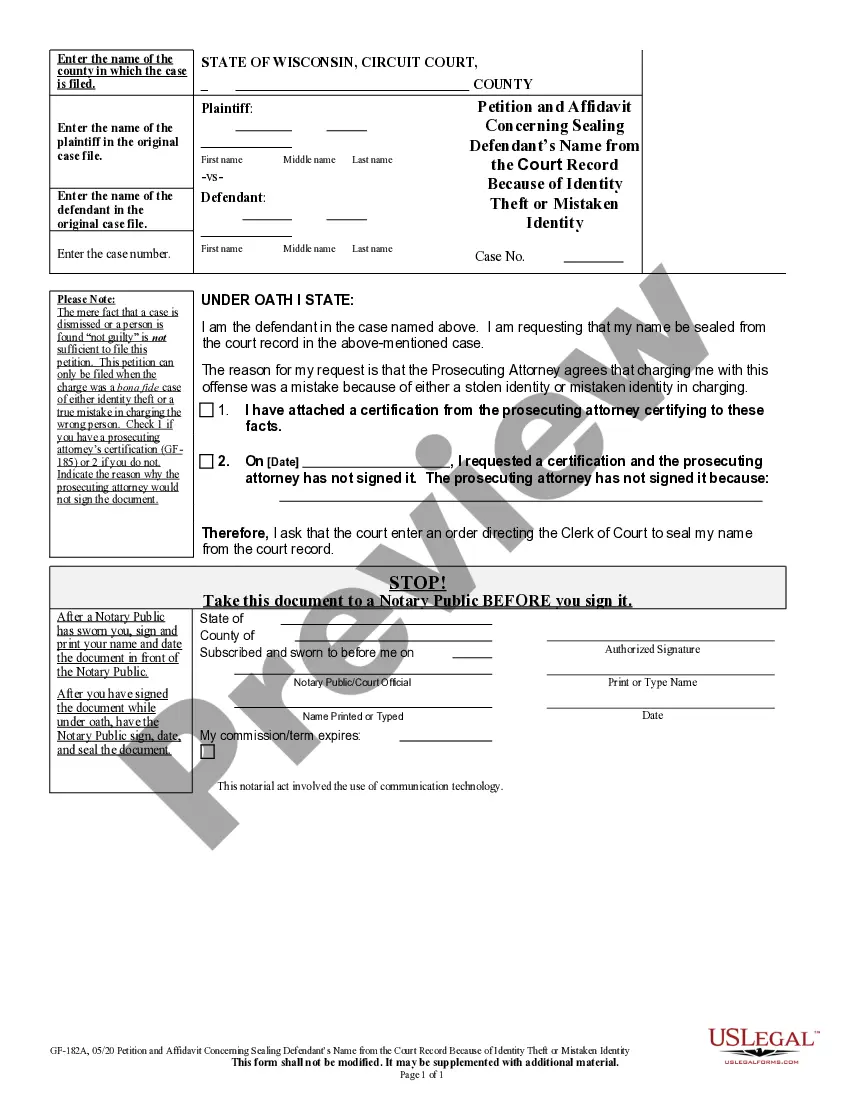
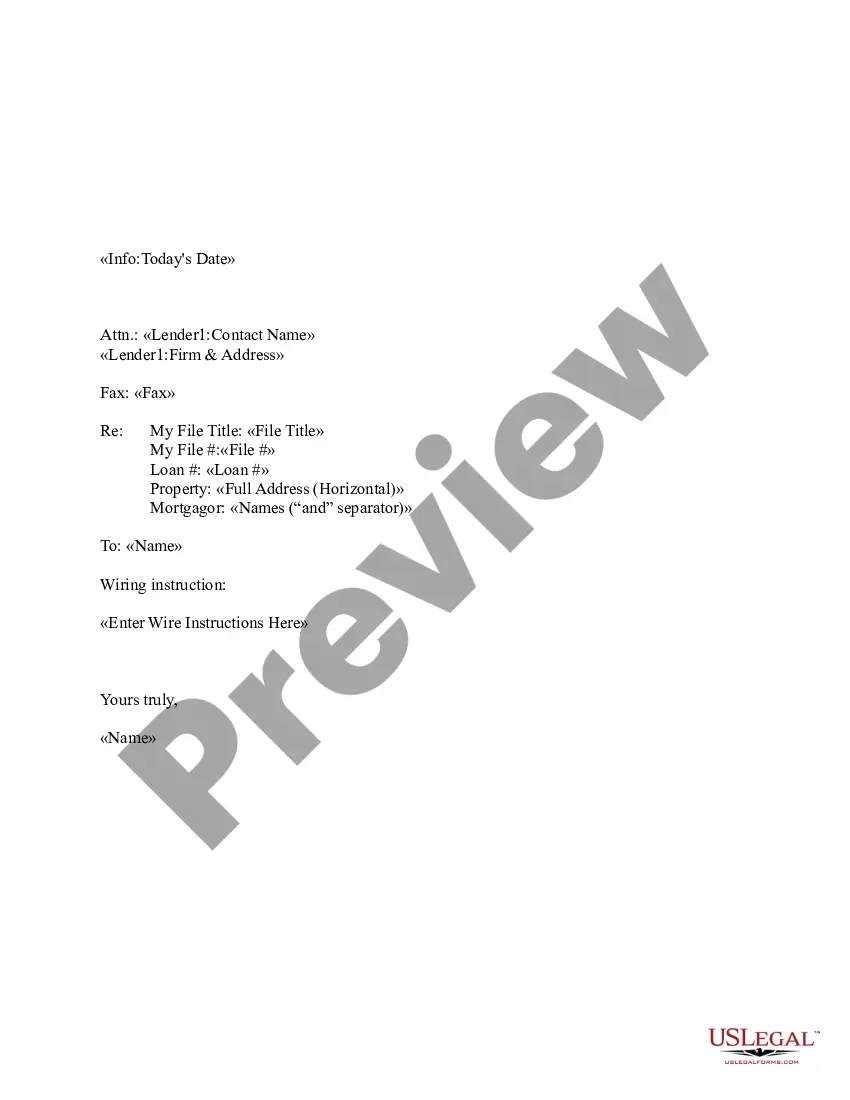
Letter: Wire Instructions
Overview of this form
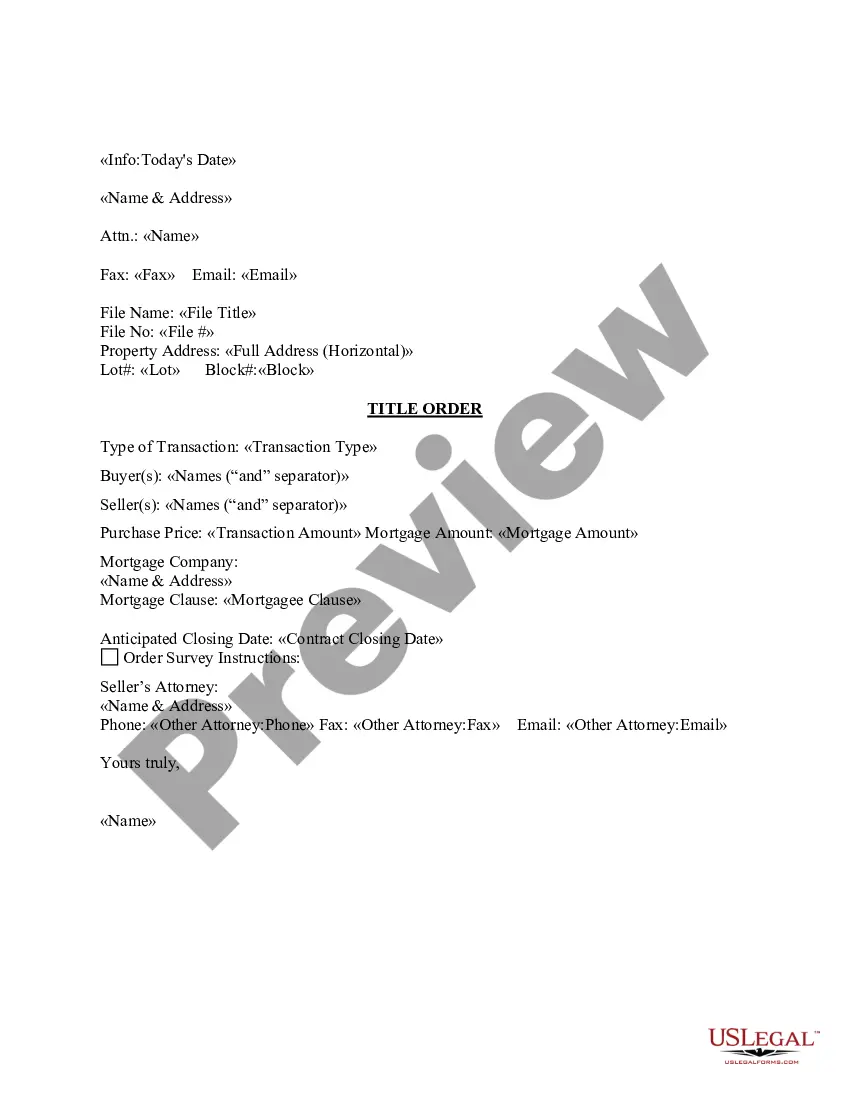
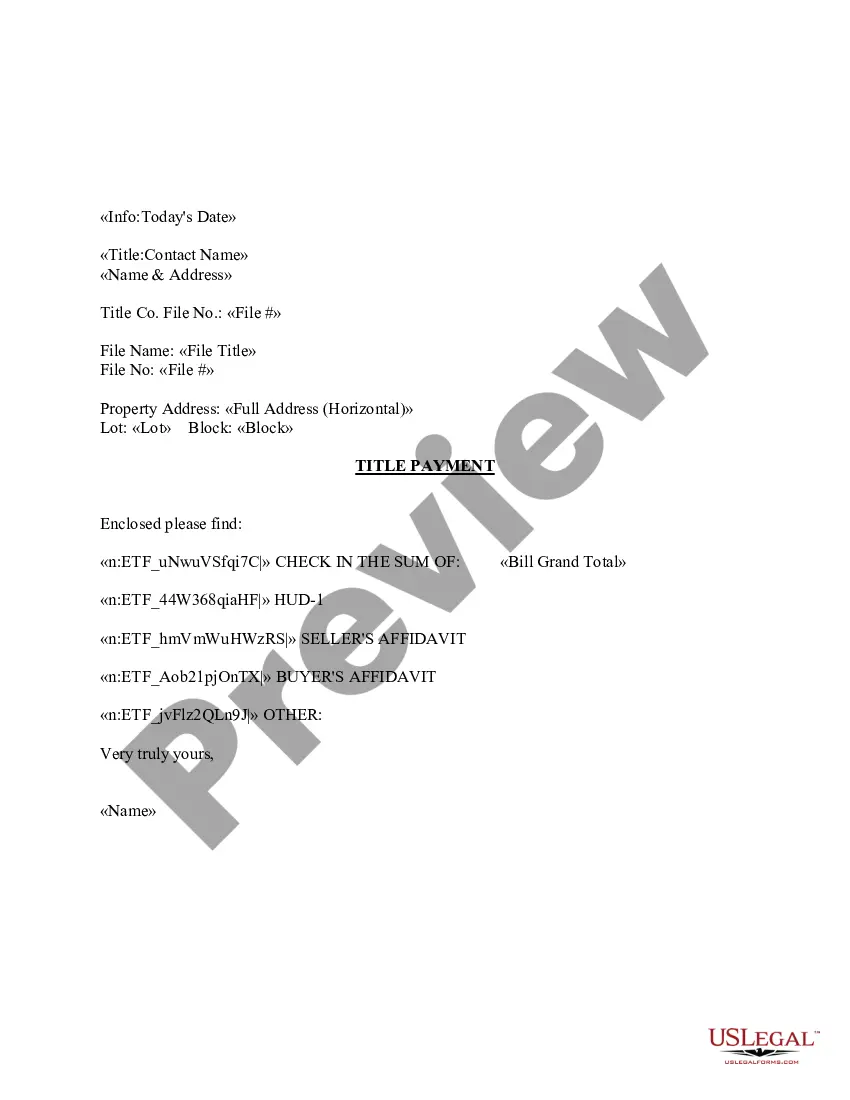
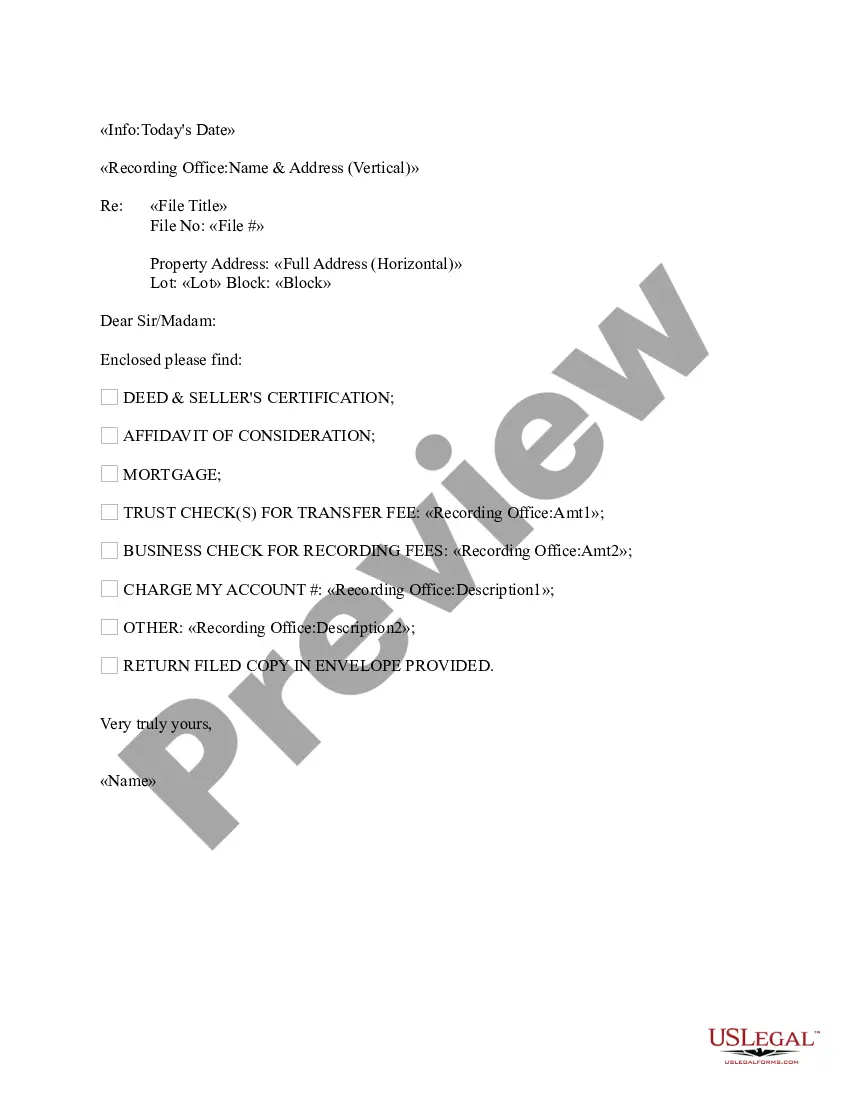
The Letter: Wire Instructions is a customizable letter used to request wire transfer details from a lender. This form is essential for ensuring that funds are transferred to the correct account, thereby avoiding delays or errors. Unlike other financial letters, this document specifically focuses on providing clear and precise wire instructions, making it crucial for financial transactions involving loans or property purchases.
Key parts of this document
- Today's Date: The date the letter is issued.
- Lender Contact Information: Name and details of the lender for correspondence.
- Loan Information: Title and details of the loan associated with the wire transfer.
- Property Address: Full address of the property involved in the transaction.
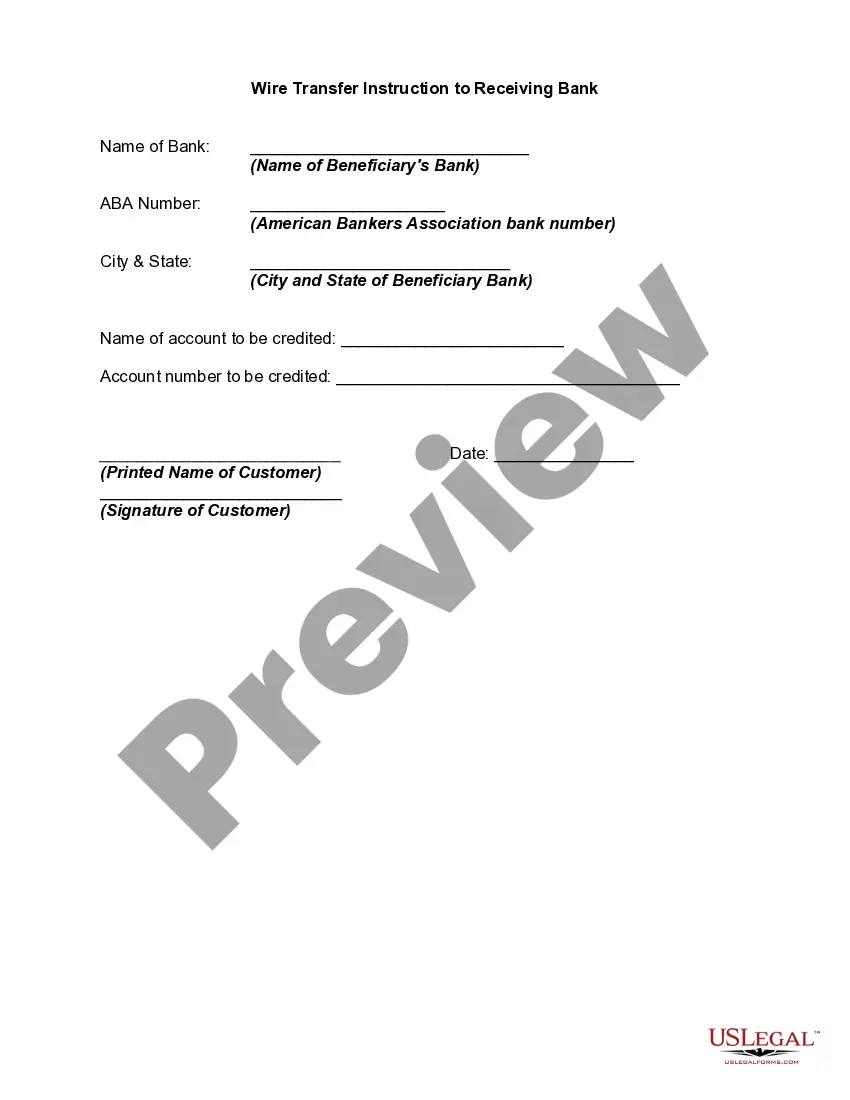
- Wiring Instructions: Specific details on where to send the funds.
- Sender's Information: The name and contact information of the person requesting the wire transfer.
When to use this document
This form is used in various situations, including when you are finalizing a loan and need to provide the lender with your banking details for a wire transfer. It is commonly used in real estate transactions, financing applications, and any context where prompt and accurate fund transfers are necessary.
Intended users of this form
This letter is suitable for:
- Borrowers who are securing a loan.
- Real estate agents coordinating property transactions.
- Lenders needing to request wire transfer details from clients.
- Individuals managing financial transactions requiring wire transfers.
Completing this form step by step
- Identify the date and recipients: Write the date at the top and fill in the name and contact information of the lender.
- Provide loan and property details: Specify the title and address of the property involved in the transaction.
- Enter your banking wire instructions: Clearly detail where the funds should be sent, including account numbers and bank details.
- Include your contact information: Write your name and preferred method of communication for any follow-up.
- Review and edit: Ensure all information is correct before finalizing the letter.
Does this document require notarization?
This form does not typically require notarization unless specified by local law. However, it is advisable to check whether notarization is needed for your specific situation to ensure validity.
Get your form ready online
Our built-in tools help you complete, sign, share, and store your documents in one place.
Make edits, fill in missing information, and update formatting in US Legal Forms—just like you would in MS Word.
Download a copy, print it, send it by email, or mail it via USPS—whatever works best for your next step.
Sign and collect signatures with our SignNow integration. Send to multiple recipients, set reminders, and more. Go Premium to unlock E-Sign.
If this form requires notarization, complete it online through a secure video call—no need to meet a notary in person or wait for an appointment.
We protect your documents and personal data by following strict security and privacy standards.

Make edits, fill in missing information, and update formatting in US Legal Forms—just like you would in MS Word.

Download a copy, print it, send it by email, or mail it via USPS—whatever works best for your next step.

Sign and collect signatures with our SignNow integration. Send to multiple recipients, set reminders, and more. Go Premium to unlock E-Sign.

If this form requires notarization, complete it online through a secure video call—no need to meet a notary in person or wait for an appointment.

We protect your documents and personal data by following strict security and privacy standards.
Typical mistakes to avoid
- Missing or incorrect wire instructions, which can delay fund transfers.
- Failing to include the correct lender contact information.
- Not updating the form with the current date.
- Omitting necessary loan or property details that could lead to confusion.
Advantages of online completion
- Convenience of downloading and customizing the form instantly.
- Editable fields allow you to personalize the letter to fit your needs.
- Reliable templates drafted by licensed attorneys ensure compliance with legal standards.
Looking for another form?
Form popularity
FAQ
Sign on to Wells Fargo Online, go to Transfer & Pay, and enroll in Online Wires to get started. Add your recipient, select funding account and amount (along with any additional details required for certain countries). Review and send your payment.
To find your account number and wire transfer routing number, Log in to Online Banking, select your desired account and then select the Information & Services tab. Fees and limits may apply, depending on your account type and the type of wire.
How to transfer money to another bank electronically Log into your online banking account at your current bank. Select the Transfer option.Enter the routing and account number for your new bank account. Select how much you'd like to transfer. Confirm the transfer and wait for the funds to show up in your new account.
You can contact your bank to track your wire transfer, and they'll use your Federal Reference number to trace it. They'll be able to see the transactional details between your bank, the corresponding bank into which funds are being deposited, as well as identify the wire transfer's current location.
You can usually initiate a bank-to-bank wire transfer in person at your bank or financial instruction's local branch or through your online bank account. You'll usually need to provide the recipient's full name, contact information, and bank account details such as routing and transfer numbers.
When sending a domestic bank wire, you will need to provide the recipient's name, address, bank account number, and ABA number (routing number).
Bank and wire transfer services may require: The sender's full name and contact information. The sender's bank account and transit number. The recipient's full name and contact information. The recipient's bank account information and transit number.
You should verify wiring instructions directly with the payee, preferably by phone, using contact information that is known and reliable. Staff should also verify the bank routing number is correct, and that the bank's location is consistent with where you intend to send the wire.