Accounts Receivable - Guaranty
About this form
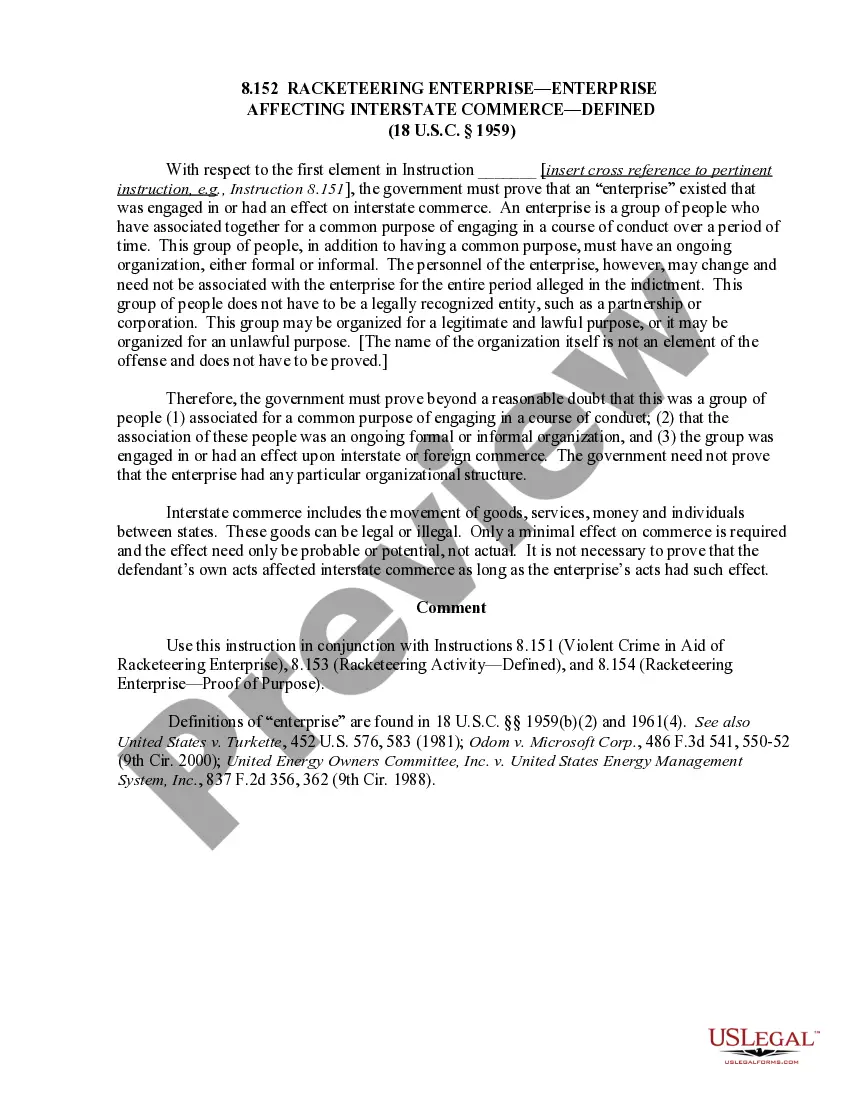
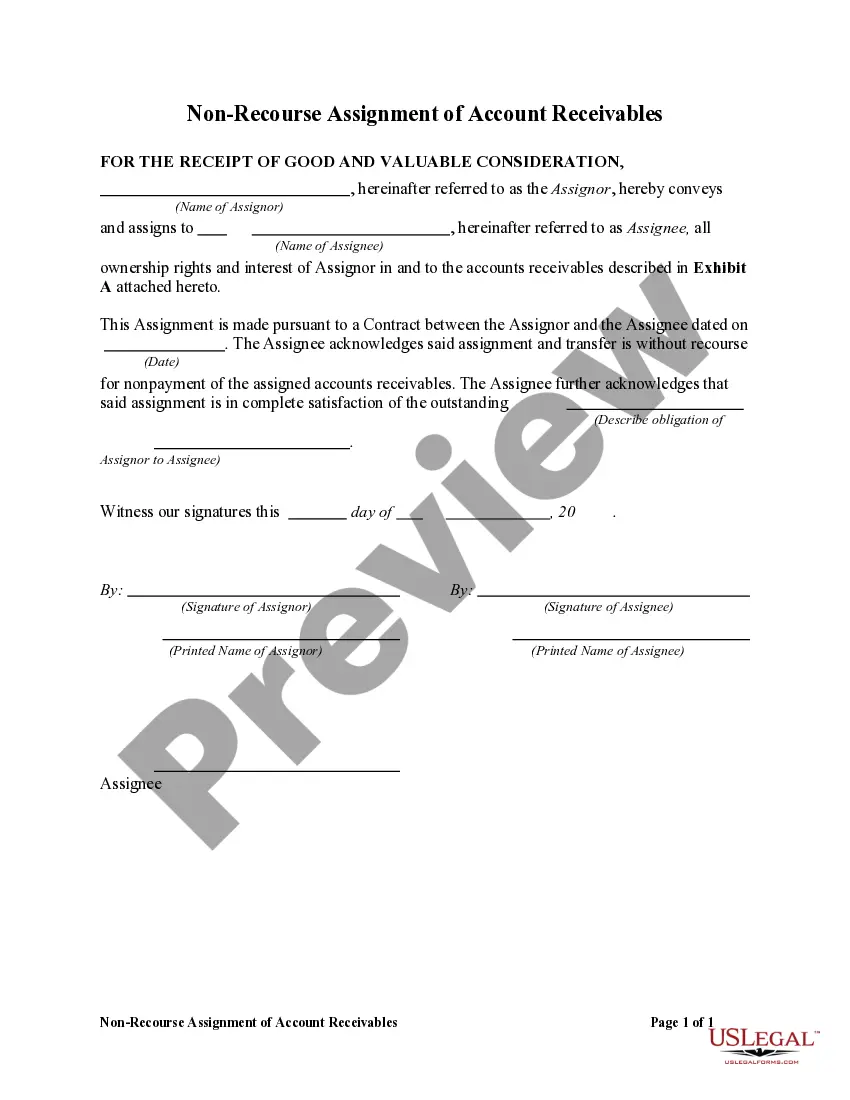
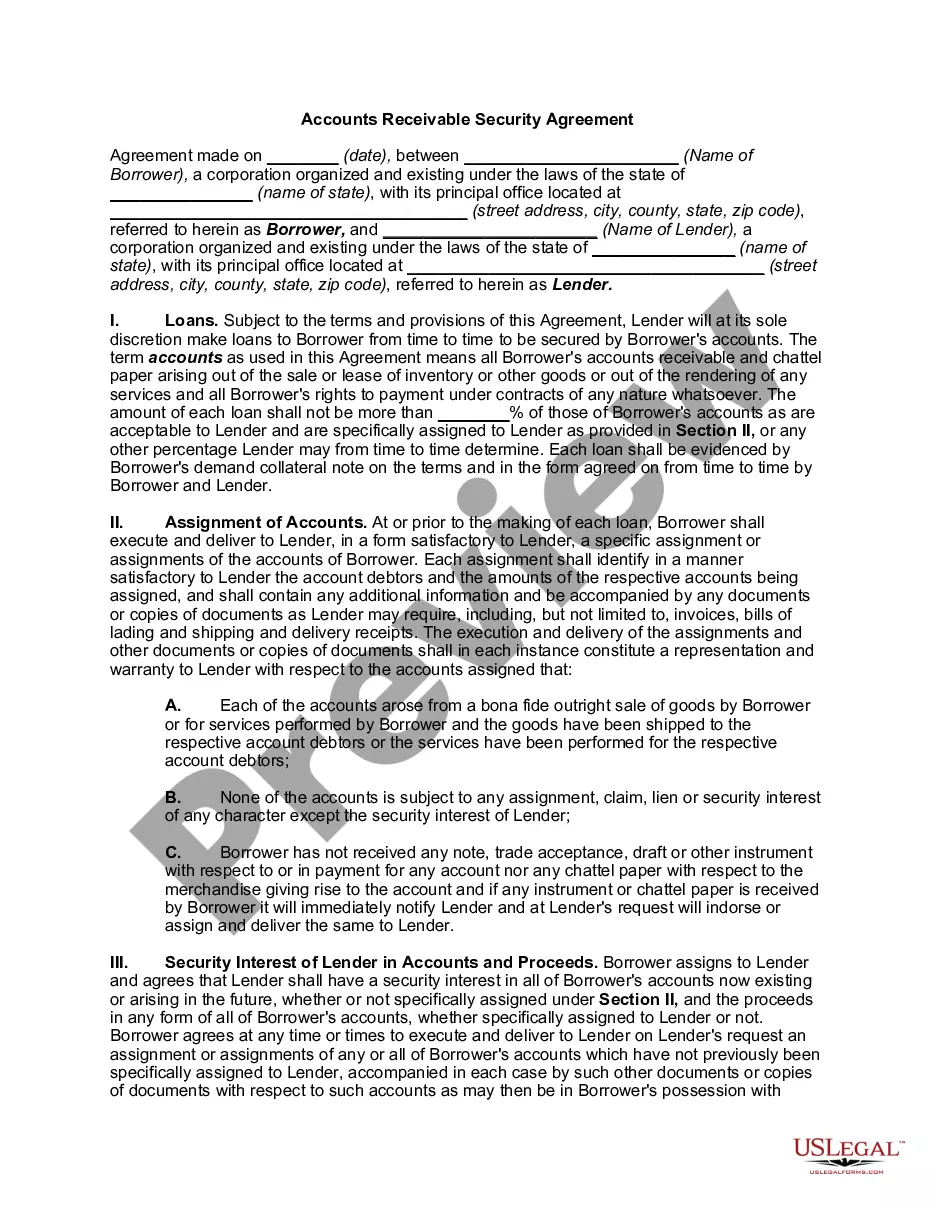
The Accounts Receivable - Guaranty is a legal document in which a guarantor agrees to take responsibility for the payment obligations of a customer. This form ensures that a payee can collect funds owed by the customer, including any associated fees, up to a specified maximum amount. This guaranty is particularly useful for businesses extending credit, providing additional security against non-payment. Unlike standard contracts, this form creates a binding obligation on the guarantor to cover the customerâs debts if they default.
Form components explained
- Identification of the guarantor, payee(s), and customer involved in the agreement.
- A clear statement of the guarantor's unconditional commitment to cover account receivable charges.
- Waivers of certain rights and notifications that would typically apply in a guarantee agreement.
- Specifications about the maximum amount that the guarantor is liable for.
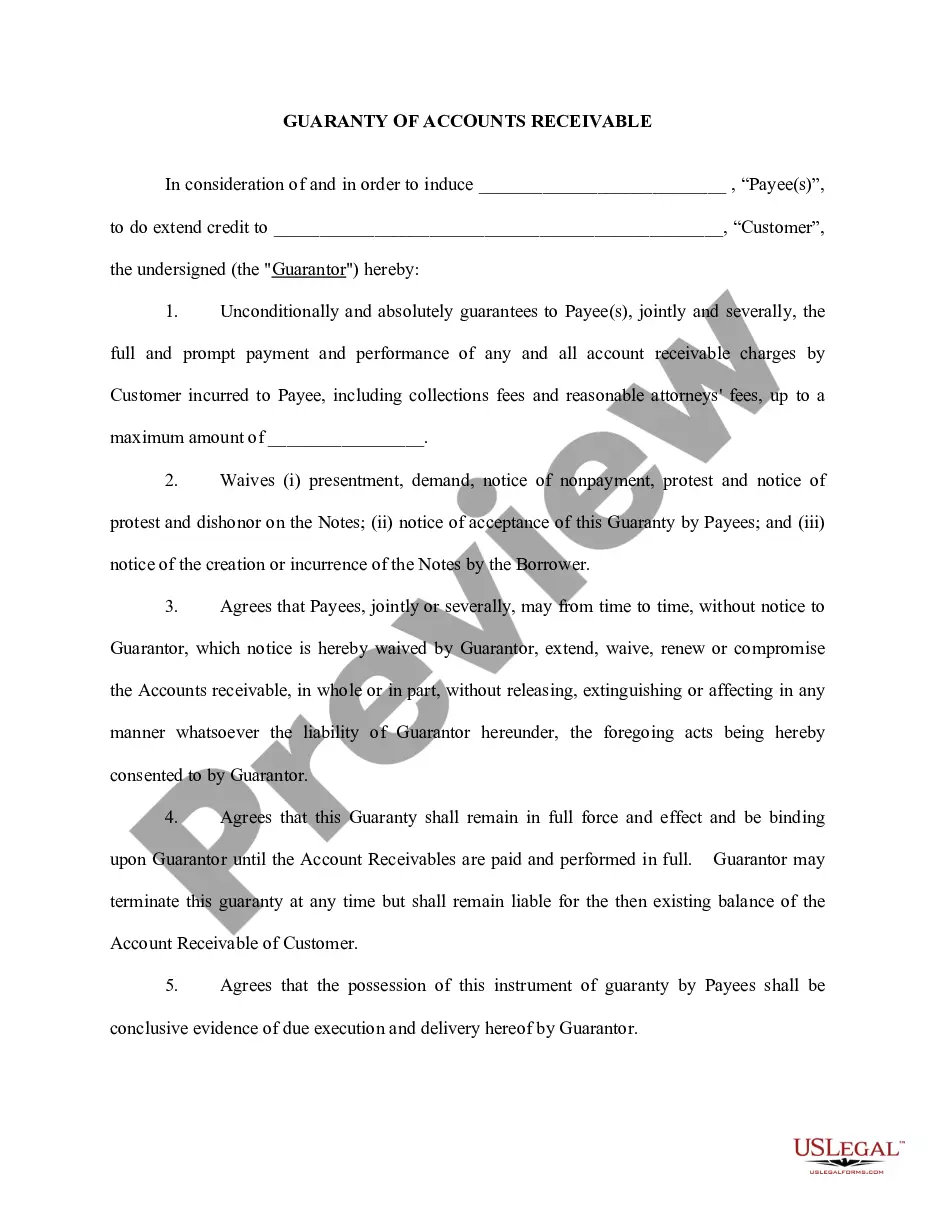
- Conditions under which the guaranty remains effective and details on termination.
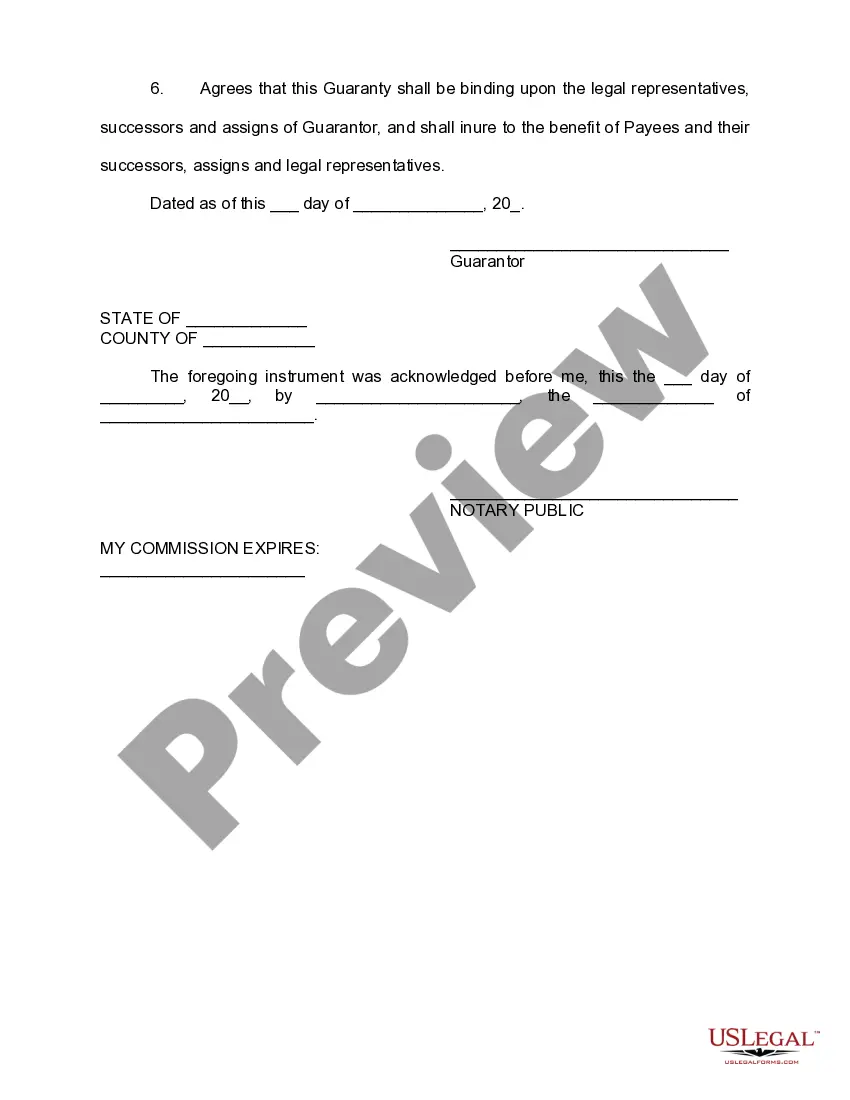
- Signature lines for the guarantor and a notary acknowledgment section.


When to use this document
This form is typically used when a business extends credit to a customer but requires additional assurance that the debt will be paid. For instance, if a supplier grants goods or services on credit, they may ask for a guaranty to mitigate financial risk. It is also utilized in situations where a third party is willing to support the customer's financial obligations, thereby protecting the payee against potential losses.
Who needs this form
- Businesses or individuals extending credit to customers.
- Guarantors who wish to ensure their financial responsibility is clearly defined.
- Accountants and financial advisors managing client credit risks.
- Lawyers advising clients on securing transactions through guarantees.
How to complete this form
- Identify the parties involved: Fill in the names of the guarantor, payee(s), and customer.
- Specify the maximum amount: Enter the cap on the guarantorâs liability to the payee(s).
- Review the waivers: Understand and confirm your agreement to the waivers included in the form.
- Sign and date the document: Ensure the guarantor provides their signature along with the date it is signed.
- Secure notarization: Have the form notarized to ensure its legal validity, if required.
Notarization guidance
Yes, this form must be notarized to be legally valid. Notarization serves to verify the identity of the guarantor and confirms that the document was executed willingly. US Legal Forms offers integrated online notarization for your convenience, available 24/7 via secure video call, ensuring you do not need to travel for notarization and that your document meets legal requirements.
Get your form ready online
Our built-in tools help you complete, sign, share, and store your documents in one place.
Make edits, fill in missing information, and update formatting in US Legal Forms—just like you would in MS Word.
Download a copy, print it, send it by email, or mail it via USPS—whatever works best for your next step.
Sign and collect signatures with our SignNow integration. Send to multiple recipients, set reminders, and more. Go Premium to unlock E-Sign.
If this form requires notarization, complete it online through a secure video call—no need to meet a notary in person or wait for an appointment.
We protect your documents and personal data by following strict security and privacy standards.

Make edits, fill in missing information, and update formatting in US Legal Forms—just like you would in MS Word.

Download a copy, print it, send it by email, or mail it via USPS—whatever works best for your next step.

Sign and collect signatures with our SignNow integration. Send to multiple recipients, set reminders, and more. Go Premium to unlock E-Sign.

If this form requires notarization, complete it online through a secure video call—no need to meet a notary in person or wait for an appointment.

We protect your documents and personal data by following strict security and privacy standards.
Common mistakes
- Failing to specify the maximum liability amount, leading to ambiguity.
- Not obtaining a notarization when required, which can affect enforceability.
- Leaving out important party information or signatures, invalidating the document.
- Overlooking the implications of waiving certain rights specified in the form.
Benefits of using this form online
- Convenience: Download and complete the form at any time from anywhere.
- Editability: Easily customize the document according to specific situations.
- Reliability: Access legally vetted templates drafted by licensed attorneys, ensuring compliance with legal standards.
- Time-saving: Quickly fill out necessary details without the hassle of drafting a guaranty from scratch.
Looking for another form?
Form popularity
FAQ
Protect their accounts receivable against default risks. Extend competitive payment terms without worry. Allow extended market share by moving business deals abroad.
Since the accounts receivable job description can be very stressful at times, not many people can handle the responsibilities without a certain number of skills and personal qualities. These can range from skills picked up in grade school to talents that have always been with the interested employee.
One common option is to use your accounts receivables as collateral for a short term or long term loan, or a line of credit. Using accounts receivables as collateral shows lenders that a business has sufficient incoming cash flow to repay a loan.
THE FIVE WORST PERSONALITY TRAITS FOR ACCOUNTS RECEIVABLE. Collecting on outstanding invoices is probably the least fun part of any job. It is an uncomfortable and, often times, frustrating task.Often times, it will make the job much more difficult and even unenjoyable.
Payment in advance. Delegation of payment. Bank guarantees. Parent company guarantee. Documentary credit of Letter of Credit Standby.
Secured debts are those for which the borrower puts up some asset as surety or collateral for the loan. A secured debt instrument simply means that in the event of default, the lender can use the asset to repay the funds it has advanced the borrower.
Step 1: Determine if credit should be extended to a client. Step 2: Put payment terms in writing and document your agreement. Step 3: Send an itemized, professional invoice. Step 4: Follow-up with an automated invoice reminder. Step 5: Step up collection efforts.
Overstatement of revenue: When revenue is overstated, more receivables are recorded than what customers actually owe. Unenforced cutoffs: Cutoffs ensure that financial transactions are accurate and accounted for in the correct accounting period.